
Industry News
Curation by industry experts
Hot Articles
Popular Tags
Industrial Emissions Data: What Matters Most for Compliance Audits in Manufacturing
In manufacturing, industrial emissions data is not just an environmental record. It is operational evidence that shapes compliance audits, reveals control gaps, and influences how a site is judged by regulators, customers, and internal risk teams.
That matters even more as audit scope expands beyond stack readings alone. Wastewater quality, fugitive releases, treatment reliability, waste handling, and traceable monitoring practices now sit closer together in one compliance picture.
For complex facilities, the real challenge is rarely a lack of numbers. It is knowing which industrial emissions data points carry the most weight, how they connect to permits, and where auditors usually look first.
Why emissions data now carries more audit pressure
Environmental compliance has become more interconnected. Air emissions, wastewater discharge, solid residue tracking, and energy-linked process performance increasingly affect the same audit conversation.
Cross-border policy changes add another layer. Carbon accounting, supplier transparency, and mechanisms such as CBAM are pushing manufacturers to prove that environmental controls are both installed and functioning as intended.
This is where industrial emissions data gains strategic value. It helps distinguish a temporary upset from a systemic weakness, and it supports decisions before a deviation becomes a regulatory event.
From the perspective of ESD’s intelligence focus, that broader view is already visible across water treatment, flue gas treatment, resource recovery, desalination, and high-risk waste systems.
Audits are no longer satisfied with end-of-pipe numbers alone. They increasingly test the chain behind those numbers, including equipment condition, process stability, operator response, and documentation discipline.
What industrial emissions data really includes
The term covers more than periodic laboratory reports. In practice, it includes every monitored output that shows how pollutants are generated, treated, discharged, stored, or transferred.
For air systems, that often means SOx, NOx, particulate matter, VOCs, opacity, flow rate, oxygen content, and continuous emissions monitoring system records.
For water systems, critical data may include pH, COD, BOD, ammonia, TSS, conductivity, heavy metals, flow volume, and events related to bypass, overflow, or treatment interruption.
Solid waste and recovery operations bring another set of signals. Material classification, transfer manifests, residue composition, storage duration, contamination rates, and recovery efficiency all matter during review.
In higher-risk sectors, auditors may also examine membrane performance, scrubber efficiency, catalyst behavior, sludge generation, radiation shielding records, or vitrification stability indicators where relevant.
Industrial emissions data becomes meaningful when these readings are tied to permit limits, equipment design conditions, and the normal operating envelope of the plant.
The data points auditors usually treat as decisive
Not every metric carries the same compliance weight. Auditors tend to focus on data that proves legal conformance, system reliability, and management response under changing operating conditions.
Limit-related measurements
The first priority is direct comparison with permit thresholds. Exceedances, near misses, unusual spikes, and recurring values close to the limit often receive immediate attention.
Sampling integrity
Good numbers lose value if collection practices are weak. Calibration records, sampling frequency, chain of custody, laboratory method consistency, and missing intervals are frequent audit checkpoints.
Operational context
A reading only tells part of the story. Auditors compare industrial emissions data with production rate, fuel quality, raw material shifts, maintenance activities, startup conditions, and abnormal process events.
Control equipment performance
Scrubbers, baghouses, oxidizers, biological treatment units, membrane systems, and ZLD trains must show stable function. Differential pressure, reagent dosing, reject stream trends, and downtime logs often matter as much as final discharge values.
Response to deviation
When a deviation occurs, auditors look for speed and discipline. Was the event detected quickly, escalated correctly, documented clearly, and followed by a preventive action with measurable closure?
Where interpretation often goes wrong
One common mistake is treating industrial emissions data as a reporting output rather than a control input. That usually delays intervention until an exceedance appears on paper.
Another problem is reviewing data in silos. Air teams, wastewater teams, maintenance teams, and production teams may each hold part of the picture, while no one checks the full causal chain.
Facilities also underestimate low-frequency events. Startup, shutdown, tank cleaning, catalyst changeout, membrane fouling, waste transfer, and storm-related upsets can create audit exposure far beyond routine operations.
In some cases, data quality is technically acceptable but operationally weak. Reports exist, yet timestamps do not align, unit conversions vary, or exceptions are buried in narrative comments.
That is why stronger compliance systems emphasize data traceability, context, and exception logic, not just final totals.
How this plays out across manufacturing environments
Industrial emissions data looks different by process, but the audit logic is similar. The facility must show that emissions are understood, controlled, measured correctly, and managed over time.
Water-intensive plants
Sites with high-concentration wastewater need close control of influent variability, treatment chemistry, sludge output, and discharge consistency. ZLD systems add risk around concentrate handling and membrane performance loss.
Combustion and thermal processes
Here, industrial emissions data often centers on flue gas treatment. Fuel switching, load instability, reagent use, and low-temperature catalyst behavior can materially change compliance margins.
Resource recovery operations
Pyrolysis, sorting, and secondary materials handling create a mixed profile of air releases, odor, dust, wastewater, and residue traceability. Audits often test whether recovered value hides unmanaged by-products.
High-consequence waste streams
In nuclear or similarly sensitive environments, the standard for industrial emissions data is far stricter. Integrity, custody, stability, and long-term containment records become essential parts of compliance proof.
Practical steps that improve audit readiness
Stronger audit outcomes usually come from disciplined routines rather than dramatic system overhauls. The most useful improvements make industrial emissions data easier to trust, explain, and act on.
- Map every monitored parameter to a permit condition, internal limit, and responsible owner.
- Link emissions trends with production, maintenance, and utility data to expose hidden drivers.
- Flag values approaching limits, not only formal exceedances.
- Standardize event logging for startup, shutdown, bypass, spills, and treatment interruptions.
- Review instrument calibration and laboratory method consistency on a fixed schedule.
- Use root cause records that point to equipment, process, and management factors separately.
- Test whether historical industrial emissions data supports external disclosure and customer review, not just regulator inspection.
In practice, this approach turns data management into a control discipline. It also makes discussions with operations, EHS teams, and external auditors more fact-based and less reactive.
What to review next
The next useful step is not collecting more data by default. It is checking whether current industrial emissions data answers the questions an audit is most likely to raise.
Start with the highest-risk emission points, the least stable treatment assets, and the records that support permit compliance under abnormal conditions. Those areas usually reveal the fastest improvement opportunities.
It also helps to compare site data practice with broader environmental intelligence. Evolving standards in flue gas treatment, advanced water purification, recovery systems, and high-consequence waste control are changing what “audit-ready” really means.
When industrial emissions data is organized as evidence rather than archive, compliance audits become easier to manage, and operational decisions become harder to challenge for the wrong reasons.
Recommended News
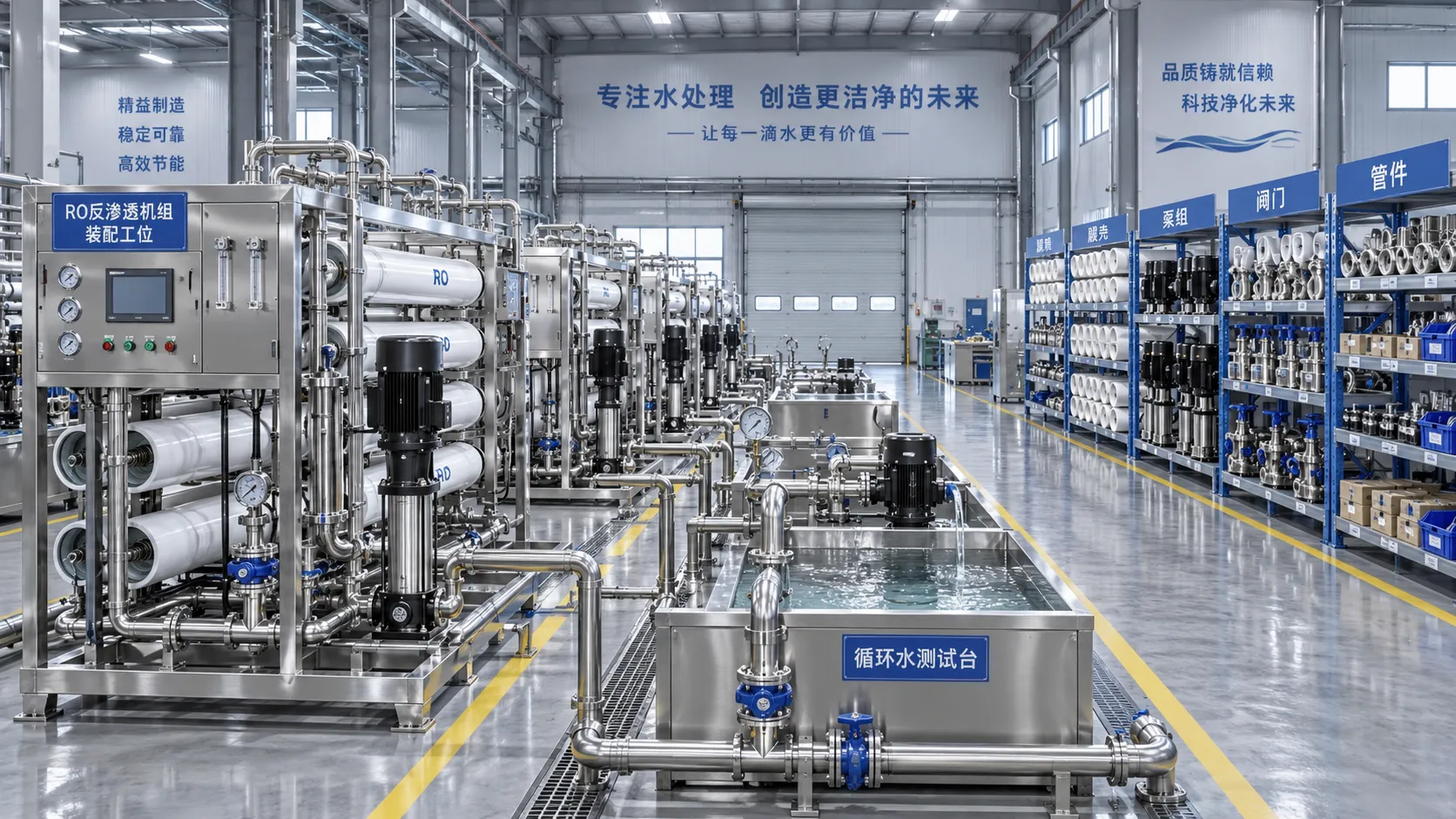
How to verify a water treatment system factory’s production capacity
Verify a water treatment systems factory’s production capacity through records, bottlenecks, component availability, and testing. Learn what to check before accepting a delivery promise.
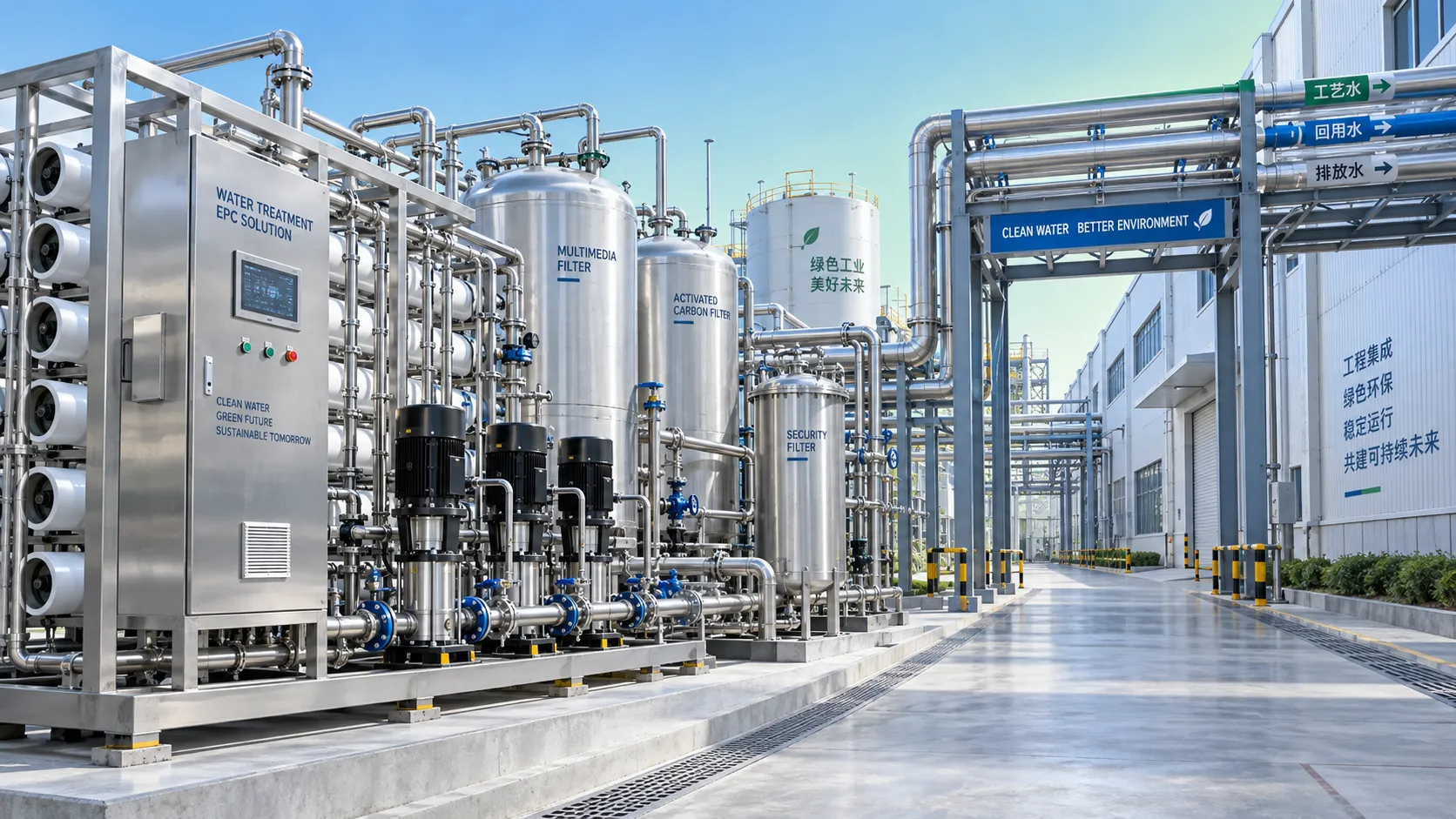
When does EPC environmental project support reduce delivery risk?
EPC environmental project support engineering reduces delivery risk by aligning design, procurement, compliance, construction, and commissioning decisions.
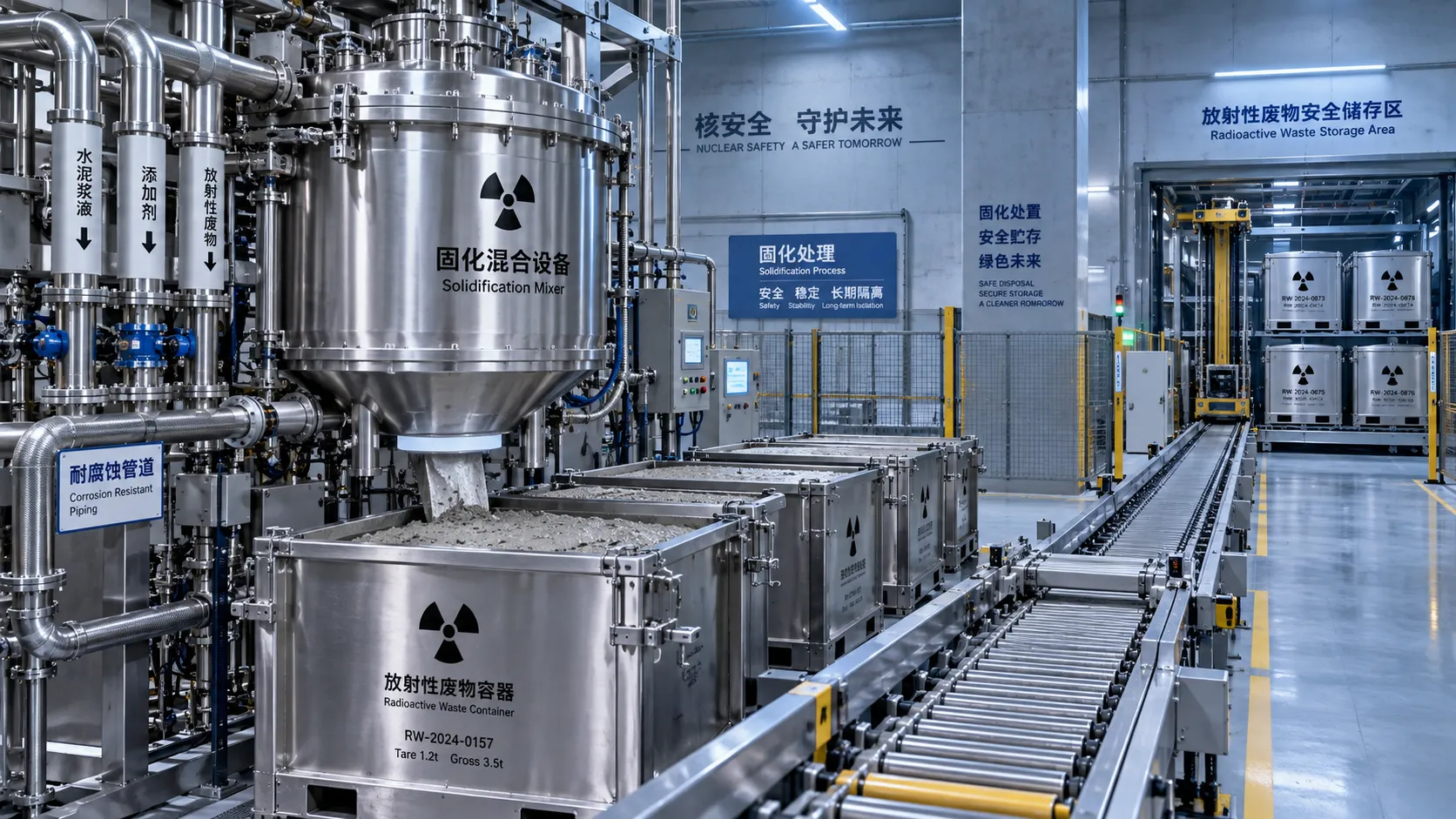
How nuclear plants select a radioactive waste solidification method
Radioactive waste management for nuclear plants: compare vitrification, cementation, polymers, and ceramics to select a compliant, durable solidification solution.
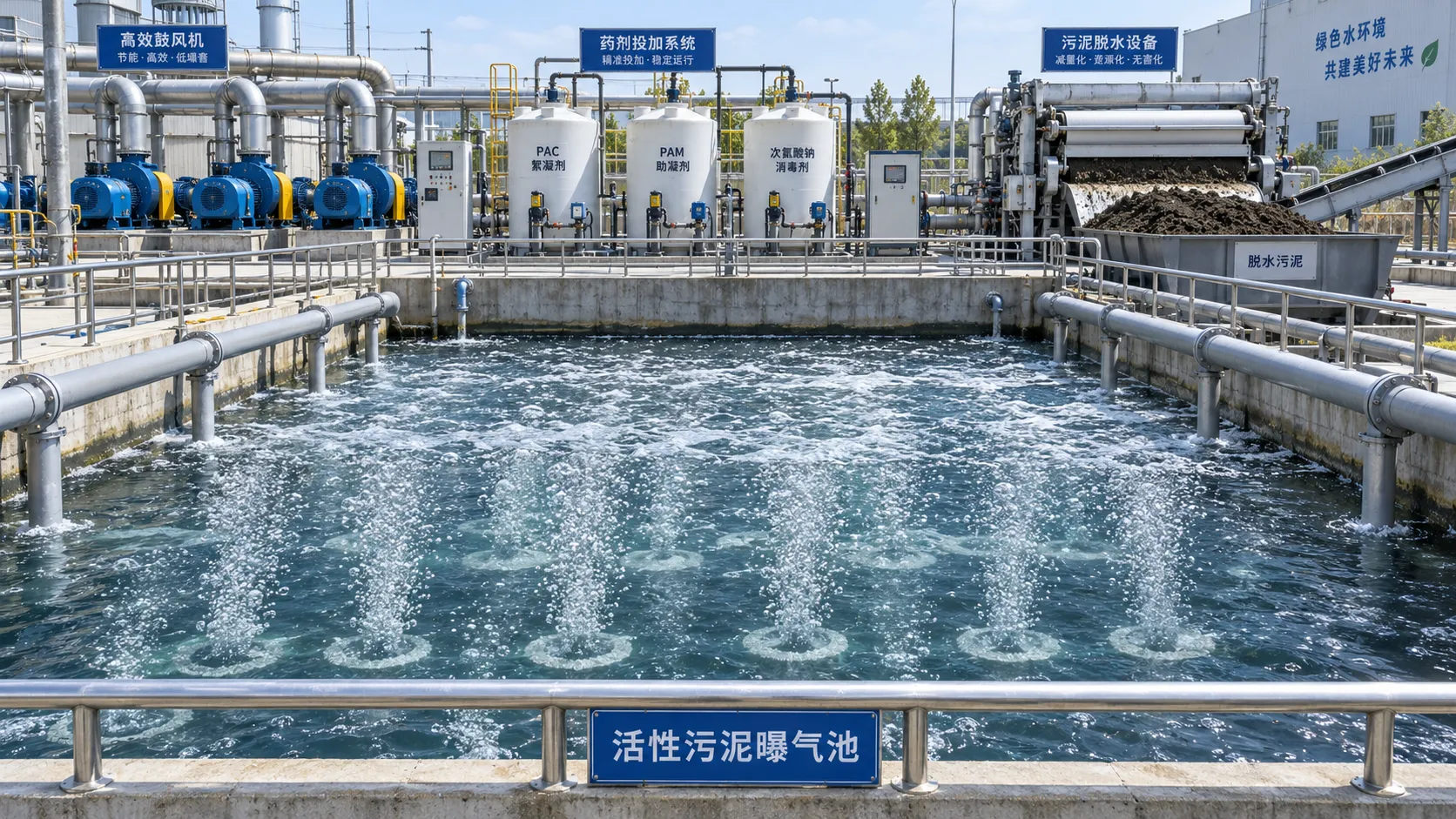
Activated Sludge Cost: Budgeting Energy, Chemicals, Sludge, and Labor
Activated sludge cost explained: compare energy, chemicals, sludge disposal, labor, and compliance risks to build a reliable lifecycle budget.
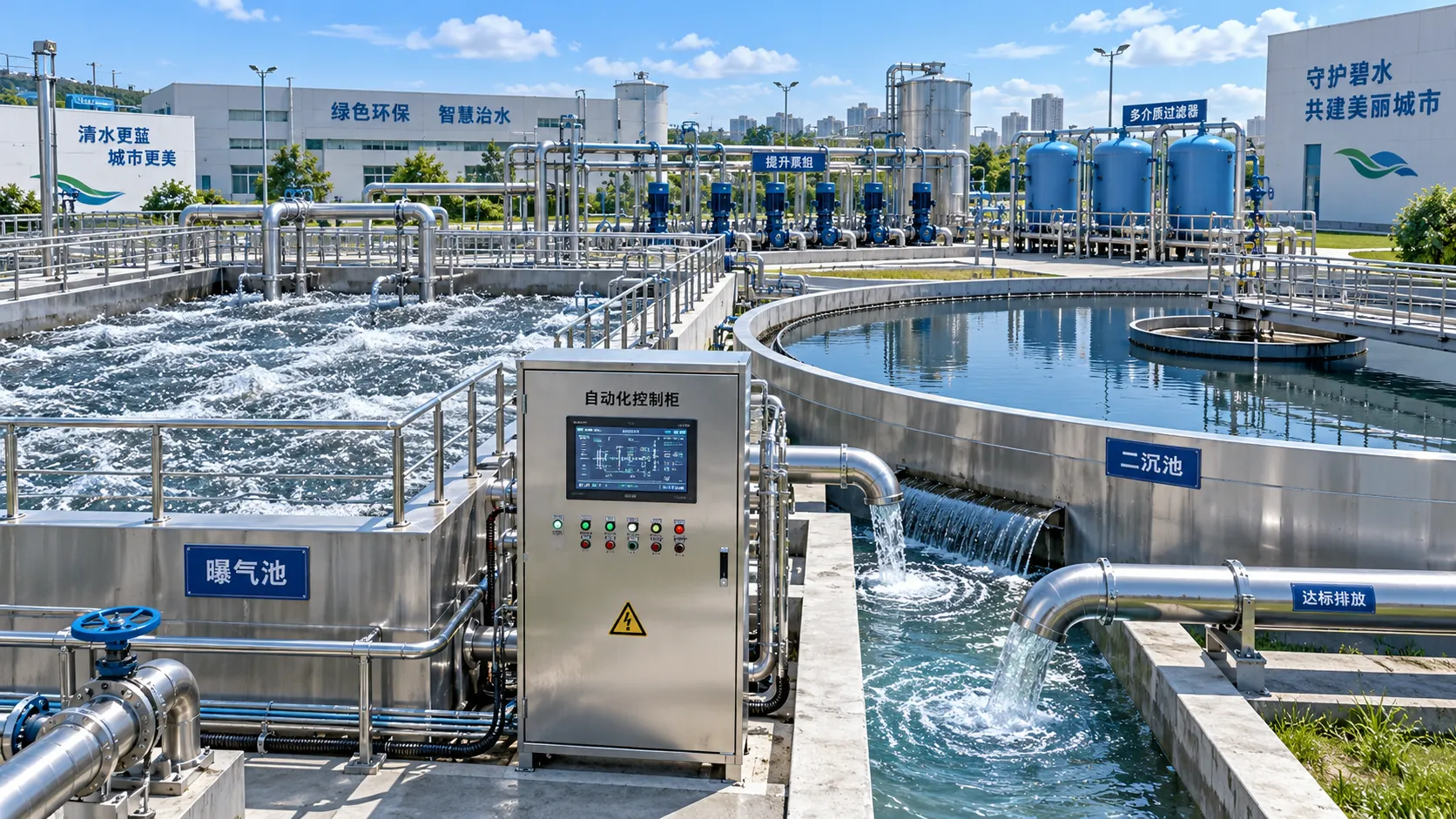
When Should Municipal Wastewater Plants Upgrade Treatment Capacity and Controls?
Municipal wastewater treatment upgrades: learn when capacity, controls, and resilient planning are needed to protect compliance and optimize plant performance.
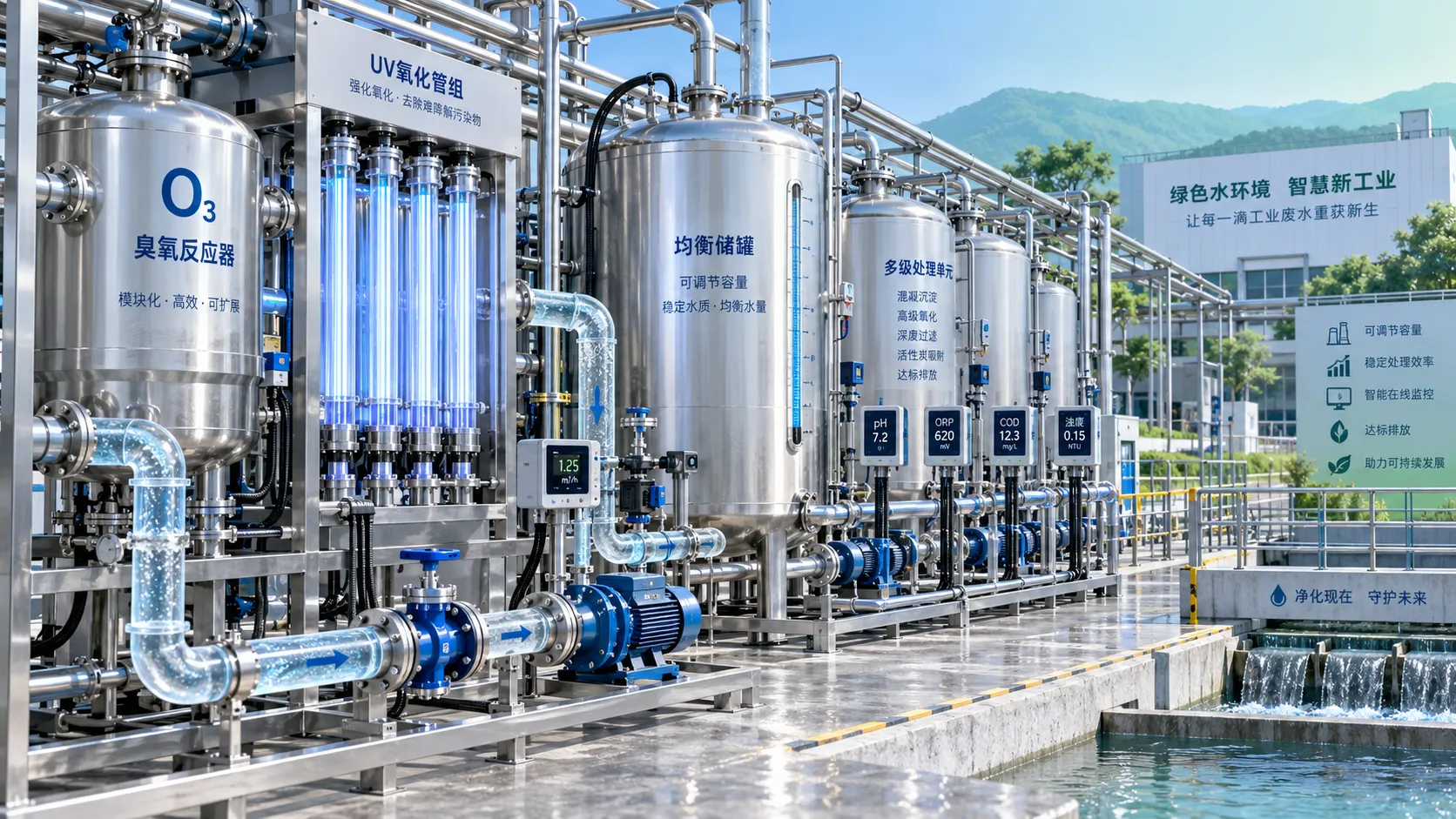
How to size advanced oxidation equipment for variable wastewater loads
Advanced oxidation equipment guide for sizing AOP systems under variable wastewater loads, improving compliance, efficiency, and lifecycle cost control.
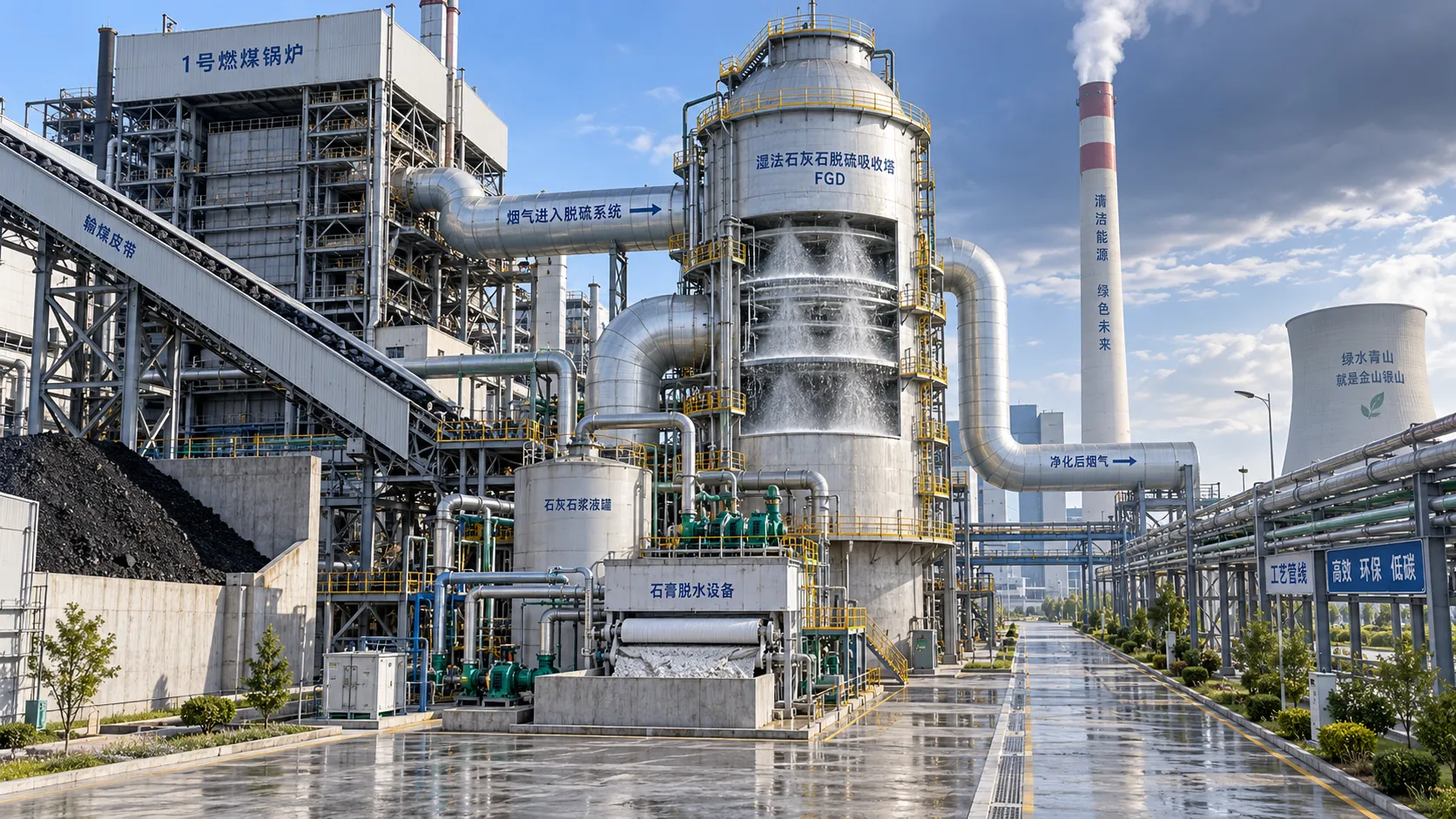
How to select FGD systems for coal boilers based on sulfur content
FGD systems for coal boilers: learn how sulfur content, fuel variability, emissions limits, water, waste, and retrofit constraints guide a compliant, cost-effective scrubber choice.
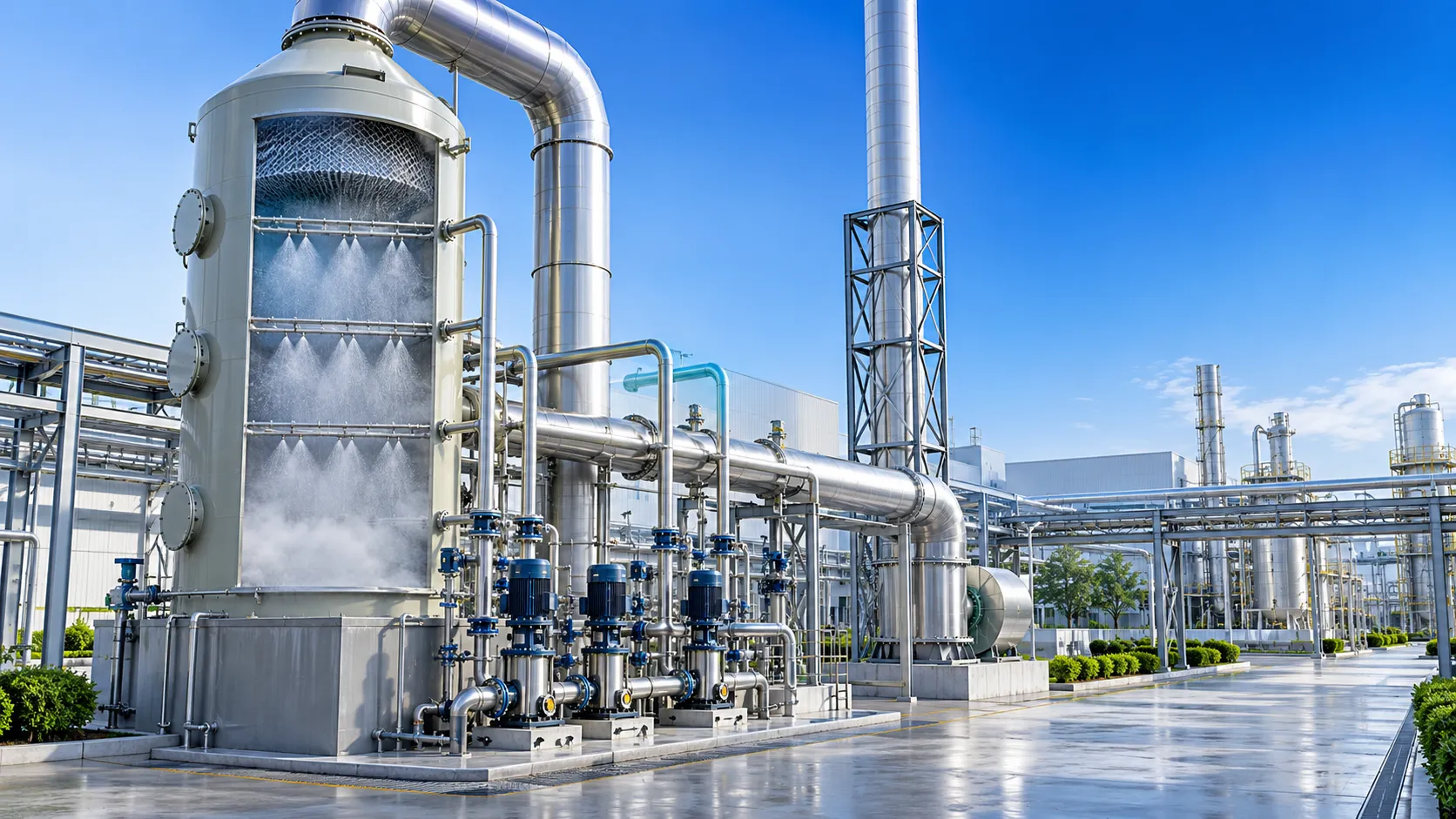
How to size a desulfurization equipment scrubber for variable gas flow
Desulfurization equipment scrubber sizing for variable gas flow: optimize SO2 removal, pressure drop, liquid-to-gas control, and compliance across every load.
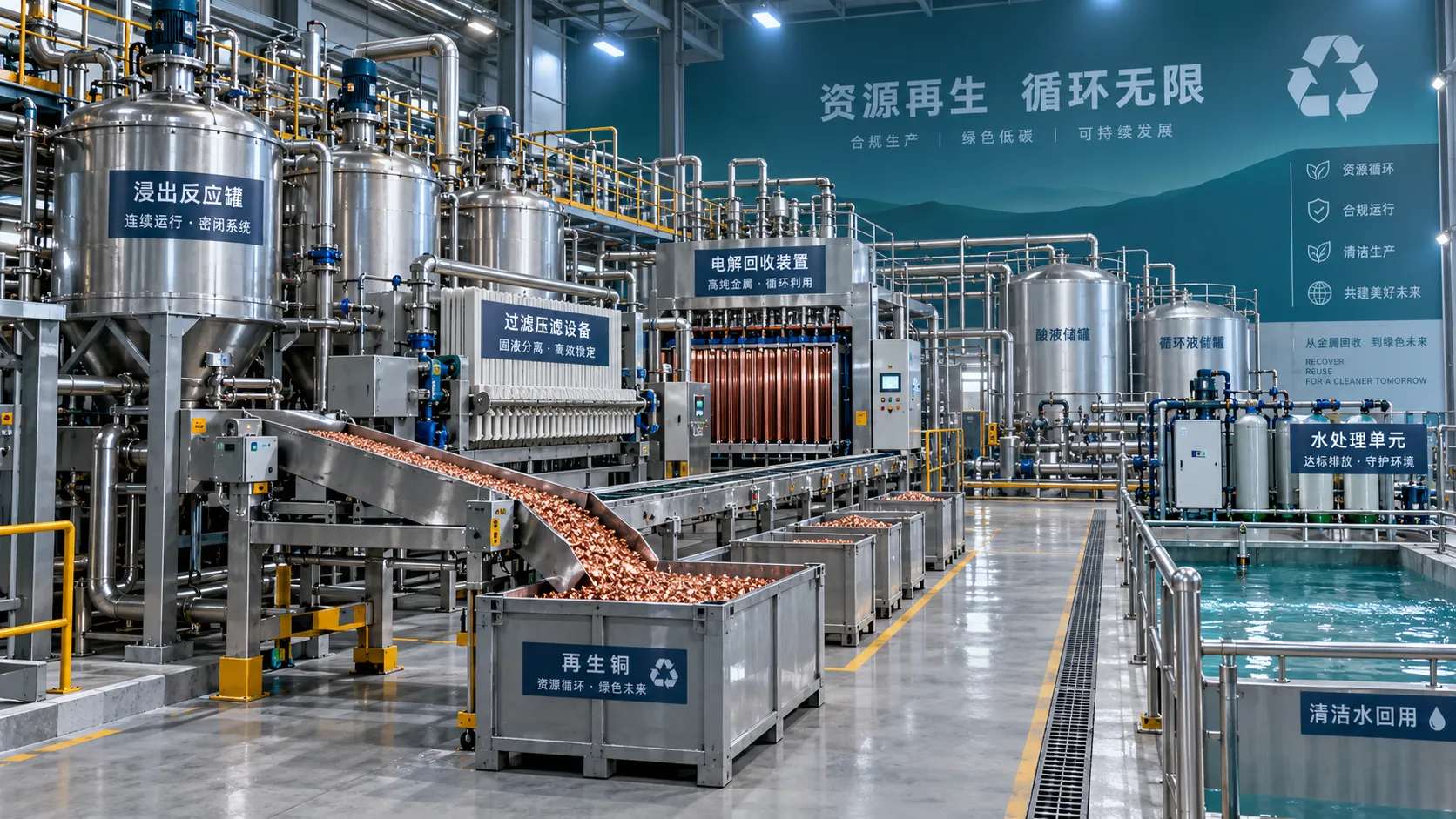
When does repeatable metals recovery infrastructure justify the investment?
Repeatable metals recovery infrastructure: discover when consistent feedstock, lower disposal costs, compliance control, and reliable offtake justify investment.