
Industry News
Curation by industry experts
Hot Articles
Popular Tags
Industrial Decarbonization Projects: How to Rank ROI Beyond Energy Savings
Industrial Decarbonization Projects: Why ROI Is Bigger Than the Utility Bill
Industrial decarbonization is often framed as an energy story. That view is too narrow for capital approval.
In practice, the stronger return may come from avoided disruption, smoother compliance, and better positioning in regulated supply chains.
This matters across water treatment, waste recovery, flue gas control, desalination, and nuclear waste systems, where process reliability and environmental performance are tightly linked.
A useful industrial decarbonization review asks a wider question: what cash flows become safer, more durable, or more accessible after the project is installed?
That is also the lens used by ESD’s intelligence approach, which connects equipment performance, regulatory movement, and market access into one decision framework.
What should count as ROI in industrial decarbonization?
The short answer is this: energy savings are only one line in the model.
A broader industrial decarbonization ROI should include avoided carbon exposure, lower compliance volatility, asset life extension, and revenue protection.
For example, a high-efficiency flue gas treatment upgrade may cut fuel use. More importantly, it can reduce emissions risk during tighter permit enforcement.
A Zero Liquid Discharge investment may raise power demand. Yet it can protect plant continuity where discharge permits are tightening or freshwater access is unstable.
The same logic applies to solid waste recovery lines. Better sorting and material recovery can shift disposal cost into secondary value creation.
More common high-value ROI categories include the following.
- Reduced exposure to carbon pricing, CBAM-linked cost pressure, or emissions penalties.
- Higher operating uptime because environmental bottlenecks stop causing shutdowns.
- Longer equipment life through better process control, corrosion management, and cleaner operating conditions.
- Improved bid eligibility in public infrastructure and multinational supply contracts.
- Better financing terms when lenders assess transition risk and environmental resilience.
When does industrial decarbonization create value even if payback looks slow?
This is where many reviews go wrong. A slow utility payback does not mean weak investment quality.
Some projects are defensive by design. They protect earnings rather than generate obvious monthly savings.
Seawater desalination is a good example. Energy intensity is high, so a narrow payback test can look unattractive.
But if membrane optimization, energy recovery, or cleaner pretreatment improves reliability, the real gain may be supply assurance and lower outage cost.
In nuclear waste management, industrial decarbonization value may come from long-horizon risk control, not from short-cycle operating savings.
In wastewater systems, decarbonization can also support permit continuity, sludge reduction, and lower chemical dependency.
A practical way to compare project logic is to separate visible savings from protected value.
That table is often more useful than a simple payback sheet because it shows why industrial decarbonization can protect enterprise value.
How do you test whether a project reduces risk or just adds complexity?
A good question is not “Is the technology advanced?” It is “Does it remove a material business constraint?”
In actual evaluation, three screens work well.
1. Check the regulatory pressure curve
Industrial decarbonization projects rise in value when standards tighten faster than legacy assets can adapt.
This is especially relevant where emissions permits, water discharge limits, or cross-border carbon rules are moving quickly.
2. Check the operational bottleneck
If environmental equipment repeatedly slows throughput, causes rework, or limits expansion, decarbonization may unlock hidden capacity.
That upside rarely appears in basic energy calculations.
3. Check the data credibility
Claims should be supported by process conditions, baseline loads, maintenance history, and realistic utilization assumptions.
This is where specialist intelligence matters. ESD’s coverage of membrane behavior, catalyst kinetics, and vitrification stability reflects that deeper technical validation is essential.
Which hidden value drivers are most often missed in industrial decarbonization reviews?
Several value drivers are easy to miss because they sit outside the utility ledger.
- Contract access. Some buyers now screen suppliers on emissions intensity, water stewardship, and waste traceability.
- Insurance and financing signals. Cleaner, more controlled assets may be viewed as lower-risk over long operating horizons.
- Residual value. Equipment with stronger environmental performance can age better in regulated markets.
- Carbon cost avoidance. Even before formal taxes apply, internal carbon accounting can change project ranking.
- Reputation with regulators. Plants that modernize early often negotiate from a stronger position during permit renewal.
For heavy industrial sites, these drivers can outweigh direct energy savings, especially where project life runs well beyond five years.
That is why industrial decarbonization should be modeled as a portfolio of savings, resilience, and strategic optionality.
What mistakes make industrial decarbonization look weaker than it really is?
The most common mistake is evaluating a system upgrade as if it were a simple efficiency retrofit.
Another mistake is using short depreciation logic for assets exposed to long-term environmental policy shifts.
There is also a tendency to ignore second-order gains, such as lower fouling, fewer shutdowns, and better compliance reporting.
A more grounded review should avoid these traps.
- Do not compare all projects with one payback threshold.
- Do not treat compliance risk as an unpriced external issue.
- Do not accept vendor savings estimates without site-specific load data.
- Do not exclude market access effects where export rules or customer audits matter.
- Do not overlook maintenance burden when selecting low-carbon process equipment.
In other words, industrial decarbonization should be judged by business relevance, not by a narrow spreadsheet habit.
How should a final approval framework be structured?
A balanced framework usually combines hard numbers with exposure mapping.
One useful method is to score each industrial decarbonization project across five areas.
If a project scores strongly in three or more areas, the investment case is often stronger than its energy-only payback suggests.
That is especially true in sectors where environmental equipment is not peripheral, but central to production continuity.
So how should the next review start?
Start by reframing the question. Do not ask only how much energy a project saves.
Ask which risks it removes, which contracts it protects, and which future costs it prevents.
For industrial decarbonization, the best decisions usually come from combining technical detail with market intelligence.
That is why a cross-check against regulation, process constraints, and equipment science is worth doing before final approval.
A practical next step is to build a short review sheet for each candidate project.
- Map direct savings and non-energy value separately.
- Test sensitivity under tighter carbon or discharge rules.
- Review lifecycle effects on membranes, catalysts, scrubbers, or waste systems.
- Compare strategic upside, not just engineering payback.
When industrial decarbonization is ranked this way, ROI becomes clearer, more realistic, and far more aligned with long-term enterprise value.
Recommended News
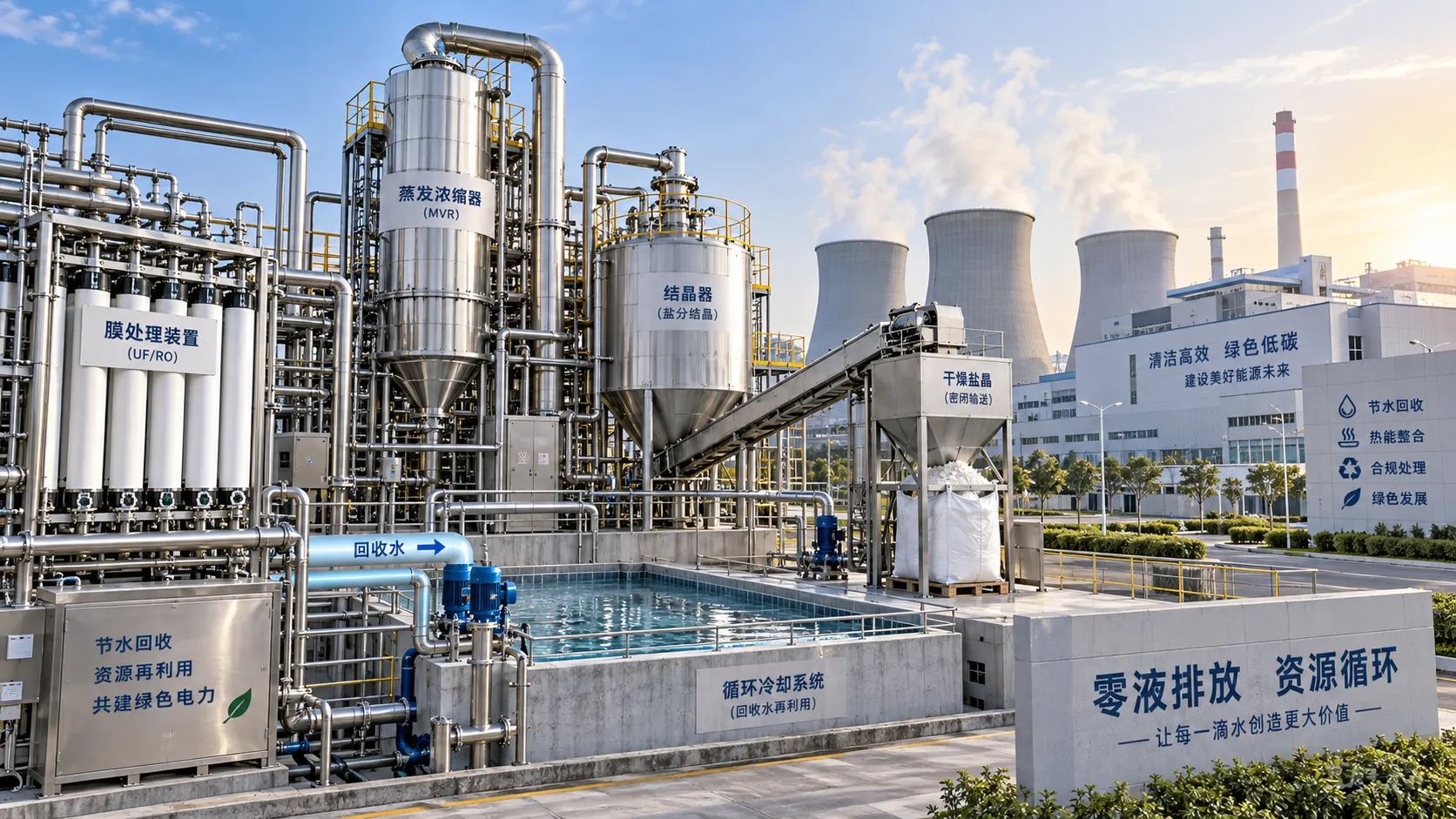
When do ZLD systems for power generation justify their energy use?
ZLD systems for power generation: learn when energy-intensive water recovery delivers stronger compliance, resilience, and long-term value.
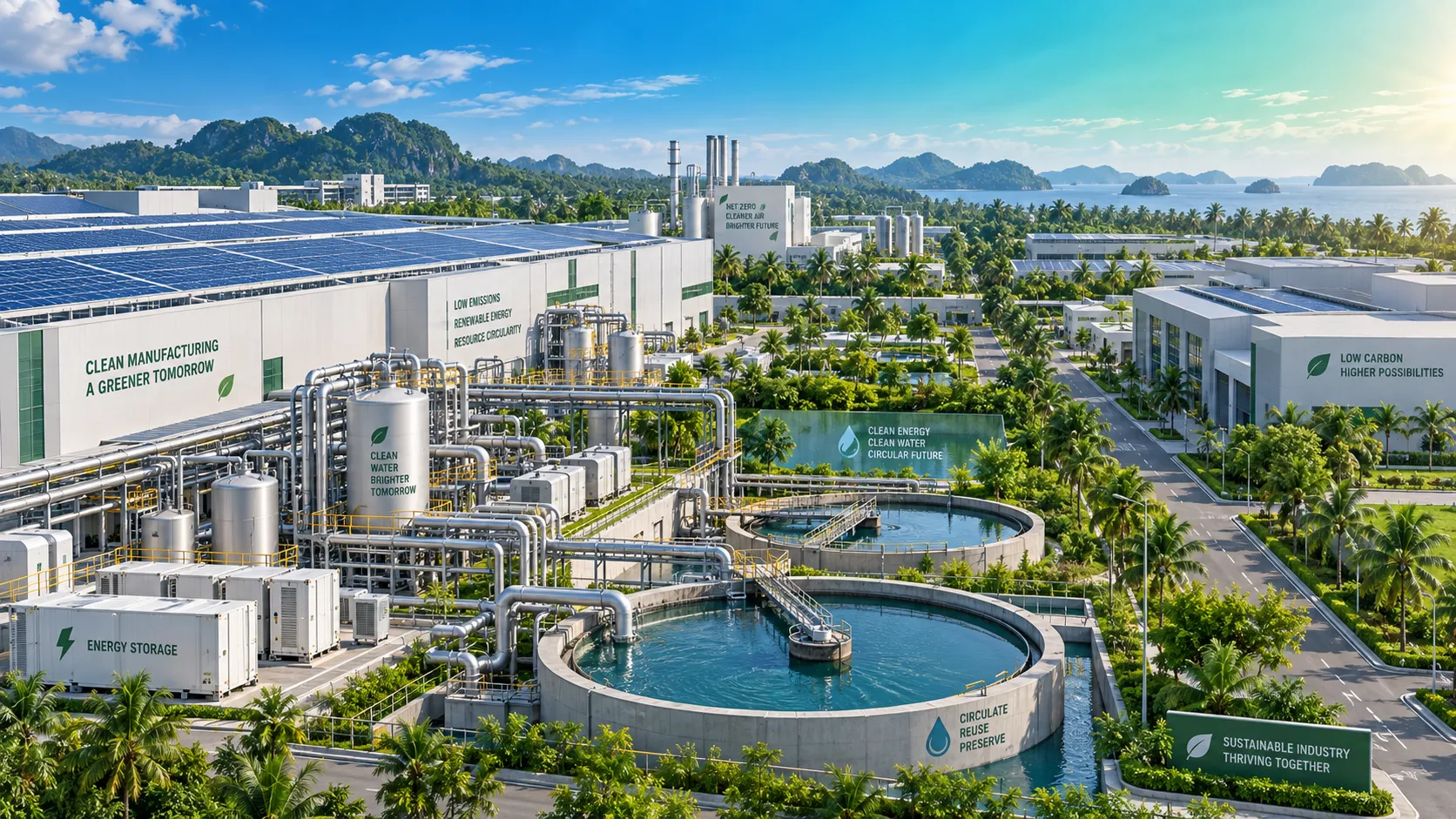
Which decarbonization pathways are most viable in Southeast Asia?
Decarbonization Southeast Asia: discover practical pathways for clean power, efficiency, electrification, circular recovery, and resilient industrial growth.
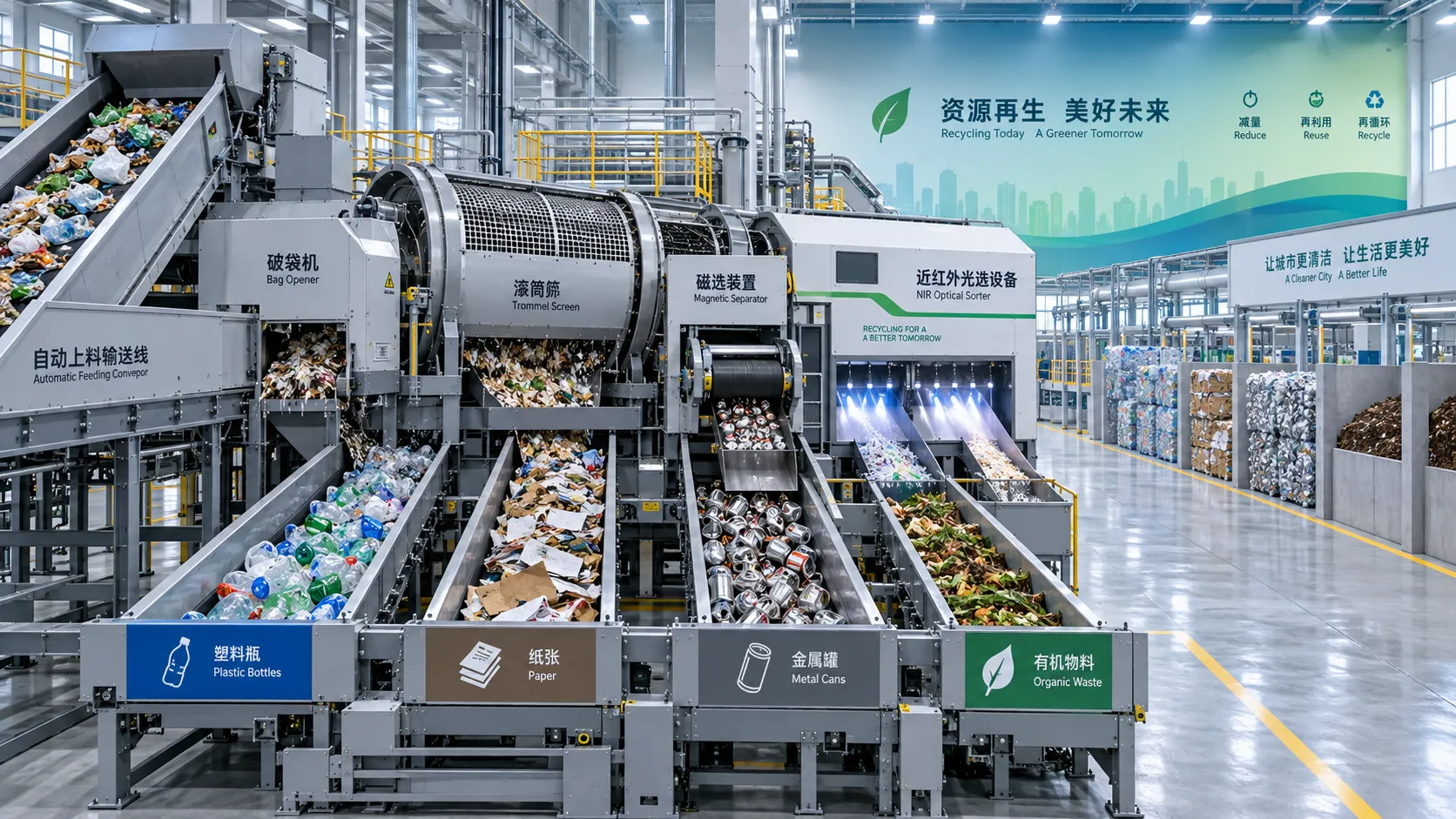
How to choose waste sorting equipment for mixed municipal waste
Waste sorting equipment selection guide for mixed municipal waste: compare technologies, improve recovery, reduce downtime, and build reliable output streams.
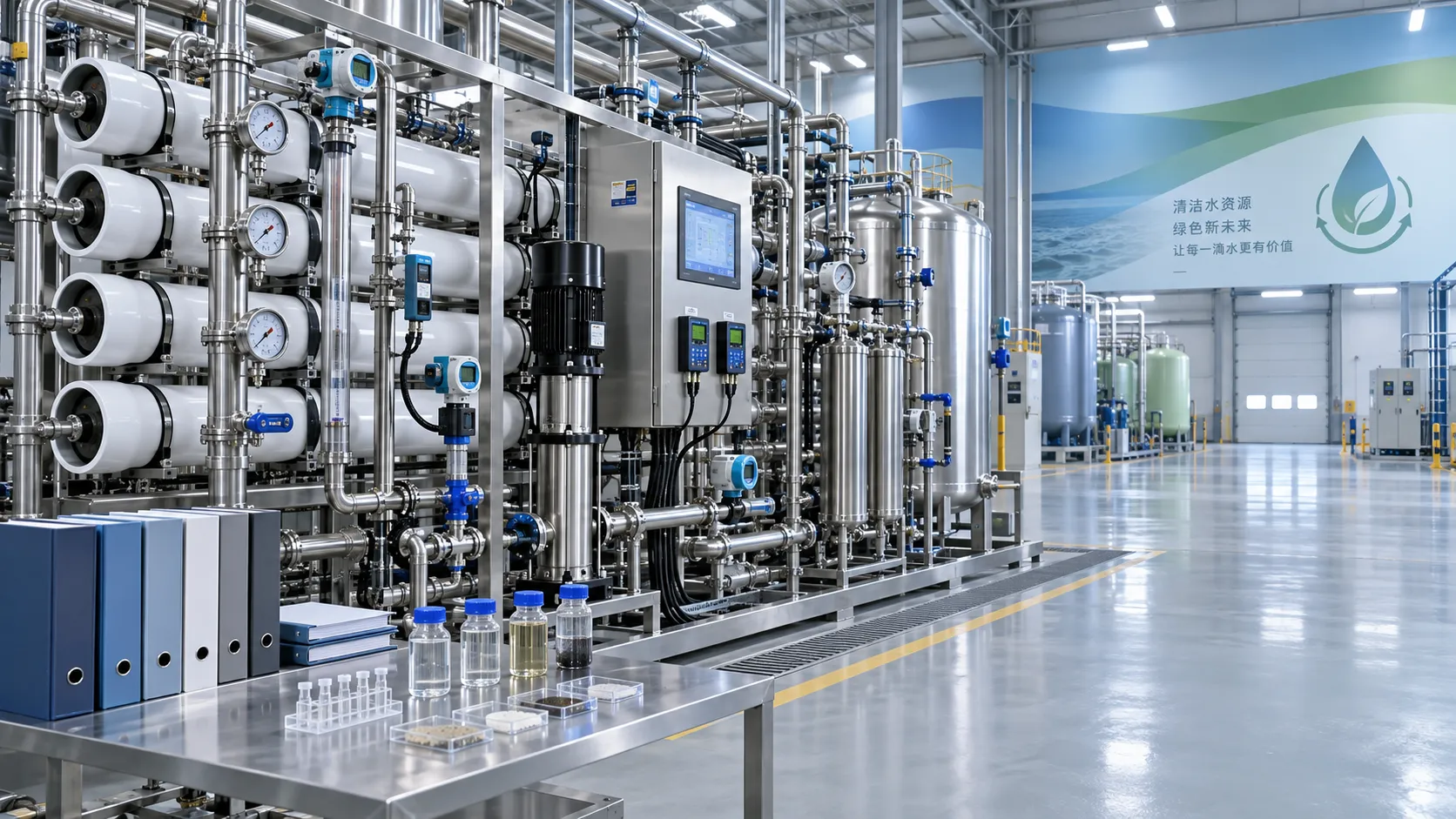
How to verify standards in an environmental equipment directory
environmental equipment directory standards reference: learn to verify certifications, performance evidence, scope, and project fit for confident, compliant equipment selection.
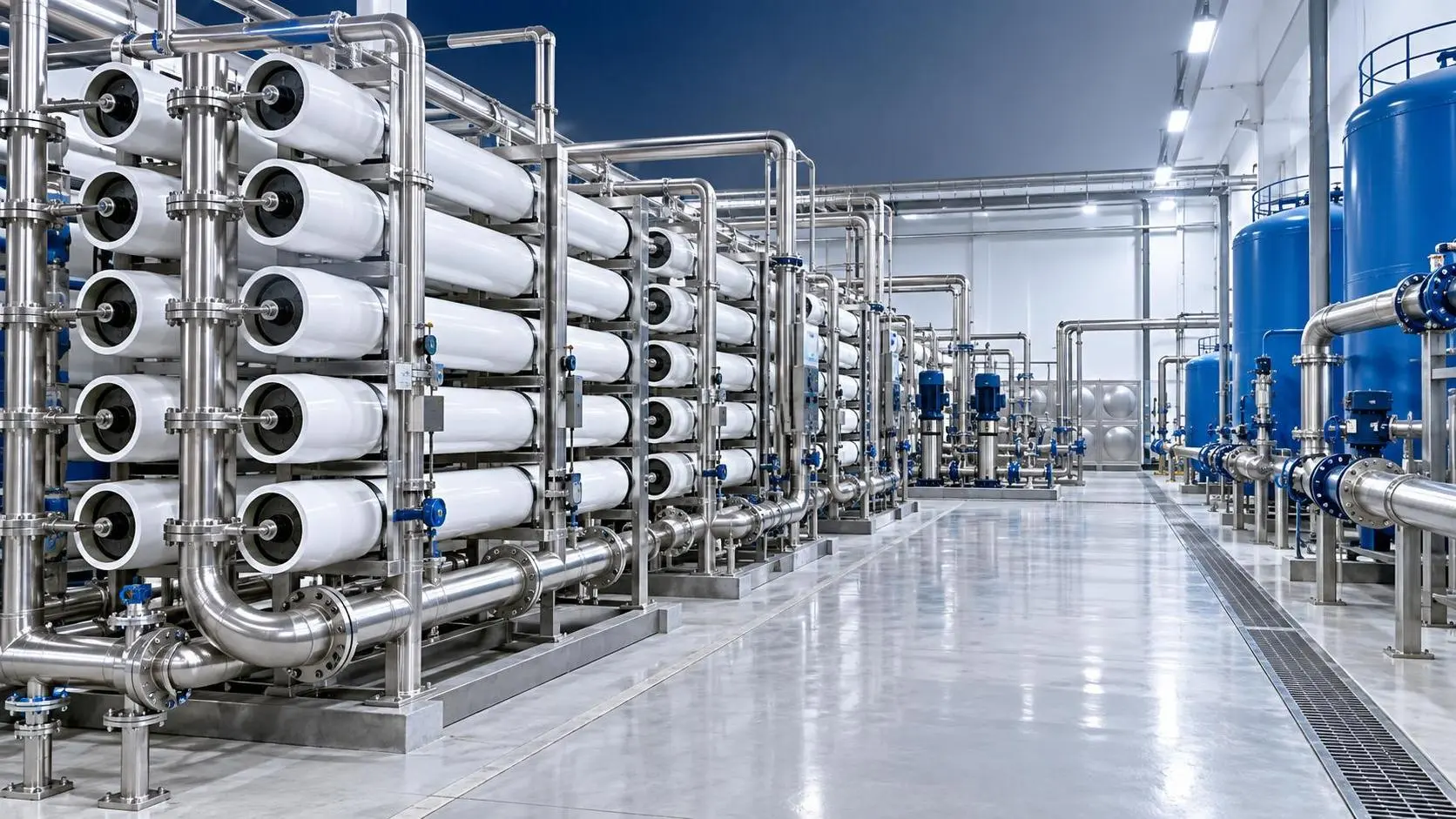
When high flux membrane water treatment justifies a larger footprint
High flux membrane water treatment can justify a larger footprint when variable feedwater, fouling risk, and uptime demands require resilient, lower-flux operation.
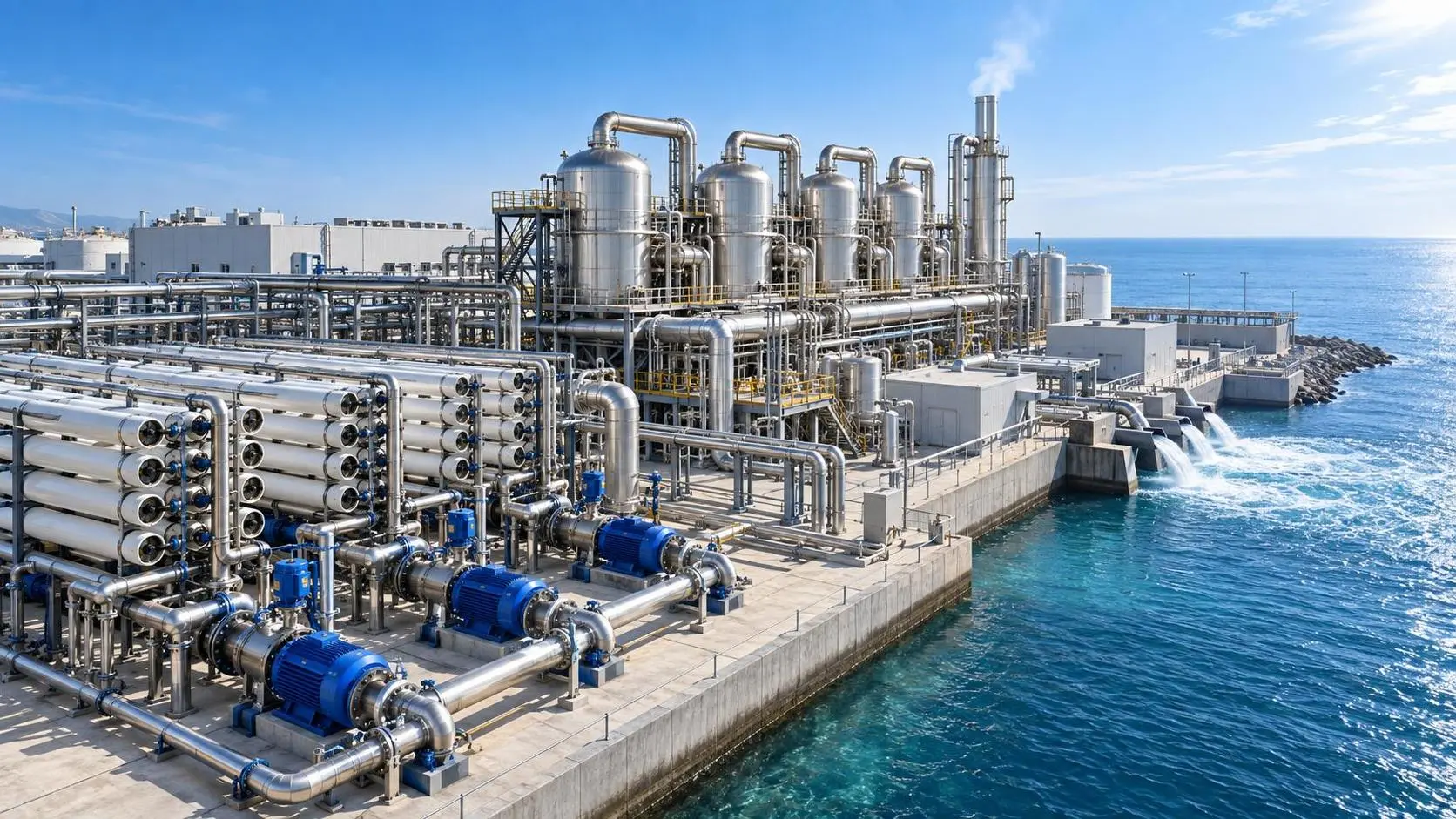
RO vs MED desalination: which is more energy-efficient at scale?
Desalination technology comparison: RO vs MED at scale. See how energy use, waste heat, feedwater, carbon, and flexibility determine the best choice.
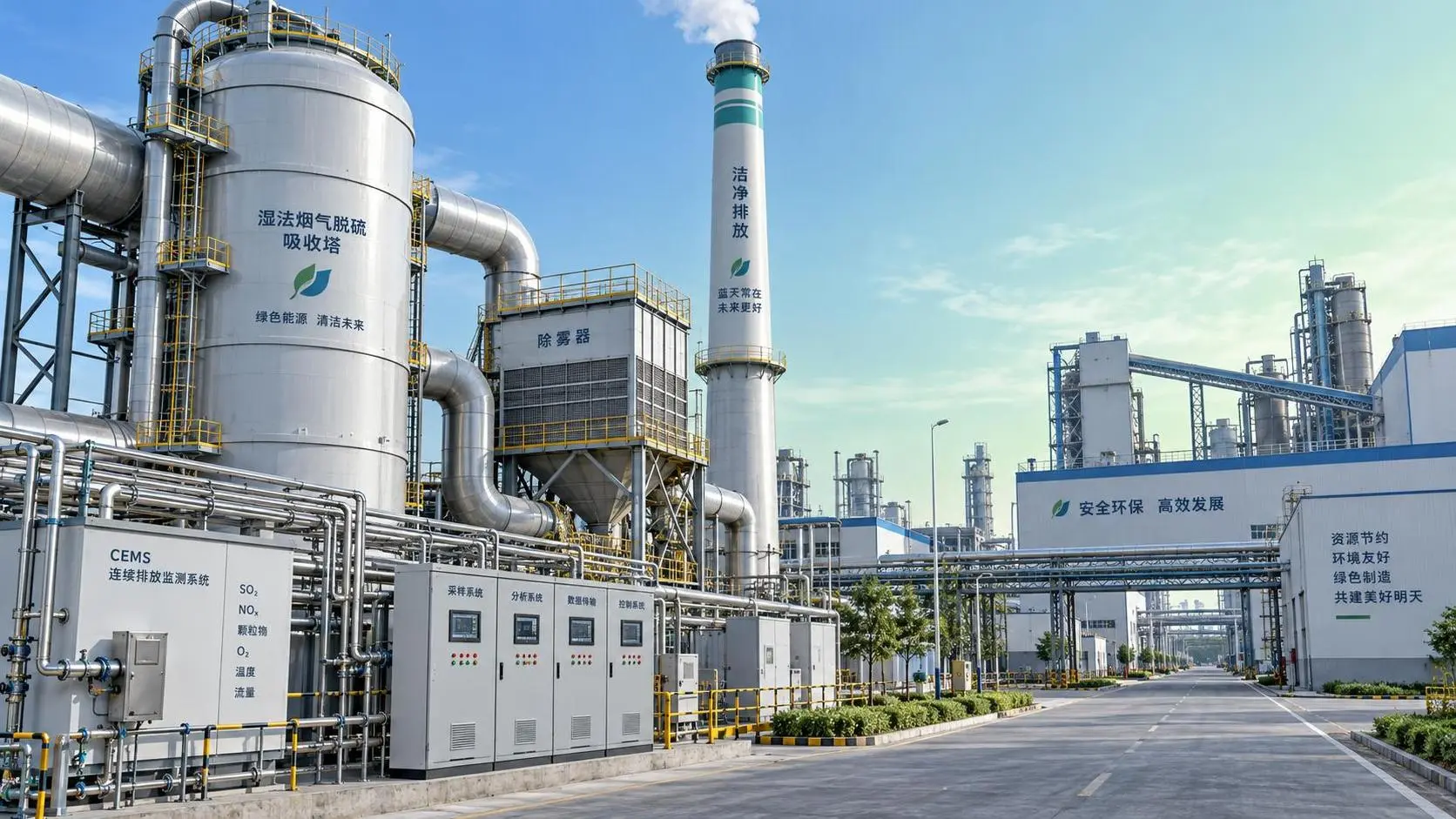
Which ISO standards apply to flue gas treatment systems?
Flue gas treatment systems ISO standards: explore key requirements for emissions testing, CEMS, safety, fabrication, corrosion control, and compliant project evaluation.

When corrosion resistant purification systems are needed for brine treatment
Corrosion resistant purification systems for brine treatment: assess chloride, heat, scaling, materials, and lifecycle reliability for demanding water projects.

How preventive maintenance reduces seawater desalination equipment downtime
Seawater desalination equipment maintenance reduces downtime through proactive monitoring, pretreatment protection, and planned repairs. Explore practical strategies for reliable RO performance.