
Industry News
Curation by industry experts
Hot Articles
Popular Tags
Desalination Plant Equipment Selection: Key Criteria for Capacity, Energy Use, and Water Quality
Desalination Plant Equipment Selection: Key Criteria for Capacity, Energy Use, and Water Quality
For technical evaluators, desalination plant equipment selection is rarely a matter of picking reputable brands and matching nameplate capacity. In seawater reverse osmosis projects, the equipment train behaves as an interdependent system. A membrane that looks efficient on paper can underperform if pretreatment is unstable. A high-efficiency pump can lose its advantage if the energy recovery device is mismatched to the actual recovery ratio. Water quality guarantees that seem straightforward at bid stage may become difficult to hold once seasonal feedwater variability, fouling pressure, and cleaning frequency show up in real operation.
That is why the phrase desalination plant equipment selection should be read less as a purchasing exercise and more as a process-risk decision. Capacity, specific energy consumption, permeate quality, chemical use, redundancy philosophy, maintainability, and regulatory compliance are all tied together. If one of those variables is treated in isolation, the plant may still reach commissioning, but long-term performance often drifts away from the original design case.
Start with the design envelope, not the nominal output
A common mistake is to evaluate equipment around the daily production target alone. A 100,000 m3/d plant is not defined only by that number. The real design envelope includes intake water temperature range, salinity variation, suspended solids, algal bloom risk, boron target, product water blending strategy, and the required plant availability. Once those conditions are clarified, equipment selection becomes more disciplined.
For example, membrane area and pressure vessel arrangement should reflect the full operating window, not just a favorable baseline. Feedwater at lower temperature raises osmotic and hydraulic resistance, which can increase operating pressure and reduce flux. If the system is sized too tightly around average conditions, seasonal production shortfalls are likely unless operators accept higher membrane stress or more trains online than planned. Evaluators should therefore ask a simple question early: does the proposed configuration still meet guaranteed output under the hardest credible feedwater condition, not only at reference temperature and clean membrane state?
Pretreatment is where equipment selection quietly succeeds or fails
In large seawater desalination facilities, operators usually remember membrane replacement cost and high-pressure energy demand. They also learn, sometimes painfully, that pretreatment quality often governs both. The choice between conventional media filtration, dissolved air flotation combined with filtration, ultrafiltration, or hybrid pretreatment should be linked to raw water behavior rather than vendor preference.
Stable pretreatment does not simply reduce turbidity. It shapes silt density tendency, biofouling potential, cartridge filter loading, and the frequency of membrane cleaning. Coastal intake conditions with recurring red tides, storm-driven solids, or high organics can justify more robust solids and algae management upstream, even when the capital cost is higher. In calmer source conditions, a simpler train may be entirely defensible. The technical evaluator’s task is to judge whether the proposed pretreatment has enough resilience margin for upset conditions, because SWRO systems are usually judged over years of operation, not over a clean-water pilot snapshot.
This is also the stage where intake type matters. Open intake and subsurface intake do not present the same fouling profile. The downstream equipment logic changes accordingly, especially around chlorination strategy, dechlorination demand, and particulate control.
Membrane selection is about flux discipline, rejection stability, and cleanability
Membranes are often compared through a narrow lens: nominal salt rejection and advertised productivity. That is too thin for serious evaluation. What matters in practice is how the membrane behaves under the project’s salinity, recovery target, pretreatment quality, and cleaning regime. Higher-flux elements can reduce installed membrane count, but they may also demand tighter control of fouling and scaling. In some projects, a more conservative flux design gives better lifecycle economics because it preserves permeability longer and reduces chemical cleaning frequency.
Boron rejection deserves separate attention where product water standards are stringent or where post-treatment blending options are limited. Not every SWRO configuration reaches the same boron outcome without pH adjustment, second-pass treatment, or operational tradeoffs. Technical evaluators should avoid assuming that chloride rejection and boron control move together. They do not always.
Another practical point is membrane cleanability. A membrane that performs well in initial acceptance but is less tolerant to repeated clean-in-place cycles may not be attractive in difficult feedwater conditions. Selection should therefore include not only day-one performance, but expected behavior over the cleaning life of the train.
High-pressure pumps and ERDs should be evaluated as a pair
Energy use is usually the most visible operating cost in desalination, and the largest share sits around high-pressure pumping. Even so, pump selection cannot be judged only by peak efficiency on a datasheet. The real question is whether the pump operates efficiently across the expected load profile and whether it integrates correctly with the energy recovery device, train control strategy, and membrane staging.
Modern large plants commonly rely on isobaric energy recovery devices because they can materially reduce specific energy consumption. But ERD performance depends on flow matching, pressure losses, brine quality, and part-load behavior. If the plant expects frequent turndown or phased expansion, those operating modes should be reflected in the selection review. A configuration that is excellent at full design flow can become awkward and less efficient when trains cycle, when intake water temperature shifts, or when one train is isolated for maintenance.
Mechanical reliability matters just as much as energy performance. Materials of construction, seal design, vibration control, and maintainability under saline conditions should be checked carefully. Seawater service is unforgiving, and small weaknesses in corrosion resistance tend to become expensive rather than theoretical.
Water quality targets should be translated into equipment consequences
When project documents say “potable water” or “industrial reuse water,” the phrase is often too broad to guide equipment decisions by itself. Evaluators need to break final water quality into actual parameters: TDS, boron, hardness, silica where relevant, residual disinfectant strategy, remineralization needs, and any local compliance requirements. Only then can they judge whether the proposed desalination train is complete.
Post-treatment is a frequent blind spot. RO permeate is low in mineral content and can be chemically aggressive without stabilization. If the distribution system or industrial user requires a certain finished-water chemistry, calcite contactors, lime dosing, carbon dioxide dosing, degasification, or disinfection systems may become essential parts of the selection basis rather than optional accessories. This is especially true where the procurement boundary is fragmented between core desalination and downstream conditioning packages.
Selection criteria that deserve explicit scoring
For comparative evaluations, a weighted scoring model usually works better than an unstructured technical narrative. Not because it makes the decision automatic, but because it exposes where tradeoffs are being accepted. The criteria below are usually more useful than generic “better performance” language:
Watch for attractive numbers that are not comparable
One of the more persistent misunderstandings in desalination plant equipment selection is the assumption that vendor data are directly comparable. Often they are not. Specific energy may be quoted at different seawater temperatures or excluding parts of the balance of plant. Membrane output may be presented under standardized test conditions that do not reflect actual feed salinity. Recovery ratio may be technically achievable but only with a narrower scaling margin or a more demanding antiscalant program.
That is why bid clarification should force alignment on reference conditions. The comparison basis should define feedwater quality, temperature, recovery, permeate target, pretreatment assumptions, and the boundary of included equipment. Without that normalization, the selection process can reward presentation quality rather than engineering quality.
Compliance and discharge constraints can reshape the equipment list
Water quality is only part of the compliance picture. Intake permits, outfall conditions, brine discharge limitations, chemical storage rules, and local environmental review can all influence equipment choices. In some locations, discharge diffuser performance, residual oxidant management, or chemical minimization strategy may carry significant weight. In others, power supply characteristics or grid carbon intensity may push evaluators to examine energy performance more aggressively, especially for large publicly procured assets.
None of these issues should be treated as peripheral. A technically elegant RO train may still be weak as a project solution if the associated pretreatment chemicals, cleaning waste handling, or brine management assumptions do not fit the local approval pathway.
A disciplined selection process usually looks less dramatic than expected
Experienced evaluators tend to ask ordinary but decisive questions. What feedwater excursions were assumed? How was membrane aging represented? What is the expected clean-in-place interval under the stated pretreatment quality? Which components define the maintenance bottleneck? Can the plant keep contract water output with one critical train unavailable? These questions do not sound innovative, but they expose whether the proposal is built around operating reality.
The strongest equipment selection decisions in desalination are usually the ones that resist single-variable optimization. Chasing the lowest energy figure can compromise fouling tolerance. Minimizing capex can increase chemical dependence and maintenance frequency. Oversizing everything adds cost without necessarily improving availability. The practical objective is a balanced design envelope: enough capacity margin to stay reliable, enough energy efficiency to keep operating cost defensible, and enough water quality control to meet the actual use case without constant correction downstream.
In that sense, desalination plant equipment selection is best understood as a long-horizon judgment about how the plant will behave after the ideal design point has passed. Evaluators who keep that perspective usually make better choices than those who select around isolated specifications.
Recommended News
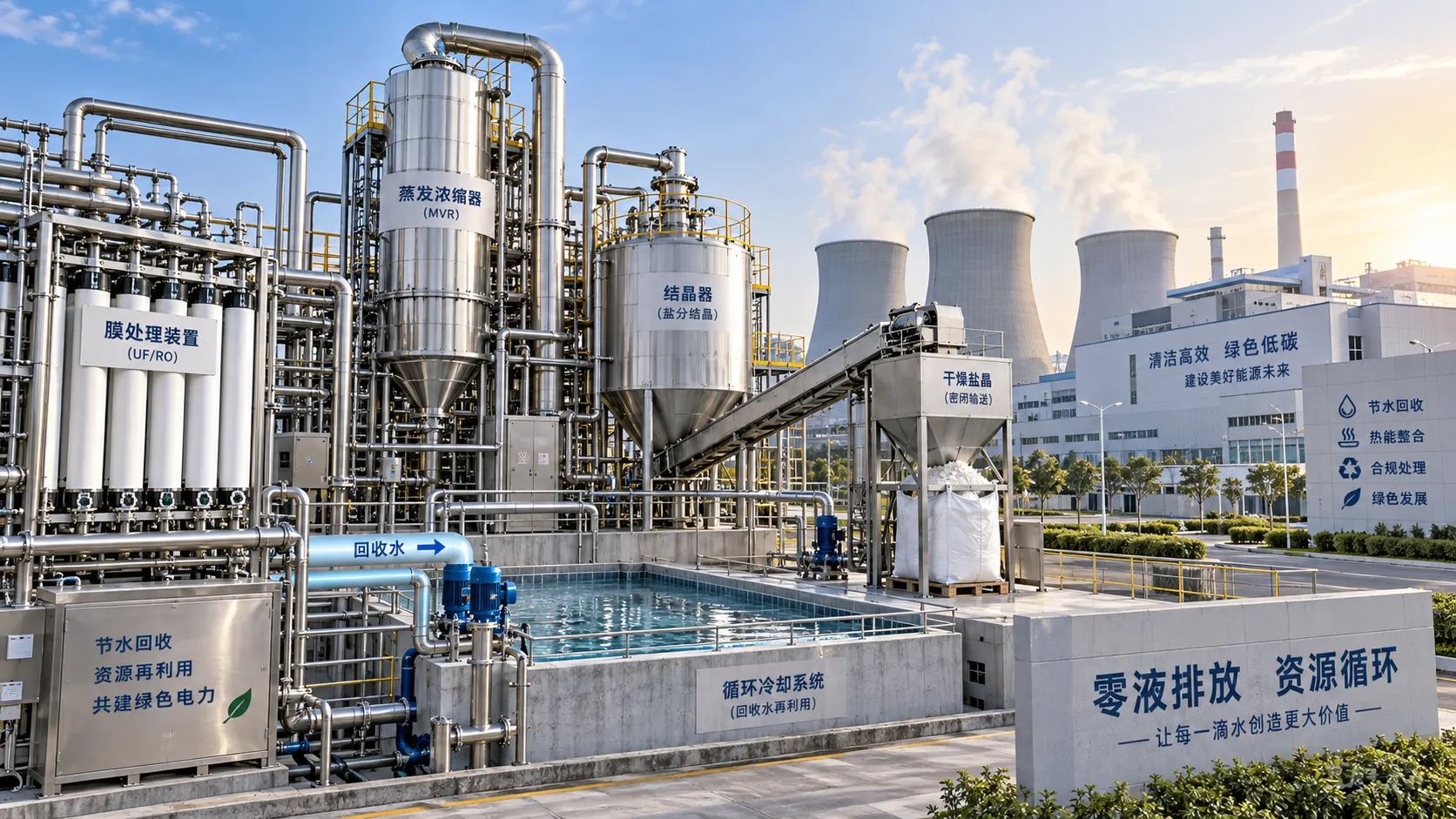
When do ZLD systems for power generation justify their energy use?
ZLD systems for power generation: learn when energy-intensive water recovery delivers stronger compliance, resilience, and long-term value.
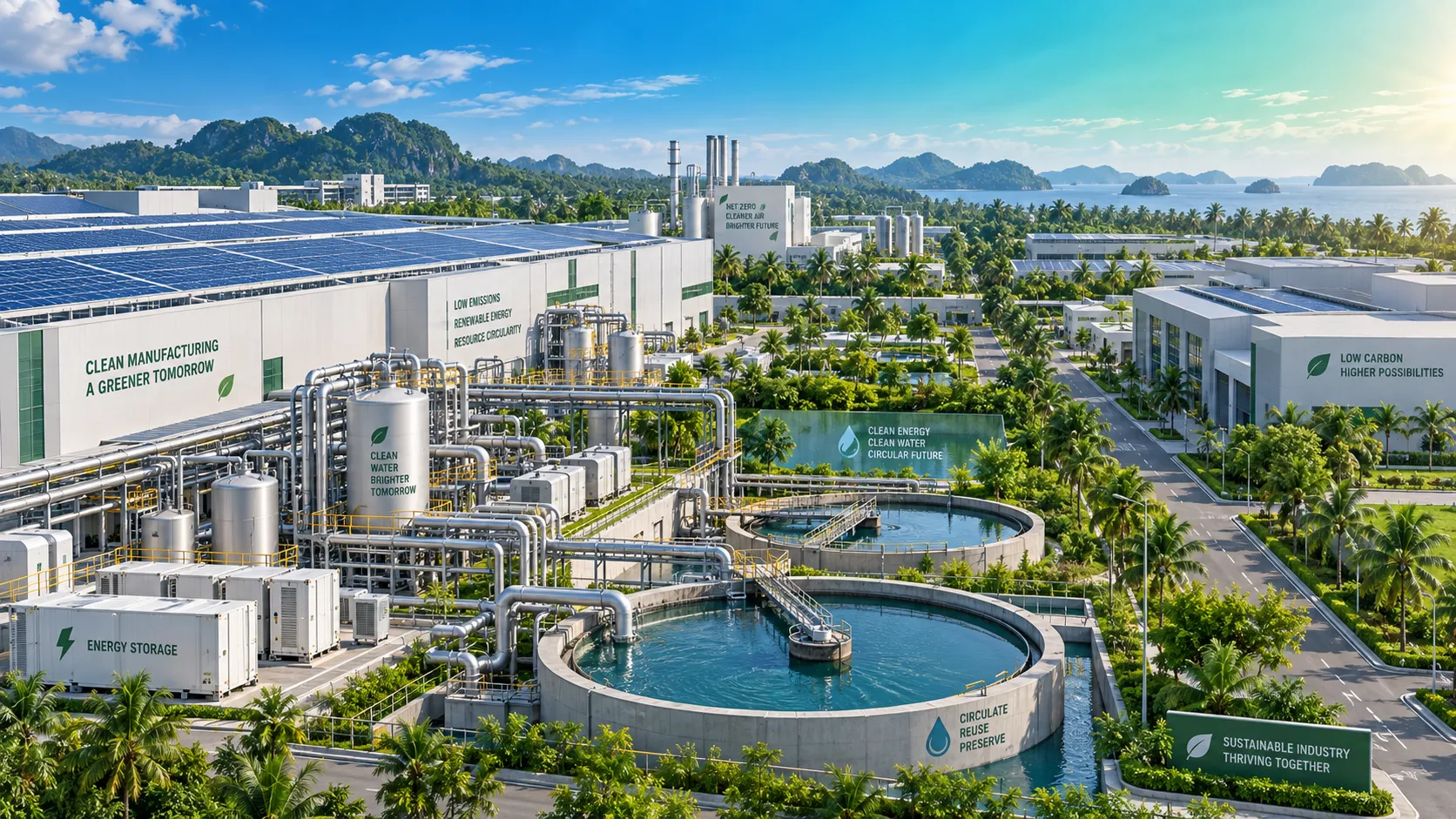
Which decarbonization pathways are most viable in Southeast Asia?
Decarbonization Southeast Asia: discover practical pathways for clean power, efficiency, electrification, circular recovery, and resilient industrial growth.
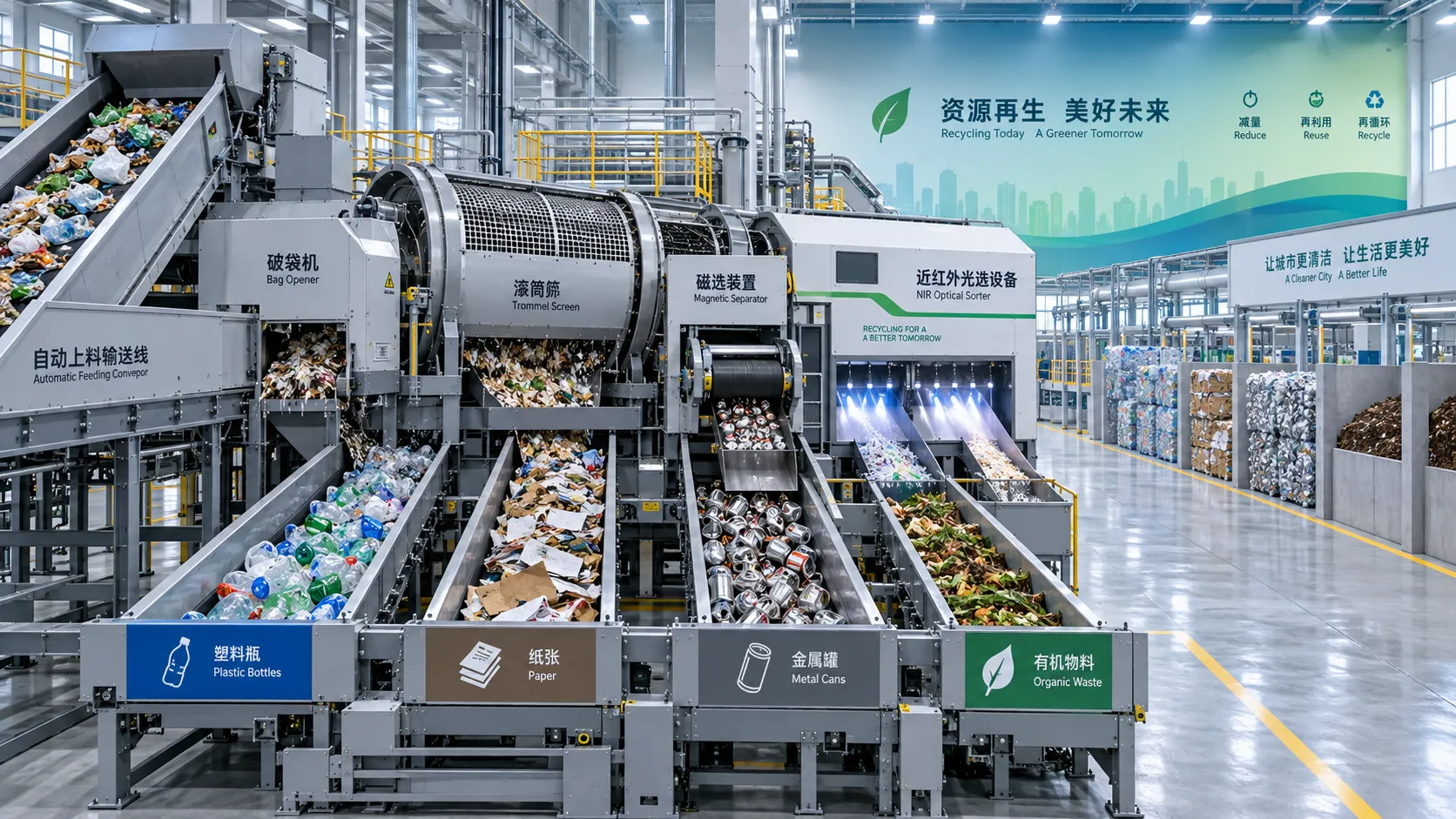
How to choose waste sorting equipment for mixed municipal waste
Waste sorting equipment selection guide for mixed municipal waste: compare technologies, improve recovery, reduce downtime, and build reliable output streams.
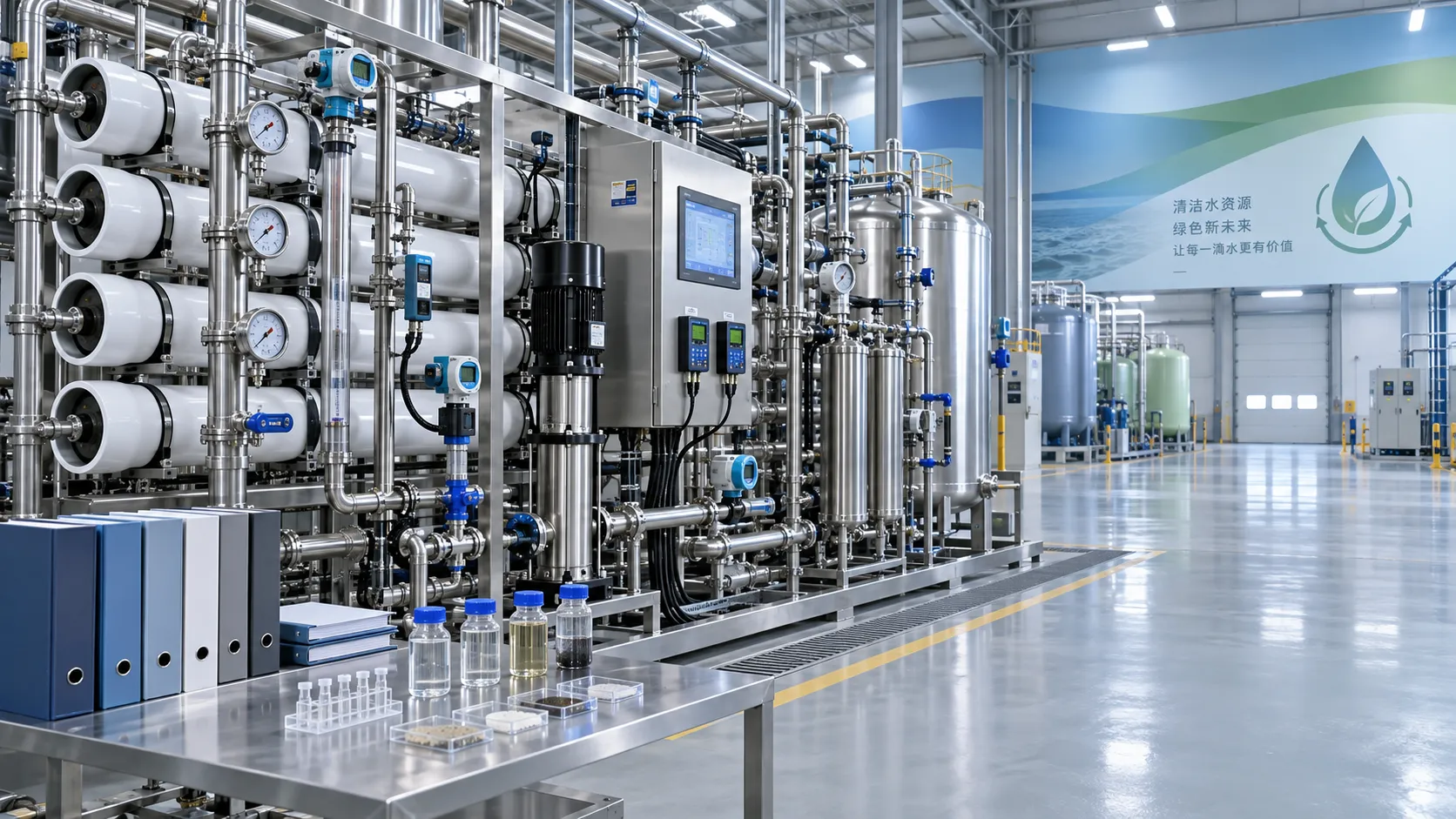
How to verify standards in an environmental equipment directory
environmental equipment directory standards reference: learn to verify certifications, performance evidence, scope, and project fit for confident, compliant equipment selection.
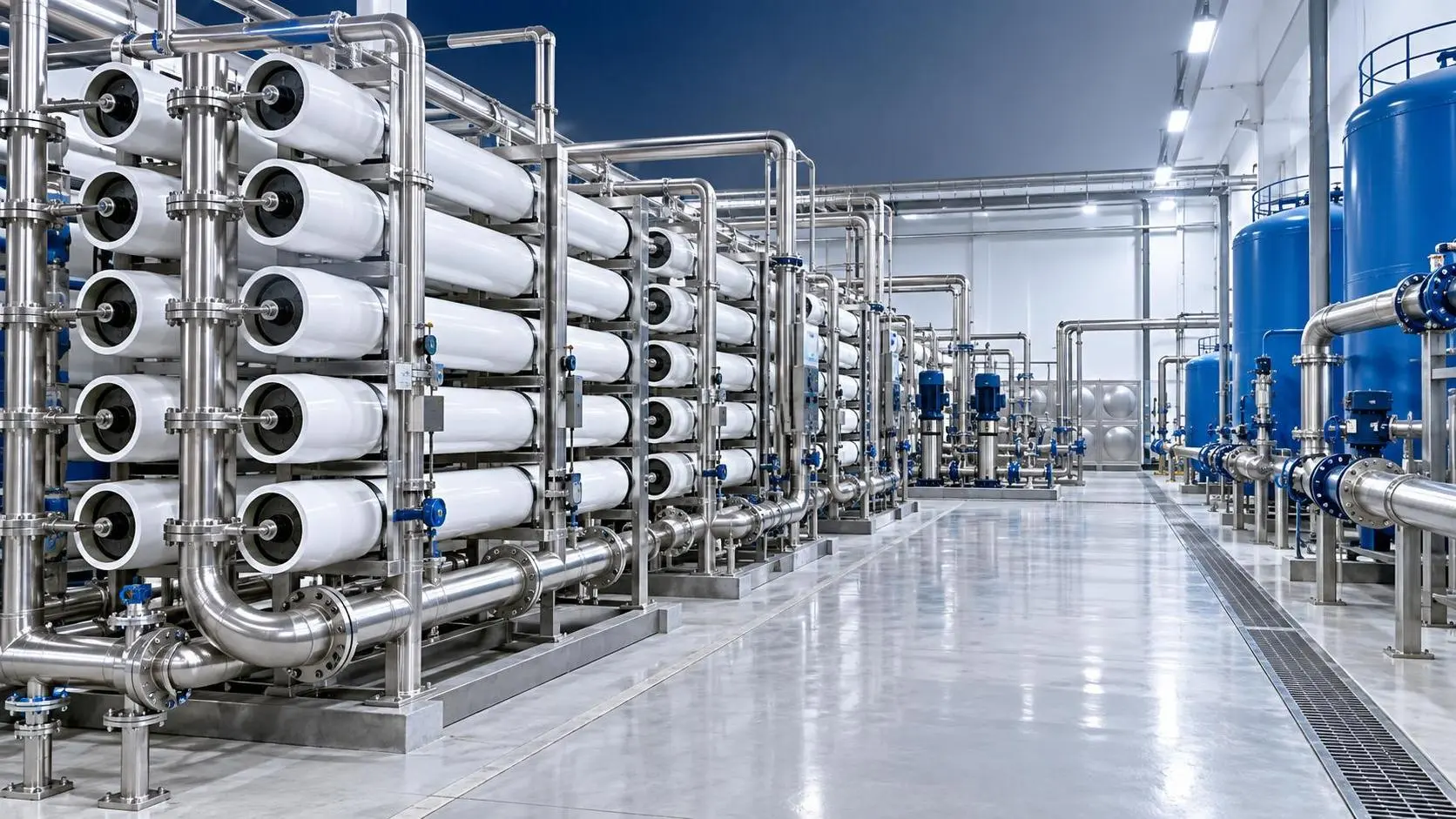
When high flux membrane water treatment justifies a larger footprint
High flux membrane water treatment can justify a larger footprint when variable feedwater, fouling risk, and uptime demands require resilient, lower-flux operation.
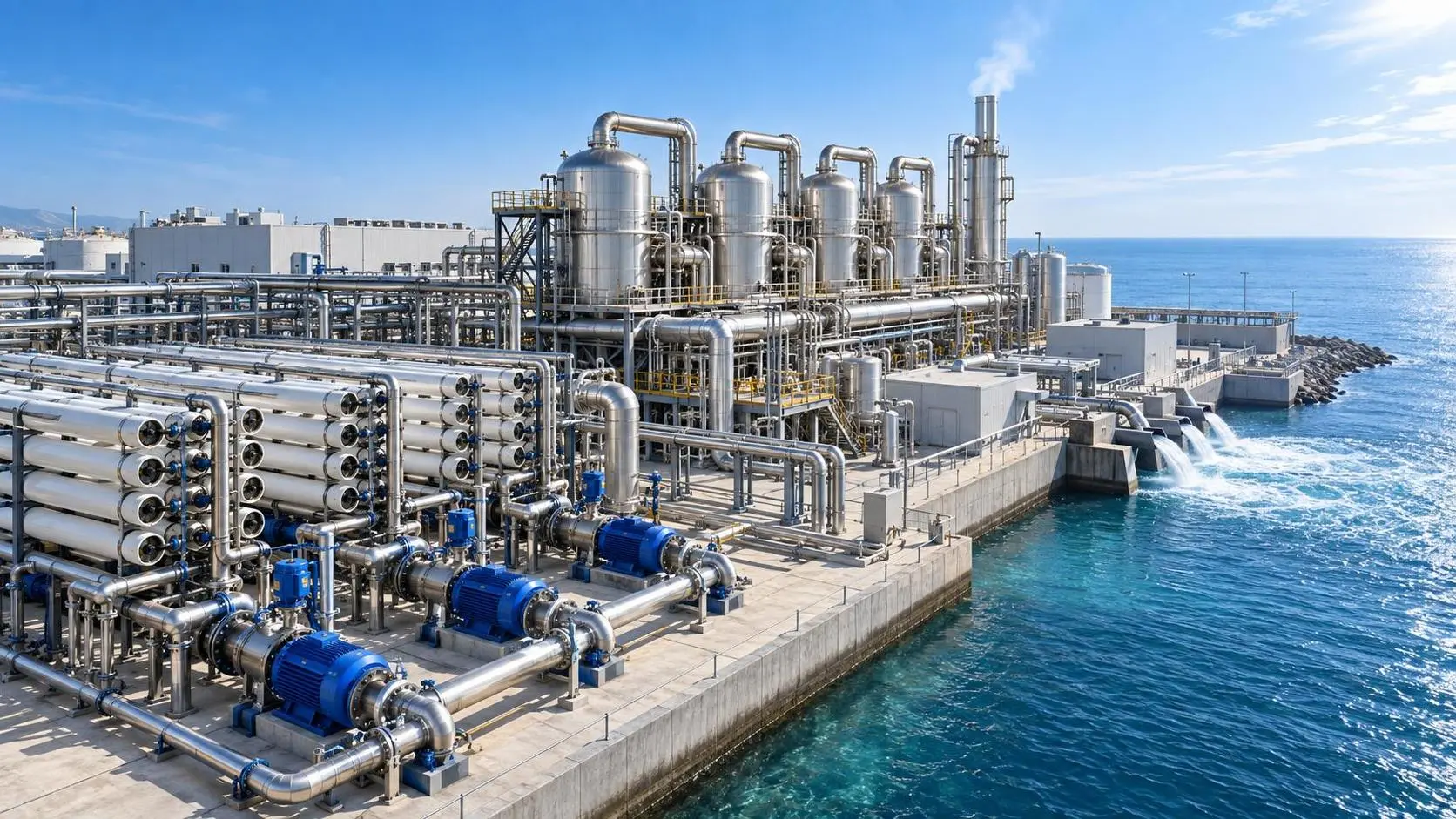
RO vs MED desalination: which is more energy-efficient at scale?
Desalination technology comparison: RO vs MED at scale. See how energy use, waste heat, feedwater, carbon, and flexibility determine the best choice.
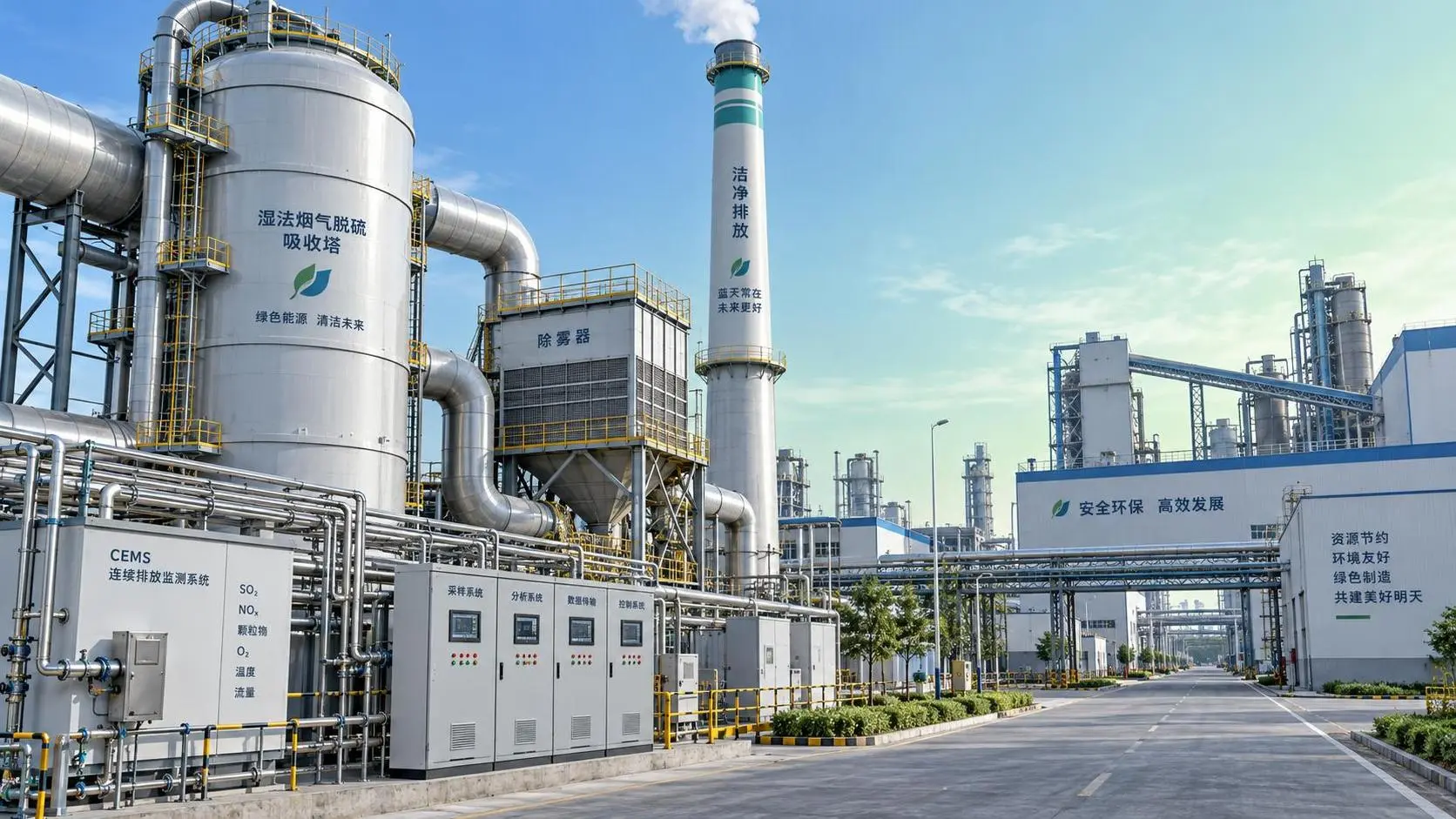
Which ISO standards apply to flue gas treatment systems?
Flue gas treatment systems ISO standards: explore key requirements for emissions testing, CEMS, safety, fabrication, corrosion control, and compliant project evaluation.

When corrosion resistant purification systems are needed for brine treatment
Corrosion resistant purification systems for brine treatment: assess chloride, heat, scaling, materials, and lifecycle reliability for demanding water projects.

How preventive maintenance reduces seawater desalination equipment downtime
Seawater desalination equipment maintenance reduces downtime through proactive monitoring, pretreatment protection, and planned repairs. Explore practical strategies for reliable RO performance.