
Industry News
Curation by industry experts
Hot Articles
Popular Tags
Industrial Emissions Compliance Risks: What Changes in 2026?
As 2026 draws closer, industrial emissions compliance is moving out of the environmental department and into capital planning, procurement strategy, and market access decisions. What used to be handled as a periodic reporting obligation is becoming a direct test of operational resilience. For asset-heavy sectors such as water treatment, waste recovery, flue gas control, desalination, and nuclear waste management, the next regulatory cycle will not only affect permits. It will influence financing, equipment upgrades, export competitiveness, and the credibility of environmental claims.
The practical issue is not a single global rule arriving in 2026. It is the convergence of tighter monitoring, broader disclosure expectations, stricter pollutant thresholds, and more aggressive enforcement across jurisdictions. That combination raises the risk profile of industrial emissions, especially where plants operate across borders, rely on aging control systems, or sit inside complex supply chains.
Why 2026 matters more than another compliance deadline
Several policy trends are reaching the same point at once. Carbon accounting is becoming more granular. Air and water discharge controls are becoming more digital. Product-related environmental declarations are gaining commercial weight. In many regions, regulators now expect near-real-time evidence rather than annual narrative explanations.
That shift matters because industrial emissions are no longer judged only at the stack, outfall, or treatment boundary. They are increasingly assessed across process efficiency, feedstock quality, energy intensity, fugitive releases, waste handling, and data integrity. A facility may stay nominally permitted and still lose ground through delayed approvals, contract exclusions, or higher insurance and financing costs.
For sectors tracked closely by ESD, this is especially visible. A desalination project with high energy demand, a waste-to-resource line with variable feed composition, or a flue gas treatment unit facing low-temperature catalyst performance all carry compliance exposure that extends beyond the plant gate.
What is actually changing in industrial emissions compliance
The headline change is not just stricter limits. It is a broader compliance architecture. In practice, industrial emissions management in 2026 is likely to depend on four connected layers: measurement, disclosure, traceability, and performance consistency.
Monitoring is becoming continuous and auditable
Regulators increasingly prefer continuous emissions monitoring, automated wastewater analytics, leak detection systems, and digitally archived records. Manual sampling still matters, but it is less likely to satisfy high-risk sectors on its own.
This creates exposure for facilities using fragmented instrumentation, poorly calibrated sensors, or disconnected data platforms. In many cases, the compliance risk sits inside the monitoring architecture before any permit limit is exceeded.
Reporting is expanding beyond local permits
Cross-border mechanisms, investor disclosure rules, and customer procurement standards are widening the reporting perimeter. Industrial emissions data may now feed customs declarations, sustainability reporting, lending reviews, and supplier qualification programs.
This is where CBAM-related pressure becomes relevant even for firms outside Europe. Once emissions intensity affects trade economics, compliance becomes part of pricing strategy.
Enforcement is becoming less forgiving
Authorities are paying more attention to repeated minor deviations, startup and shutdown conditions, bypass events, and unexplained data gaps. Historically tolerated inconsistencies may receive more scrutiny.
This matters because many industrial emissions events do not come from catastrophic failure. They come from unstable loads, inconsistent reagent dosing, membrane fouling, poor maintenance windows, or operator workarounds.
Where the highest risks are likely to appear
Not all assets face the same level of exposure. The most sensitive cases usually combine technical complexity, high public visibility, and frequent regulatory updates. That pattern appears across several environmental infrastructure categories.
These categories differ technically, yet the pattern is similar. The more complex the process, the more industrial emissions compliance depends on reliable data, stable operating envelopes, and evidence that control technology performs under real conditions, not just design conditions.
Why this reaches the boardroom
Compliance risk now links directly to business timing. A delayed retrofit can hold up capacity expansion. A weak emissions baseline can undermine a financing narrative. A mismatch between disclosed data and plant records can create legal and reputational consequences.
Industrial emissions also affect asset valuation. Facilities with obsolete control systems or uncertain reporting histories may face higher upgrade costs during acquisitions, refinancing, or strategic partnerships. In regulated sectors, environmental due diligence is becoming more forensic and less procedural.
That is one reason intelligence-led platforms such as ESD matter. The value is not promotional visibility. It is the ability to connect regulatory shifts with equipment reliability, process chemistry, resource recovery logic, and capital deployment choices before those issues become urgent.
How to read industrial emissions risk in practical terms
The most useful question is not whether a site is compliant today. The stronger question is whether the site can remain compliant under future loads, new disclosure rules, and more detailed audits.
- Check whether current monitoring covers transient events, not only steady-state operations.
- Review whether emissions data can be reconciled across plant systems, reports, and supply chain disclosures.
- Test whether control equipment performs under low-load, mixed-feed, or upset conditions.
- Identify where compliance depends on manual intervention instead of stable process design.
- Map likely regulatory triggers by region, especially where exports or public tenders matter.
This framework is useful across different industrial emissions profiles. A wastewater plant may need tighter concentrate tracking. A waste recovery line may need stronger source segregation evidence. A combustion-based process may need better startup emissions control.
Preparation priorities before 2026
Preparation does not always begin with large capital spending. In many cases, the first gains come from better visibility into where compliance confidence is weak. That can reveal whether the bigger issue is instrumentation, process instability, recordkeeping, or technology fit.
Start with data credibility
Industrial emissions reporting is only as strong as the underlying measurement chain. Sensor calibration, sample handling, historian design, and exception logging deserve the same attention as end-of-pipe controls.
Reassess equipment against real operating windows
Many systems were selected for nominal design cases. Compliance in 2026 may depend on performance during feed variability, reduced temperatures, aging membranes, catalyst deactivation, or partial-load operation.
Treat regulation as a market variable
A future permit condition, carbon disclosure rule, or procurement screen can change project economics before it changes plant engineering. Industrial emissions strategy should therefore sit inside commercial scenario planning.
A sharper way to move forward
The most resilient organizations will not wait for 2026 guidance to become final. They will use the current window to build a clearer emissions baseline, identify weak links in control performance, and compare regulatory signals across regions and technologies.
For businesses operating where water, waste, air treatment, desalination, and high-risk containment intersect, industrial emissions should now be viewed as a strategic system question. It touches equipment intelligence, compliance architecture, capital timing, and long-term competitiveness at once.
A sensible next step is to review emissions data pathways, technology readiness, and cross-border reporting exposure together rather than separately. That approach makes it easier to judge where upgrades are urgent, where monitoring must improve, and where policy intelligence can protect investment decisions before the next compliance cycle tightens.
Recommended News
When do ZLD systems for power generation justify their energy use?
ZLD systems for power generation: learn when energy-intensive water recovery delivers stronger compliance, resilience, and long-term value.
Which decarbonization pathways are most viable in Southeast Asia?
Decarbonization Southeast Asia: discover practical pathways for clean power, efficiency, electrification, circular recovery, and resilient industrial growth.
How to choose waste sorting equipment for mixed municipal waste
Waste sorting equipment selection guide for mixed municipal waste: compare technologies, improve recovery, reduce downtime, and build reliable output streams.
How to verify standards in an environmental equipment directory
environmental equipment directory standards reference: learn to verify certifications, performance evidence, scope, and project fit for confident, compliant equipment selection.
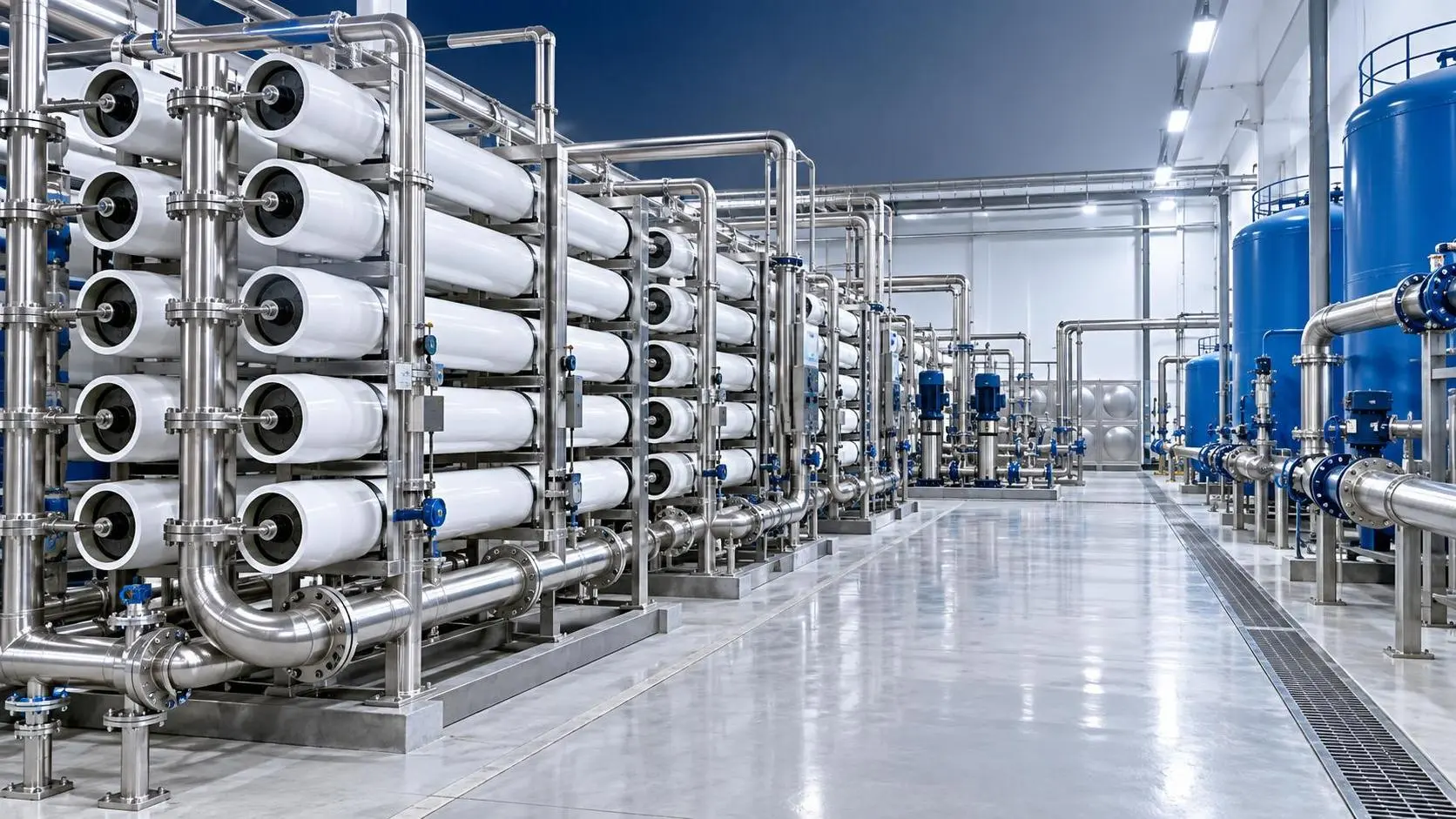
When high flux membrane water treatment justifies a larger footprint
High flux membrane water treatment can justify a larger footprint when variable feedwater, fouling risk, and uptime demands require resilient, lower-flux operation.
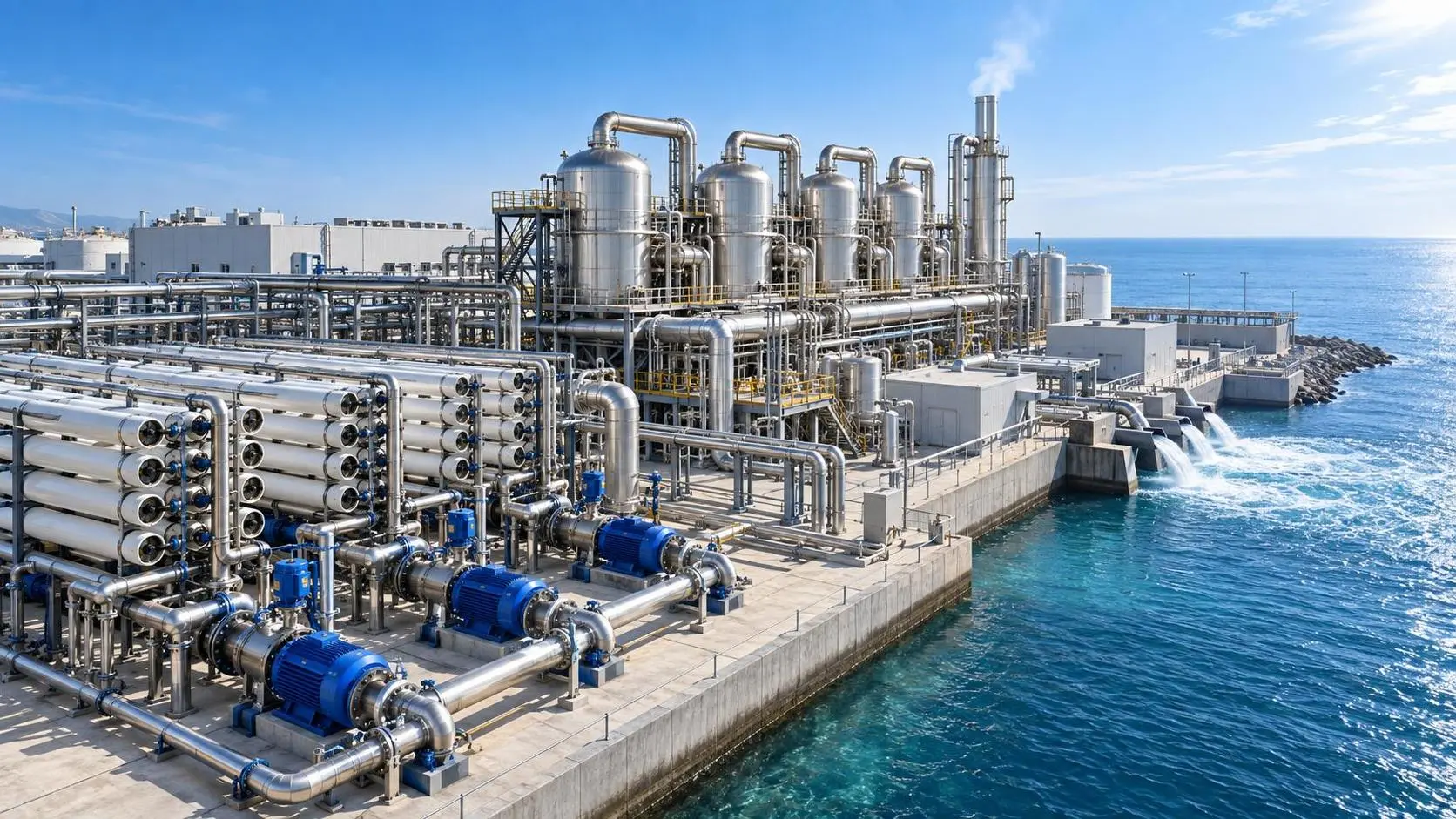
RO vs MED desalination: which is more energy-efficient at scale?
Desalination technology comparison: RO vs MED at scale. See how energy use, waste heat, feedwater, carbon, and flexibility determine the best choice.
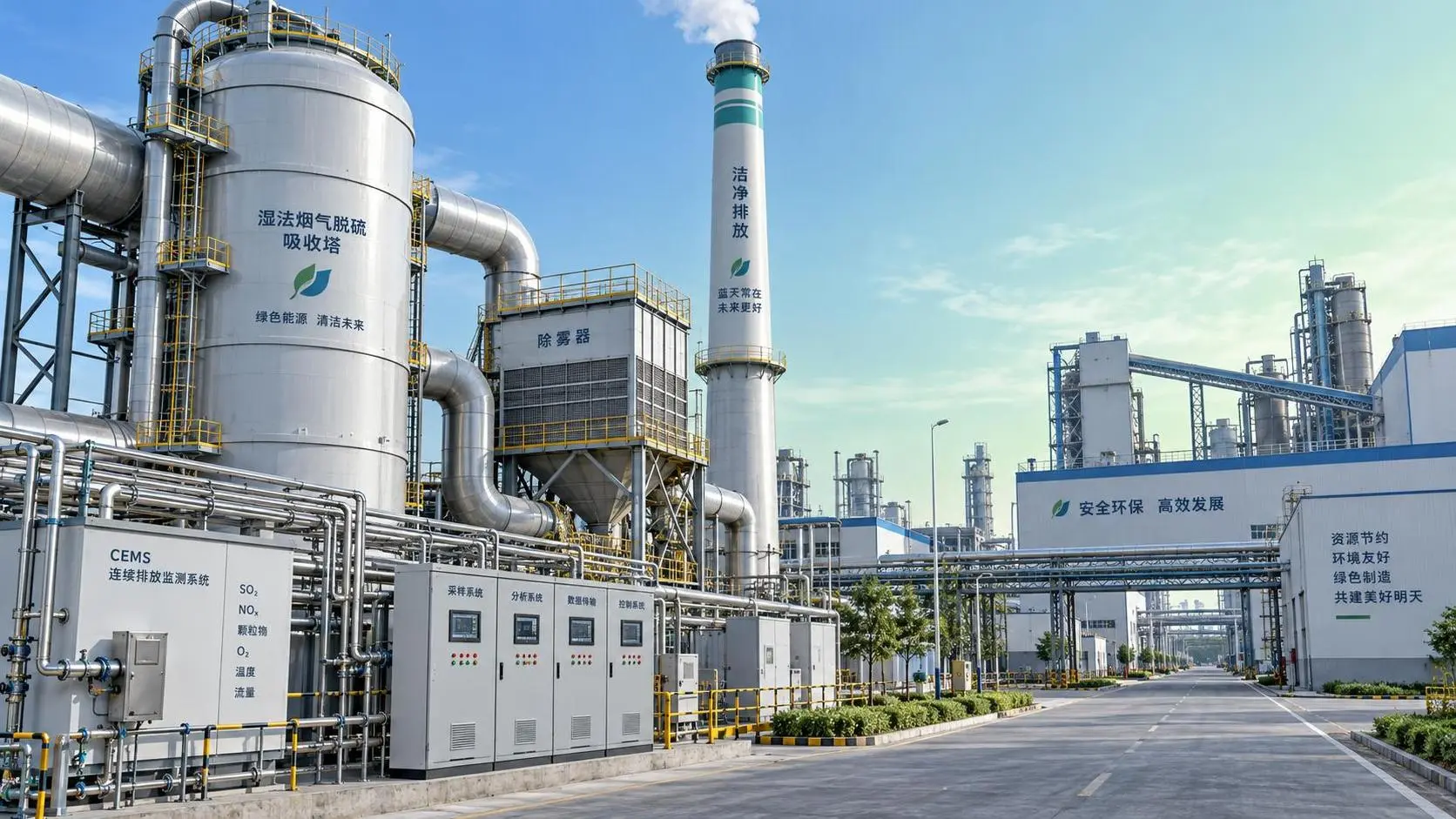
Which ISO standards apply to flue gas treatment systems?
Flue gas treatment systems ISO standards: explore key requirements for emissions testing, CEMS, safety, fabrication, corrosion control, and compliant project evaluation.

When corrosion resistant purification systems are needed for brine treatment
Corrosion resistant purification systems for brine treatment: assess chloride, heat, scaling, materials, and lifecycle reliability for demanding water projects.

How preventive maintenance reduces seawater desalination equipment downtime
Seawater desalination equipment maintenance reduces downtime through proactive monitoring, pretreatment protection, and planned repairs. Explore practical strategies for reliable RO performance.