
Industry News
Curation by industry experts
Hot Articles
Popular Tags
What Should EPC Bidding Documents Include to Reduce Contract Risk?
Start with the documents that define scope, not the price sheet
When EPC bidding documents are weak, contract risk usually does not show up on bid day. It shows up six months later as variation claims, schedule fights, performance arguments, and a budget that no longer matches the board approval. For project managers and engineering leads, the bid package is the first real risk-control tool. It should do more than invite pricing. It should lock down what is being bought, how it will be delivered, who carries which risk, and what evidence will be used if there is a dispute.
That matters even more in environmental infrastructure, where process guarantees, utilities, interfaces, emissions obligations, and startup conditions can move the commercial result by a lot. A desalination train, a flue gas treatment package, a ZLD system, or a waste recovery line can all look comparable at the summary level while hiding very different assumptions underneath. Good EPC bidding documents force those assumptions into the open.
If you are preparing or reviewing an EPC tender, this is the checklist that usually separates a usable bid package from one that invites contract trouble.
Make the scope impossible to misread
The most expensive words in EPC procurement are often the ones that never made it into the scope. Your bidding documents should include a clear scope of work, a battery limits definition, and an interface matrix. If those three pieces are thin, bidders will price different jobs and you will not know it until after award.
What to look for:
- Battery limits that identify where contractor responsibility starts and ends for process, civil, electrical, control, utility tie-ins, and temporary works.
- Owner-supplied items listed by tag, quantity, condition, and delivery date.
- Explicit treatment of demolition, site preparation, relocation, access roads, temporary power, drainage, and waste handling.
- Interface responsibility between EPC contractor, technology licensor, OEMs, and existing plant operations.
A common mistake is writing “complete system” and assuming that covers integration, commissioning aids, chemical cleaning, consumables, spares for startup, or performance testing support. It does not. If the owner expects it, name it.
Define the technical basis bidders must price against
In complex process projects, technical ambiguity turns directly into commercial risk. The bid package should include the design basis, reference process data, required codes and standards, site conditions, and any operating envelope that affects sizing or guarantees.
For example, in water and waste treatment work, feed quality, seasonal variation, fouling risk, sludge characteristics, power quality, ambient temperature, and disposal constraints can all change equipment selection and long-term operating cost. If those inputs are missing, bidders will fill the gaps with their own assumptions. That is how two apparently low bids become impossible to compare.
A practical check: every process guarantee should point back to a stated design condition. If the bidder is guaranteeing output, recovery, emissions, or throughput, the bidding documents must identify the feed, utilities, and boundary conditions under which that guarantee applies.
Separate mandatory requirements from bidder options
You want competitive solutions, but you do not want bidders quietly rewriting your project. A solid EPC tender distinguishes between non-negotiable requirements and areas where alternatives are allowed.
This usually means three buckets:
Require a formal deviations list. Do not accept “deviations, if any, are included in our proposal” language. If the bidder wants to depart from your EPC bidding documents, the departure should be itemized, not hidden.
Build the commercial schedule around risk allocation
A bid form without a proper commercial schedule is where many owners lose control. The commercial section should show not just total price, but how the bidder is allocating contingency, assumptions, taxes, logistics, customs exposure, escalation, and provisional sums.
At minimum, ask bidders to break out:
- Engineering, procurement, construction, commissioning, and training costs
- Imported versus local supply
- Provisional sums and owner-controlled allowances
- Taxes, duties, freight, and insurance assumptions
- Major equipment pricing validity period
- Spare parts, consumables, and special tools
This is not bookkeeping detail. It is how you spot a bid that looks competitive only because key costs are sitting outside the lump sum. In cross-border environmental projects, customs treatment, local content obligations, and site access restrictions can materially change cost risk. The bid documents should force those assumptions into a declared schedule.
Do not leave schedule logic at the headline level
A promised completion date is not enough. Ask for a baseline execution schedule with critical path logic, long-lead procurement milestones, design review gates, shipment windows, erection sequence, utility availability assumptions, and testing durations.
You are looking for more than optimism. You are checking whether the bidder has actually understood the work. If a desalination EPC contractor promises fast completion but does not show membrane train delivery lead times, intake or outfall interface timing, power readiness, and commissioning water availability, the date is just a marketing number.
Also specify what counts as mechanical completion, ready-for-commissioning, provisional acceptance, and final acceptance. Many schedule disputes come from those milestones being defined too loosely at tender stage.
Write the performance test protocol before award
If performance guarantees matter, and in environmental projects they usually do, the test method cannot be left for later. The bid package should include the performance test framework, sampling points, utility quality assumptions, stabilization period, retest rules, and what happens if one metric passes and another fails.
Typical trouble spots include:
- Output guarantees without defined feed characteristics
- Energy consumption guarantees that ignore ambient or load variation
- Emissions or discharge guarantees without stating the governing permit basis
- Short test runs that do not reflect stable operation
If the contractor’s liquidated damages, bonus structure, or acceptance depends on performance, the test procedure belongs in the EPC bidding documents, not in a future negotiation after leverage has shifted.
Put compliance obligations in the right place
Compliance language gets mishandled in two ways. Sometimes it is too generic, which leaves room for argument. Other times it is copied in bulk from old tenders and creates obligations that do not fit the project.
The better approach is targeted. Identify the permits, standards, employer requirements, and documentation the EPC contractor must design and build to. Then specify which party is responsible for obtaining, supporting, updating, and paying for each item. In regulated sectors such as waste treatment, air pollution control, desalination discharge management, or nuclear-adjacent works, that division matters. Compliance failure is not just technical; it can stop handover and trigger material claims.
One useful check is to compare the permit basis against the guaranteed performance section. If those two do not align, you have created a built-in dispute path.
Demand a document list that reflects execution reality
Many tenders ask for “all necessary documents.” That phrase causes rework later. Include a deliverables register with submission stages, review cycles, and required formats. This should cover design documents, calculations, drawings, method statements, QA/QC records, inspection and test plans, O&M manuals, as-built drawings, training materials, and spare parts lists.
Why it matters: document production is labor, and labor is cost. If you do not define it, bidders will price different levels of engineering support and turnover quality. For facilities that rely on stable process control and lifecycle reliability, poor handover documents become an operating risk almost immediately.
Use the bid form to expose assumptions, qualifications, and exclusions
A serious EPC evaluation does not just read the bidder’s total price and methodology. It reads the assumptions page carefully. That is where risk is often parked.
Your tender should require separate schedules for:
- Bidder assumptions relied on for price or schedule
- Commercial qualifications
- Technical qualifications
- Explicit exclusions
- Requested owner actions and response dates
Then make those schedules binding proposal documents. Otherwise, a bidder can soften or withdraw a qualification during clarification and revive it later in the contract markup.
Set the contract terms you actually intend to enforce
Do not issue EPC bidding documents with a placeholder contract and expect risk to be settled after preferred bidder selection. By that stage, competitive tension is weaker. Key contract terms should be part of the tender package from day one: payment milestones, delay damages, performance damages, change order procedure, suspension rights, force majeure language, warranty period, defects liability, indemnities, limits of liability, governing law, and dispute resolution.
The point is not to make the contract one-sided. It is to prevent false price competition caused by different assumptions about risk transfer. If one bidder prices broad delay exposure and another quietly assumes relief for utility outages, access limits, or owner-caused interface delays, their bid totals are not comparable.
Check bidder capability through evidence tied to this project
Prequalification should not stop at generic company credentials. Ask for project-specific evidence: proposed key personnel, intended major subcontractors, critical OEM relationships, manufacturing source for long-lead items, and experience with similar process conditions or regulatory environments.
Be careful here. The goal is not to collect glossy references. It is to understand whether the bidder can execute the exact mix of engineering complexity, procurement geography, and compliance burden in your project. A contractor strong in standard industrial utilities may still struggle on high-salinity wastewater, advanced flue gas systems, or tightly permitted waste handling scope if the package relies on specialized process integration.
Finish with an evaluation method that rewards clarity, not just a low number
If your evaluation model cannot distinguish a clean bid from a heavily qualified one, the tender will pull you toward avoidable risk. State how commercial deviations, schedule exceptions, performance qualifications, and lifecycle cost impacts will be evaluated. For process-heavy plants, it is often worth requiring a normalized comparison sheet so utility consumption, spare parts scope, and major exclusions can be lined up side by side.
That last step matters more than people admit. A low bid that depends on unresolved interfaces, thin commissioning support, or a weak guarantee regime is rarely the lowest-cost outcome.
A practical order for reviewing your tender package
Before release, review the package in this order: scope definition, technical basis, guarantees and test protocol, commercial schedules, draft contract, schedule requirements, compliance matrix, and bidder deviation forms. That sequence catches most hidden gaps early because it starts with what the contractor is being asked to deliver and ends with how exceptions must be declared.
If one principle is worth keeping in front of the team, it is this: EPC bidding documents reduce contract risk when they force every bidder to price the same job, under the same conditions, with the same accountability. Everything else is detail.
Recommended News

How to verify standards in an environmental equipment directory
environmental equipment directory standards reference: learn to verify certifications, performance evidence, scope, and project fit for confident, compliant equipment selection.

When high flux membrane water treatment justifies a larger footprint
High flux membrane water treatment can justify a larger footprint when variable feedwater, fouling risk, and uptime demands require resilient, lower-flux operation.
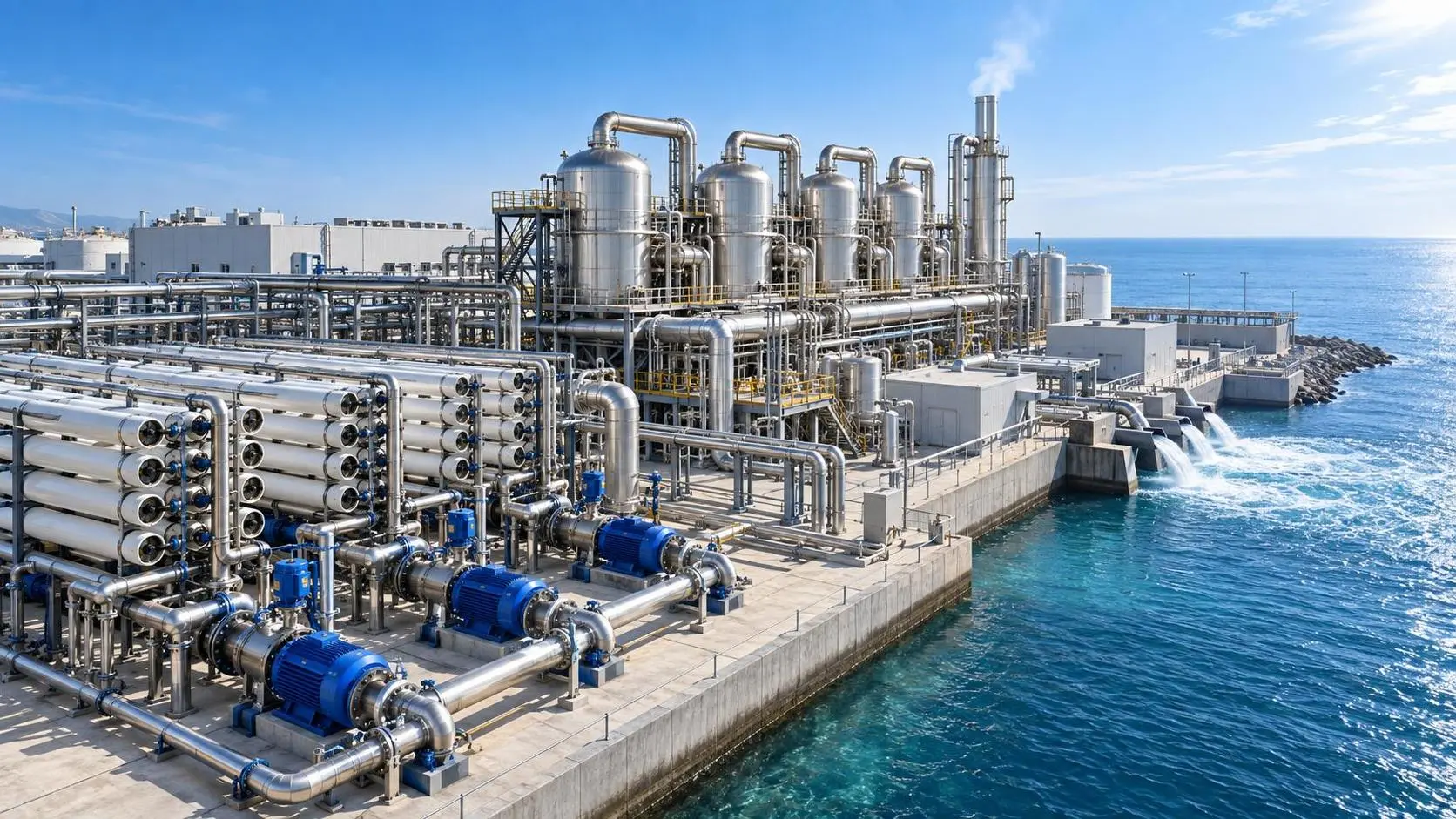
RO vs MED desalination: which is more energy-efficient at scale?
Desalination technology comparison: RO vs MED at scale. See how energy use, waste heat, feedwater, carbon, and flexibility determine the best choice.
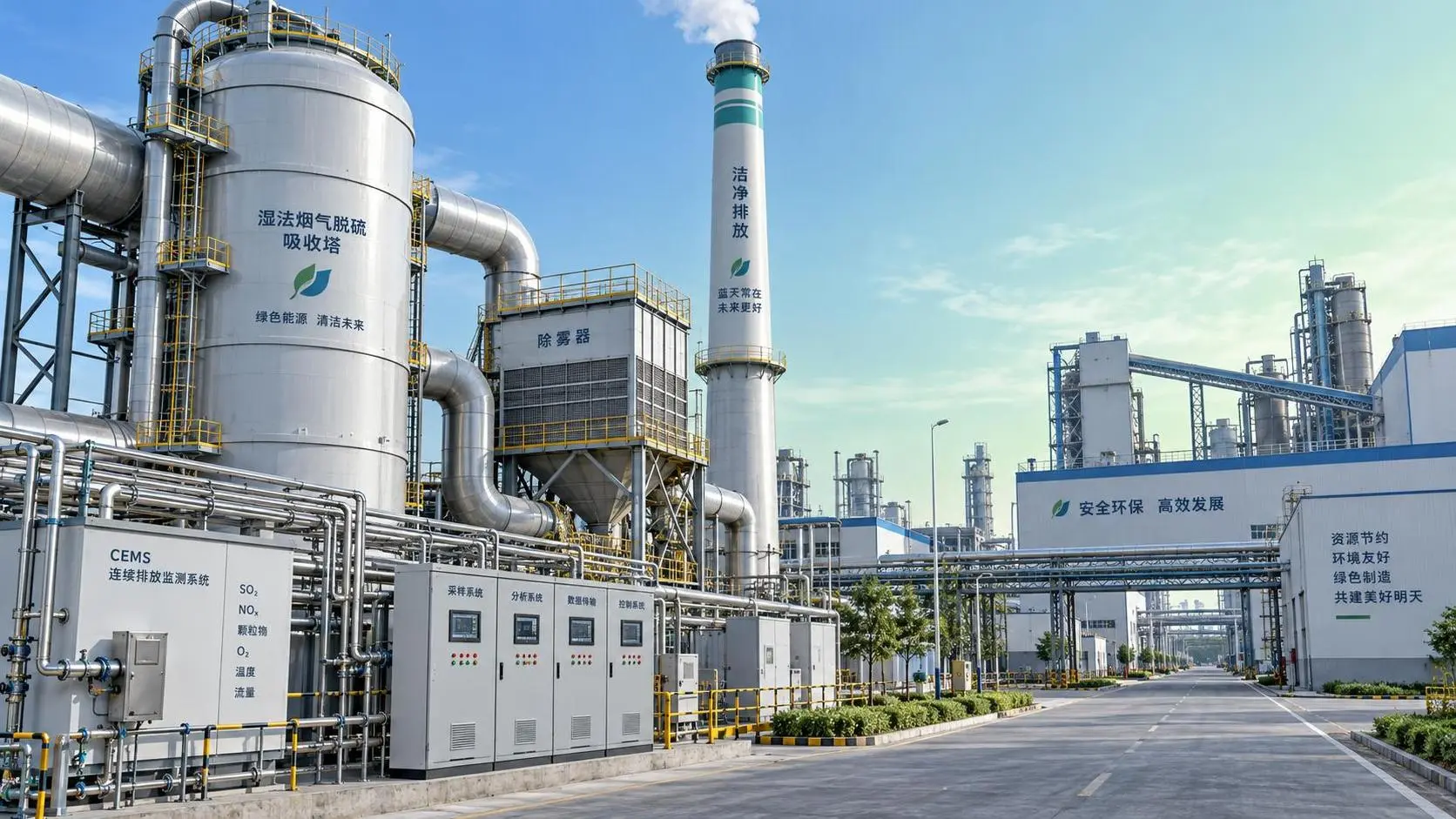
Which ISO standards apply to flue gas treatment systems?
Flue gas treatment systems ISO standards: explore key requirements for emissions testing, CEMS, safety, fabrication, corrosion control, and compliant project evaluation.

When corrosion resistant purification systems are needed for brine treatment
Corrosion resistant purification systems for brine treatment: assess chloride, heat, scaling, materials, and lifecycle reliability for demanding water projects.

How preventive maintenance reduces seawater desalination equipment downtime
Seawater desalination equipment maintenance reduces downtime through proactive monitoring, pretreatment protection, and planned repairs. Explore practical strategies for reliable RO performance.
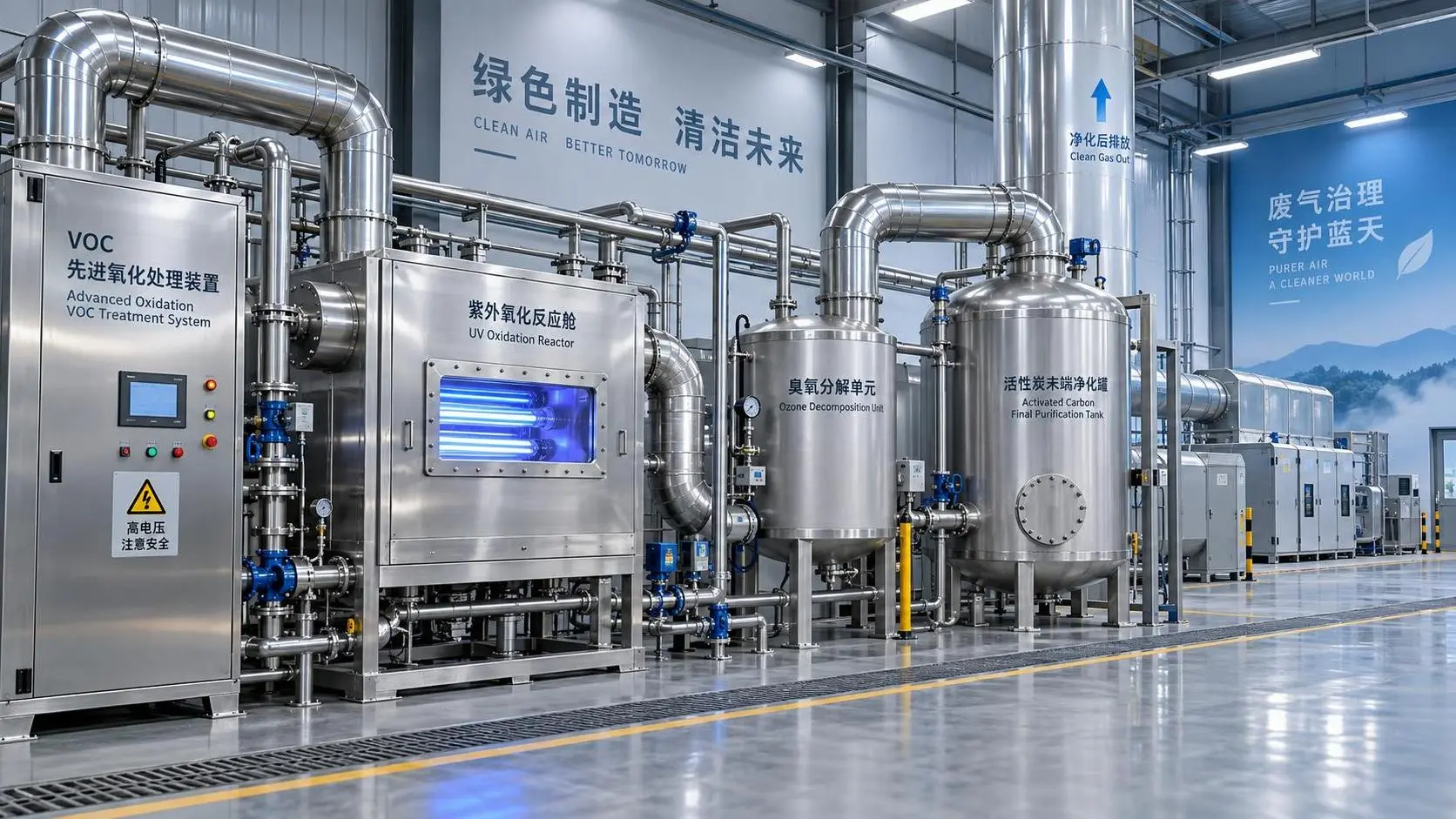
When are advanced oxidation processes the right choice for VOC control?
Advanced oxidation processes for VOC control: learn when AOPs outperform conventional options, manage by-products, and achieve reliable compliance.

What throughput should municipal waste sorting equipment deliver?
Waste sorting equipment for municipal waste: learn how to set reliable throughput based on peak loads, material quality, uptime, and recovery targets.

What carbon neutrality means for corporate investment decisions
Carbon neutrality is transforming corporate investment decisions. Explore how lifecycle economics, efficiency, compliance, and resilience can drive measurable returns and lasting advantage.