
Industry News
Curation by industry experts
Hot Articles
Popular Tags
How to Compare Environmental Regulations Training Courses by Scope, Updates, and Compliance Risk
Start with the risk map, not the course brochure
When quality control and safety managers compare environmental regulations training courses, the usual mistake is starting with the syllabus. That sounds logical, but it is backwards. The better starting point is your own compliance exposure: what you discharge, store, transport, import, export, report, monitor, and document. A course can look comprehensive and still miss the part that creates the most risk for your site or supply chain.
In practice, course selection is a risk control decision. You are not buying classroom time. You are trying to reduce the odds of permit breaches, reporting errors, audit findings, shipment holds, contractor mistakes, or bad calls made under production pressure.
Before you compare providers, write down three things:
- Which jurisdictions affect you: site location, export market, customer requirements, and any cross-border shipment routes.
- Which operational areas create exposure: wastewater, air emissions, waste classification, chemical handling, product stewardship, incident reporting, contractor control, or environmental monitoring.
- Which roles need training: line supervisors, lab staff, EHS leads, quality teams, procurement, logistics, and site leadership rarely need the same depth.
That short list will tell you very quickly whether a course is useful or just broad in a way that feels safe but changes nothing on the ground.
Check whether the scope matches your real operating boundary
A good training course defines scope with some discipline. A weak one piles topics together: waste, water, emissions, sustainability, ESG, ISO systems, maybe a little product compliance, then calls it complete. That is not scope. That is topic accumulation.
Ask for a module-level outline and compare it against your exposure map. For industrial sites, the important question is not whether a topic is mentioned. It is whether the course covers the decision points where mistakes happen.
For example, if wastewater matters to you, does the course only explain general obligations, or does it reach the operational level: sampling responsibilities, chain of custody, exceedance escalation, outsourced lab interfaces, and permit-linked recordkeeping? If waste compliance is relevant, does it distinguish between classification, storage, labeling, transport handoff, manifest accuracy, and contractor oversight? Those are the moments that create exposure.
This is where many environmental regulations training courses fail for quality and safety teams. They explain what the law intends, but not how noncompliance is created during routine operations.
A quick scope test
Treat regulatory updates as a selection criterion, not a bonus feature
Environmental compliance changes in small ways that matter: revised reporting formats, reinterpreted definitions, adjusted thresholds, permit condition updates, new documentation expectations, and shifting enforcement priorities. A course that was excellent eighteen months ago can now be a comfort blanket.
Ask the provider how updates are handled. Not in marketing language. In operational terms.
- When was the course last revised?
- What triggers a revision: annual review, legal changes, customer demand, or trainer discretion?
- Do participants get update notices, refreshed modules, or reference summaries after completion?
- Are updates global, regional, or jurisdiction-specific?
That last point matters. A course may claim to cover global regulations, but if your teams deal with exports, imported materials, waste shipments, or multinational customer audits, you need to know exactly how the training separates universal principles from local legal obligations. Broad international awareness is useful. It is not the same thing as actionable compliance guidance.
A reliable provider should be able to show where update-sensitive content lives inside the course. If they cannot point to that, assume the maintenance process is weak.
Look for compliance-risk teaching, not just legal summaries
This is usually the divider between training that changes decisions and training that gets filed away. Quality and safety managers need courses that connect regulations to failure modes.
A strong course does not stop at “these are the rules.” It shows what noncompliance looks like in ordinary work:
- A waste stream gets reclassified after a process change, but internal procedures stay unchanged.
- A contractor collects samples, but site staff cannot verify whether permit conditions were followed.
- A production upset leads to abnormal discharge, yet no one knows the reporting trigger or escalation path.
- Shipping, purchasing, and EHS each hold part of the documentation, so no one sees the full compliance picture.
If the course includes scenario work, review the scenarios. They should feel like plant, warehouse, treatment, laboratory, or logistics decisions. If every exercise ends with an obvious answer, the course is too shallow for operational risk control.
Check how the course handles jurisdiction and role boundaries
Many training problems start with role confusion. Operations thinks EHS owns compliance. EHS assumes quality will control records. Procurement appoints vendors without understanding downstream handling obligations. Then a regulator or customer auditor asks who approved what, and the answer is blurred.
The course should define responsibilities with enough precision that learners can map them into site procedures. Look for content that separates who identifies legal requirements, who monitors changes, who maintains permits, who checks contractor controls, who keeps evidence, and who makes escalation calls.
The same goes for geography. If your organization operates across more than one market, the course needs a clear method for distinguishing headquarters policy, customer rules, and site-level legal duties. That is especially relevant in sectors with water treatment, waste recovery, emissions control, desalination infrastructure, or other engineered environmental systems where technical performance and legal obligations are tightly linked.
Ask for the evidence package before you approve the course
If training has to stand up during an internal audit, customer review, or regulatory inquiry, the evidence matters almost as much as the content. Do not assume every provider can support that.
Review what you will actually receive:
- Attendance records tied to named learners and completion dates
- Version control for training materials
- Assessment results or competency checks
- Module descriptions showing what was covered
- A process for retraining after material regulatory changes or role changes
This is not paperwork obsession. It is a control issue. In many organizations, the training happened, but nobody can prove the right people were trained on the right version at the right time.
Test the trainer’s ability to work at plant level
Some trainers know regulations very well and still cannot teach operations-facing teams. They stay in abstract language, avoid edge cases, and never get down to forms, records, handoffs, or upset conditions. For quality control and safety personnel, that gap is expensive.
You do not need dramatic credentials claims. You need signs that the instructor understands how environmental obligations show up in daily industrial work. Ask for sample materials, a short recording, or a live pre-purchase session. Listen for whether they can explain things like permit conditions, sampling integrity, waste movement documentation, emissions monitoring interfaces, or change-management triggers without becoming vague.
A simple internal test works well: give the provider one realistic scenario from your operation, stripped of confidential details, and ask how the course would help a supervisor or QC lead make the correct decision. The answer should be practical, not promotional.
Do not overbuy breadth when you need depth
There is a temptation to buy the broadest course available because it feels safer. Sometimes it is the wrong call. If your main exposure comes from a few high-consequence areas, a general course may leave the riskiest gaps untouched.
A better approach is to separate training into layers:
- Core awareness for broad staff groups
- Role-specific modules for people who generate records, make releases, classify waste, or sign off decisions
- Deep-dive sessions for sites with concentrated exposure, such as treatment facilities, hazardous storage points, or cross-border logistics functions
When comparing environmental regulations training courses, that layered structure often gives a better risk result than one large “complete compliance” program.
Watch for the common buying mistakes
- Choosing by title alone. “Environmental compliance” can mean awareness training, management-system orientation, or detailed legal application. Those are not interchangeable.
- Ignoring update mechanics. A polished course with weak revision control can become stale faster than buyers expect.
- Training the department, not the workflow. Compliance failures often sit between teams, so course mapping should follow processes, not org charts.
- Accepting generic assessments. If the test only checks memory of definitions, it will not show whether staff can act correctly during a deviation or inspection.
- Treating certificates as proof of competence. Completion records matter, but they do not replace role-based competency checks.
A workable decision sequence
If you need a practical way to decide, use this order. Start by ranking your highest compliance-risk activities. Then screen courses for scope fit. After that, verify update discipline, review scenario quality, and inspect the evidence package. Leave price and delivery format until the end. They matter, but they do not fix a bad scope decision.
The right course is usually the one that helps your people answer hard operational questions with less hesitation and better records. If a training provider cannot show how the content connects to actual permits, monitoring duties, waste decisions, reporting triggers, and audit evidence, keep looking. For quality and safety teams, that gap is where compliance risk tends to hide.
Recommended News

Which ISO standards apply to flue gas treatment systems?
Flue gas treatment systems ISO standards: explore key requirements for emissions testing, CEMS, safety, fabrication, corrosion control, and compliant project evaluation.

When corrosion resistant purification systems are needed for brine treatment
Corrosion resistant purification systems for brine treatment: assess chloride, heat, scaling, materials, and lifecycle reliability for demanding water projects.

How preventive maintenance reduces seawater desalination equipment downtime
Seawater desalination equipment maintenance reduces downtime through proactive monitoring, pretreatment protection, and planned repairs. Explore practical strategies for reliable RO performance.
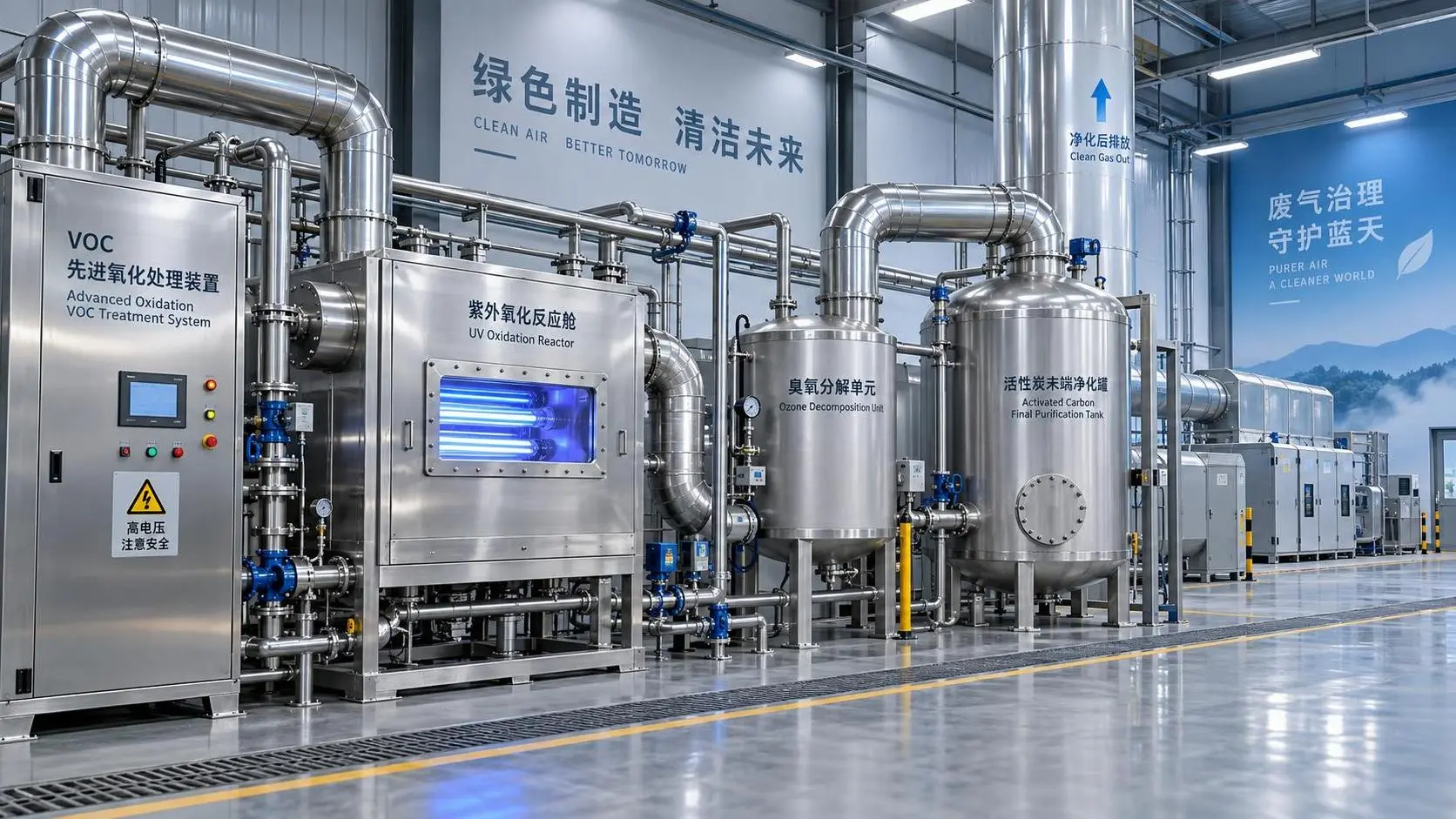
When are advanced oxidation processes the right choice for VOC control?
Advanced oxidation processes for VOC control: learn when AOPs outperform conventional options, manage by-products, and achieve reliable compliance.

What throughput should municipal waste sorting equipment deliver?
Waste sorting equipment for municipal waste: learn how to set reliable throughput based on peak loads, material quality, uptime, and recovery targets.

What carbon neutrality means for corporate investment decisions
Carbon neutrality is transforming corporate investment decisions. Explore how lifecycle economics, efficiency, compliance, and resilience can drive measurable returns and lasting advantage.
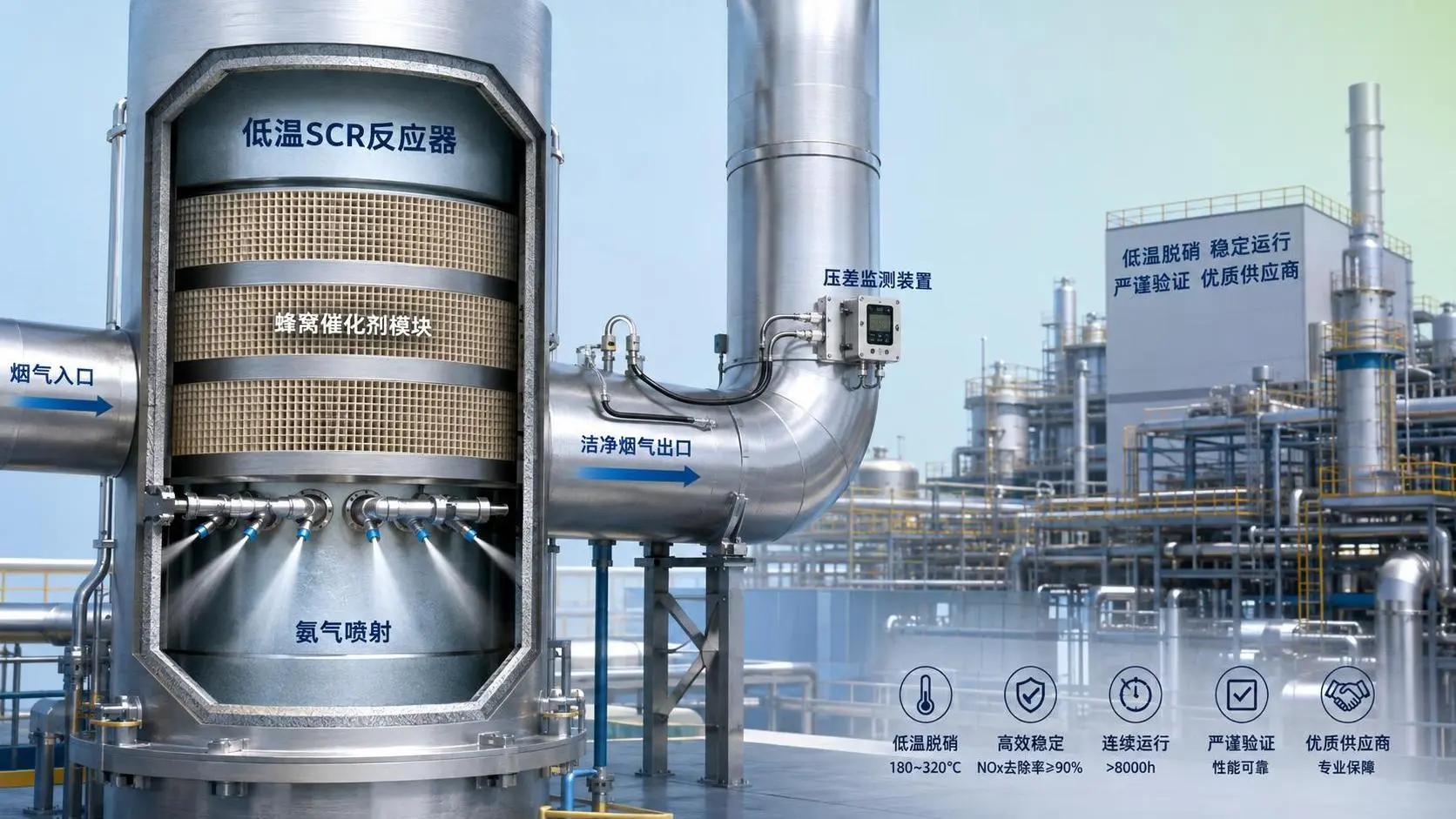
What to verify before choosing a low temperature SCR supplier
Low temperature SCR supplier checklist: verify catalyst temperature range, sulfur resistance, ammonia slip, pressure drop, lifecycle cost, and support before award.

How closed-loop resource recovery for electroplating cuts metal waste
Closed-loop resource recovery for electroplating reduces metal waste, sludge, and water use through smarter stream segregation, recovery, and reuse strategies.
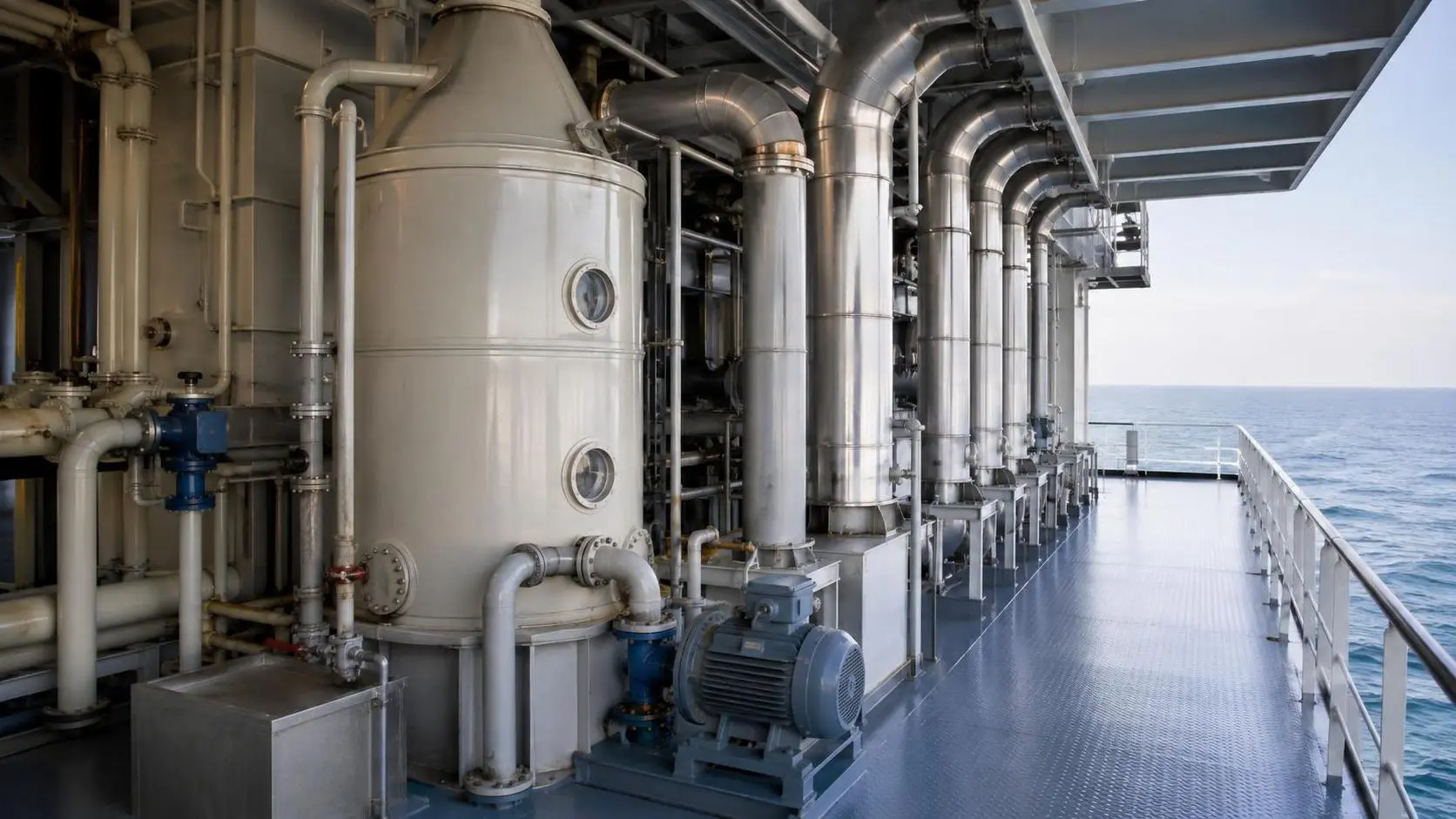
How to size flue gas cleaning systems for marine boilers
Flue gas cleaning systems for marine boilers: learn how to size for gas flow, sulfur load, backpressure, and compliance—improve reliability and reduce operating risk.