
Industry News
Curation by industry experts
Hot Articles
Popular Tags
How to Evaluate an Industrial Wastewater Supplier for Cost, Compliance, and System Fit
How to Evaluate an Industrial Wastewater Supplier for Cost, Compliance, and System Fit
Choosing the right industrial wastewater supplier is no longer just a pricing decision for procurement teams. A weak choice can show up later as permit trouble, unstable effluent quality, chemical overuse, rushed retrofit work, or a plant that never performs the way it looked on paper. In practice, supplier evaluation works better when procurement stops treating quotes as the main document and starts treating them as only one layer of evidence.
If you are buying for a new treatment line, a plant expansion, a high-salinity stream, a ZLD-related upgrade, or a compliance-driven retrofit, the real question is simple: can this supplier deliver a system that fits your wastewater profile, your discharge obligations, and your operating reality without leaving hidden cost behind?
Start with your own boundary conditions
Before comparing any industrial wastewater supplier, lock down the basics internally. Many bad selections begin with incomplete feed data or vague scope language. If your RFQ only says “industrial wastewater treatment system,” suppliers will fill in the blanks differently, and the commercial spread will be impossible to compare fairly.
- Define flow range, not just average flow. Peak flow and shock load matter.
- List key contaminants with tested values: COD, BOD, TSS, TDS, ammonia, heavy metals, oil and grease, pH, chlorides, sulfates, temperature, and any toxic or inhibitory compounds relevant to your process.
- State whether the target is discharge, reuse, pretreatment, concentration reduction, or ZLD support.
- Clarify utilities and site constraints: steam, power, civil space, operator skill level, sludge handling route, and available redundancy.
This is not paperwork for its own sake. It is what lets you tell whether one supplier is pricing a realistic scope and another is quietly excluding difficult parts.
Check whether the supplier understands your wastewater, not just treatment technology
A capable vendor should ask uncomfortable questions early. They should want recent lab reports, variability history, upstream process details, cleaning chemicals, seasonal changes, and production expansion plans. If they move straight to offering a standard skid after one call, be careful.
The issue is not whether they can name technologies like DAF, MBR, MVR, RO, evaporators, ion exchange, or advanced oxidation. The issue is whether they can explain why a given train fits your water. For example, high-organic wastewater with oil and surfactants creates a very different risk profile for membranes than relatively stable inorganic streams. A supplier that skips fouling discussion is telling you something.
Ask them to mark the likely failure points in their own design. Good suppliers usually can. They will talk about scaling risk, sludge yield, equalization sizing, biological upset, anti-foam requirements, concentrate disposal, or the need for pilot validation. Weak ones tend to stay at brochure level.
Do not separate compliance capability from technical fit
Procurement teams often review compliance as a document issue and engineering as a design issue. In wastewater projects, that split creates risk. The system design is the compliance strategy.
Ask the supplier to map its guaranteed outlet quality against the specific discharge or reuse standard you must meet in your jurisdiction. If the applicable standard is local, sector-specific, or tied to a receiving body or sewer authority, require them to identify assumptions clearly. They should not speak in loose phrases like “compliant with environmental standards.” Compliant with which standard, under what inlet conditions, and with what operating envelope?
Where standards, permit limits, or monitoring protocols vary by country or industrial segment, treat any generic compliance claim as incomplete until your EHS or legal team verifies it. If the supplier cites certifications, test reports, or reference standards, request copies or exact identifiers. Anything unclear belongs in the 【待核实】 bucket until checked.
Price the whole system life, not the equipment shell
The cheapest quote often wins only in the spreadsheet used on bid day. After startup, the cost picture changes fast.
A useful comparison method is to ask each industrial wastewater supplier for an assumptions sheet showing design basis, excluded scope, utility consumption, consumable life, and guaranteed performance conditions. Without that, “cost comparison” is mostly theater.
Treat guarantees carefully
Performance guarantees matter, but the conditions under them matter more. A discharge guarantee tied to perfectly stable inlet water, uninterrupted utilities, and ideal operator behavior may not protect you much in real use.
- Ask what influent range the guarantee covers.
- Check whether startup support, operator training, and optimization period are included.
- Review remedy terms if the system misses targets. Is the supplier obligated to modify equipment, adjust process, or only provide advice?
- Look for language that shifts responsibility too easily to “feed variability” when variability is normal for your plant.
If the wastewater is difficult or variable, pilot testing or treatability work may be worth the time. Not every project needs it, but for high salinity, refractory organics, emulsified streams, or mixed industrial waste, skipping validation can become the expensive decision.
Look at service depth, not just manufacturing scope
Some suppliers are strong fabricators but thin on process troubleshooting. Others design well but rely heavily on third parties for controls, field service, or consumables. That is not automatically a problem, but procurement should know where the real capability sits.
Ask practical questions: Who handles commissioning? Who responds if effluent drifts? How long are typical lead times for membranes, pumps, instruments, blowers, or evaporator parts? Is remote monitoring available? Can they support multi-site standardization if you roll out similar systems across plants?
For buyers managing cross-border projects, after-sales support and parts logistics often deserve the same weight as base equipment quality. A technically elegant system with weak regional support can become a maintenance burden very quickly.
Reference checks should be specific
Do not ask only for a customer list. Ask for references with a similar wastewater profile, treatment target, and operating mode. A supplier successful in municipal polishing is not automatically proven in electroplating rinse water, high-COD chemical wastewater, landfill leachate, refinery streams, or desalination-related brine concentration.
When you speak to reference users, skip the broad “Are you satisfied?” question. Ask narrower ones:
- Did the actual chemical and energy use match the proposal range?
- How often does the system need intervention beyond routine operation?
- What happened during startup?
- Were there recurring fouling, scaling, odor, sludge, or control issues?
- How did the supplier behave when performance dropped?
That conversation usually tells you more than a polished presentation deck.
Red flags that procurement teams tend to miss
A few warning signs show up again and again.
- The proposal promises unusually low OPEX but gives no calculation basis.
- The supplier avoids discussing reject streams, sludge, concentrate, or hazardous by-products.
- Instrumentation and automation are underspecified, which usually shows up later as unstable operation.
- The design has little buffer for variability, no redundancy where your plant actually needs it, or no realistic maintenance access.
- Every answer sounds universal. Industrial wastewater is not universal.
One more point: if a supplier never asks about what happens upstream, they may be planning to solve every problem downstream. That tends to be the costliest philosophy in treatment.
A workable shortlist method
For most procurement teams, a practical approach is to score suppliers across four weighted areas: technical fit, compliance confidence, total cost of ownership, and service support. Keep the scoring notes evidence-based. If a vendor claims low energy use, ask where that number comes from. If they claim compliance experience in your target market, ask for project type, permit context, and supporting documentation where available.
You do not need a complicated matrix. You need one that forces comparison on the things that usually cause trouble after award.
What usually leads to the better decision
The better industrial wastewater supplier is rarely the one with the neatest slide deck or the lowest headline number. It is usually the one that is explicit about assumptions, transparent about operating cost, realistic about compliance limits, and technically grounded in your actual wastewater.
If you want a simple internal rule, use this one: do not move a supplier forward until you can explain, in plain language, why their process train fits your stream, what it will cost to run, what standard it is expected to meet, and what happens if conditions shift. If those answers are still fuzzy, the bid is not ready for selection.
Recommended News
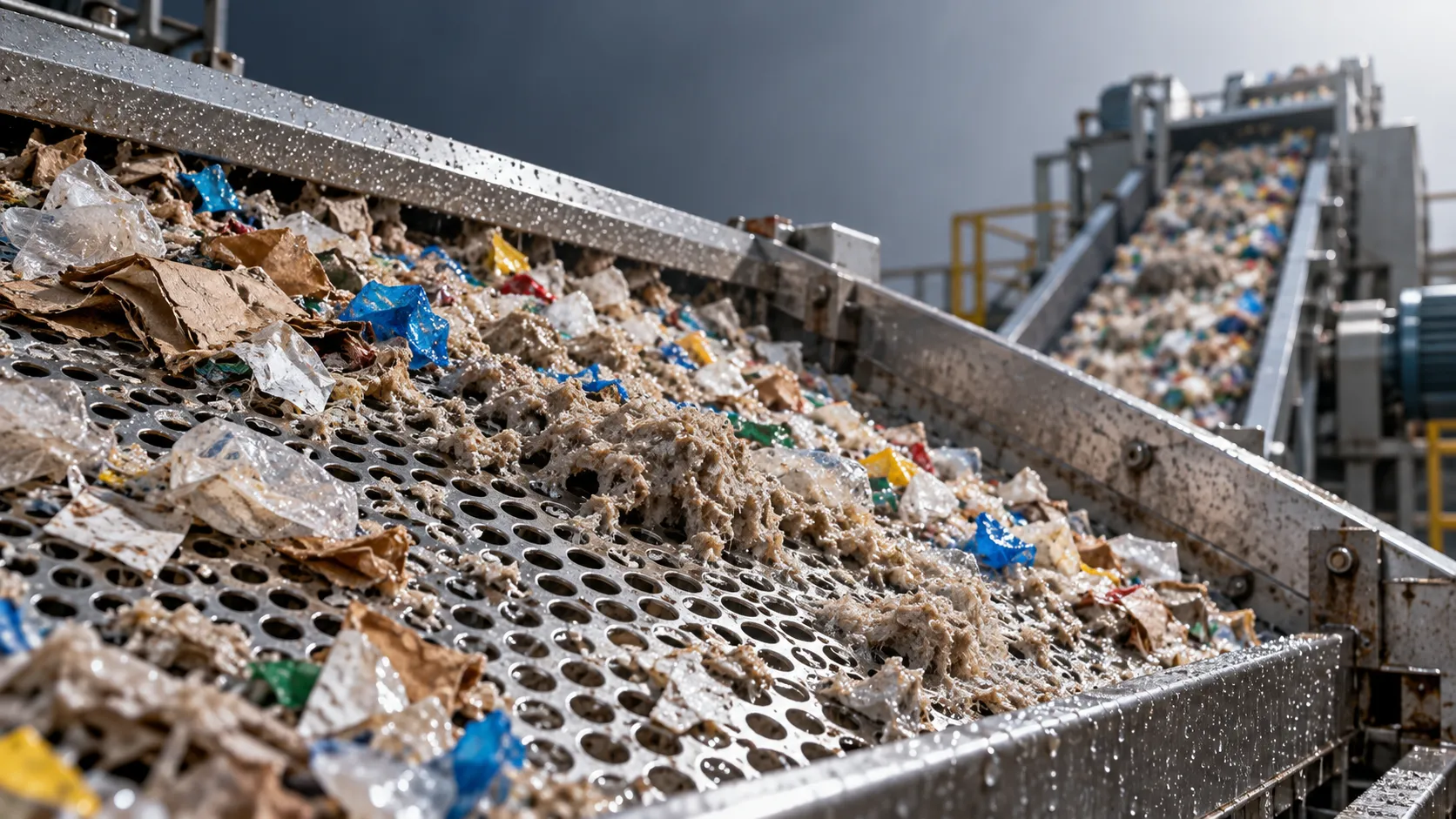
How moisture affects material separation in solid waste recovery
Improve solid waste recovery material separation by understanding moisture effects on screening and sorting. Discover practical ways to boost recovery, purity, and throughput.
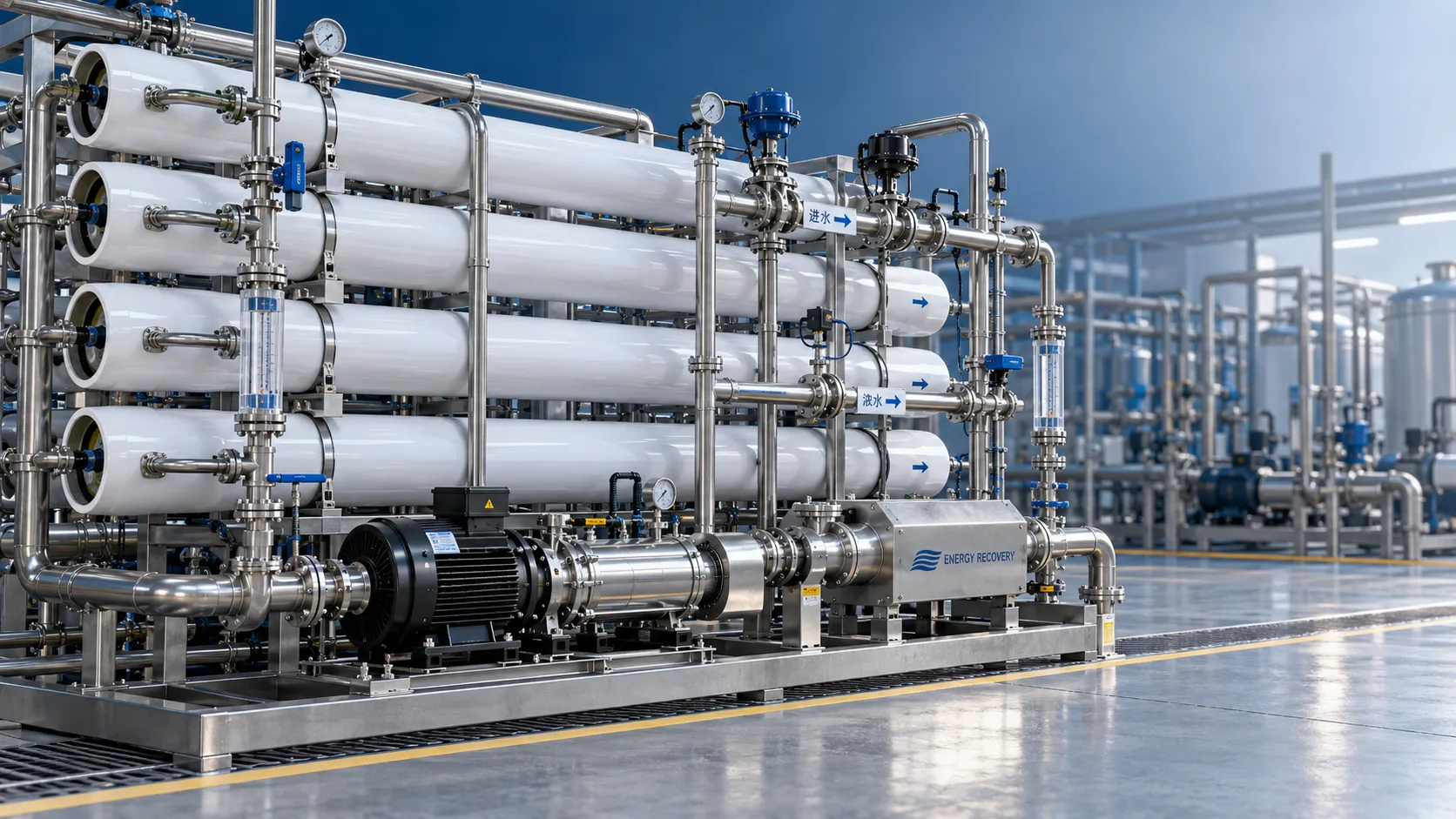
How to set recovery rates in seawater reverse osmosis system design
Explore seawater desalination systems engineering: learn to set SWRO recovery rates that balance energy, scaling risks, and water quality for reliable, cost-effective operation.
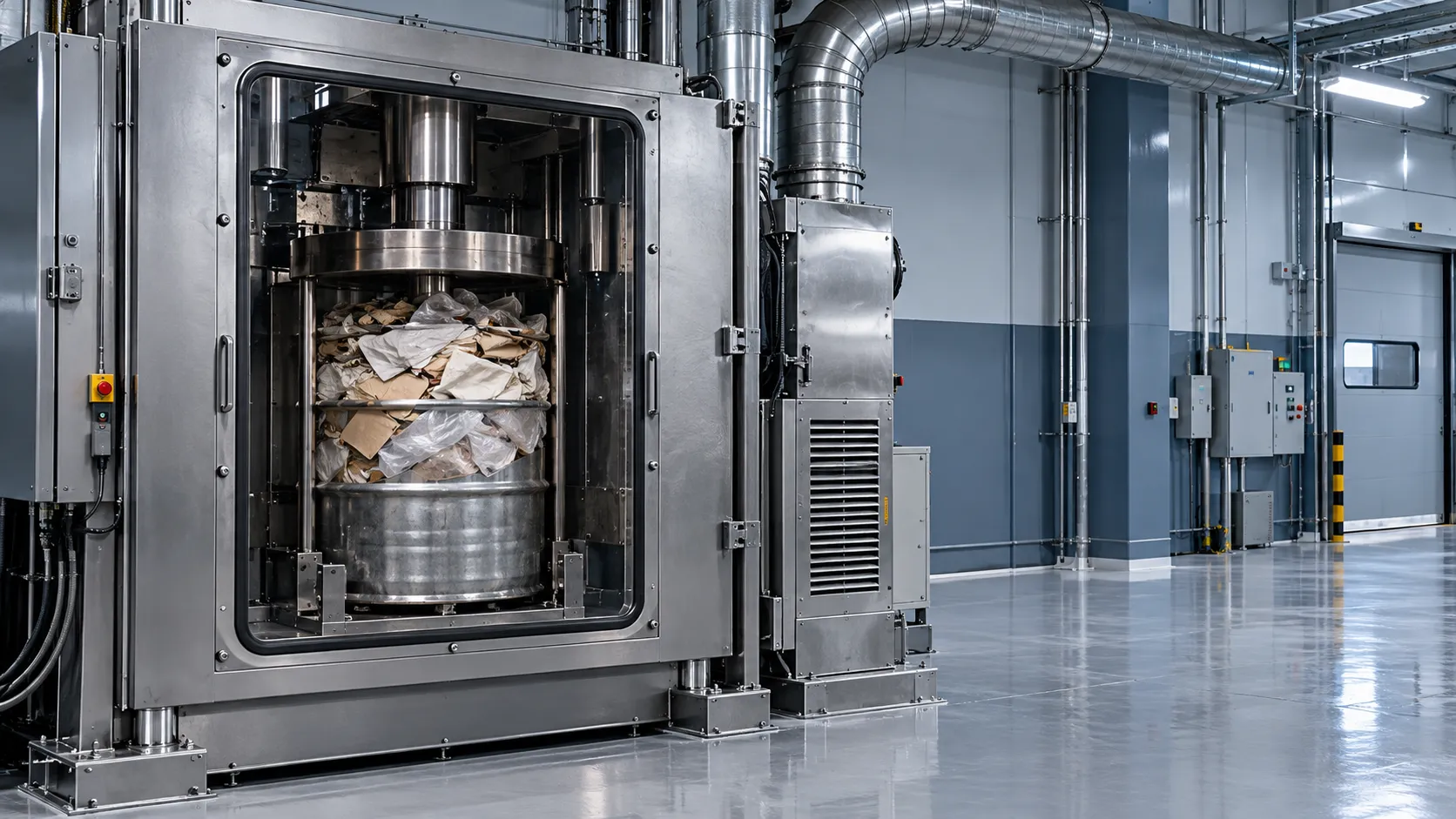
When is compaction suitable for solid nuclear waste treatment?
Is compaction right for solid nuclear waste treatment? Discover suitable waste streams, key safety checks, and disposal requirements to reduce package volume and optimize costs.
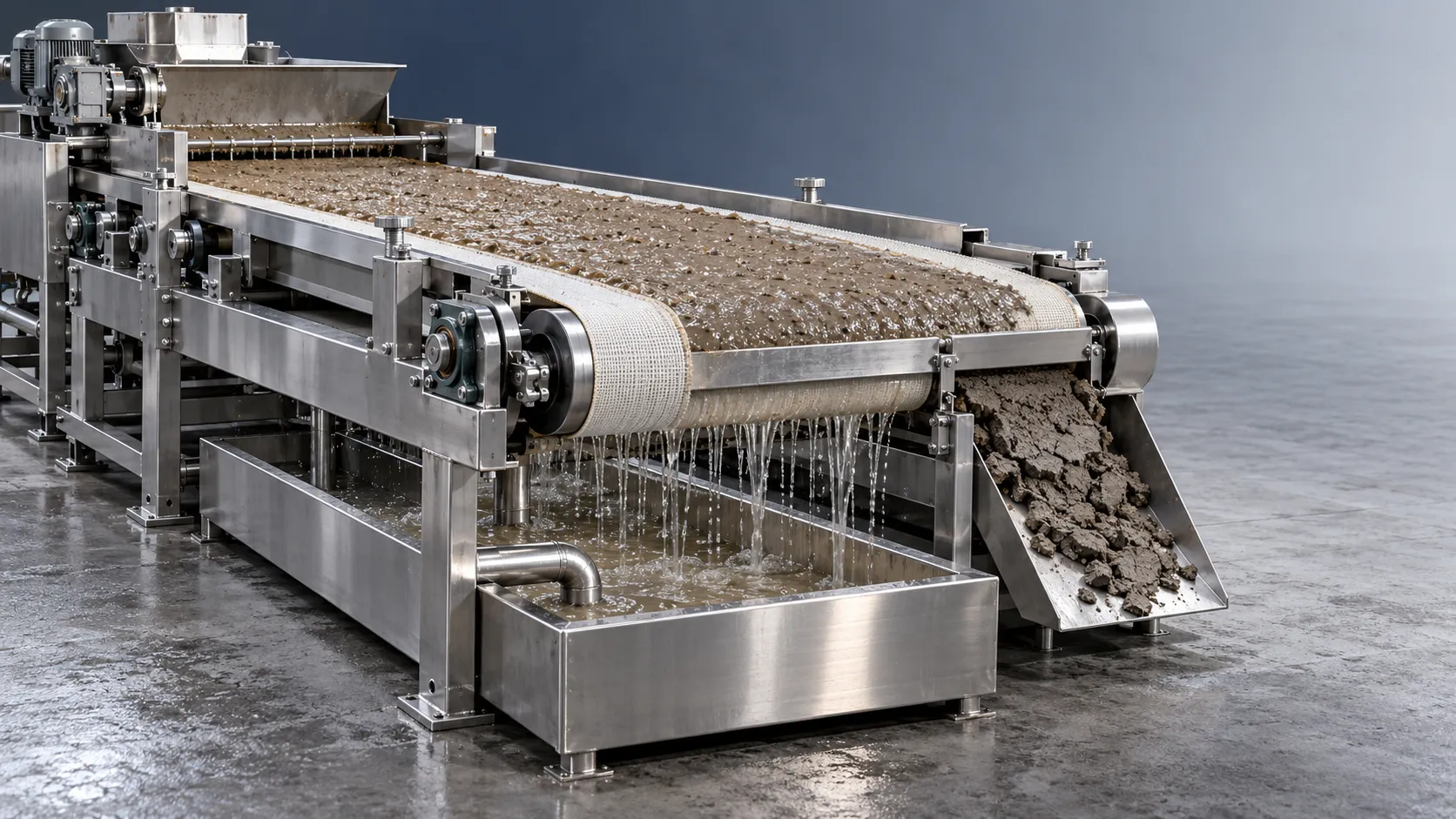
How solids concentration affects dewatering in waste recovery systems
Optimize waste recovery systems dewatering with insights on solids concentration. Learn to balance throughput, cake dryness, and solids capture while avoiding costly equipment overloads.
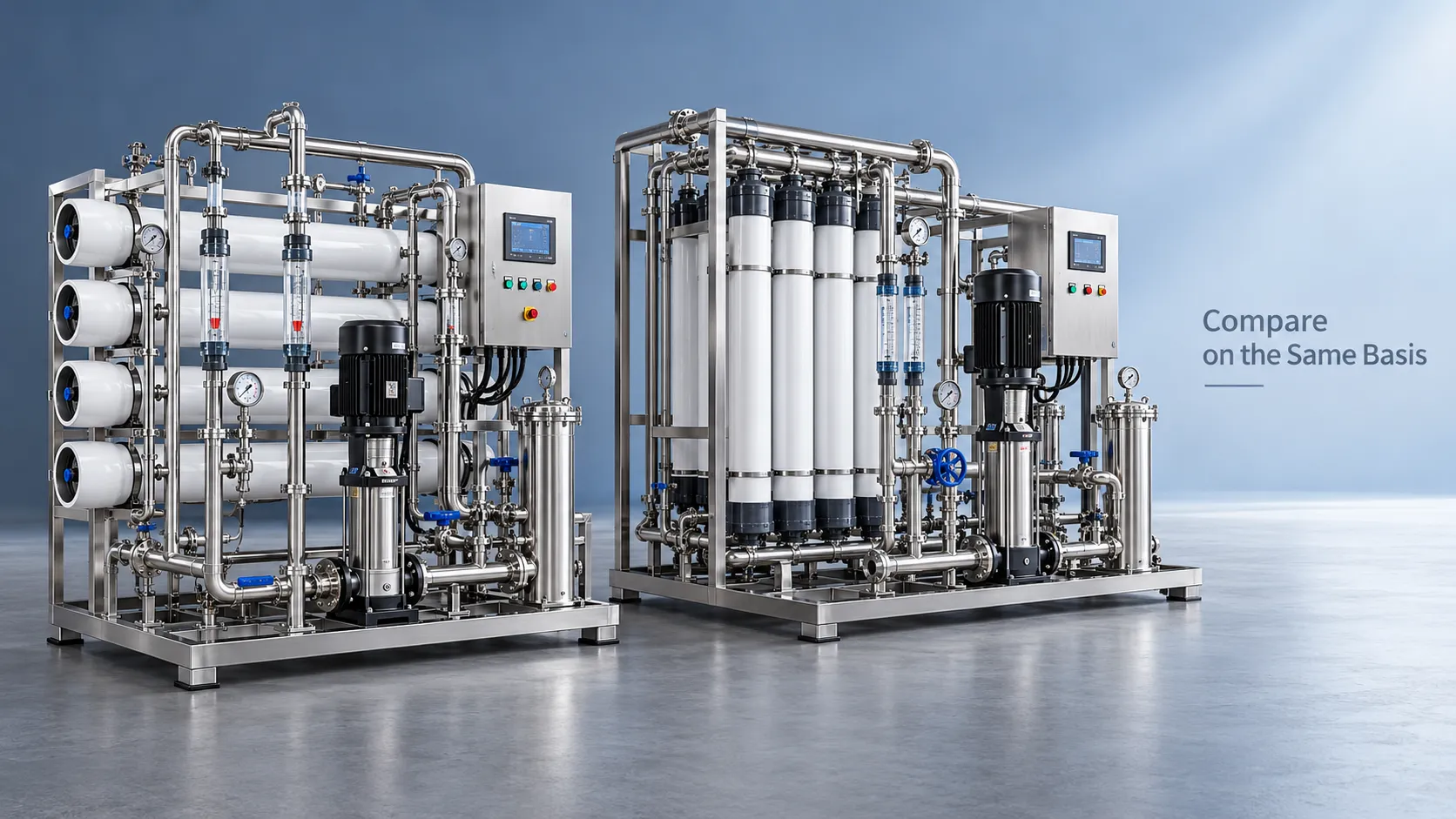
How to compare technical specs in an environmental equipment directory
Use this environmental equipment directory technical guide to compare capacity, energy use, compliance, and supplier evidence. Build a defensible shortlist and choose with confidence.
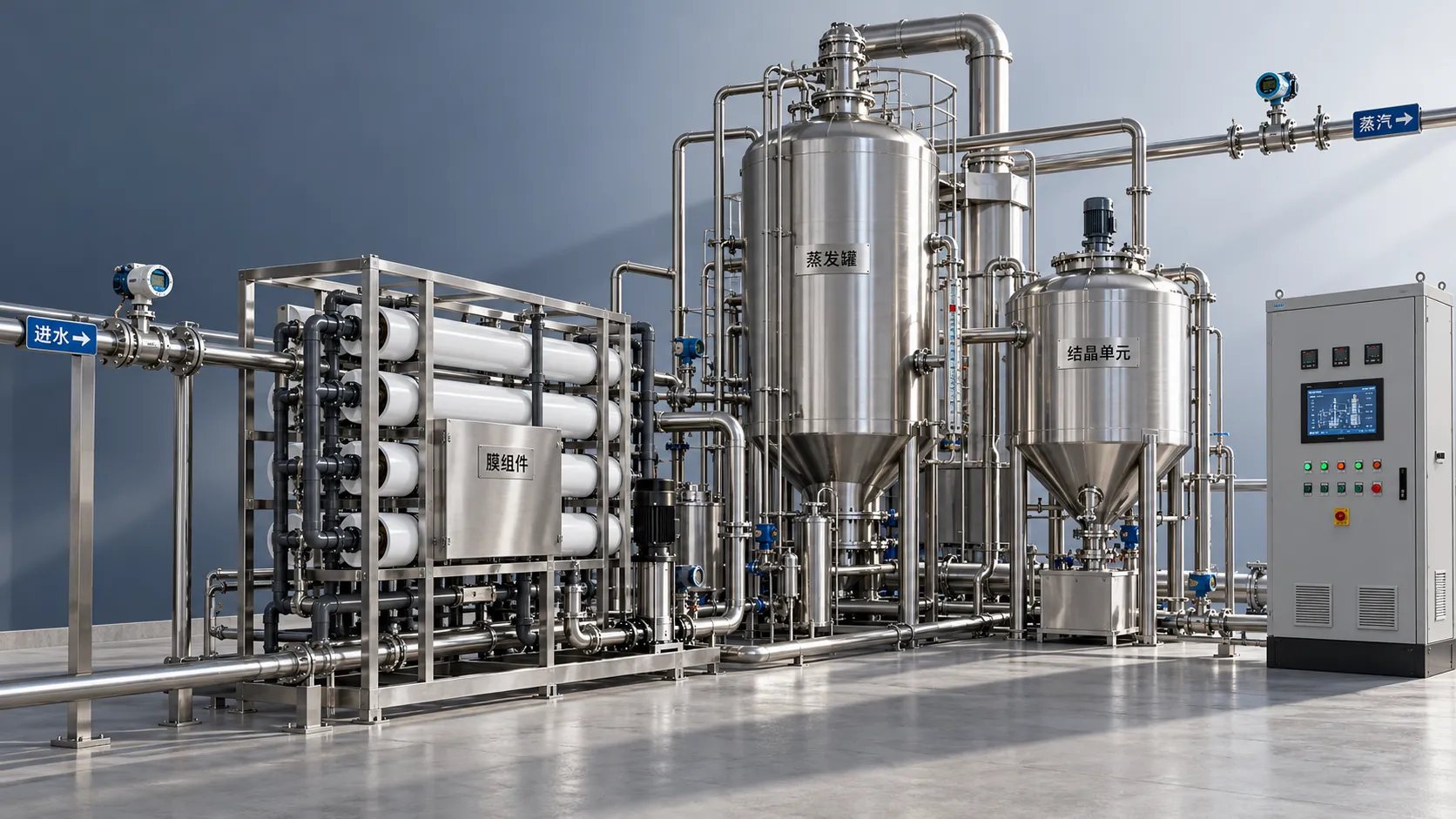
How to assess a zero liquid discharge equipment supplier’s energy claims
Assess a zero liquid discharge equipment supplier’s energy claims. Learn how to verify system boundaries, compare real costs, and demand testable guarantees before you buy.
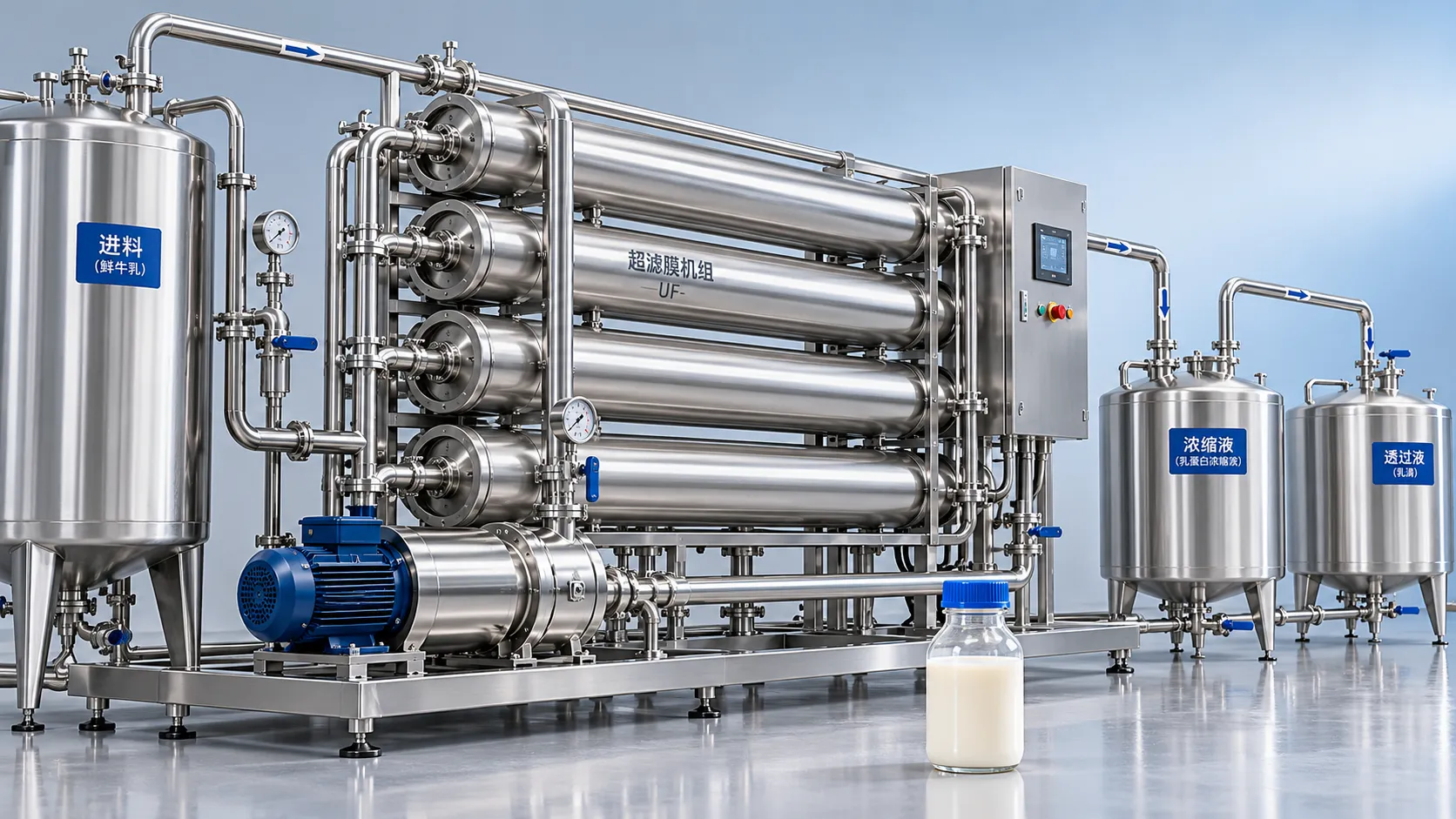
Which membrane filtration process suits dairy protein concentration?
Explore membrane filtration for dairy: compare UF, MF, and RO to select the right process for protein concentration, lactose reduction, and better recovery. Find your best fit.
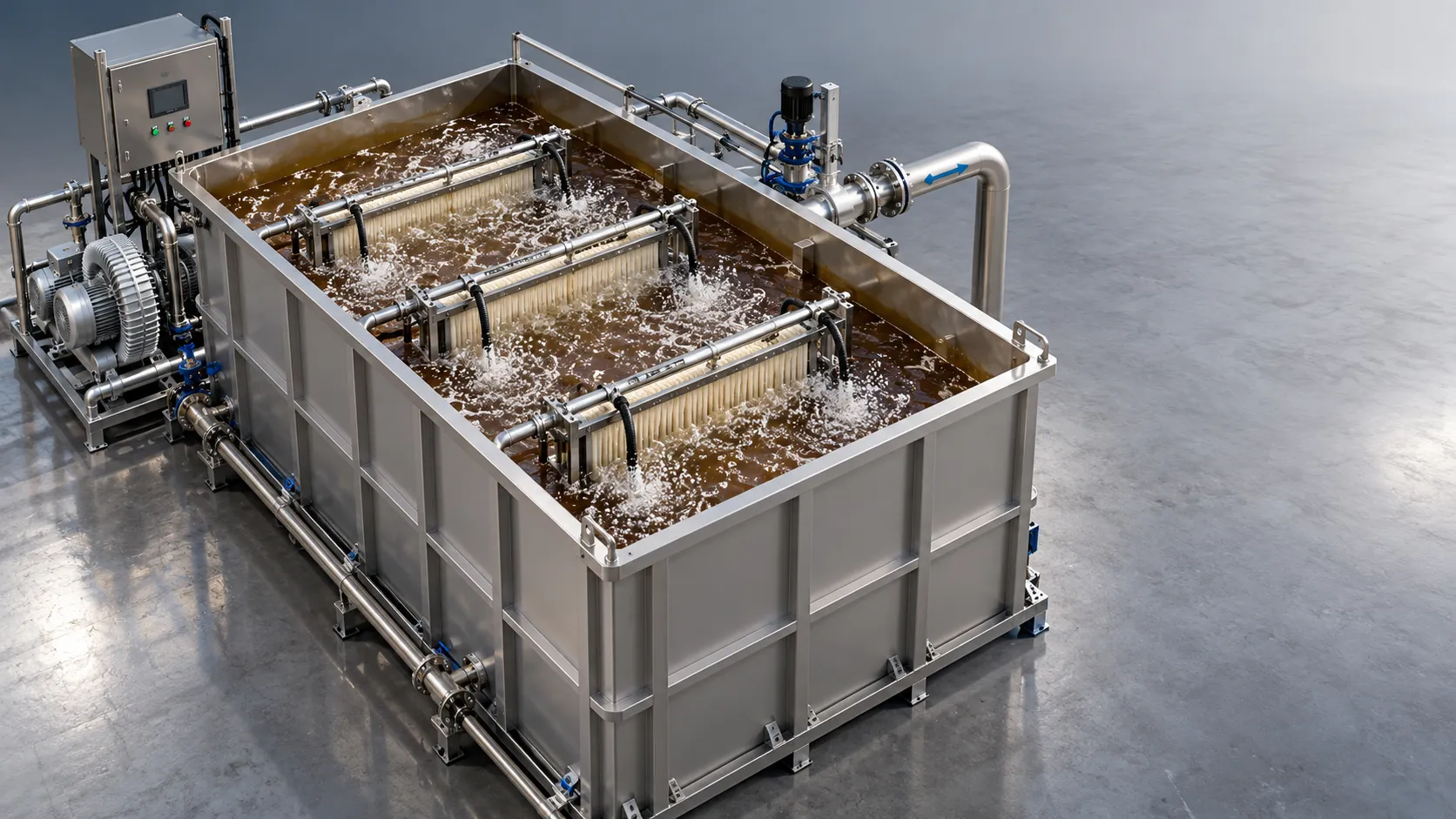
When is an MBR suitable for wastewater purification for bioprocessing?
For wastewater purification for bioprocessing, discover when an MBR fits your needs. Compare water quality, fouling risks, and lifecycle costs before investing.
How to check a water treatment quotation for hidden project costs
Review your water treatment quotation for hidden costs, scope gaps, and operating expenses. Learn what to check before signing to protect your budget and avoid costly surprises.