
Industry News
Curation by industry experts
Hot Articles
Popular Tags
How Low-Temperature Reaction Design Affects Yield, Safety, and Scale-Up
What low-temperature reaction design actually changes
Low-temperature reaction design is often discussed as if it were simply a way to “run the same chemistry colder.” That is usually the wrong mental model. In practice, lowering reaction temperature changes the balance among reaction rate, selectivity, heat release, mixing sensitivity, impurity formation, solvent behavior, and equipment duty. For technical evaluation, that matters because a process that looks elegant in a lab note can become unstable, uneconomic, or hard to permit once it moves toward continuous production or larger batch volumes.
The core issue is not whether low temperature is good or bad. It is whether the temperature profile is doing a specific job that could not be done reliably at a higher operating window. In some systems, cooling suppresses side reactions, protects unstable intermediates, or keeps gas evolution under control. In others, it merely compensates for poor route design, weak selectivity, or inadequate heat-removal margins. Those are very different situations, and they should not be scored the same way in a technology review.
This is why the phrase matters across sectors beyond fine chemicals. In flue gas treatment, catalytic activity at low temperature can determine whether an SCR system performs under variable exhaust conditions. In desalination pretreatment and advanced oxidation, temperature can influence reaction pathways, dosing efficiency, and scaling tendency. In hazardous waste conversion or nuclear-related treatment trains, temperature control can define whether reactive species stay within a safe and predictable operating envelope. The chemistry is different, but the evaluation logic is similar: yield, safety, and scale-up are linked through temperature-dependent behavior.
Yield is not just conversion
When engineers say low-temperature design improves yield, they often mean one of three things. The first is higher selectivity to the desired product. The second is better preservation of a sensitive intermediate that would decompose or rearrange at a warmer condition. The third is reduced formation of impurities that become costly in downstream separation. These are related, but not interchangeable.
A colder reactor usually slows everything down, not just the undesired pathway. So the benefit depends on whether the undesired pathway is more temperature-sensitive than the desired one. That difference in activation behavior is where the real advantage comes from. If the side reaction falls off sharply with cooling while the main reaction remains manageable, yield can improve even with longer cycle time. If both pathways slow similarly, the process may simply lose throughput without gaining purity.
Technical evaluators should also separate isolated yield from process yield. A route may show a better assay after low-temperature reaction, yet suffer from filtration problems, viscosity increase, crystallization drift, or solvent recovery penalties that reduce plant-level output. In other words, a colder step can help molecular selectivity while hurting manufacturing selectivity. This distinction becomes important in projects where utility demand, batch turnaround, or wastewater load are under close review.
Another common oversight is feed quality sensitivity. Some low-temperature systems are unforgiving when raw material moisture, trace metals, dissolved gases, or particle size distribution vary. In screening documents, the chemistry may appear robust because the trial used tightly controlled input materials. At scale, especially in waste-derived or industrial-stream applications, feed variability is often the rule. If a process only performs well under narrow low-temperature conditions with exceptionally clean inputs, the apparent yield advantage may not survive industrial reality.
Why safety questions become sharper at low temperature
Many people instinctively associate lower temperature with safer operation. Sometimes that is true. Lower thermal energy can reduce decomposition risk, lower vapor pressure, and restrain runaway kinetics. But low-temperature reaction design also introduces its own hazard set, and those hazards tend to be underestimated during early technical screening.
The first concern is heat accumulation. Exothermic chemistry carried out at low temperature may appear calm because the jacket is removing heat effectively. But if dosing, agitation, or heat transfer shifts even briefly, the stored reactivity can surface quickly. This is especially relevant in semi-batch addition processes where the apparent stability depends on disciplined feed control rather than inherently mild chemistry. Evaluators should ask whether the process is safe because the chemistry is tolerant, or safe only because the operating discipline is extremely tight.
The second concern is physical-property change. Fluids become more viscous at lower temperature; solids may precipitate earlier; gas solubility can change; sensors may respond differently; seals and elastomers may face a narrower operating window. None of these effects sound dramatic in isolation, but together they can alter mixing uniformity and make local hot spots or concentration gradients more likely. A reaction that is chemically selective at minus temperatures can still become mechanically unstable if the reactor no longer mixes the way the design package assumes.
There is also a false comfort in focusing only on reactor temperature. Safety depends on transient states: charging, quenching, startup, shutdown, loss of refrigeration, and off-spec hold time. A low-temperature process with a difficult quench or delayed phase separation can present a more serious plant risk than a warmer process with simpler control logic. For regulated industries and environmentally sensitive installations, that distinction matters because emergency handling, vent treatment, and abnormal event containment often drive permitting complexity as much as normal operation does.
Scale-up is where the real verdict arrives
A low-temperature route that works at small scale is not automatically scale-ready. Heat transfer, mass transfer, and dosing geometry do not scale linearly. This is the point technical evaluators should press hardest, because many process claims are strongest before anyone has to manage a large thermal mass, long transfer lines, non-ideal agitation, and realistic utility variation.
At larger scale, cooling duty becomes more than an operating cost issue. It can become a bottleneck that dictates vessel size, batch time, refrigeration architecture, and maintenance burden. If a process window depends on holding a narrow low-temperature band during peak addition, the real question is whether that temperature can be maintained at the worst credible case: maximum feed concentration, warmest seasonal utility conditions, slightly fouled heat-transfer surfaces, and production-grade raw material variability. If not, the route may be scale-able on paper but not reliably manufacturable.
This is also where continuous versus batch design becomes relevant. Some low-temperature chemistries scale better in flow because the smaller reaction volume improves heat removal and shortens residence time distribution. Others become harder in flow because solids management, fouling, or precise low-temperature metering complicate operation. There is no universal preference. The correct judgment comes from whether the temperature-sensitive step is limited mainly by heat release, by mixing, by solids behavior, or by residence-time sensitivity.
For environmental and resource-recovery systems, scale-up has another layer: integration. A low-temperature step may interact with upstream concentration, downstream separation, emissions capture, or waste stabilization. In a wastewater treatment or off-gas cleanup train, one colder reaction zone may shift condensation load, corrosion risk, or catalyst poisoning behavior elsewhere. That is why a narrow reaction optimization should never be accepted as a full process justification.
What to look for in a credible technical package
When reviewing low-temperature reaction design, the most useful evidence is rarely a headline yield claim. It is the combination of kinetic understanding, thermal risk data, and operating-envelope definition. If those pieces are thin, the design should be treated cautiously even if the chemistry itself sounds familiar.
A strong package also explains failure modes. That sounds basic, but it is often missing. If the sponsor cannot describe what happens when temperature drifts upward, when addition is interrupted, or when the system warms during hold, they may understand the target condition without understanding the process. Those are not the same thing.
Common misunderstandings in technology screening
One recurring misunderstanding is to treat low-temperature capability as proof of technical sophistication. Sometimes it is. Advanced catalysts, engineered solvents, or precise reaction-path control can justify it. But sometimes the low temperature is simply masking a route with poor inherent selectivity. Another process that runs warmer with slightly lower nominal yield may still be the superior industrial choice if it is easier to control, easier to maintain, and less sensitive to upset conditions.
Another mistake is to focus too heavily on steady-state numbers. For low-temperature systems, transition behavior often tells more of the story than the nominal setpoint does. A process with graceful startup, manageable shutdown, and forgiving upset recovery may deserve higher confidence than one with better headline performance but brittle operability.
There is also a tendency to discuss yield, safety, and scale-up as separate review categories. They are not separate here. A narrow low-temperature window that protects yield may require intense refrigeration and highly controlled dosing; that same dependence raises both scale-up risk and safety consequence if control is lost. Likewise, a design that modestly relaxes selectivity but broadens the thermal operating envelope may create a better commercial process.
A better way to judge the design
The practical question is not “Does this process run cold?” but “What problem is the cold condition solving, and what new constraints does it introduce?” That framing produces better decisions. It shifts attention from superficial process description to evidence of controllability, robustness, and fitness for industrial duty.
For technical evaluators working across environmentally intensive sectors, low-temperature reaction design is best understood as a trade-space. It can be a disciplined way to secure selectivity, protect materials, limit unwanted byproducts, or meet demanding treatment objectives. It can also be a warning sign that a route depends on fragile operating conditions. The difference is visible in the details: kinetic rationale, impurity behavior, thermal response, physical properties, and realistic scale-up assumptions.
If those details are well developed, low-temperature design can be a sign of mature process engineering. If they are vague, the cold number itself means very little. That is usually where the real technical judgment begins.
Recommended News
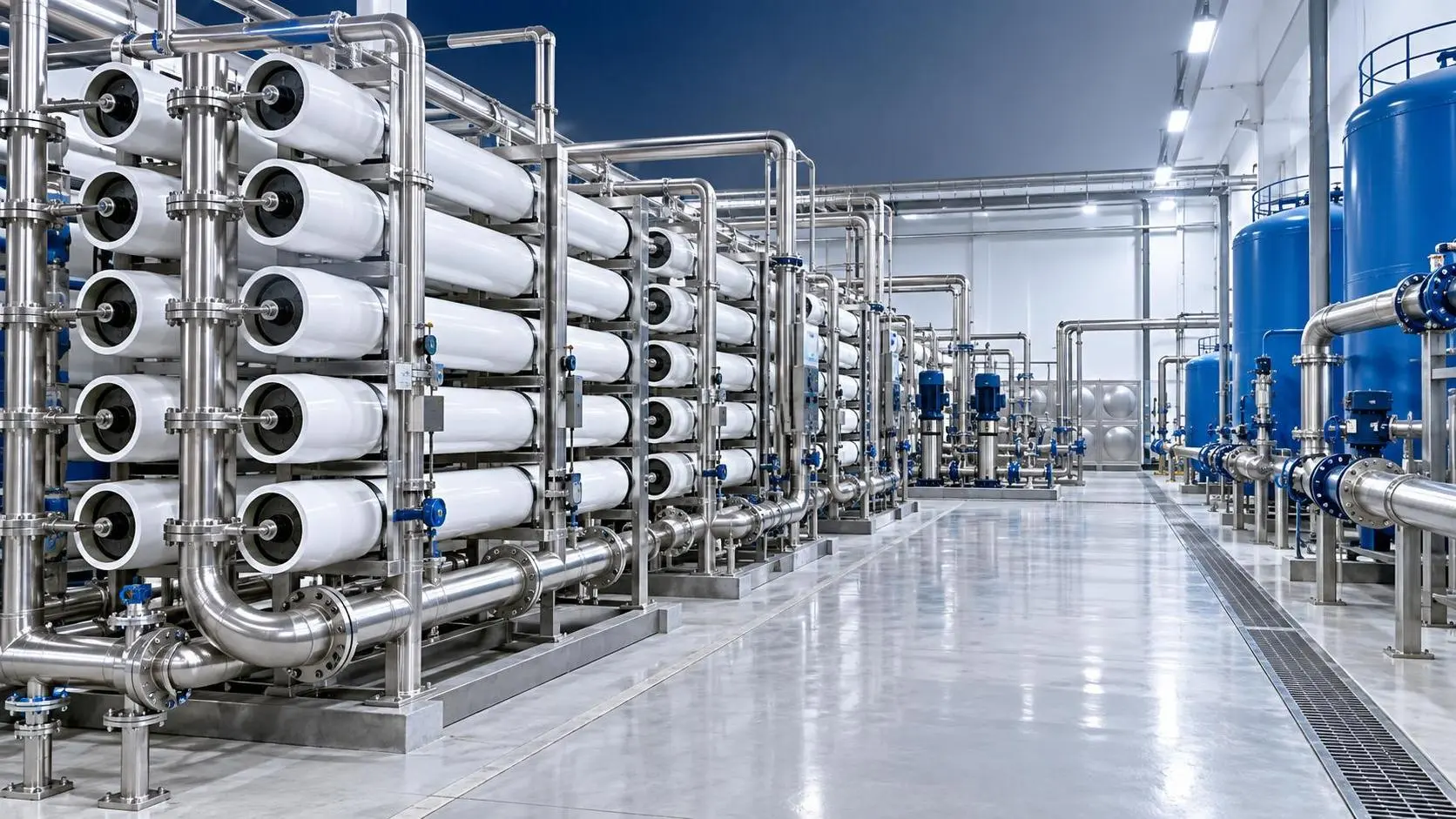
When high flux membrane water treatment justifies a larger footprint
High flux membrane water treatment can justify a larger footprint when variable feedwater, fouling risk, and uptime demands require resilient, lower-flux operation.
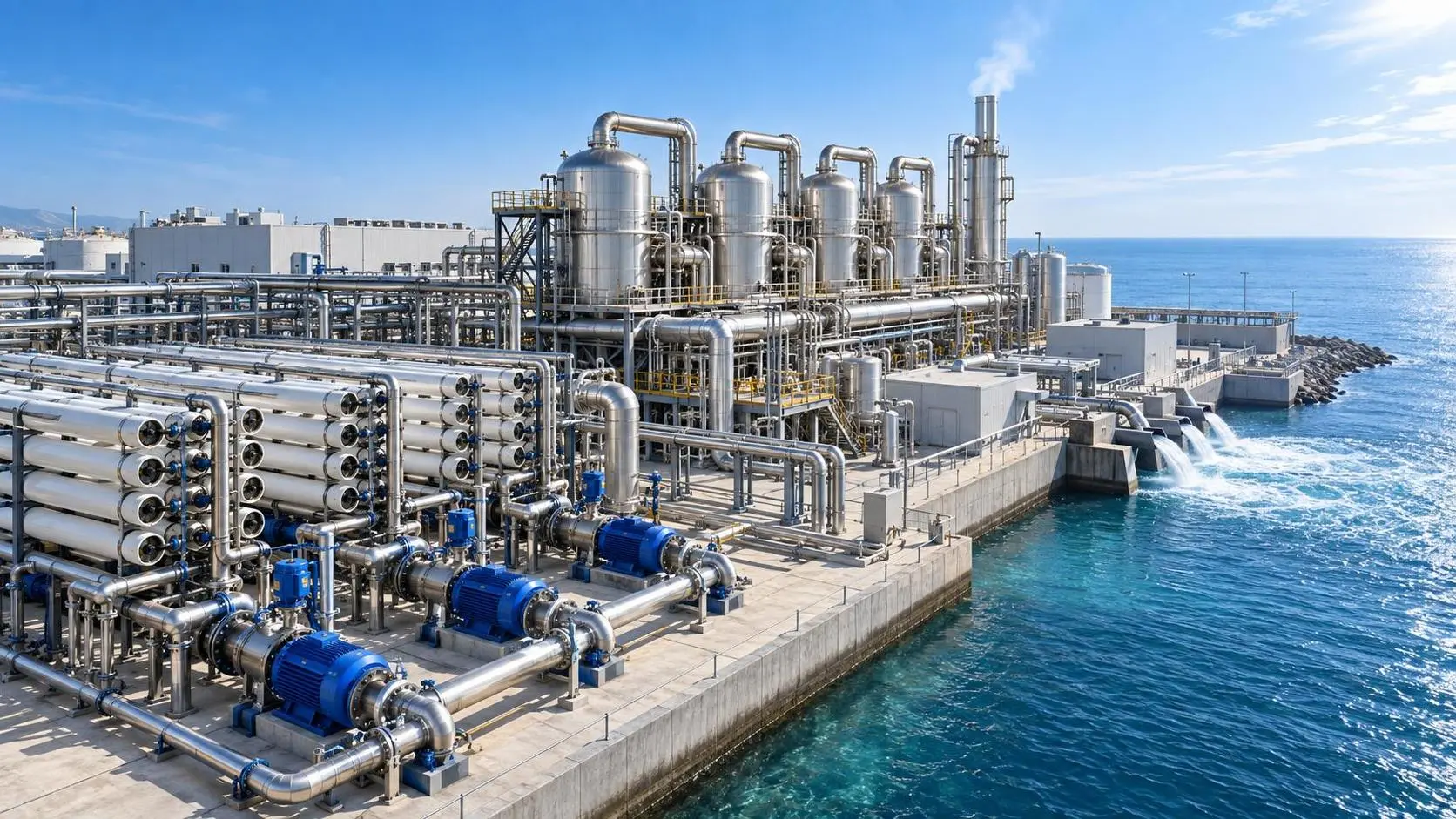
RO vs MED desalination: which is more energy-efficient at scale?
Desalination technology comparison: RO vs MED at scale. See how energy use, waste heat, feedwater, carbon, and flexibility determine the best choice.
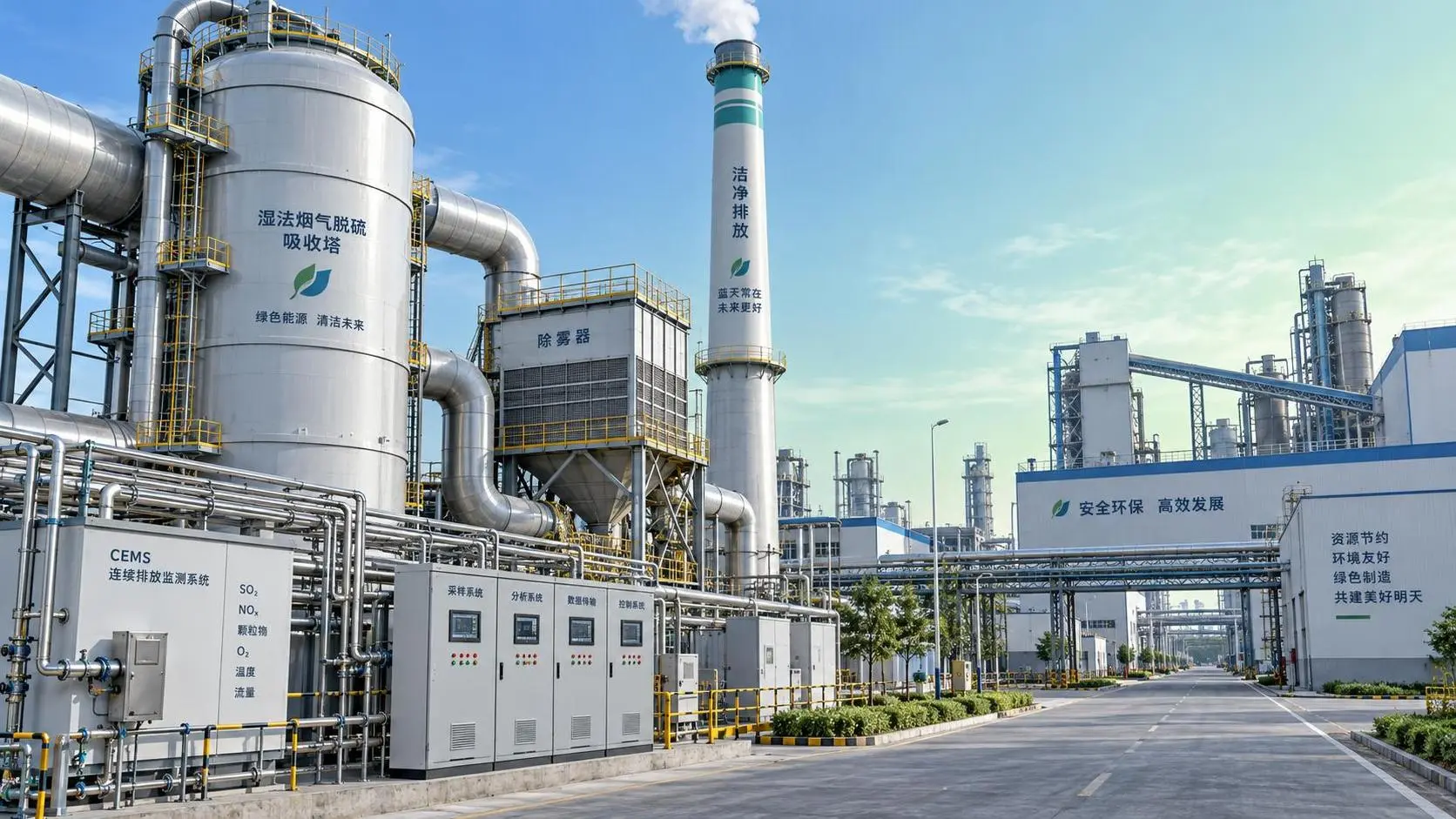
Which ISO standards apply to flue gas treatment systems?
Flue gas treatment systems ISO standards: explore key requirements for emissions testing, CEMS, safety, fabrication, corrosion control, and compliant project evaluation.

When corrosion resistant purification systems are needed for brine treatment
Corrosion resistant purification systems for brine treatment: assess chloride, heat, scaling, materials, and lifecycle reliability for demanding water projects.

How preventive maintenance reduces seawater desalination equipment downtime
Seawater desalination equipment maintenance reduces downtime through proactive monitoring, pretreatment protection, and planned repairs. Explore practical strategies for reliable RO performance.
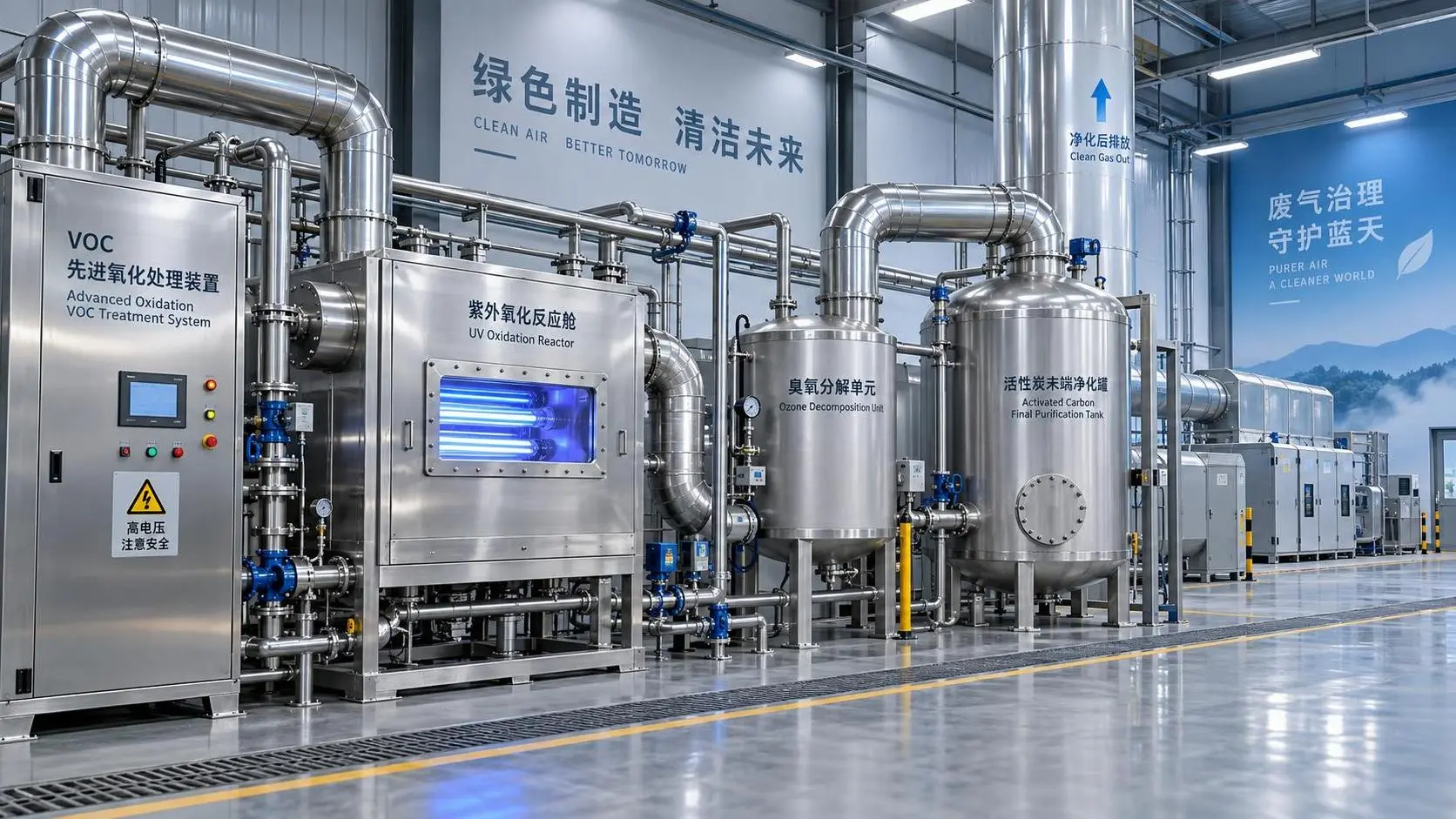
When are advanced oxidation processes the right choice for VOC control?
Advanced oxidation processes for VOC control: learn when AOPs outperform conventional options, manage by-products, and achieve reliable compliance.
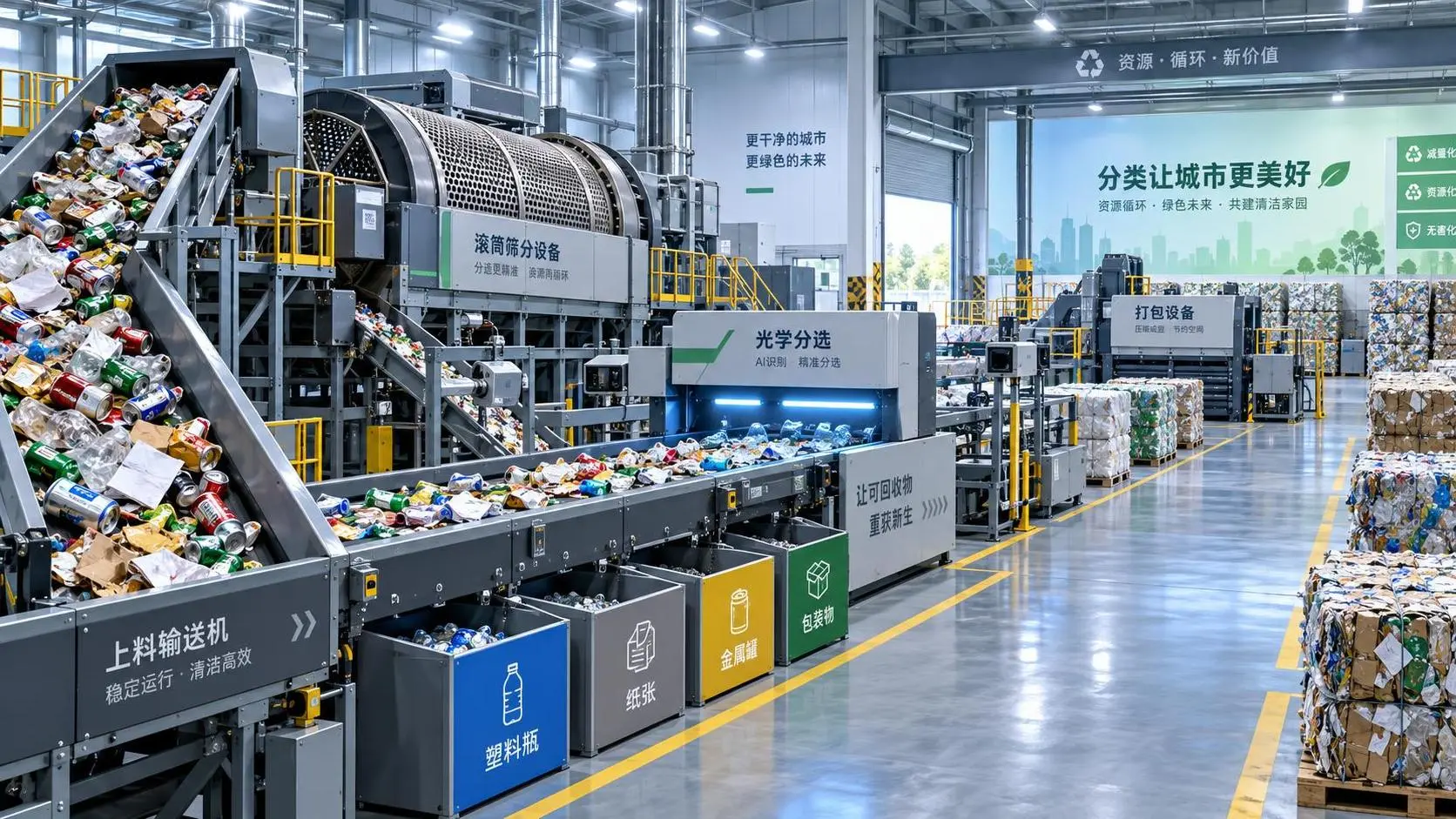
What throughput should municipal waste sorting equipment deliver?
Waste sorting equipment for municipal waste: learn how to set reliable throughput based on peak loads, material quality, uptime, and recovery targets.
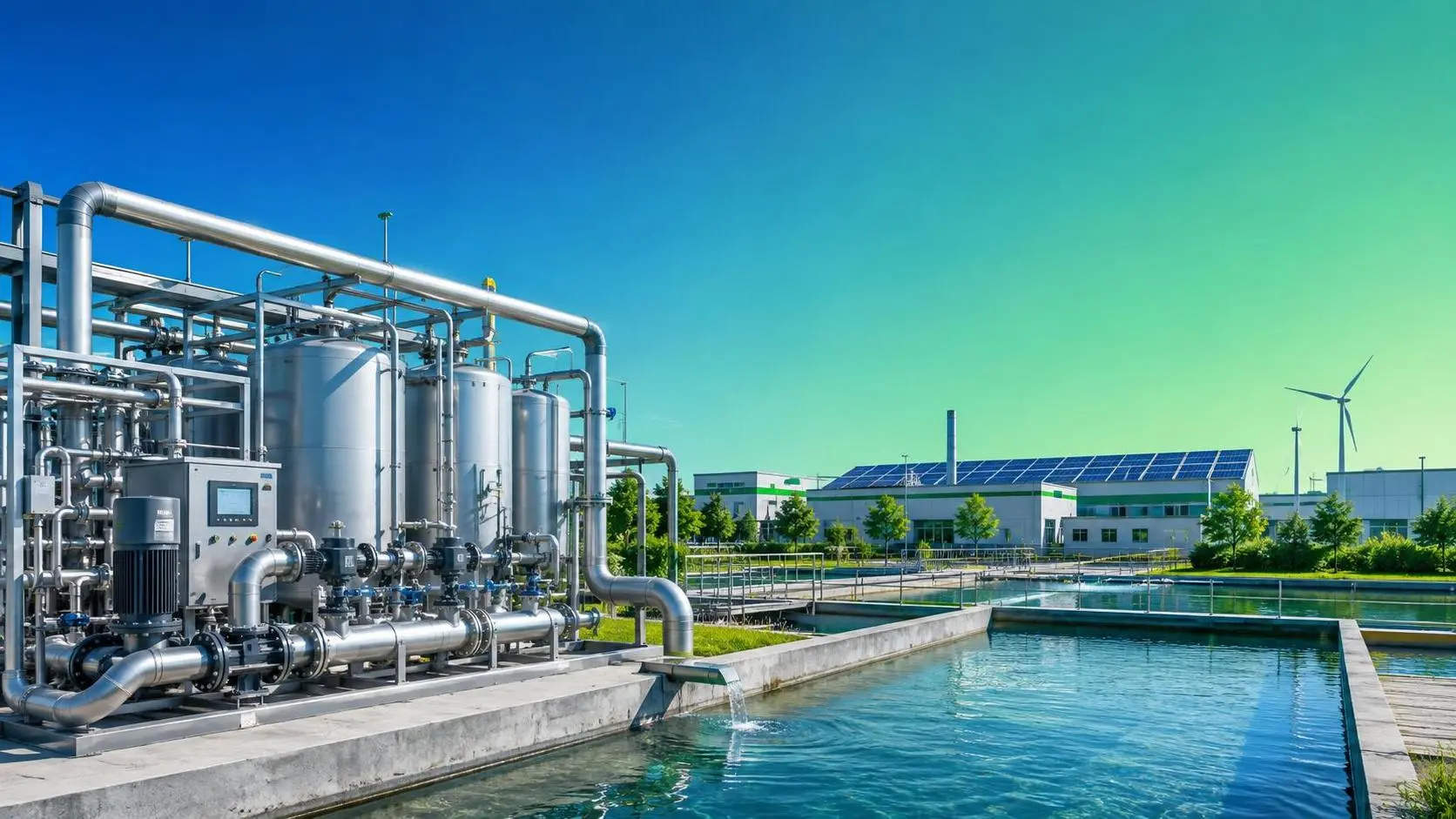
What carbon neutrality means for corporate investment decisions
Carbon neutrality is transforming corporate investment decisions. Explore how lifecycle economics, efficiency, compliance, and resilience can drive measurable returns and lasting advantage.
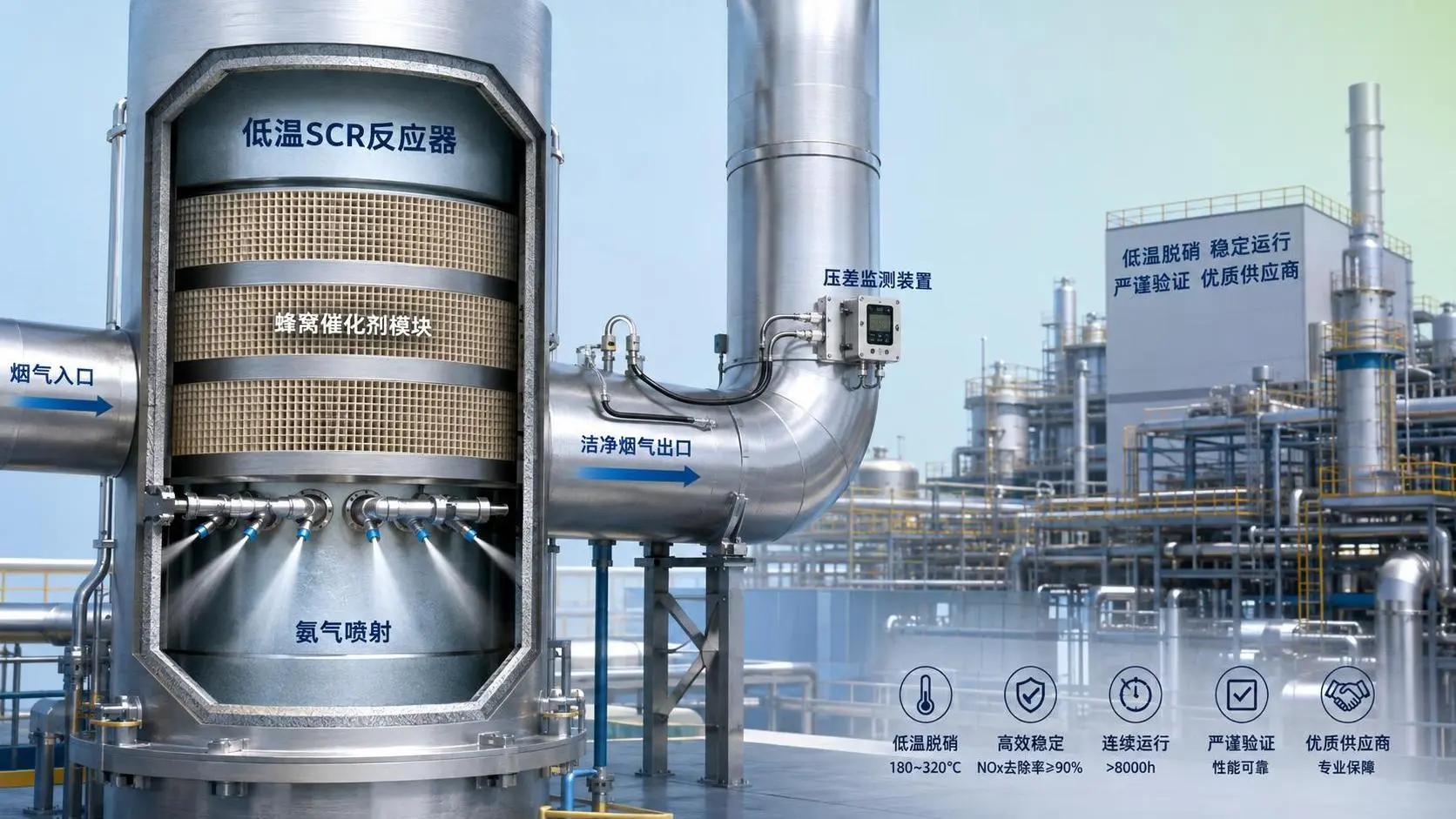
What to verify before choosing a low temperature SCR supplier
Low temperature SCR supplier checklist: verify catalyst temperature range, sulfur resistance, ammonia slip, pressure drop, lifecycle cost, and support before award.