
Industry News
Curation by industry experts
Hot Articles
Popular Tags
Are Circular Economy Certification Programs Worth It?
For business decision-makers navigating tighter ESG rules, supply-chain scrutiny, and rising resource costs, circular economy certification programs can seem both strategic and uncertain. Are they truly worth the investment, or just another compliance label? This article examines how these programs affect credibility, operational efficiency, market access, and long-term competitiveness in an increasingly regulated global economy.
For companies operating across water treatment, solid waste recovery, desalination, flue gas control, and nuclear waste management, the answer is rarely a simple yes or no. The value of circular economy certification programs depends on your contract profile, customer geography, reporting obligations, and the maturity of your internal data systems.
In capital-intensive environmental industries, buyers increasingly assess not only technical performance, but also lifecycle accountability, recycled-content traceability, waste minimization, and resource recovery outcomes. A certification can help translate complex operational practices into a recognized signal for regulators, EPC partners, public tenders, and multinational procurement teams.
Why Circular Economy Certification Programs Matter More Than Before
The business case for circular economy certification programs has strengthened over the past 3 to 5 years. Three forces are driving this shift: stricter disclosure expectations, higher raw material volatility, and more demanding supply-chain due diligence from public and private buyers.
In environmental infrastructure markets, procurement cycles often run 6 to 18 months, and qualification requirements are becoming more detailed. A bidder may now need to demonstrate material recovery rates, secondary feedstock use, design-for-disassembly features, or end-of-life take-back procedures in addition to technical compliance.
From sustainability narrative to procurement requirement
A decade ago, circularity was often treated as a brand narrative. Today, it is increasingly embedded into supplier scorecards, ESG reporting templates, and prequalification checklists. For decision-makers, that means circular economy certification programs may influence revenue access, not just reputation.
This is particularly relevant in sectors where asset life spans extend 10 to 30 years. Whether the equipment is a ZLD system, an AI sorting line, an SWRO skid, or a flue gas treatment unit, clients want proof that resource efficiency has been designed into procurement, operation, maintenance, and disposal.
Where the pressure is strongest
- Government and municipal tenders with lifecycle scoring criteria
- Cross-border supply chains affected by carbon and waste disclosure rules
- Industrial clients seeking lower total cost of ownership over 8 to 15 years
- Investors requesting auditable non-financial performance indicators
The table below highlights how circular economy certification programs compare with less formal sustainability claims in a B2B decision environment.
The main takeaway is that certification does not replace good operations, but it can convert good operations into external proof. For businesses competing in infrastructure, utilities, and regulated industrial markets, that distinction is commercially important.
What These Programs Actually Deliver in Practice
The strongest circular economy certification programs do more than issue a badge. They require companies to define scope, map material flows, document waste streams, set improvement targets, and verify progress at fixed intervals, often every 12 or 24 months.
For ESD’s core sectors, value often appears in four areas: process visibility, design improvement, customer trust, and strategic readiness for future regulation. These gains can be practical even when direct short-term revenue impact is hard to isolate.
Operational gains that decision-makers can measure
Certification efforts commonly reveal hidden inefficiencies. In a water treatment plant, this may involve membrane replacement frequency, chemical dosing optimization, sludge valorization pathways, or spare-part recovery procedures. In waste recovery systems, it may involve contamination rates, sorting purity, or energy recovery balance.
Even a 3% to 7% reduction in virgin material use or a 5% improvement in recovery yield can matter when equipment projects involve multi-year service agreements. In high-throughput facilities, small percentage gains can reshape total lifecycle economics.
Typical improvement areas
- Reducing reject streams through better process control
- Increasing component refurbishability during maintenance cycles
- Improving segregation of reusable and hazardous fractions
- Documenting secondary material sourcing for critical assemblies
- Aligning supplier declarations across 2 to 4 procurement tiers
The next table shows how circular economy certification programs can affect different environmental equipment segments and what metrics are usually most relevant.
These metrics show why certification matters most when it is linked to operational data. If your business cannot connect the certificate to maintenance, procurement, engineering, and reporting processes, the commercial value will remain limited.
When Certification Is Worth the Investment
Circular economy certification programs are usually worth it when they solve a real business bottleneck. That bottleneck may be weak tender positioning, slow customer approval, fragmented ESG reporting, or poor visibility into material efficiency across multiple plants or project sites.
For many companies, the return is strongest when certification supports one of three goals within 12 to 36 months: winning more qualified bids, reducing process waste, or strengthening access to multinational supply chains.
Best-fit business profiles
- Manufacturers supplying equipment to public infrastructure or utility projects
- EPC contractors competing in projects with environmental performance scoring
- Waste recovery operators monetizing secondary materials and recovery outputs
- Export-oriented firms selling into regions with tighter documentation requirements
- Groups preparing for investor reviews, sustainability-linked financing, or structured ESG audits
Questions to ask before you invest
Decision-makers should test internal readiness before selecting any certification route. A practical screening process usually takes 2 to 6 weeks and should cover data availability, supplier transparency, site consistency, and implementation ownership across operations, procurement, and compliance teams.
- Do we already track material inflow, waste outflow, reuse, and recovery at plant level?
- Can we define a clear certification scope by facility, product line, or business unit?
- Will this help us in at least 1 high-value market or 1 strategic customer segment?
- Can we sustain annual evidence collection without adding excessive administrative burden?
If the answer to most of these questions is no, the organization may need a readiness phase first. In that case, internal KPI standardization may deliver better short-term value than immediately pursuing external certification.
Where Companies Misjudge the Cost and Risk
The biggest mistake is assuming circular economy certification programs create value on their own. They do not. They create value when embedded in product design, sourcing, maintenance, asset recovery, and customer communication. Without that integration, certification can become a paperwork exercise with weak strategic return.
Another common error is underestimating internal coordination costs. For mid-sized industrial businesses, implementation may involve 4 to 7 functions, including procurement, EHS, operations, engineering, quality, finance, and sales. Misalignment across these teams can delay certification by 3 to 9 months.
Common risk areas
- Choosing a program that customers do not recognize in target markets
- Applying certification to a narrow scope that has little sales relevance
- Relying on supplier declarations that cannot be audited or updated regularly
- Using broad marketing claims that exceed the actual certification boundary
Cost categories that deserve attention
Direct fees are only one part of the equation. Companies should also account for process mapping, staff training, data clean-up, supplier engagement, and periodic reassessment. In many cases, the hidden effort sits in evidence collection and cross-site normalization rather than the audit itself.
For organizations with 2 to 5 production or operating sites, harmonizing definitions can be especially challenging. One facility may classify by-products as reusable output, while another records them as waste. Certification exposes these inconsistencies quickly.
How to Choose the Right Program and Implement It Effectively
The best program is not necessarily the most expensive or the most widely discussed. It is the one that aligns with your customer expectations, regulatory exposure, product architecture, and reporting capability. A disciplined selection process reduces both cost overruns and credibility risk.
A practical 5-step evaluation framework
- Map business objectives: tender access, customer trust, operational savings, or investor reporting
- Define scope: single plant, product family, region, or entire group
- Check recognition: confirm relevance in your top 3 markets and buyer segments
- Assess evidence burden: data availability, audit trail quality, and supplier responsiveness
- Build an improvement plan: 12-month targets, ownership, and review intervals
Implementation priorities for environmental industries
In equipment-intensive sectors, implementation should begin with the material and service points that most affect lifecycle performance. That often includes membrane consumables, catalyst replacement, corrosion-prone components, packaging reduction, reusable assemblies, and end-of-life take-back pathways.
Companies should also connect certification data to commercial messaging. Sales teams need concise evidence: 4 or 5 buyer-relevant indicators, clear scope notes, and a practical explanation of how circularity improves uptime, recovery value, serviceability, or total cost of ownership.
FAQ for decision-makers
Is certification necessary for every company?
No. If your customers do not request it, your markets are lightly regulated, and your internal data foundation is weak, a phased circularity roadmap may be more effective than immediate certification.
Can it help in government and EPC bidding?
Often yes, especially where evaluation models include lifecycle value, resource efficiency, waste reduction, or environmental innovation. It is rarely the sole deciding factor, but it can strengthen technical-commercial differentiation.
How long does implementation usually take?
For a focused scope with good data discipline, 3 to 6 months is common. For multi-site or multi-product organizations, 6 to 12 months is more realistic, particularly when supplier evidence needs to be standardized.
Circular economy certification programs are worth it when they improve commercial trust, sharpen operational control, and prepare the business for a more regulated market environment. They are less valuable when adopted only for image, without measurable process integration or customer relevance.
For decision-makers in water treatment, resource recovery, desalination, flue gas treatment, and nuclear waste management, the most effective approach is to treat certification as part of a broader intelligence strategy: connect compliance, engineering, and lifecycle economics before you commit budget.
If your organization is evaluating circular economy certification programs for equipment manufacturing, project bidding, or environmental infrastructure operations, now is the time to benchmark your readiness, define the right scope, and build a practical implementation path. Contact us to explore tailored insights, compare program fit, and learn more solutions for regulated circular growth.
Recommended News
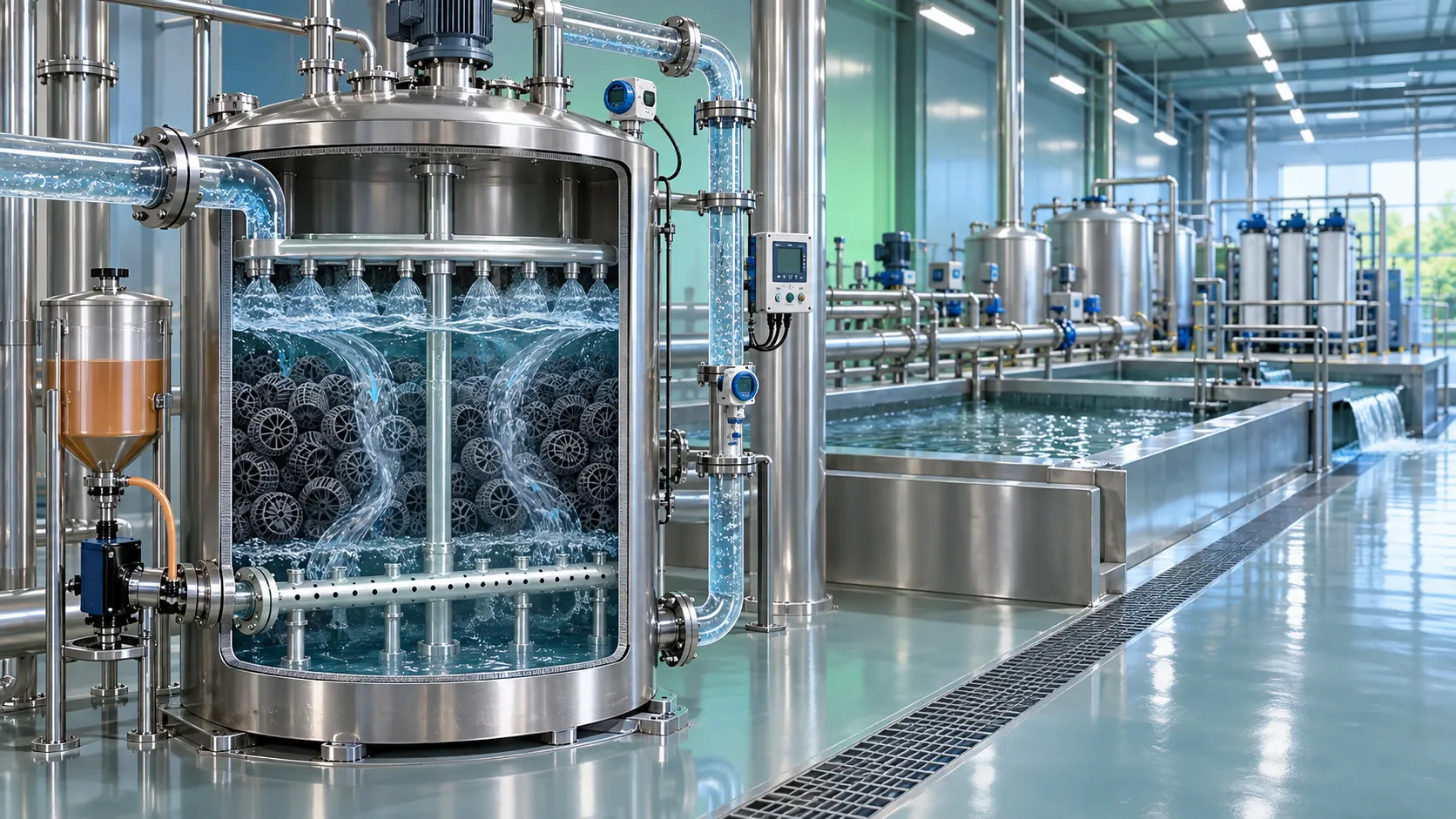
How reactor retention time affects denitrification equipment performance
Denitrification equipment reactor performance depends on retention time, carbon, mixing, and load control. Explore practical insights for reliable nitrogen removal.

How feed salinity affects energy use in ZLD system brine treatment
ZLD system brine treatment: discover how feed salinity drives energy use, scaling risk, and technology choices for efficient, reliable zero liquid discharge.

How coastal cities can select desalination solutions for peak demand
Seawater desalination solutions for coastal cities: compare firm peak capacity, intake risk, energy resilience, and lifecycle value to secure reliable water supply.

How SCR denitrification systems in Europe meet Industrial Emissions rules
SCR denitrification systems Europe: learn how permit-led design, ammonia-slip control, catalyst management and monitoring support Industrial Emissions compliance.
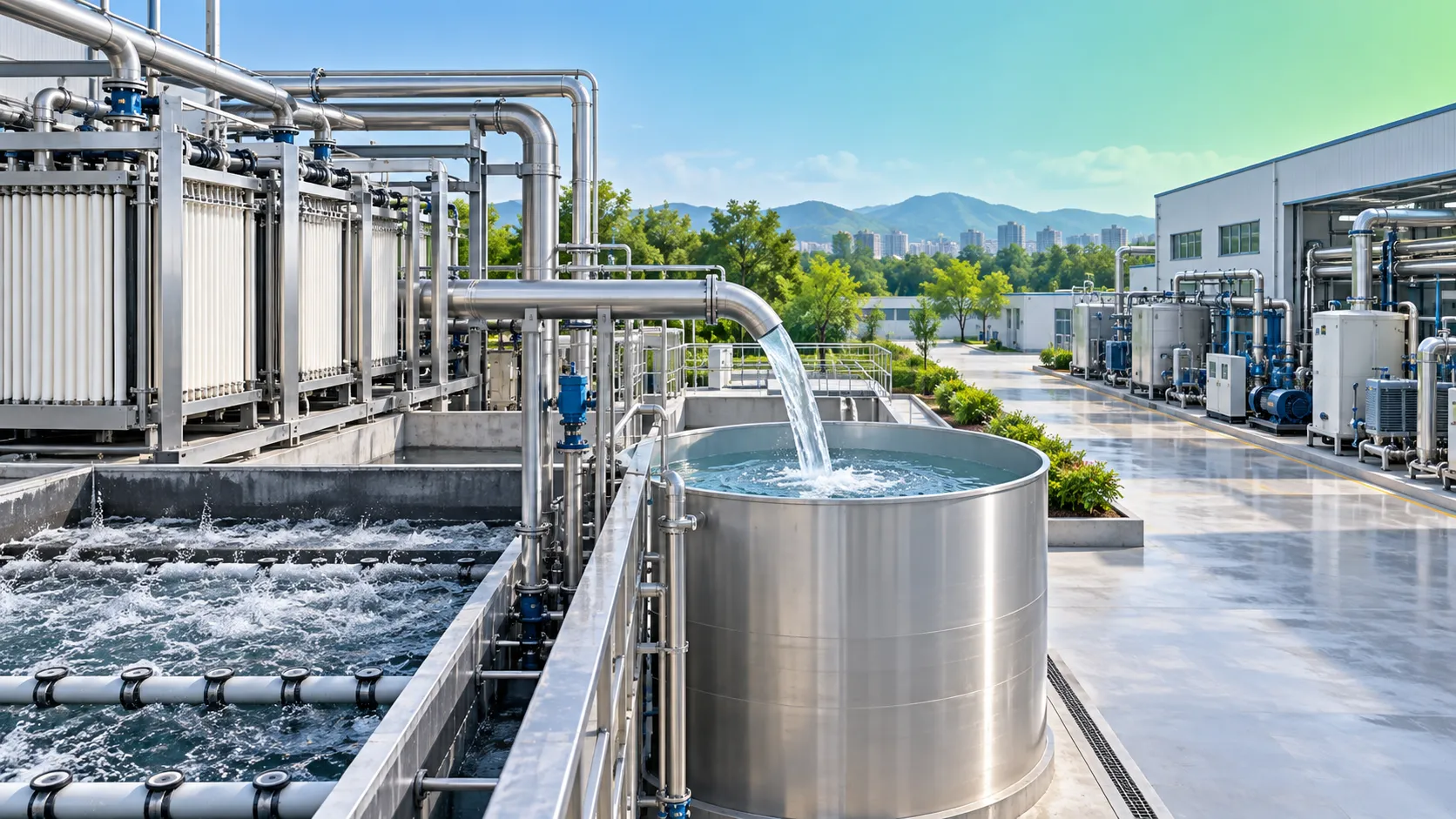
When does MBR equipment make sense for wastewater reuse?
Water treatment equipment for wastewater reuse: learn when MBR delivers compact, reliable low-solids effluent—and when alternative treatment trains offer better value.

How North America shapes global environmental governance standards
Global environmental governance North America: discover how regulation, finance, and procurement raise worldwide standards and reshape environmental projects.

How reactor capacity affects throughput in pyrolysis systems
Pyrolysis systems reactor capacity explained: learn how heat transfer, residence time, feed quality, and emissions controls determine reliable throughput.

When low-temperature reaction equipment is the right fit for heat-sensitive processes
Low-temperature reaction equipment helps protect heat-sensitive streams, improve energy integration, and maintain reliable conversion. Explore key selection factors today.

When do water reuse systems deliver a practical payback?
Water reuse systems deliver practical payback when they cut water, discharge, and downtime costs. Learn how to match treatment, recovery, and reuse quality for lasting ROI.