
Industry News
Curation by industry experts
Hot Articles
Popular Tags
Green Tech Investment Opportunities With Shorter Payback
Green tech investment opportunities are shifting from long-horizon bets to faster-return assets
For finance decision-makers, green tech investment opportunities are becoming more compelling as payback periods shrink and compliance pressure rises.
From water treatment and waste recovery to desalination and emission control, the strongest projects now combine measurable ROI, policy resilience, and strategic value.
This shift matters because capital no longer needs to choose between sustainability goals and operational efficiency.
In many industrial settings, environmental systems are moving from cost centers to productivity infrastructure.
That change is especially visible across the domains tracked by ESD, including water treatment, waste recovery, flue gas control, desalination, and nuclear waste management.
Policy, resource stress, and equipment intelligence are changing the investment equation
Several market signals explain why green tech investment opportunities now look more investable than they did a few years ago.
First, compliance has become more expensive to ignore.
Carbon border rules, wastewater discharge limits, landfill restrictions, and air emission standards are tightening across major regions.
Second, technology performance has improved.
AI sorting lines, high-efficiency membranes, low-temperature catalysts, and advanced monitoring systems now reduce operating losses and improve uptime.
Third, resource scarcity is changing project economics.
Water reuse, valuable material recovery, and energy optimization create direct savings that shorten payback periods.
Fourth, lenders and infrastructure investors increasingly favor assets with compliance durability and visible cash flow protection.
Key forces behind shorter payback profiles
Where green tech investment opportunities show the strongest near-term returns
Not every environmental project offers the same risk-adjusted return.
The most attractive green tech investment opportunities often share one trait: they solve a mandatory problem while creating quantifiable savings.
1. Industrial water reuse and ZLD upgrades
Water treatment has become one of the clearest areas for shorter-payback deployment.
Projects focused on reuse, concentration reduction, and ZLD can cut freshwater purchases, discharge fees, and interruption risk.
Advanced membranes, evaporation optimization, and intelligent dosing improve economics further.
2. Solid waste recovery and AI-based sorting
Waste recovery is no longer only a municipal service issue.
It is increasingly an industrial resource strategy.
AI sorting, pyrolysis integration, and secondary raw material recovery can monetize previously lost streams.
That makes these green tech investment opportunities appealing where landfill costs and recycled-content mandates are rising.
3. Flue gas treatment modernization
Retrofits in desulfurization, denitrification, and particulate capture are gaining momentum.
The return is often driven by avoided penalties, permit continuity, and fuel or reagent efficiency gains.
Low-temperature SCR catalyst advances are especially relevant for facilities facing variable load conditions.
4. Desalination efficiency improvements
Seawater desalination remains capital intensive, yet select upgrades now pay back faster than full new builds.
Energy recovery devices, membrane replacement strategies, and digital plant balancing can produce attractive returns.
In water-scarce regions, these green tech investment opportunities also strengthen long-term supply security.
5. Nuclear waste handling and safety systems
This segment is not a quick-volume market, but it offers high strategic importance and durable demand.
Investments in vitrification support, containment integrity, and monitoring infrastructure can benefit from long contractual visibility.
For capital seeking resilience, this remains a specialized but important category.
The best green tech investment opportunities now favor measurable efficiency over broad sustainability claims
A visible market correction is underway.
Investors are rewarding projects with hard operational evidence rather than vague environmental narratives.
That means stronger emphasis on unit economics, uptime, compliance continuity, and recoverable materials.
In practice, shorter payback often comes from modular upgrades, retrofit packages, and process intelligence layers.
These formats usually require less permitting risk than greenfield construction.
They also fit better with phased capital deployment.
Signals that a project deserves deeper review
- Payback is supported by both savings and compliance protection.
- Performance data exists from comparable facilities.
- The project can scale in modules rather than all at once.
- Input cost volatility has been stress-tested.
- The asset improves operational reliability, not just reporting metrics.
Impacts are spreading across project development, operations, and capital planning
The rise of better green tech investment opportunities affects more than environmental budgets.
It changes how projects are screened, financed, and sequenced.
Development teams increasingly prioritize assets that can win permits faster and reduce future retrofit exposure.
Operations groups benefit when environmental equipment also improves continuity, water security, or feedstock recovery.
Capital planning becomes more disciplined when environmental upgrades are benchmarked against avoided shutdown risk and balance-sheet resilience.
What this means across business stages
What deserves close attention before committing capital
Even promising green tech investment opportunities can underperform when assumptions are weak.
The most common mistake is to model ROI using only headline savings.
A stronger review should include maintenance intensity, operator capability, feed variability, and spare part availability.
It should also test regulatory durability.
Some projects look attractive only under one incentive regime, while others remain viable across policy cycles.
Core checkpoints for evaluation
- Map cash returns by source: savings, recovery revenue, avoided penalties, and continuity value.
- Review technology maturity and local service support.
- Check whether utility prices make the model stronger or weaker over time.
- Prioritize systems aligned with tightening discharge and emissions standards.
- Favor designs with monitoring transparency and upgrade flexibility.
A practical path to identify green tech investment opportunities with shorter payback
A useful next step is to rank environmental assets by urgency, return speed, and strategic dependence.
Start with systems exposed to rising water, energy, emissions, or disposal costs.
Then compare retrofit options against full replacement scenarios.
Give priority to projects where compliance risk and operational savings reinforce each other.
In sectors followed by ESD, the strongest opportunities often emerge where high-end equipment intelligence meets regulatory inevitability.
That is where green tech investment opportunities become less speculative and more bankable.
Use technical intelligence, benchmarked performance, and phased execution planning to move from interest to action with greater confidence.
Recommended News
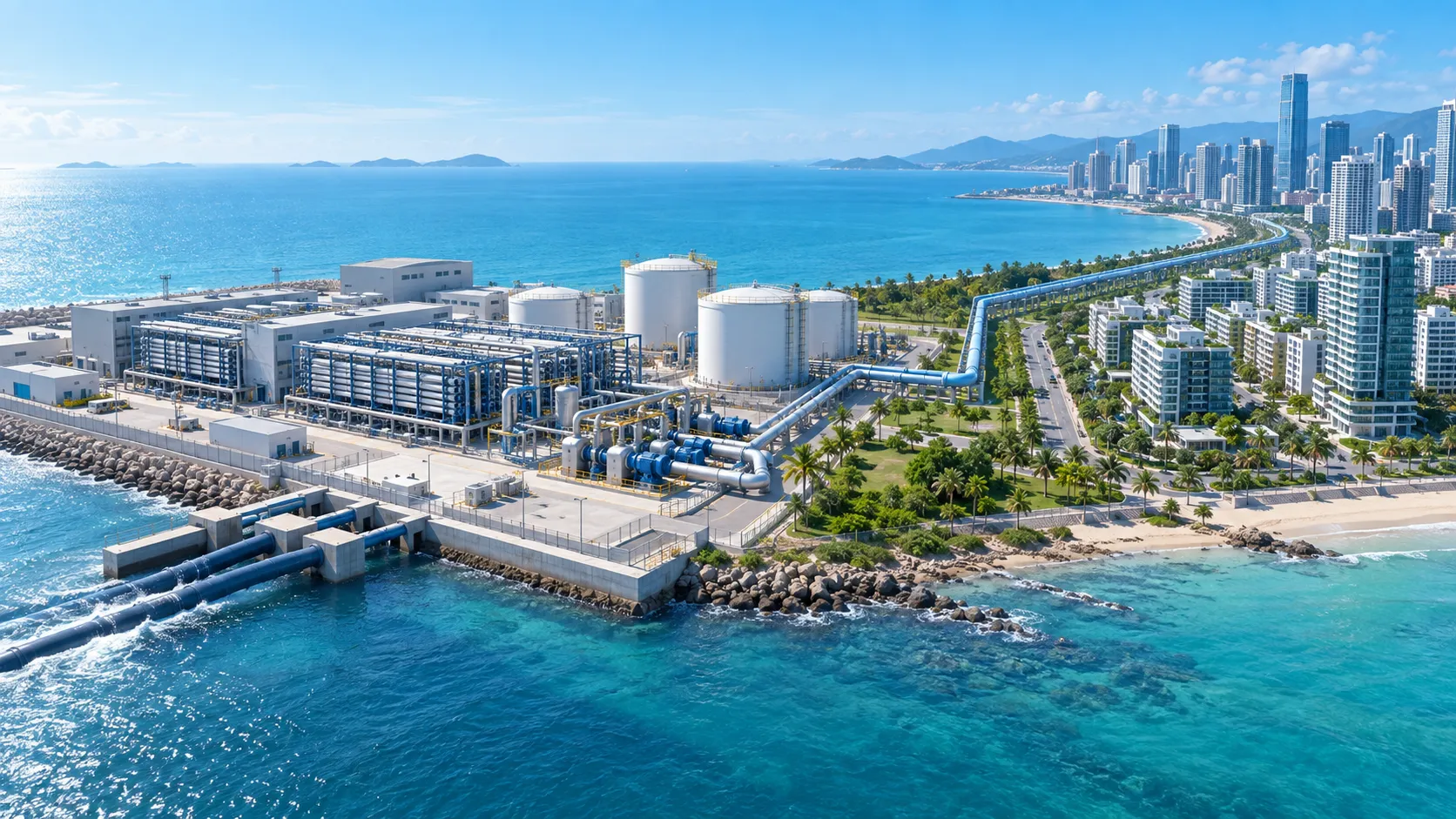
How coastal cities can select desalination solutions for peak demand
Seawater desalination solutions for coastal cities: compare firm peak capacity, intake risk, energy resilience, and lifecycle value to secure reliable water supply.
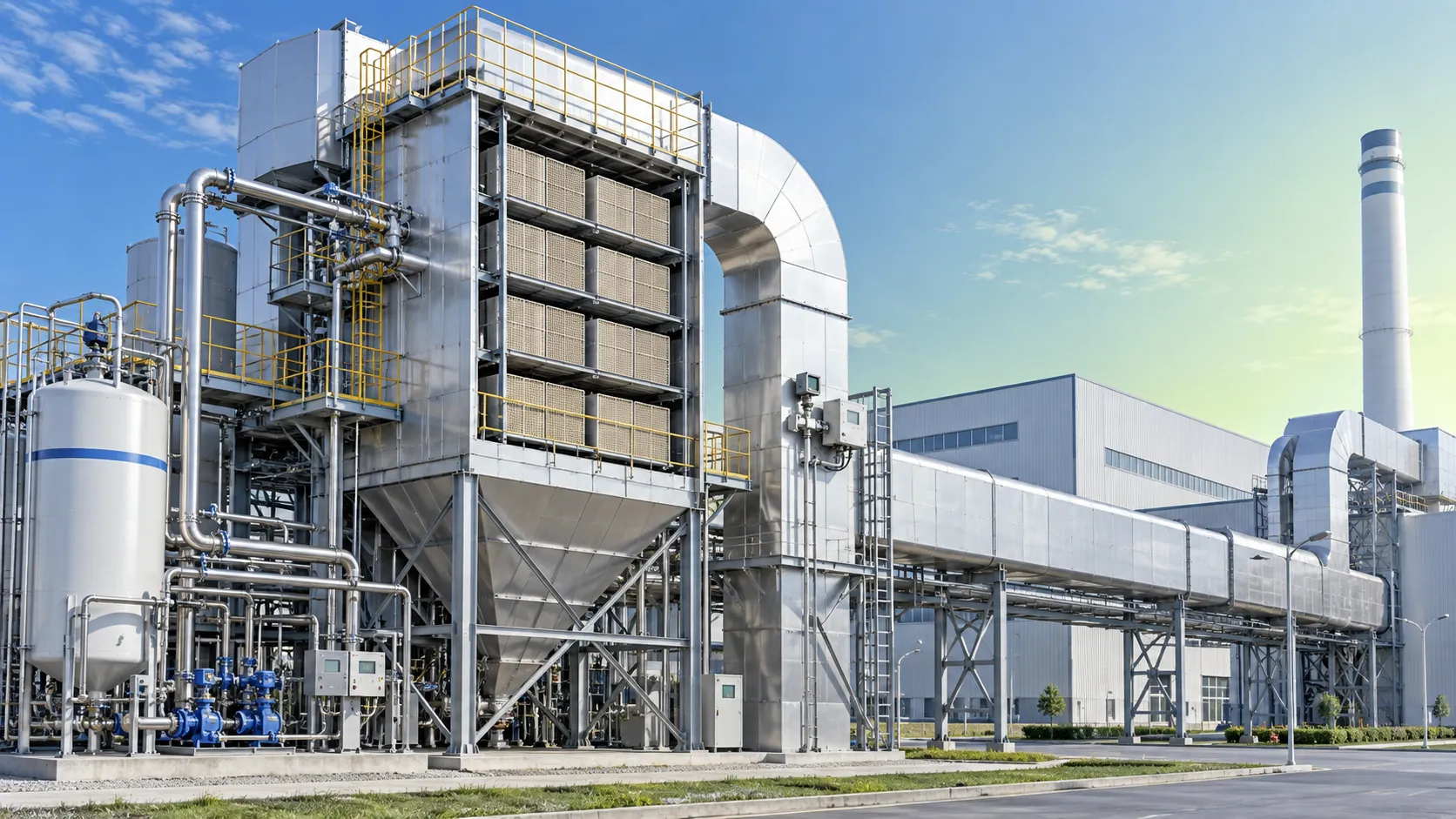
How SCR denitrification systems in Europe meet Industrial Emissions rules
SCR denitrification systems Europe: learn how permit-led design, ammonia-slip control, catalyst management and monitoring support Industrial Emissions compliance.
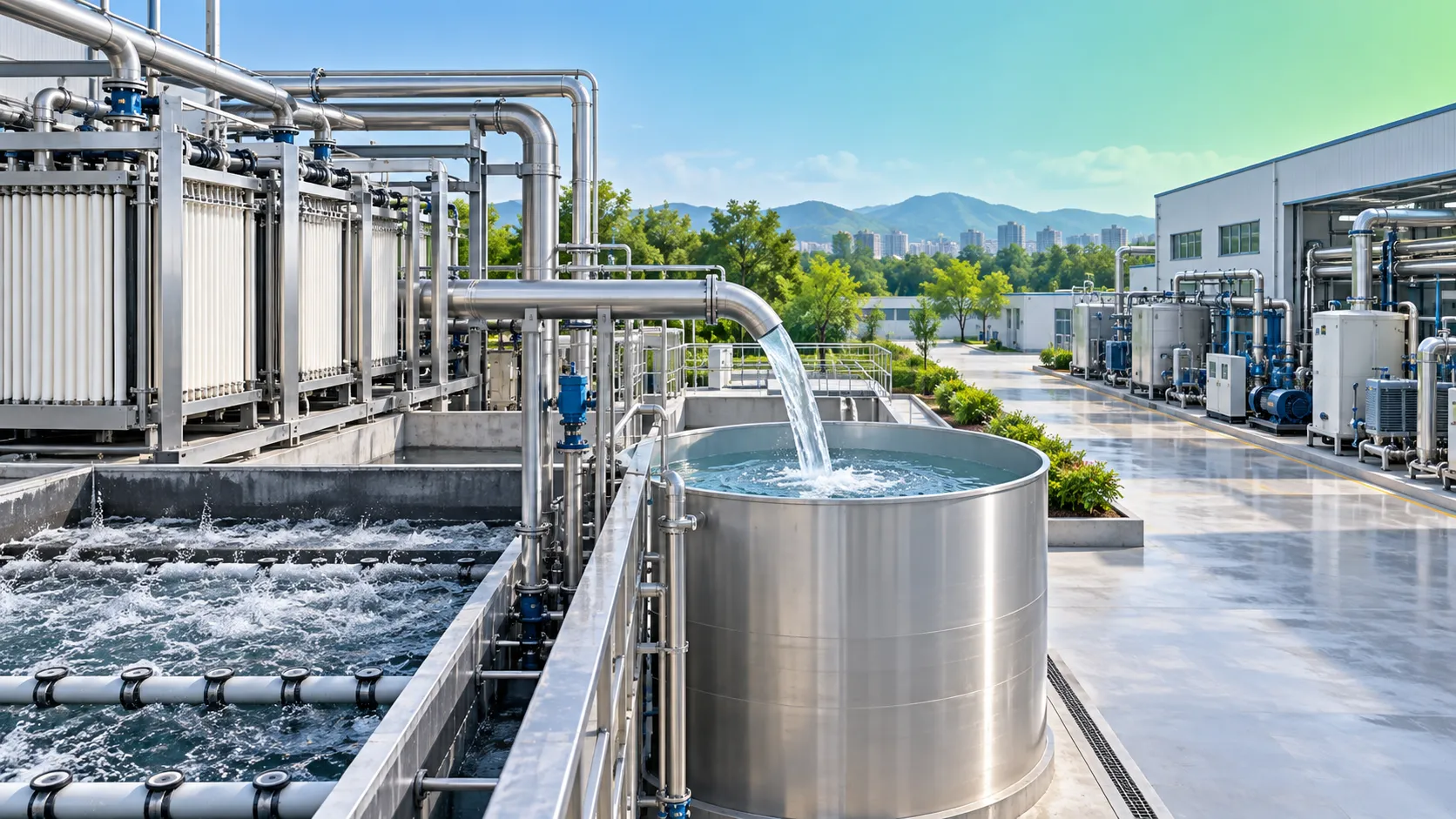
When does MBR equipment make sense for wastewater reuse?
Water treatment equipment for wastewater reuse: learn when MBR delivers compact, reliable low-solids effluent—and when alternative treatment trains offer better value.
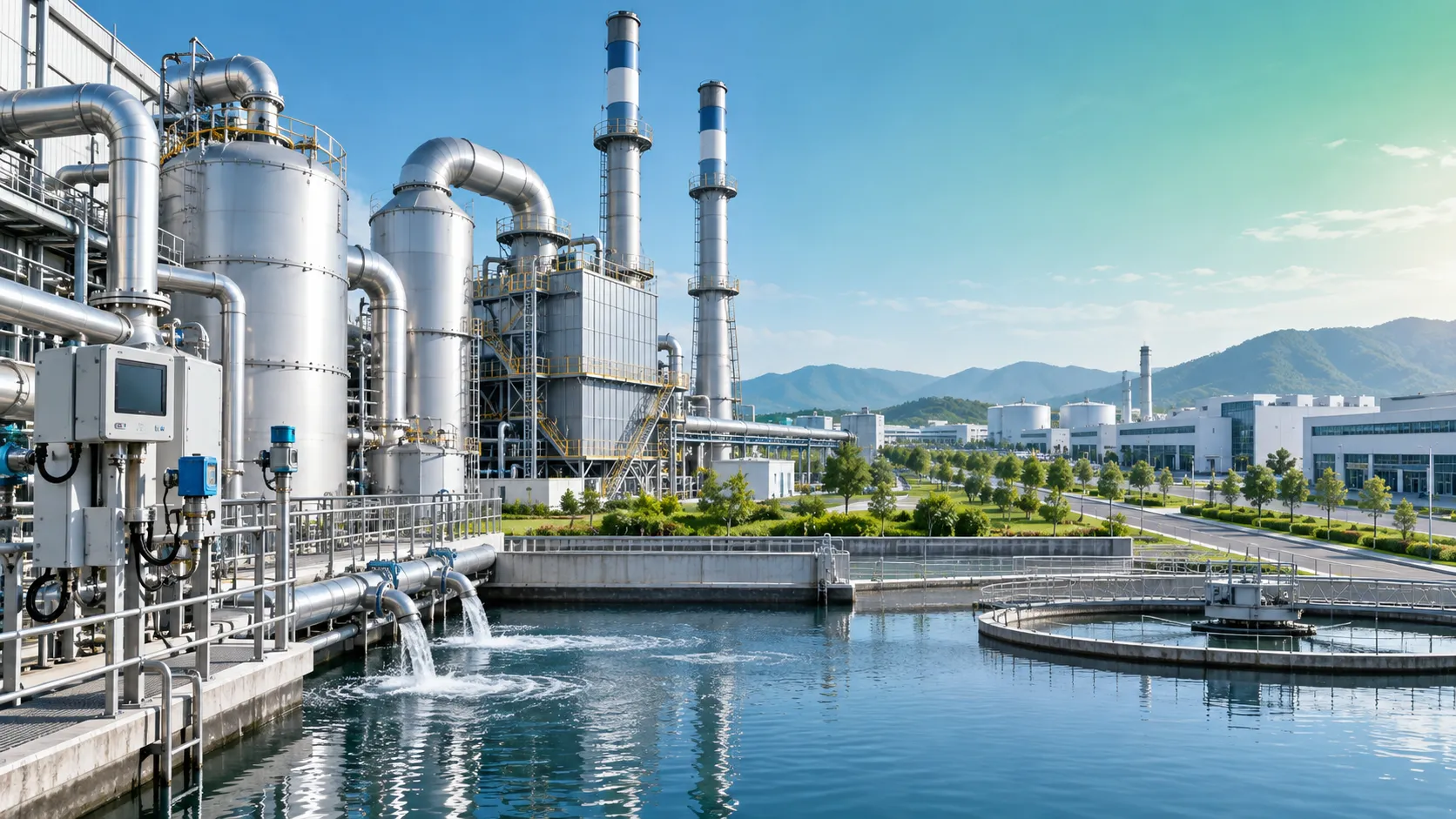
How North America shapes global environmental governance standards
Global environmental governance North America: discover how regulation, finance, and procurement raise worldwide standards and reshape environmental projects.
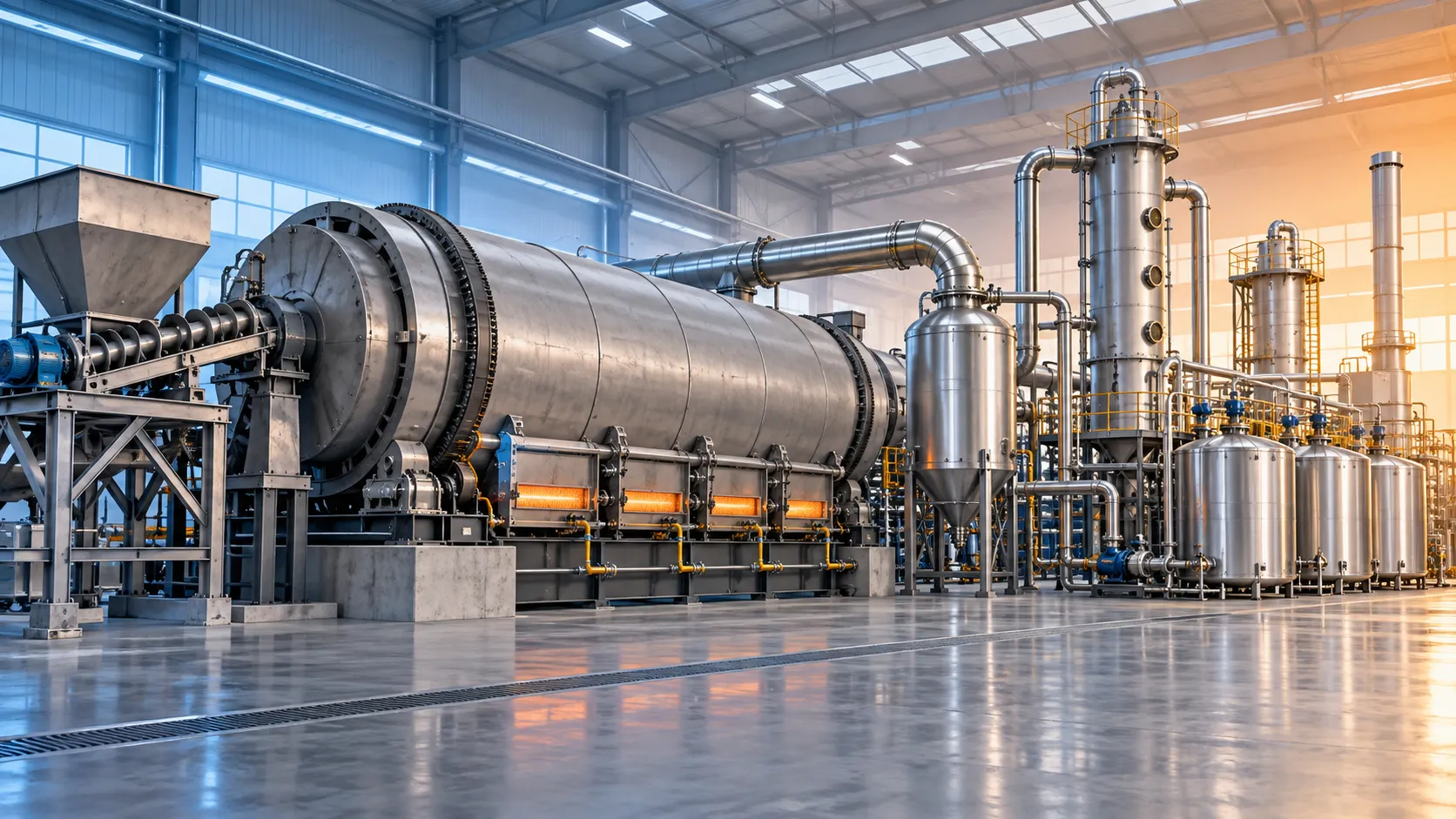
How reactor capacity affects throughput in pyrolysis systems
Pyrolysis systems reactor capacity explained: learn how heat transfer, residence time, feed quality, and emissions controls determine reliable throughput.
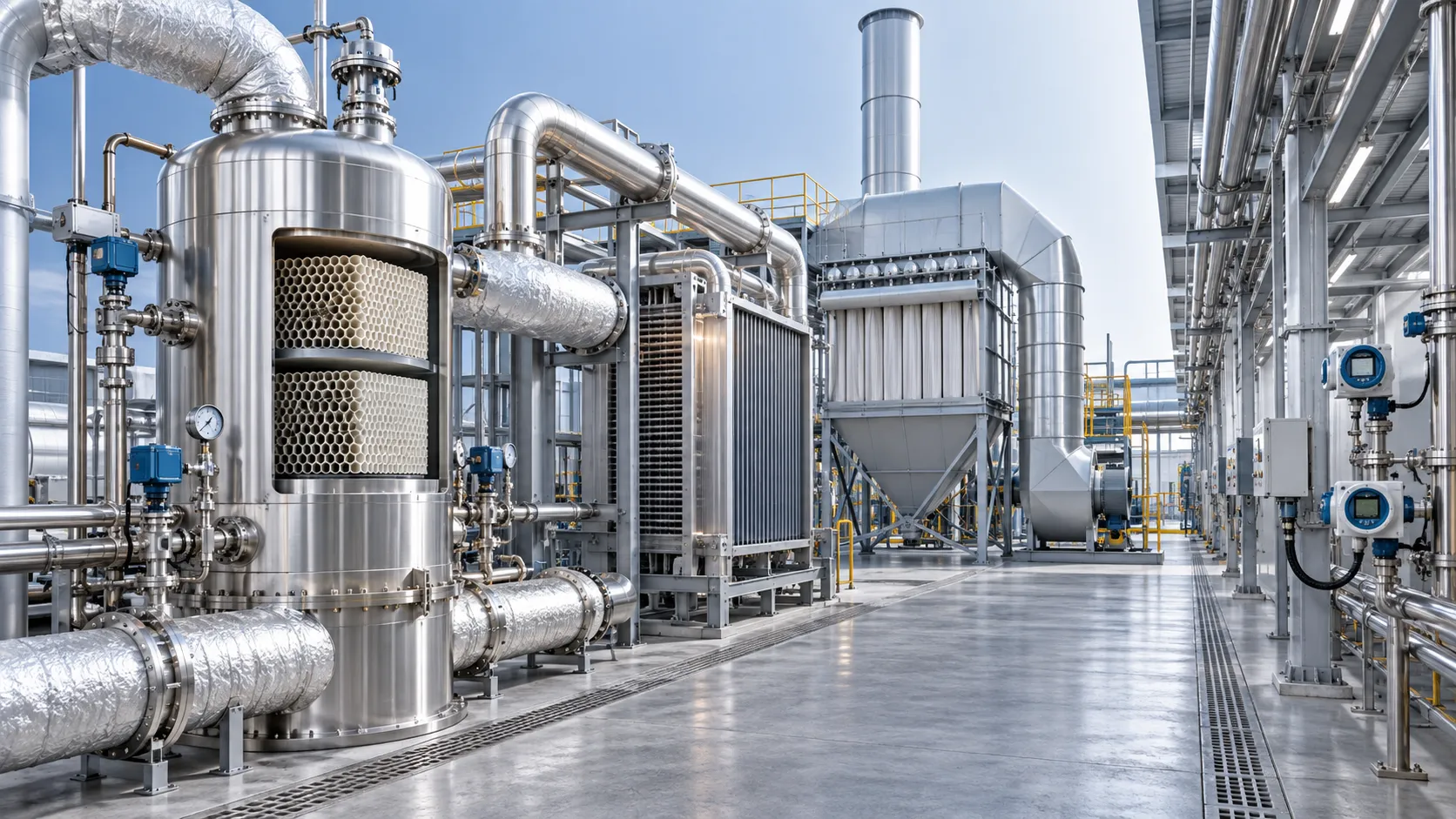
When low-temperature reaction equipment is the right fit for heat-sensitive processes
Low-temperature reaction equipment helps protect heat-sensitive streams, improve energy integration, and maintain reliable conversion. Explore key selection factors today.
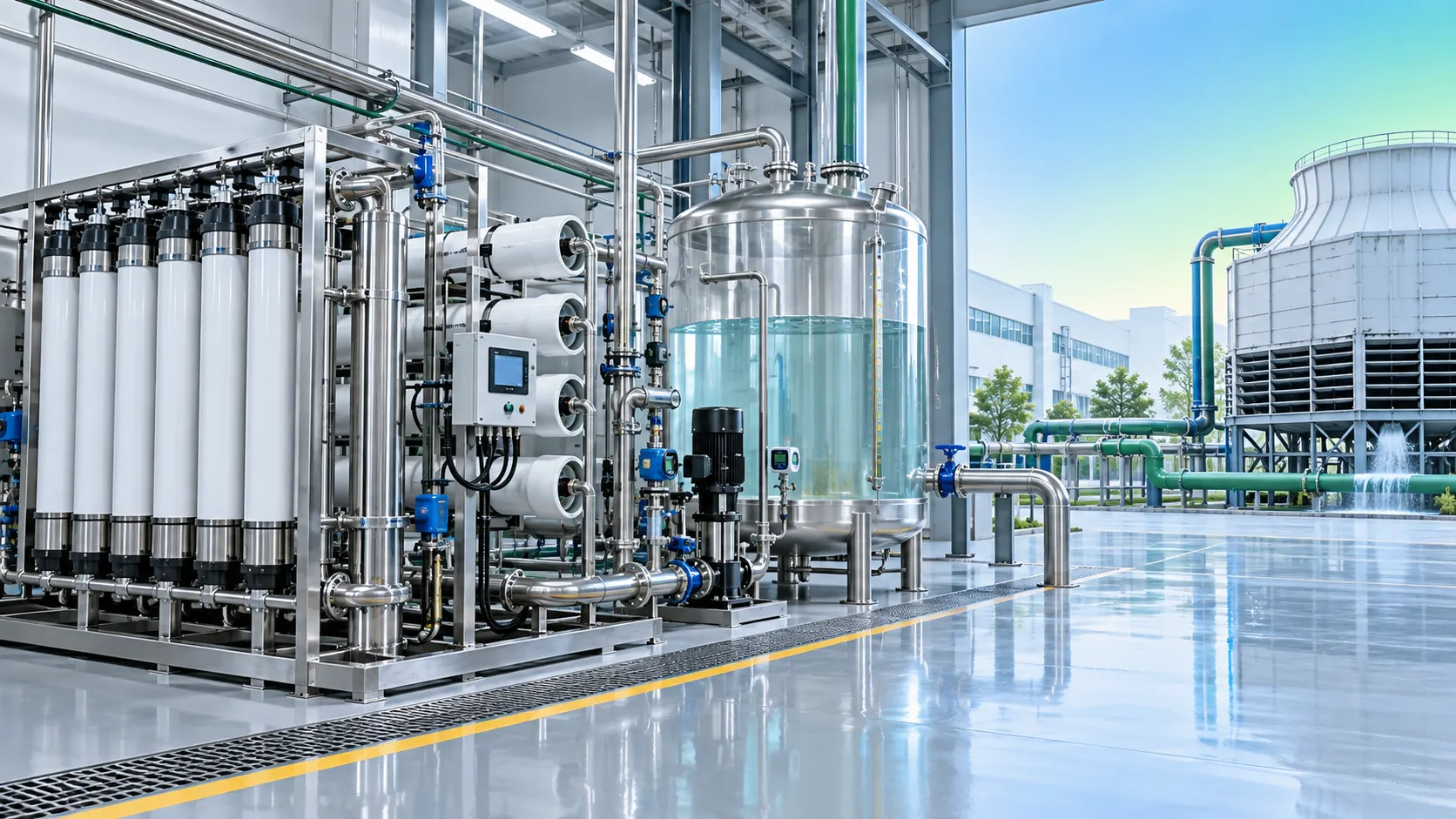
When do water reuse systems deliver a practical payback?
Water reuse systems deliver practical payback when they cut water, discharge, and downtime costs. Learn how to match treatment, recovery, and reuse quality for lasting ROI.
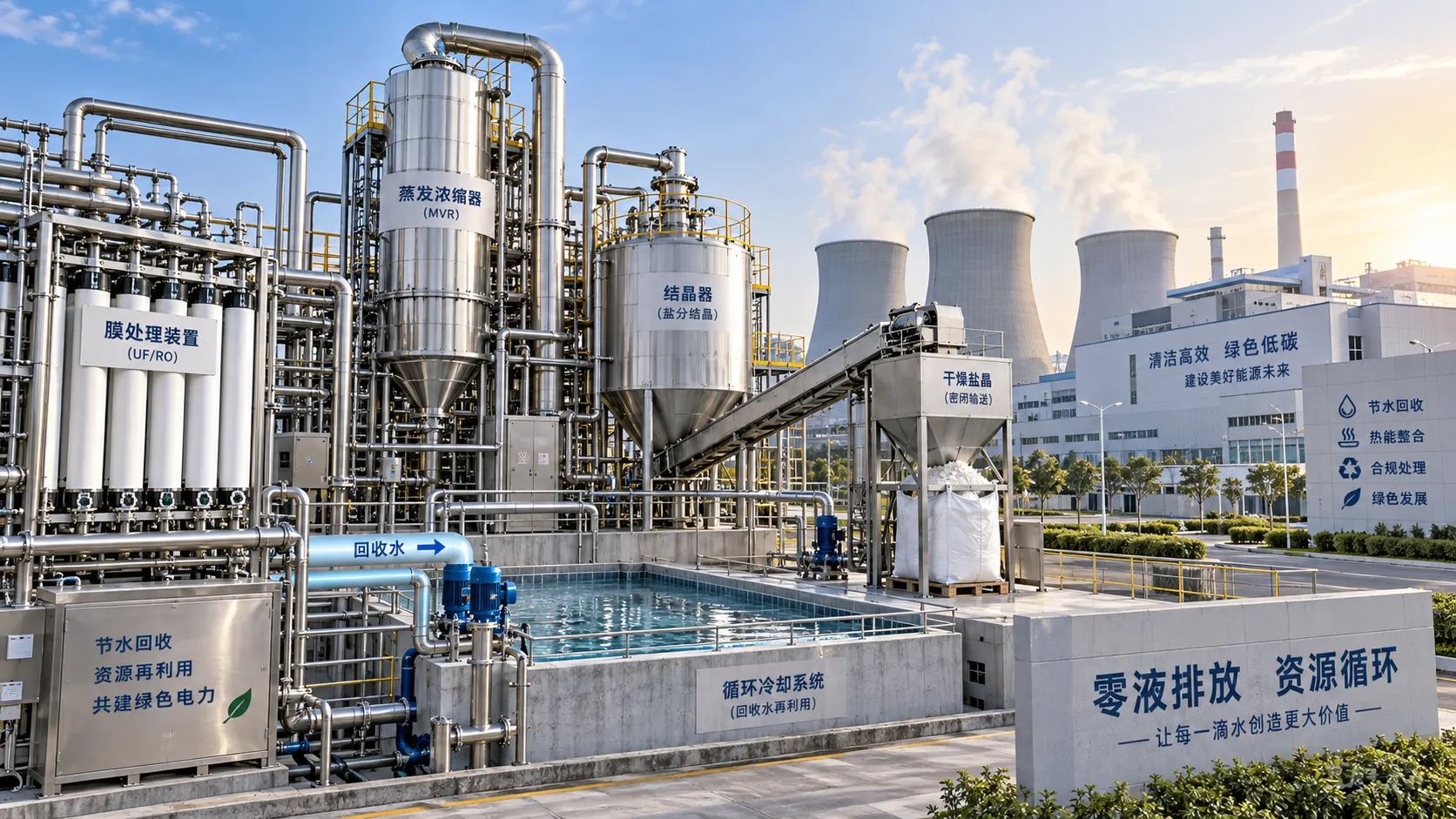
When do ZLD systems for power generation justify their energy use?
ZLD systems for power generation: learn when energy-intensive water recovery delivers stronger compliance, resilience, and long-term value.
Which decarbonization pathways are most viable in Southeast Asia?
Decarbonization Southeast Asia: discover practical pathways for clean power, efficiency, electrification, circular recovery, and resilient industrial growth.