
Industry News
Curation by industry experts
Hot Articles
Popular Tags
Automated Industrial Wastewater Recycling Solutions: ROI and Payback Factors
Why are automated industrial wastewater recycling solutions now treated as capital projects?
Automated industrial wastewater recycling solutions have moved beyond environmental branding.
They now sit in the same review category as boilers, turbines, process controls, and major utility upgrades.
The reason is simple.
Water scarcity, discharge limits, chemical costs, and compliance exposure now affect earnings quality, not just ESG reporting.
In practical terms, an automated recycling system changes four financial lines at once.
- Freshwater purchase costs decline.
- Wastewater discharge volumes and fees fall.
- Manual labor and process variability are reduced.
- Regulatory and production interruption risks become easier to control.
That combination is why automated industrial wastewater recycling solutions are increasingly reviewed through ROI and payback models.
Across heavy industry, food processing, chemicals, energy, mining, and municipal-adjacent utilities, the business case is no longer hypothetical.
It depends on site-specific numbers, but the logic is stable.
This is also where ESD’s industry lens matters.
Its coverage of ZLD, desalination, resource recovery, flue gas systems, and compliance shifts reflects one broader truth.
Environmental infrastructure is now judged by resilience, recoverable value, and long-term operating certainty.
What actually drives ROI in automated industrial wastewater recycling solutions?
Many evaluations start with water savings alone, but that usually understates value.
A stronger model separates direct savings, avoided losses, and strategic upside.
Direct and visible savings
These are the easiest to validate during internal review.
- Reduced freshwater intake from municipal, groundwater, or desalinated sources.
- Lower sewer, hauling, or discharge treatment charges.
- Less chemical overdosing through automated monitoring and dosing control.
- Lower operator intervention for sampling, switching, and alarm response.
Avoided losses that often matter more
This is where automated industrial wastewater recycling solutions often outperform initial expectations.
- Avoided fines, permit exceedances, and mandated emergency upgrades.
- Reduced production downtime caused by water shortages or unstable effluent quality.
- Lower membrane fouling or equipment damage through tighter process control.
- Better readiness for stricter local rules and cross-border carbon-related compliance pressure.
Strategic upside
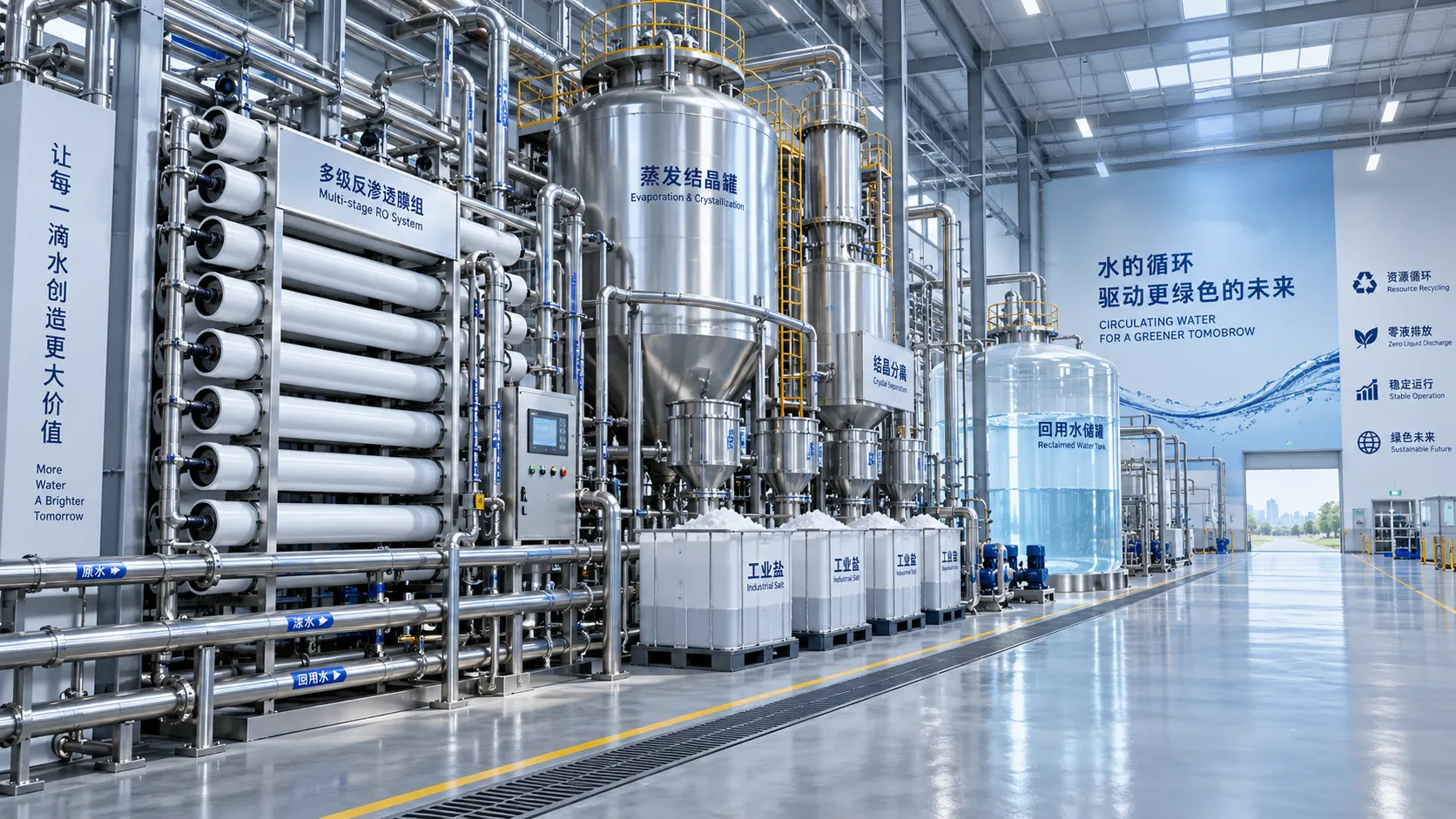
Some systems also recover salts, metals, heat, or reusable process water at meaningful value.
That is especially relevant where resource recovery and circular production targets influence future plant economics.
ESD regularly frames this as part of a wider ecological infrastructure shift.
The winning projects are rarely the cheapest systems.
They are the ones that protect compliance while converting waste streams into controlled utility assets.
How long is payback, and what changes it most?
Payback for automated industrial wastewater recycling solutions is usually shaped by local water economics and process stability requirements.
In broad terms, projects with high freshwater costs, high discharge fees, or unstable permits recover faster.
Projects driven only by sustainability reporting tend to recover more slowly.
A practical way to screen expected payback is to test five variables together.
In actual projects, a two- to five-year window is common, but the spread is wide.
Facilities near water-stressed regions or expensive industrial zones often see the strongest economics.
Sites considering ZLD or advanced reuse should also evaluate lifecycle return, not just simple payback.
Higher-capex systems can still win when they prevent future retrofit spending.
Where do evaluations go wrong when comparing solutions?
The most common mistake is treating all recycled water as equally usable.
It is not.
Water reused for cooling towers, boilers, rinsing lines, scrubbers, or high-purity process loops has very different quality targets.
That directly affects technology choice and financial return.
Another weak point is underestimating automation architecture.
A low-cost plant with limited sensors can look attractive in capex review.
Yet it may suffer from unstable recovery rates, chemical overuse, and frequent manual correction.
Over time, that erodes the economics that justified purchase approval.
More careful comparisons usually check these points.
- Required water quality by end use, not by generic reuse label.
- Control strategy for variable flow, pH, conductivity, COD, and suspended solids.
- Energy intensity under average and peak loading conditions.
- Consumables replacement cycles for membranes, media, and chemicals.
- Integration cost with existing SCADA, utilities, and emergency bypass logic.
ESD’s broader intelligence model is useful here because wastewater systems rarely stand alone.
They interact with energy systems, solids handling, emissions control, and compliance reporting.
A narrow equipment comparison can miss that wider operating picture.
Which risks and hidden costs deserve the most attention before approval?
The biggest hidden cost is usually poor influent characterization.
If seasonal chemistry, shock loads, or trace contaminants are ignored, projected recovery rates become unreliable.
That leads to higher fouling, more downtime, and redesign pressure after commissioning.
A second risk is assuming automation solves weak process design.
Automated industrial wastewater recycling solutions work best when pretreatment, controls, and discharge contingencies are aligned from the start.
Watch for these issues during diligence.
- Vendor projections based on steady influent when the site is highly variable.
- Unclear guarantees for water recovery, permeate quality, or membrane life.
- No allowance for operator training, data calibration, or remote support.
- Insufficient redundancy for critical pumps, analyzers, or dosing systems.
- Incomplete treatment of sludge, brine, or concentrated reject streams.
In other words, automated industrial wastewater recycling solutions should be tested as operating systems, not just treatment skids.
The stronger reviews combine technical due diligence with scenario-based financial stress testing.
What makes a solution financially defensible over the long term?
A defensible project does more than clear a payback threshold.
It remains credible under future water price inflation, permit tightening, and production changes.
That is why the best approvals are based on a layered decision process.
That long-view discipline is increasingly important across the environmental equipment landscape ESD tracks.
Whether the asset is a membrane train, AI sorting line, scrubber, or vitrification support system, durable value comes from reliability under pressure.
For automated industrial wastewater recycling solutions, the same principle applies.
A credible next step is to build a site-specific matrix covering influent quality, reuse targets, utility costs, permit exposure, and automation requirements.
Then compare options using lifecycle cost, recovery stability, and risk-adjusted payback rather than capex alone.
That approach turns wastewater recycling from a broad sustainability idea into an investment decision with defensible numbers.
Recommended News
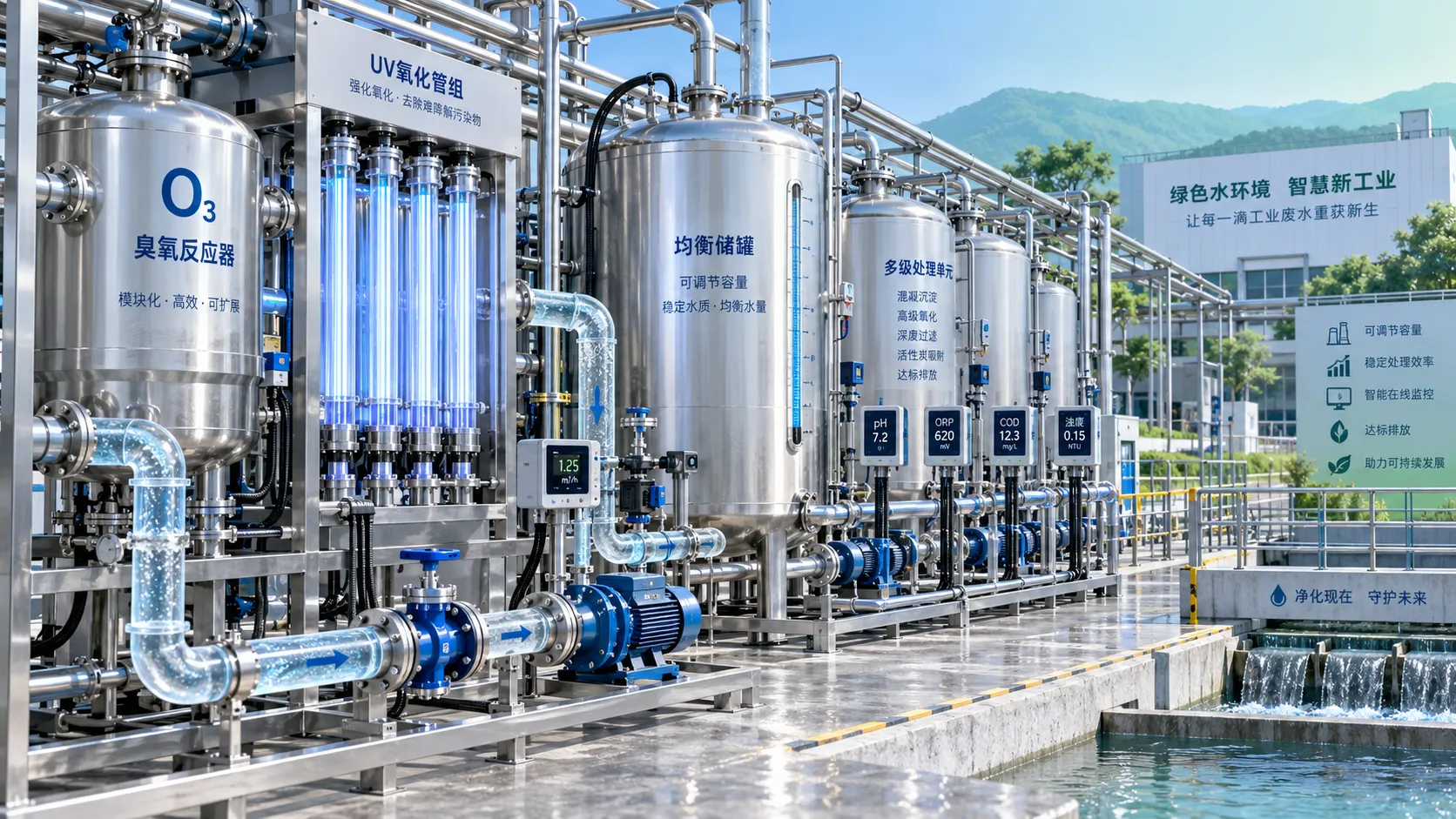
How to size advanced oxidation equipment for variable wastewater loads
Advanced oxidation equipment guide for sizing AOP systems under variable wastewater loads, improving compliance, efficiency, and lifecycle cost control.
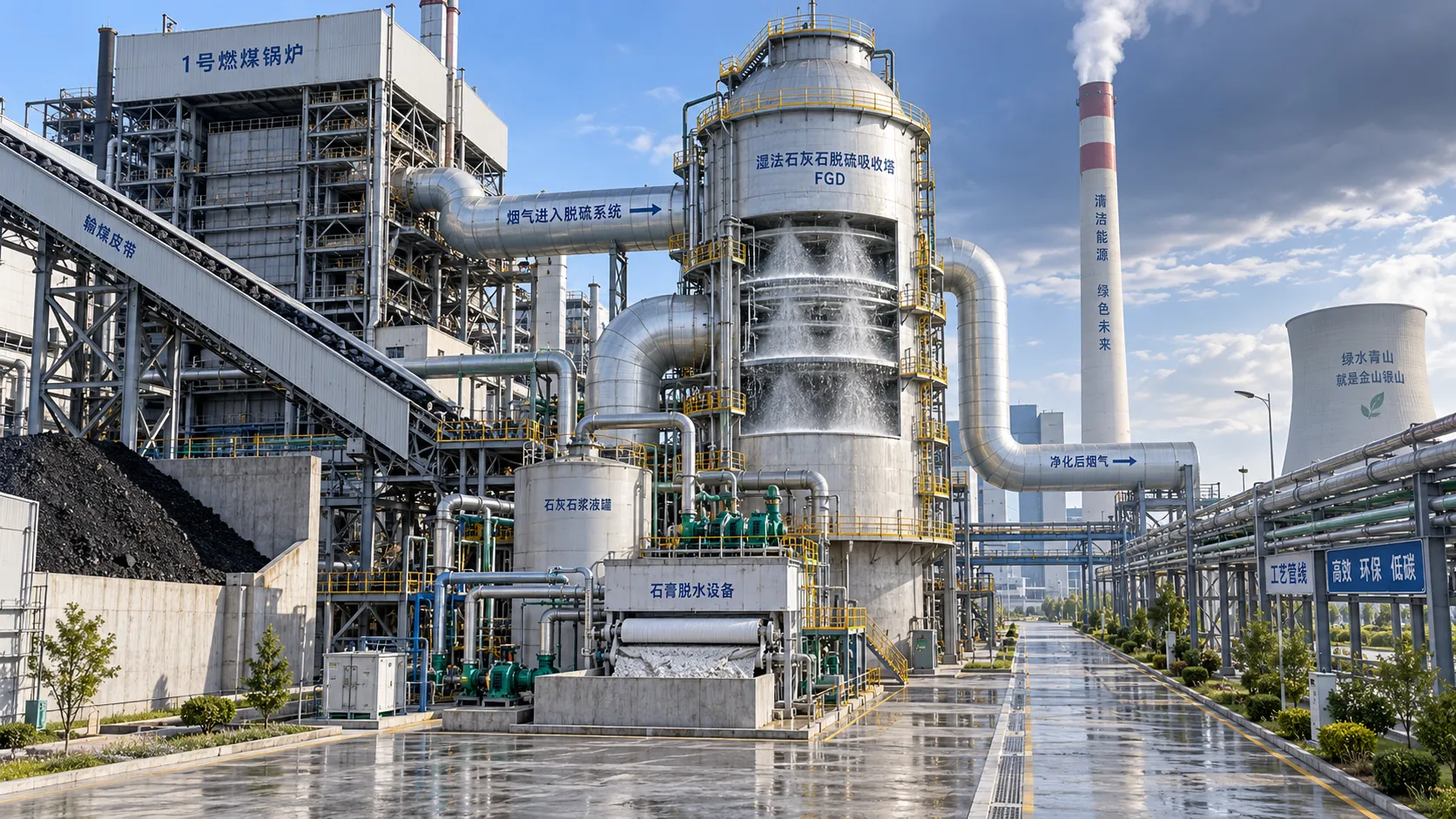
How to select FGD systems for coal boilers based on sulfur content
FGD systems for coal boilers: learn how sulfur content, fuel variability, emissions limits, water, waste, and retrofit constraints guide a compliant, cost-effective scrubber choice.
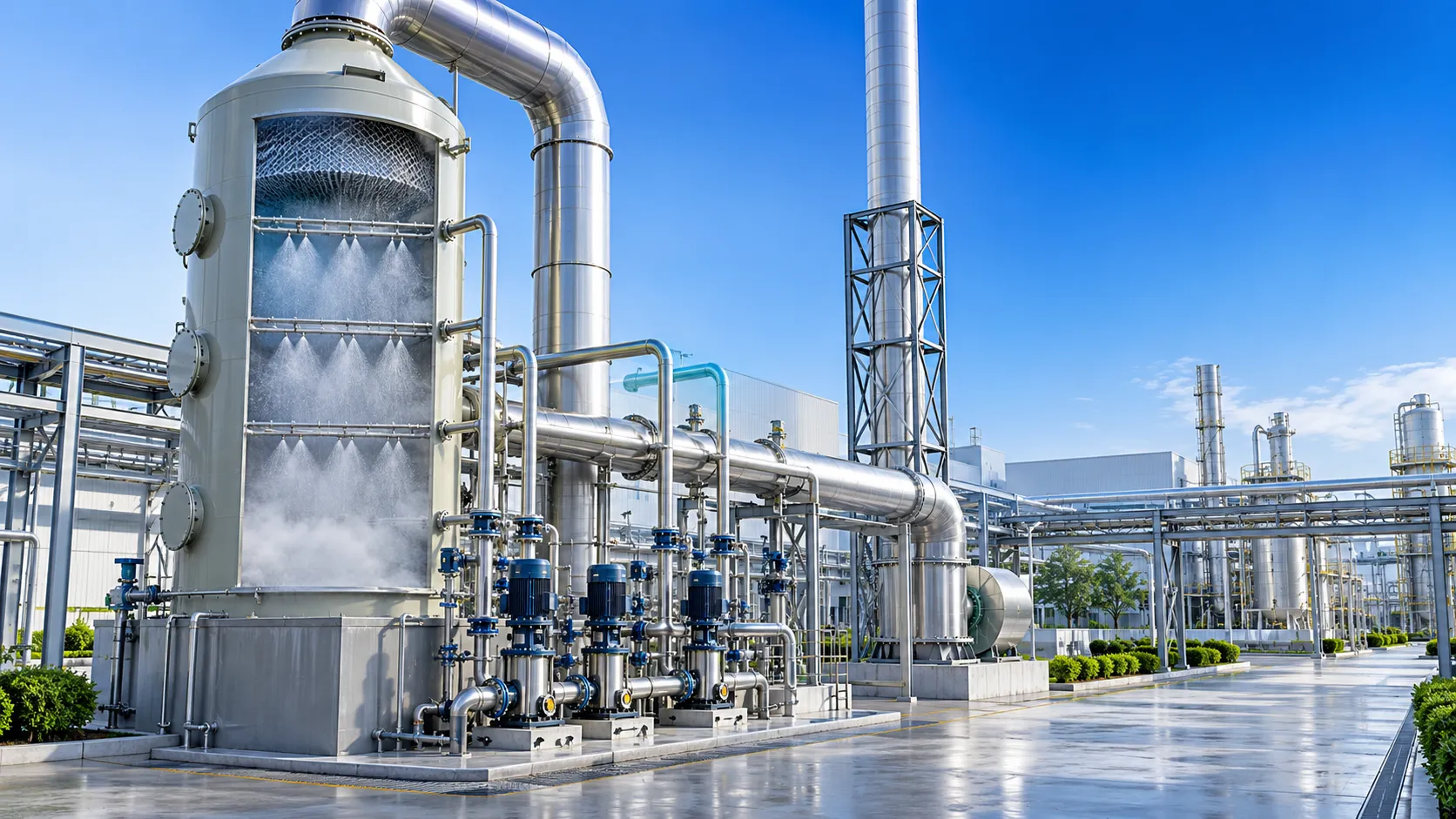
How to size a desulfurization equipment scrubber for variable gas flow
Desulfurization equipment scrubber sizing for variable gas flow: optimize SO2 removal, pressure drop, liquid-to-gas control, and compliance across every load.
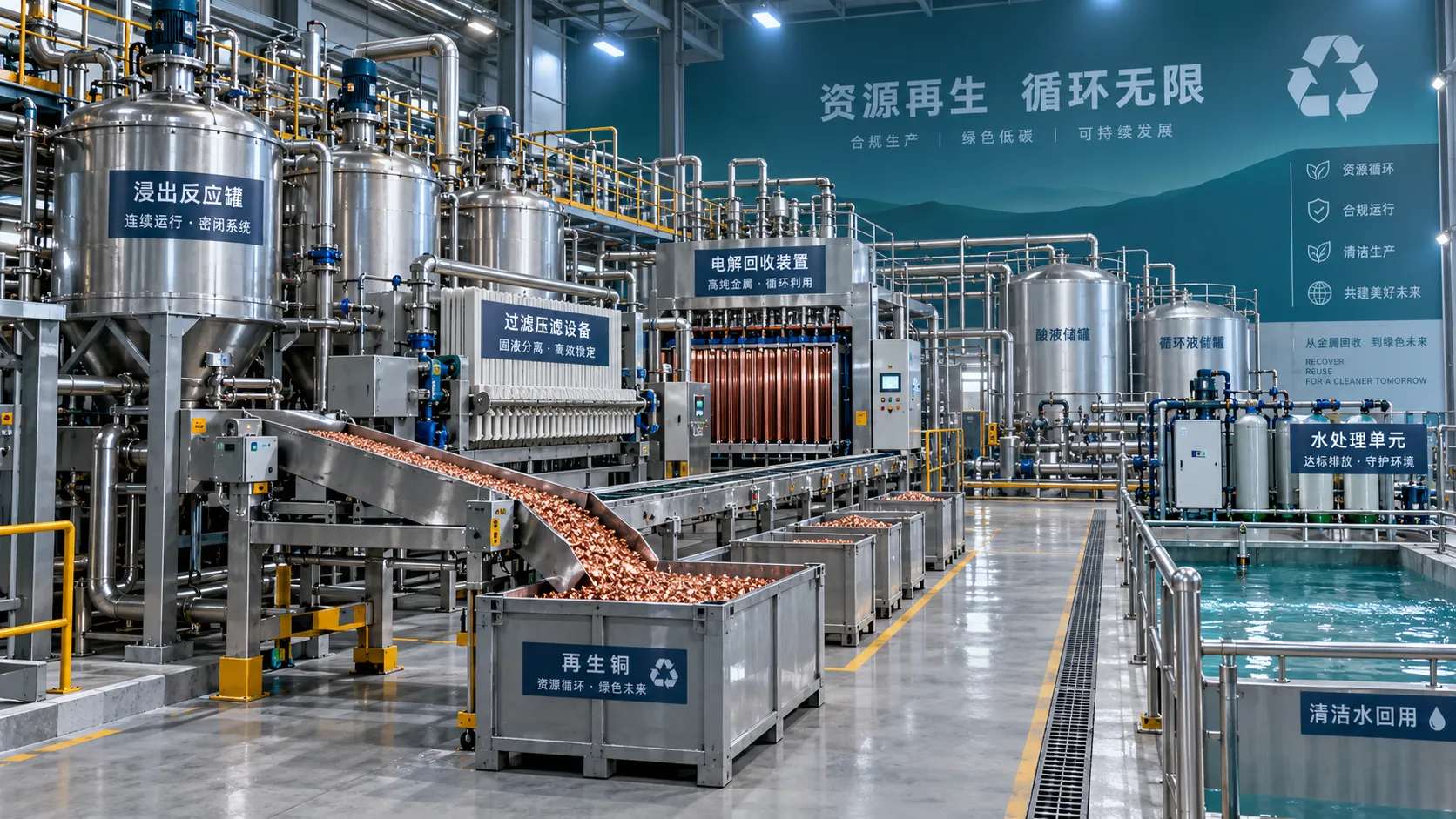
When does repeatable metals recovery infrastructure justify the investment?
Repeatable metals recovery infrastructure: discover when consistent feedstock, lower disposal costs, compliance control, and reliable offtake justify investment.
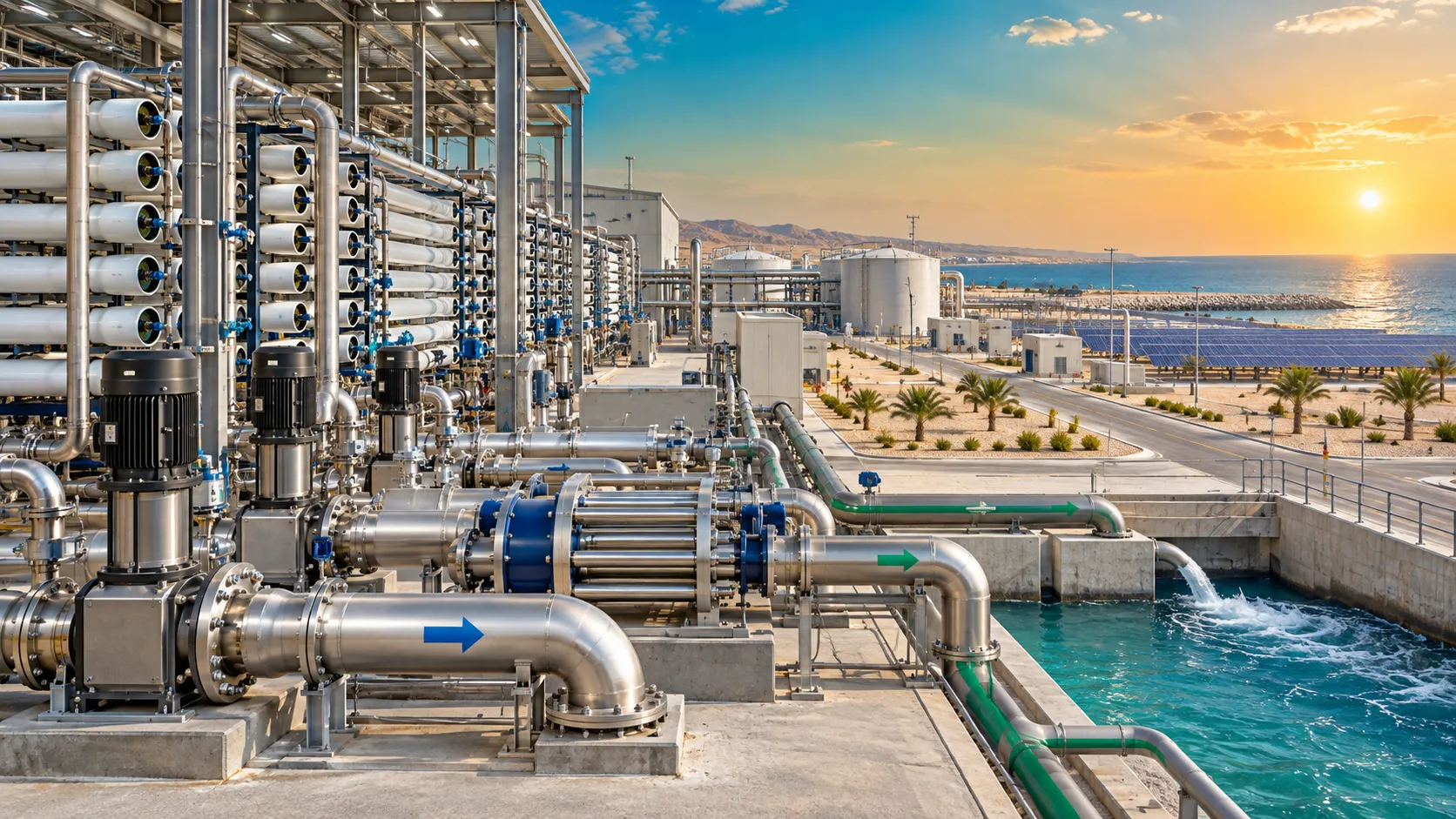
How energy recovery cuts the cost of seawater desalination in the Middle East
Seawater desalination Middle East projects can cut lifecycle costs with energy recovery. Explore savings, bankability, power-risk strategies, and smarter investment decisions.
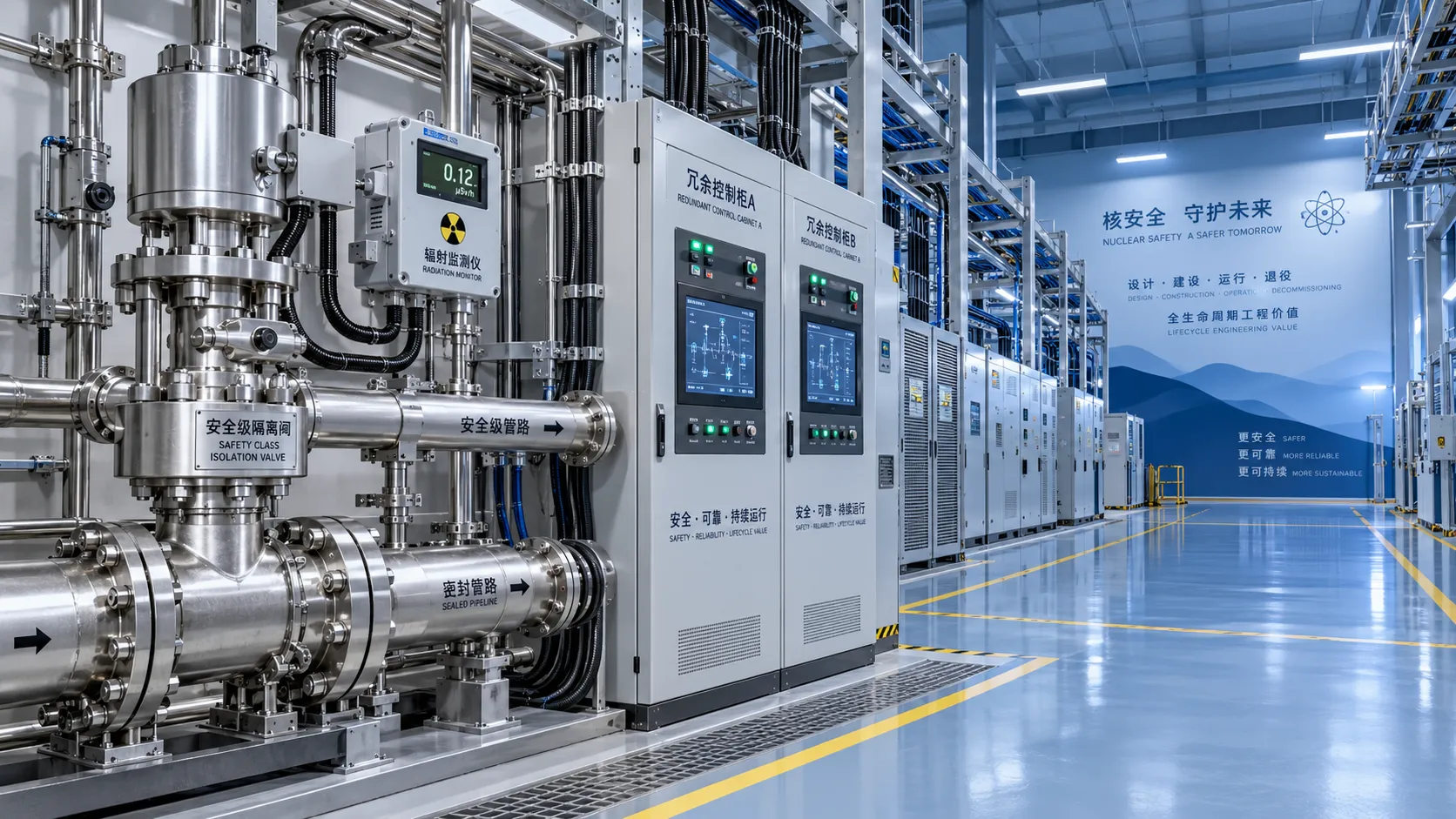
What drives nuclear safety solutions pricing for new facility projects?
Nuclear safety solutions pricing explained: uncover the key cost drivers for new facilities, from qualification and interfaces to lifecycle support.
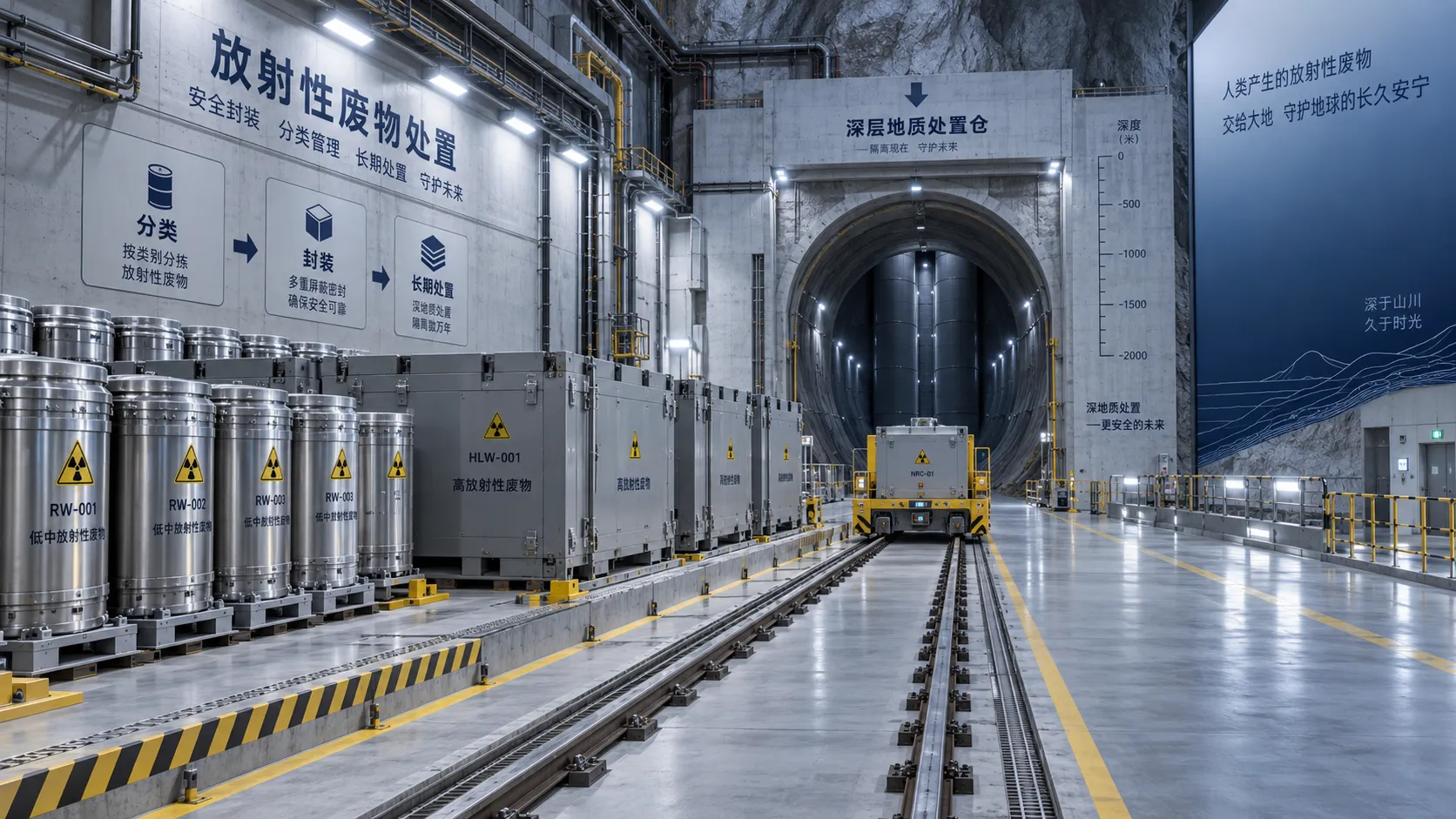
What drives radioactive waste cost over the life of a disposal project?
Radioactive waste cost depends on classification, treatment, transport, storage, disposal access, and long-term compliance. Explore the key lifecycle cost drivers.
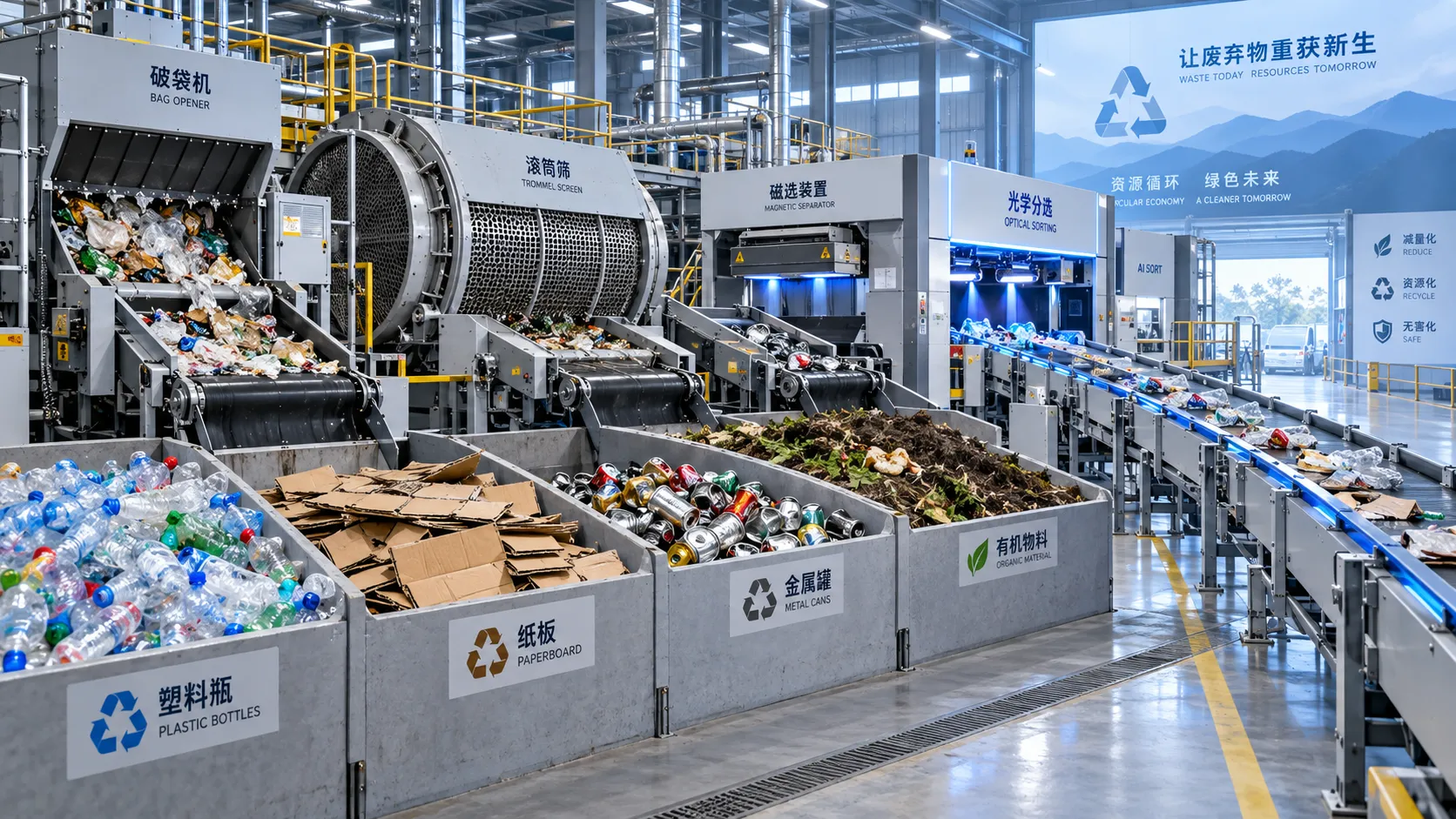
How to choose solid waste equipment based on waste stream characteristics
Environmental equipment guide for solid waste: discover how to match sorting, treatment, and recovery equipment to waste composition, moisture, contamination, and output goals.
When does high recovery ZLD equipment justify its higher capital cost?
High recovery ZLD equipment can justify higher capital cost when water scarcity, discharge risks, brine disposal, and downtime threaten operations. Explore the decision factors.