
Industry News
Curation by industry experts
Hot Articles
Popular Tags
Desalination Plant Equipment Tender Checklist for Bid Risk Control
Desalination Plant Equipment Tender Checklist for Bid Risk Control
A well-structured desalination plant equipment tender can determine whether a project stays bankable, compliant, and technically reliable.
For teams facing complex specifications, supplier qualification gaps, and lifecycle cost pressure, a practical checklist is essential.
This guide explains what to verify before submission, how to compare bids, and where hidden risk usually sits in a desalination plant equipment tender.
Why Tender Risk Control Matters Early
In desalination projects, equipment value is high, interfaces are complex, and failure costs are rarely limited to one package.
A weak desalination plant equipment tender often creates problems later in schedule, energy use, membrane life, chemical consumption, and plant availability.
That is why bid risk control should begin before commercial comparison.
From recent market shifts, the clearer signal is this: buyers now need technical clarity and contract discipline as much as price competition.
Core Scope Checklist Before Issuing the Tender
The first control point is scope definition.
If package boundaries are vague, even a competitive desalination plant equipment tender can lead to claims, gaps, and duplicated cost.
- Define each package clearly: intake, pretreatment, SWRO, energy recovery, post-treatment, dosing, sludge handling, and electrical control interfaces.
- State design capacity, feedwater quality, recovery rate, product water target, and seasonal operating conditions.
- Confirm whether spare parts, commissioning chemicals, special tools, operator training, and performance testing are included.
- List battery limits for civil, piping, instrumentation, cabling, and SCADA integration.
- Specify required standards, certification, and local compliance obligations.
In practice, many disputes start because one bidder priced a complete package while another priced only the main equipment.
Technical Specification Review Points
A desalination plant equipment tender should test more than nameplate capacity.
The real question is whether the offered system can hold stable output under real site conditions.
Feedwater and Process Basis
Check whether salinity, temperature range, turbidity, SDI, algae risk, boron, and fouling profile are fully stated.
If the basis is incomplete, suppliers will make different assumptions, and bid comparison becomes unreliable.
Equipment Performance
- Membrane flux, salt rejection, boron removal, and cleaning interval assumptions.
- High-pressure pump efficiency and turndown range.
- Energy recovery device efficiency at actual operating load.
- Pretreatment reliability during red tide, storm events, or suspended solids spikes.
- Chemical dosing accuracy and material compatibility.
Materials and Durability
Corrosion risk is often underestimated in a desalination plant equipment tender.
Review duplex stainless steel grades, FRP quality, coating systems, elastomer suitability, and traceability of pressure-bearing parts.
Short-term savings on materials can become long-term shutdown risk.
Supplier Qualification Checklist
A low price is not useful if delivery, integration, or after-sales support fails.
This also means the desalination plant equipment tender should screen supplier capability with evidence, not promises.
- Reference projects with similar feedwater, plant size, and operating regime.
- Factory capacity, key subcontractor control, and quality management records.
- Financial stability, bonding strength, and warranty backing.
- Commissioning team availability and local service presence.
- Documented nonconformance history, claims record, and corrective action process.
A useful check is to ask for performance data from plants that have already passed ramp-up and reached stable operation.
Commercial and Lifecycle Cost Controls
Price alone does not show the best bid.
In a desalination plant equipment tender, lifecycle cost often separates a bankable purchase from an expensive mistake.
Ask bidders to disclose assumptions behind each cost line.
Without that, a desalination plant equipment tender may look comparable on paper while hiding very different operating economics.
Contract Risk Points Often Missed
Some of the highest risks sit in the contract, not the technical offer.
- Performance guarantees should cover output, quality, energy use, and availability.
- Liquidated damages should be measurable and linked to test methods.
- Delivery milestones must match realistic fabrication and logistics lead times.
- Change order rules should define approval steps and pricing logic.
- Warranty terms should state response time, defect scope, and replacement responsibility.
A strong desalination plant equipment tender reduces future argument by making acceptance criteria objective.
That is especially important in large public or EPC-led projects where several interfaces affect final performance.
Bid Evaluation Method That Improves Decision Quality
A better method is to score bids in layers.
Start with compliance screening, then technical scoring, then commercial normalization, and only after that rank total value.
- Reject noncompliant bids with major scope or guarantee gaps.
- Normalize assumptions for energy, membrane replacement, and consumables.
- Apply weighted scoring for reliability, service support, and proven references.
- Document clarifications in writing before final recommendation.
This approach makes a desalination plant equipment tender easier to defend internally and easier to audit later.
Final Checklist Before Bid Award
Before award, run one last structured review.
- All technical deviations are identified and accepted.
- Commercial exclusions are closed or priced.
- Guarantees match the agreed process basis.
- Inspection, FAT, SAT, and performance test plans are clear.
- Spare parts list and recommended inventory are complete.
- Delivery schedule aligns with project critical path.
- Supplier documents, drawings, and manuals are contract deliverables.
At this stage, a disciplined desalination plant equipment tender process helps prevent late surprises more than any negotiation tactic.
The stronger result is not simply the cheapest bid.
It is the bid that can deliver compliant water, stable operation, and predictable cost over time.
For large desalination projects, that is the real purpose of bid risk control, and the real value of a rigorous desalination plant equipment tender checklist.
Recommended News
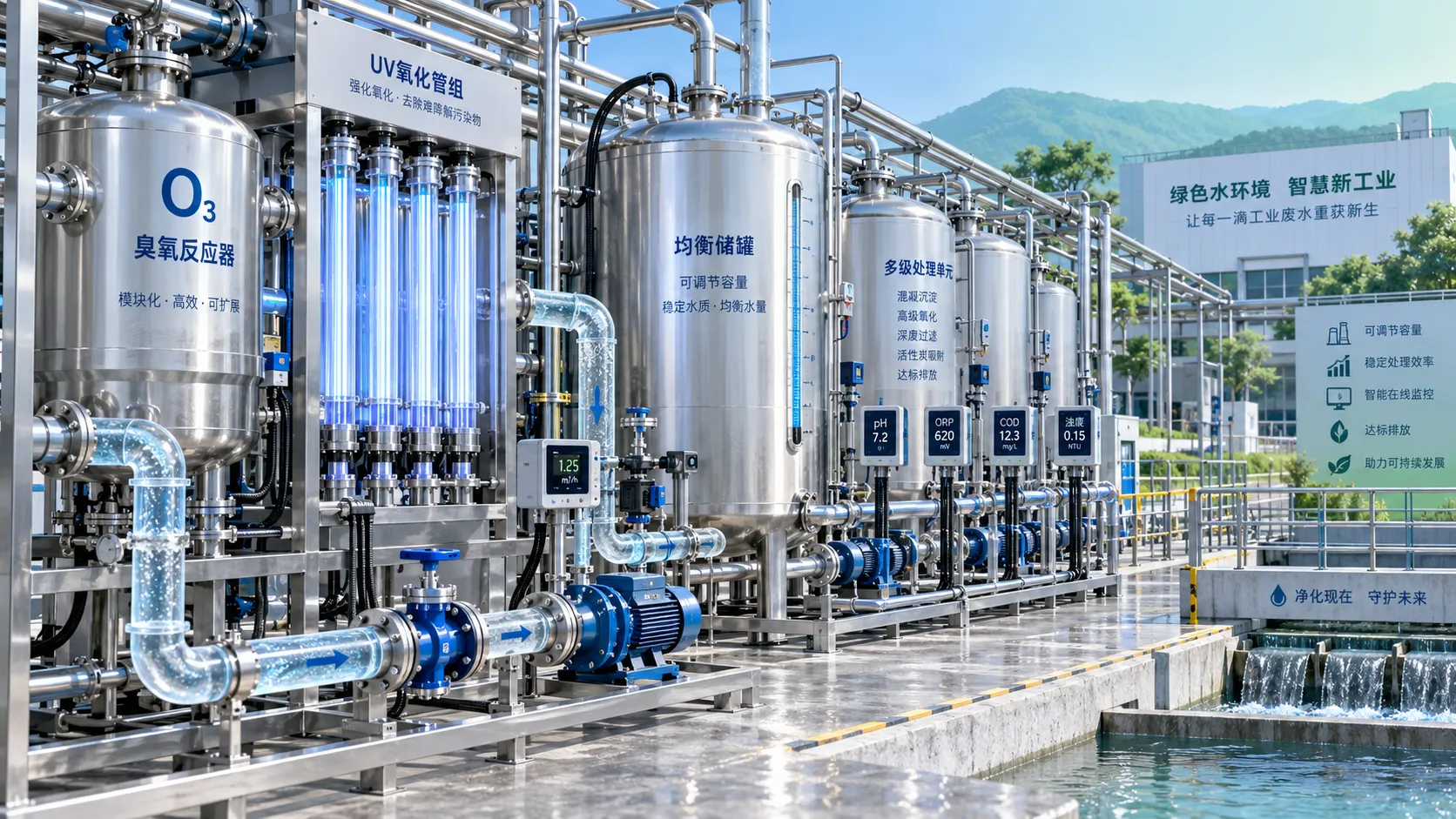
How to size advanced oxidation equipment for variable wastewater loads
Advanced oxidation equipment guide for sizing AOP systems under variable wastewater loads, improving compliance, efficiency, and lifecycle cost control.
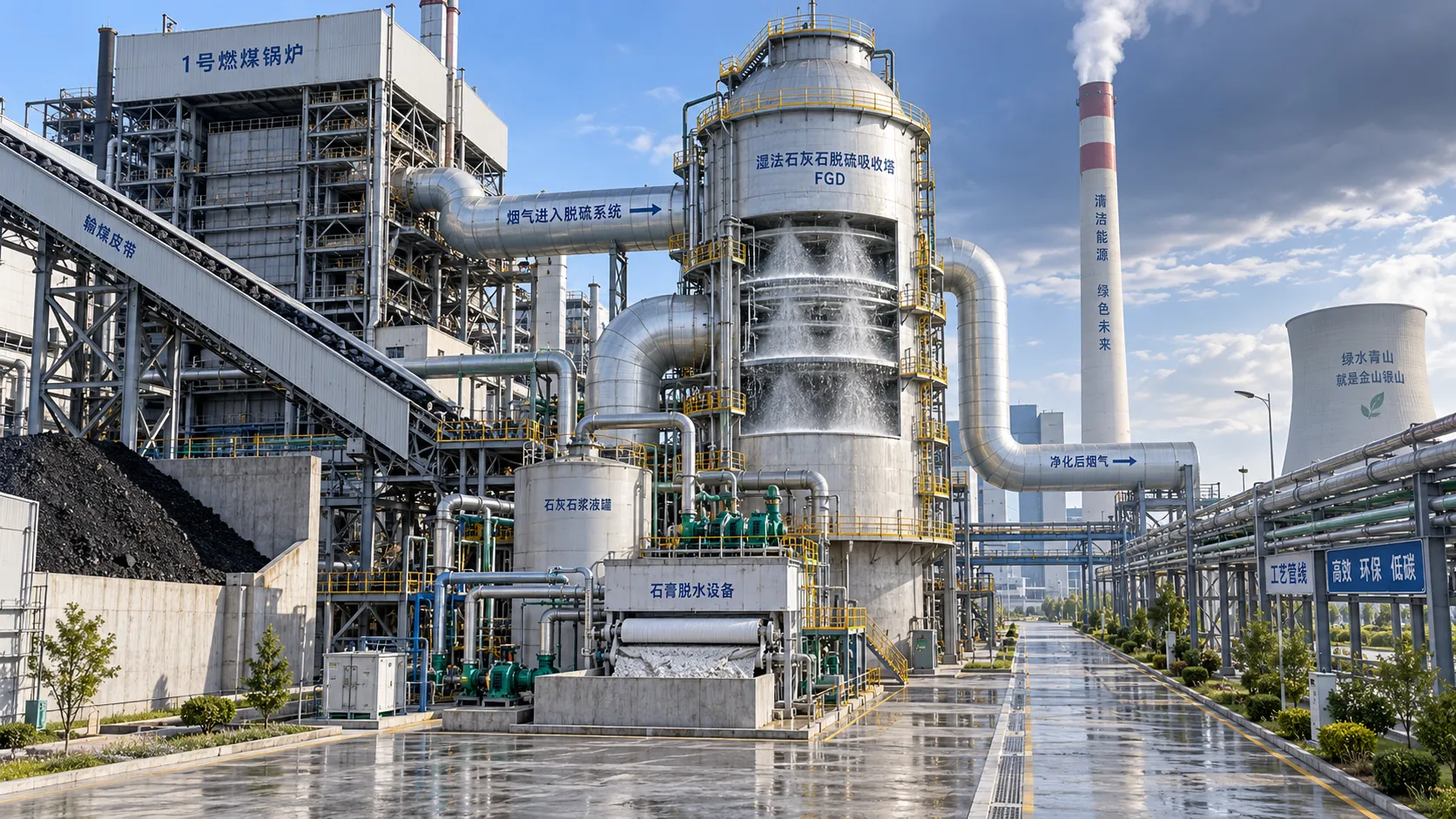
How to select FGD systems for coal boilers based on sulfur content
FGD systems for coal boilers: learn how sulfur content, fuel variability, emissions limits, water, waste, and retrofit constraints guide a compliant, cost-effective scrubber choice.
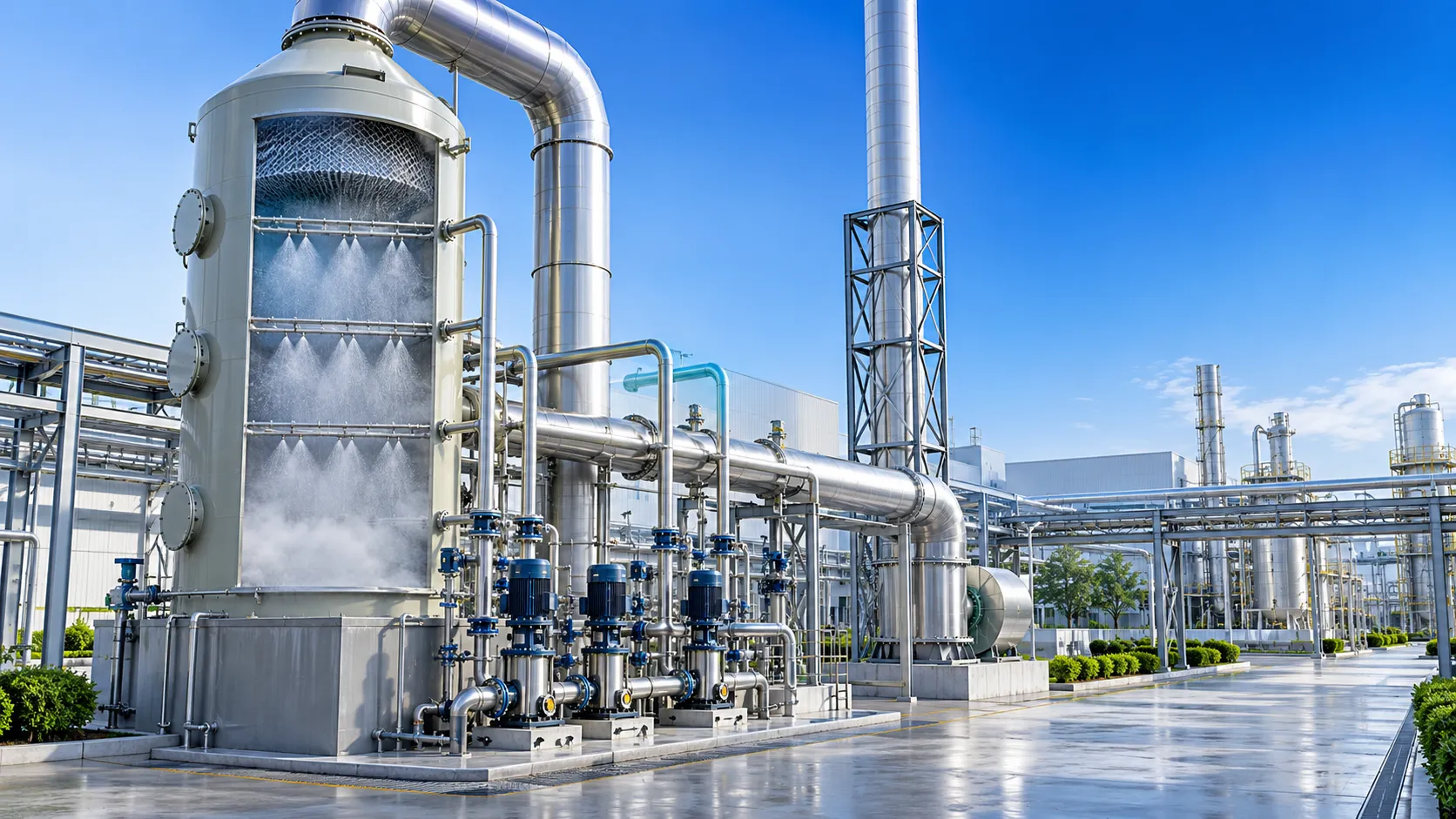
How to size a desulfurization equipment scrubber for variable gas flow
Desulfurization equipment scrubber sizing for variable gas flow: optimize SO2 removal, pressure drop, liquid-to-gas control, and compliance across every load.
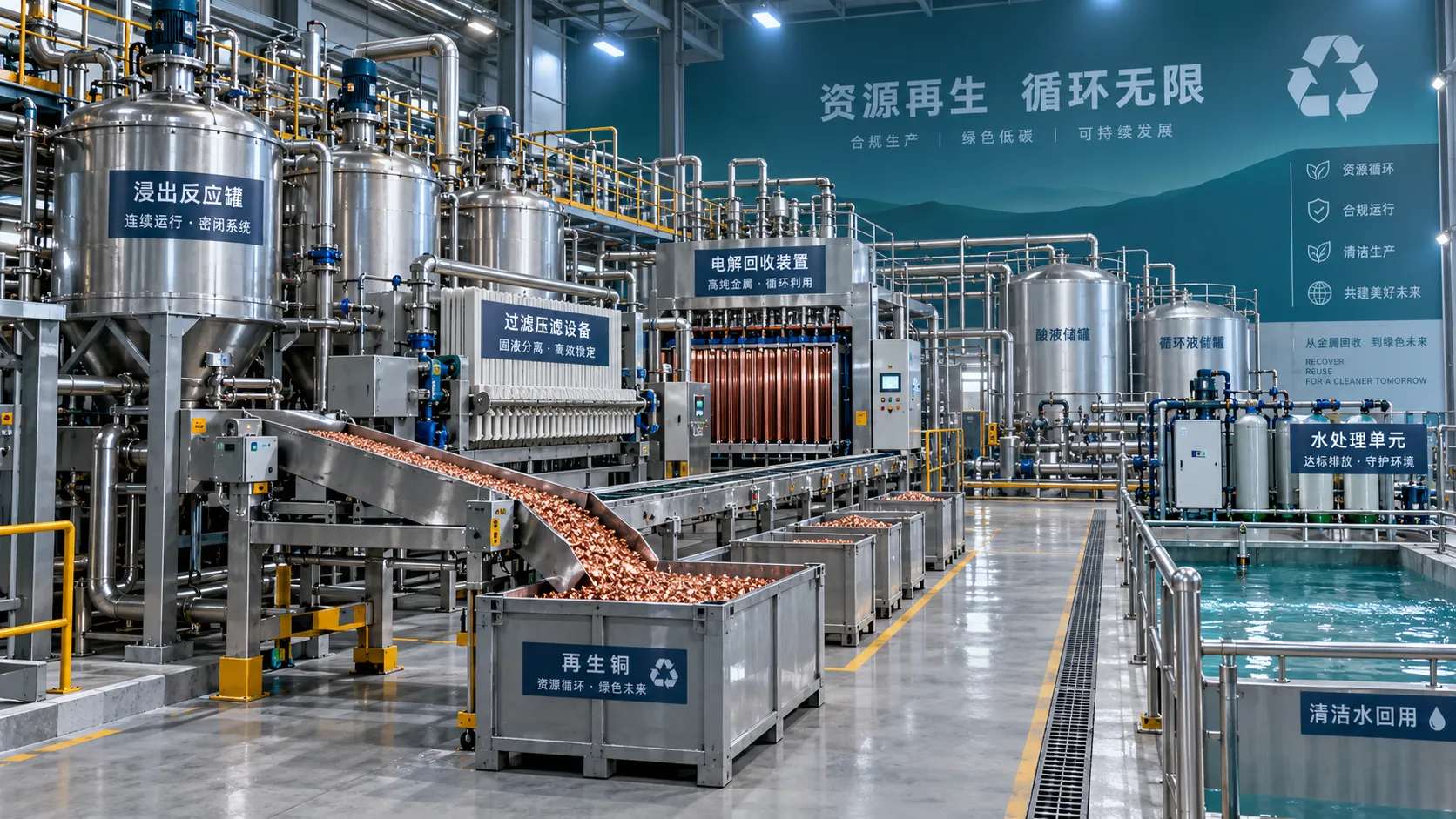
When does repeatable metals recovery infrastructure justify the investment?
Repeatable metals recovery infrastructure: discover when consistent feedstock, lower disposal costs, compliance control, and reliable offtake justify investment.
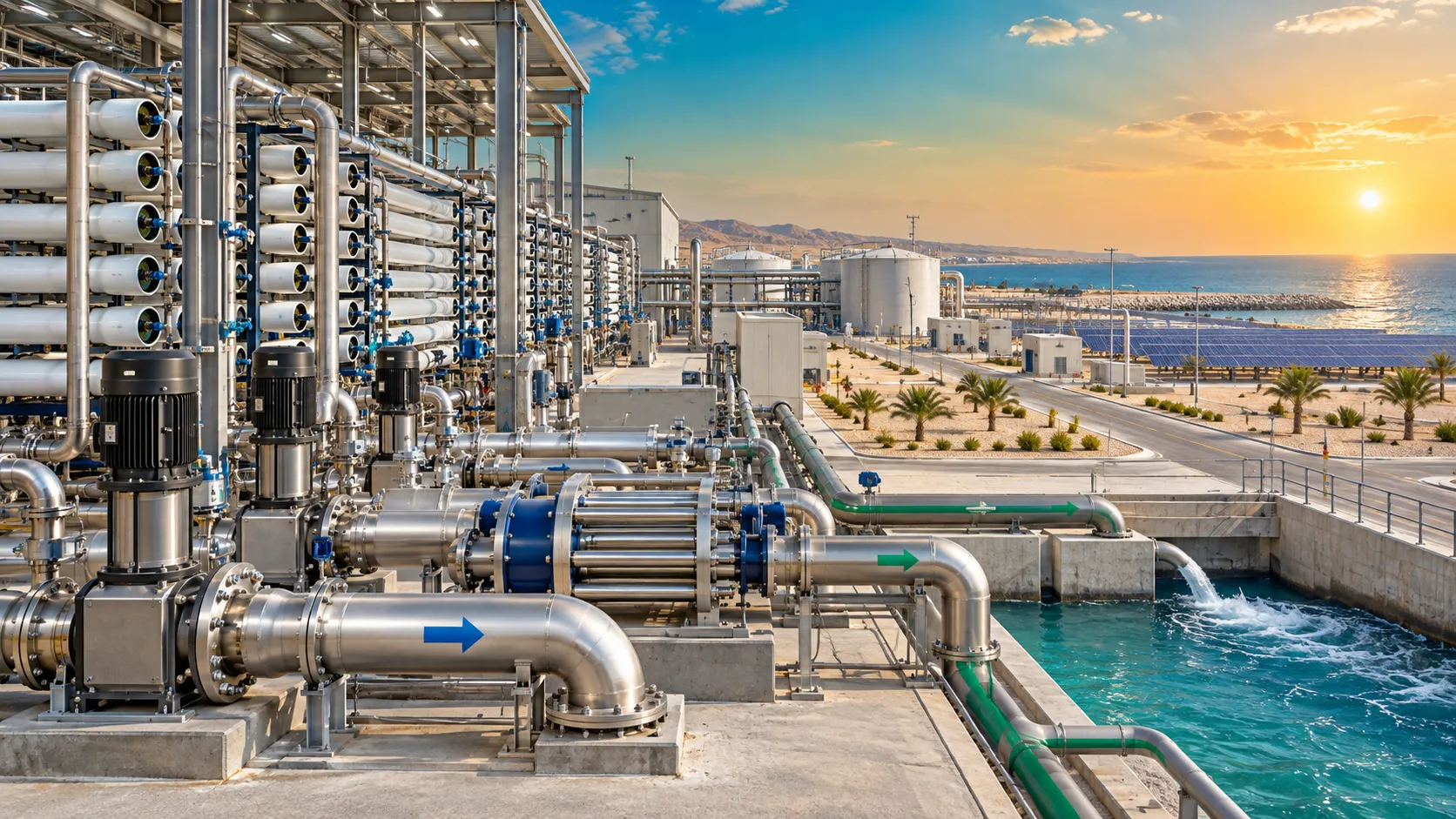
How energy recovery cuts the cost of seawater desalination in the Middle East
Seawater desalination Middle East projects can cut lifecycle costs with energy recovery. Explore savings, bankability, power-risk strategies, and smarter investment decisions.
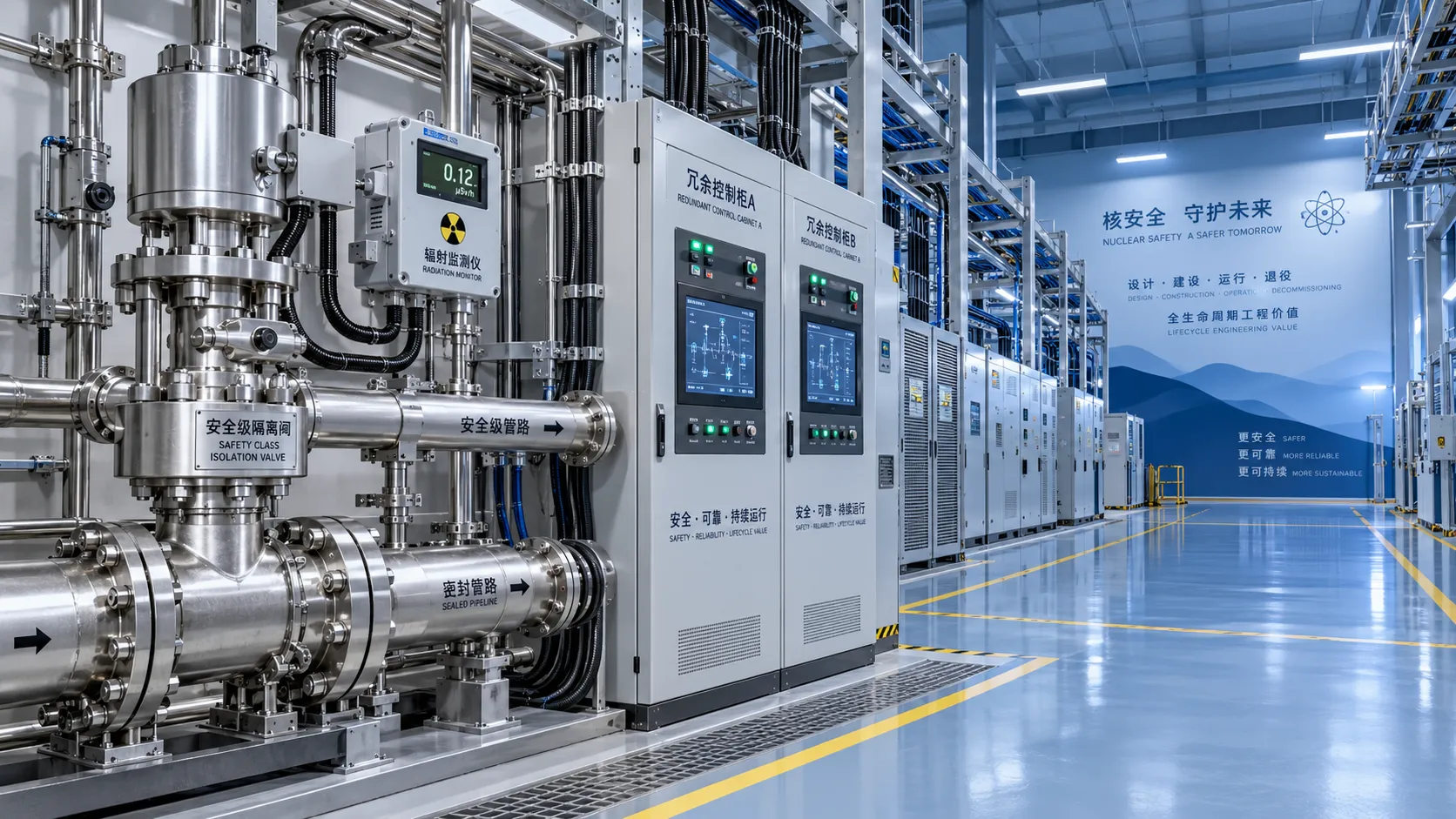
What drives nuclear safety solutions pricing for new facility projects?
Nuclear safety solutions pricing explained: uncover the key cost drivers for new facilities, from qualification and interfaces to lifecycle support.
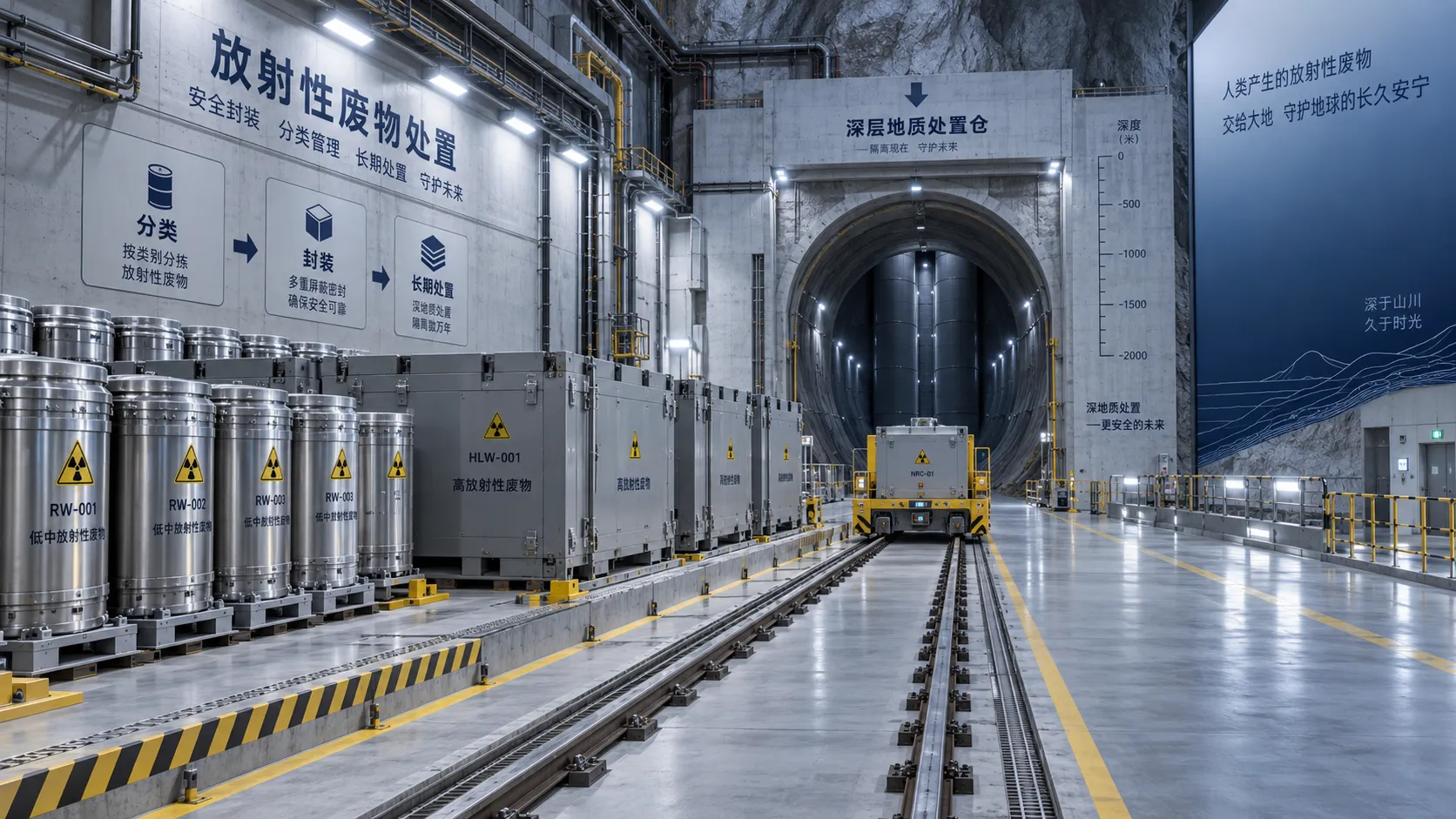
What drives radioactive waste cost over the life of a disposal project?
Radioactive waste cost depends on classification, treatment, transport, storage, disposal access, and long-term compliance. Explore the key lifecycle cost drivers.
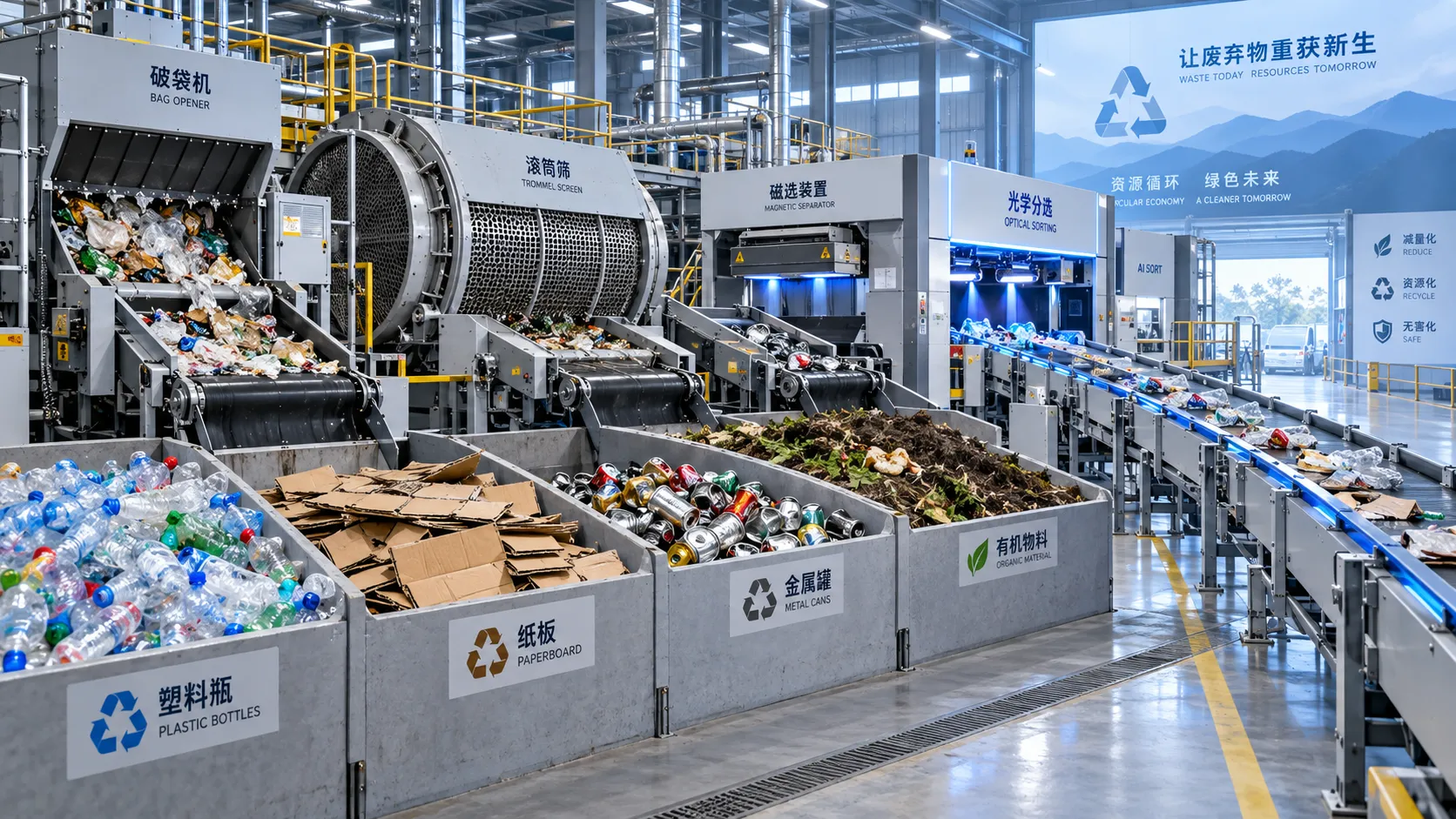
How to choose solid waste equipment based on waste stream characteristics
Environmental equipment guide for solid waste: discover how to match sorting, treatment, and recovery equipment to waste composition, moisture, contamination, and output goals.
When does high recovery ZLD equipment justify its higher capital cost?
High recovery ZLD equipment can justify higher capital cost when water scarcity, discharge risks, brine disposal, and downtime threaten operations. Explore the decision factors.