
Industry News
Curation by industry experts
Hot Articles
Popular Tags
Air Pollution Control Equipment Standards That Matter in Project Approval
Air pollution control equipment standards often decide whether a project clears review with confidence or returns for redesign. In heavy industry, waste recovery, desalination, municipal treatment, and energy infrastructure, approval bodies look far beyond a simple equipment list.
They examine emission limits, test methods, control efficiency, monitoring logic, operating reliability, and the traceability of technical documents. That is why air pollution control equipment standards matter early, especially when schedules, permits, financing, and EPC commitments are tightly linked.
For platforms such as ESD, which track flue gas treatment alongside water, resource recovery, desalination, and nuclear waste systems, standards are not a narrow compliance topic. They shape technology choice, commercial credibility, and long-term project defensibility across the ecological engineering chain.
What these standards really cover
Many teams first think of stack emission numbers. Those limits matter, but they are only one layer. Air pollution control equipment standards also define how a system should be designed, tested, operated, and verified.
In practice, the standard framework usually combines four dimensions. One is environmental performance. Another is equipment integrity. The third is monitoring and reporting. The fourth is safety under real operating conditions.
This means an SCR reactor, baghouse, electrostatic precipitator, thermal oxidizer, or FGD scrubber is rarely judged only by nameplate efficiency. Reviewers want evidence that the selected configuration matches fuel quality, gas composition, load fluctuation, and local legal thresholds.
The core categories usually involved
- Emission limit standards for SOx, NOx, particulate matter, VOCs, acid gases, heavy metals, and hazardous air pollutants.
- Product and performance standards covering collection efficiency, pressure drop, residence time, reagent use, and outlet concentration stability.
- Testing and measurement standards for stack sampling, opacity, continuous emissions monitoring systems, and acceptance protocols.
- Installation and operational standards addressing corrosion resistance, redundancy, access, maintenance, alarms, and control integration.
Why approval teams are paying closer attention
Regulatory pressure is tightening in more than one direction. National rules are becoming stricter, but cross-border requirements are also influencing project design. CBAM, ESG disclosure, and investor due diligence now affect environmental equipment decisions earlier than before.
At the same time, industrial processes are becoming more complex. Waste-to-energy facilities handle mixed feedstocks. Resource recovery lines process variable materials. Desalination plants can include captive power or chemical systems with regulated off-gas streams.
Under these conditions, air pollution control equipment standards become a common language between owners, EPC contractors, licensors, regulators, insurers, and lenders. A proposal that references the right standards often looks lower risk before any equipment is purchased.
This is one reason intelligence-led platforms such as ESD matter. Approval risk no longer sits only in engineering calculations. It also sits in whether a chosen standard set is current, regionally accepted, and technically aligned with the operating envelope.
The standards that usually influence project approval
Exact references vary by country and sector, but approval reviews tend to focus on a familiar group of standards and regulatory anchors. The issue is less about memorizing every code and more about understanding which ones change the decision.
When air pollution control equipment standards are mapped this way, approval discussions become more concrete. The conversation moves from broad claims about compliance to reviewable proof.
Different project types bring different pressure points
The same standard logic does not play out identically in every facility. Sector context matters because pollutant profiles, process continuity, and stakeholder expectations are different.
Flue gas treatment in heavy industry
Power, cement, metals, and chemical plants face close scrutiny on SOx, NOx, dust, and mercury. Approval teams usually test whether the chosen combination of SCR, ESP, bag filters, and FGD units can hold performance during load swings.
Waste recovery and thermal processing
Pyrolysis, RDF, incineration, and solvent recovery projects often trigger concern over VOCs, dioxins, acid gases, and odor. Here, air pollution control equipment standards must address upset conditions, feed variability, and startup or shutdown emissions.
Water and desalination infrastructure
These projects are usually associated with liquid treatment, yet off-gas still matters. Chemical storage vents, sludge handling, standby power units, and odor control systems can all fall under air review, especially near population centers.
Nuclear and high-consequence facilities
In this environment, standards extend beyond efficiency and into containment reliability, filtration integrity, redundancy, and documented failure response. Approval logic becomes more conservative, and evidence quality becomes decisive.
What usually weakens an otherwise strong submission
Many delays come from mismatches rather than obvious noncompliance. A project can specify reputable equipment and still struggle if the standard references are incomplete, outdated, or disconnected from the process basis.
- Emission guarantees are stated, but the test condition assumptions are missing.
- The selected standard is accepted in one market, but not by the local authority.
- Dust load, moisture, sulfur level, or catalyst poisoning risks are underestimated.
- CEMS and control system design are treated as secondary add-ons.
- The proposal shows ideal efficiency, but not turndown performance or maintenance access.
- Vendor documentation does not clearly connect equipment capability to permit conditions.
These gaps matter because reviewers assess the probability of sustained compliance, not only initial compliance. Air pollution control equipment standards help close that credibility gap when they are integrated into the design narrative early.
A practical way to evaluate standards before submission
A useful approach is to build a standards matrix before final equipment selection. This keeps technical, regulatory, and commercial assumptions aligned.
Questions worth resolving in advance
- Which standards are legally mandatory, and which are only industry best practice?
- Do permit conditions reflect normal operation only, or upset scenarios as well?
- Can the equipment meet limits after aging, fouling, and catalyst deactivation?
- What test method will be used to confirm guaranteed performance on site?
- Are imported systems compatible with local inspection, certification, and operator training rules?
- How will compliance data be stored, reported, and defended during audits?
This kind of review is where ESD-style intelligence becomes commercially useful. Tracking catalyst behavior, scrubber reliability, and regional regulatory shifts gives decision makers a firmer basis than relying on generic brochure claims.
From compliance requirement to project advantage
The strongest teams treat air pollution control equipment standards as a strategic project input. They use standards to sharpen scope, reduce interface disputes, and support a more defensible capital request.
That matters during bidding as well. A proposal backed by clearly selected standards, realistic guarantees, and verifiable acceptance logic usually stands up better in technical clarification rounds. It also reduces late-stage redesign caused by regulator comments.
In sectors covered by ESD, the broader lesson is clear. Environmental systems are increasingly interconnected. A flue gas control decision can affect waste residues, water balance, energy use, reagent logistics, and overall compliance cost.
The next sensible step is to review current and planned projects against a simple checklist: applicable standards, pollutant profile, proof method, monitoring architecture, and lifecycle reliability. That exercise usually reveals whether the approval path is robust or only appears complete on paper.
Recommended News
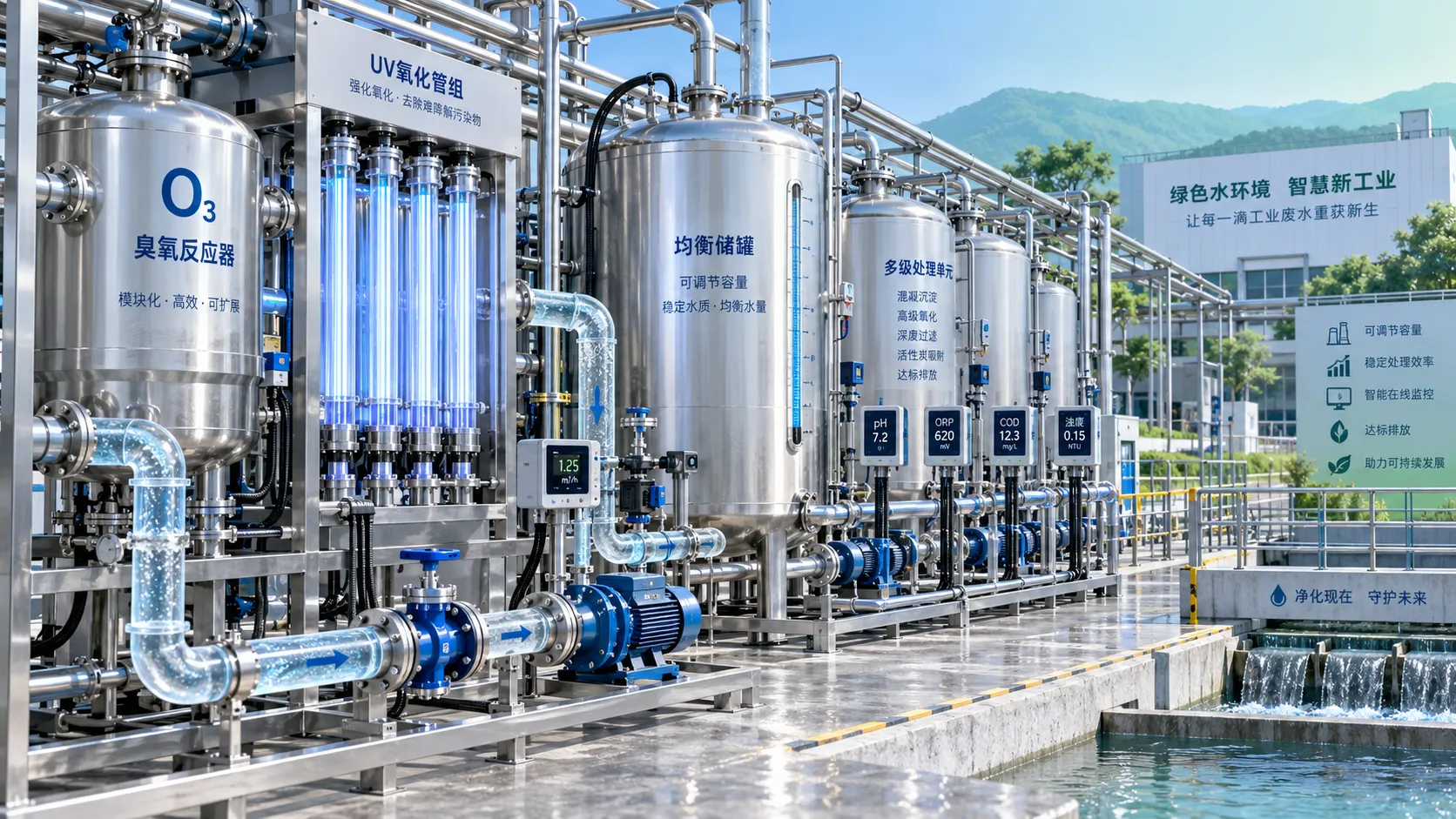
How to size advanced oxidation equipment for variable wastewater loads
Advanced oxidation equipment guide for sizing AOP systems under variable wastewater loads, improving compliance, efficiency, and lifecycle cost control.
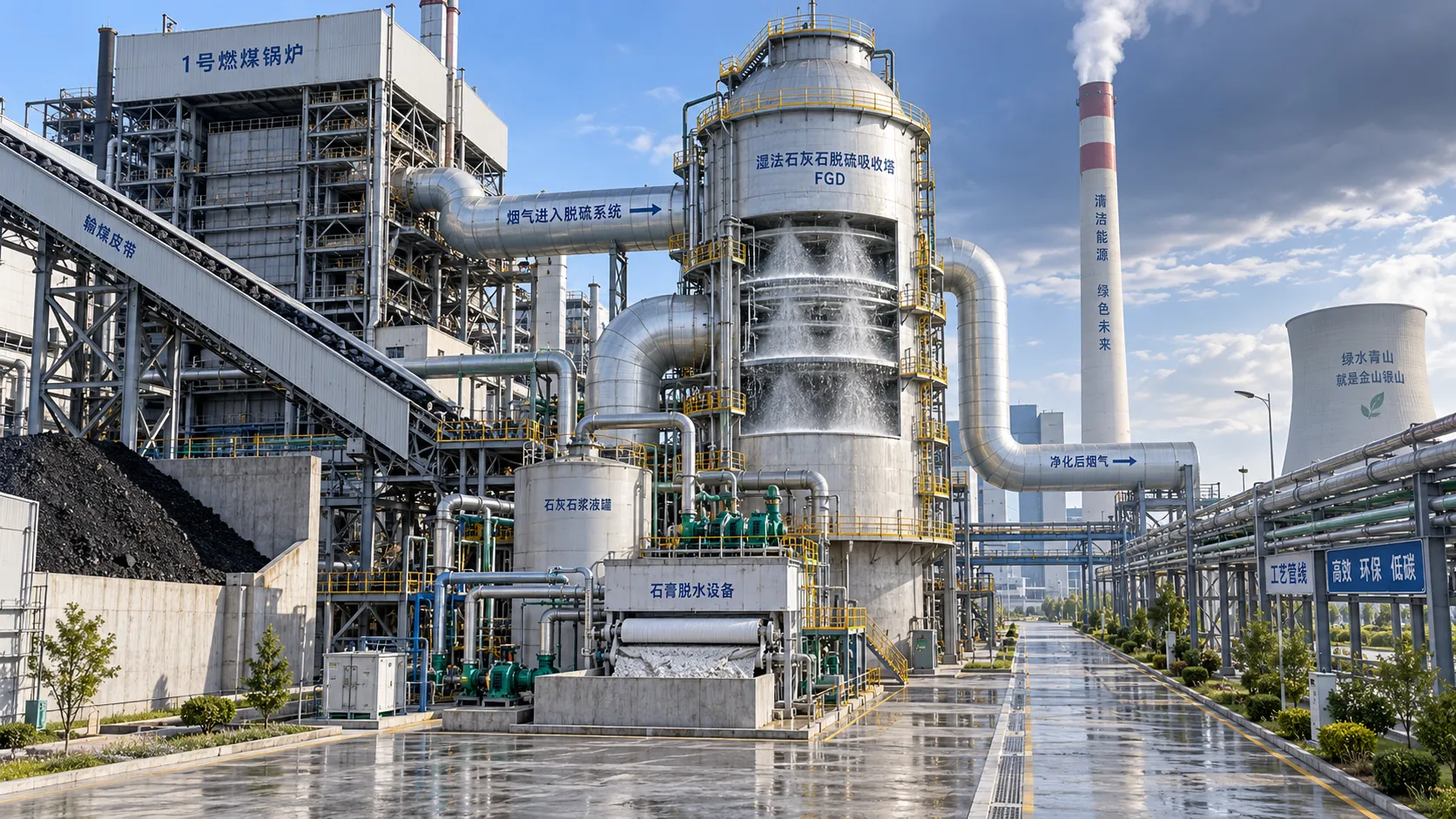
How to select FGD systems for coal boilers based on sulfur content
FGD systems for coal boilers: learn how sulfur content, fuel variability, emissions limits, water, waste, and retrofit constraints guide a compliant, cost-effective scrubber choice.
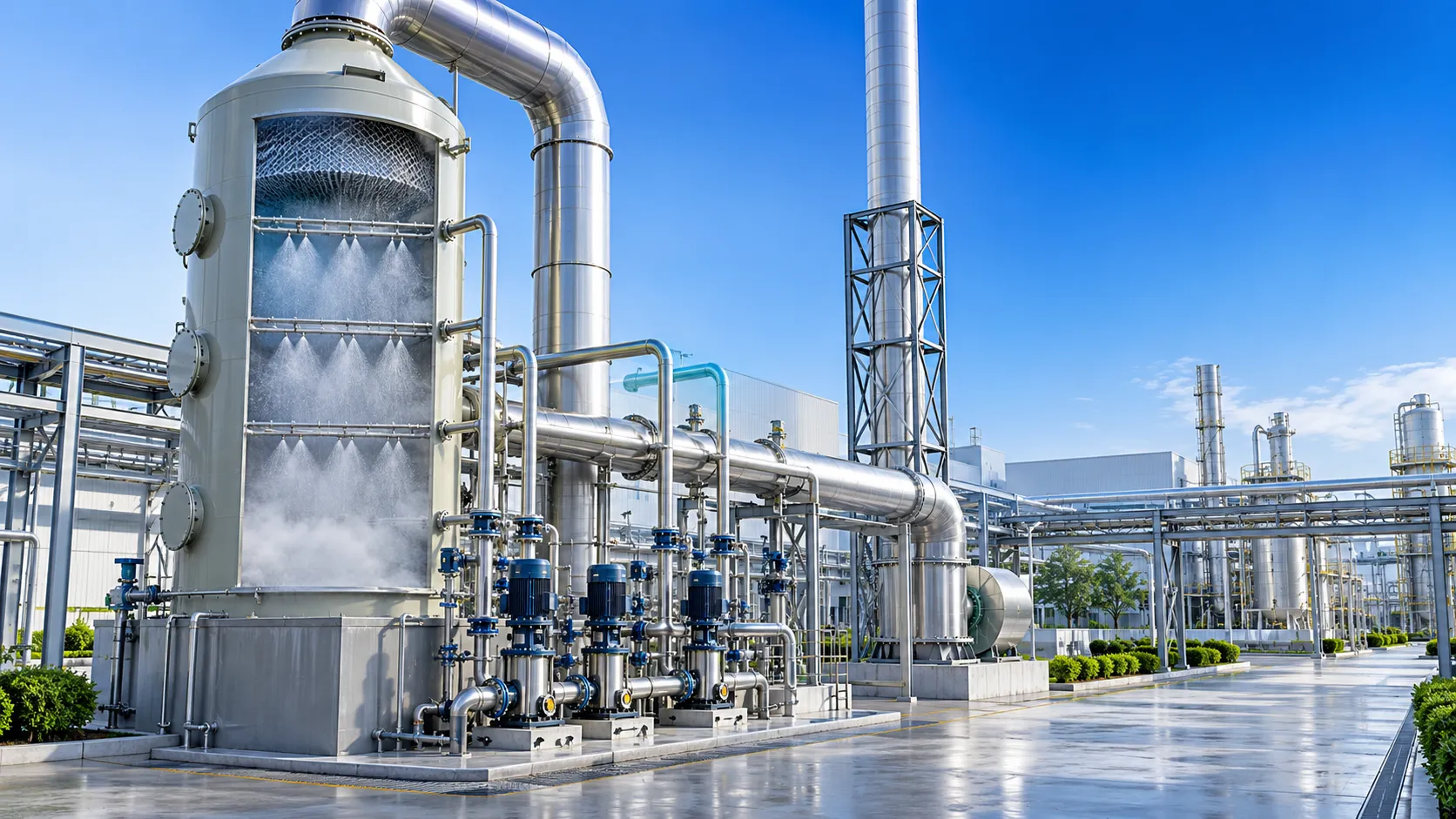
How to size a desulfurization equipment scrubber for variable gas flow
Desulfurization equipment scrubber sizing for variable gas flow: optimize SO2 removal, pressure drop, liquid-to-gas control, and compliance across every load.
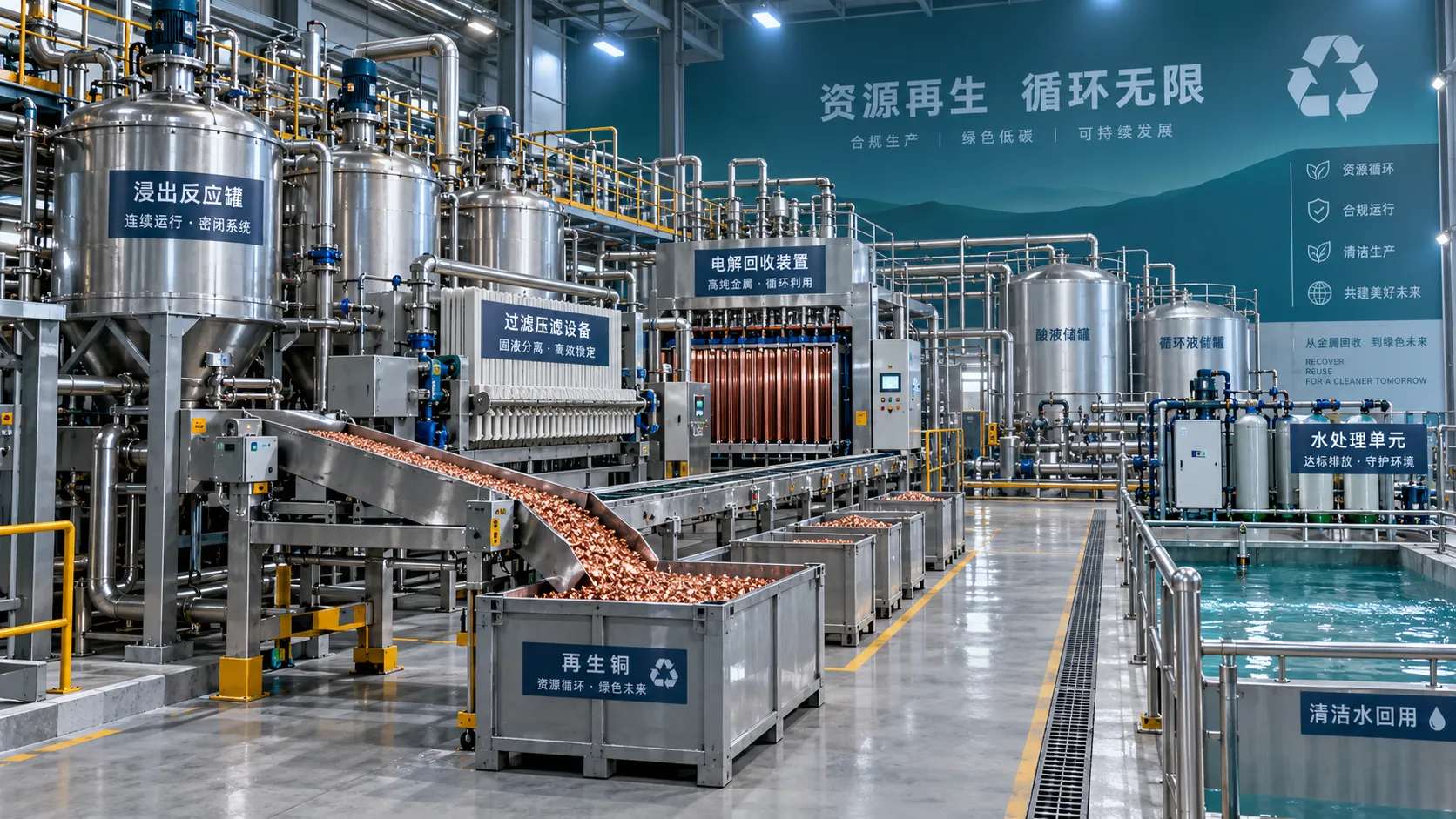
When does repeatable metals recovery infrastructure justify the investment?
Repeatable metals recovery infrastructure: discover when consistent feedstock, lower disposal costs, compliance control, and reliable offtake justify investment.
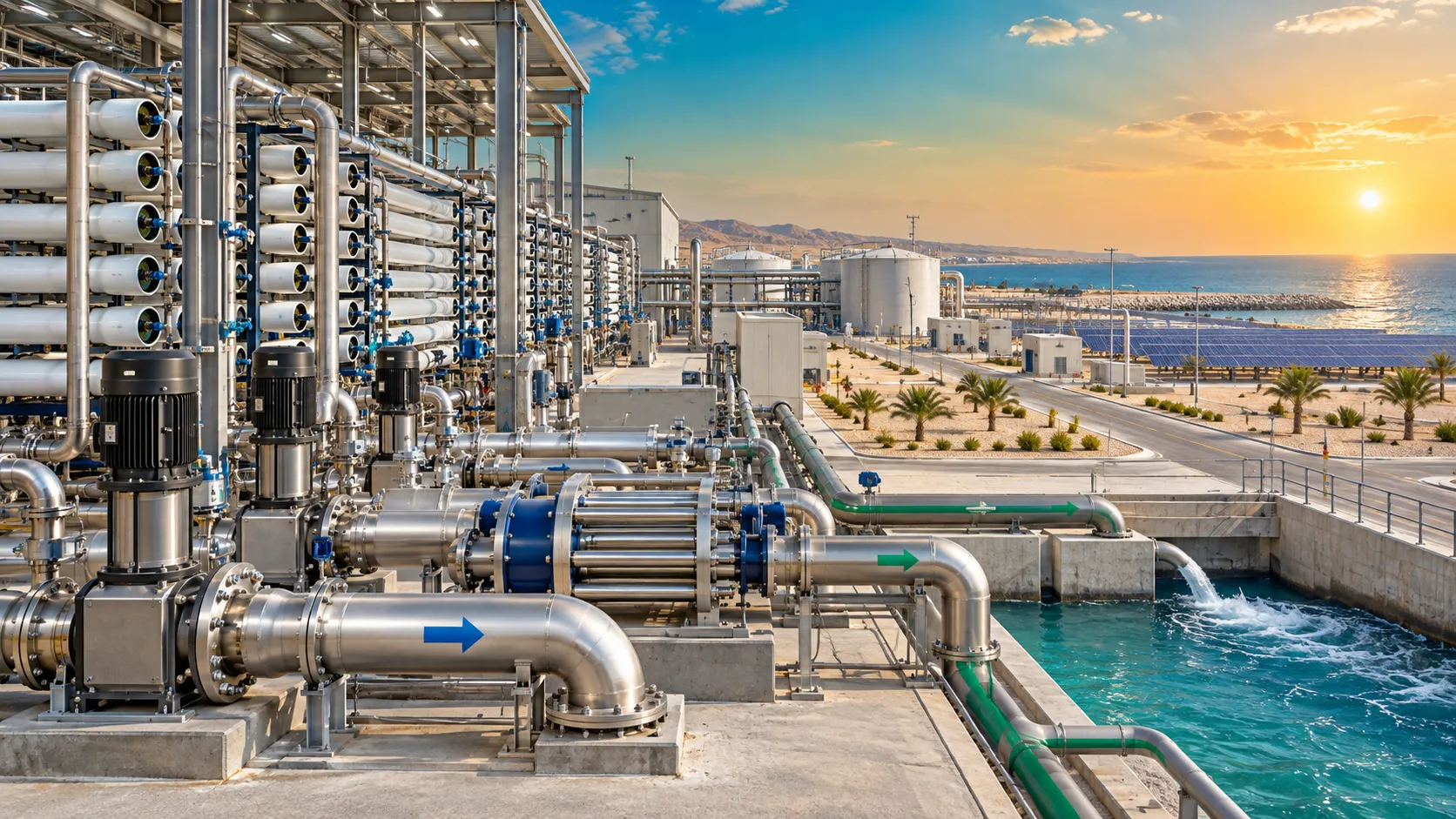
How energy recovery cuts the cost of seawater desalination in the Middle East
Seawater desalination Middle East projects can cut lifecycle costs with energy recovery. Explore savings, bankability, power-risk strategies, and smarter investment decisions.
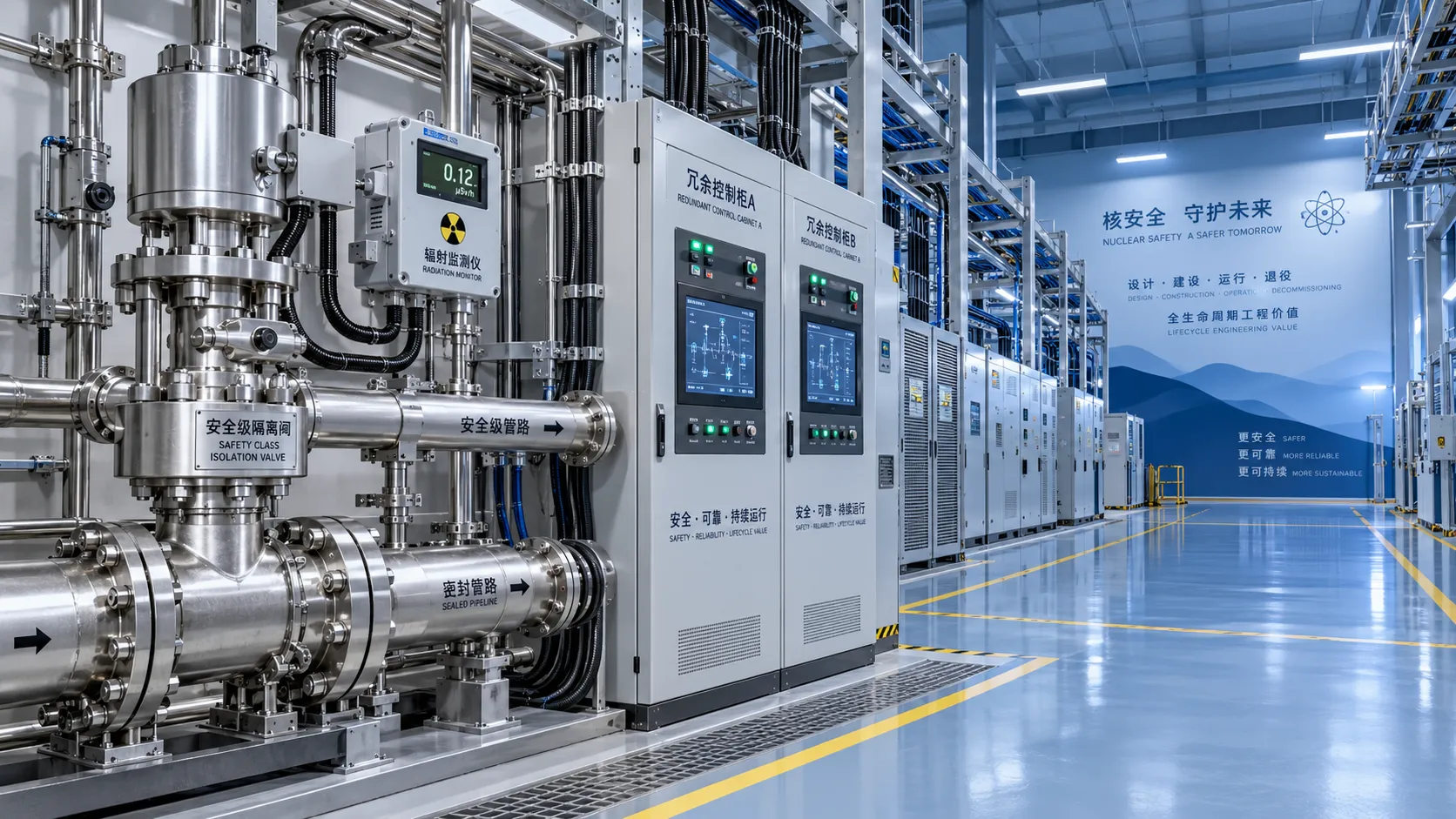
What drives nuclear safety solutions pricing for new facility projects?
Nuclear safety solutions pricing explained: uncover the key cost drivers for new facilities, from qualification and interfaces to lifecycle support.
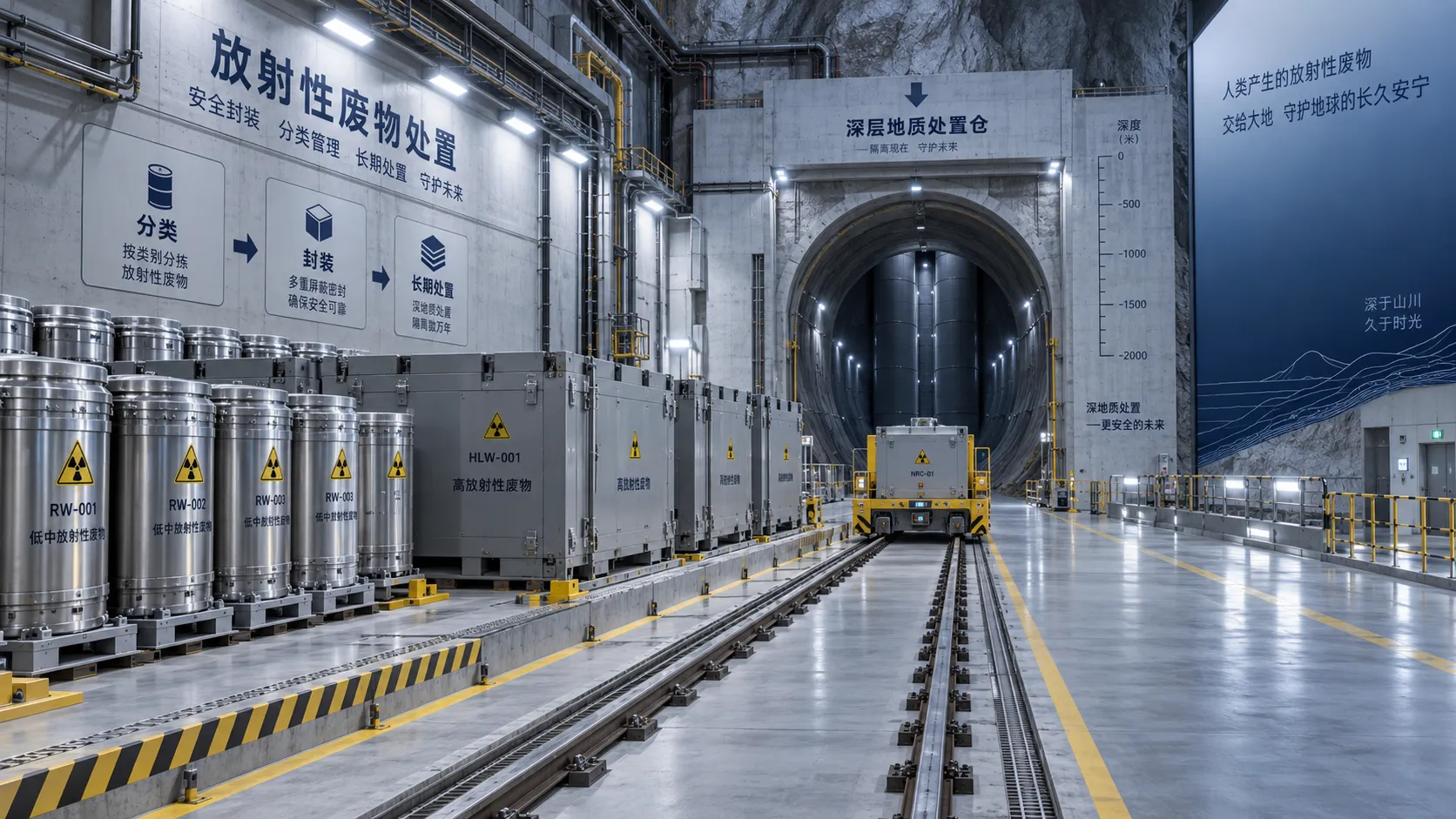
What drives radioactive waste cost over the life of a disposal project?
Radioactive waste cost depends on classification, treatment, transport, storage, disposal access, and long-term compliance. Explore the key lifecycle cost drivers.
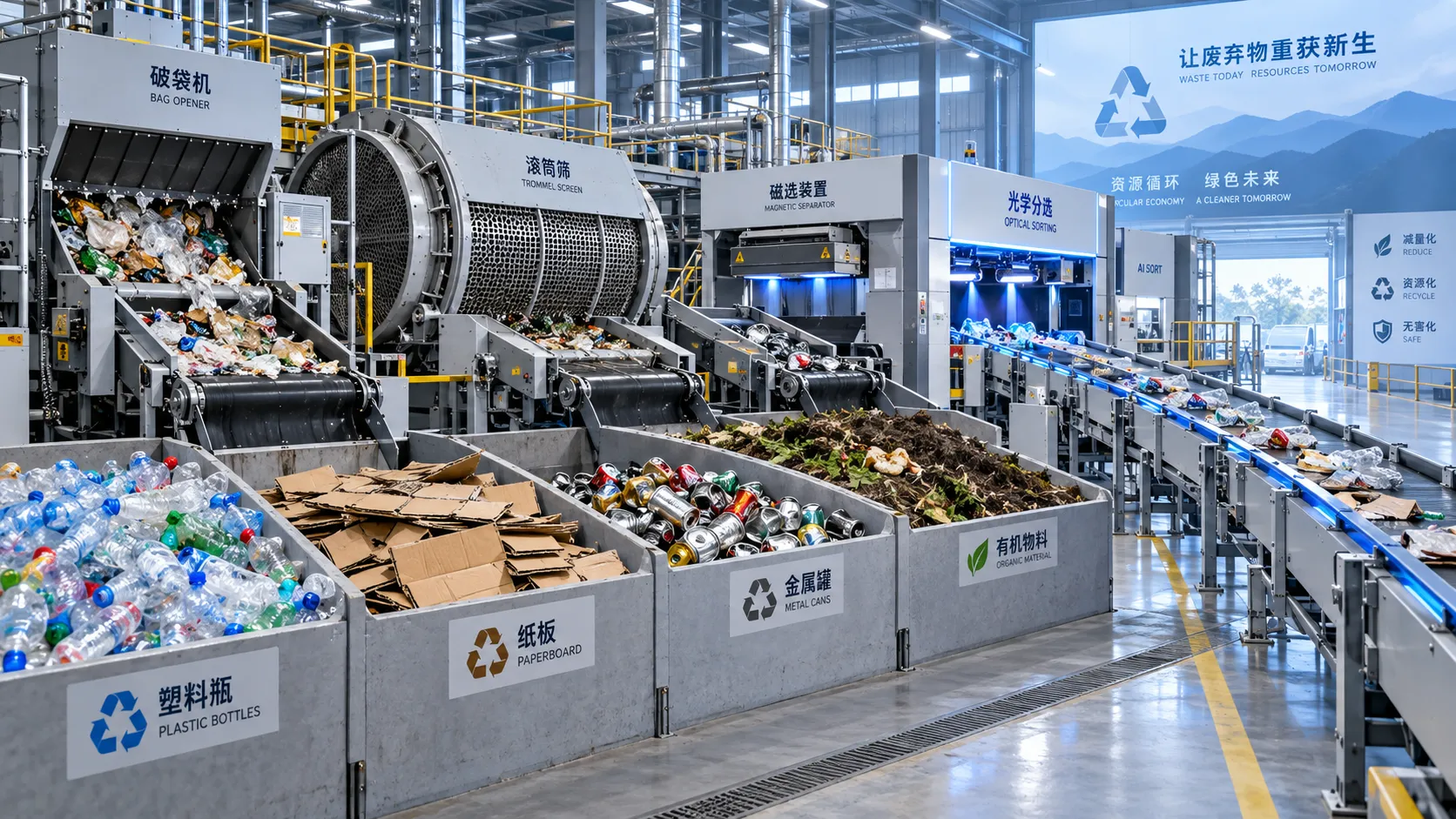
How to choose solid waste equipment based on waste stream characteristics
Environmental equipment guide for solid waste: discover how to match sorting, treatment, and recovery equipment to waste composition, moisture, contamination, and output goals.
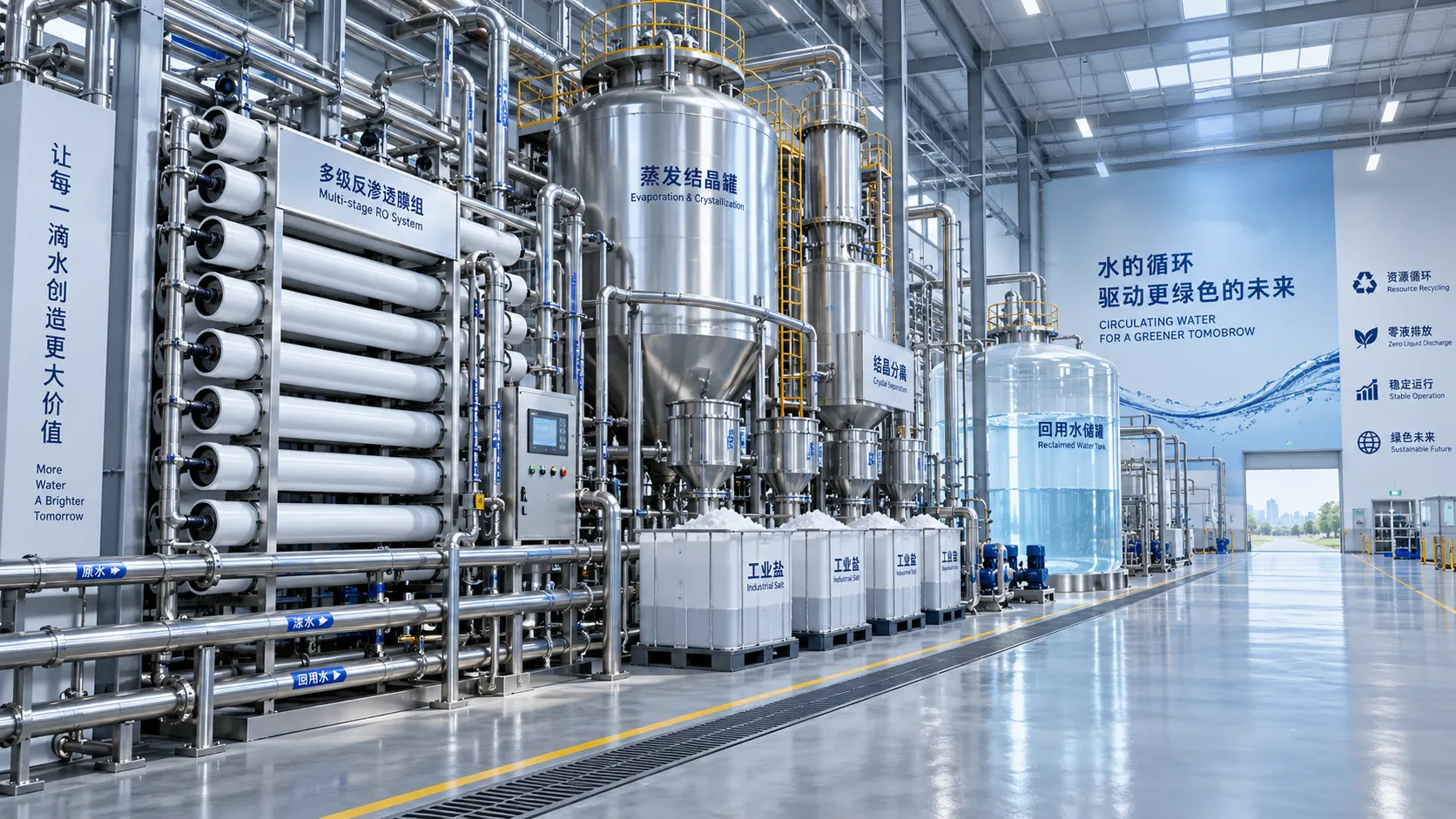
When does high recovery ZLD equipment justify its higher capital cost?
High recovery ZLD equipment can justify higher capital cost when water scarcity, discharge risks, brine disposal, and downtime threaten operations. Explore the decision factors.