
Industry News
Curation by industry experts
Hot Articles
Popular Tags
Circular Economy Business Models Gaining Ground in 2026
Circular economy business models are becoming investment logic, not sustainability language
In 2026, circular economy business models are no longer treated as side programs for ESG reporting.
They are moving into capital planning, equipment selection, and long-horizon infrastructure decisions.
That shift is especially visible in environmental systems where waste streams, water stress, and compliance costs now interact more tightly.
Across treatment plants, recovery networks, desalination assets, and hazardous waste chains, value is being redefined around retention, reuse, and traceability.
For groups tracking environmental infrastructure, the real story is not whether circularity sounds attractive.
The real story is which circular economy business models are proving bankable under tighter regulation and unstable resource pricing.
This is also where the ESD lens matters.
In water treatment, solid waste recovery, desalination, flue gas systems, and nuclear waste management, circularity is not a branding exercise.
It depends on process reliability, physicochemical performance, and the ability to satisfy increasingly strict environmental rules.
The signal is getting stronger because cost pressure now meets compliance pressure
Recent market behavior shows a practical change.
Operators are no longer asking only how to dispose, discharge, or replace.
They are asking how to recapture value from residues, brines, emissions, byproducts, and used materials.
Several forces are reinforcing each other at the same time.
What changed is not only policy language.
The economics of externalizing waste are weakening, while the economics of recirculating materials are improving.
Where circular economy business models are gaining real traction
Not every model is advancing at the same speed.
The strongest momentum is appearing where measurable flows and long-lived assets already exist.
Water systems are moving from treatment cost centers to recovery platforms
In industrial water, circular economy business models increasingly center on water reuse, chemical recovery, and ZLD-linked value capture.
The shift is important because water assets are now judged by resilience as much as compliance.
Facilities that can recycle process water and reduce freshwater dependence are gaining a planning advantage.
This pushes demand toward membranes, monitoring layers, and process controls that support repeatable closed-loop performance.
Solid waste recovery is becoming a feedstock business
Another strong area is urban mining.
AI sorting, pyrolysis, and advanced separation are helping convert mixed waste into secondary raw materials with clearer commercial pathways.
Here, circular economy business models work when output quality is consistent enough for industrial reuse.
That is why data quality and contamination control now matter almost as much as throughput.
Desalination is entering a more circular operating phase
Heavy seawater desalination has long been judged by energy intensity and water output.
In 2026, the discussion is widening.
Brine management, membrane life extension, and mineral recovery are turning into serious commercial questions.
This creates room for circular economy business models built around asset life, byproduct valorization, and lower disposal exposure.
Hazard-sensitive sectors are changing more carefully, but not standing still
Flue gas treatment and nuclear waste management move under stricter risk tolerance.
Still, circular logic is entering through catalyst regeneration, material stewardship, and long-term containment optimization.
In these sectors, circular economy business models only scale when traceability and safety margins remain uncompromised.
The winning models are tied to measurable performance
A clear pattern is emerging.
The most credible circular economy business models are not based on broad pledges.
They are structured around operational evidence.
- Product-as-a-service structures that retain equipment ownership and monetize uptime, purity, or recovery rates.
- Take-back systems for membranes, catalysts, filters, and process materials with defined regeneration pathways.
- Byproduct monetization models that convert waste outputs into sellable salts, fuels, metals, or reusable process inputs.
- Shared infrastructure platforms where recovery economics improve through regional aggregation of difficult waste streams.
- Digital traceability models that make compliance data part of the commercial offer, not just a reporting burden.
This matters for valuation because revenue quality changes.
Recurring service income, lower input dependency, and compliance defensibility can all strengthen the business case.
But only if the underlying process can be audited and repeated at scale.
The impact does not stop at one facility boundary
One reason circular economy business models are gaining ground is that their benefits travel across multiple decision layers.
They affect capex timing, opex stability, permitting confidence, and supply chain resilience at once.
From a business evaluation perspective, four impacts deserve closer attention.
- Asset planning becomes more modular because recovery, reuse, and monitoring functions are added earlier in project design.
- Risk pricing changes because discharge exposure and raw material volatility can be partially reduced through closed-loop operations.
- Supplier selection shifts toward technical partners that can document process integrity over full lifecycle periods.
- Competitive positioning improves when circular performance supports bid strength in regulated public infrastructure projects.
This is why intelligence platforms like ESD sit in a useful position.
The market is no longer comparing equipment by isolated nameplate metrics alone.
It is comparing how equipment behaves inside closed-loop systems shaped by CBAM, decarbonization, and reliability demands.
What deserves closer scrutiny before the market gets crowded
There is genuine momentum, but not every circular claim will survive technical review.
Several checkpoints help separate durable models from narrative inflation.
These checks are especially important in environmental infrastructure, where process failure has regulatory and reputational consequences.
The next phase will favor those who can connect technical depth with market timing
The direction is clear.
Circular economy business models are gaining ground because they answer several pressures at once.
They can reduce exposure to volatile inputs, strengthen compliance posture, and create new revenue logic around assets already seen as essential.
The next practical step is not to treat circularity as a universal label.
It is to map where closed-loop economics truly improve project quality.
That means tracking recovery rates, lifecycle parameters, regulatory thresholds, and end-market demand with more discipline.
For environmental sectors covered by ESD, that discipline is likely to shape the next round of equipment demand and infrastructure advantage.
A useful starting point is to compare assets and projects through three lenses: loop closure potential, compliance resilience, and monetizable recovery quality.
That approach offers a better read on where circular economy business models will keep gaining ground beyond 2026.
Recommended News
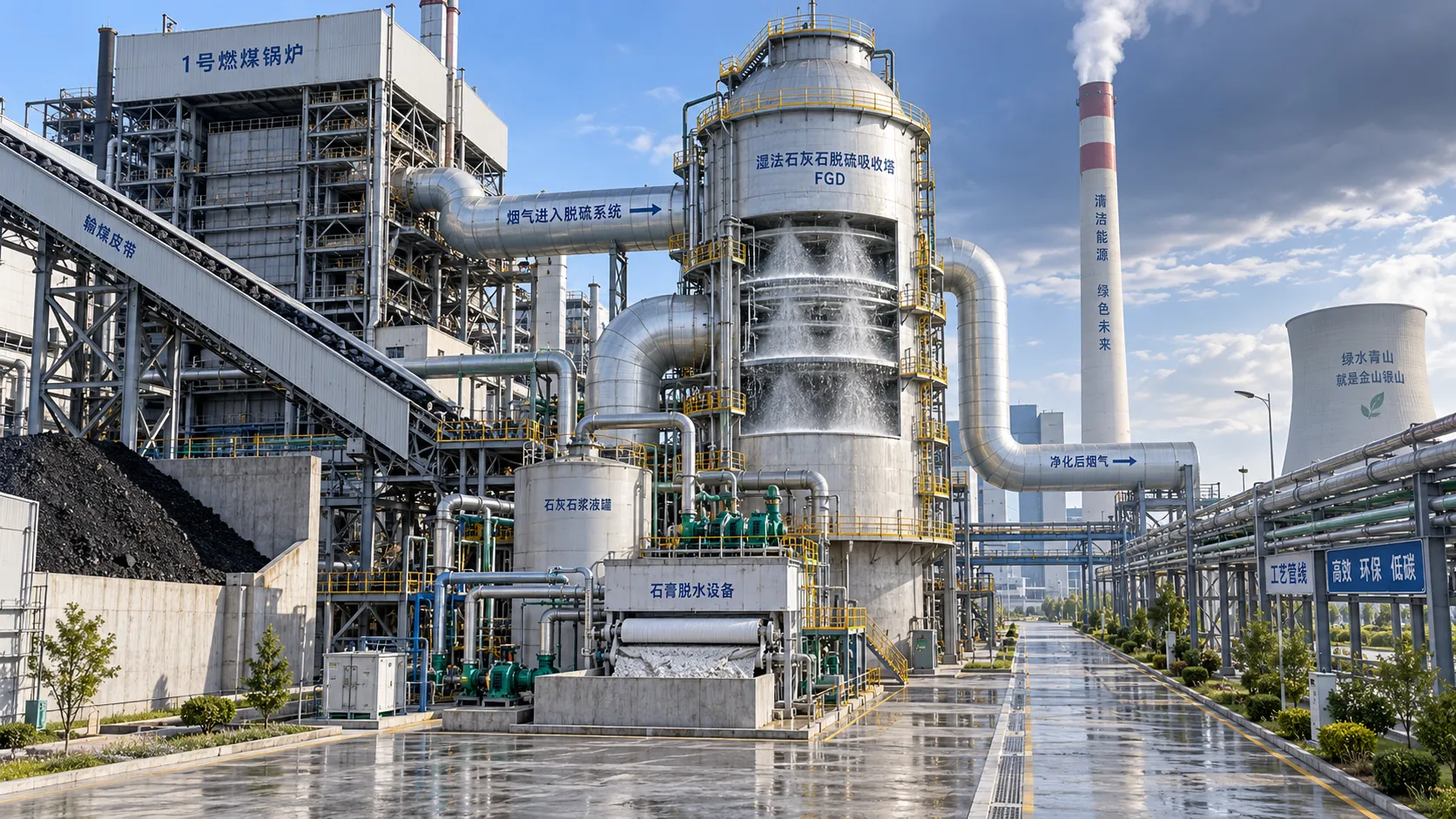
How to select FGD systems for coal boilers based on sulfur content
FGD systems for coal boilers: learn how sulfur content, fuel variability, emissions limits, water, waste, and retrofit constraints guide a compliant, cost-effective scrubber choice.
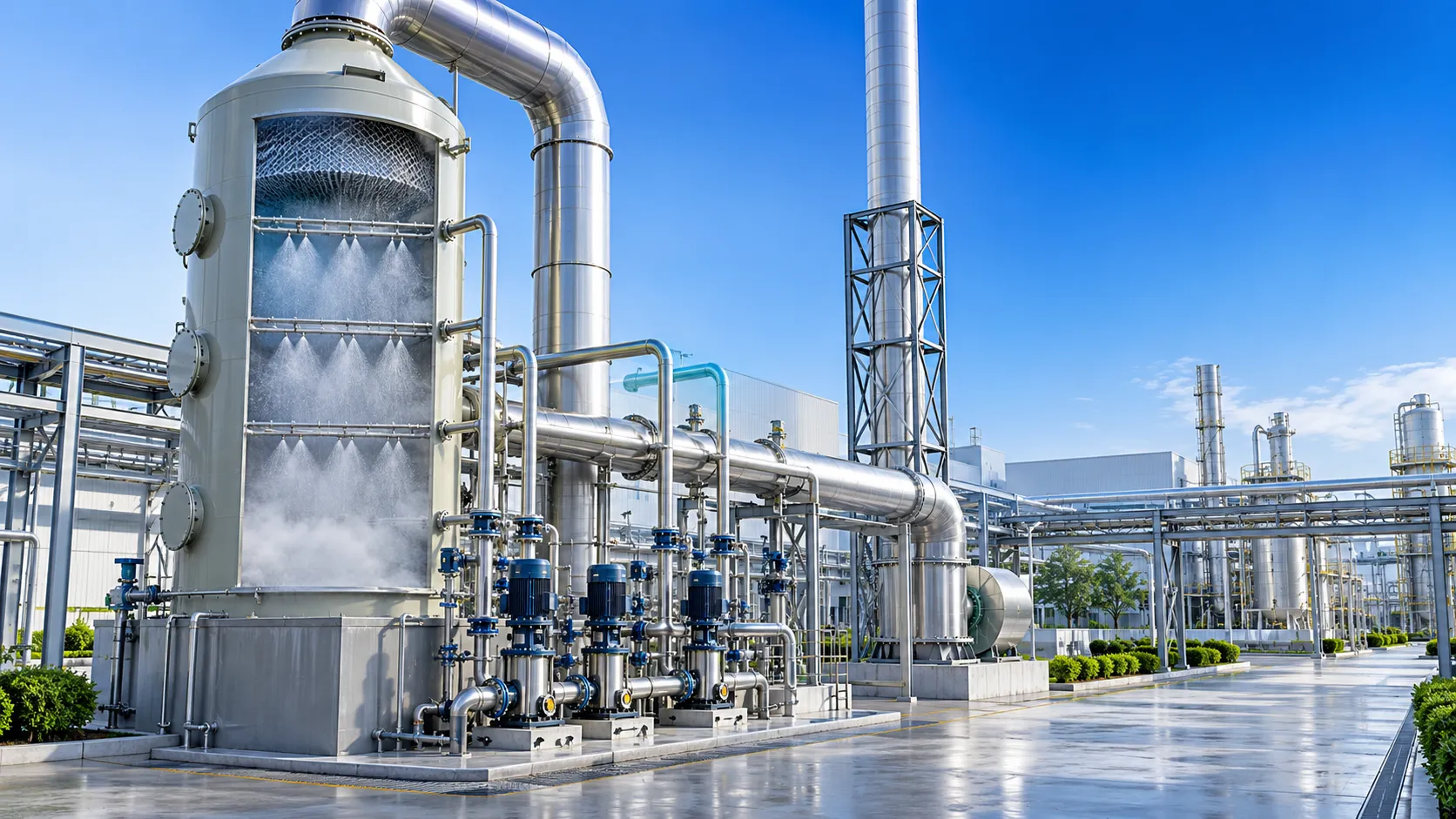
How to size a desulfurization equipment scrubber for variable gas flow
Desulfurization equipment scrubber sizing for variable gas flow: optimize SO2 removal, pressure drop, liquid-to-gas control, and compliance across every load.
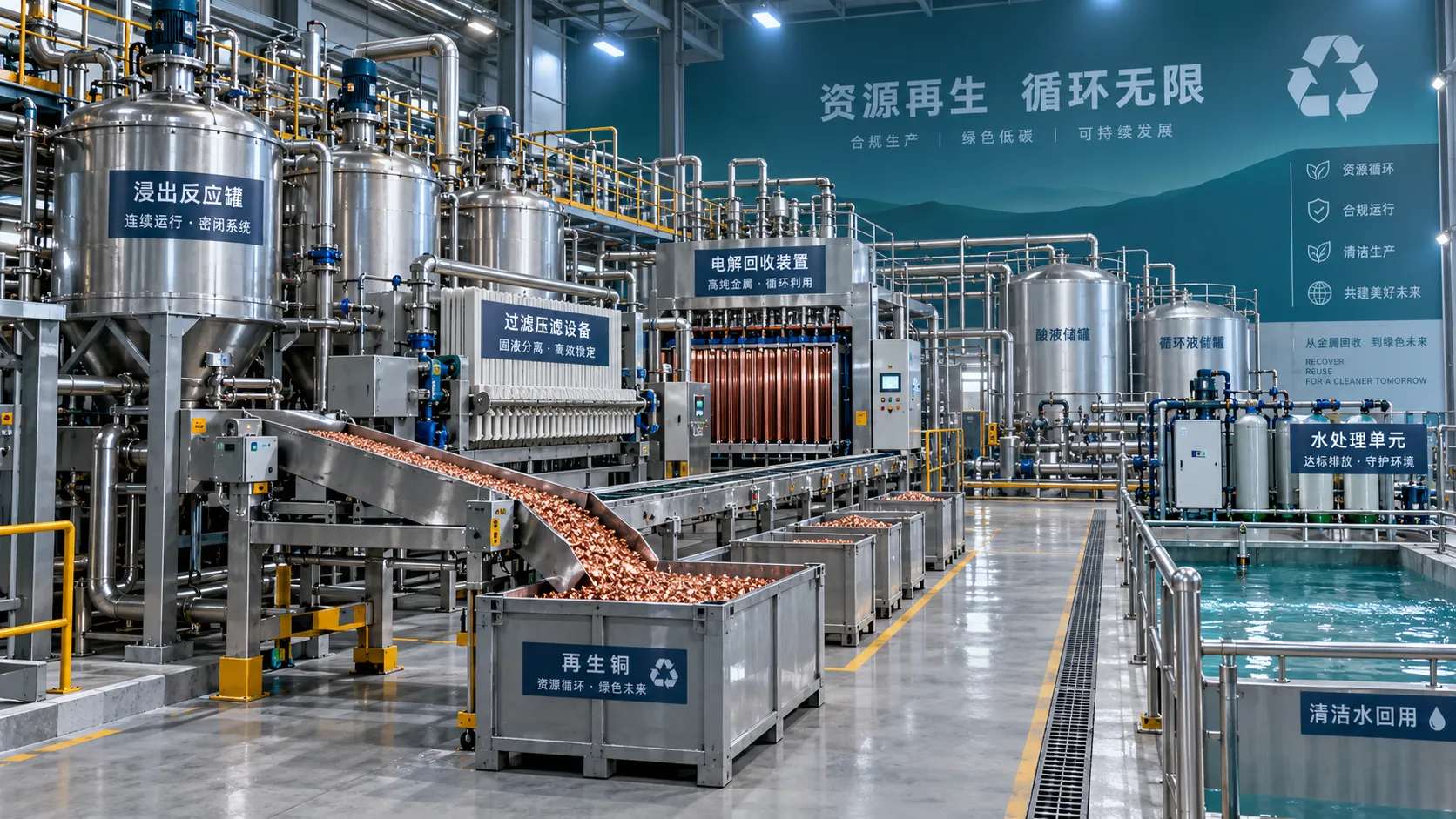
When does repeatable metals recovery infrastructure justify the investment?
Repeatable metals recovery infrastructure: discover when consistent feedstock, lower disposal costs, compliance control, and reliable offtake justify investment.
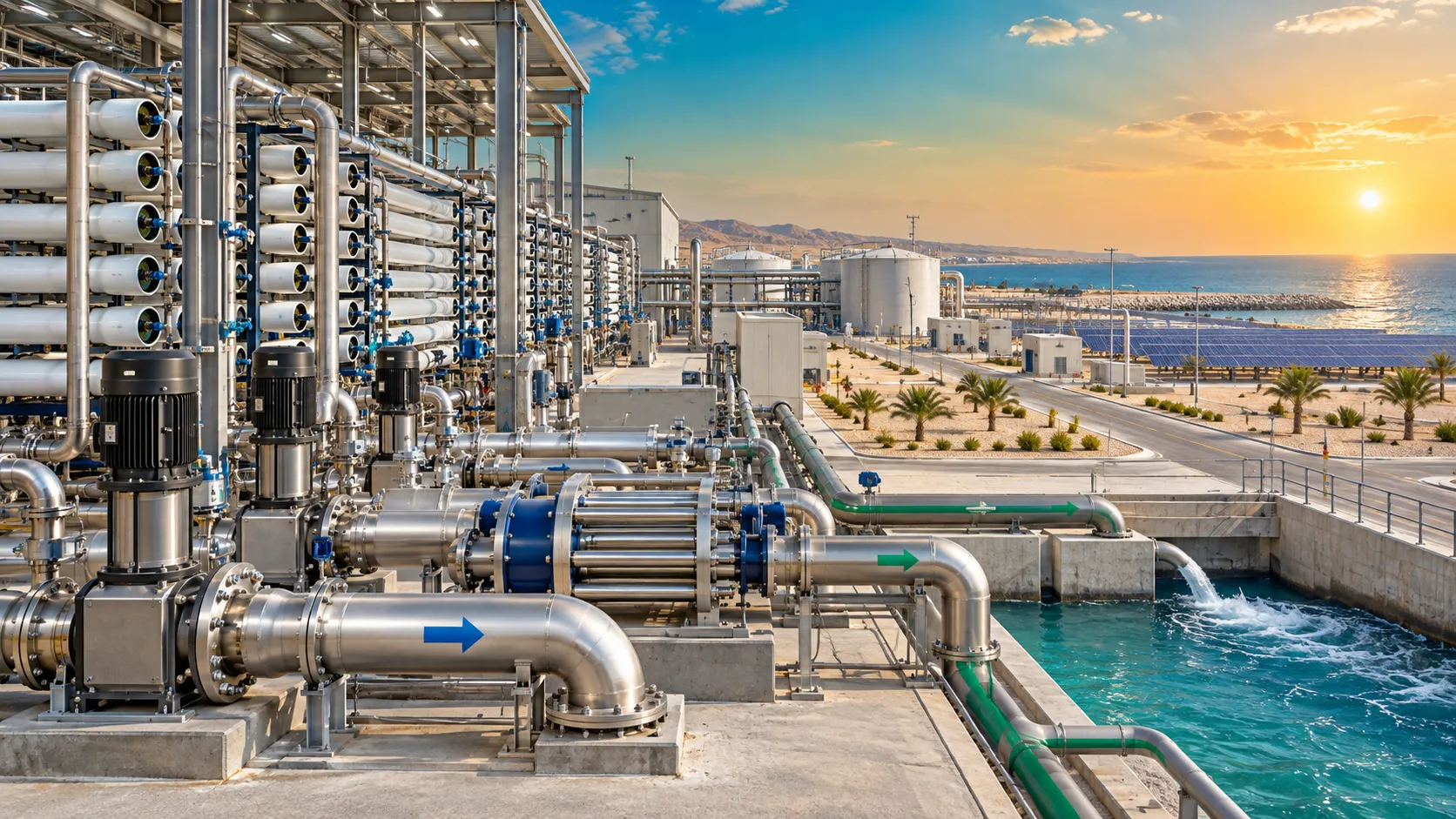
How energy recovery cuts the cost of seawater desalination in the Middle East
Seawater desalination Middle East projects can cut lifecycle costs with energy recovery. Explore savings, bankability, power-risk strategies, and smarter investment decisions.
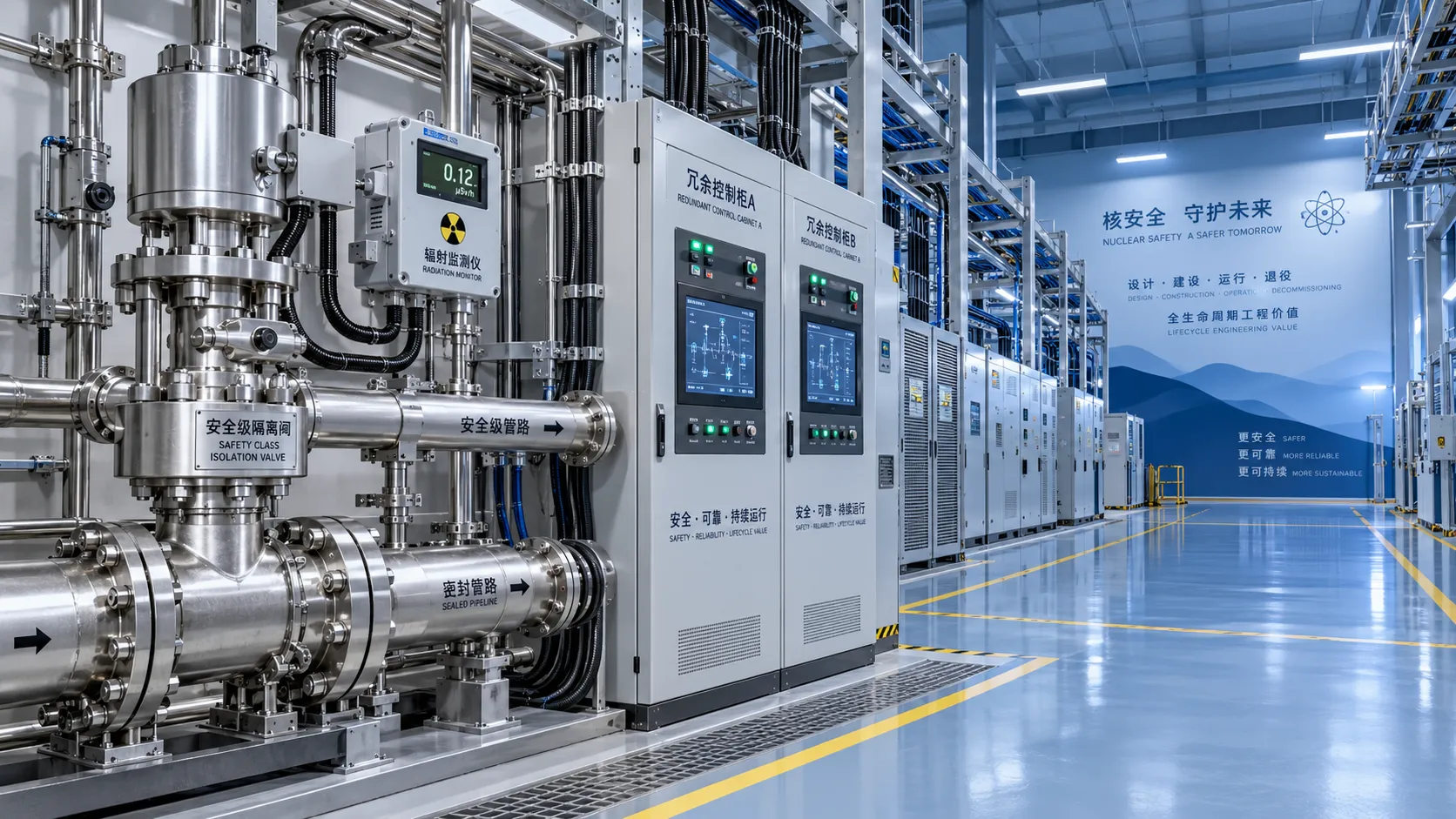
What drives nuclear safety solutions pricing for new facility projects?
Nuclear safety solutions pricing explained: uncover the key cost drivers for new facilities, from qualification and interfaces to lifecycle support.
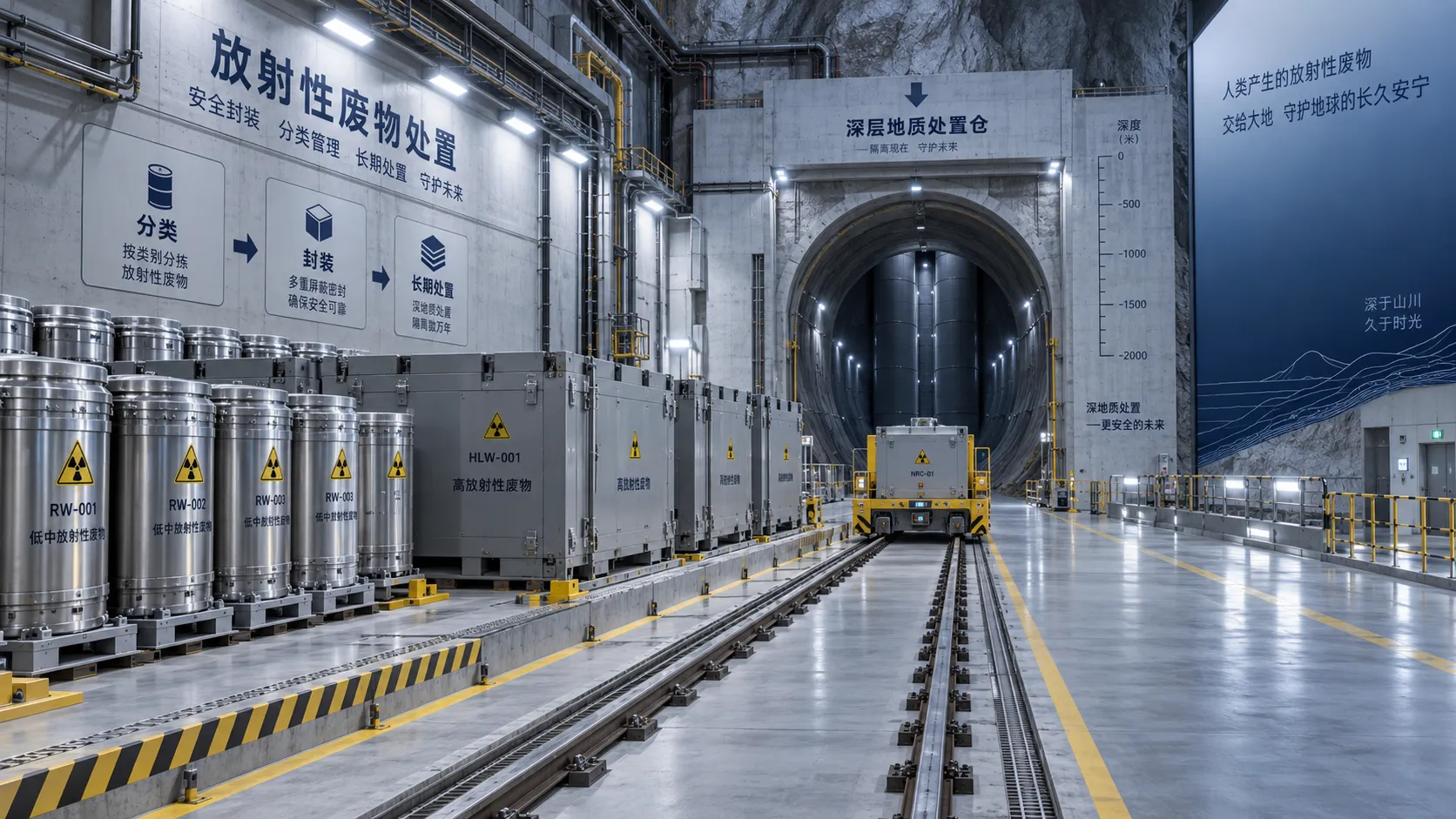
What drives radioactive waste cost over the life of a disposal project?
Radioactive waste cost depends on classification, treatment, transport, storage, disposal access, and long-term compliance. Explore the key lifecycle cost drivers.
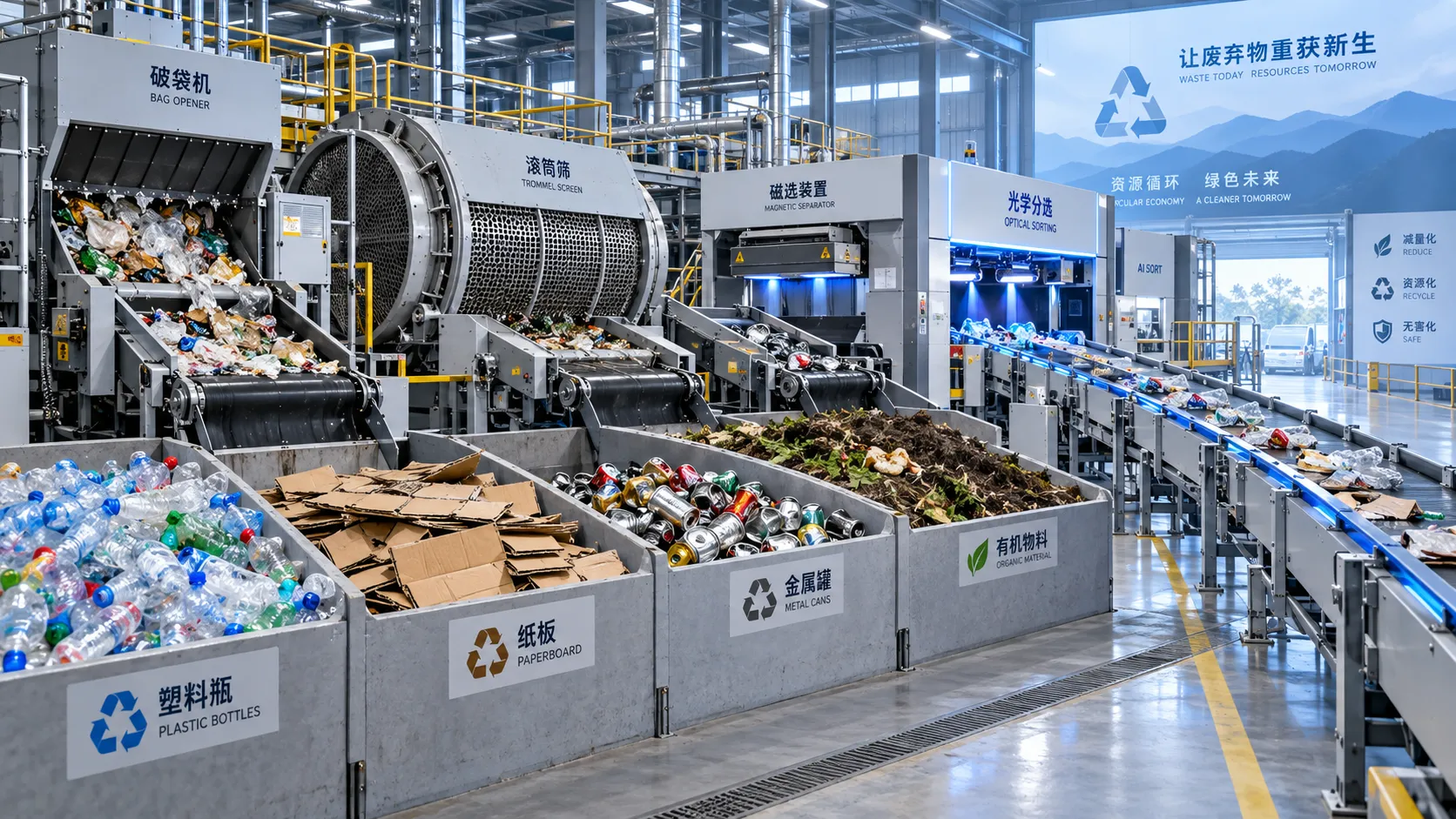
How to choose solid waste equipment based on waste stream characteristics
Environmental equipment guide for solid waste: discover how to match sorting, treatment, and recovery equipment to waste composition, moisture, contamination, and output goals.
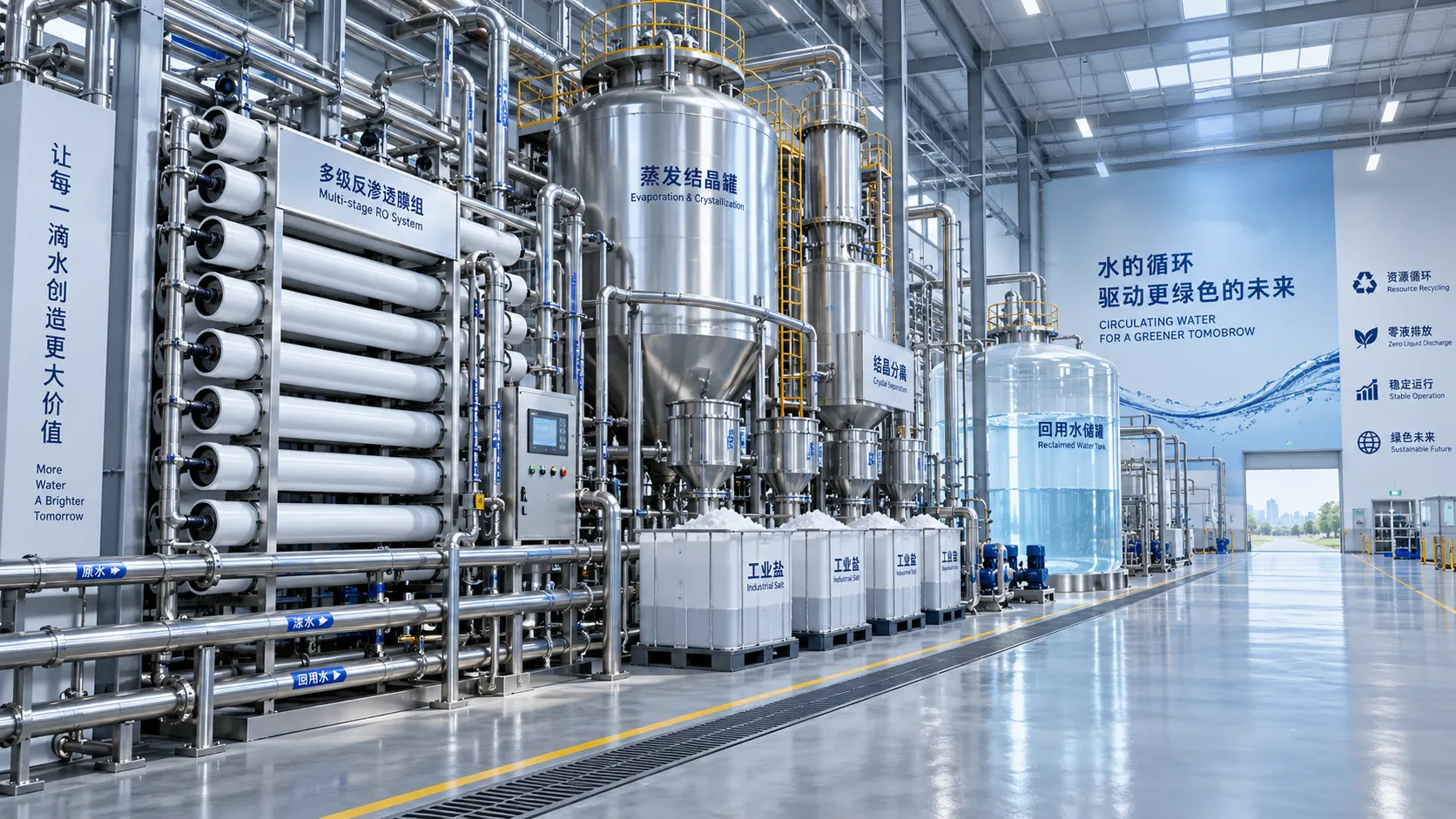
When does high recovery ZLD equipment justify its higher capital cost?
High recovery ZLD equipment can justify higher capital cost when water scarcity, discharge risks, brine disposal, and downtime threaten operations. Explore the decision factors.
How high purity heavy metal recovery affects recovered metal value
High purity heavy metal recovery boosts recovered metal value by improving payability, reducing penalties, and unlocking stronger buyer opportunities. Explore smarter netback strategies.