
Industry News
Curation by industry experts
Hot Articles
Popular Tags
How to Compare Low-Temperature Reaction Suppliers for Process Stability
Comparing a low-temperature reaction supplier is rarely a narrow purchasing exercise. In environmental processing, it affects conversion efficiency, emissions control, uptime, and compliance stability. That matters across flue gas treatment, resource recovery, desalination support systems, and other process lines where reaction windows are tight and failure costs are high.
The harder part is that stable performance at lower temperatures does not depend on one specification alone. Reaction kinetics, catalyst or reactor design, material endurance, control logic, and operating flexibility all shape the result. A credible comparison must therefore look beyond nameplate data and ask how a supplier performs under real industrial variation.
Why low-temperature reaction performance draws closer scrutiny
Low-temperature reaction systems are often selected to reduce energy demand, support retrofit constraints, or meet stricter emissions and treatment targets without major upstream heating. That commercial logic is sound, but it introduces sensitivity.
At lower operating ranges, reaction rates can fall quickly. Side reactions may become more visible. Fouling risk can rise. Small disturbances in feed composition or moisture can produce larger swings in output quality.
This is especially relevant in sectors tracked by ESD, where extreme physicochemical parameters and regulatory pressure increasingly intersect. SCR catalyst behavior in low-temperature flue gas service is one example, but the same evaluation discipline applies elsewhere.
Waste recovery lines, high-salinity treatment units, and nuclear waste conditioning support processes all depend on reaction reliability under constrained thermal conditions. In these settings, process stability is not an abstract benefit. It is an operating requirement.
What a low-temperature reaction supplier should actually be judged on
A low-temperature reaction supplier should be evaluated as a process partner, not just an equipment vendor. The real question is whether the supplier can keep reaction performance predictable when plant conditions stop being ideal.
That means comparing several layers at once. Core reaction capability matters, but so do material selection, instrumentation quality, service response, and the supplier’s understanding of process integration.
Reaction effectiveness under realistic conditions
Suppliers often present peak conversion or removal data from controlled tests. Those numbers help, but they are not enough. More useful evidence shows how the system behaves across temperature fluctuations, transient loads, and variable feed chemistry.
Ask for performance curves, not a single point. A serious low-temperature reaction supplier should show activity windows, minimum stable temperatures, response time, and tolerance to contaminants or inhibitors.
Material reliability and deactivation resistance
Low-temperature systems can be harsh in subtle ways. Condensation, acidic species, chlorides, sulfates, and particulate deposition may shorten catalyst life or damage internals. Materials that look acceptable on paper may fail faster in service.
A capable supplier should explain coating choices, substrate selection, corrosion margins, and deactivation mechanisms with clarity. If regeneration is possible, the conditions and expected recovery level should also be documented.
Control precision and operating envelope
Process stability often depends on control quality as much as chemistry. Poor sensor placement, slow feedback loops, or weak dosing logic can undermine an otherwise strong reaction system.
The better low-temperature reaction supplier will define control philosophy early. That includes temperature monitoring, feed adjustment, alarm thresholds, turndown capability, and how the system handles startup, shutdown, and upset recovery.
Where comparisons usually fail
Many evaluations become distorted because the comparison basis is too narrow. Price, delivery time, and catalog efficiency are visible. Stability risks are less visible, so they get underweighted until the plant starts operating.
Another common problem is treating all low-temperature applications as technically similar. They are not. A supplier that performs well in one flue gas profile may struggle with a different sulfur load, ash characteristic, or moisture regime.
The same mismatch appears in water and waste systems. Feed contaminants, scaling tendency, solids content, and cleaning frequency can change reaction stability more than reactor size alone.
How process context changes the supplier ranking
The best low-temperature reaction supplier for one project may be a poor fit for another. Supplier ranking should therefore reflect process context, not brand familiarity.
In flue gas treatment, the focus may be low-temperature denitrification efficiency, sulfur tolerance, and pressure drop stability. In solid waste recovery, volatile feed patterns and fouling resilience may carry more weight.
For desalination-linked systems, reliability under corrosive environments and limited maintenance windows often dominates. In nuclear-support applications, traceability, documentation depth, and conservative design margins may outweigh aggressive efficiency claims.
ESD’s sector lens is useful here because it connects reaction behavior to broader operational consequences. A reaction problem is rarely isolated. It can affect discharge limits, energy use, recovery efficiency, or long-cycle asset integrity.
Questions that reveal supplier quality quickly
Well-structured questions often separate polished sales language from real technical depth. The goal is not to create a longer questionnaire. It is to expose how the supplier thinks about failure modes and field conditions.
- What temperature range defines stable operation, and what evidence supports it?
- Which feed contaminants reduce performance most sharply?
- How does the system respond during low-load, cold-start, or cycling conditions?
- What are the expected deactivation or fouling mechanisms over time?
- Which online measurements are essential for stable control?
- What maintenance interval assumptions are embedded in the design?
- Which reference projects match this duty most closely?
A strong low-temperature reaction supplier answers these questions with limits, ranges, and operating conditions. A weak one stays abstract or redirects attention to general reputation.
Reading field evidence with more discipline
Reference projects matter, but they should be interpreted carefully. Similar industry labels do not guarantee similar operating conditions. A municipal sludge line and a hazardous residue recovery line may both involve low-temperature reactions, yet behave very differently.
Useful field evidence includes runtime stability, cleaning frequency, catalyst replacement intervals, deviation events, and actual outlet consistency. Those details reveal far more than a project count.
When possible, compare reference cases using a common grid. That makes tradeoffs visible and reduces bias toward presentation quality.
A practical way to build a comparison framework
A disciplined comparison framework keeps evaluation grounded. It also helps align technical, compliance, and commercial priorities before final negotiation begins.
One useful method is to score suppliers across four weighted groups: reaction performance, durability, controllability, and reference credibility. Weighting should reflect the real cost of instability in the target process.
For example, if emissions noncompliance carries major penalty exposure, proven low-temperature conversion stability should outweigh modest capital savings. If maintenance access is difficult, lifecycle robustness deserves a higher score.
This is where a low-temperature reaction supplier becomes easier to compare fairly. The decision shifts from broad impressions to evidence linked with operating consequence.
What to do before narrowing the shortlist
Before reducing the field, define the actual reaction duty in tighter terms. Capture temperature range, feed variability, contaminant profile, control constraints, maintenance limits, and compliance thresholds.
Then request comparable data packages from each low-temperature reaction supplier. Keep the format consistent. Ask for design assumptions, field references, and boundary conditions behind every performance claim.
That step usually changes the ranking. Suppliers with persuasive general materials may weaken when asked to map performance to exact operating conditions. Others become stronger because their evidence is narrower but more credible.
For organizations following ESD’s intelligence-driven approach, the next move is straightforward: connect supplier claims with process risk, regulatory exposure, and lifecycle economics. That makes the final comparison sharper, calmer, and far more useful in practice.
Recommended News
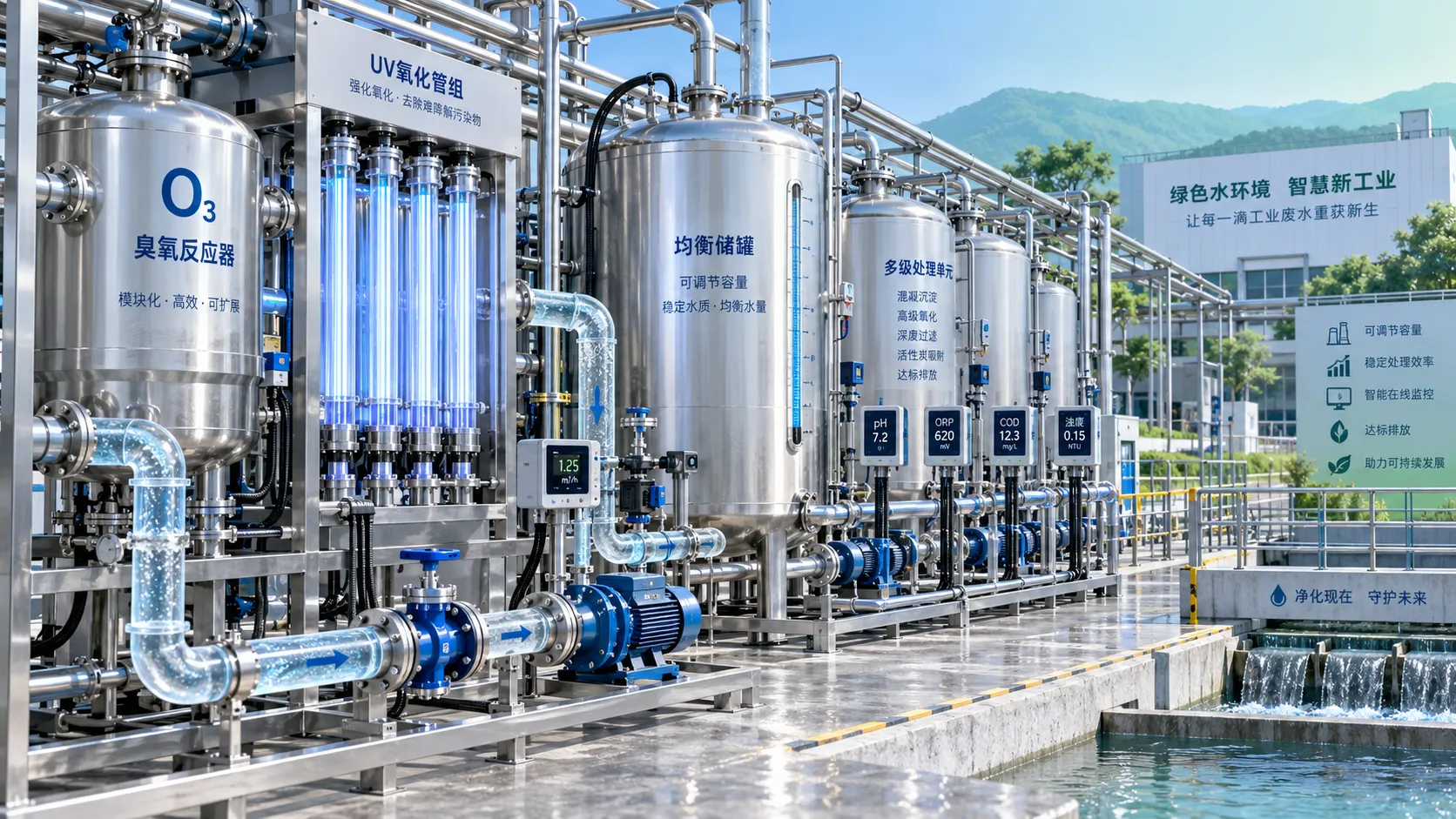
How to size advanced oxidation equipment for variable wastewater loads
Advanced oxidation equipment guide for sizing AOP systems under variable wastewater loads, improving compliance, efficiency, and lifecycle cost control.
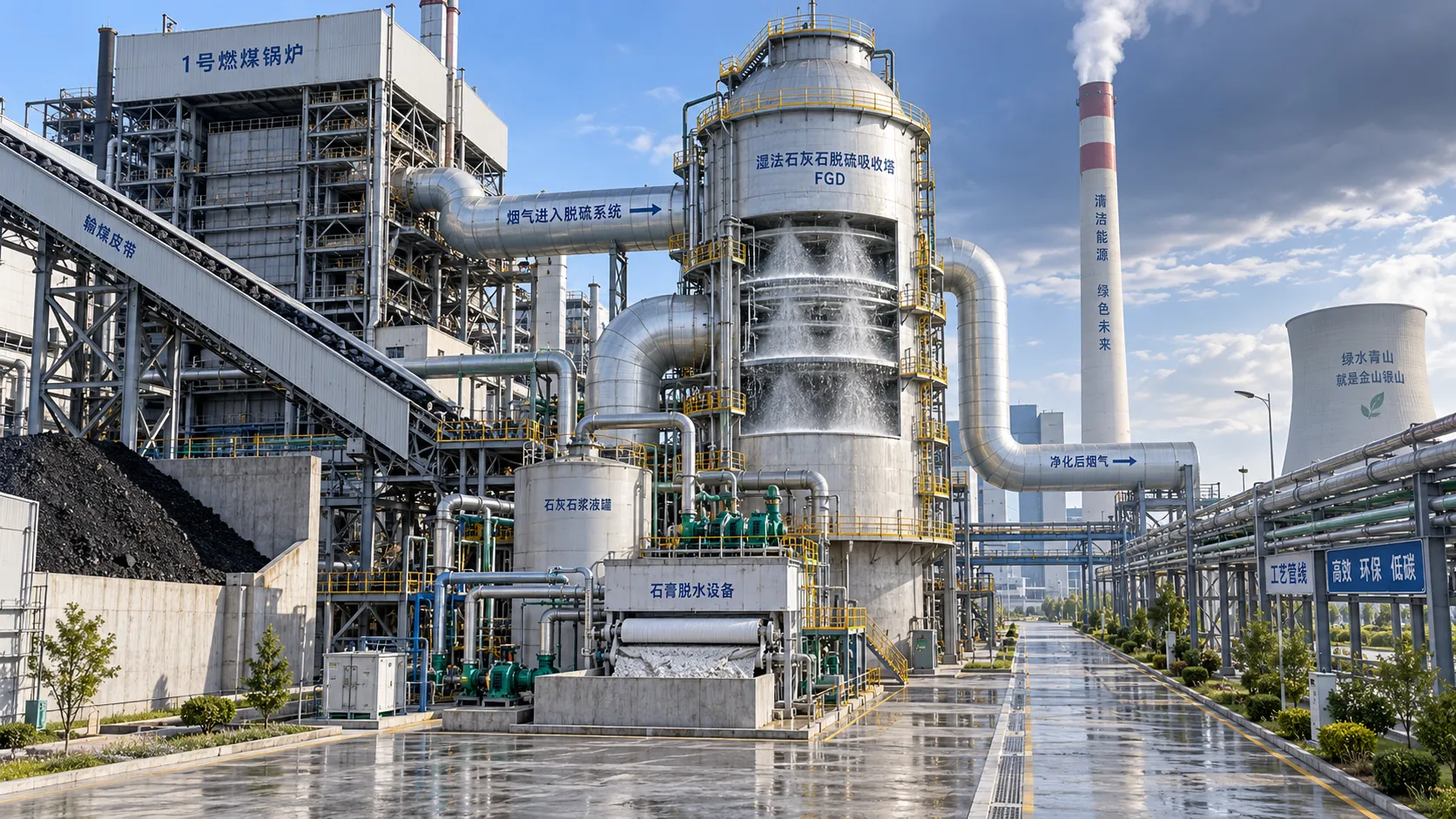
How to select FGD systems for coal boilers based on sulfur content
FGD systems for coal boilers: learn how sulfur content, fuel variability, emissions limits, water, waste, and retrofit constraints guide a compliant, cost-effective scrubber choice.
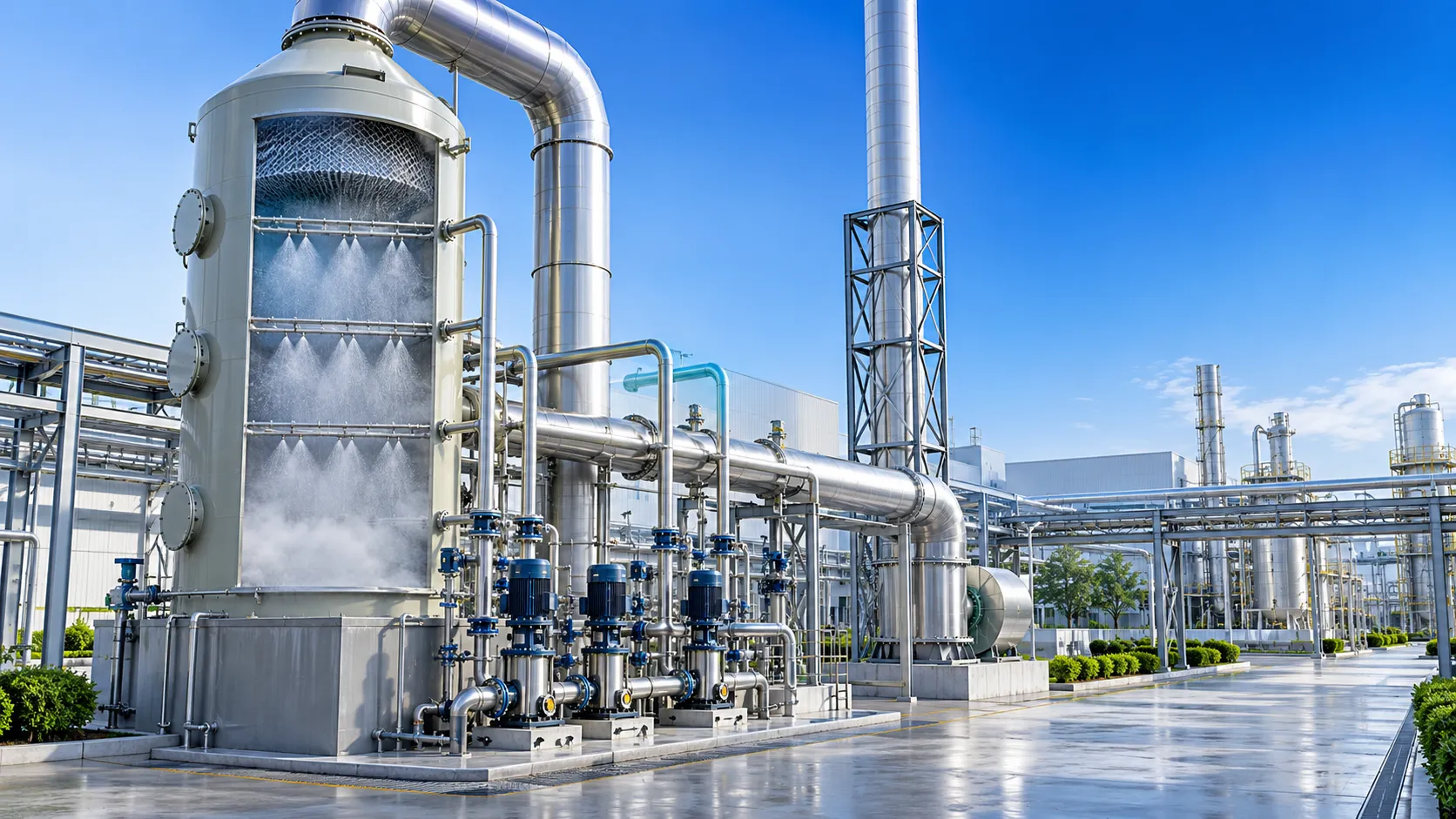
How to size a desulfurization equipment scrubber for variable gas flow
Desulfurization equipment scrubber sizing for variable gas flow: optimize SO2 removal, pressure drop, liquid-to-gas control, and compliance across every load.
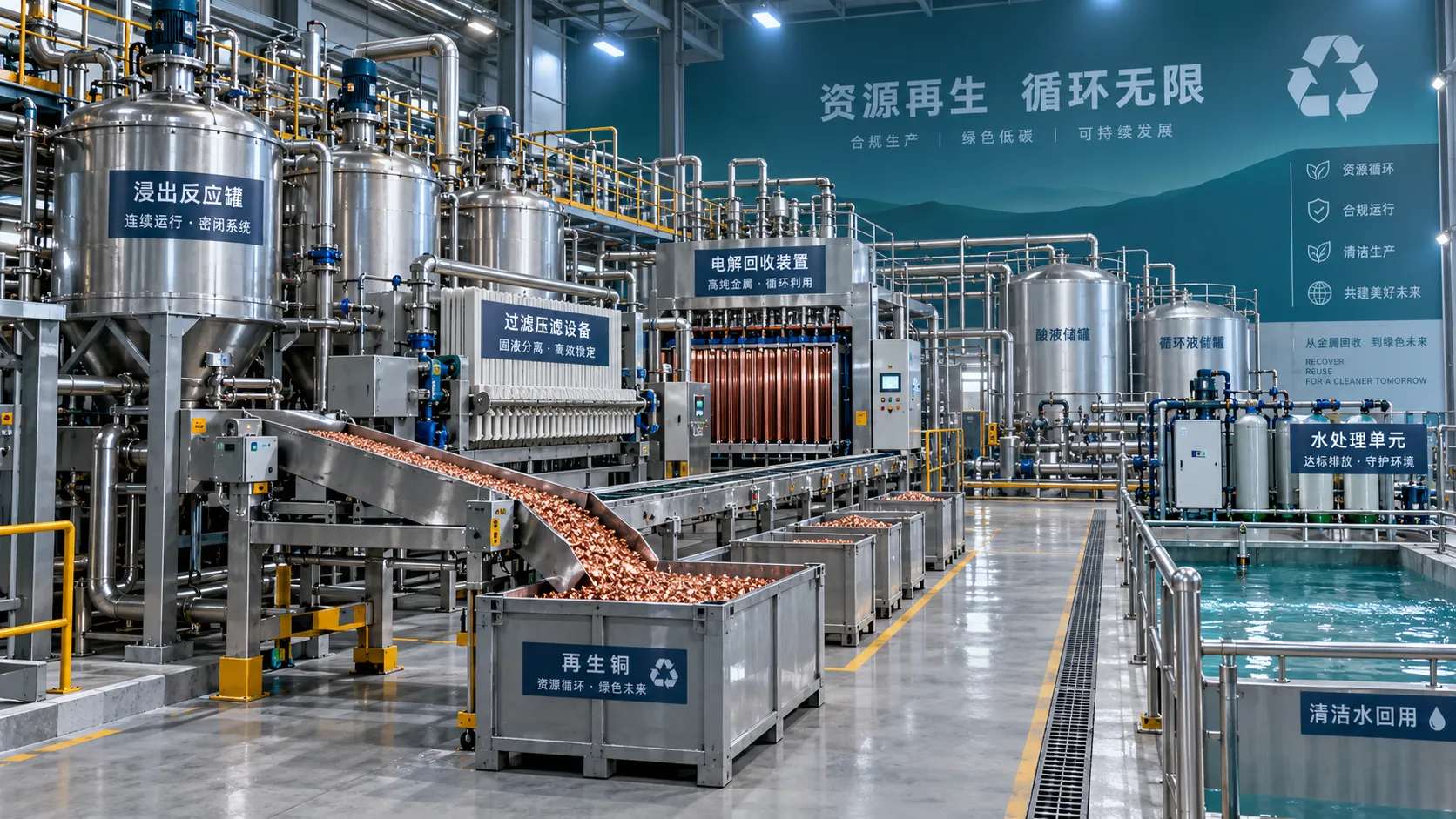
When does repeatable metals recovery infrastructure justify the investment?
Repeatable metals recovery infrastructure: discover when consistent feedstock, lower disposal costs, compliance control, and reliable offtake justify investment.
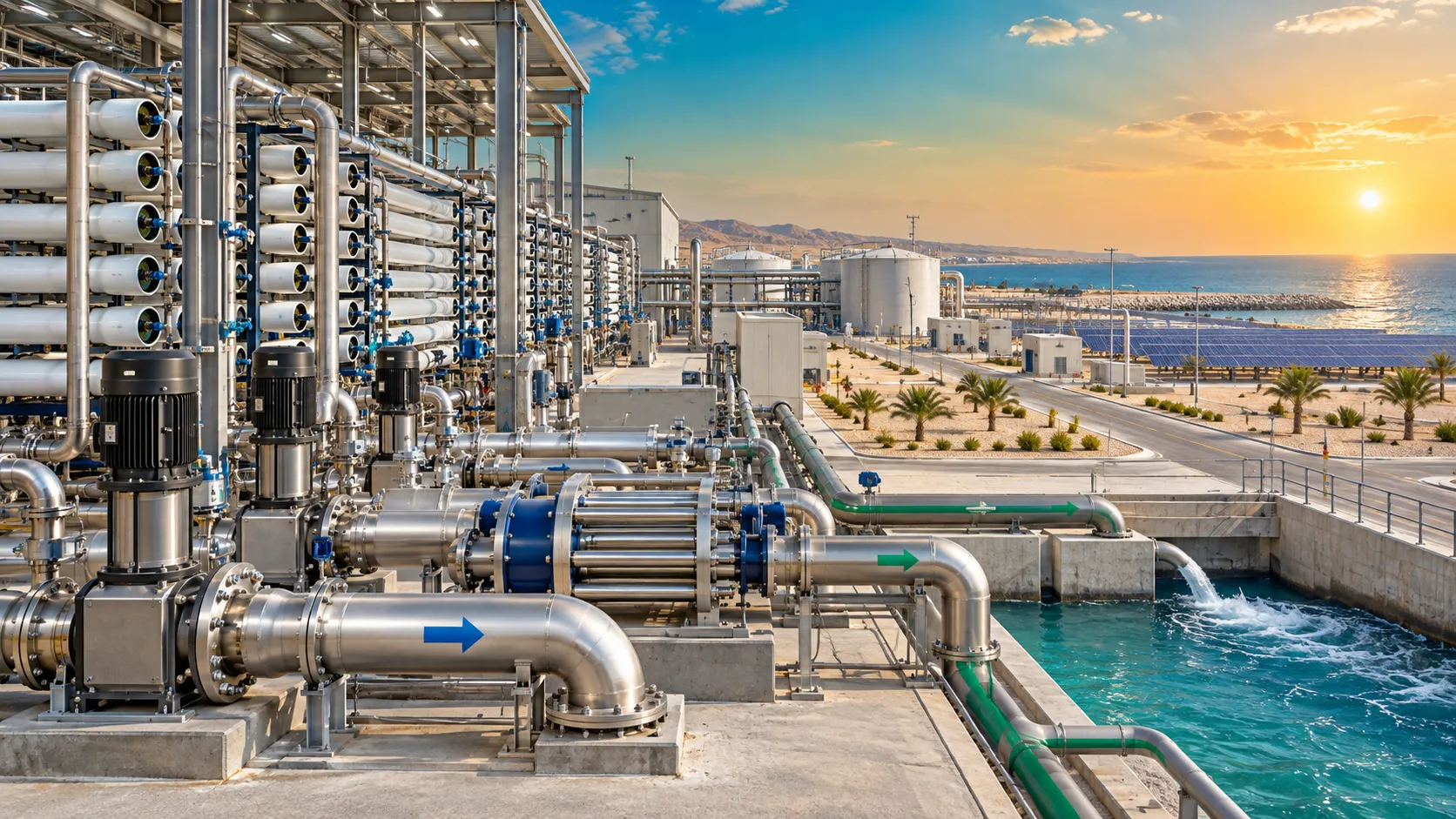
How energy recovery cuts the cost of seawater desalination in the Middle East
Seawater desalination Middle East projects can cut lifecycle costs with energy recovery. Explore savings, bankability, power-risk strategies, and smarter investment decisions.
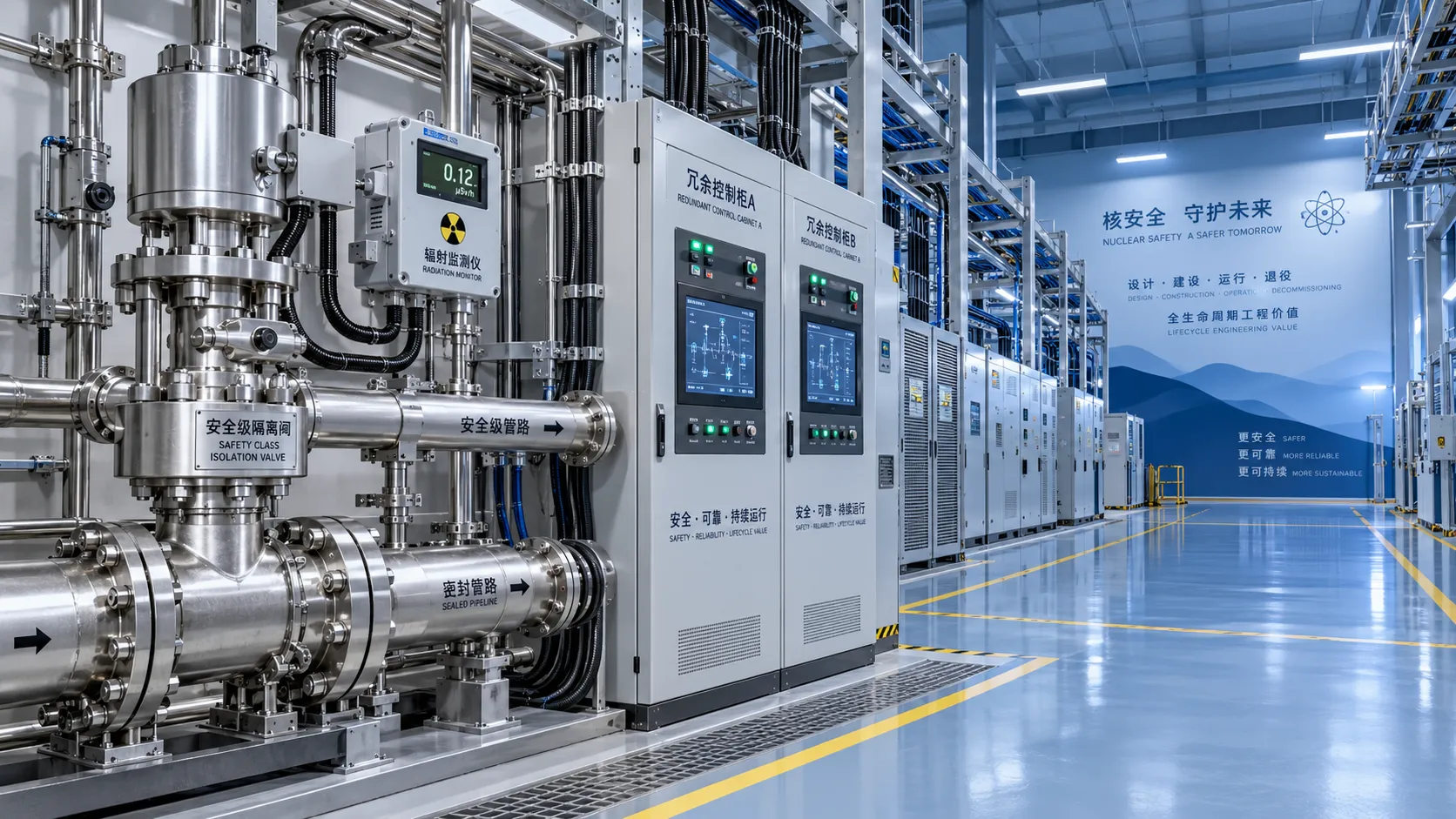
What drives nuclear safety solutions pricing for new facility projects?
Nuclear safety solutions pricing explained: uncover the key cost drivers for new facilities, from qualification and interfaces to lifecycle support.
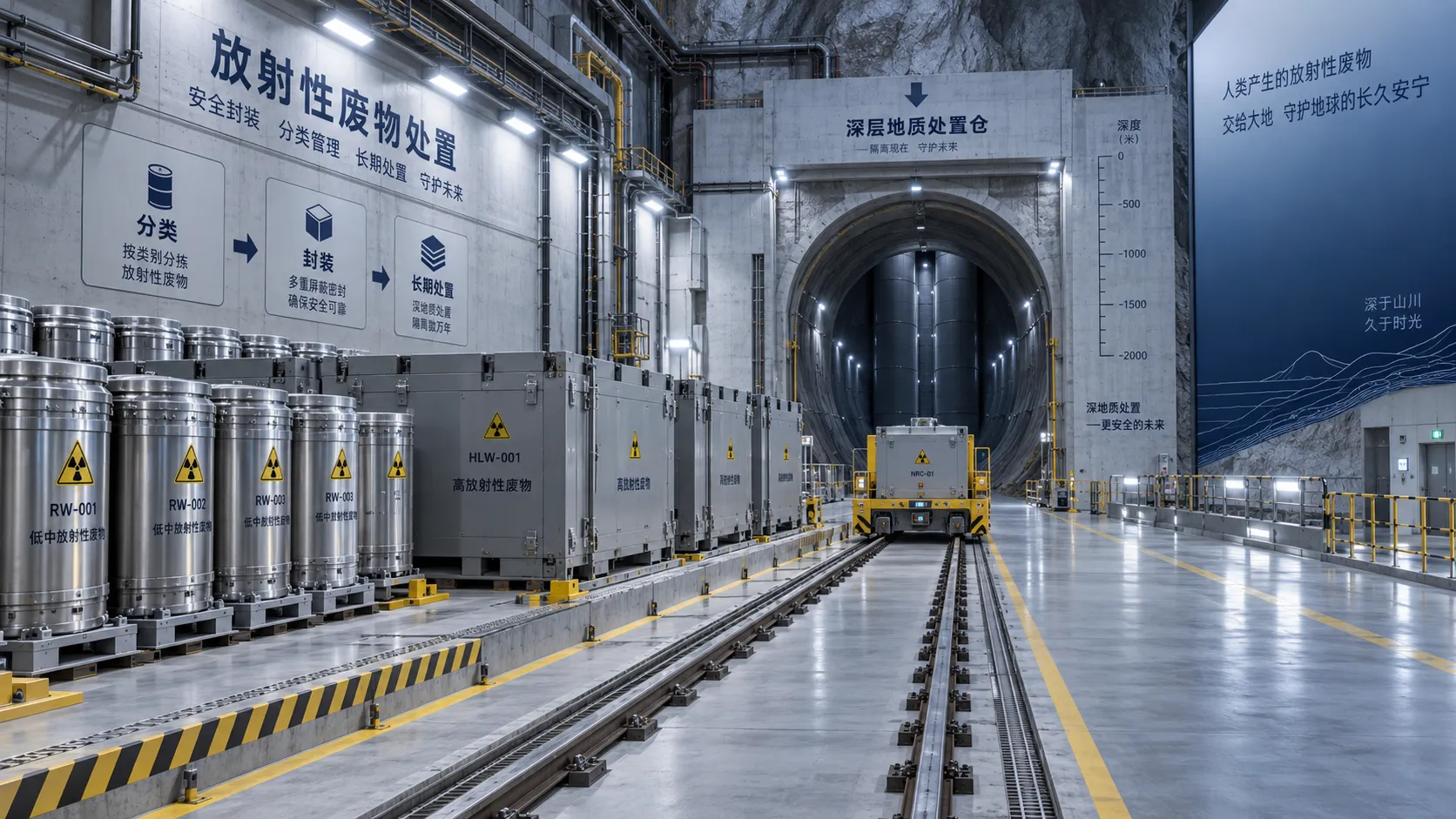
What drives radioactive waste cost over the life of a disposal project?
Radioactive waste cost depends on classification, treatment, transport, storage, disposal access, and long-term compliance. Explore the key lifecycle cost drivers.
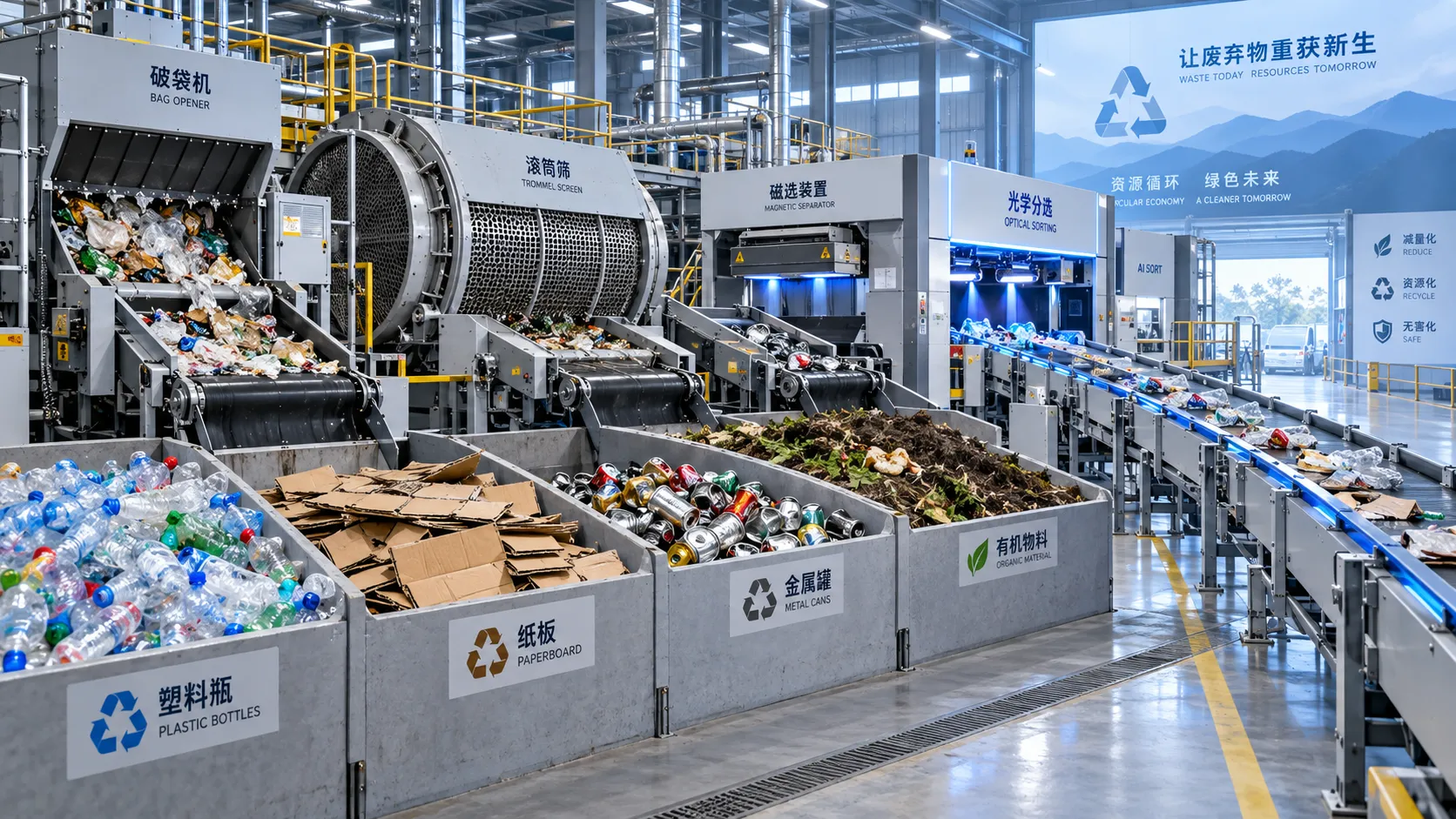
How to choose solid waste equipment based on waste stream characteristics
Environmental equipment guide for solid waste: discover how to match sorting, treatment, and recovery equipment to waste composition, moisture, contamination, and output goals.
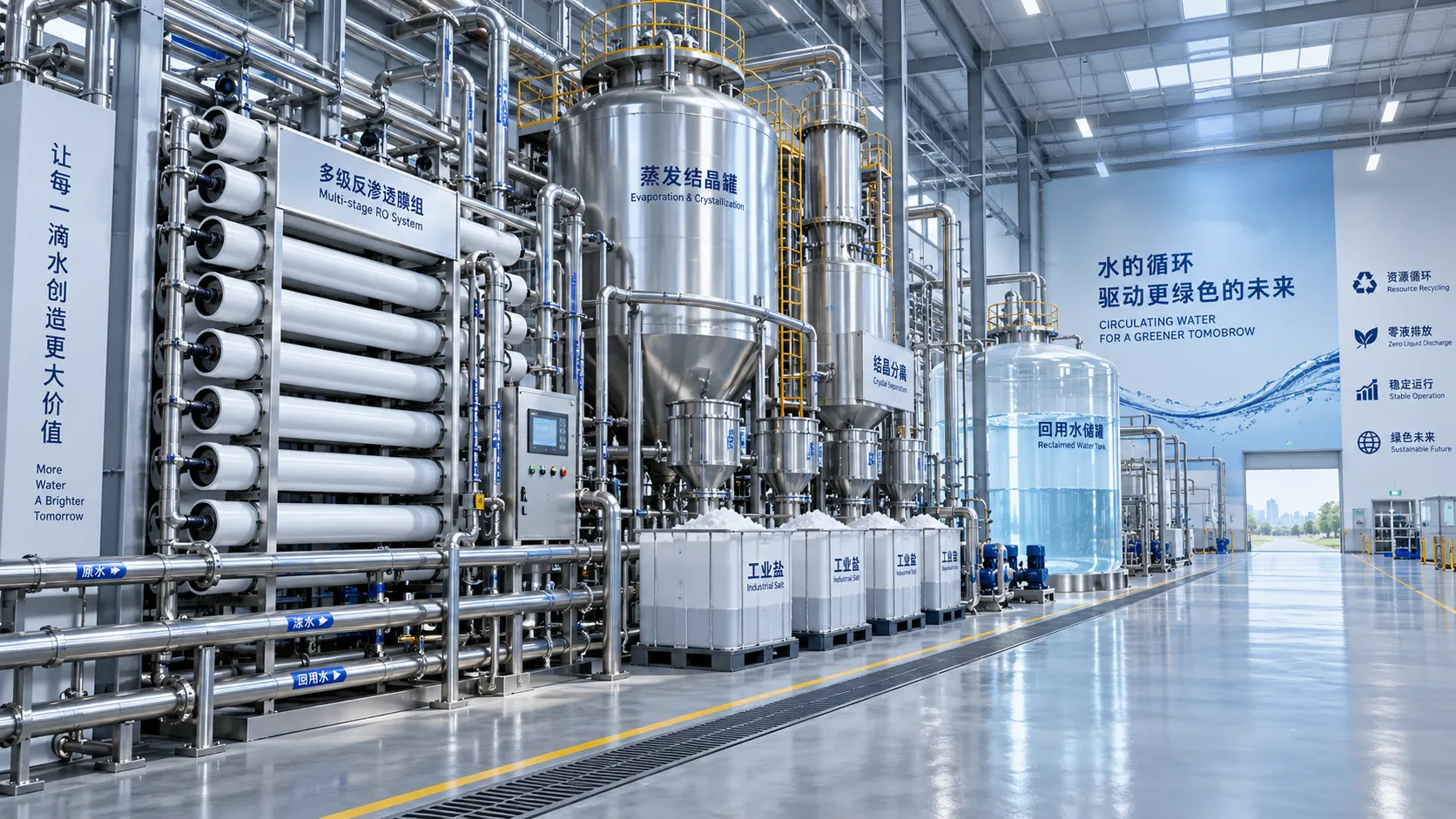
When does high recovery ZLD equipment justify its higher capital cost?
High recovery ZLD equipment can justify higher capital cost when water scarcity, discharge risks, brine disposal, and downtime threaten operations. Explore the decision factors.