
Industry News
Curation by industry experts
Hot Articles
Popular Tags
How to Compare Air Pollution Control for Industry by Emission Type
Choosing air pollution control for industry is rarely a matter of picking the most efficient unit on paper. The better comparison starts with the emission itself: what is leaving the process, in what concentration, at what temperature, and under which compliance pressure. When source conditions are mapped correctly, technology choices become clearer, operating risk falls, and lifecycle cost estimates become far more credible.
That logic matters across heavy industry, utilities, resource recovery, desalination, and other complex facilities where gas streams are rarely simple. It also explains why intelligence-led platforms such as ESD place flue gas treatment alongside water purification, waste recovery, and nuclear safety. In practice, these systems are connected by the same requirement: precise control of difficult contaminants under tightening environmental rules.
Why emission type is the right starting point
Many industrial sites emit more than one pollutant, but not all pollutants behave in the same way. Particulates can often be separated physically. Acid gases need chemical neutralization. NOx frequently requires catalytic or combustion-stage control. VOCs may demand oxidation, adsorption, or recovery, depending on composition and value.
This is why comparing air pollution control for industry by equipment category alone can mislead a project team. A baghouse, scrubber, SCR reactor, and thermal oxidizer solve different problems. Even when two systems target the same pollutant, their suitability can change sharply with moisture, load swings, corrosiveness, or dust burden.
A useful comparison begins with a source-specific profile. That profile should describe pollutant species, concentration range, volumetric flow, oxygen content, temperature window, particulate size distribution, moisture, and upset conditions.
The pollutants that shape most decisions
In most industrial assessments, five emission groups drive the first round of technology screening. Each group creates a different decision path for air pollution control for industry.
The table is only a first filter. Real projects often involve mixed streams, such as particulate plus SOx, or VOCs plus halogenated compounds. That is where sequencing becomes as important as technology choice.
How process conditions change the answer
Two systems with similar nominal efficiency can behave very differently on the plant floor. Temperature is one of the biggest reasons. SCR performance depends on catalyst activity within a workable range. Bag filters face material limits. Wet systems may cool the gas, which affects downstream plume behavior or energy recovery.
Moisture also changes the evaluation. A humid stream can blind filters, trigger condensation, or accelerate corrosion. For VOC control, moisture may reduce adsorption efficiency. For acid gas scrubbing, it may be part of the treatment mechanism.
Load variation deserves equal attention. Stable base-load plants can justify finely tuned catalytic systems. Processes with frequent startups, shutdowns, or batch peaks often need more forgiving designs, larger safety margins, or hybrid configurations.
Questions that separate robust options from weak ones
- Does the system maintain removal performance during peak pollutant spikes?
- Can it tolerate sticky dust, chlorides, or sulfur-driven corrosion?
- What happens during low-load operation or seasonal temperature shifts?
- How sensitive is performance to reagent quality and operator discipline?
- Is continuous emissions monitoring required for proof of compliance?
Comparing common control paths by emission type
Particulates
For dust-heavy processes, collection efficiency is only part of the story. Particle size, abrasiveness, explosivity, and resistivity can shift the balance between baghouses, ESPs, cyclones, and wet scrubbers. Fine particulate control may favor fabric filtration. Very hot or high-volume streams may support other paths.
In resource recovery and waste handling, dust composition often changes with feedstock. That variability should be treated as a design input, not an exception case.
SOx and other acid gases
Wet FGD remains a strong choice where high sulfur loads and deep removal are required. Dry and semi-dry methods can be attractive where water use, footprint, or wastewater generation must be constrained. In integrated environmental planning, this tradeoff matters because gas cleaning can shift burden into liquid or solid residues.
That system-level view is increasingly important. ESD’s broader coverage of water treatment and closed-loop resource logic reflects a practical truth: the best air pollution control for industry cannot be judged in isolation when scrubbing chemistry creates purge streams, gypsum, or spent sorbent.
NOx
NOx control usually starts upstream with combustion design, then moves downstream if limits are tighter. Low-NOx burners reduce formation. SNCR offers lower capital cost but narrower performance control. SCR delivers deeper reduction, though catalyst life, poisoning risk, and low-temperature kinetics must be examined carefully.
For facilities facing future rule tightening, comparing only current permit compliance can be shortsighted. The upgrade path matters.
VOCs and hazardous gases
VOC control turns heavily on concentration and recoverability. High-value solvents may justify recovery. Dilute and variable streams often point toward thermal oxidation, especially regenerative designs. Catalytic options reduce fuel demand but may struggle with poisons, particulates, or halogenated compounds.
Hazardous gases require an added layer of scrutiny around materials compatibility, occupational safety, emergency response, and analyzer reliability. Efficiency claims mean little without stable containment and defensible monitoring.
Where cost comparisons often go wrong
Capital cost is visible early, so it often dominates discussions. Yet air pollution control for industry is frequently won or lost in operating realities: fan power, reagent consumption, water balance, catalyst replacement, maintenance access, waste disposal, and unplanned downtime.
A low-cost unit that misses compliance during transient operation can become the expensive option very quickly. The same applies to systems that meet removal targets but create secondary burdens in wastewater treatment or solids management.
For that reason, a stronger comparison framework uses total delivered performance over time, not just nameplate efficiency or purchase price.
A practical evaluation frame
- Emission fit: pollutant type, concentration, variability, and gas chemistry.
- Process fit: temperature, flow, pressure drop, and integration with existing lines.
- Compliance fit: present permit, probable future limits, and monitoring expectations.
- Lifecycle fit: utilities, consumables, reliability, and maintenance burden.
- Cross-media fit: wastewater, solid residues, carbon impact, and recoverable byproducts.
Why this topic is getting more strategic
Environmental comparison is no longer limited to end-of-pipe removal percentages. Global regulation is moving toward fuller accountability across emissions, resource use, and traceable performance. CBAM, stricter local permits, and investor scrutiny all increase the value of defensible technology selection.
That shift favors deeper technical intelligence. Low-temperature SCR behavior, scrubber chemistry stability, and media durability are no longer niche questions. They affect bid quality, retrofit timing, and long-term asset resilience.
In sectors covered by ESD, this integrated perspective has practical weight. Desalination plants, waste recovery systems, thermal treatment lines, and other environmental infrastructures often face linked decisions across gas, water, energy, and residues.
A sensible next step for evaluation
The most reliable way to compare air pollution control for industry is to build a source-by-source matrix before discussing vendors or preferred equipment families. Start with emission type, then layer in process conditions, compliance limits, and secondary impacts.
After that, narrow the options to technologies that fit the actual gas stream rather than the generic industry label. A furnace line, a recovery plant, and a wastewater sludge dryer may all belong to the same site, yet need completely different control logic.
The useful next move is not to chase a universal answer. It is to establish a comparison standard that links emission chemistry, operating envelope, lifecycle cost, and compliance risk. That is where better environmental decisions usually begin.
Recommended News
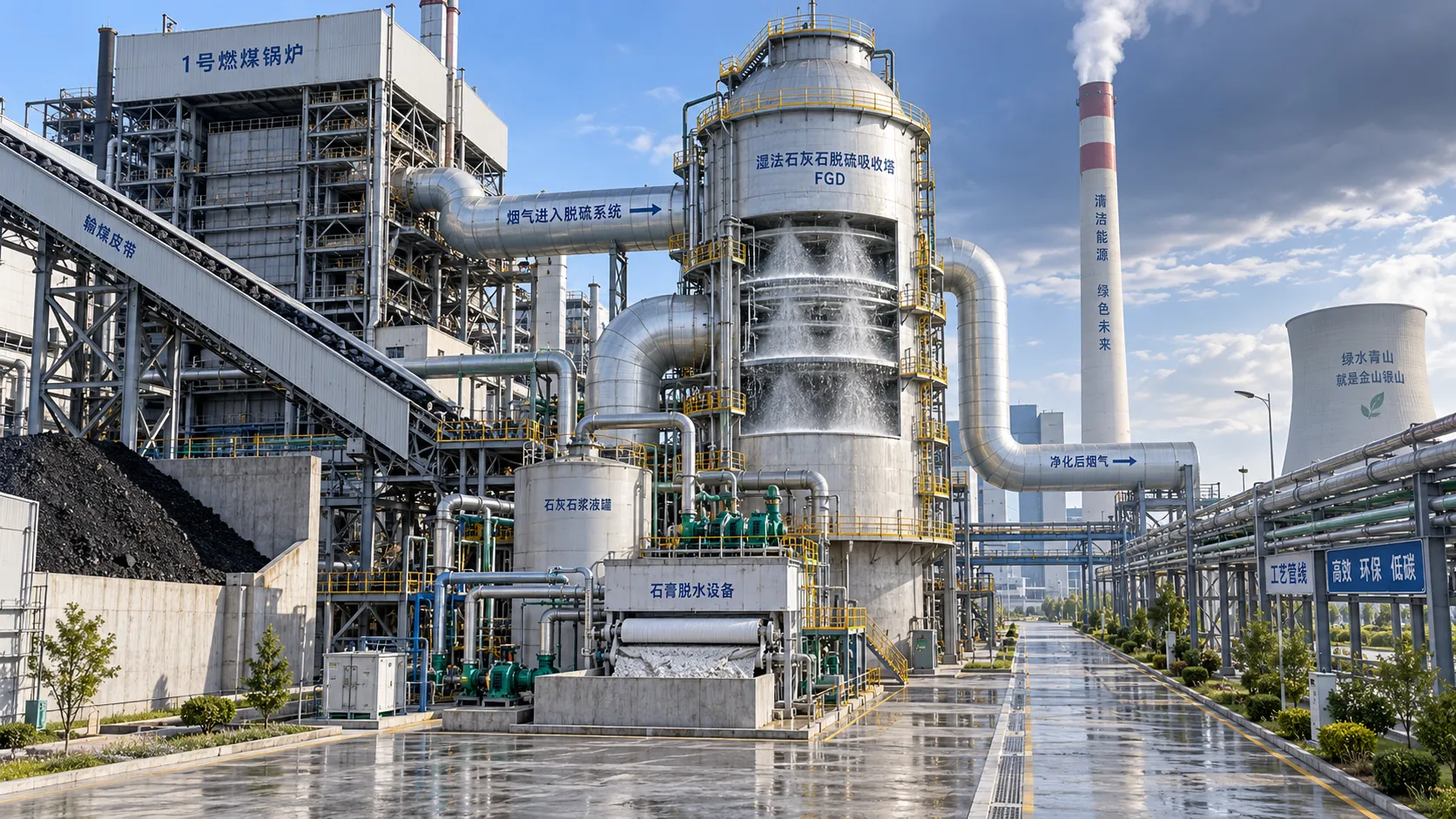
How to select FGD systems for coal boilers based on sulfur content
FGD systems for coal boilers: learn how sulfur content, fuel variability, emissions limits, water, waste, and retrofit constraints guide a compliant, cost-effective scrubber choice.
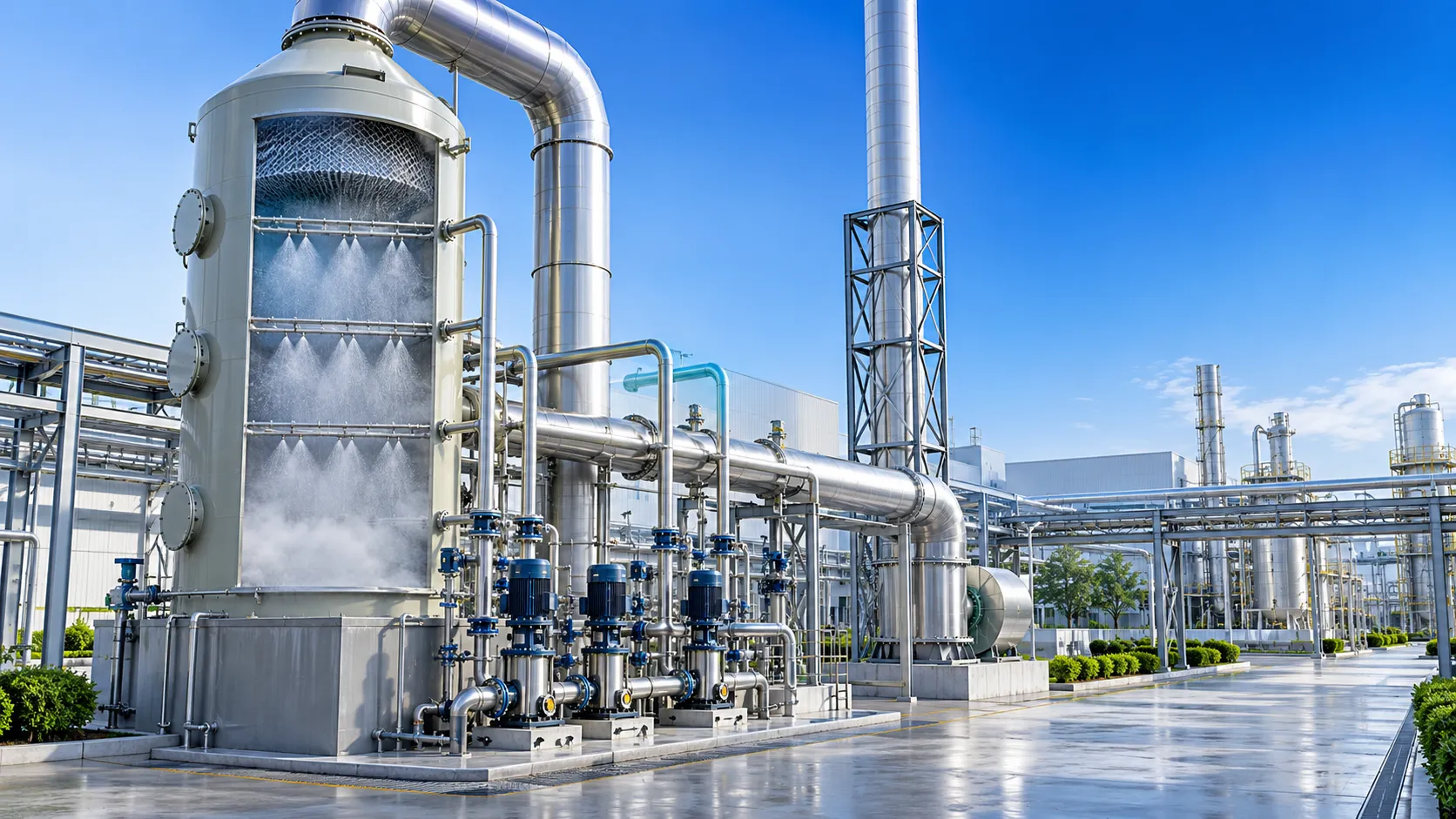
How to size a desulfurization equipment scrubber for variable gas flow
Desulfurization equipment scrubber sizing for variable gas flow: optimize SO2 removal, pressure drop, liquid-to-gas control, and compliance across every load.
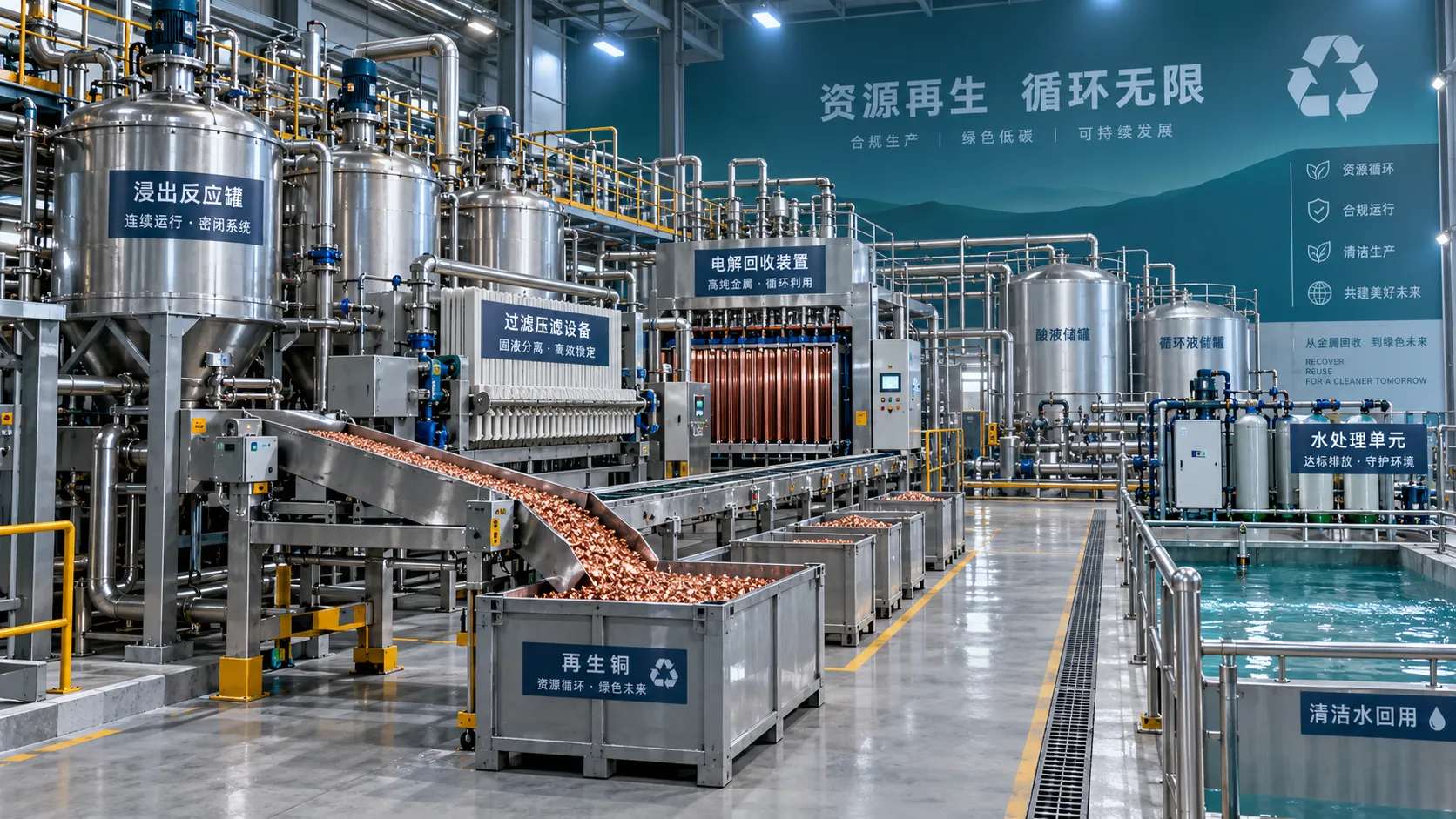
When does repeatable metals recovery infrastructure justify the investment?
Repeatable metals recovery infrastructure: discover when consistent feedstock, lower disposal costs, compliance control, and reliable offtake justify investment.
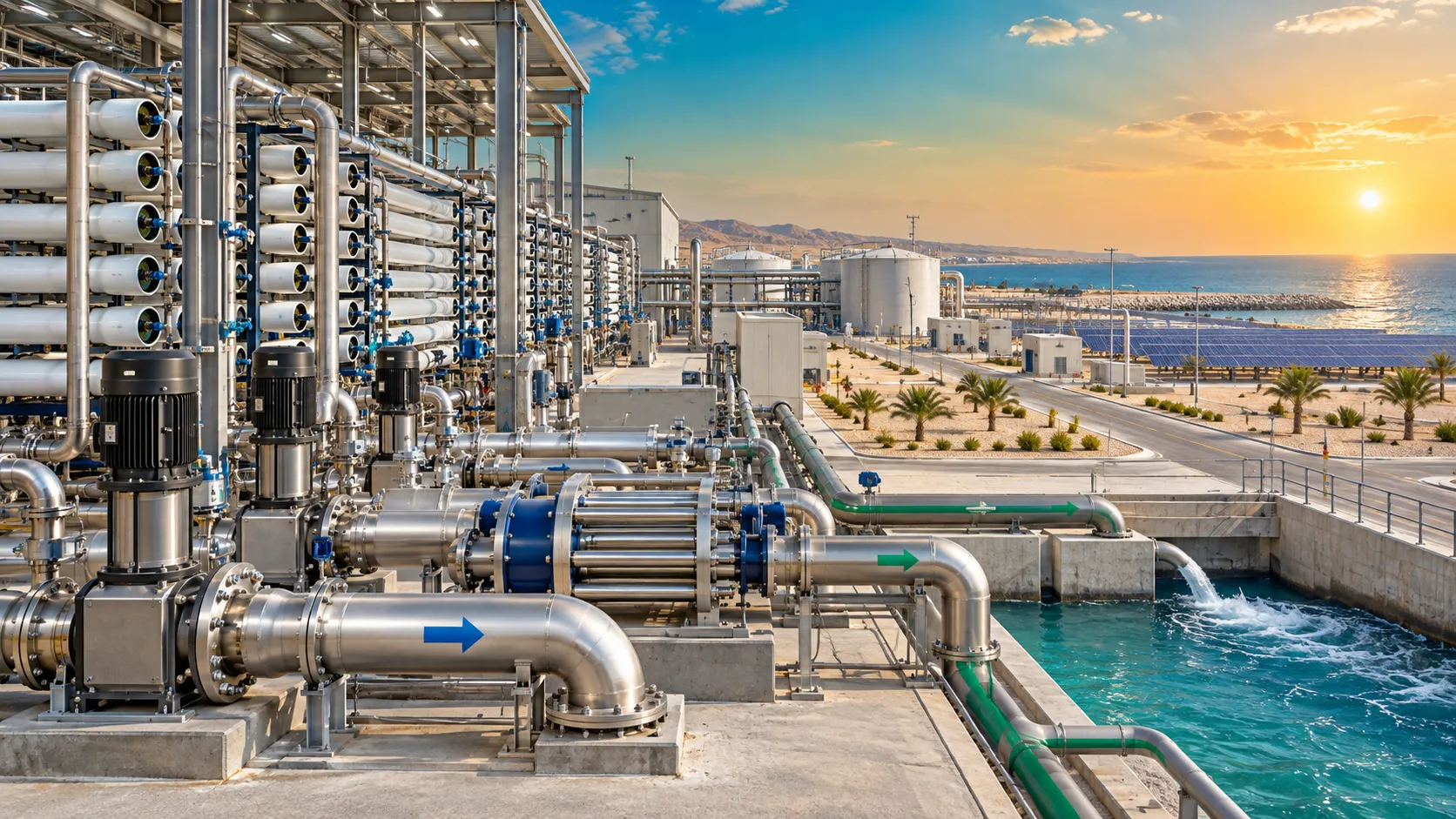
How energy recovery cuts the cost of seawater desalination in the Middle East
Seawater desalination Middle East projects can cut lifecycle costs with energy recovery. Explore savings, bankability, power-risk strategies, and smarter investment decisions.
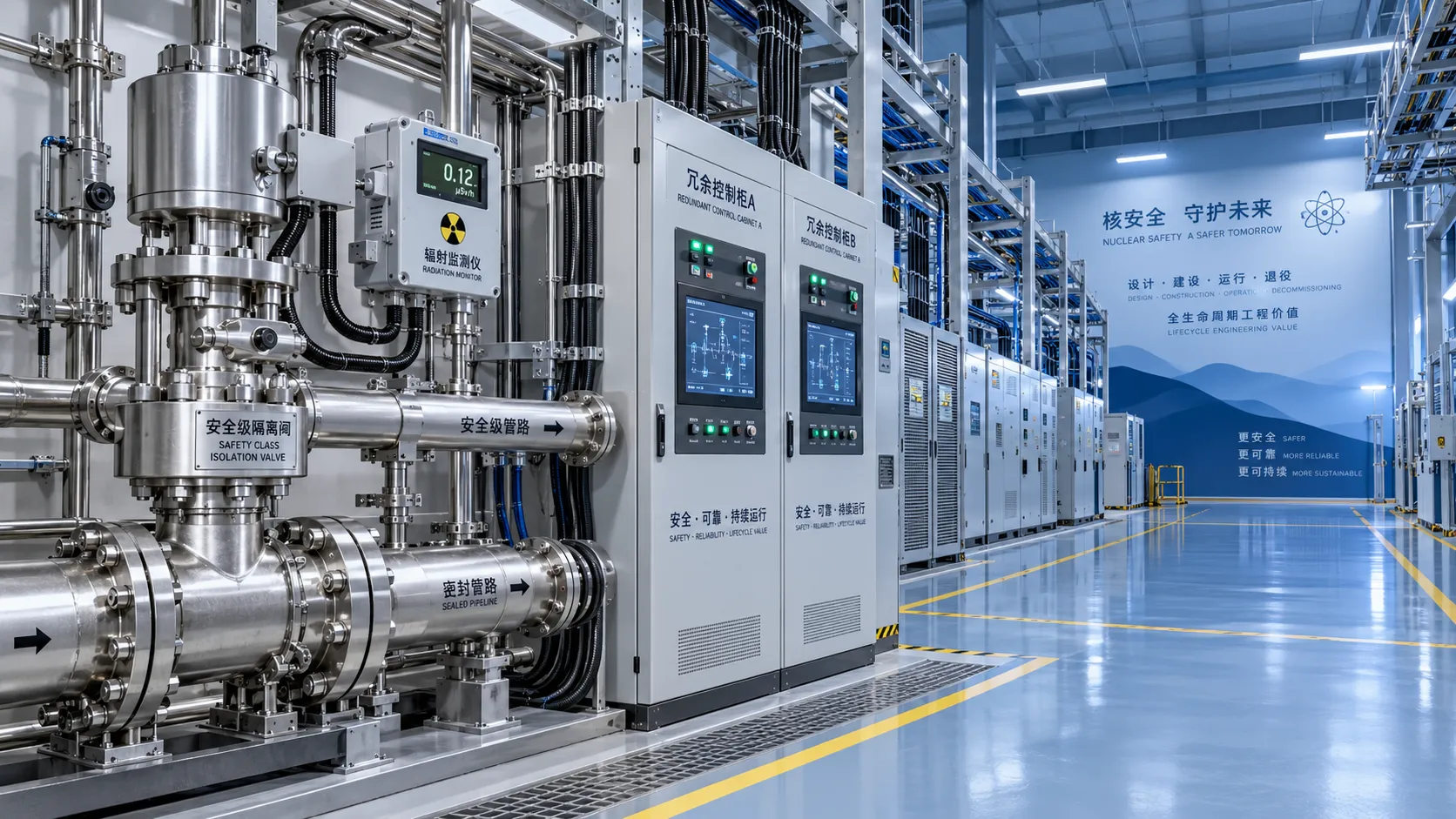
What drives nuclear safety solutions pricing for new facility projects?
Nuclear safety solutions pricing explained: uncover the key cost drivers for new facilities, from qualification and interfaces to lifecycle support.
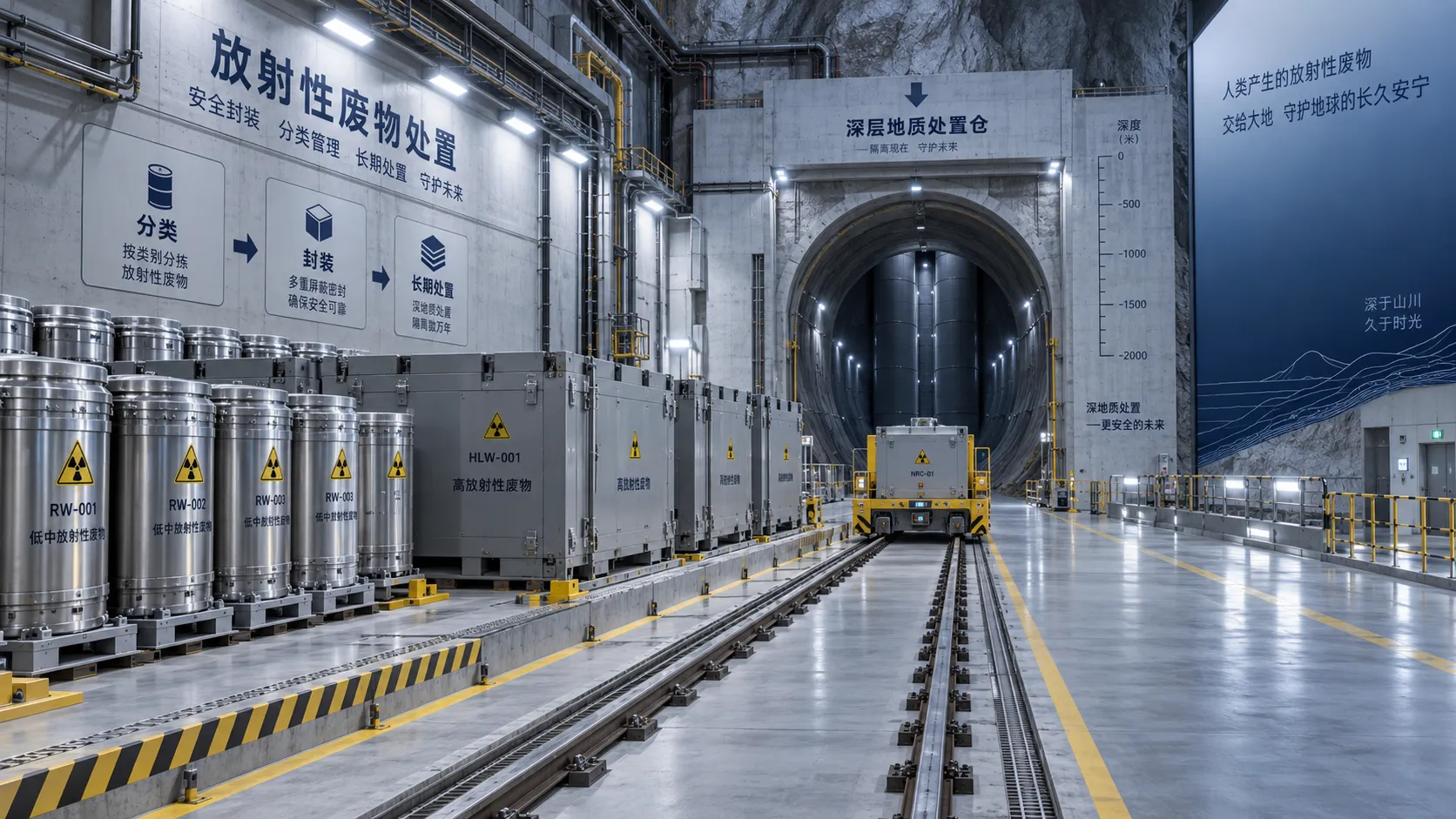
What drives radioactive waste cost over the life of a disposal project?
Radioactive waste cost depends on classification, treatment, transport, storage, disposal access, and long-term compliance. Explore the key lifecycle cost drivers.
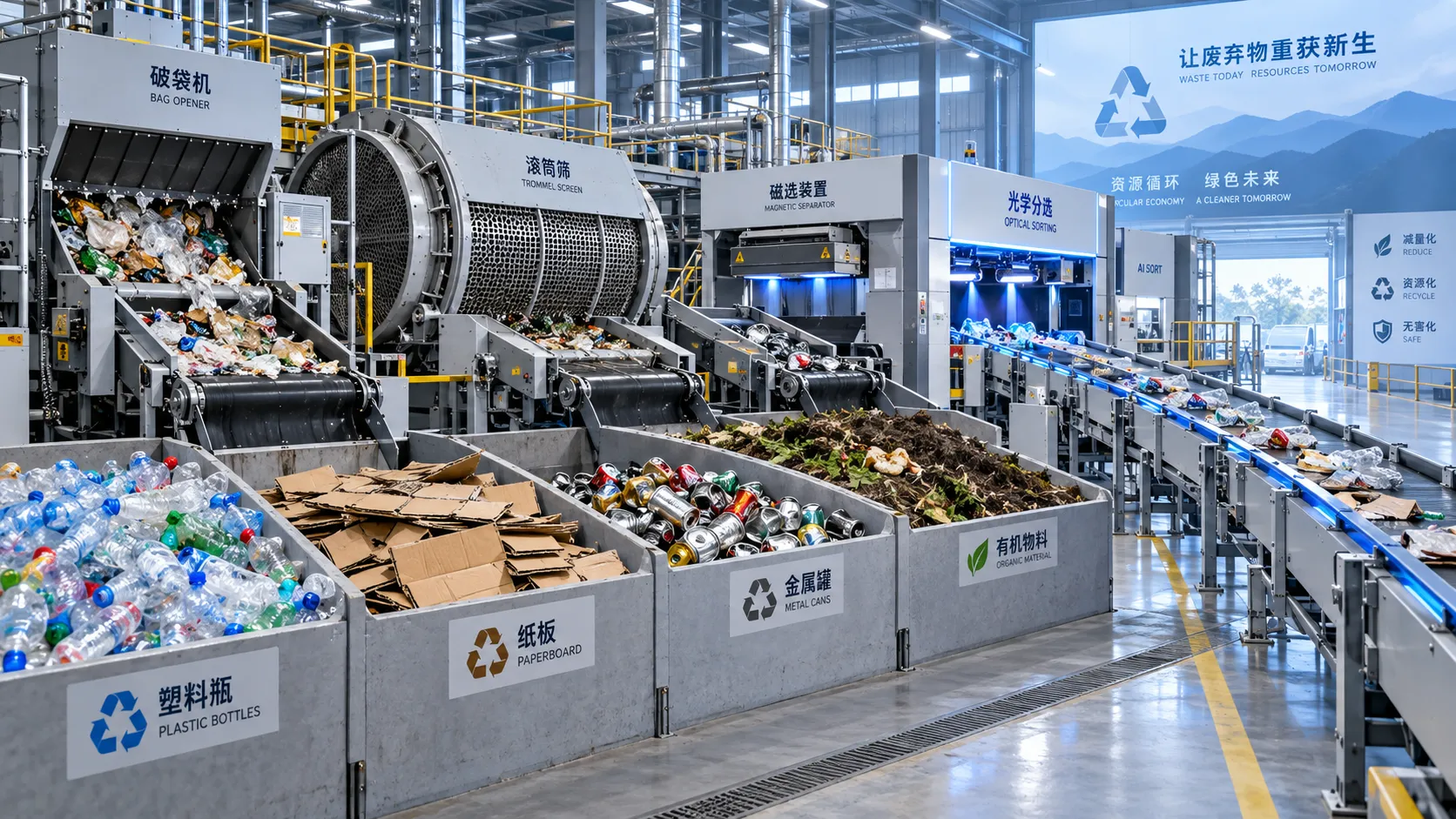
How to choose solid waste equipment based on waste stream characteristics
Environmental equipment guide for solid waste: discover how to match sorting, treatment, and recovery equipment to waste composition, moisture, contamination, and output goals.
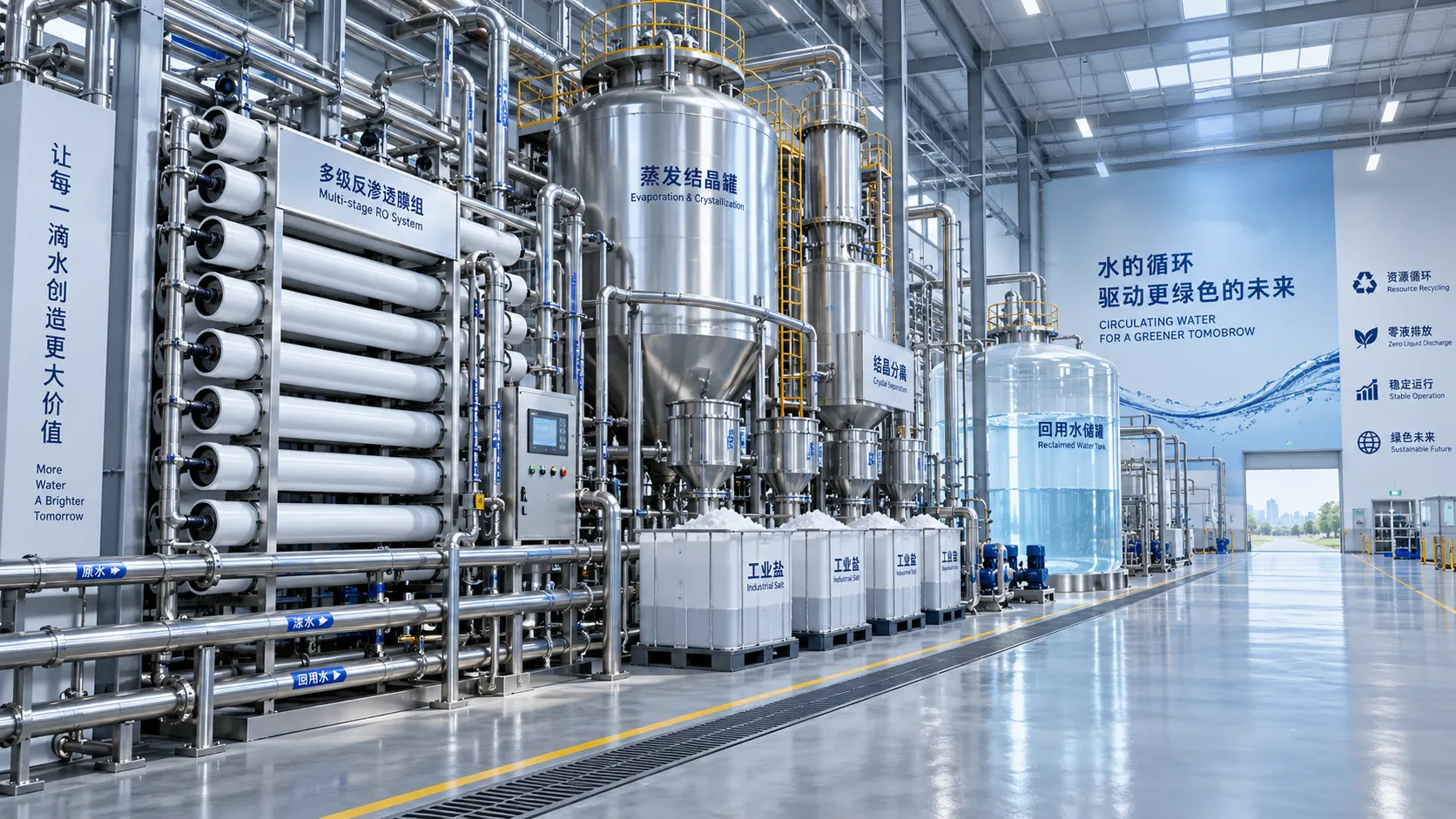
When does high recovery ZLD equipment justify its higher capital cost?
High recovery ZLD equipment can justify higher capital cost when water scarcity, discharge risks, brine disposal, and downtime threaten operations. Explore the decision factors.
How high purity heavy metal recovery affects recovered metal value
High purity heavy metal recovery boosts recovered metal value by improving payability, reducing penalties, and unlocking stronger buyer opportunities. Explore smarter netback strategies.