
Industry News
Curation by industry experts
Hot Articles
Popular Tags
Wastewater Purification for Ingredients: Key Risks in Quality Compliance
Why does wastewater purification for ingredients sit inside quality compliance now?
In ingredient production, water streams rarely stay in the environmental corner of the plant.
They influence cleaning validation, utility stability, by-product handling, and sometimes indirect product contact.
That is why wastewater purification for ingredients has become a quality question as much as a discharge question.
A treatment upset may not show up first as a permit violation.
It can appear as odor drift, microbial carryover, scaling, residual organics, or inconsistent rinse performance.
Those signals matter because auditors increasingly look at process control, not only end-of-pipe numbers.
Across global manufacturing, the stricter view is simple: if wastewater management can affect ingredient integrity, it belongs in compliance review.
This broader perspective is common in the intelligence work followed by ESD.
High-purity water, ZLD strategy, membrane behavior, and regulatory shifts now connect directly to operational trust.
So the real question is no longer whether treatment matters.
The better question is which risks inside wastewater purification for ingredients can quietly break compliance before anyone notices.
Which hidden contaminants usually create the biggest trouble?
The most expensive failures are often the least visible ones.
Plants tend to monitor pH, COD, and suspended solids closely.
Yet quality exposure often comes from lower-level contaminants that move through the system without obvious alarms.
- Trace organics from solvents, flavors, preservatives, or cleaning agents.
- Microbial regrowth in equalization tanks, low-flow loops, or poorly controlled sludge zones.
- Dissolved salts that drive scaling, conductivity shifts, and membrane fouling.
- Heavy metals from upstream process equipment, catalysts, or corroded transfer lines.
- Foaming compounds and surfactants that interfere with separation efficiency.
In practical terms, wastewater purification for ingredients fails when the plant only manages legal discharge data.
Quality risk needs a second lens.
That lens asks whether a contaminant can return through utilities, aerosols, reuse loops, or sanitation weaknesses.
More commonly, the issue is not one dramatic contaminant.
It is a combination of low-level residues, variable loading, and unstable treatment chemistry.
When that happens, the wastewater system behaves like a hidden source of process variability.
A quick judgment table for daily review
The table below helps separate routine treatment variation from quality-relevant warning signs.
Where do cross-batch and cross-system risks usually enter?
Cross-batch risk rarely comes from one obvious line crossing another.
It usually enters through shared utilities, recycled streams, temporary bypasses, or poorly documented maintenance actions.
In wastewater purification for ingredients, several zones deserve closer attention.
- Equalization tanks receiving highly variable formulations.
- CIP discharge collection points with mixed chemistry.
- Water reuse loops connected to non-product utilities.
- Emergency bypasses used during overloads or shutdowns.
- Tank vent, condensate, and aerosol exposure near ingredient areas.
A frequent mistake is treating reuse as a sustainability project only.
Reuse is also a contamination pathway if separation boundaries are not fully validated.
This is where ESD-style system thinking becomes useful.
The treatment train, recovery logic, and compliance strategy should be reviewed together.
A technically efficient loop is not enough if trace backflow or undocumented mixing can occur.
In actual plants, the safer approach is to map every point where treated water, waste concentrate, and sanitation activities come physically close.
How should treatment performance be judged beyond permit compliance?
Permit compliance is necessary, but it is not the full decision standard.
Wastewater purification for ingredients should be judged on process stability, contaminant predictability, and verification quality.
A useful review framework includes four layers.
1. Source understanding
Know which formulations, washdowns, and intermediates create the highest contaminant load and variability.
2. Treatment robustness
Check whether the system handles spikes without manual improvisation or uncontrolled bypasses.
3. Verification depth
Use trend data for salts, TOC, microbes, metals, and membrane condition where relevant.
4. Governance readiness
Confirm that deviations trigger investigation, disposition logic, and documented corrective action.
Needless complexity is not the goal.
The goal is evidence that the system stays reliable when feed composition changes.
For high-load facilities, membrane and ZLD decisions should also be reviewed in that context.
Energy use and recovery value matter, but unstable concentration management can create new quality exposure.
What standards and audit pressures are shaping decisions now?
The pressure is coming from several directions at once.
Local discharge permits are becoming tighter, but customer audits are often moving faster than regulation.
Global buyers increasingly ask how wastewater purification for ingredients is controlled, monitored, and separated from product-sensitive operations.
They also ask whether environmental controls support carbon, water, and traceability targets.
This is one reason strategic portals such as ESD track regulatory iteration and cross-border compliance signals.
Changes linked to sustainability reporting, industrial water stress, and trade mechanisms can affect supplier qualification expectations.
In many reviews, auditors are no longer satisfied with a single annual summary.
They want evidence of trending, alarm handling, maintenance discipline, and risk-based escalation.
So a plant should be ready to answer practical questions.
- What contaminants are considered quality-relevant, not only legally regulated?
- How are reuse boundaries validated and revalidated?
- What happens when treatment capacity is exceeded?
- Which trends would trigger a batch impact assessment?
If the system already works, what should be improved first?
The best starting point is not always new equipment.
Often, the first gains come from clearer boundaries, better trending, and stronger deviation logic.
For wastewater purification for ingredients, the most useful next steps are usually these.
- Map all contact pathways between wastewater operations and ingredient-related utilities.
- Rank contaminants by product impact, not only by discharge limit.
- Review whether sampling points reflect real process risk.
- Trend upset frequency, fouling, odor events, and conductivity shifts together.
- Test emergency and high-load scenarios instead of assuming the design basis always holds.
- Recheck documentation for bypasses, temporary hoses, tanker handling, and contractor work.
Where high salinity, complex organics, or recovery targets are involved, a deeper technical review may be justified.
That is especially true when membrane performance, concentrate disposal, or ZLD economics influence compliance decisions.
A stable wastewater system protects more than permits.
It protects process consistency, audit confidence, and brand credibility.
If review time is limited, start with the interfaces.
Most failures in wastewater purification for ingredients begin where treatment control, utility management, and quality oversight do not fully connect.
Recommended News
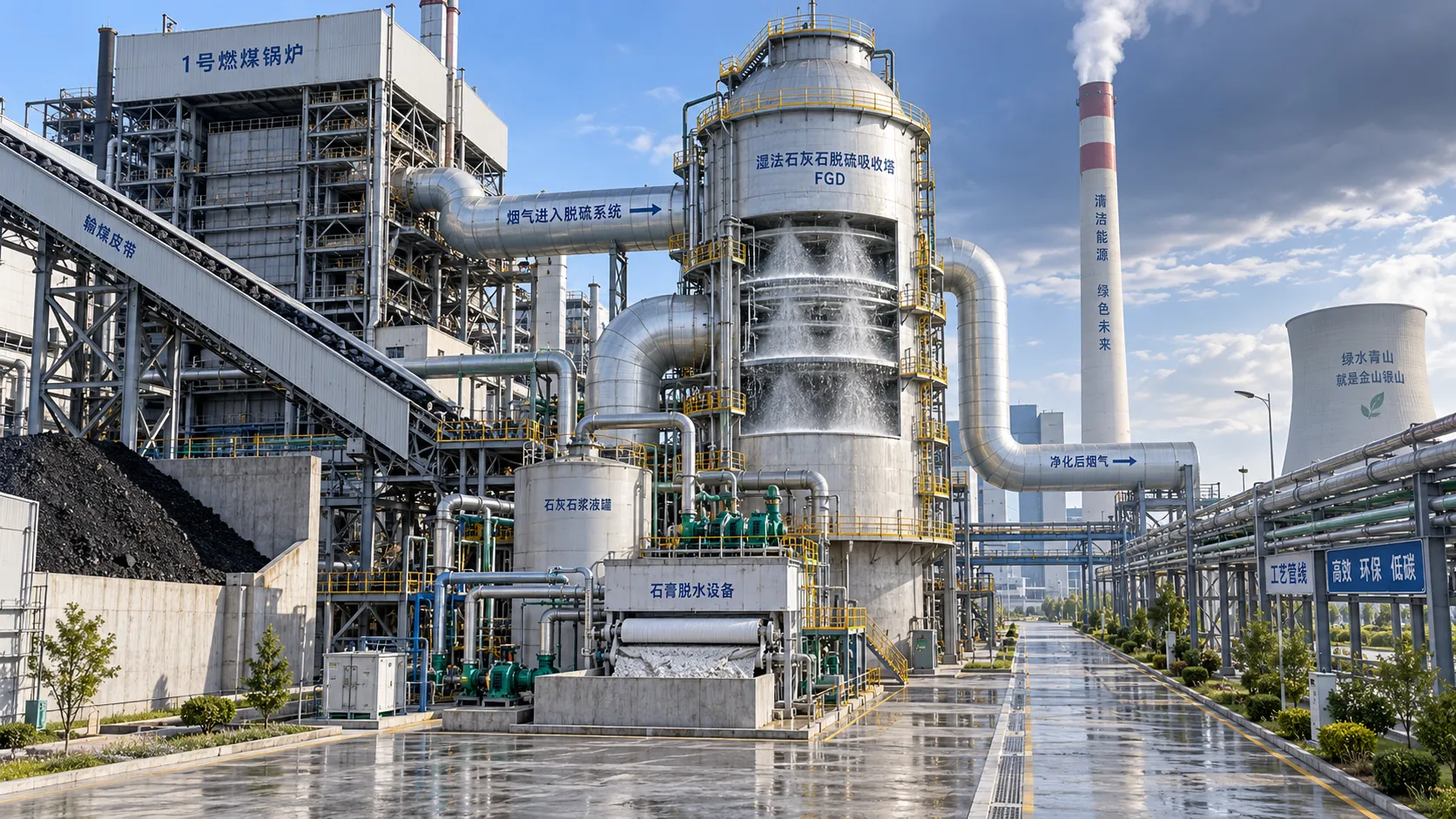
How to select FGD systems for coal boilers based on sulfur content
FGD systems for coal boilers: learn how sulfur content, fuel variability, emissions limits, water, waste, and retrofit constraints guide a compliant, cost-effective scrubber choice.
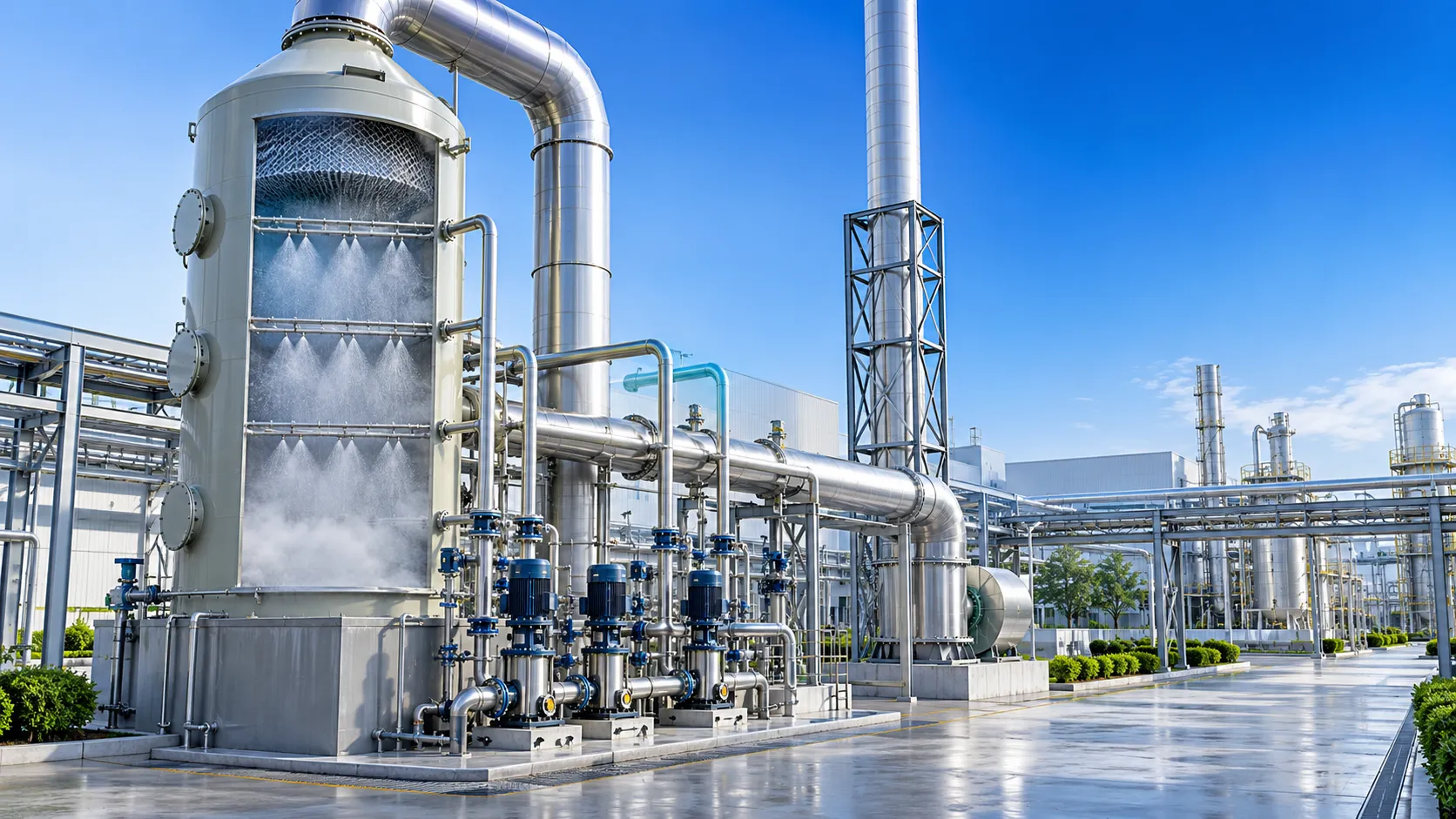
How to size a desulfurization equipment scrubber for variable gas flow
Desulfurization equipment scrubber sizing for variable gas flow: optimize SO2 removal, pressure drop, liquid-to-gas control, and compliance across every load.
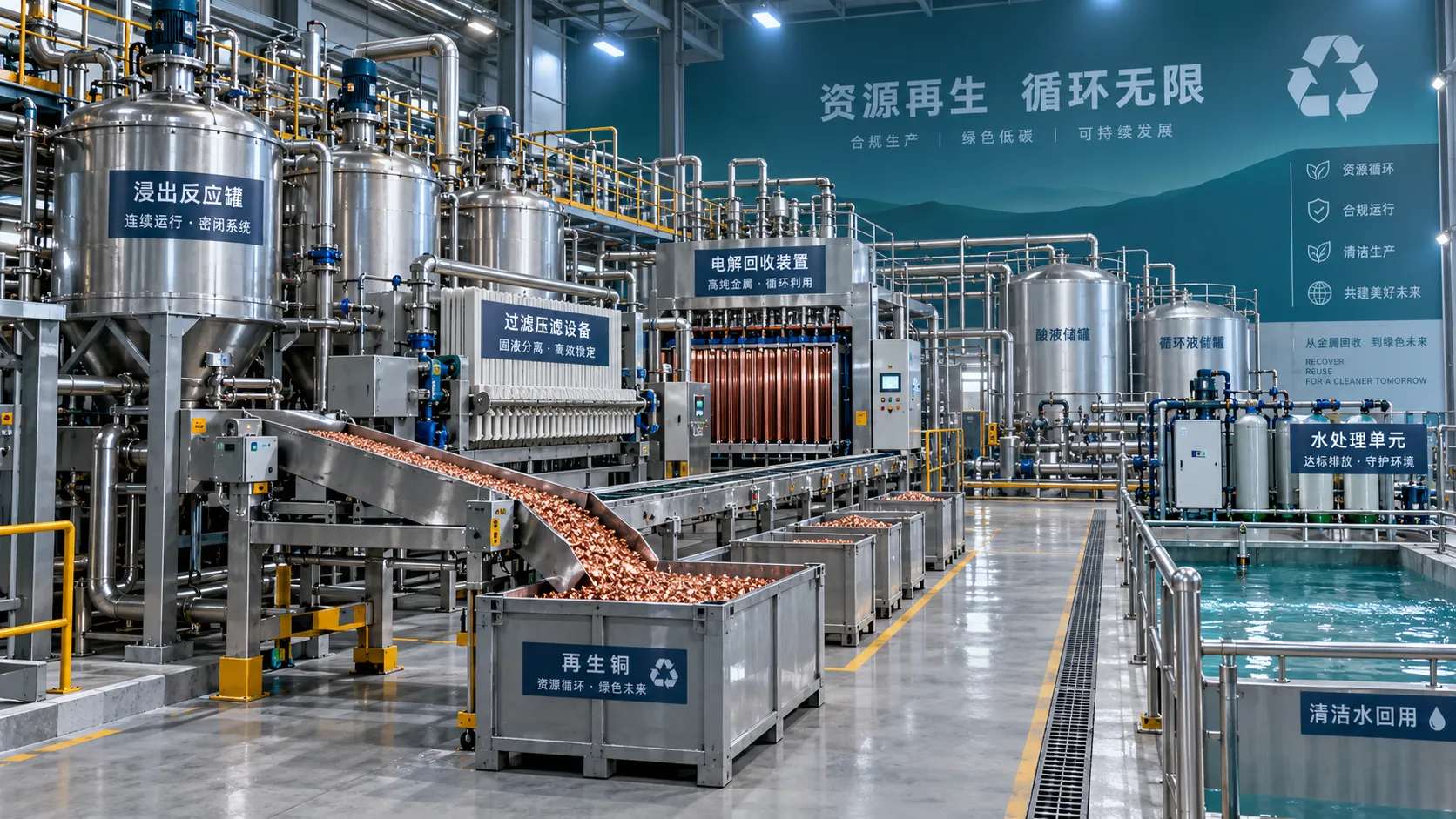
When does repeatable metals recovery infrastructure justify the investment?
Repeatable metals recovery infrastructure: discover when consistent feedstock, lower disposal costs, compliance control, and reliable offtake justify investment.
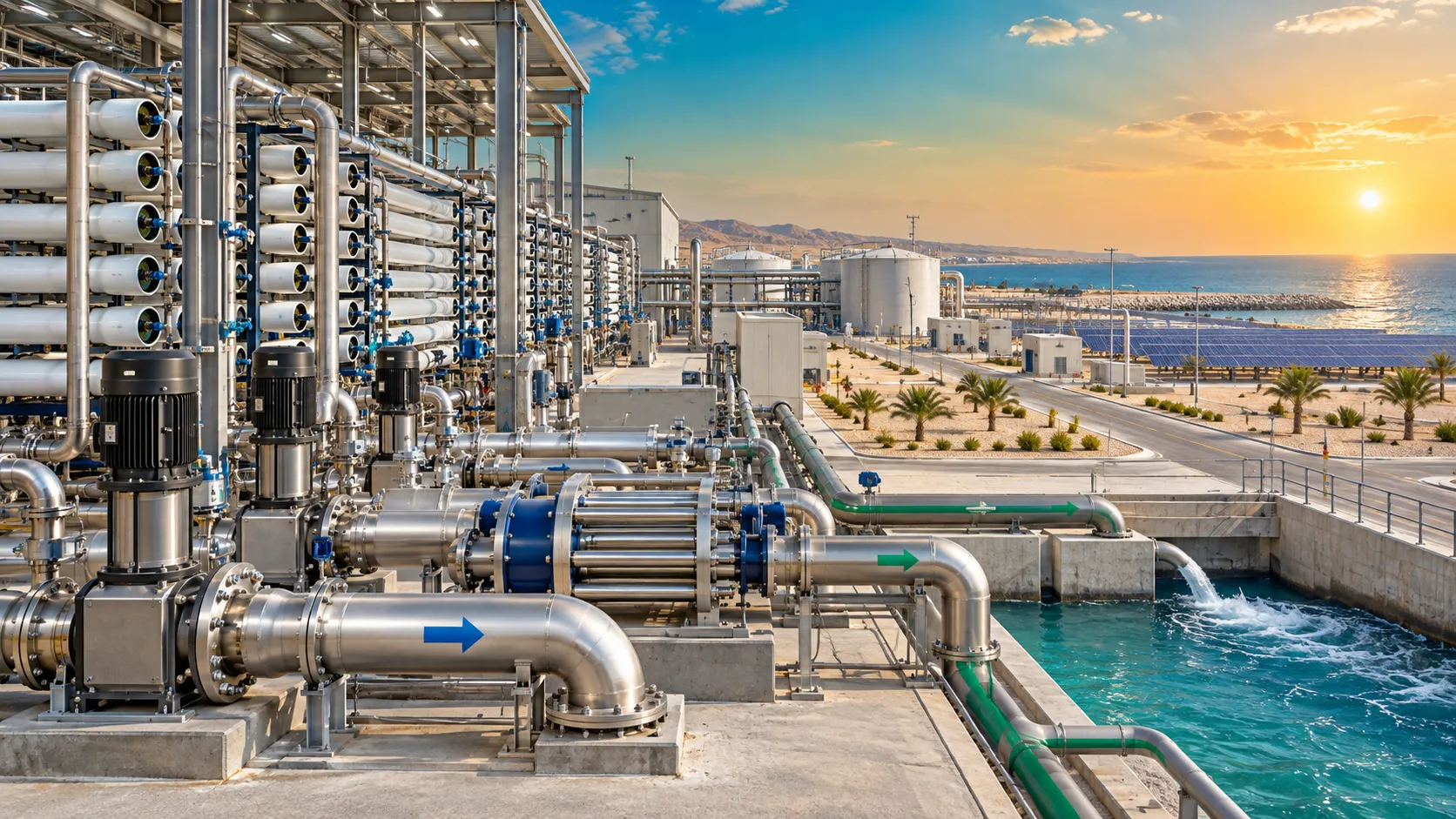
How energy recovery cuts the cost of seawater desalination in the Middle East
Seawater desalination Middle East projects can cut lifecycle costs with energy recovery. Explore savings, bankability, power-risk strategies, and smarter investment decisions.
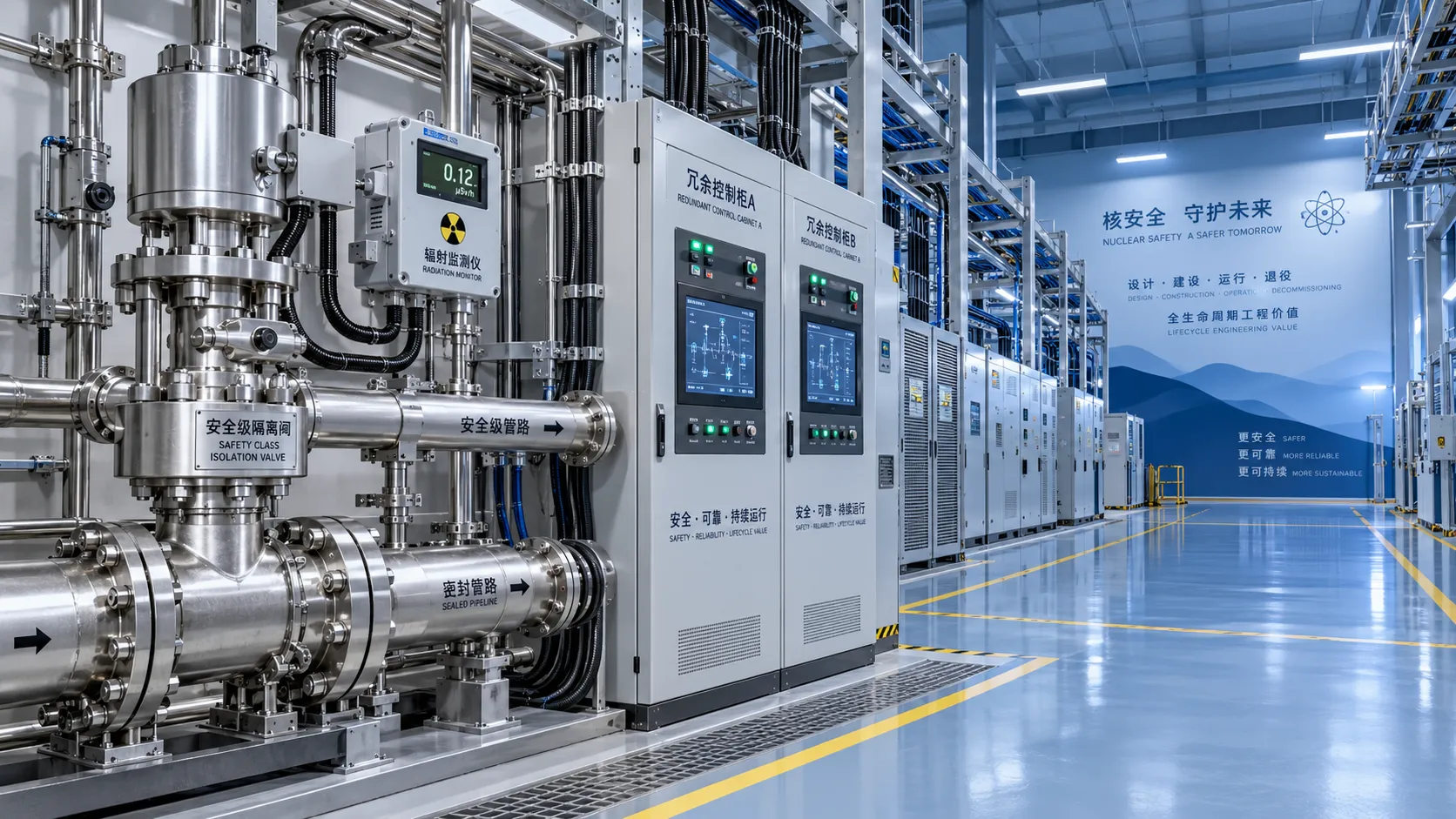
What drives nuclear safety solutions pricing for new facility projects?
Nuclear safety solutions pricing explained: uncover the key cost drivers for new facilities, from qualification and interfaces to lifecycle support.
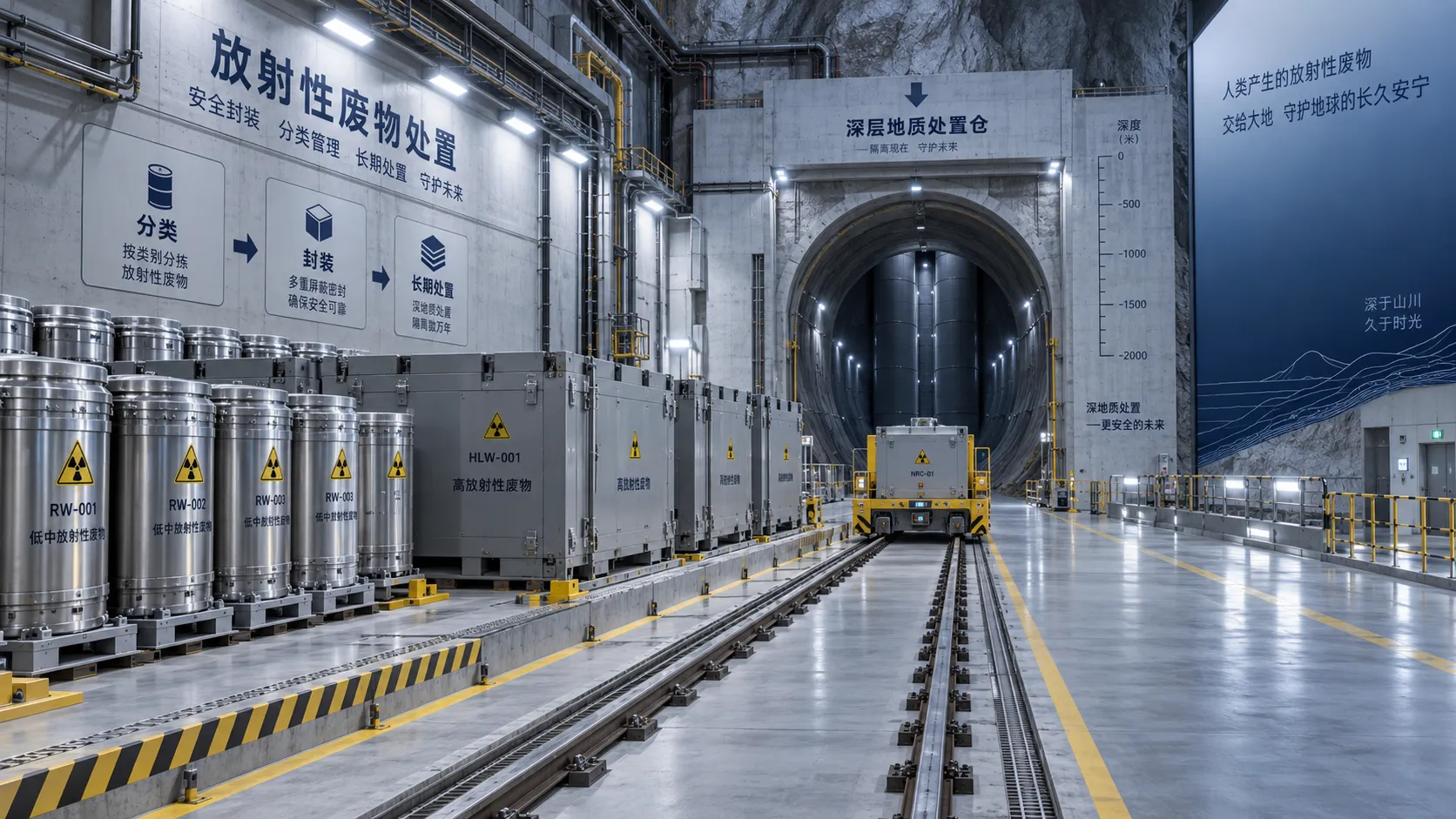
What drives radioactive waste cost over the life of a disposal project?
Radioactive waste cost depends on classification, treatment, transport, storage, disposal access, and long-term compliance. Explore the key lifecycle cost drivers.
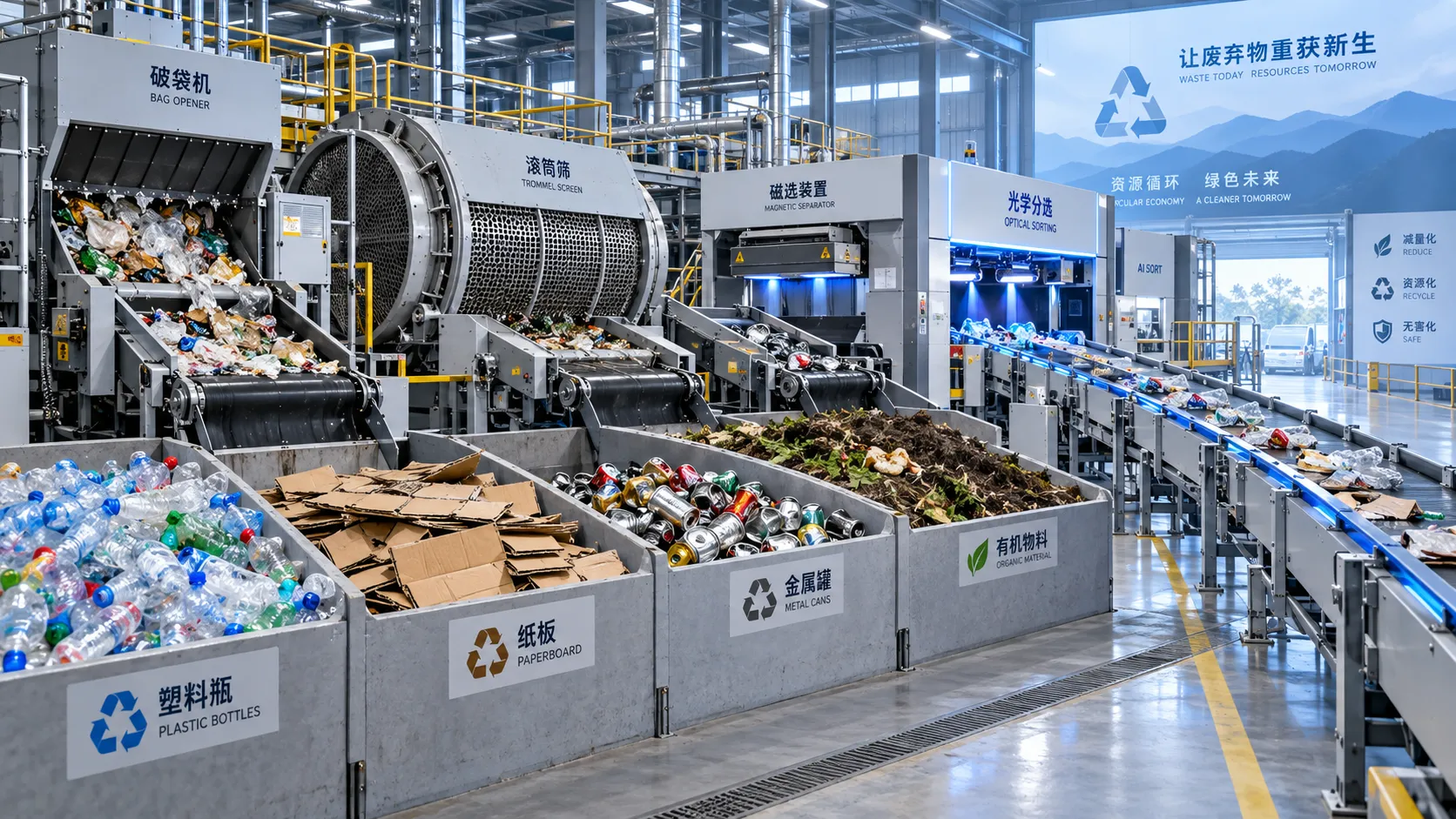
How to choose solid waste equipment based on waste stream characteristics
Environmental equipment guide for solid waste: discover how to match sorting, treatment, and recovery equipment to waste composition, moisture, contamination, and output goals.
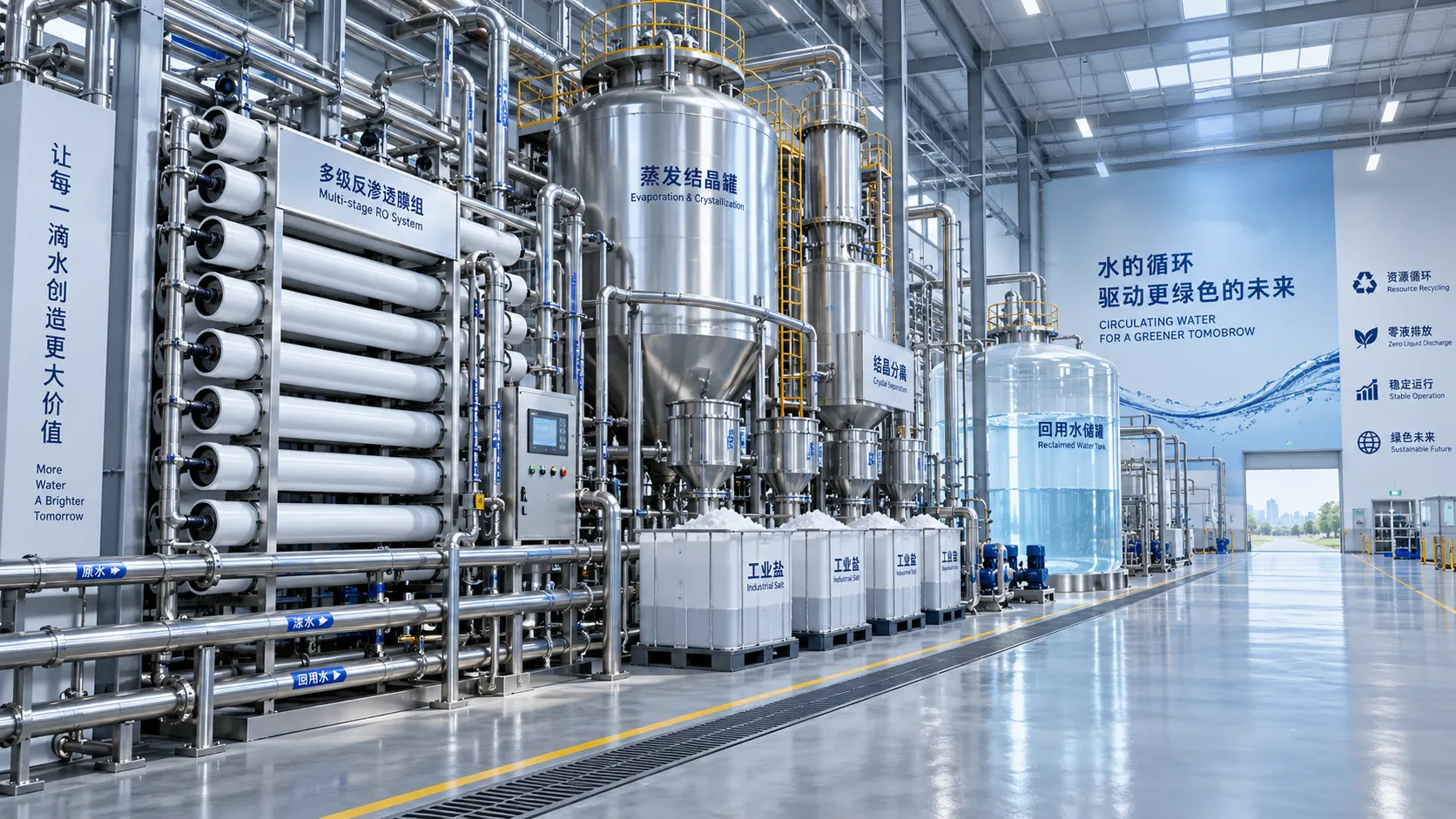
When does high recovery ZLD equipment justify its higher capital cost?
High recovery ZLD equipment can justify higher capital cost when water scarcity, discharge risks, brine disposal, and downtime threaten operations. Explore the decision factors.
How high purity heavy metal recovery affects recovered metal value
High purity heavy metal recovery boosts recovered metal value by improving payability, reducing penalties, and unlocking stronger buyer opportunities. Explore smarter netback strategies.