
Industry News
Curation by industry experts
Hot Articles
Popular Tags
Thermal Zero Discharge: When Crystallization Pays Off
Thermal Zero Discharge Stops Looking Expensive When Disposal Risk Becomes Structural
Thermal zero discharge is no longer judged only by utility demand or capital intensity.
In many industrial systems, the bigger variable is disposal uncertainty.
That shift matters across power, chemicals, mining, desalination, and hazardous residual management.
When brine hauling, pond risk, permit delays, and concentrate liabilities keep rising, crystallization starts to change category.
It moves from end-of-pipe insurance to a long-horizon operating strategy.
For a platform like ESD, this is where intelligence becomes practical.
Thermal zero discharge sits at the intersection of extreme purification, resource loops, and tightening compliance logic.
The real question is not whether crystallization works.
The question is where it pays off, why economics differ by site, and what conditions decide success.
Why the Same Thermal Zero Discharge Logic Produces Different Decisions
Two facilities can face similar discharge limits and still reach opposite conclusions.
The difference usually starts with concentrate chemistry, energy structure, and recovery value.
Some streams are dominated by sodium chloride and predictable scaling behavior.
Others contain silica, organics, heavy metals, gypsum formers, or unstable mixed salts.
That changes pretreatment depth, crystallizer selection, solids handling, and cleaning intervals.
A second divider is location.
Remote inland sites often pay more for off-site disposal and emergency trucking.
Coastal installations may have better logistics, but often face harsher permit scrutiny.
A third factor is strategic exposure.
Where compliance affects export competitiveness, financing, or public project qualification, thermal zero discharge carries balance-sheet value beyond water recovery.
In High-Salinity Industrial Wastewater, the Payoff Usually Comes from Risk Compression
Chemical parks, refining clusters, and specialty materials lines often generate the clearest thermal zero discharge case.
These sites already exhaust membrane recovery early because osmotic pressure and fouling climb fast.
What remains is a difficult brine with few cheap exit routes.
In practice, the value is not only the last percentage of water.
It is the removal of recurring uncertainty around storage, shipment, manifest control, and future discharge penalties.
Sites with volatile production schedules see another advantage.
A well-designed thermal zero discharge train can buffer changing salinity better than a membrane-heavy system alone.
The decision point here is feed variability.
If wastewater composition changes by campaign, season, or cleaning cycle, pilot data must cover those swings.
Assuming one steady-state sample represents the year is a common and costly error.
Desalination and Water Reuse Projects Judge Thermal Zero Discharge Differently
In seawater desalination, thermal zero discharge is rarely evaluated the same way as inland industrial brine treatment.
The debate is less about eliminating all discharge at any price.
It is more about where concentrate management becomes politically, environmentally, or spatially constrained.
Large coastal plants may still rely on marine outfall where regulation permits and dilution remains defensible.
But hybrid designs gain attention where shoreline pressure, sensitive ecosystems, or water reuse targets tighten.
In inland desalination, the calculation changes quickly.
Without a realistic disposal outlet, thermal zero discharge often becomes the project-enabling condition rather than an optional upgrade.
This is also where ESD-style cross-sector intelligence matters.
Lessons from SWRO concentrate control, scaling prediction, and energy integration can materially improve thermal crystallization planning.
Resource Recovery Makes Thermal Zero Discharge More Than a Compliance Tool
The strongest business case appears when the salt cake is not treated as a dead residual.
That does not mean every crystallizer output is marketable.
It means recovery potential must be tested early, not assumed late.
In some chlor-alkali, mining, and metal finishing loops, thermal zero discharge supports usable salt segregation or water reuse quality targets.
In other cases, mixed crystals only reduce hazardous handling volume.
Both outcomes can still be economically sound.
The difference is how the cash flow is modeled.
A useful rule is simple.
If recovery purity depends on narrow feed control, then upstream discipline becomes part of the thermal zero discharge project scope.
If that discipline is unrealistic, the design should prioritize safe solids management over optimistic resale assumptions.
Where scenario differences become visible
A side-by-side view helps clarify why thermal zero discharge economics vary so widely.
Some Sites Need Thermal Zero Discharge for Reliability, Not Just Water Balance
This becomes clearer in high-consequence environments.
Power-linked complexes, strategic industrial bases, and certain nuclear-adjacent waste streams cannot tolerate weak residual control.
Here, thermal zero discharge is evaluated through containment quality and operational certainty.
The point is not that every stream requires crystallization.
The point is that residual liquid often creates the highest monitoring burden.
Turning that burden into a controlled solids pathway can simplify downstream accountability.
ESD’s broader lens on vitrification stability, extreme reliability, and compliance escalation is relevant here.
Thermal zero discharge should be screened not only for efficiency, but for final-form control under worst-case operations.
What Gets Misread Before Thermal Zero Discharge Is Approved
Most weak decisions come from incomplete boundaries.
- Comparing capital cost only, while excluding haulage volatility, permit delay exposure, and emergency storage upgrades.
- Using clean-brine assumptions for feeds that contain organics, antiscalants, fine solids, or trace metals.
- Treating crystallizer solids as automatically saleable without purity, moisture, and contamination verification.
- Ignoring utility coupling, especially low-grade steam availability, heat recovery options, and power price swings.
- Assuming one operating mode, even though shutdowns, startups, and cleaning events reshape concentrate chemistry.
A recurring oversight is timeline mismatch.
Thermal zero discharge may look heavy in year one, then become cheaper than unstable disposal dependence by year five.
A Practical Way to Judge Whether Crystallization Will Pay Off
Before moving forward, the site should answer a few hard questions.
- What is the real composition range of the concentrate across the full operating year?
- Which scaling species sets the cleaning frequency and equipment selection?
- How much value comes from water reuse, and how much comes from removing disposal exposure?
- Can waste heat, steam integration, or hybrid pretreatment materially improve thermal zero discharge economics?
- What is the final destination, classification, and handling requirement for the crystal product?
If those answers remain vague, the project is not ready for vendor comparison.
It is ready for better boundary definition.
That distinction prevents expensive misalignment later.
Thermal Zero Discharge Pays Off Where the Full System Is Measured Honestly
The strongest thermal zero discharge projects are rarely justified by one headline number.
They work because water recovery, residual control, compliance durability, and resource logic are assessed together.
That is why scenario judgment matters more than generic enthusiasm.
Sites dealing with concentrated wastewater, inland desalination limits, sensitive residues, or volatile disposal economics should map their actual conditions first.
Then compare thermal zero discharge against the real long-term alternatives, not the cheapest short-term assumption.
The next useful step is straightforward.
Define feed chemistry ranges, disposal liabilities, energy options, solids endpoints, and maintenance constraints in one decision frame.
Once those variables are visible, it becomes much easier to see when crystallization truly pays off.
Recommended News
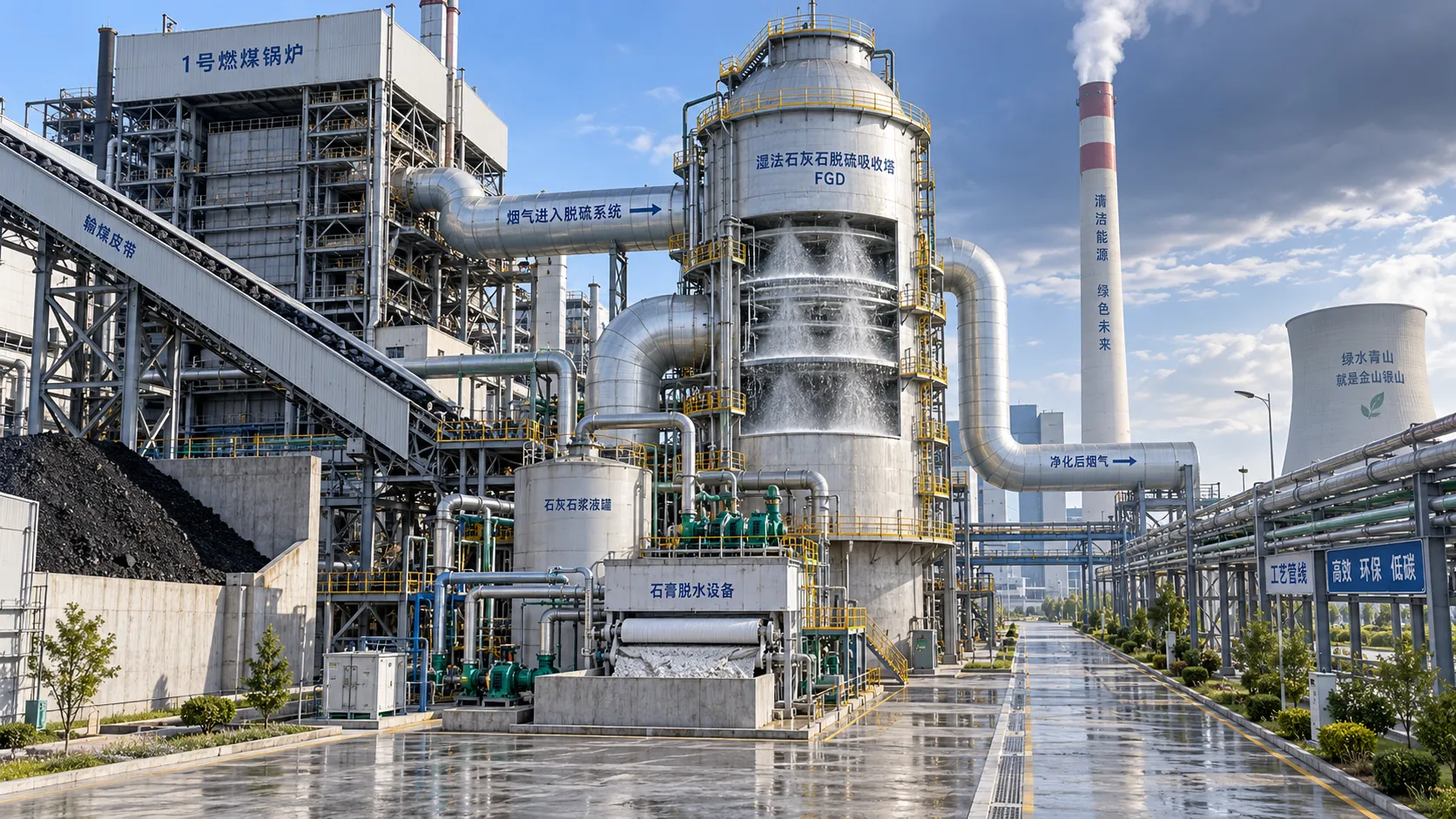
How to select FGD systems for coal boilers based on sulfur content
FGD systems for coal boilers: learn how sulfur content, fuel variability, emissions limits, water, waste, and retrofit constraints guide a compliant, cost-effective scrubber choice.
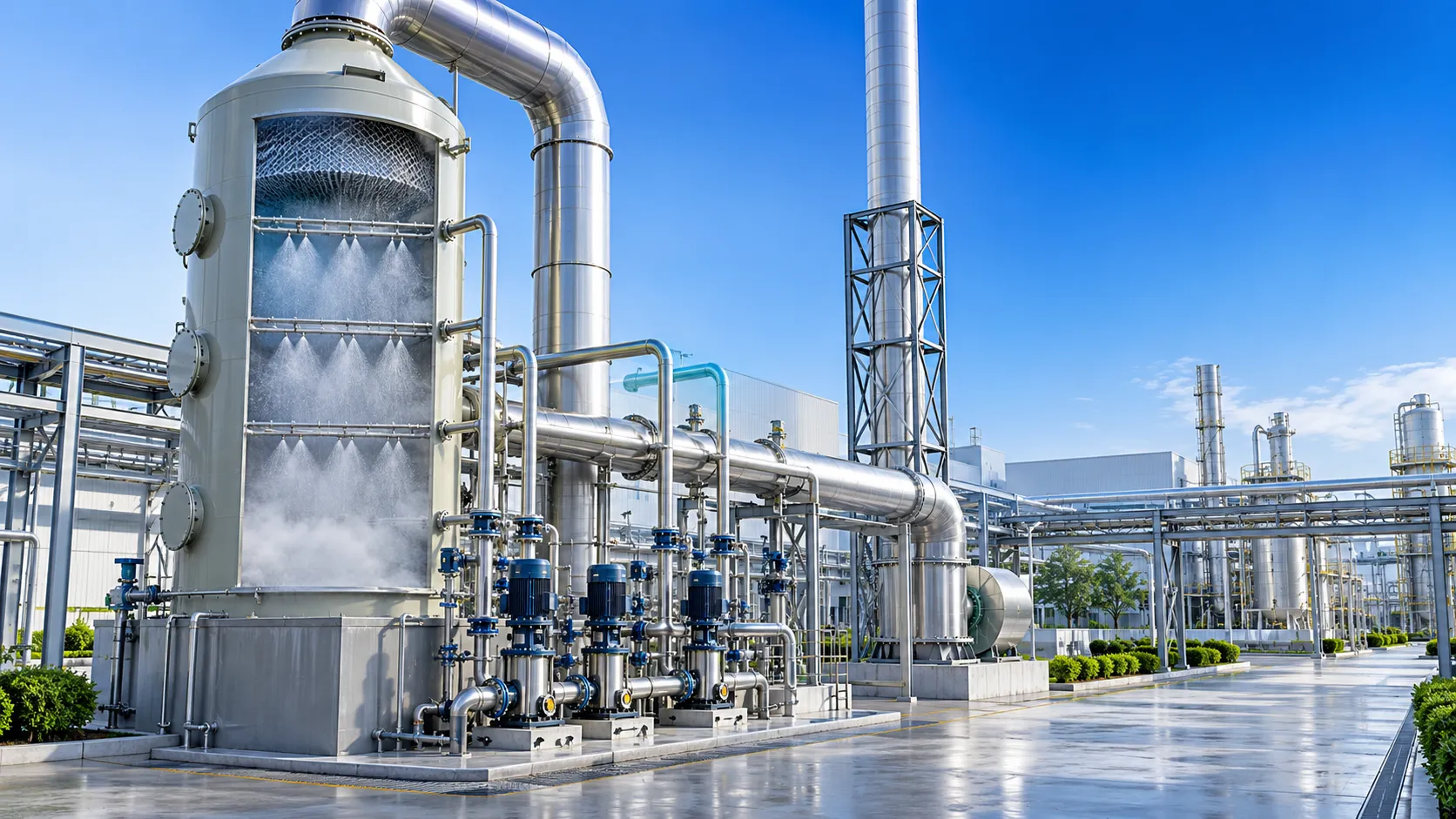
How to size a desulfurization equipment scrubber for variable gas flow
Desulfurization equipment scrubber sizing for variable gas flow: optimize SO2 removal, pressure drop, liquid-to-gas control, and compliance across every load.
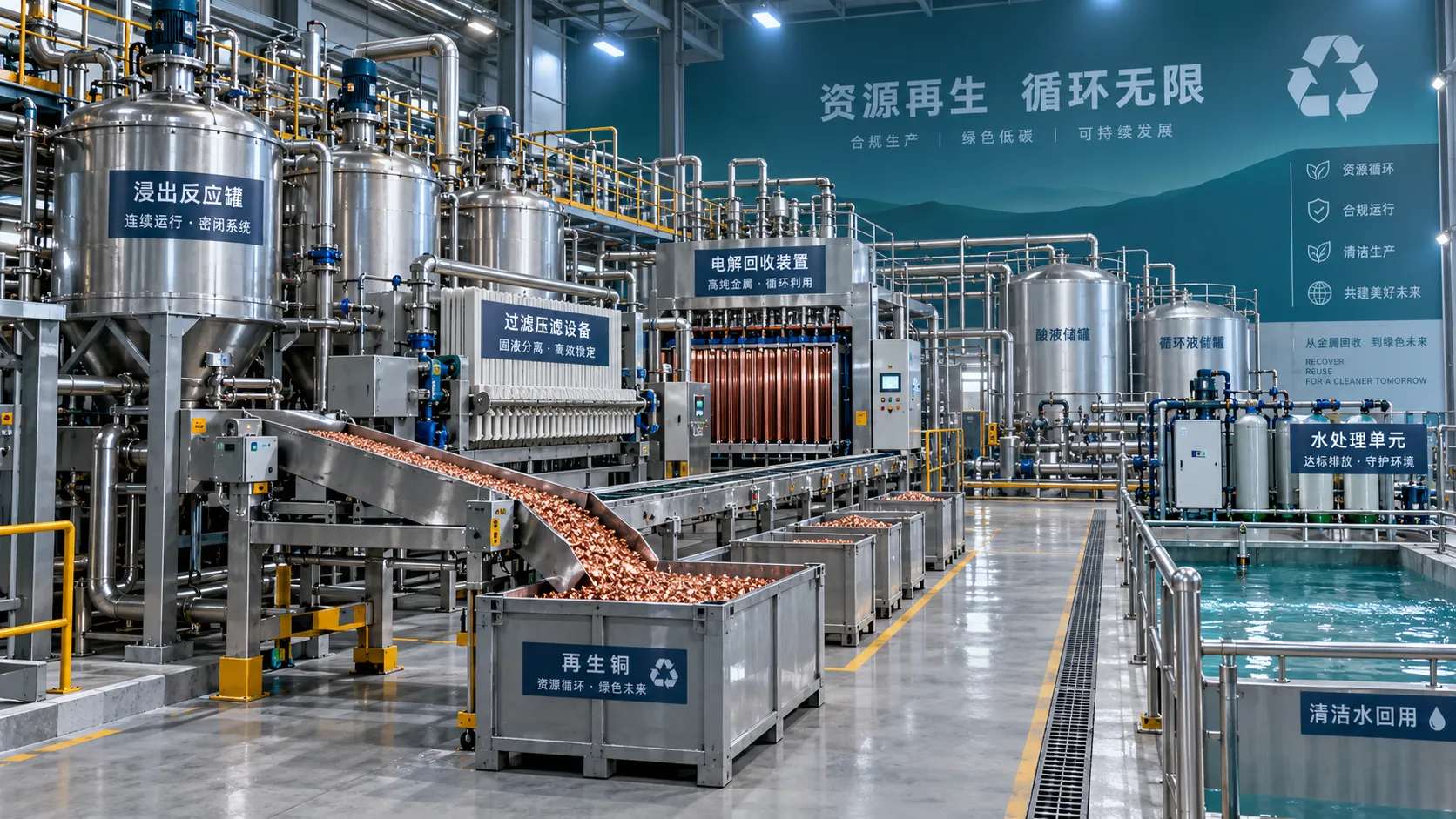
When does repeatable metals recovery infrastructure justify the investment?
Repeatable metals recovery infrastructure: discover when consistent feedstock, lower disposal costs, compliance control, and reliable offtake justify investment.
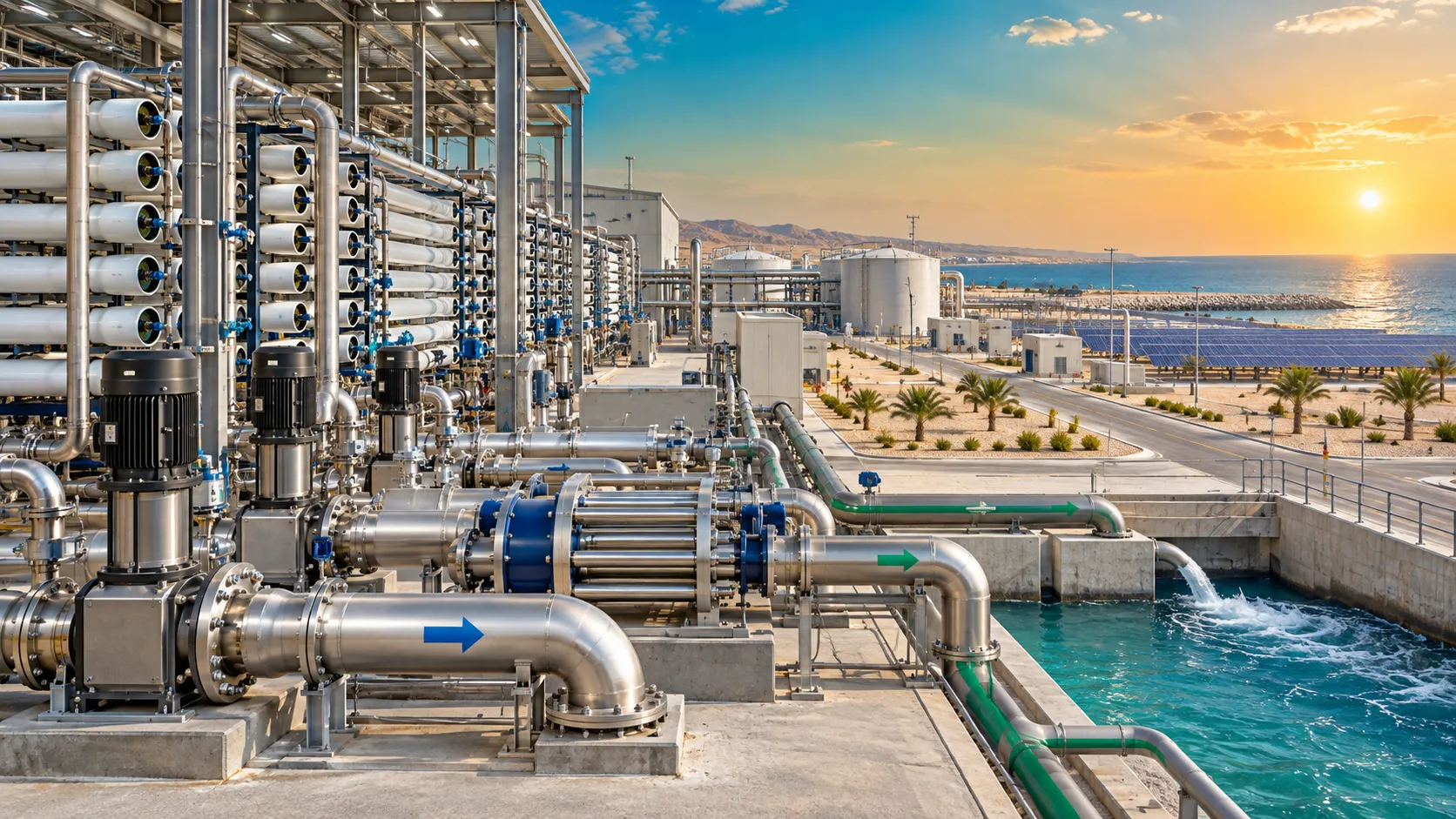
How energy recovery cuts the cost of seawater desalination in the Middle East
Seawater desalination Middle East projects can cut lifecycle costs with energy recovery. Explore savings, bankability, power-risk strategies, and smarter investment decisions.
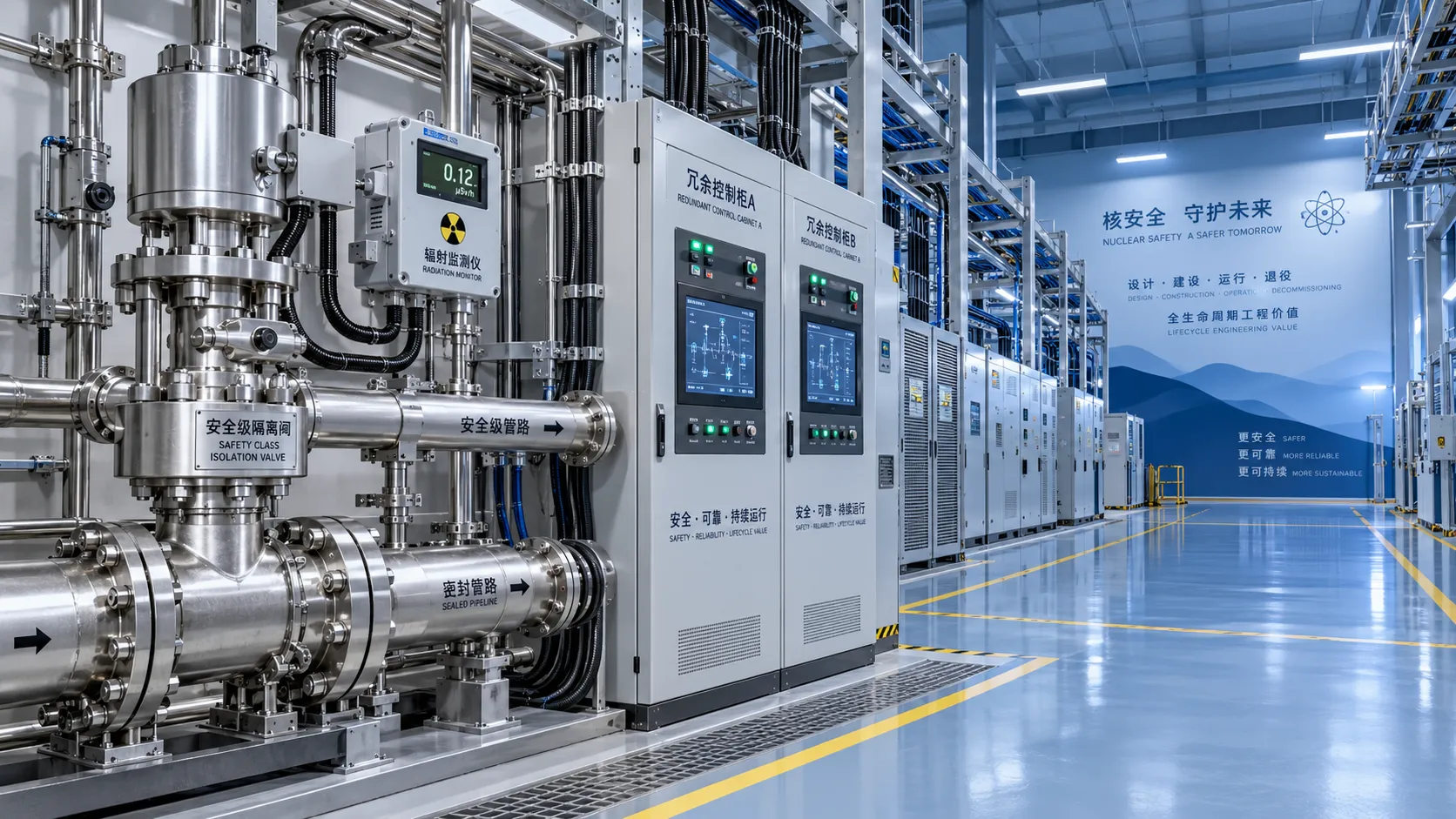
What drives nuclear safety solutions pricing for new facility projects?
Nuclear safety solutions pricing explained: uncover the key cost drivers for new facilities, from qualification and interfaces to lifecycle support.
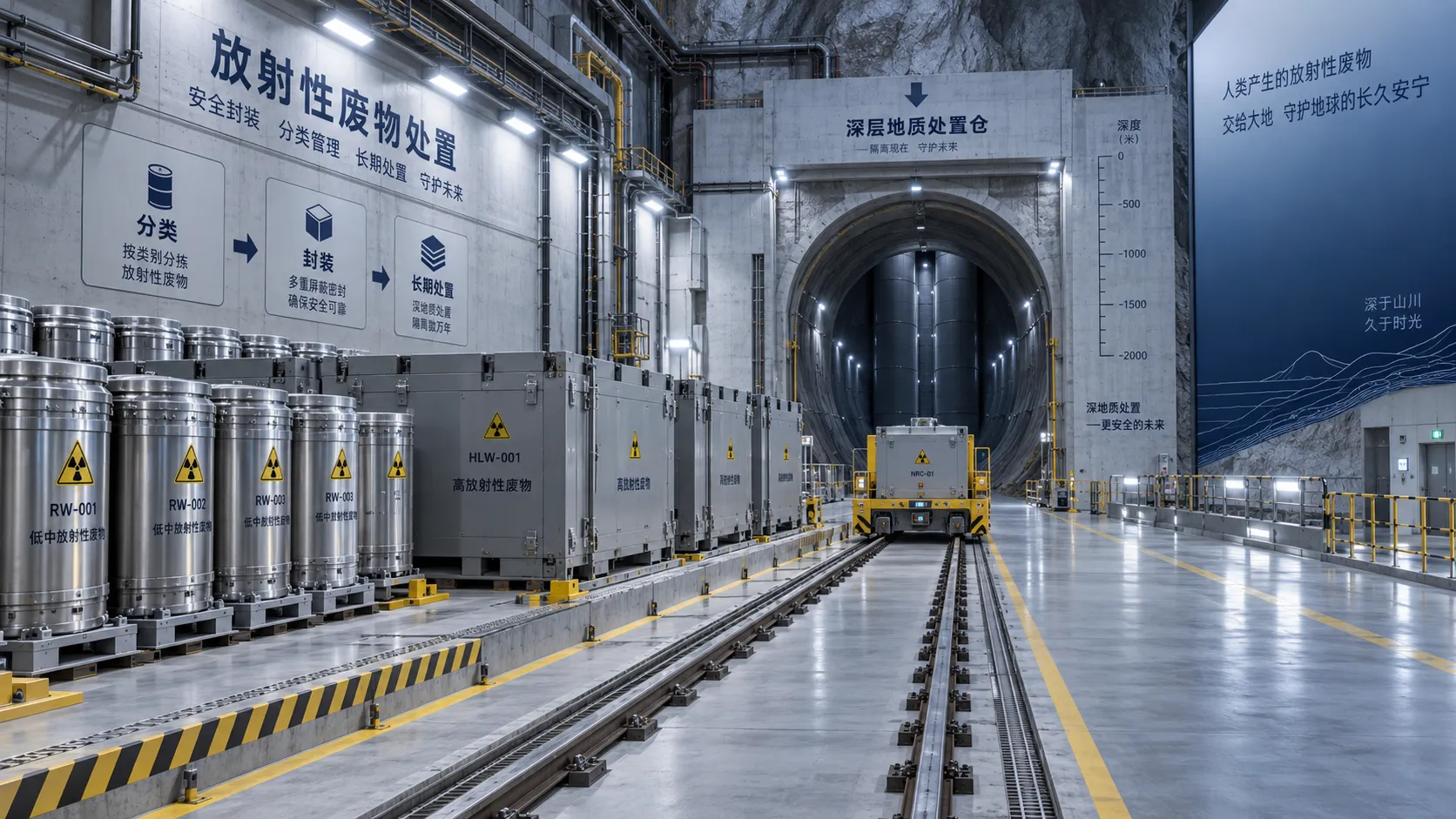
What drives radioactive waste cost over the life of a disposal project?
Radioactive waste cost depends on classification, treatment, transport, storage, disposal access, and long-term compliance. Explore the key lifecycle cost drivers.
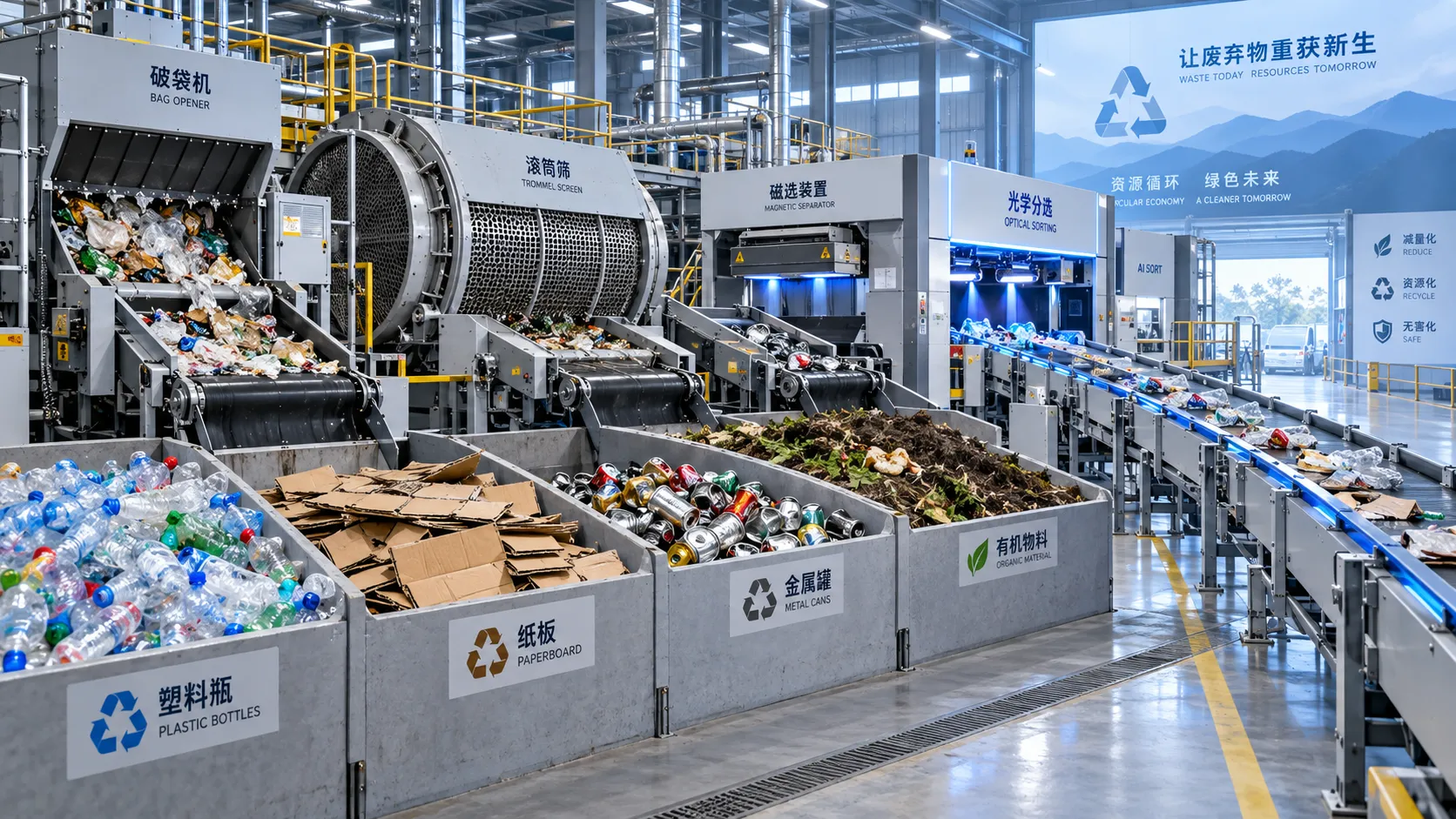
How to choose solid waste equipment based on waste stream characteristics
Environmental equipment guide for solid waste: discover how to match sorting, treatment, and recovery equipment to waste composition, moisture, contamination, and output goals.
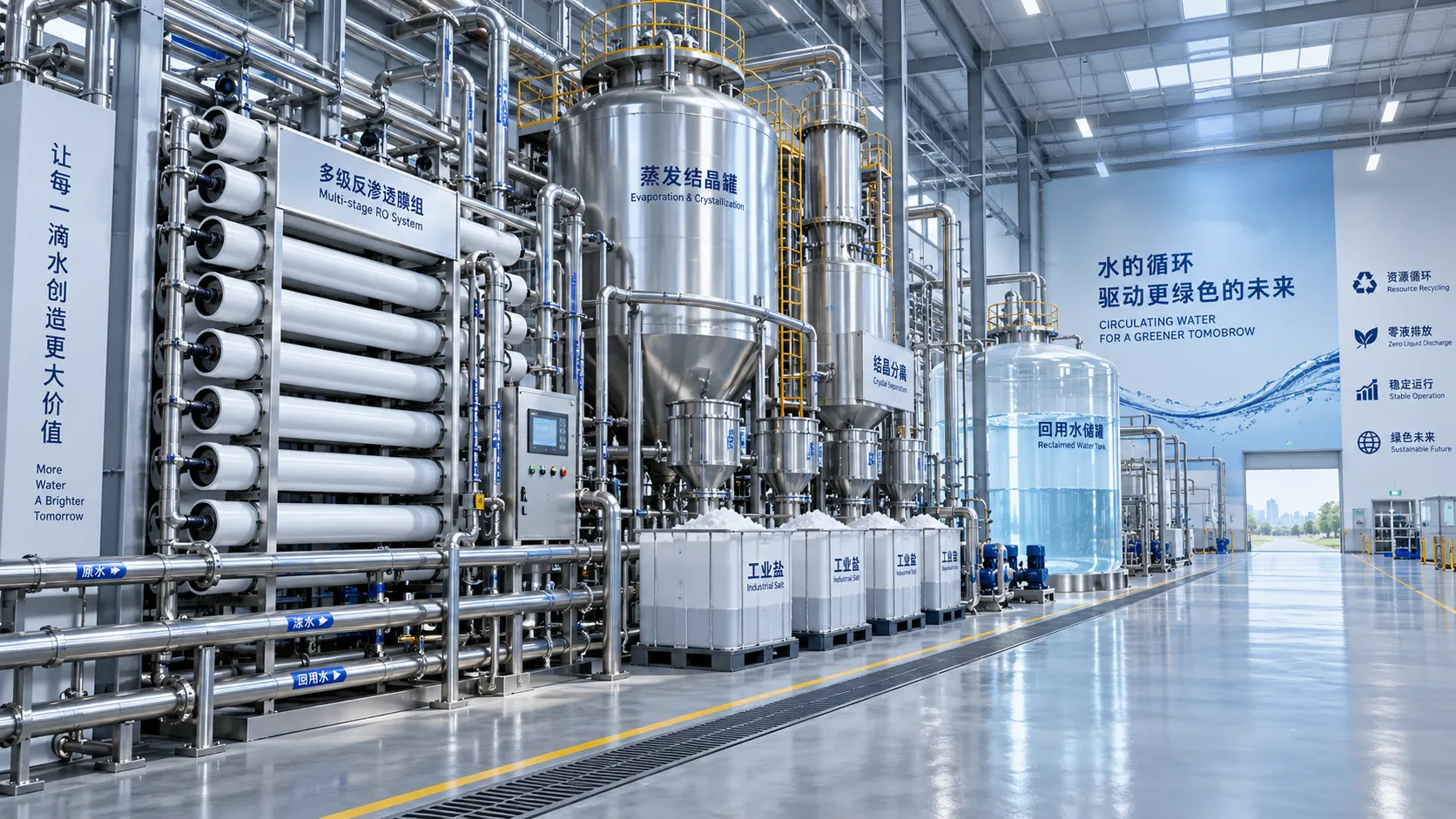
When does high recovery ZLD equipment justify its higher capital cost?
High recovery ZLD equipment can justify higher capital cost when water scarcity, discharge risks, brine disposal, and downtime threaten operations. Explore the decision factors.
How high purity heavy metal recovery affects recovered metal value
High purity heavy metal recovery boosts recovered metal value by improving payability, reducing penalties, and unlocking stronger buyer opportunities. Explore smarter netback strategies.