
Industry News
Curation by industry experts
Hot Articles
Popular Tags
Industrial Water Purification Systems for High-TDS Water: What to Evaluate
Industrial Water Purification Systems for High-TDS Water: What to Evaluate
When high-TDS feedwater threatens uptime, compliance, and lifecycle costs, selecting industrial water purification systems stops being a routine engineering task.
It becomes a business decision tied to asset reliability, discharge risk, energy use, and future expansion.
That pressure is growing across power, chemicals, mining, food processing, electronics, and desalination-linked industrial clusters.
In high-TDS conditions, weak system design usually fails in predictable ways.
Membranes foul too quickly, recovery targets become unrealistic, brine management costs escalate, and compliance margins shrink.
The better question is not which brand looks strongest on paper.
The real question is which industrial water purification systems match the chemistry, operating profile, and risk tolerance of the plant.
Start with the Feedwater, Not the Equipment List
High TDS alone does not define treatment difficulty.
Two streams with similar conductivity can behave very differently inside industrial water purification systems.
One may be dominated by sodium chloride.
Another may carry silica, hardness, organics, oil traces, iron, ammonia, or scaling metals.
That difference changes the entire process route.
Before comparing proposals, verify these feedwater variables:
- TDS range, not just average value
- Seasonal fluctuations in temperature and composition
- Silica, calcium, magnesium, barium, and strontium levels
- COD, TOC, oil, suspended solids, and biological load
- pH swings and oxidation-reduction conditions
- Final water quality and discharge obligations
This early discipline prevents a common mistake.
Many industrial water purification systems are sized from simplified lab data, then exposed to real wastewater variability they were never designed to absorb.
Evaluate the Full Process Train
For high-TDS service, no single unit solves the problem alone.
Effective industrial water purification systems are usually process combinations built around pretreatment, concentration, polishing, and reject handling.
Pretreatment determines membrane life
In many projects, pretreatment creates more long-term value than the main desalting step.
Clarification, media filtration, ultrafiltration, softening, oxidation control, and dechlorination must match the actual fouling risks.
If pretreatment is underbuilt, downstream industrial water purification systems will consume more chemicals, more labor, and more replacement parts.
RO is powerful, but not unlimited
Reverse osmosis remains central in many industrial water purification systems for brackish and moderately high-salinity feeds.
Still, recovery targets must reflect osmotic pressure, scaling tendency, and cleaning frequency.
Aggressive promises around recovery often look attractive in bidding, but they can damage economics once the plant is operating continuously.
Thermal steps matter in extreme cases
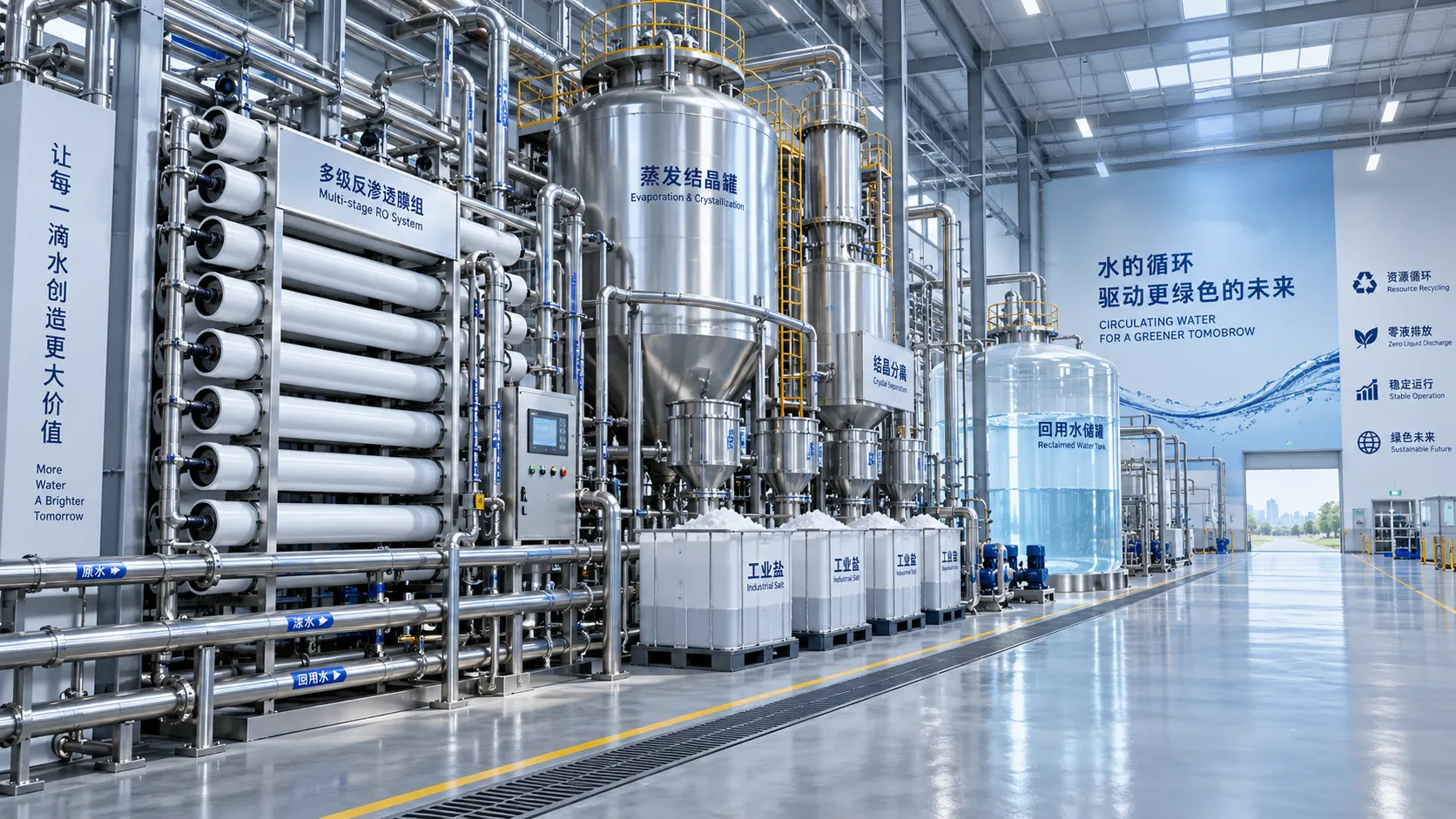
When TDS is very high, or ZLD is required, thermal concentration often enters the picture.
MVR evaporators and crystallizers are common extensions of industrial water purification systems in difficult industrial settings.
These units can close the loop, but they also reshape the energy balance and maintenance model of the site.
Focus on Recovery, Rejects, and Real Economics
High recovery is useful only when it lowers total cost without creating hidden liabilities.
That is why recovery should be reviewed together with brine disposal, energy demand, and solids handling.
This is often where industrial water purification systems separate into two very different investment stories.
Ask suppliers to show economics across these dimensions:
- Net water recovery under worst-case feed conditions
- Specific energy consumption per cubic meter treated
- Chemical consumption and cleaning frequency
- Membrane or heat-exchanger replacement intervals
- Brine transport, evaporation, or disposal costs
- Downtime impact on production continuity
A lower-capex bid can become more expensive within two operating cycles.
For enterprise planning, the useful metric is lifecycle performance, not headline equipment price.
Check Reliability Under Industrial Reality
Many industrial water purification systems look stable in design documents.
Performance gaps appear later, when utilities fluctuate, operators change shifts, and upstream processes drift.
This is why reliability must be evaluated beyond nameplate capacity.
Look at turndown and ramp behavior
Can the system handle partial loads without severe efficiency loss?
Can it restart cleanly after shutdowns or feed interruptions?
Flexible industrial water purification systems usually protect production better than designs optimized only for steady-state operation.
Review maintainability in plain terms
Ask how long cleaning takes, how many critical spares are needed, and whether key service work needs outside specialists.
Well-designed industrial water purification systems reduce dependence on emergency intervention and imported parts.
Demand performance references that actually match
A municipal reuse reference may not validate a harsh chemical wastewater case.
The most useful references come from industrial water purification systems treating similar salinity, contaminants, and operating hours.
Digital Visibility and Compliance Readiness Matter More Now
From recent market shifts, one signal is clear.
Industrial water purification systems are no longer judged only by water quality output.
They are also judged by traceability, reporting quality, and compliance resilience.
This matters especially where discharge permits tighten, water reuse targets rise, or cross-border supply chains face environmental scrutiny.
Evaluate whether the system can support:
- Online conductivity, flow, pressure, and recovery monitoring
- Fouling trend analysis and predictive maintenance alerts
- Compliance reporting for discharge and reuse records
- Energy and chemical consumption benchmarking
- Integration with plant DCS, SCADA, or EMS platforms
Smarter industrial water purification systems help operations teams detect loss of performance before it becomes a shutdown event.
A Practical Evaluation Framework
In actual project work, structured comparison improves decisions faster than broad vendor presentations.
A practical scoring model for industrial water purification systems should cover:
- Feedwater fit and pretreatment robustness
- Recovery realism under variable conditions
- Brine or concentrate management pathway
- Energy intensity and utility compatibility
- Maintenance burden and spare-parts availability
- Automation, data visibility, and compliance support
- Lifecycle cost over five to ten years
- Supplier execution strength and reference quality
This approach makes discussions more objective.
It also reduces the risk of buying industrial water purification systems that meet short-term specifications but fail strategic operational needs.
What a Strong Decision Usually Looks Like
The strongest decisions rarely come from chasing the highest recovery number or the lowest initial quote.
They come from aligning industrial water purification systems with water chemistry, production continuity, compliance exposure, and long-horizon cost control.
For high-TDS applications, that usually means disciplined feed characterization, realistic process integration, and hard questions about reject management.
It also means treating digital monitoring and maintainability as core design criteria, not optional extras.
In a tighter regulatory and resource environment, industrial water purification systems must do more than produce cleaner water.
They must protect uptime, support compliance, and remain economically defensible over years of industrial use.
That is the standard worth evaluating against.
Recommended News
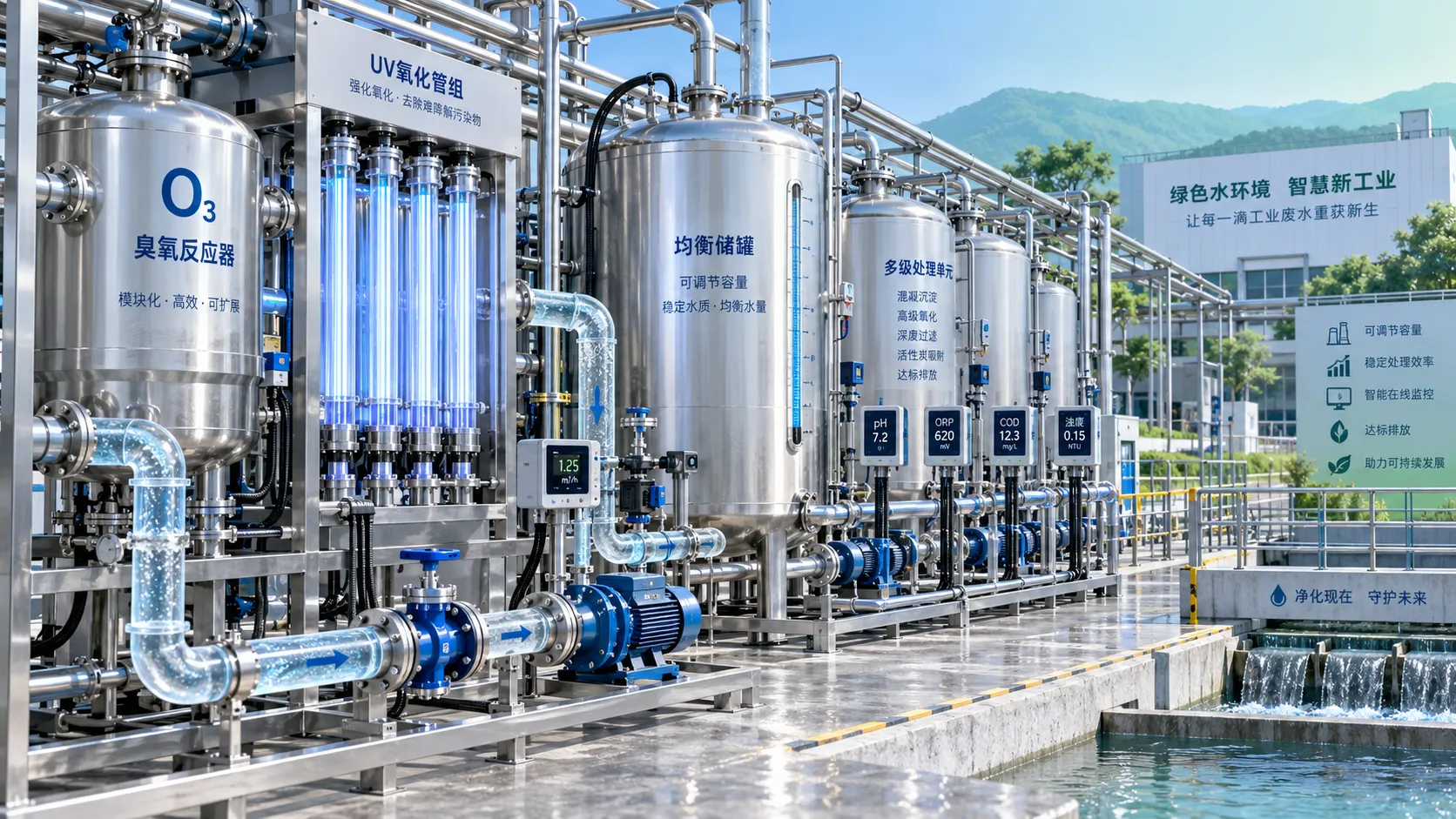
How to size advanced oxidation equipment for variable wastewater loads
Advanced oxidation equipment guide for sizing AOP systems under variable wastewater loads, improving compliance, efficiency, and lifecycle cost control.
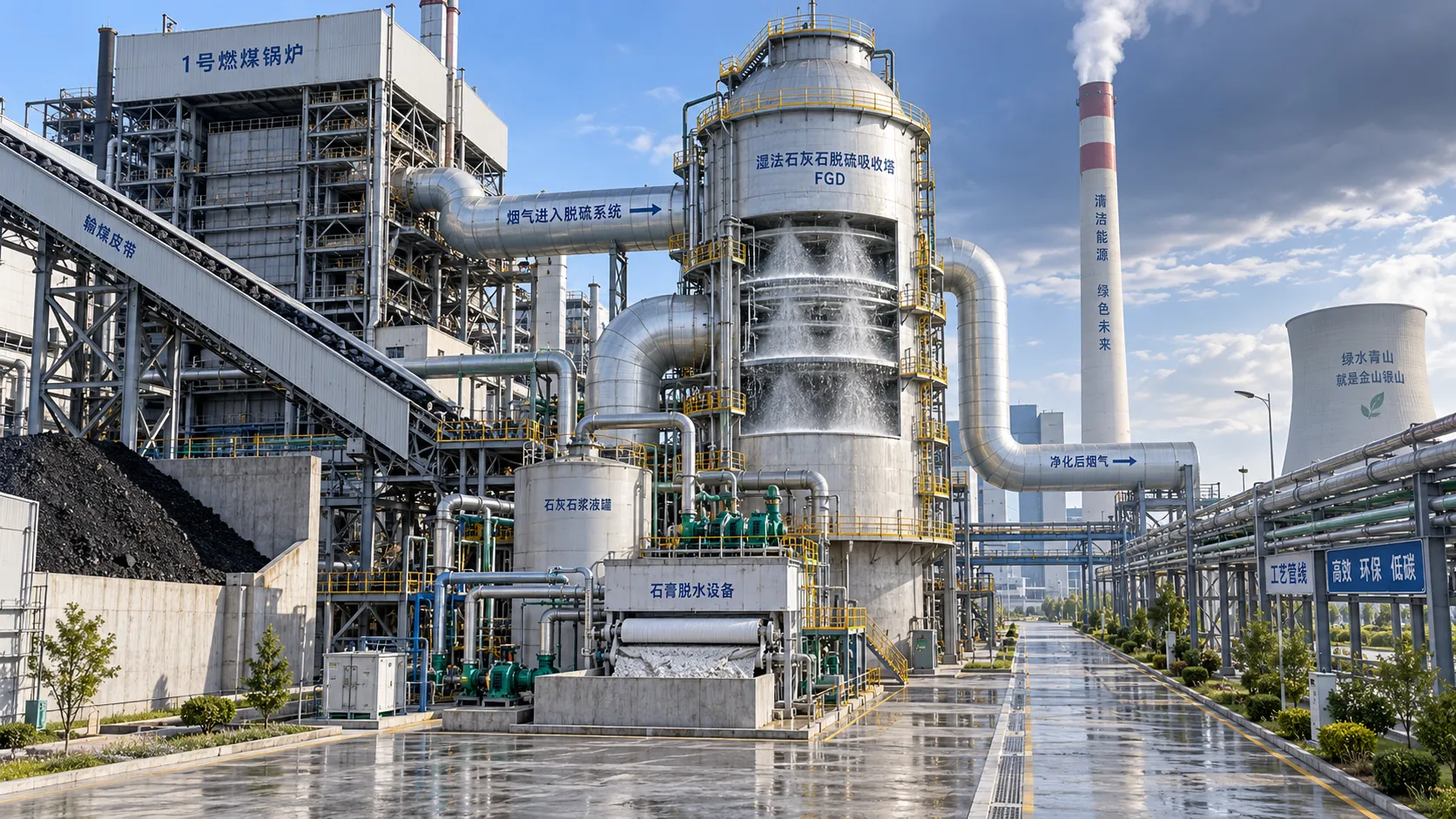
How to select FGD systems for coal boilers based on sulfur content
FGD systems for coal boilers: learn how sulfur content, fuel variability, emissions limits, water, waste, and retrofit constraints guide a compliant, cost-effective scrubber choice.
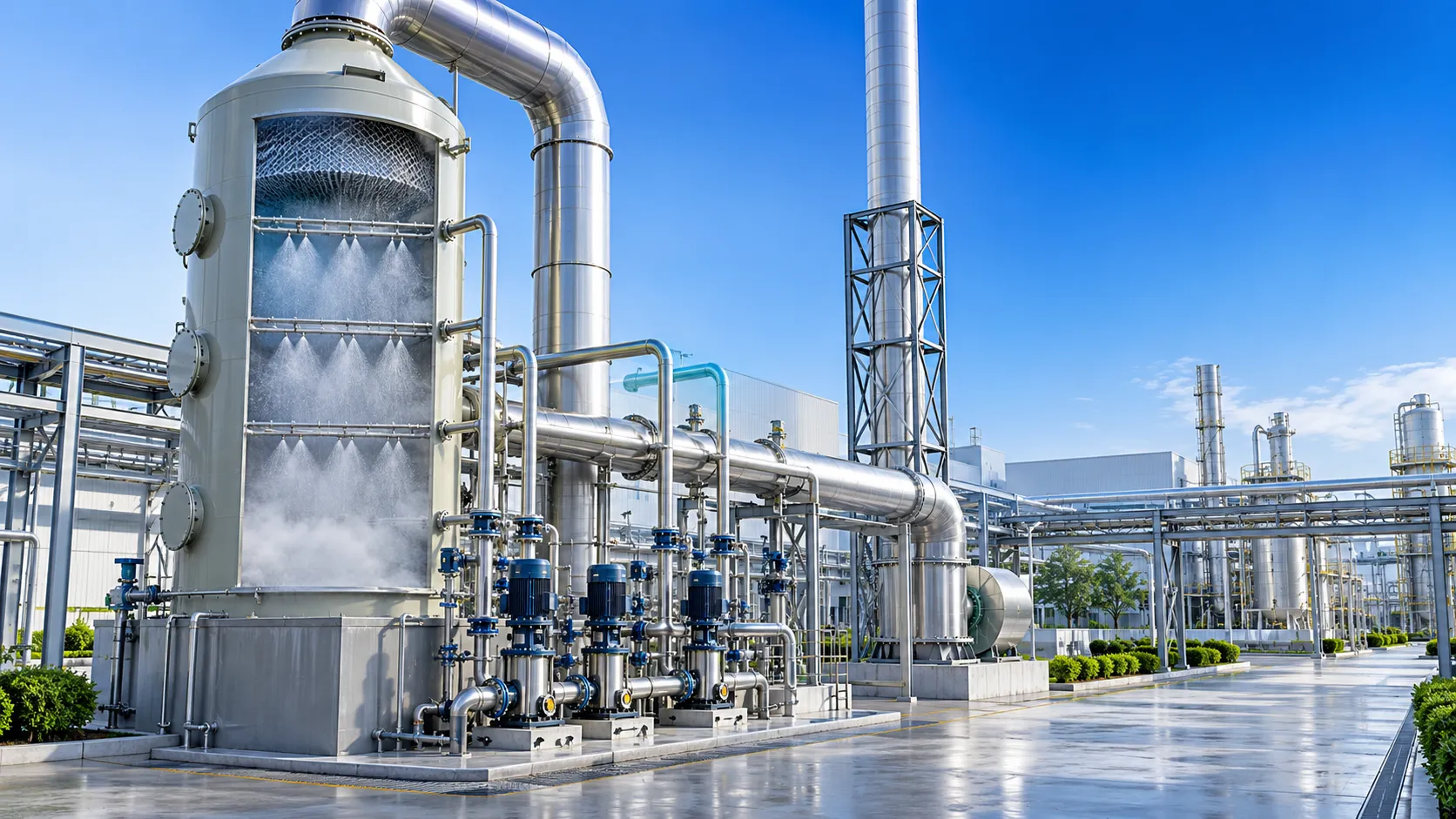
How to size a desulfurization equipment scrubber for variable gas flow
Desulfurization equipment scrubber sizing for variable gas flow: optimize SO2 removal, pressure drop, liquid-to-gas control, and compliance across every load.
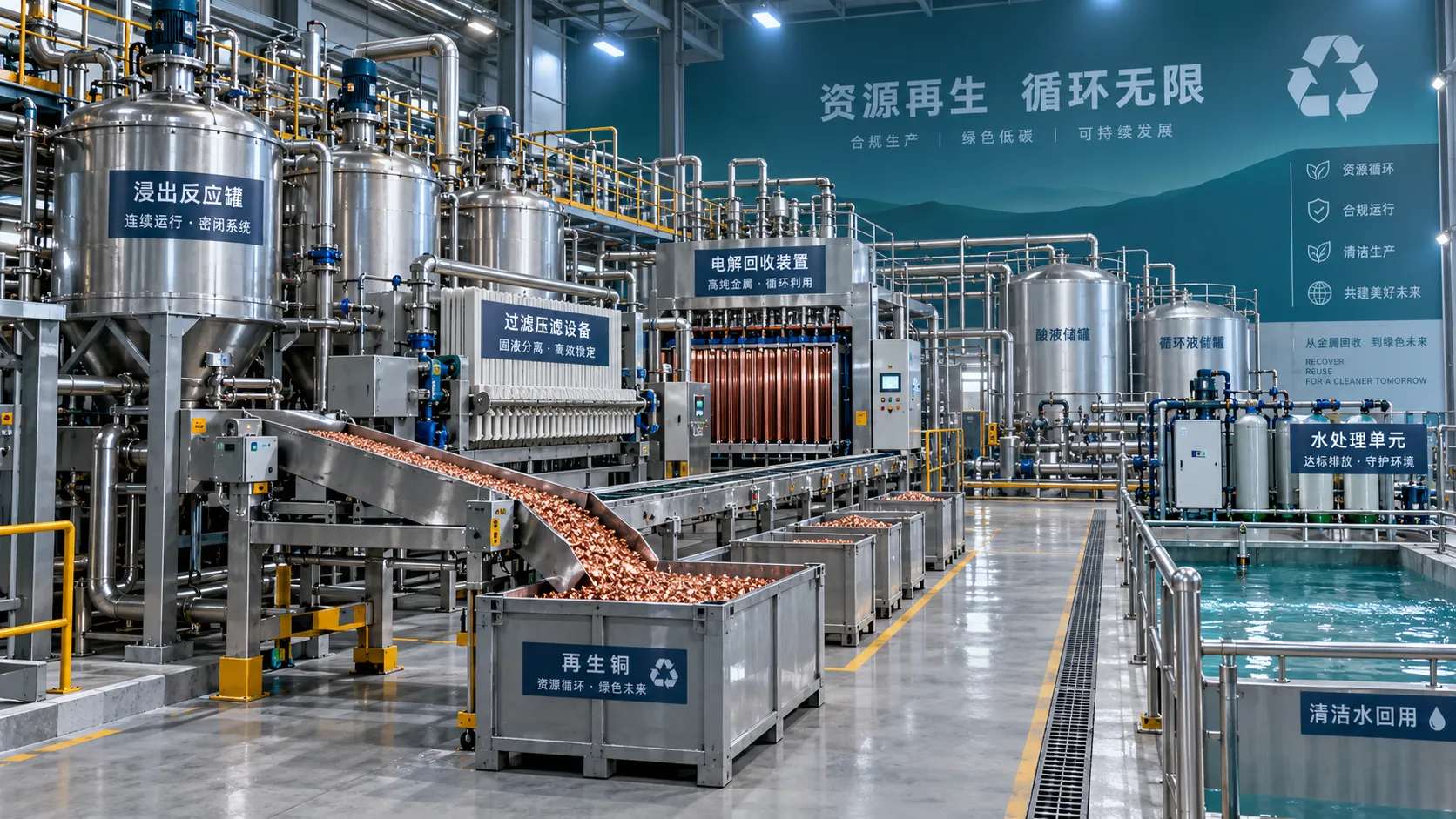
When does repeatable metals recovery infrastructure justify the investment?
Repeatable metals recovery infrastructure: discover when consistent feedstock, lower disposal costs, compliance control, and reliable offtake justify investment.
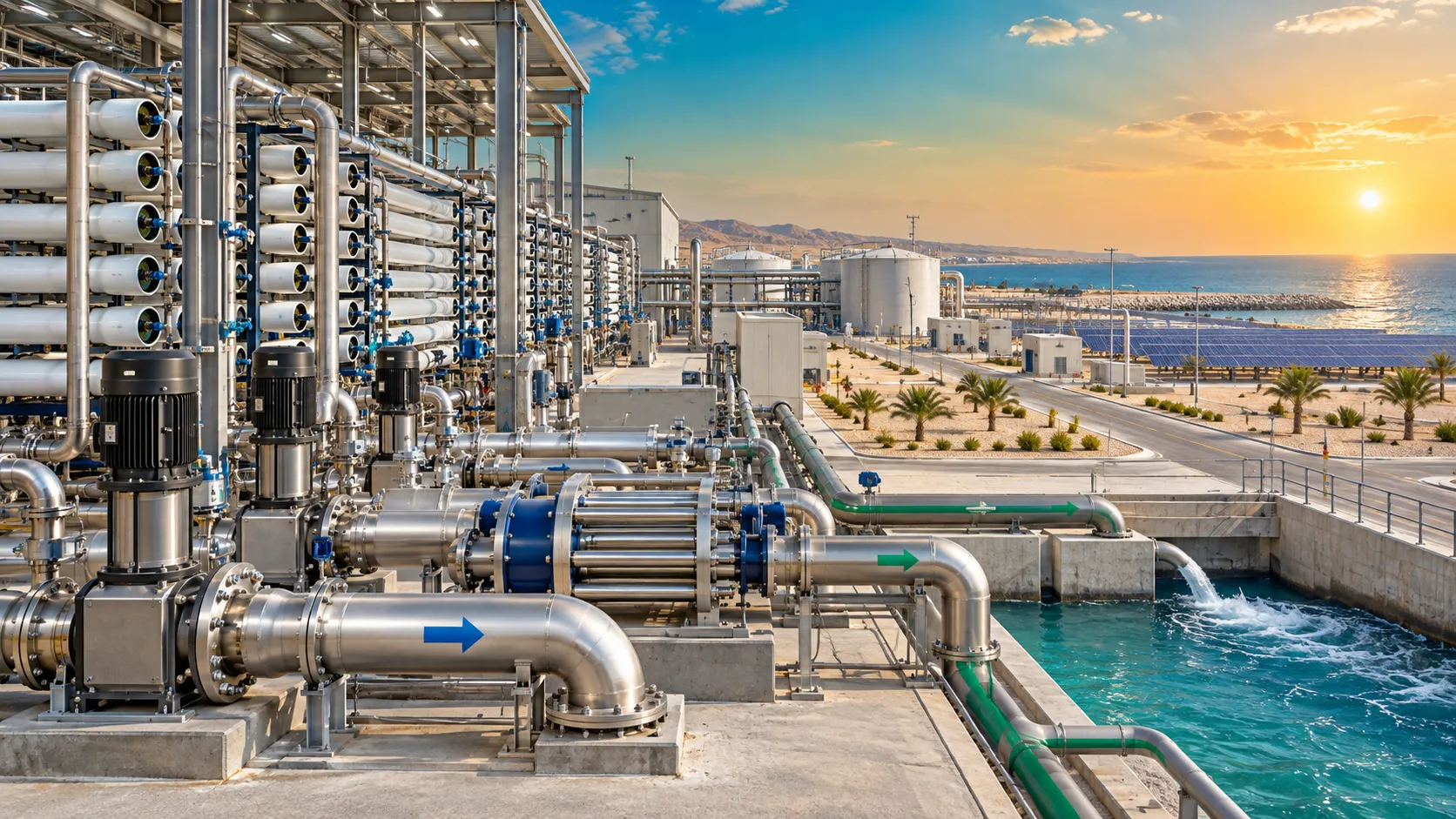
How energy recovery cuts the cost of seawater desalination in the Middle East
Seawater desalination Middle East projects can cut lifecycle costs with energy recovery. Explore savings, bankability, power-risk strategies, and smarter investment decisions.
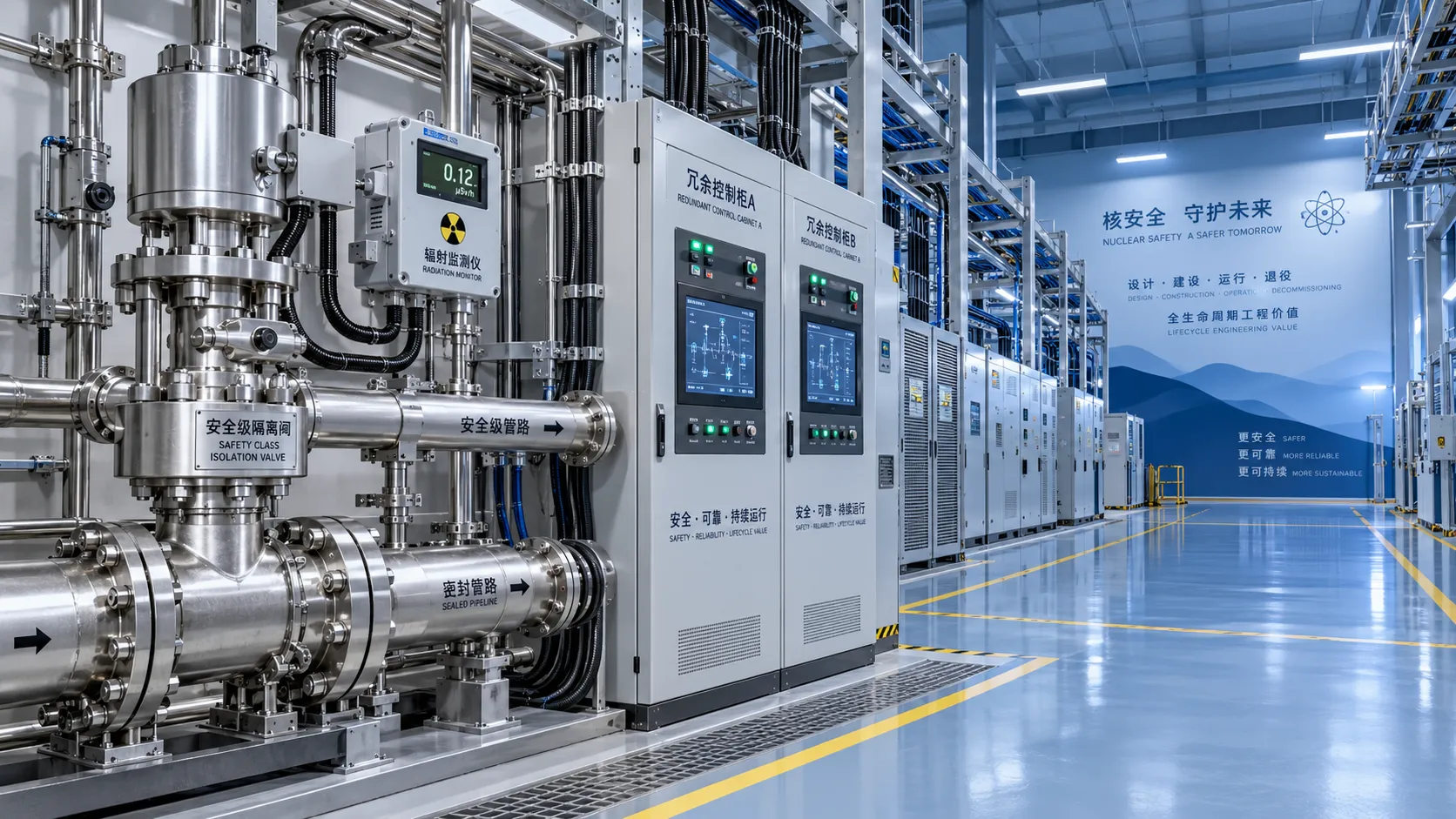
What drives nuclear safety solutions pricing for new facility projects?
Nuclear safety solutions pricing explained: uncover the key cost drivers for new facilities, from qualification and interfaces to lifecycle support.
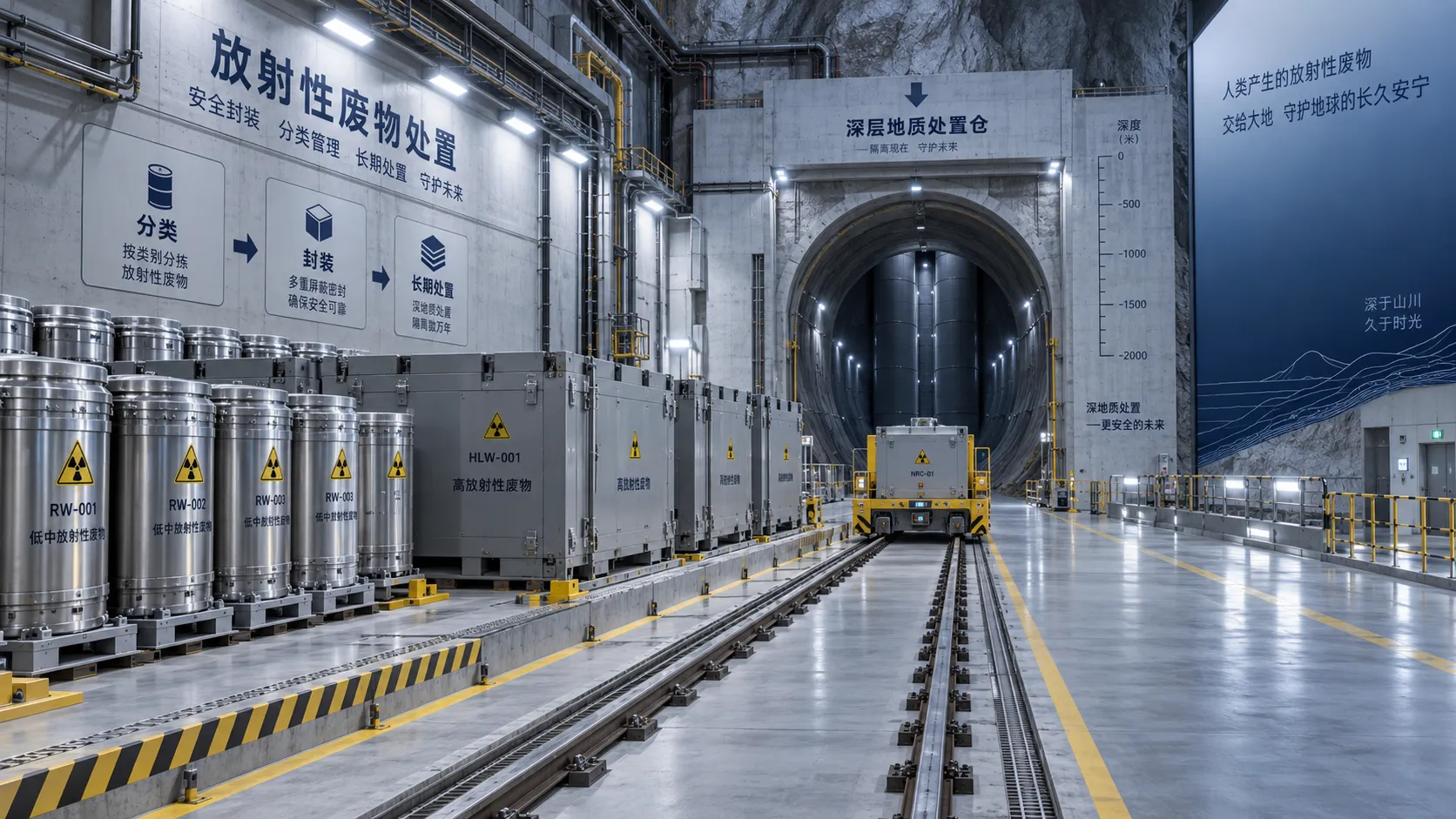
What drives radioactive waste cost over the life of a disposal project?
Radioactive waste cost depends on classification, treatment, transport, storage, disposal access, and long-term compliance. Explore the key lifecycle cost drivers.
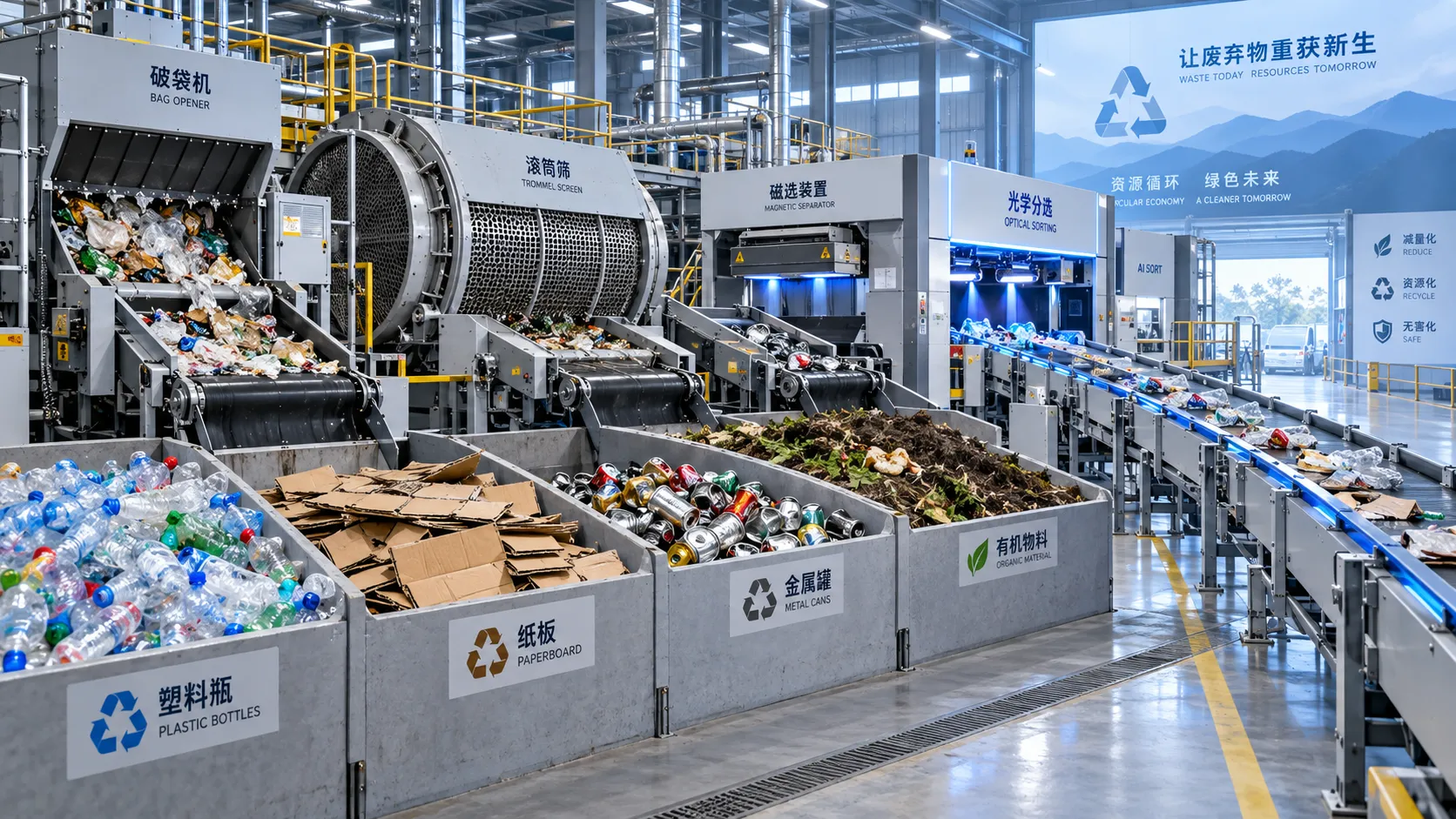
How to choose solid waste equipment based on waste stream characteristics
Environmental equipment guide for solid waste: discover how to match sorting, treatment, and recovery equipment to waste composition, moisture, contamination, and output goals.
When does high recovery ZLD equipment justify its higher capital cost?
High recovery ZLD equipment can justify higher capital cost when water scarcity, discharge risks, brine disposal, and downtime threaten operations. Explore the decision factors.