
Industry News
Curation by industry experts
Hot Articles
Popular Tags
Desulfurization Systems for Power Plants: Wet FGD Cost vs Performance
Why are desulfurization systems for power plants being judged more by value than by simple compliance?
In flue gas control, passing an emissions limit is no longer the whole buying story.
For many projects, the harder question is whether wet FGD cost produces stable sulfur removal, manageable operating expense, and predictable plant uptime.
That shift matters because desulfurization systems for power plants sit inside a wider environmental chain.
They affect water balance, gypsum handling, wastewater treatment, corrosion risk, and the ability to respond to tighter regional rules.
ESD follows this broader logic across flue gas treatment, water purification, and compliance intelligence.
In practical terms, that means a scrubber cannot be evaluated as an isolated vessel.
It has to be read as part of an ecological engineering system shaped by reagent supply, wastewater constraints, carbon pressure, and maintenance capability.
Wet limestone FGD remains the mainstream choice for large coal-fired units because it can reach high SO2 removal.
Still, high removal on paper does not automatically mean high value over twenty years.
When does wet FGD actually make economic sense?
Wet FGD makes the most sense where sulfur loads are high and removal targets are strict.
It is often selected for base-load units, large boilers, and plants exposed to tight environmental audits.
The reason is simple.
Among desulfurization systems for power plants, wet FGD usually offers the best path to sustained removal efficiency above 95%, and often higher.
That said, the economics weaken in some cases.
Peaking plants, smaller units, sites with water scarcity, or stations with difficult wastewater discharge rules may find the total burden too high.
A common mistake is comparing systems only by initial quotation.
A lower-capex offer may carry higher absorber scaling, more oxidation air demand, or poor slurry circulation design.
Those issues typically appear later as forced outages and higher reagent use.
A more reliable way to judge fit is to check four site conditions together:
- Fuel sulfur variability across the year
- Required SO2 removal under worst operating load
- Water availability and blowdown treatment limits
- Expected operating hours and outage tolerance
If those four factors are severe, wet FGD often justifies its cost more clearly than lighter solutions.
What drives wet FGD cost more than buyers expect?
Capex is only the visible part of wet FGD cost.
Over the full lifecycle, several hidden variables can move the economics faster than the absorber price itself.
The first is reagent quality.
Cheap limestone with unstable purity can increase consumption, reduce reaction efficiency, and create solids management problems.
The second is materials selection.
Corrosion-resistant alloys, rubber lining quality, and mist eliminator durability strongly influence maintenance intervals.
The third is utility demand.
Pumps, oxidation blowers, slurry preparation, and dewatering units all add electrical load.
Then there is wastewater.
For many stations, the real budget pressure comes from chloride control and blowdown treatment, not from SO2 chemistry alone.
The table below helps translate those cost lines into procurement questions.
This is where ESD’s cross-sector view becomes useful.
Flue gas treatment decisions increasingly connect with water treatment strategy, especially where zero liquid discharge or reuse targets are under review.
Does higher removal efficiency always mean better performance?
Not necessarily.
A system showing 98% removal in design documents may still perform worse economically than a well-balanced 95% system.
What matters is stable performance across fuel swings, startup periods, and part-load operation.
In actual operation, the most useful indicators are not a single guarantee number.
They are absorber pH control, liquid-to-gas ratio, oxidation completeness, mist eliminator cleanliness, and gypsum crystal quality.
If those parameters drift, sulfur removal may remain acceptable for a while, but reliability starts to erode.
That erosion shows up as scaling, nozzle blockage, carryover, and higher fan losses.
A practical evaluation method is to ask vendors for performance under non-ideal conditions:
- How does the system react to sulfur spikes?
- What happens when limestone quality drops?
- How much operator intervention is needed during load changes?
- How often must mist eliminators be washed?
Those questions usually reveal more than headline efficiency claims.
For desulfurization systems for power plants, dependable performance is often a control problem and a materials problem, not only a chemistry problem.
Where do buying decisions go wrong most often?
One frequent error is treating all wet limestone systems as interchangeable.
They are not.
Two offers may look similar in flow sheet form, yet differ sharply in absorber internals, controls, access design, and maintenance burden.
Another mistake is ignoring downstream interfaces.
If the wastewater unit, gypsum storage, or stack reheating plan is underspecified, the desulfurization systems for power plants will inherit operational bottlenecks.
There is also a timing issue.
Short delivery promises can look attractive, but weak commissioning support often leads to a longer road to stable operation.
A sound review should test more than price and schedule:
- Reference plants with similar coal quality and unit size
- Availability guarantees linked to consumables assumptions
- Spares strategy for pumps, nozzles, and dewatering equipment
- Digital monitoring and performance tuning support
- Wastewater and solids compliance under local rules
This broader review reflects a market reality.
Environmental systems are now judged by resilience under regulation, not just by nameplate capability.
How should a final comparison be structured before shortlisting?
A useful shortlist compares lifecycle value, not only engineering promises.
For desulfurization systems for power plants, that means building a scorecard around plant-specific operating reality.
The comparison should combine technical performance, cost exposure, and compliance flexibility.
That framework helps turn a technical discussion into a procurement decision that can survive audits, fuel changes, and cost pressure.
The most defensible next step is to map sulfur profile, water constraints, by-product handling, and availability targets before requesting final offers.
Then compare desulfurization systems for power plants using the same operating assumptions.
That is usually where the real gap between nominal wet FGD cost and long-term performance becomes visible.
Recommended News
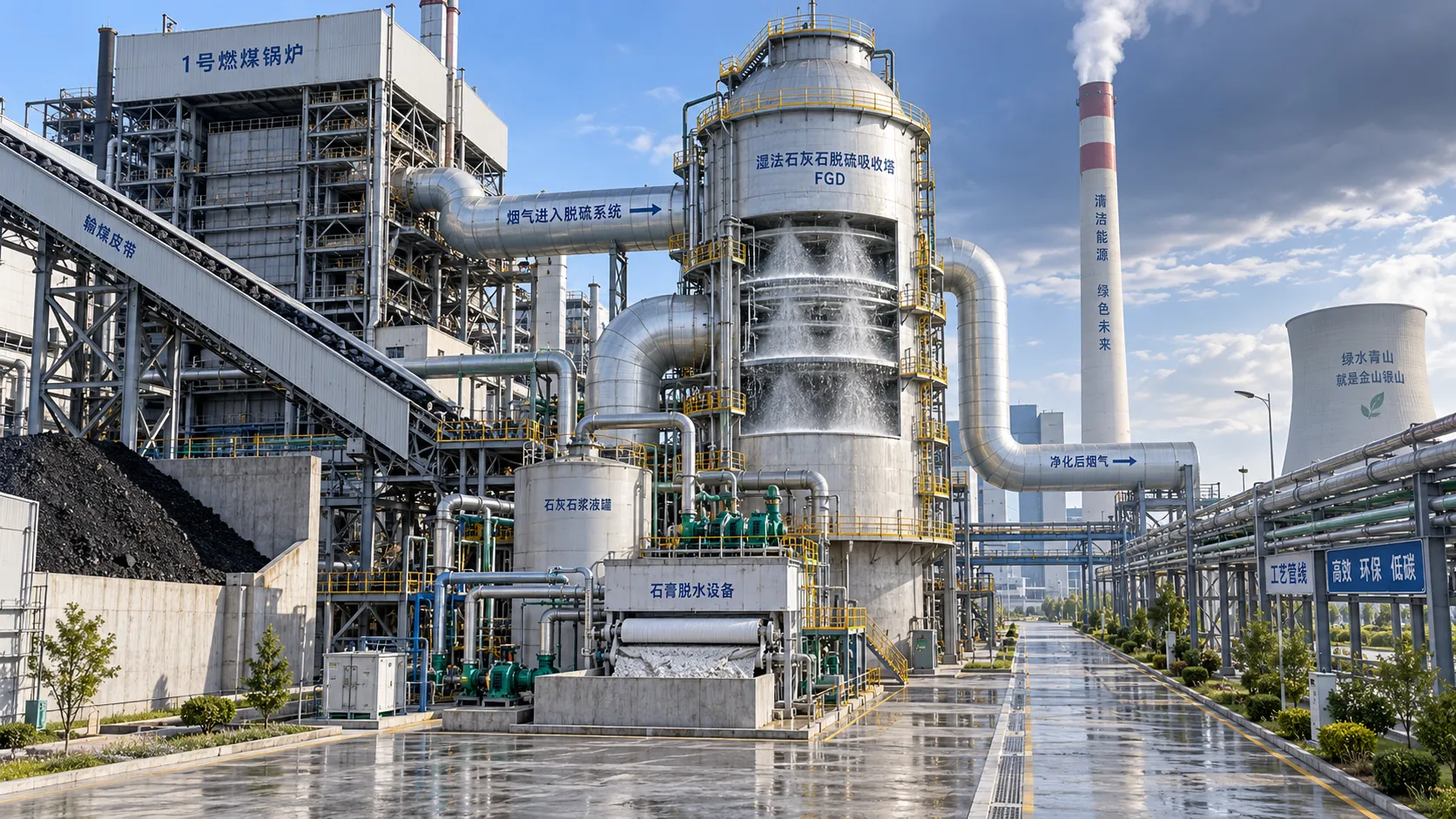
How to select FGD systems for coal boilers based on sulfur content
FGD systems for coal boilers: learn how sulfur content, fuel variability, emissions limits, water, waste, and retrofit constraints guide a compliant, cost-effective scrubber choice.
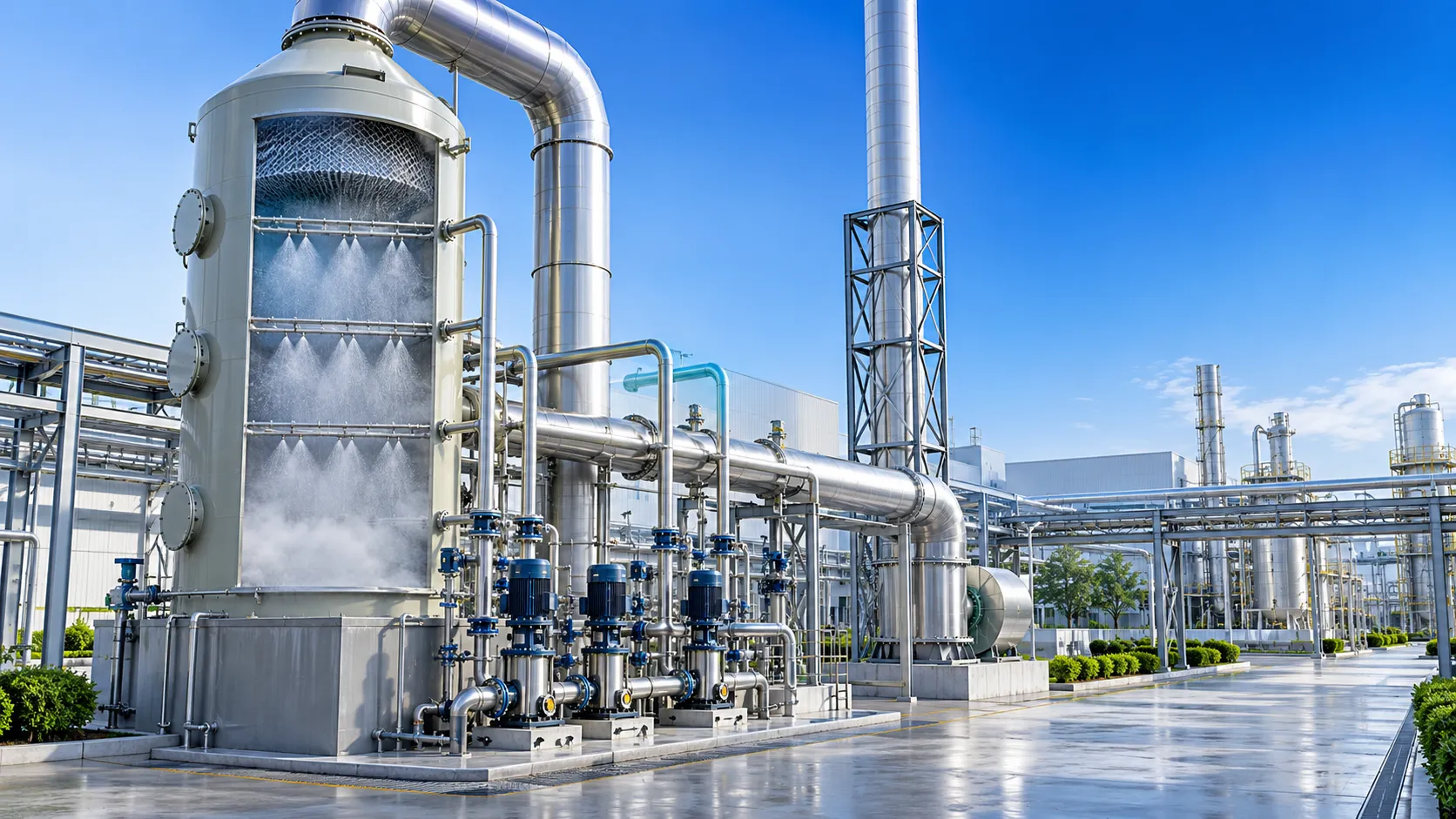
How to size a desulfurization equipment scrubber for variable gas flow
Desulfurization equipment scrubber sizing for variable gas flow: optimize SO2 removal, pressure drop, liquid-to-gas control, and compliance across every load.
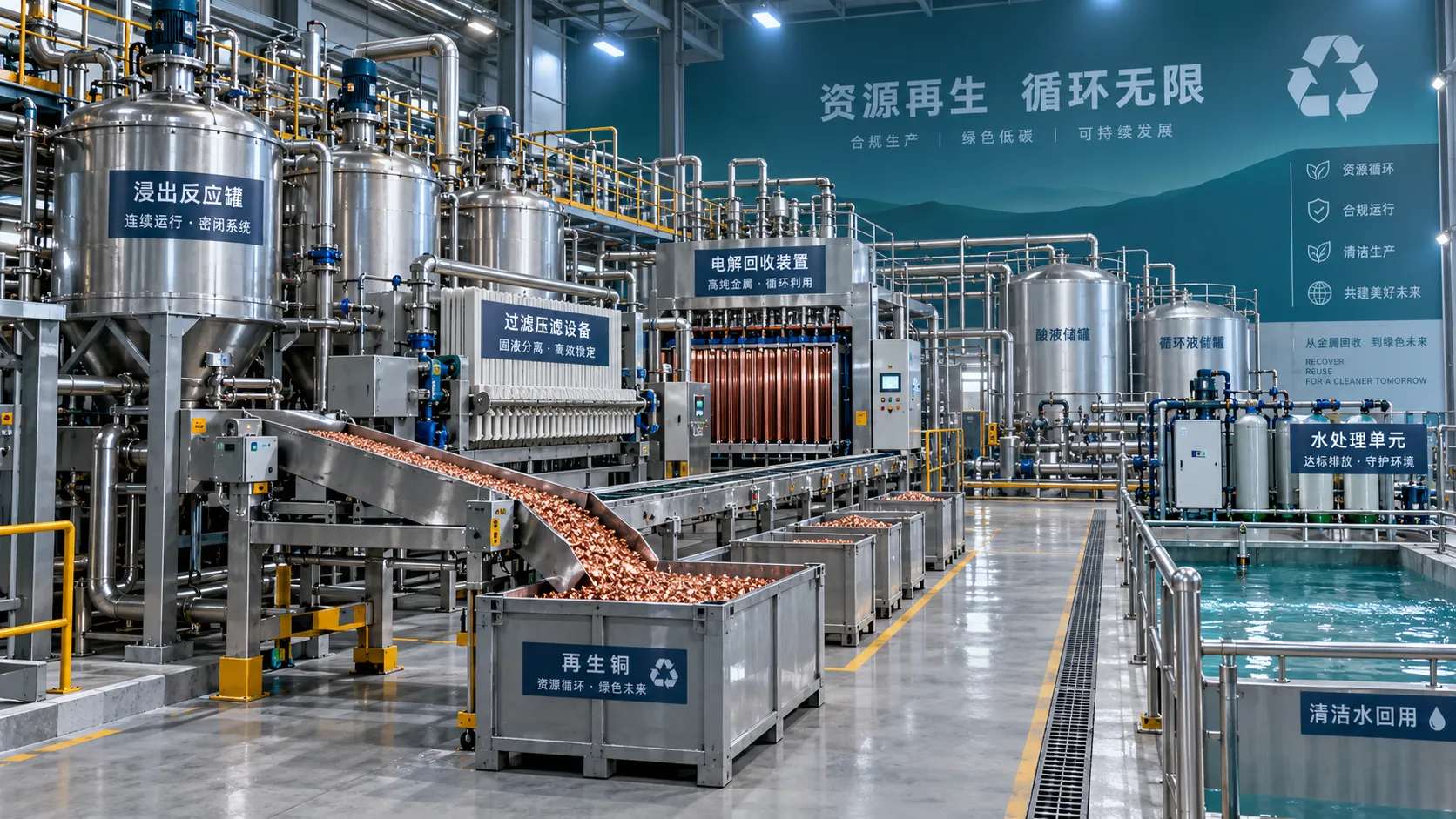
When does repeatable metals recovery infrastructure justify the investment?
Repeatable metals recovery infrastructure: discover when consistent feedstock, lower disposal costs, compliance control, and reliable offtake justify investment.
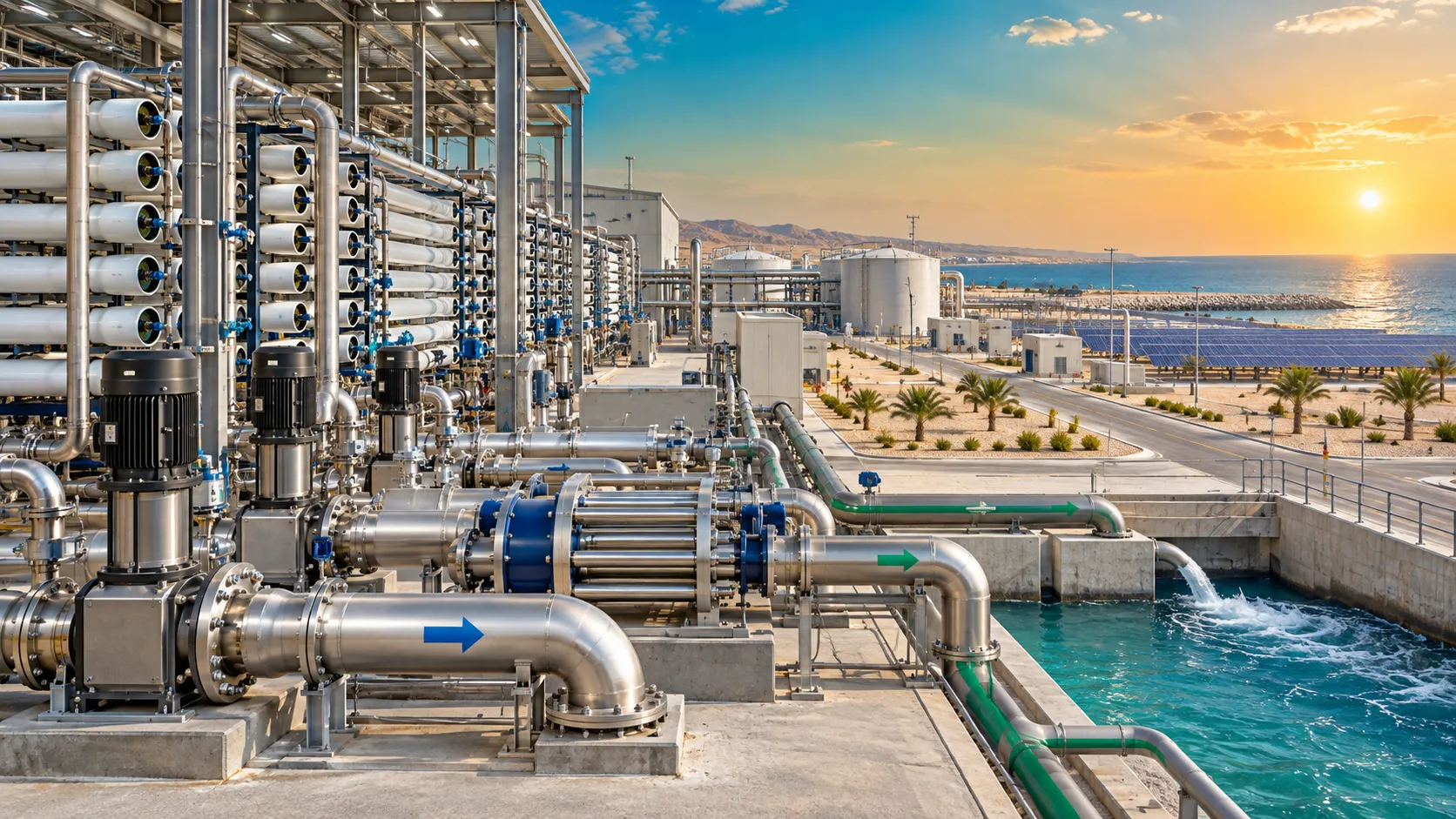
How energy recovery cuts the cost of seawater desalination in the Middle East
Seawater desalination Middle East projects can cut lifecycle costs with energy recovery. Explore savings, bankability, power-risk strategies, and smarter investment decisions.
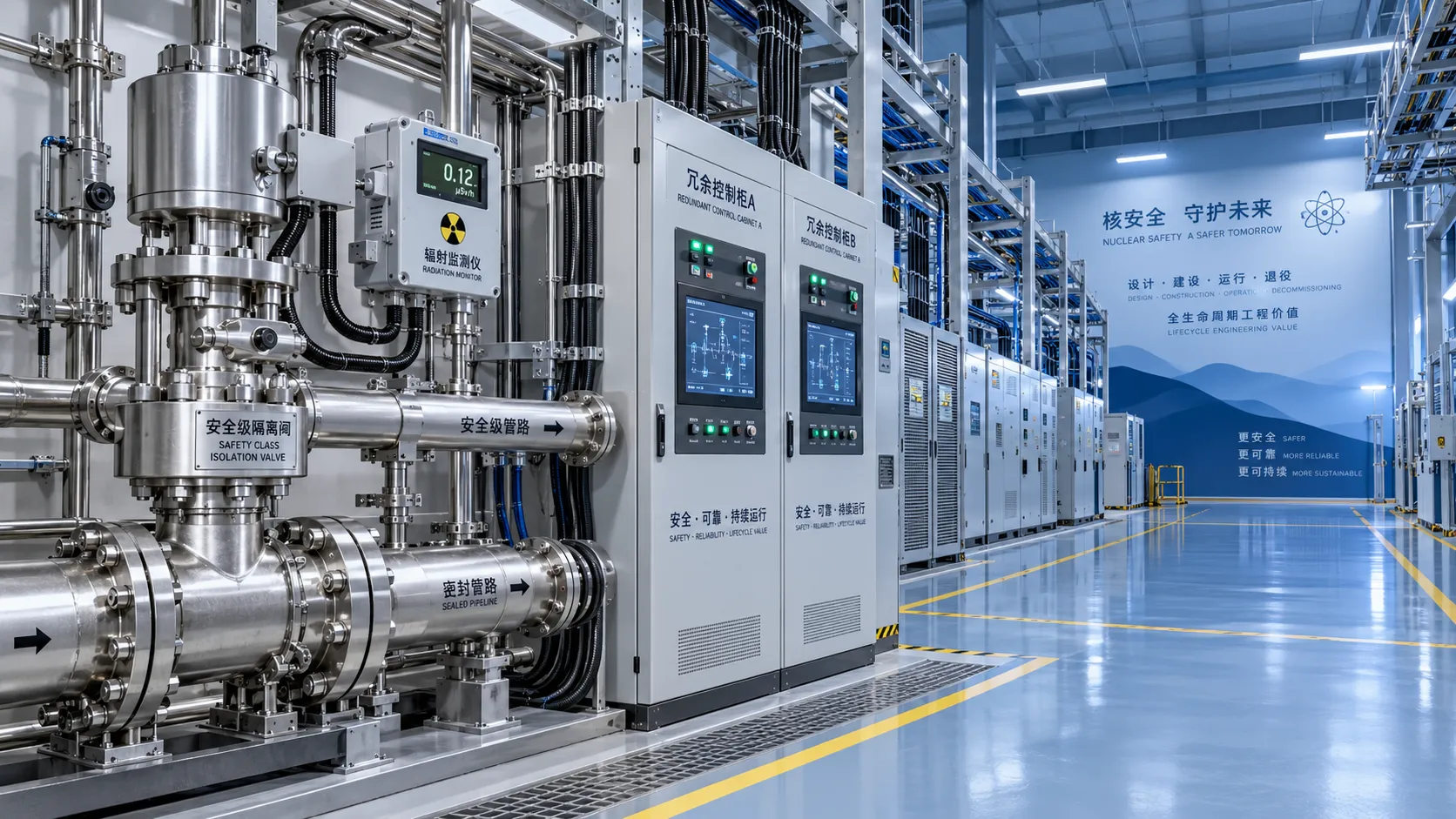
What drives nuclear safety solutions pricing for new facility projects?
Nuclear safety solutions pricing explained: uncover the key cost drivers for new facilities, from qualification and interfaces to lifecycle support.
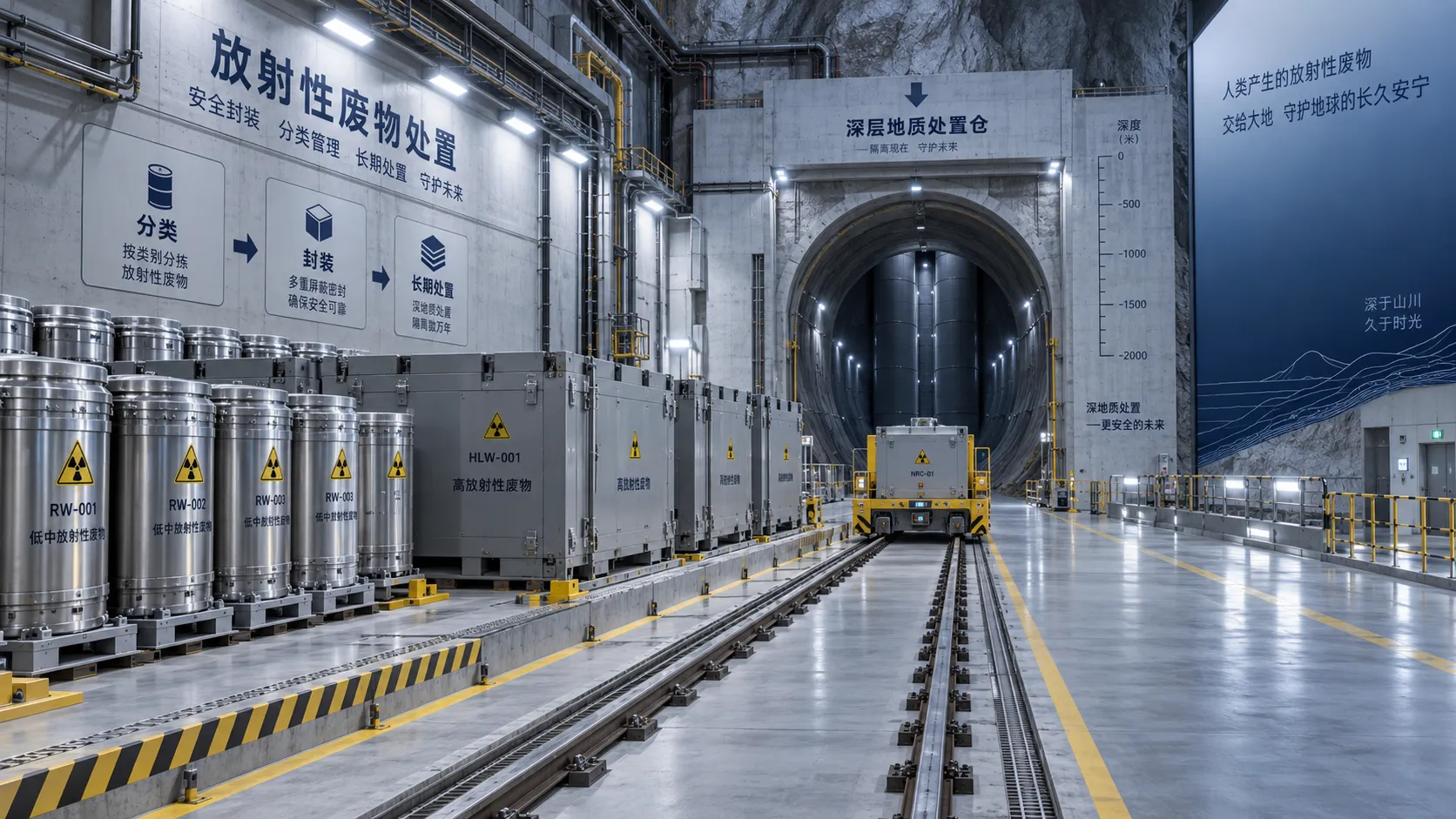
What drives radioactive waste cost over the life of a disposal project?
Radioactive waste cost depends on classification, treatment, transport, storage, disposal access, and long-term compliance. Explore the key lifecycle cost drivers.
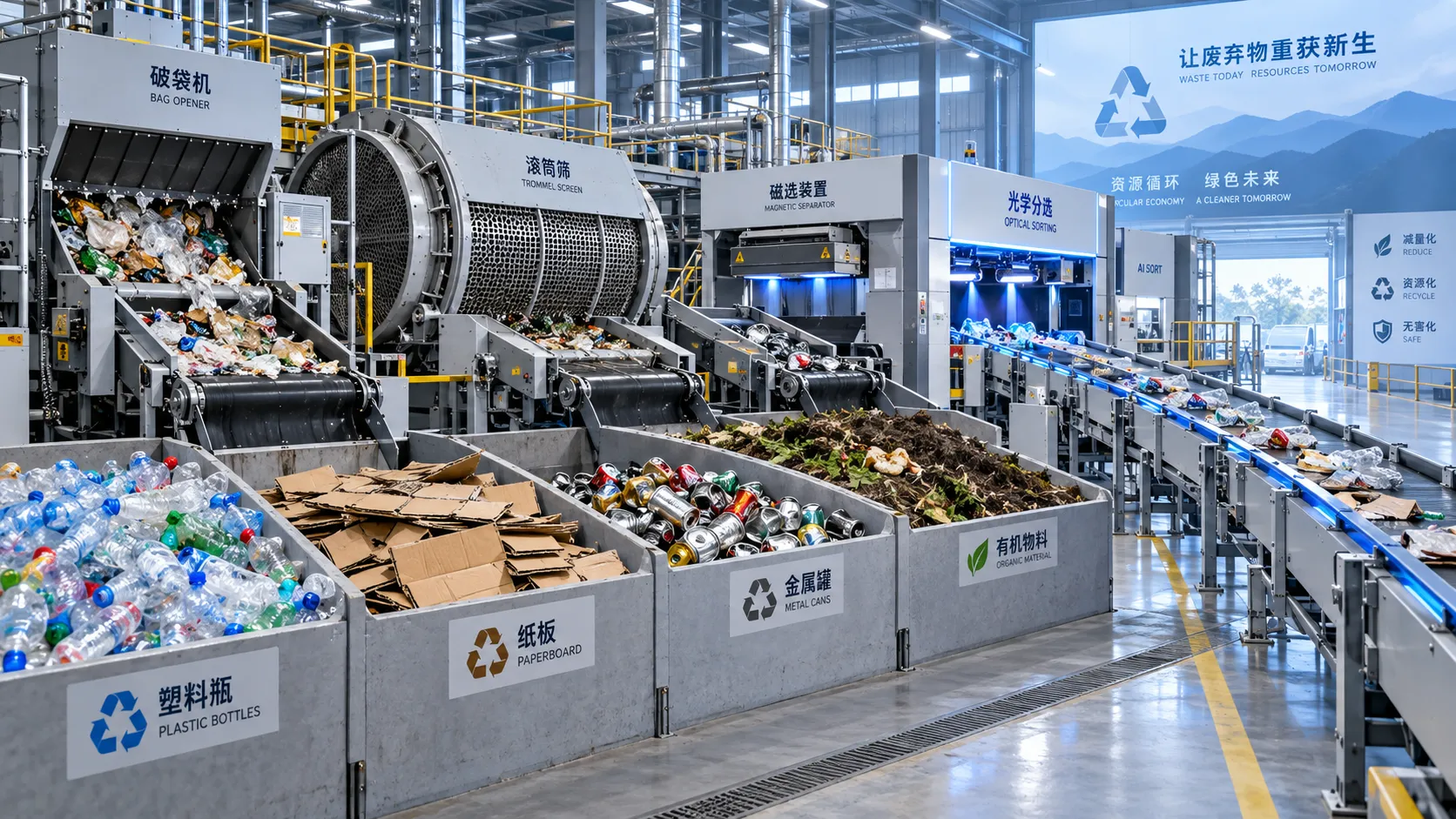
How to choose solid waste equipment based on waste stream characteristics
Environmental equipment guide for solid waste: discover how to match sorting, treatment, and recovery equipment to waste composition, moisture, contamination, and output goals.
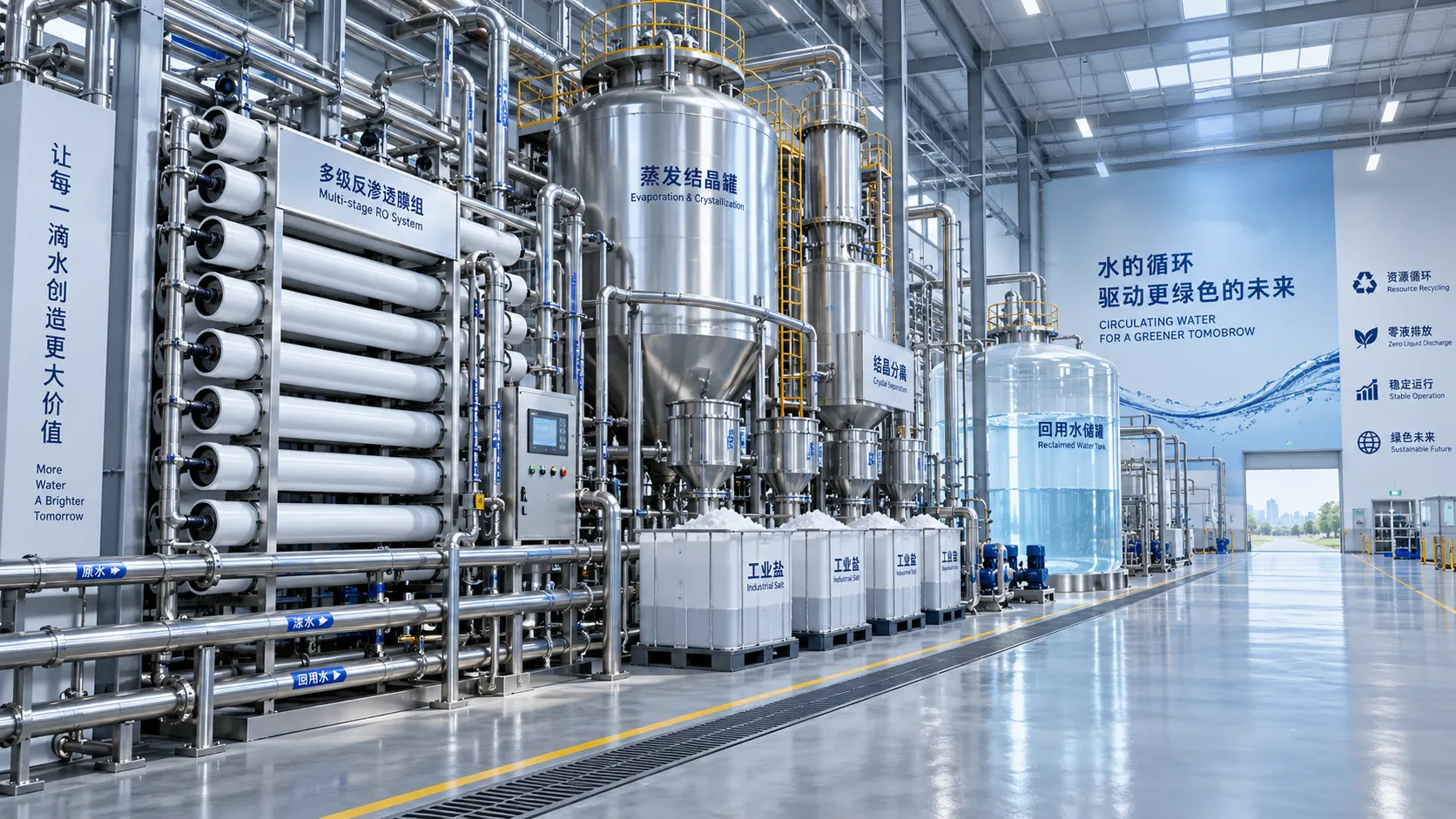
When does high recovery ZLD equipment justify its higher capital cost?
High recovery ZLD equipment can justify higher capital cost when water scarcity, discharge risks, brine disposal, and downtime threaten operations. Explore the decision factors.
How high purity heavy metal recovery affects recovered metal value
High purity heavy metal recovery boosts recovered metal value by improving payability, reducing penalties, and unlocking stronger buyer opportunities. Explore smarter netback strategies.