
Industry News
Curation by industry experts
Hot Articles
Popular Tags
Comparing Upgrade Costs for Industrial Park Wastewater Treatment Systems
The lowest equipment quotation rarely represents the lowest-cost wastewater upgrade for an industrial park. A system with a modest purchase price can become the expensive option when it requires extensive civil works, high membrane replacement frequency, chemical-intensive pretreatment, or continuous operator intervention. Conversely, a higher-capital design may protect project value if it accommodates tenant turnover, tighter discharge limits, water reuse, or future loading increases without a second major rebuild.
To compare costs for wastewater system upgrades in industrial parks, the practical unit of analysis is not simply “cost per cubic metre treated.” It is the total cost of delivering compliant, reliable treatment under the park’s actual influent variability, discharge permit conditions, site constraints, and operating model. The comparison must also distinguish between a plant serving one stable industrial process and a shared utility receiving mixed, changing wastewater streams from multiple tenants. These are fundamentally different investment cases.
Begin with the cost boundary, not the technology list
An upgrade budget can look artificially attractive when it excludes the assets and obligations needed to make the treatment process work. A credible comparison defines whether the price includes influent equalization, collection-network modifications, sludge handling, odor control, electrical upgrades, automation, laboratory capability, commissioning, operator training, and performance testing. It should also state whether taxes, freight, installation labor, local permits, spares, and contingency are included.
This matters particularly in industrial parks because the treatment plant is only one part of the system. If high-strength wastewater reaches the plant through a poorly segregated collection network, a technically capable biological or membrane process may still fail to operate economically. If stormwater, cooling-water blowdown, sanitary sewage, and process effluent are combined without sufficient control, hydraulic peaks can drive unnecessary tank sizing and dilute the influent in ways that disrupt treatment stability.
A useful comparison separates five cost layers:
- Base plant capital expenditure: process equipment, tanks, piping, controls, buildings, and installation.
- Interface and enabling works: sewer rehabilitation, pumping stations, power supply, influent monitoring, drainage separation, and site preparation.
- Operating expenditure: electricity, chemicals, labor, consumables, sludge transport and disposal, laboratory analysis, and maintenance.
- Risk and resilience expenditure: redundancy, standby capacity, emergency storage, online monitoring, bypass prevention, and treatment of abnormal loads.
- End-of-life and renewal expenditure: membrane replacement, media replacement, major mechanical overhaul, control-system upgrades, and disposal of spent materials.
When suppliers quote different boundaries, the apparent equipment-price gap is not a valid basis for selection. The commercial evaluation should normalize every proposal to the same scope and operating assumptions before ranking it.
Influent uncertainty is often the largest hidden cost driver
Industrial park wastewater is difficult to price because nominal flow is not enough. Treatment cost responds to pollutant load, toxicity, variability, temperature, salinity, pH excursions, suspended solids, biodegradability, and the frequency of abnormal discharges. Two parks with the same average daily flow can require entirely different upgrades if one receives stable food-processing wastewater and the other receives intermittent metal-finishing, chemical, textile, pharmaceutical, or electronics-related effluent.
The most consequential commercial question is whether the design basis represents measured conditions or assumptions. A proposal based only on average flow and composite COD can understate the true cost of equalization, pretreatment, nutrient control, refractory-organics removal, or brine management. It can also conceal the need for source-level controls at tenant facilities.
Before comparing technologies, the owner should establish a design influent envelope rather than a single point estimate. The envelope should address average and peak hydraulic flow, expected pollutant ranges, load peaks, inhibitory compounds, conductivity or total dissolved solids, oil and grease, metals, nitrogen species, phosphorus, and temperature. It should also identify which streams must be segregated rather than sent to the central plant.
A central treatment facility should not be priced as a substitute for all tenant pretreatment. Where a tenant produces high concentrations of cyanide, chromium, fluoride, solvents, emulsified oils, highly saline reject water, or other difficult streams, upstream control may be less expensive and more reliable than enlarging the shared plant to absorb every excursion. The right comparison therefore includes the cost allocation between central infrastructure and tenant-side pretreatment.
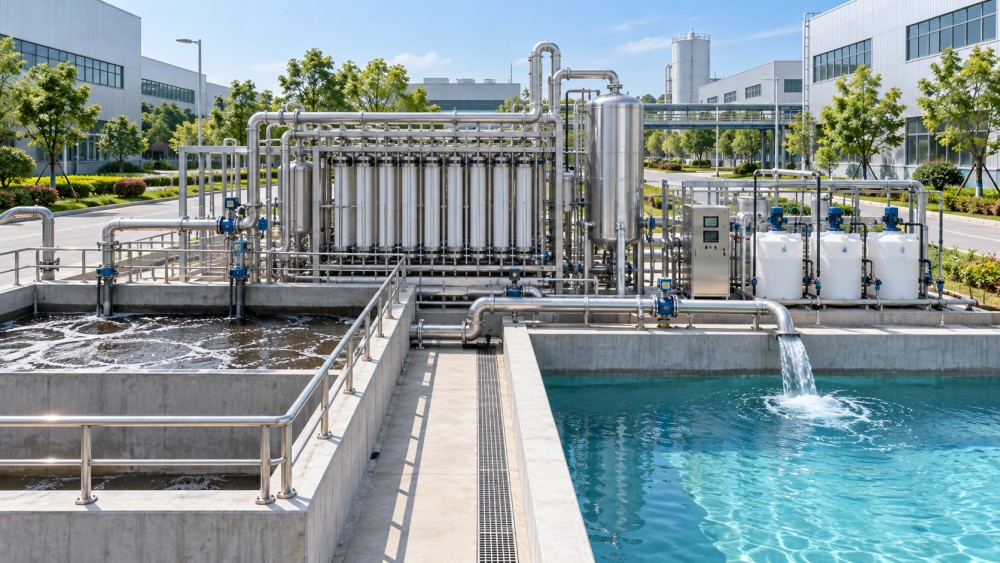
Why similar treatment trains can produce very different lifecycle costs
Technology selection affects cost through energy intensity, chemical demand, solids production, operator dependence, footprint, and tolerance for fluctuating wastewater quality. The relevant issue is not whether a technology is “advanced,” but whether its operating profile fits the discharge objective and influent characteristics.
For example, an MBR can be commercially justified where land is scarce, effluent-quality requirements are demanding, or reuse is planned. It should not be selected solely because it appears compact. If the influent contains poorly controlled oils, abrasive solids, scale-forming constituents, or high salinity, the supporting pretreatment and membrane maintenance burden may materially alter the lifecycle calculation.
Likewise, tertiary polishing should be tied to a defined compliance or reuse purpose. Adding activated carbon, ozone, ultraviolet treatment, or advanced oxidation without identifying the residual contaminant to be controlled can create a recurring cost line with little decision value. A treatment train should be designed around pollutant-removal duties, not around a catalogue of processes.
Capacity is not the same as resilience
Quoted capacity commonly refers to a hydraulic throughput under specified conditions. It does not automatically mean the plant can withstand a shock load, equipment outage, toxic discharge, rainfall-related infiltration, or a future tenant mix that differs from the present one. These resilience gaps are often discovered after commissioning, when retrofit options are more expensive.
Commercial comparison should distinguish among average flow, peak flow, peak contaminant load, and emergency storage. A plant may be sized for the correct annual volume yet lack enough equalization to prevent biological upset during short-duration loading events. Another may meet standard conditions but have no practical way to isolate an abnormal influent before it contaminates the treatment process.
Redundancy also needs a precise definition. “N+1” has little meaning unless it identifies which assets are duplicated and whether the remaining equipment can sustain permit-compliant performance during maintenance. Redundant pumps may be adequate for a straightforward lift station; they do not replace redundancy in critical blowers, chemical dosing, membrane trains, dewatering equipment, power supply, instrumentation, or control architecture.
The inexpensive proposal can therefore be the one that has removed operational margin. That may be acceptable for a stable, single-industry park with credible upstream controls. It is far less defensible where tenant activity changes frequently or where non-compliance could interrupt production, trigger permit action, damage customer relationships, or create liability for the park operator.
Energy, chemicals, sludge, and labor must be priced as operating mechanisms
Operating-cost comparisons are often weakened by using broad allowance figures rather than process-specific consumption assumptions. Electricity cost should be linked to major loads: aeration, pumping, mixing, membrane air scouring, recirculation, filtration, reverse-osmosis pumping, evaporation, and dewatering. Chemical costs should identify reagents and their function, such as coagulants, flocculants, acids, alkalis, oxidants, antiscalants, nutrients, or cleaning chemicals.
Sludge is frequently underestimated because it sits outside the treatment equipment quotation. Physicochemical processes can generate substantial sludge volumes, while biological systems generate biosolids whose dewatering and disposal requirements depend on local acceptance routes. The relevant financial measure is not only wet sludge tonnage but transportable cake quantity, hazardous classification where applicable, disposal route, testing needs, and liability allocation.
Labor cost also varies by system architecture. Higher automation can reduce routine manual intervention, but it does not eliminate the need for competent process oversight. Online instruments drift, chemical systems require handling and calibration, membranes need cleaning discipline, and abnormal influent events require decisions that cannot always be automated. A lower-priced control package that provides limited trend data, alarms, interlocks, or remote diagnostics can increase operational risk over time.
For financial comparison, operating costs should be evaluated through scenarios rather than one “normal operation” figure: expected operation, high-load operation, low-load operation, and an upset scenario. This exposes designs whose economics depend on influent conditions remaining unrealistically constant.
Compliance cost includes proof, not only treatment
Discharge obligations are defined by the applicable permit, receiving environment, sewer-discharge agreement, reuse specification, and local regulatory framework. The upgrade must be evaluated against the actual compliance point and monitoring obligations rather than a generic claim that a technology “meets standards.” A system designed for discharge to a municipal sewer has a different cost basis from one discharging directly to surface water, reusing water in industrial processes, or pursuing near-zero liquid discharge.
The cost of demonstrating compliance can be significant. It may include flow measurement, sampling systems, online analyzers, data logging, laboratory testing, calibration, reporting, and alarm-response procedures. Where online measurements are used for control or regulatory reporting, the buyer should clarify maintenance responsibility, consumables, service intervals, data ownership, cybersecurity expectations, and what happens when an analyzer is offline.
It is also important to avoid treating compliance as a fixed endpoint. Permit conditions can be revised, and industrial park discharge characteristics can change when occupancy changes. A well-priced upgrade leaves practical routes for future modification: space for an additional treatment stage, hydraulic connections for expansion, spare electrical capacity, and a control system that can accommodate new instruments or operating logic.
Construction and transition costs can outweigh a minor equipment saving
Industrial parks rarely have the option of shutting down all wastewater generation while a new system is built. The project cost must therefore account for temporary treatment, phased tie-ins, bypass prevention, temporary storage, rental equipment, isolation of existing assets, and the risk of maintaining compliance during commissioning.
Retrofit complexity is especially relevant when the existing plant has undocumented piping, corroded structures, limited access, inadequate headroom, or insufficient electrical capacity. Reusing tanks can reduce capital expenditure, but only after structural condition, liner integrity, hydraulic suitability, and process compatibility have been verified. Retrofitting around unsuitable civil assets can create an operational compromise that persists for the life of the plant.
Schedule should be assessed as an economic variable, not merely a project-management metric. A delayed upgrade can extend exposure to compliance risk and temporary operating costs. Yet an unrealistically short commissioning schedule can conceal insufficient time for biological stabilization, membrane conditioning, operator training, or correction of control logic. Payment milestones should be connected to measurable deliverables, including design approval, equipment delivery, mechanical completion, commissioning, performance demonstration, documentation, and handover of critical spares.
A more defensible commercial comparison
A robust evaluation usually produces a normalized lifecycle model for each viable option. The model should use a consistent planning period, stated energy and chemical price assumptions, estimated maintenance intervals, allowance for replacement items, sludge-management assumptions, and a transparent method for comparing future costs. It should not present a highly precise net present value if key influent data remain uncertain; in that situation, sensitivity ranges are more honest and more useful.
The strongest proposal is not necessarily the one with the most elaborate process diagram or the lowest initial price. It is the one whose cost assumptions remain credible when tested against peak loads, maintenance events, tenant changes, compliance monitoring, and the real limitations of the site.
Before approval, decision-makers should be able to answer a narrow set of practical questions: What wastewater conditions is the supplier guaranteeing? Which conditions are excluded? What must tenants control at source? Which consumables and replacement items are assumed? How is sludge handled and paid for? What happens during a critical equipment outage? Can the plant be expanded or adapted without major demolition? If these answers are unclear, the quoted price is not yet a comparable project cost.
Industrial park wastewater upgrades are long-lived utility investments. The most reliable cost comparison converts technical choices into explicit commercial responsibilities, recognizes uncertainty rather than hiding it, and values operational resilience where the consequences of failure are high. That approach does more than select a treatment system: it establishes whether the upgrade can remain financially and environmentally viable as the park’s industrial profile evolves.
Recommended News
What determines payback for waste-to-resource systems in Europe?
Assess waste-to-resource systems Europe-wide: compare feedstock, recovery yields, costs and contracts to uncover payback drivers and make smarter investment decisions.
How to verify a water treatment system factory’s production capacity
Verify a water treatment systems factory’s production capacity through records, bottlenecks, component availability, and testing. Learn what to check before accepting a delivery promise.
When does EPC environmental project support reduce delivery risk?
EPC environmental project support engineering reduces delivery risk by aligning design, procurement, compliance, construction, and commissioning decisions.
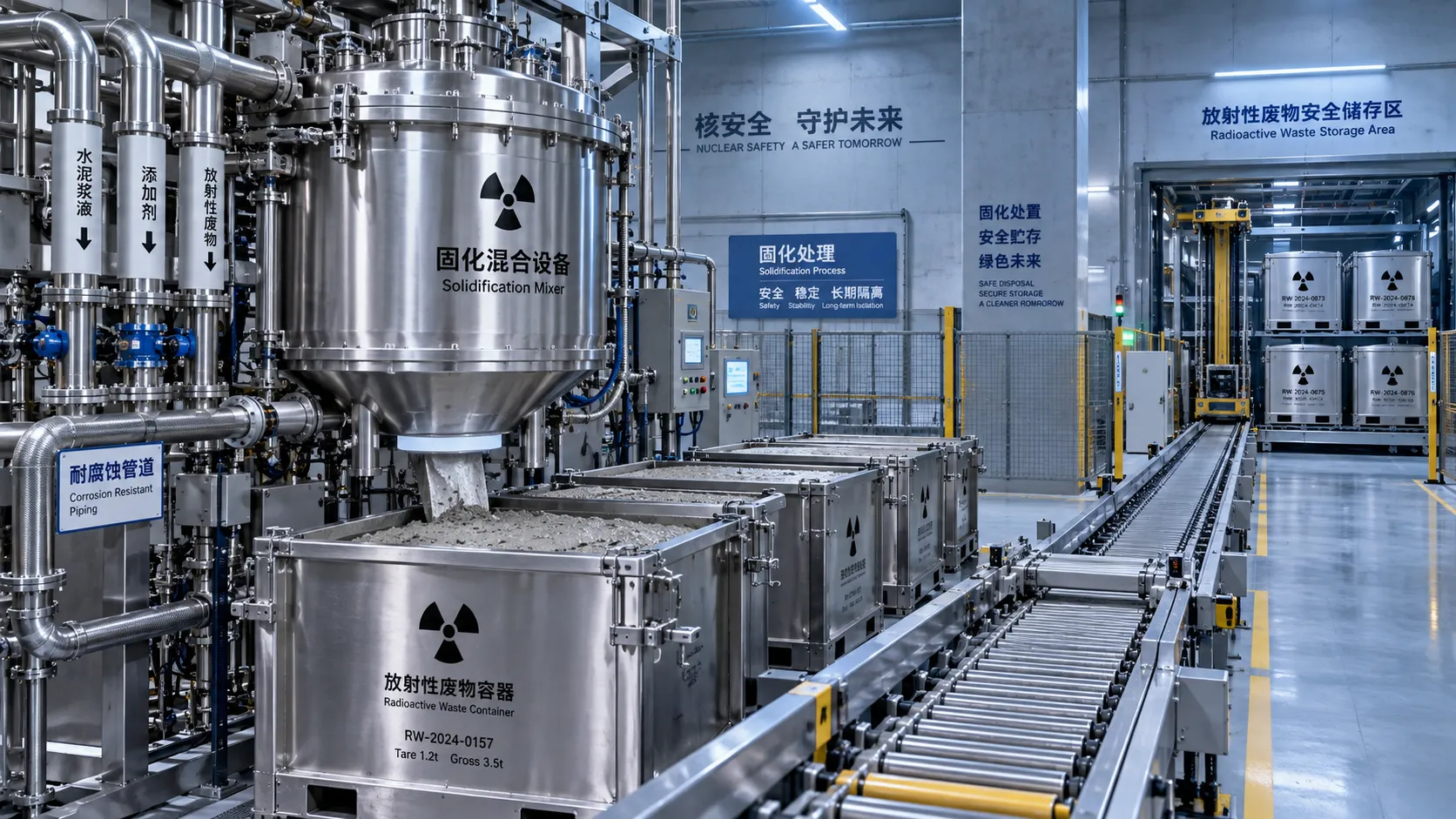
How nuclear plants select a radioactive waste solidification method
Radioactive waste management for nuclear plants: compare vitrification, cementation, polymers, and ceramics to select a compliant, durable solidification solution.
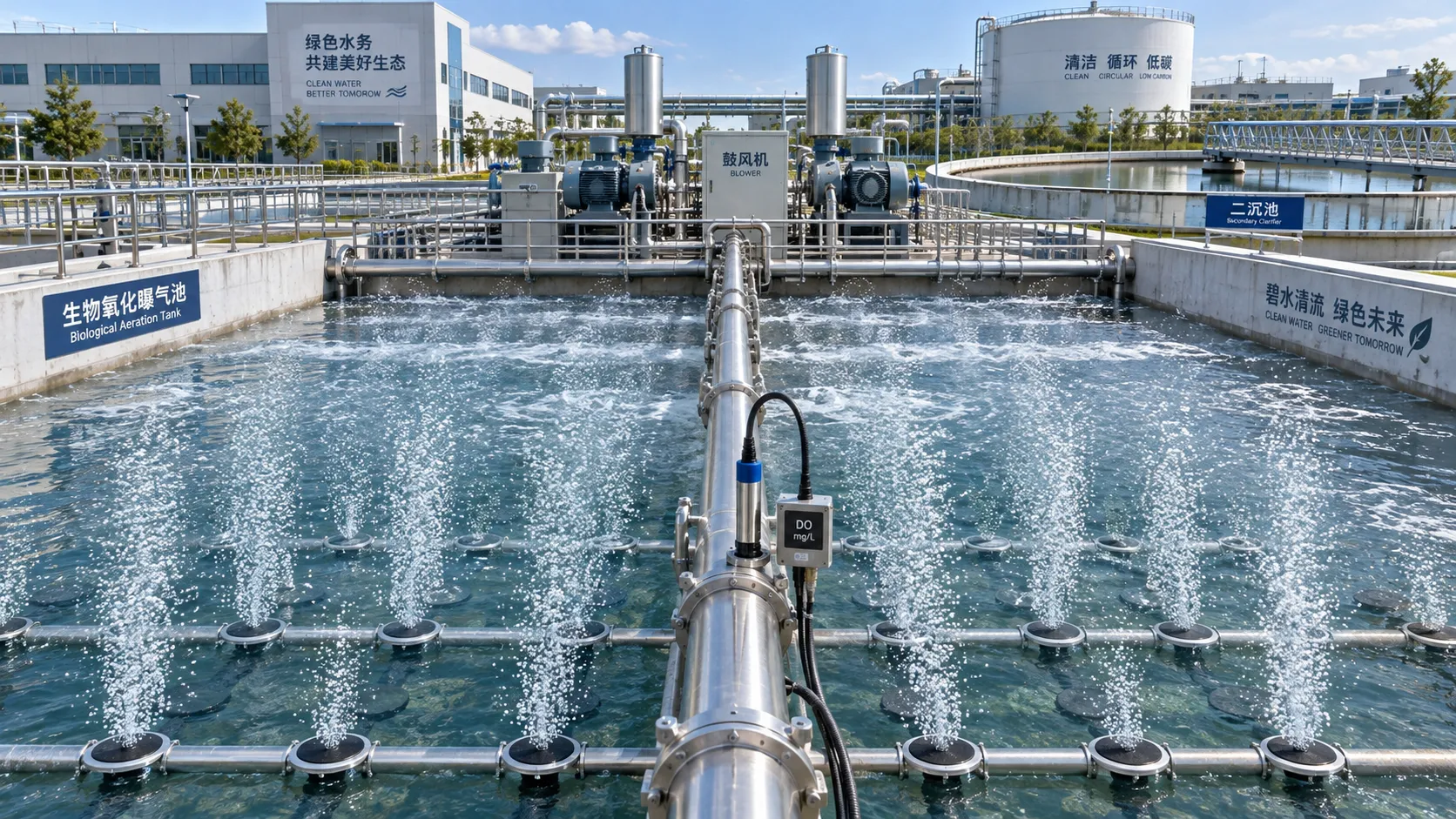
Biological Wastewater Oxidation Explained: Aeration Demand and Process Control
Biological wastewater oxidation explained: optimize aeration demand, DO control, nitrification, and sludge age for stable effluent quality and lower energy costs.
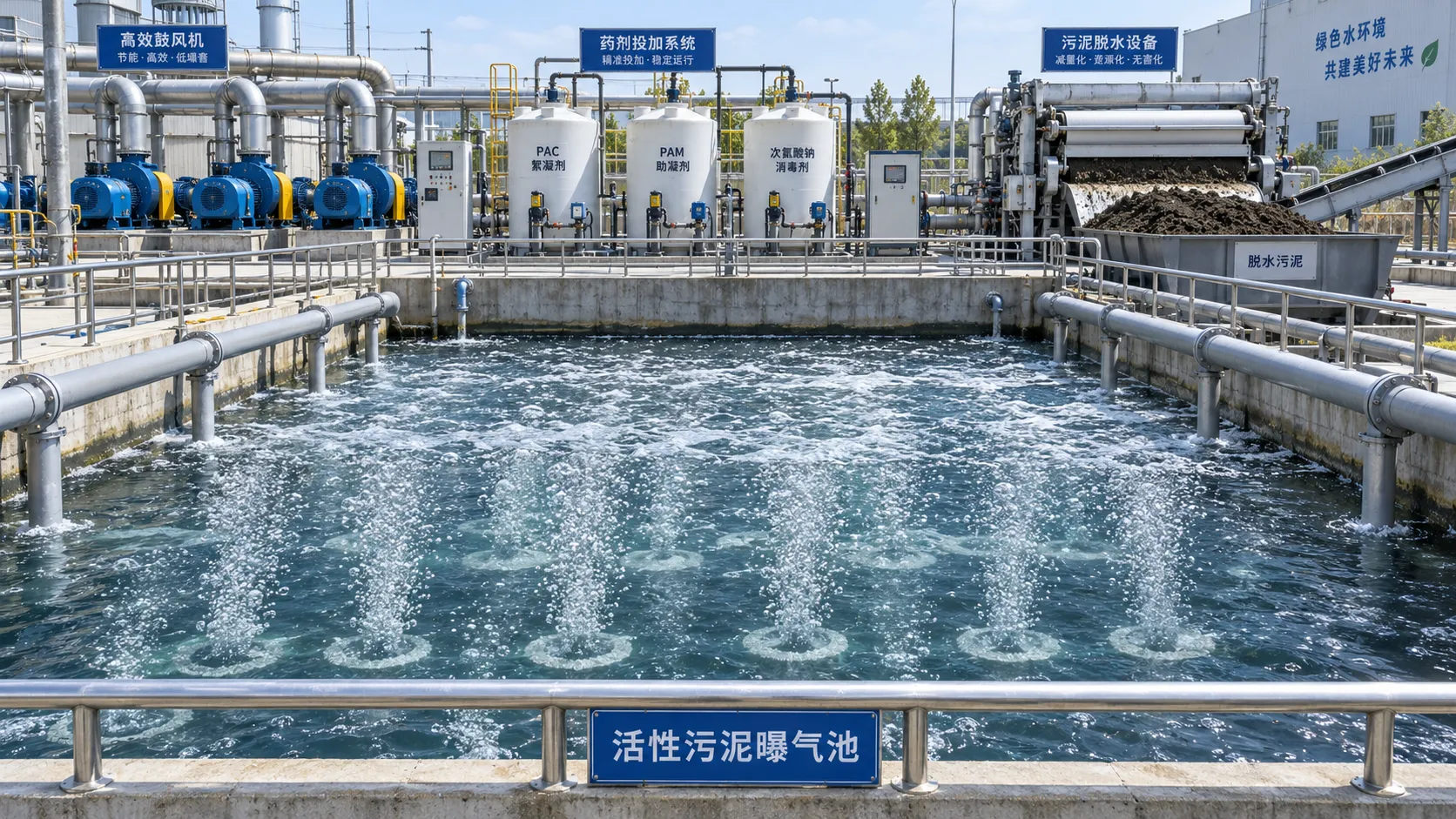
Activated Sludge Cost: Budgeting Energy, Chemicals, Sludge, and Labor
Activated sludge cost explained: compare energy, chemicals, sludge disposal, labor, and compliance risks to build a reliable lifecycle budget.
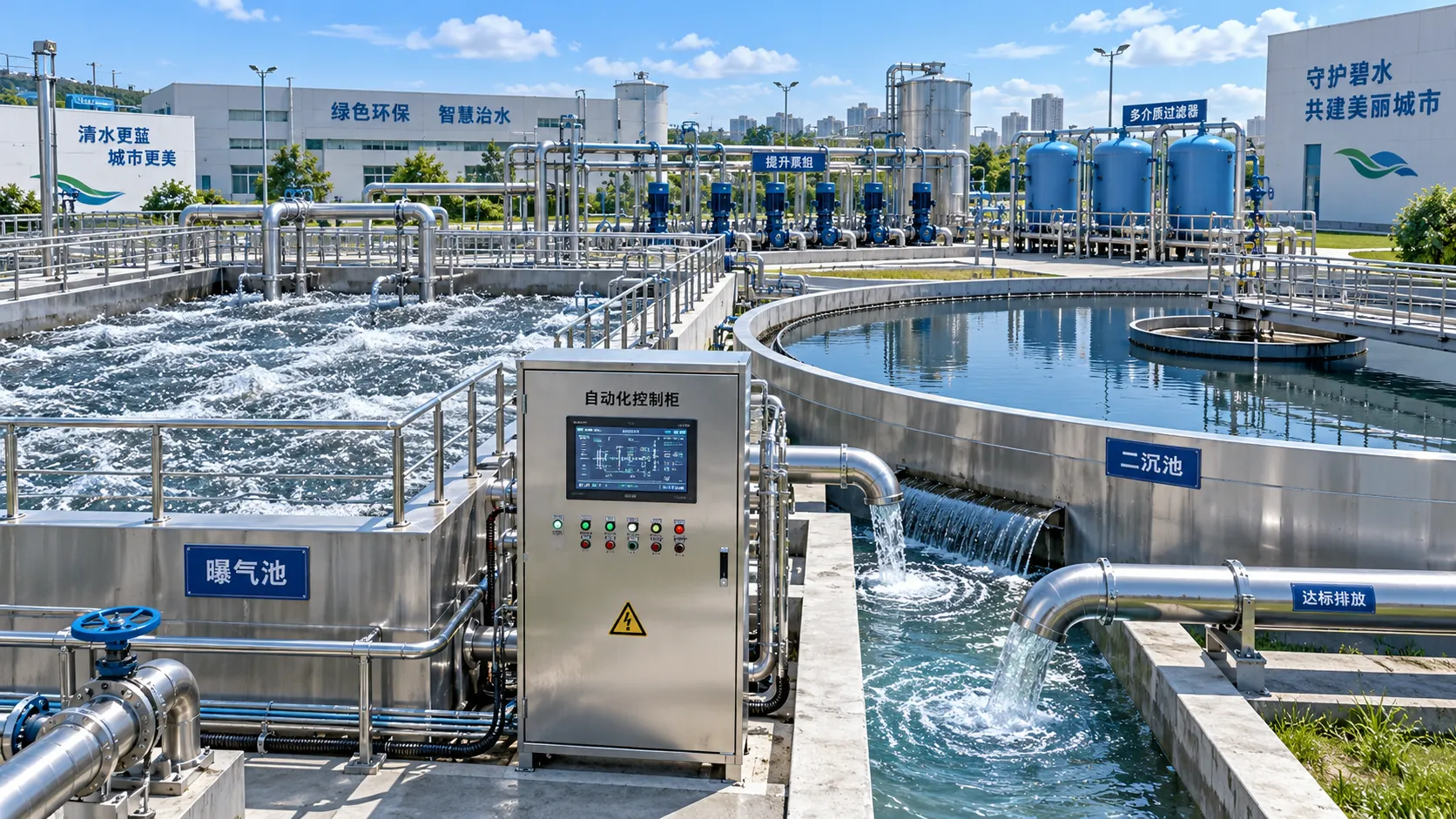
When Should Municipal Wastewater Plants Upgrade Treatment Capacity and Controls?
Municipal wastewater treatment upgrades: learn when capacity, controls, and resilient planning are needed to protect compliance and optimize plant performance.
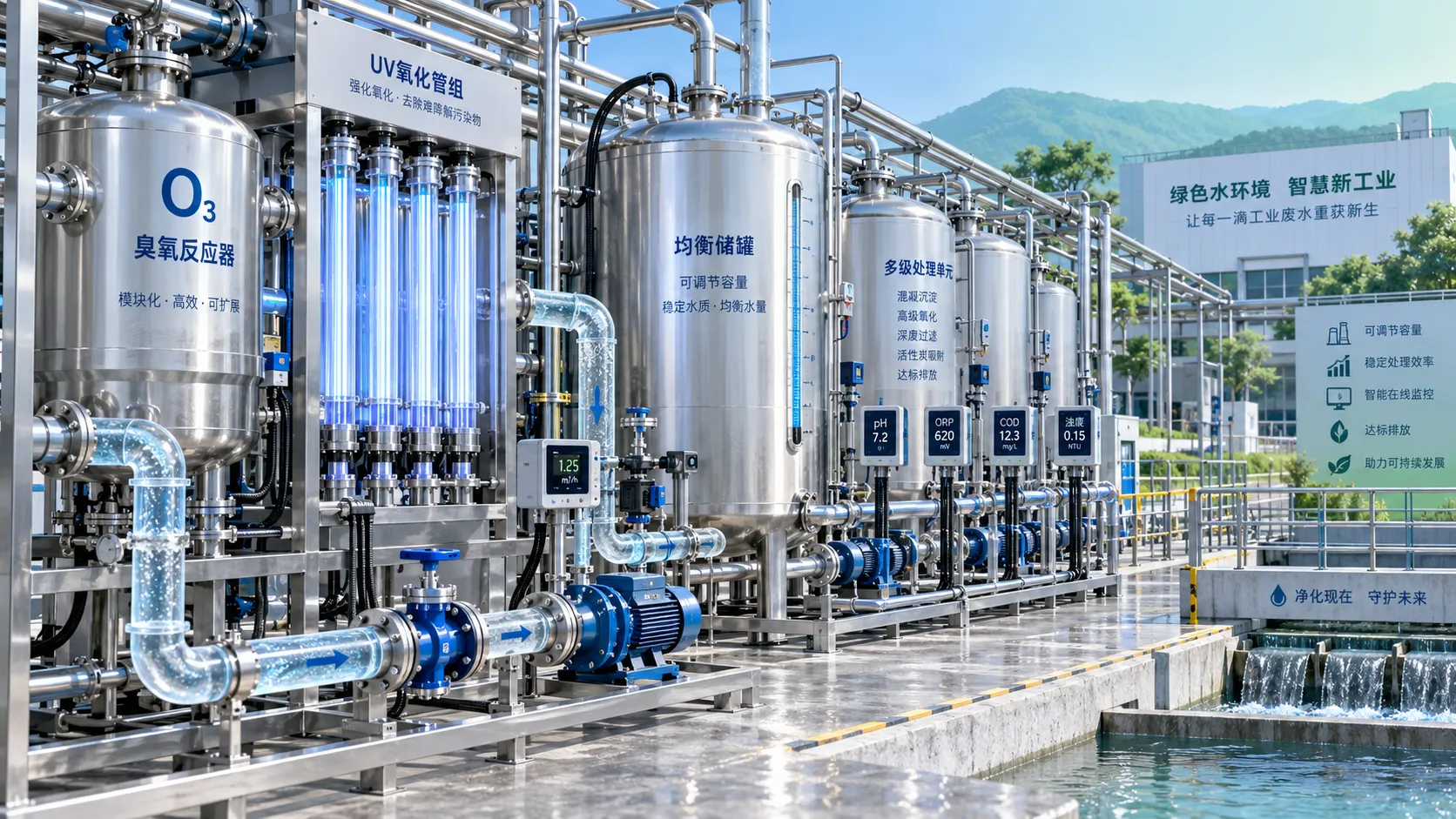
How to size advanced oxidation equipment for variable wastewater loads
Advanced oxidation equipment guide for sizing AOP systems under variable wastewater loads, improving compliance, efficiency, and lifecycle cost control.
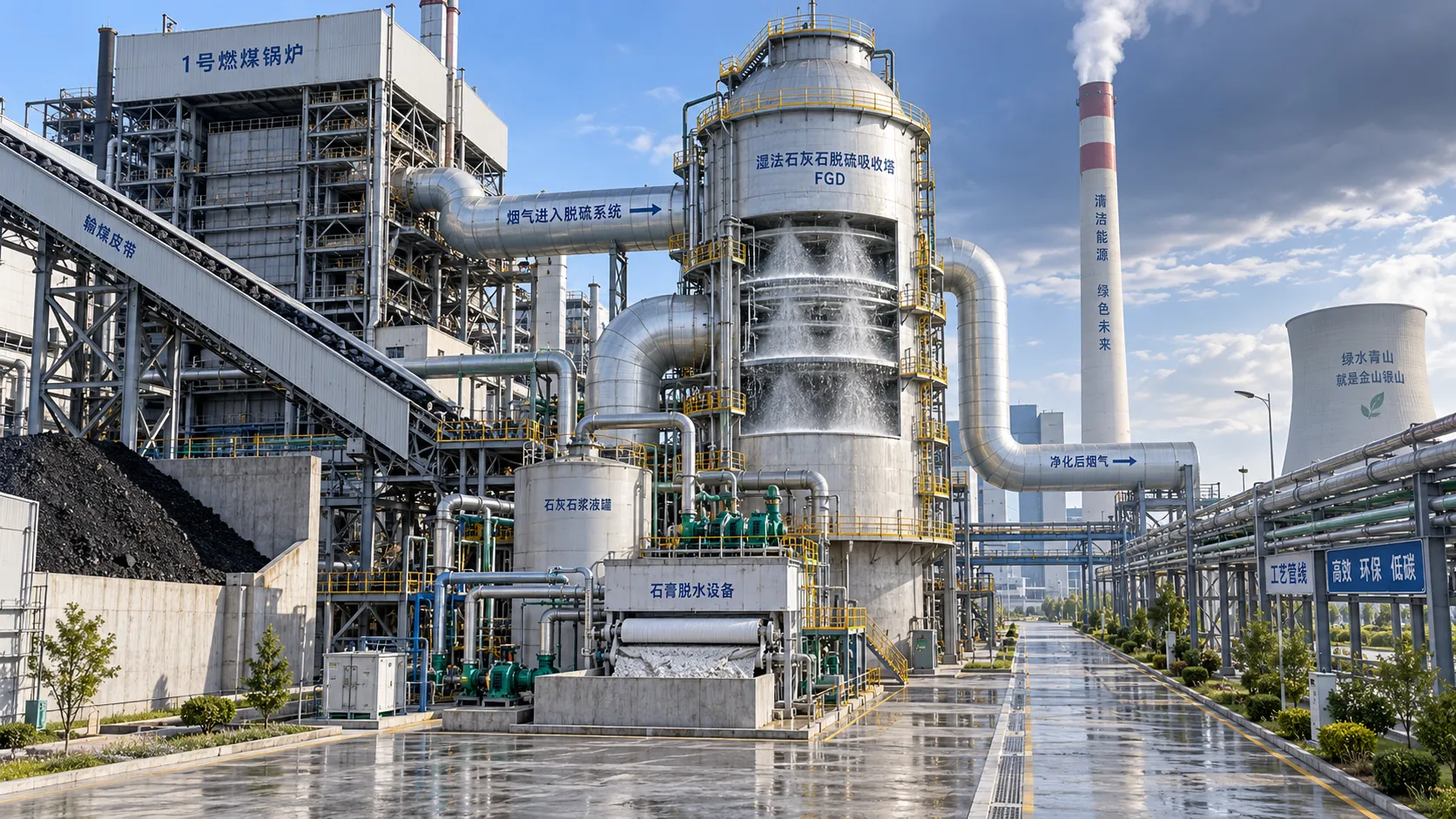
How to select FGD systems for coal boilers based on sulfur content
FGD systems for coal boilers: learn how sulfur content, fuel variability, emissions limits, water, waste, and retrofit constraints guide a compliant, cost-effective scrubber choice.