
Industry News
Curation by industry experts
Hot Articles
Popular Tags
When does EPC environmental project support reduce delivery risk?
When Does EPC Environmental Project Support Reduce Delivery Risk?
EPC environmental project support engineering reduces delivery risk when a project’s technical, regulatory, commercial, and construction decisions can no longer be managed as separate workstreams. That threshold arrives earlier than many teams expect. A treatment plant may appear straightforward in a process-flow diagram, yet become difficult once influent variability, discharge limits, equipment lead times, civil constraints, utility availability, operator capability, and acceptance testing all begin to interact.
For project managers, the question is not whether outside engineering support is useful in principle. The practical question is when coordinated EPC support prevents an issue from becoming a late-stage claim, redesign, delayed commissioning, or performance dispute. This is especially relevant in large water treatment, solid waste recovery, seawater desalination, flue gas treatment, and nuclear waste management projects, where one weak technical assumption can affect the entire delivery chain.
The most valuable support is not simply additional engineering capacity. It is the disciplined connection of project intelligence: process requirements linked to procurement decisions, regulations linked to design criteria, and equipment selection linked to construction and operational realities.
The point at which a project becomes an integration problem
Environmental infrastructure is often described through its headline technology: a zero liquid discharge system, an SWRO desalination train, a flue gas desulfurization unit, an AI sorting line, or a waste vitrification facility. In delivery terms, however, the core technology is only one part of the risk picture. The project becomes an integration problem when the promised outcome depends on multiple disciplines remaining aligned through commissioning.
Consider industrial wastewater treatment. A design basis may identify a target flow and pollutant profile, but the actual stream can vary by production shift, cleaning cycle, feedstock change, or seasonal water use. If those variations are not adequately characterized before equipment is selected, a downstream membrane, biological process, evaporator, or crystallizer may be placed under operating conditions it was not designed to handle. The issue may first appear as unstable performance, fouling, high chemical consumption, or a failure to reach the intended recovery rate. By then, the problem is no longer confined to process design.
The same pattern appears in waste recovery facilities. The capacity of a sorting line depends not only on nameplate throughput, but also on material composition, moisture, bagging, contamination, particle-size distribution, conveyor loading, fire protection, and the physical layout required for maintenance access. A procurement package that treats each machine as independent can conceal system-level constraints until installation.
EPC environmental project support engineering is most effective at this point: when choices that appear local are capable of changing cost, schedule, compliance, operability, or performance across the whole facility.
Risk signals that justify earlier coordinated support
Some delivery risks are visible before detailed design begins. They should not be treated as routine uncertainties that construction can solve later. A project deserves stronger cross-functional support when one or more of the following conditions is present:
- The feedwater, waste stream, flue gas composition, or waste feed is incompletely characterized or expected to vary materially over time.
- Permits require multiple discharge, emissions, residue-handling, monitoring, or reporting obligations that influence process selection.
- Long-lead components are central to the critical path, such as high-pressure pumps, membranes, pressure vessels, specialty alloys, thermal equipment, control systems, or custom reactors.
- The site is constrained by an operating plant, limited shutdown windows, restricted lifting routes, poor geotechnical conditions, or difficult tie-ins.
- The project combines proven unit operations in an unproven configuration, or introduces a new technology into a facility with limited operating experience.
- Commercial success depends on measurable performance guarantees, resource recovery yields, energy consumption, water quality, availability, or residue characteristics.
None of these signals automatically means a project is unmanageable. They indicate that isolated discipline reviews are unlikely to be sufficient. A process engineer may validate treatment chemistry, a procurement team may obtain compliant bids, and a construction team may plan installation correctly—yet the overall project can still fail if their assumptions do not match.
Where delivery risk usually enters the project lifecycle
At concept stage: an incomplete design basis becomes a fixed assumption
Many later disputes begin with a concept package that is treated as more certain than it really is. Early studies may need to use assumptions; that is normal. The problem is failing to label which assumptions must be tested before design freeze. In environmental projects, the most consequential unknowns are often chemical and operational rather than geometric.
For desalination, these may include seasonal seawater temperature, turbidity events, algal activity, intake conditions, pretreatment performance, brine outfall constraints, and power reliability. For low-temperature SCR applications, catalyst behavior cannot be separated from actual flue gas composition, temperature windows, particulate loading, and upstream control performance. For ZLD, scaling potential, organics, incompatible salts, and concentrate variability shape the viability of the downstream thermal train.
Support reduces risk when it creates a traceable design basis: what is known, what has been sampled, what remains uncertain, what operating envelope the system must tolerate, and which assumptions are contractually relevant. This is more useful than prematurely adding design detail to an uncertain concept.
During procurement: the lowest compliant bid may not be the lowest delivery exposure
Procurement risk in environmental EPC work is often created by scope boundaries. A vendor can meet the wording of a datasheet while leaving unresolved who supplies interconnecting pipework, chemical storage, field instruments, lifting provisions, local panels, software interfaces, spare parts, commissioning consumables, or performance-test support.
This is particularly dangerous for packaged systems. A package may arrive mechanically complete but still depend on utilities, controls, civil interfaces, drainage, ventilation, insulation, and access conditions that were never fully coordinated. The package is not necessarily deficient; the project definition may be incomplete.
A robust procurement review looks beyond technical compliance. It tests supplier documentation requirements, inspection points, manufacturing capacity, logistics constraints, interface ownership, warranty conditions, and the information needed by downstream engineering. In projects exposed to corrosive media, high chloride conditions, abrasive solids, radioactive materials, or difficult residues, material selection and quality documentation deserve the same attention as the equipment duty itself.
During construction: interface gaps become physical rework
The construction phase makes hidden assumptions visible. Pipe routes conflict with cable trays. A valve cannot be maintained after a platform is installed. A skid cannot be moved through the final access route. Existing utility drawings do not match field conditions. An instrument specification is correct but incompatible with the plant’s control architecture.
These are not merely site coordination inconveniences. Rework during construction usually has a wider effect because it consumes contingency, disrupts sequenced trades, and may push testing beyond an available shutdown or seasonal operating window. For brownfield projects, an early constructability review and field verification process can be more valuable than another round of desktop optimization.
At commissioning: a system must operate, not just be installed
Commissioning is where the technical, construction, and contractual sides of a project finally meet. Environmental systems are vulnerable to a common mistake: treating mechanical completion as evidence that performance risk has largely passed. In reality, the difficult questions may only emerge when chemicals are dosed, recirculation begins, biological populations stabilize, high-pressure equipment reaches operating duty, or waste feed changes from trial material to real material.
Commissioning support should therefore be planned well before site start-up. It should define flushing and cleaning requirements, test media, temporary utilities, calibration needs, operator training, alarm philosophy, sampling responsibilities, acceptance-test conditions, and the handling of off-spec material. Where performance guarantees exist, the test protocol must be clear enough that the parties are not debating basic conditions after the plant is built.
Different environmental sectors carry different risk concentrations
The need for integrated support is not identical across sectors. A project manager should focus attention where failure is most likely to propagate.
The table is not a substitute for project-specific assessment. It does show why generic EPC controls are sometimes insufficient. The risks are rooted in the physics and chemistry of the process, as well as in the project’s contractual structure.
What good EPC support looks like in practice
Effective support creates decision discipline rather than another reporting layer. The project team should be able to see which decisions are due, which assumptions underpin them, who owns each interface, and what happens if a decision slips. A useful risk register is connected to engineering deliverables, procurement milestones, construction sequencing, and permit commitments. A generic list of “schedule risk” and “cost risk” rarely provides enough control.
There is also a difference between reviewing documents and challenging interfaces. A mature review asks practical questions: Can the selected equipment be maintained with the proposed building arrangement? Is there enough time between factory testing, delivery, installation, and start-up? Does the control narrative reflect how operators will manage abnormal conditions? Is the specified treatment performance achievable across the defined influent range, not just at one nominal point? Who confirms that each vendor’s exclusions are covered elsewhere?
The Global Eco-Shield Dynamics (ESD) frames this kind of work as intelligence “stitching”: joining extreme purification parameters, circular-resource logic, and changing environmental compliance expectations before they become disconnected project packages. Its focus across water treatment, waste recovery, flue gas control, desalination, and nuclear waste management reflects a reality familiar to EPC teams: delivery risk travels across disciplines. Strategic intelligence on membrane development, catalyst operating conditions, waste-form stability, market capacity, and regulatory change has value only when it improves a specific decision in the project lifecycle.
Avoid two common mistakes
The first mistake is bringing integrated support in only after a major issue has emerged. Recovery support can still limit damage, but it cannot restore all lost options. Once equipment is ordered, civil works are advanced, or a permit condition has been embedded in a contract, the cost of changing direction rises sharply.
The second is applying a heavyweight governance model to a simple, well-bounded project. Not every upgrade needs a large coordination structure. If the process is proven, site interfaces are limited, specifications are stable, and the delivery team has relevant experience, targeted design reviews may be enough. The aim is proportionate control, not administrative volume.
A practical trigger for project managers
EPC environmental project support engineering should be considered essential when uncertainty in one area can invalidate decisions in another. If process data affects equipment selection, equipment lead time affects construction sequencing, construction access affects maintainability, and compliance requirements affect performance testing, the project needs an integrated delivery view.
Before committing to detailed design or major procurement, project leaders should confirm the operating envelope, compliance basis, interface matrix, long-lead strategy, constructability constraints, commissioning logic, and performance-test conditions. Those checks may feel less urgent than issuing packages and mobilizing contractors. In complex environmental infrastructure, they are often the work that keeps urgency from becoming avoidable delivery risk.
- water treatment
- industrial wastewater
- solid waste recovery
- flue gas treatment
- seawater desalination
- nuclear waste management
- EPC environmental
- resource recovery
- environmental compliance
- waste vitrification
- industrial wastewater treatment
- EPC environmental project support
- zero liquid discharge
- zero liquid discharge system
- EPC environmental project support engineering
Recommended News
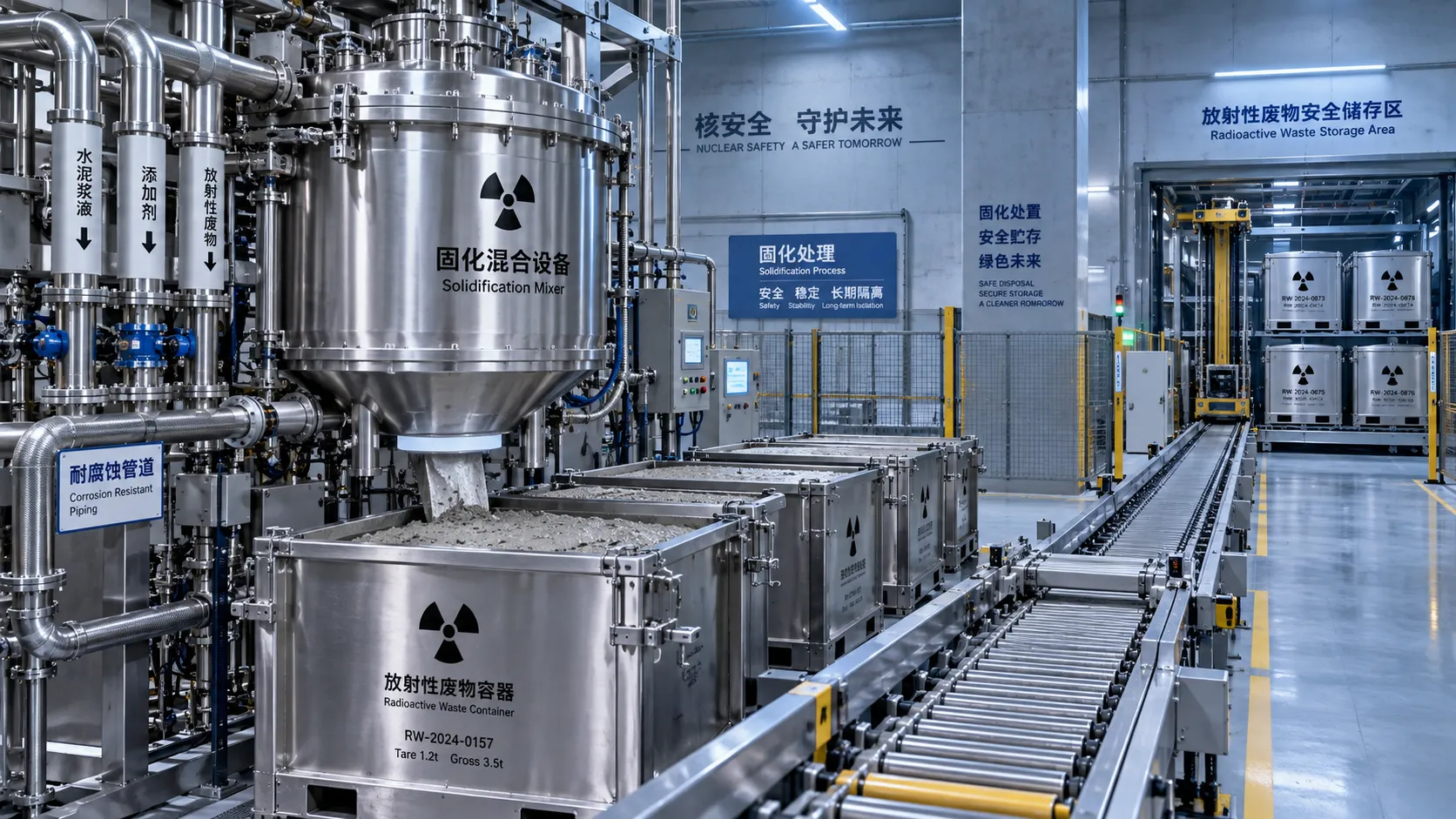
How nuclear plants select a radioactive waste solidification method
Radioactive waste management for nuclear plants: compare vitrification, cementation, polymers, and ceramics to select a compliant, durable solidification solution.
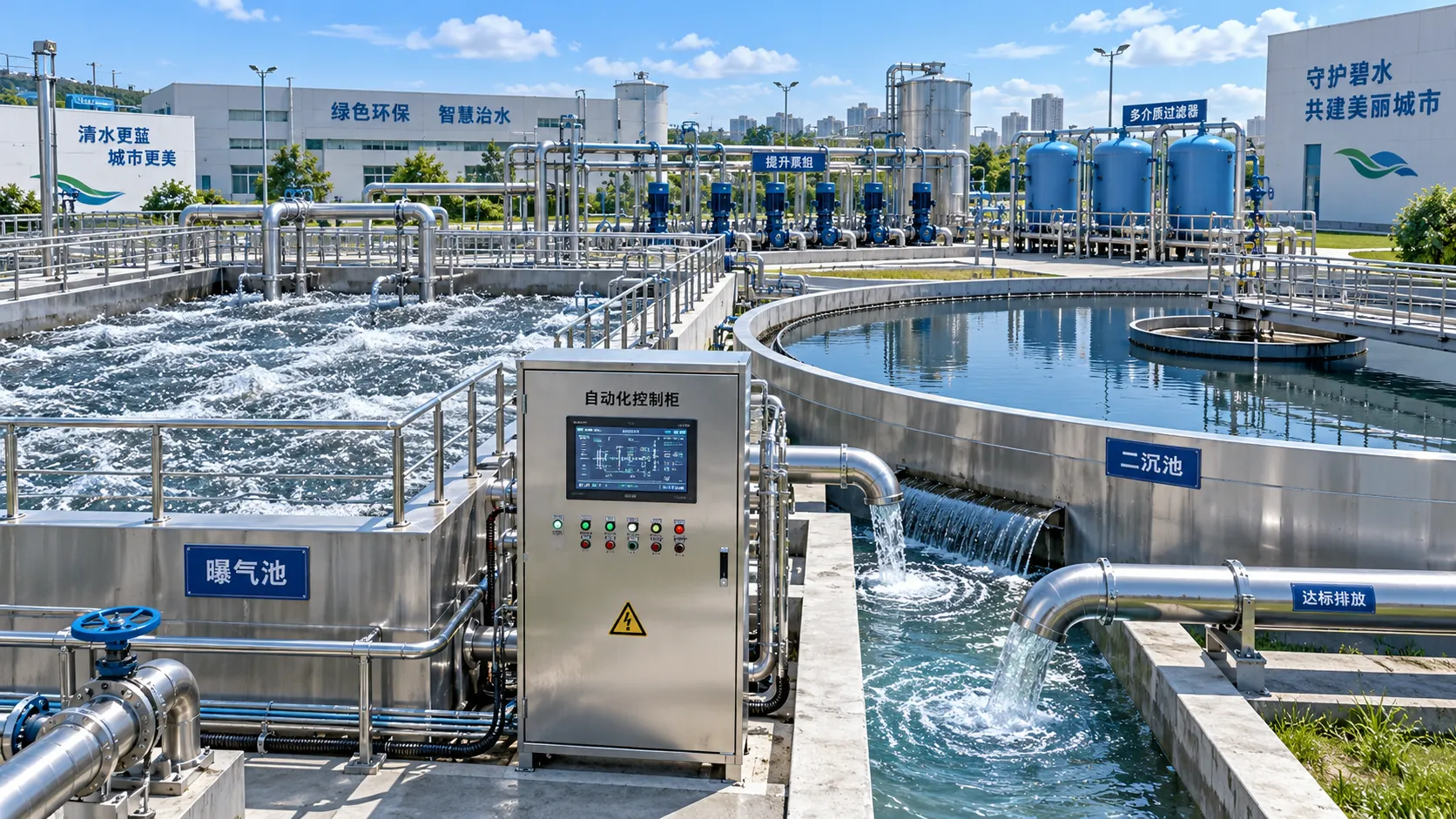
When Should Municipal Wastewater Plants Upgrade Treatment Capacity and Controls?
Municipal wastewater treatment upgrades: learn when capacity, controls, and resilient planning are needed to protect compliance and optimize plant performance.
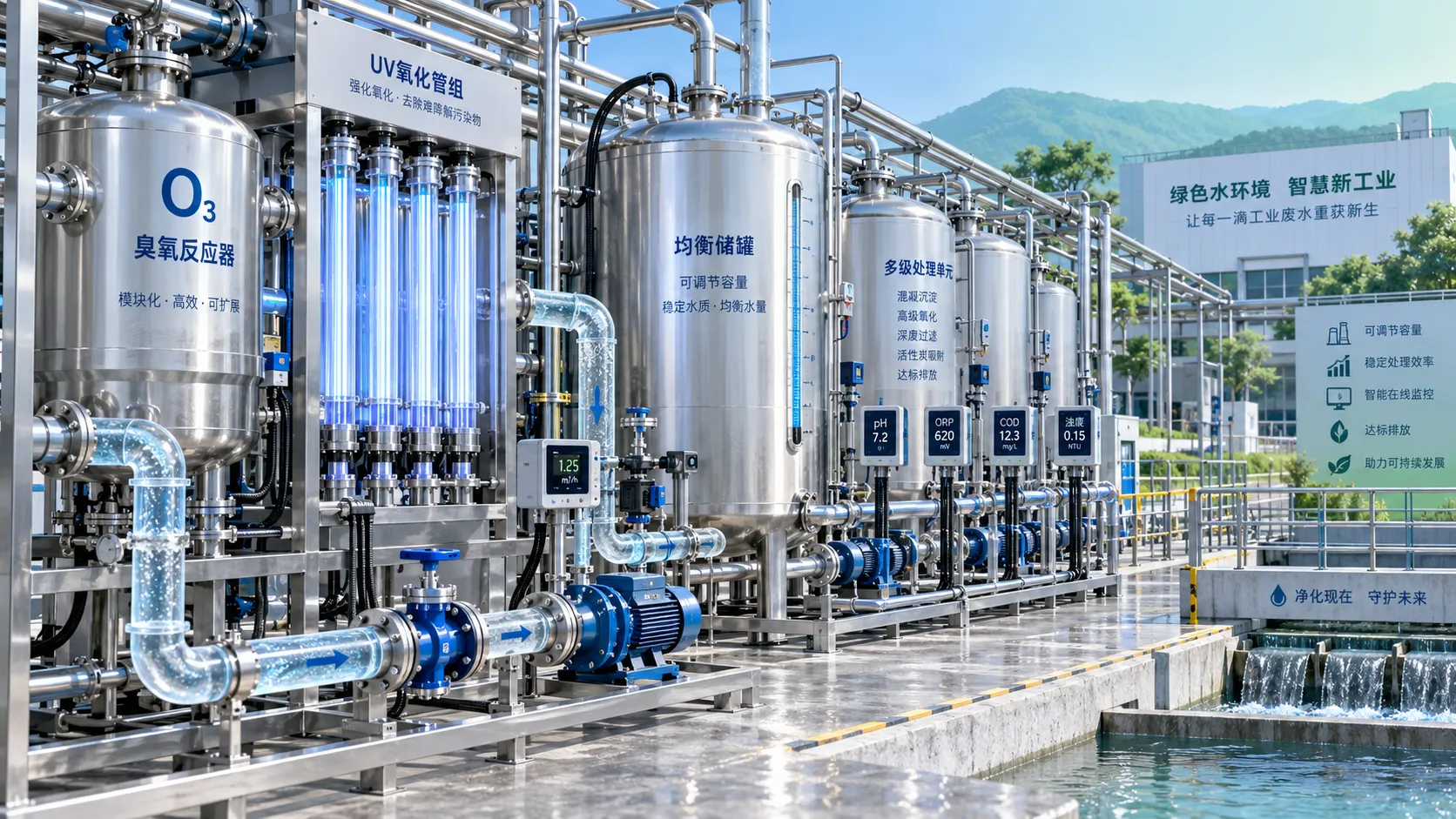
How to size advanced oxidation equipment for variable wastewater loads
Advanced oxidation equipment guide for sizing AOP systems under variable wastewater loads, improving compliance, efficiency, and lifecycle cost control.
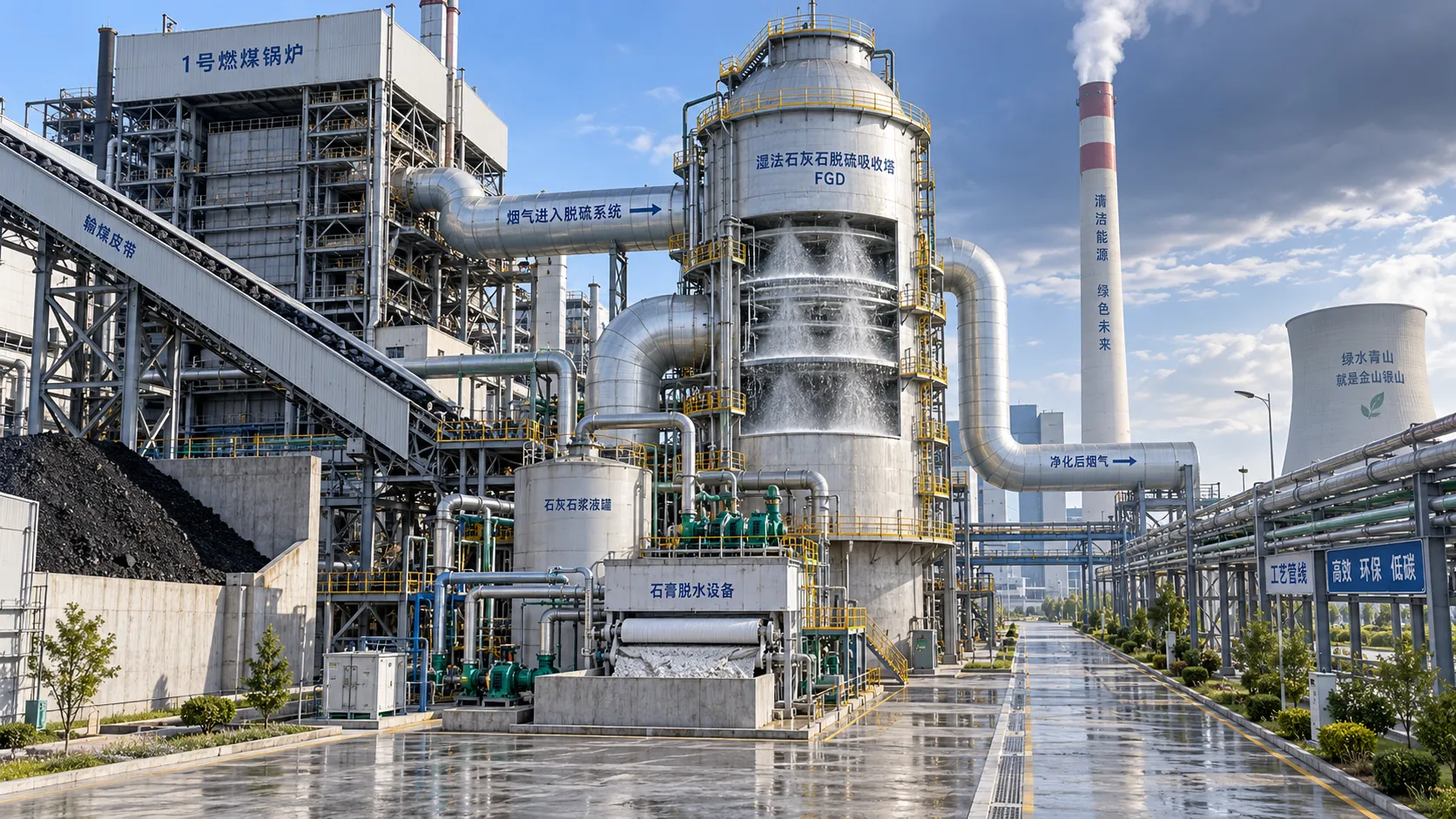
How to select FGD systems for coal boilers based on sulfur content
FGD systems for coal boilers: learn how sulfur content, fuel variability, emissions limits, water, waste, and retrofit constraints guide a compliant, cost-effective scrubber choice.
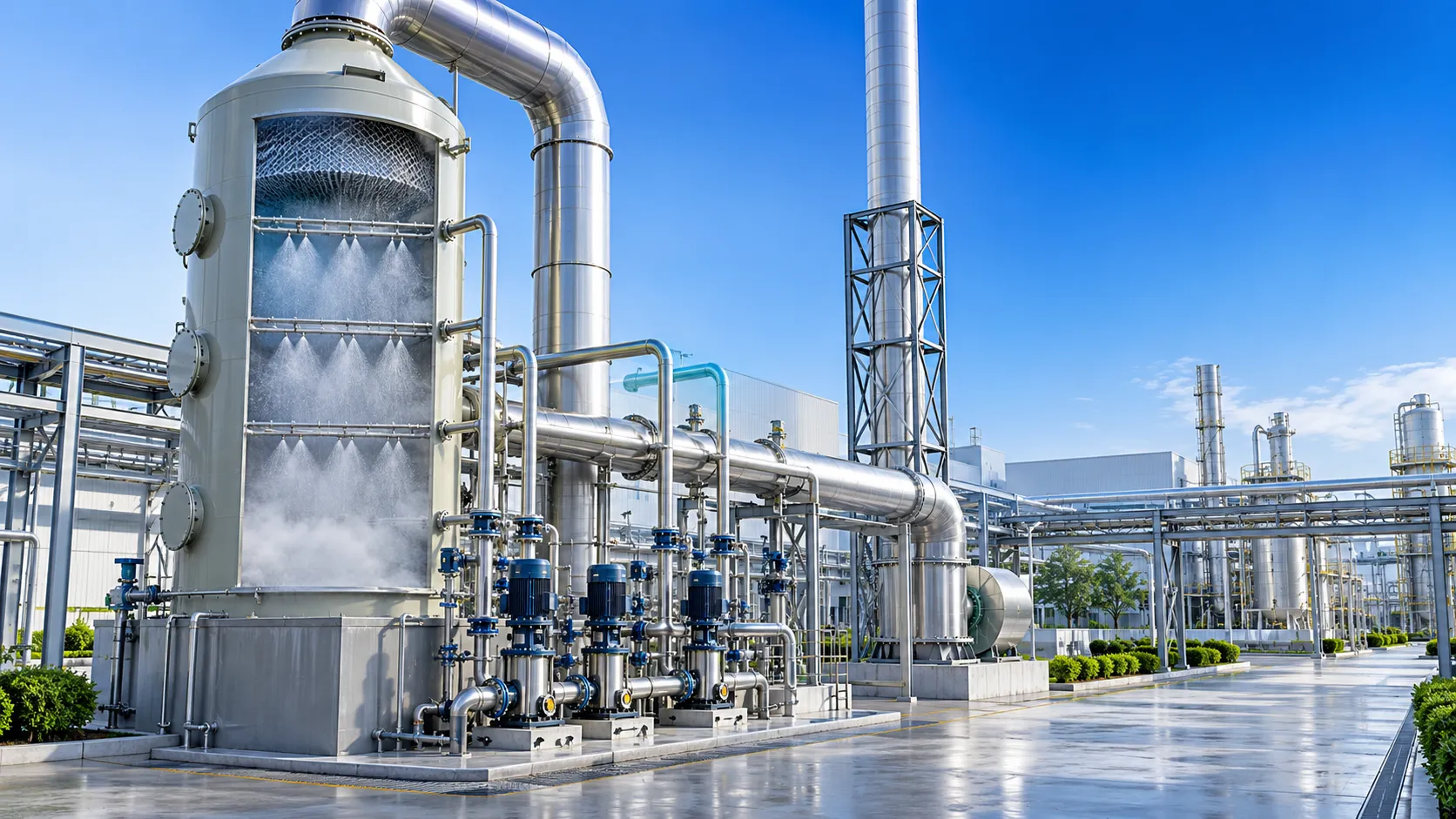
How to size a desulfurization equipment scrubber for variable gas flow
Desulfurization equipment scrubber sizing for variable gas flow: optimize SO2 removal, pressure drop, liquid-to-gas control, and compliance across every load.
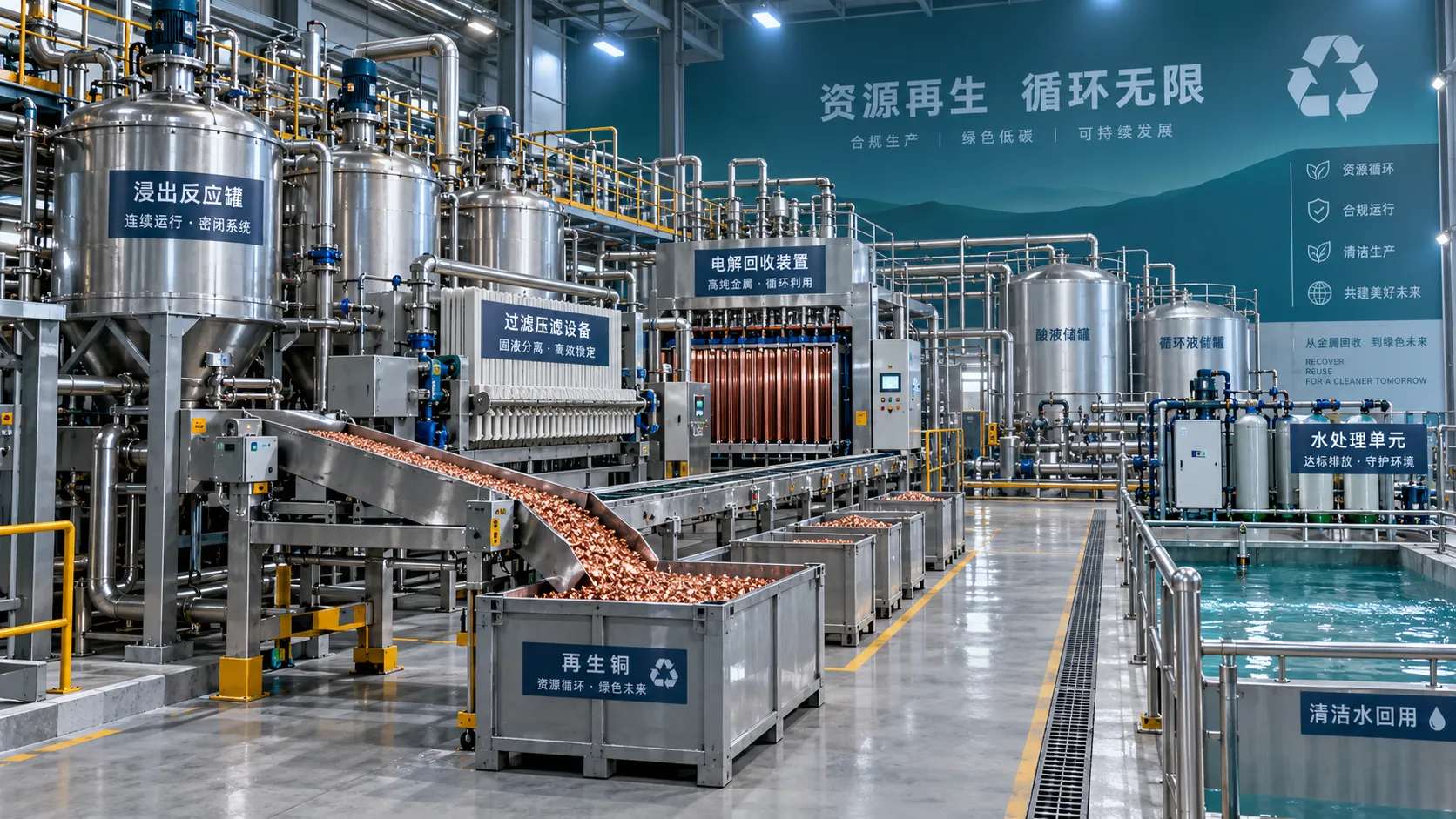
When does repeatable metals recovery infrastructure justify the investment?
Repeatable metals recovery infrastructure: discover when consistent feedstock, lower disposal costs, compliance control, and reliable offtake justify investment.
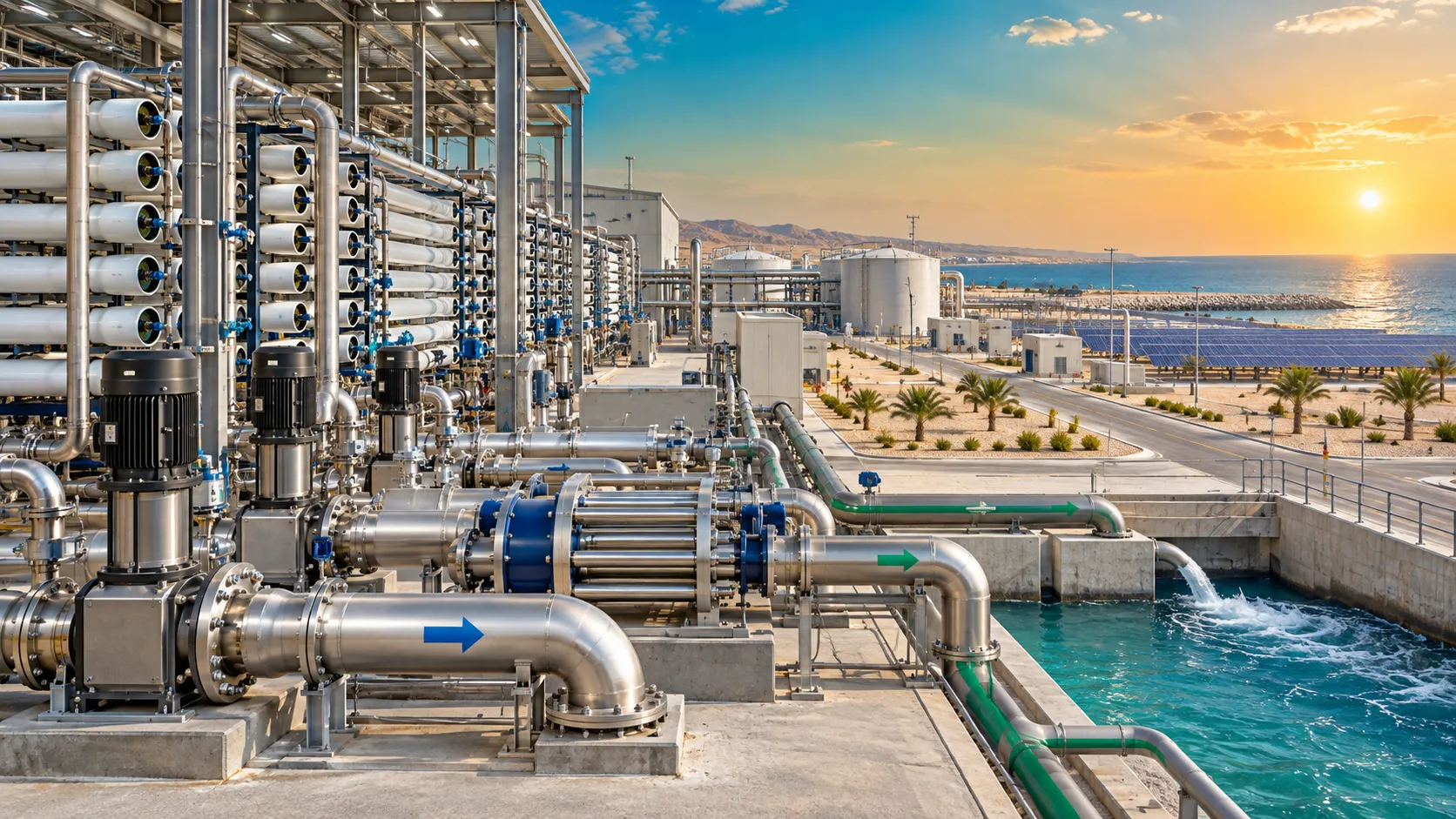
How energy recovery cuts the cost of seawater desalination in the Middle East
Seawater desalination Middle East projects can cut lifecycle costs with energy recovery. Explore savings, bankability, power-risk strategies, and smarter investment decisions.
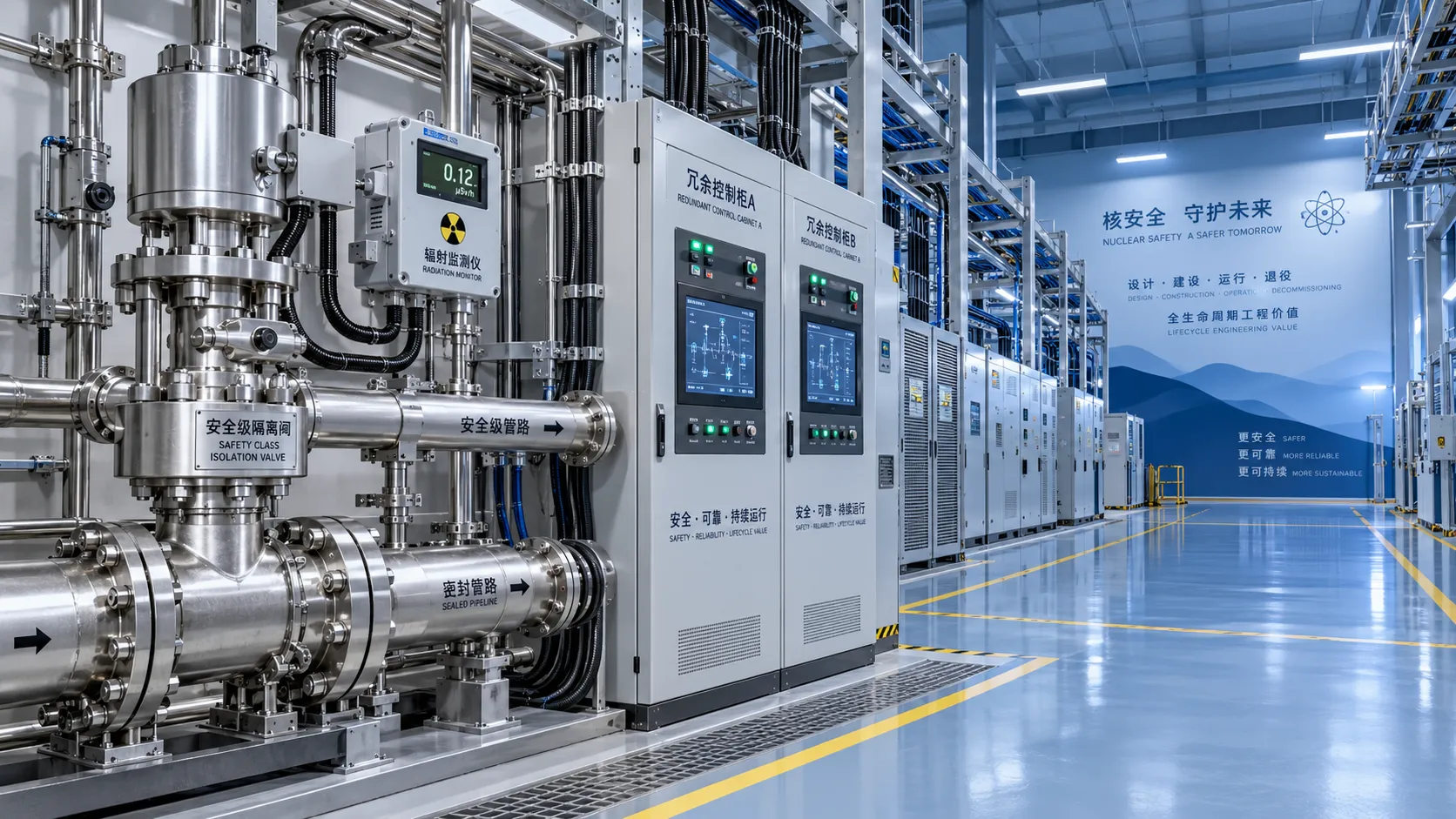
What drives nuclear safety solutions pricing for new facility projects?
Nuclear safety solutions pricing explained: uncover the key cost drivers for new facilities, from qualification and interfaces to lifecycle support.
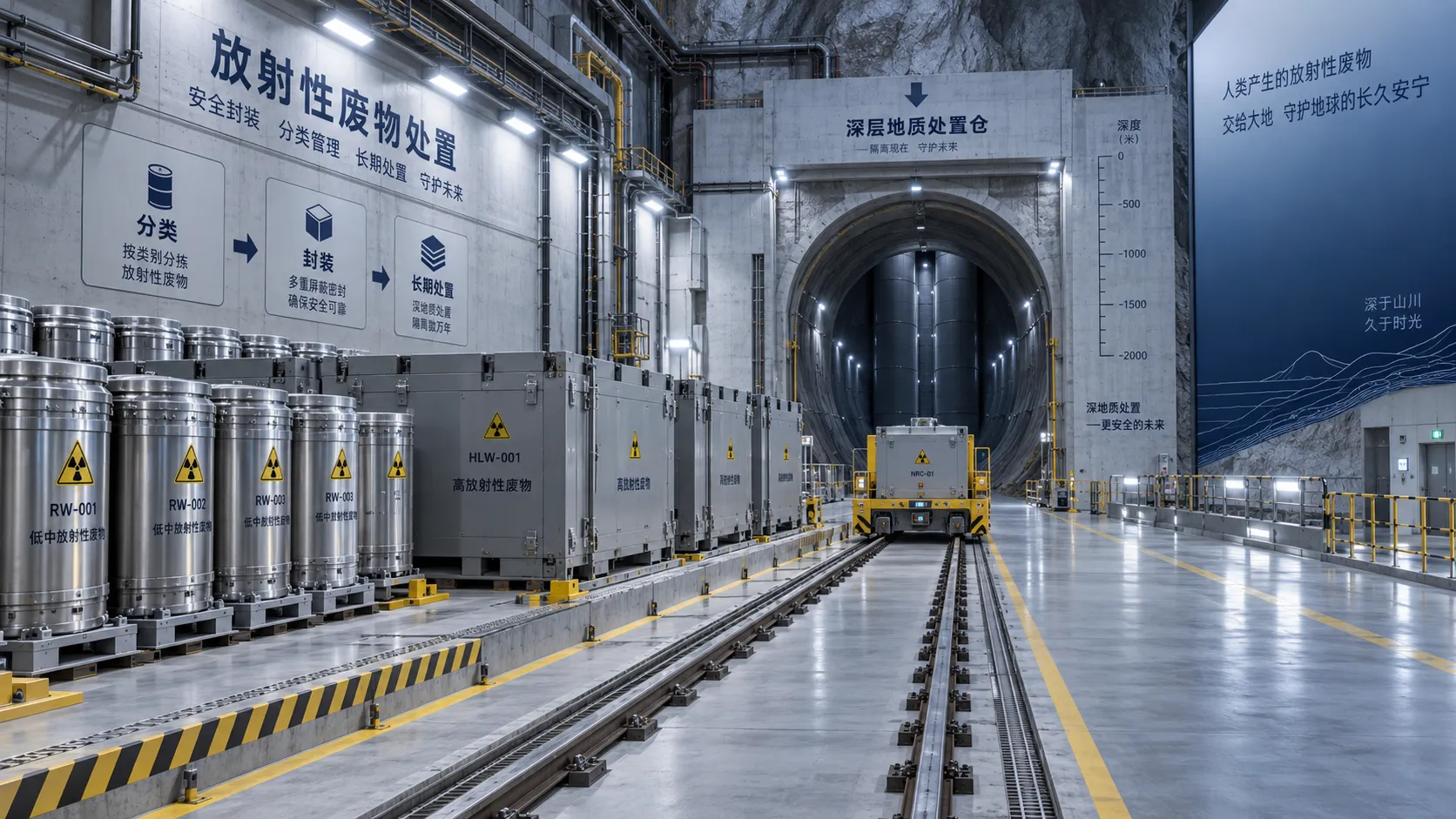
What drives radioactive waste cost over the life of a disposal project?
Radioactive waste cost depends on classification, treatment, transport, storage, disposal access, and long-term compliance. Explore the key lifecycle cost drivers.