
Industry News
Curation by industry experts
Hot Articles
Popular Tags
How to verify a water treatment system factory’s production capacity
A water treatment systems factory’s delivery promise is credible when its production schedule accounts for your equipment, existing orders, component arrivals, and inspection requirements. Annual output figures alone cannot establish this. The strongest evidence connects recently completed systems to dated manufacturing records and shows where the proposed order fits into the same production resources.
Start with a defined equipment scope, then trace the work through fabrication, assembly, testing, and release for shipment. A factory with spare assembly space can still miss delivery because its welding stations, electrical workshop, or test bay are fully booked. Capacity verification must expose those constraints before the delivery date becomes a contractual commitment.
Establish what the capacity claim actually measures
“Systems per year” is meaningful only when the systems are comparable. A compact reverse osmosis skid and a large industrial wastewater package require different labor, floor space, purchased equipment, and testing arrangements. Water treatment flow rate, expressed in cubic meters per hour, describes process throughput; it does not measure manufacturing output.
Request the basis behind any stated production capacity: equipment families, typical configurations, manufacturing locations, shift patterns, and the operations included. Separate completed and tested systems from partially assembled units. Also distinguish normal production from a temporary peak achieved through overtime, outsourcing, or unusually standardized orders.
The proposed scope should identify what is factory-built and what will be assembled on site. Large municipal projects often combine workshop fabrication with site-installed tanks, piping, and civil works. A claim covering complete treatment plants can conceal the fact that only selected skids or control panels pass through the factory.
For meaningful comparison, use a reference configuration with defined materials, skid dimensions, pressure ratings, instrumentation, control scope, and acceptance tests. Without this common basis, competing capacity statements describe different workloads.
Trace completed orders through the production records
Request records for recent orders that resemble the proposed system, including both routine deliveries and orders that experienced delays. Confidential commercial details can be redacted while retaining project identifiers, equipment scope, quantities, and milestone dates. A factory-selected showcase project provides limited evidence of repeatable performance.
Follow each selected order from approved drawings through material receipt, fabrication, assembly, inspection, factory acceptance testing, and shipment release. Compare the original production plan with actual completion dates. Revised schedules are useful, but they should preserve the original baseline so that late milestones remain visible.
Several records should support the same sequence. Material receiving reports establish whether essential parts were available. Work orders show when production began. Inspection reports identify hold points and rework. Test reports and packing records establish whether the system actually reached a shippable condition.
Investigate gaps rather than treating every delay as evidence of inadequate capacity. Late design approval creates a different problem from a queue at the pressure-testing station. Repeated delays after all drawings and components were available suggest an internal constraint. Repeated drawing changes indicate that engineering release and change control need closer examination.
Find the operation that governs the delivery date
Walk the proposed manufacturing route in production order. For a membrane skid, this could include frame fabrication, surface preparation, equipment mounting, piping, electrical assembly, software configuration, and testing. For a wastewater package, vessel fabrication, lining or coating, and mechanical installation could dominate the schedule.
At each stage, establish the available resource, the workload already committed to it, and the time required by the proposed order. The limiting operation determines achievable output. Adding assemblers will not shorten a schedule constrained by coating cure time or an occupied test bay.
A useful capacity calculation compares the order’s required hours at each constrained resource with the hours available during the delivery window. Deduct existing commitments, planned maintenance, and demonstrated allowances for downtime and rework. Use records from similar equipment to support estimated work hours; a calculation built entirely on ideal cycle times remains speculative.
Additional shifts deserve scrutiny. Confirm that supervision, inspection, maintenance, and material handling are available alongside production labor. A second shift with insufficient quality support can increase unfinished work without increasing accepted output.
Read the backlog as a dated resource commitment
A total order-book value reveals little about available production capacity. Request a dated schedule showing active projects, their remaining operations, promised completion dates, and shared resources. Commercial values can remain confidential; the operational commitments must be visible enough to assess whether your order has a realistic slot.
Distinguish firm orders from quotations and tentative reservations. Then examine whether the schedule double-books bottleneck equipment or assumes that all projects will progress without interruption. A credible schedule contains dependencies: piping cannot finish before required valves arrive, and functional testing cannot begin before the relevant controls are ready.
Look closely at work already on the floor. Numerous nearly finished systems can indicate a shortage of small components, unresolved inspection findings, or inadequate test capacity. These units continue to occupy space and attention even when their reported percentage of completion is high.
The proposed delivery date should identify its assumptions, including drawing approval, component release, and access to any shared test facility. Schedule contingency should address identifiable uncertainty. A blanket assurance that urgent orders receive priority leaves unanswered which existing commitments would be displaced.
Inspect the capabilities your specification will consume
A factory tour should connect equipment and personnel to the actual manufacturing route. Observe active production where possible, and reconcile visible job identifiers with the schedule. Clean premises and modern machinery are useful observations, but neither establishes the ability to manufacture the specified package.
Material requirements change available capacity. Stainless steel fabrication calls for appropriate handling and contamination control. Duplex stainless steel pressure piping adds demands on welding procedures and workmanship control. Plastic piping uses different joining methods and process controls. Experience with one material cannot automatically support a capacity claim for another.
Coated or lined equipment introduces preparation, application, curing, and inspection stages. These stages consume calendar time even when direct labor is limited. Establish whether they occur inside the factory or at a subcontractor, and whether transport between facilities is included in the schedule.
Compare the proposed skid size and weight with crane capacity, door openings, assembly areas, and loading access. A factory capable of building individual modules might lack the space to assemble and test the complete package. If shipment requires separation into modules, the inspection plan should address reconnection and the work remaining at site.
Separate assembly capacity from component availability
Pumps, membranes, pressure vessels, instruments, valves, and electrical components can determine the earliest possible completion date. A bill of materials marked “ordered” does not establish availability. For critical items, inspect purchase-order acknowledgments, confirmed delivery dates, and receiving records where stock is claimed.
Allocated inventory matters more than warehouse quantity. Components visible during an audit may belong to other projects or differ from the specified rating, materials, voltage, or measurement range. Trace selected items to the proposed order and verify that the schedule reflects their actual availability.
Substitutions need technical review before they become a recovery strategy. A different pump can affect the hydraulic duty and electrical load; a replacement instrument can require wiring or software changes. These changes consume engineering and testing capacity and can erase the time apparently saved by faster component delivery.
Outsourcing also changes the capacity calculation. Identify subcontracted fabrication, panel building, coating, and testing, together with responsibility for inspection and release. The relevant evidence is the subcontractor’s confirmed slot and the main factory’s integration plan. An informal statement that overflow work will be outsourced is insufficient to support a committed date.
Verify that testing will support shipment release
Testing capacity deserves a separate review because a system can be mechanically complete while remaining unqualified for shipment. Request the proposed factory acceptance test procedure early enough to identify its duration, required utilities, instruments, attendance arrangements, and acceptance criteria.
Match the test facility to the equipment. Pressure testing requires appropriate equipment, procedures, and safety arrangements. Pump operation requires suitable electrical supply and water circulation. Controls testing requires defined input and output checks, alarms, interlocks, and sequence verification. A test bay used by several projects needs an explicit reservation.
Clarify the boundary between factory testing and site performance acceptance. Testing with clean water can demonstrate specified mechanical and functional behavior, but it does not establish treatment performance on variable industrial wastewater. Where representative feed conditions cannot be reproduced, the outstanding site tests should be identified rather than hidden inside a broad “fully tested” claim.
Allow time for defects to be corrected and retested. Ask how recent test failures affected release dates and whether corrective work competed with new assembly. Inspection staffing also constrains output: required witness points or document reviews can hold production even when workshop labor is available.
Convert the evidence into a delivery commitment
Reference discussions are most useful when they concern comparable equipment and distinguish dispatch from arrival, installation, and acceptance. Establish whether the original shipment date was met, what caused any delay, and whether missing items or unresolved defects transferred work to the installation site. A positive statement about equipment performance alone does not verify manufacturing capacity.
Before accepting the delivery schedule, reconcile three things: the demonstrated manufacturing route, the available resources during the required window, and the dates on which critical components become available. Any unresolved dependency should remain visible in the commercial evaluation. Unsupported extra shifts, unconfirmed subcontracting, or unavailable testing arrangements weaken the commitment.
The agreed schedule should then include observable milestones such as drawing release, critical material receipt, fabrication completion, acceptance testing, defect closure, and shipment release. Define the evidence required at each milestone and a process for reporting slippage. Progress photographs support reporting, but dated records tied to identifiable equipment provide stronger verification.
A capacity assessment also has a validity window. If order placement is delayed or the specification changes, reconfirm the production slot and component commitments. The delivery date remains credible only while the resource assumptions supporting it remain current.
Recommended News
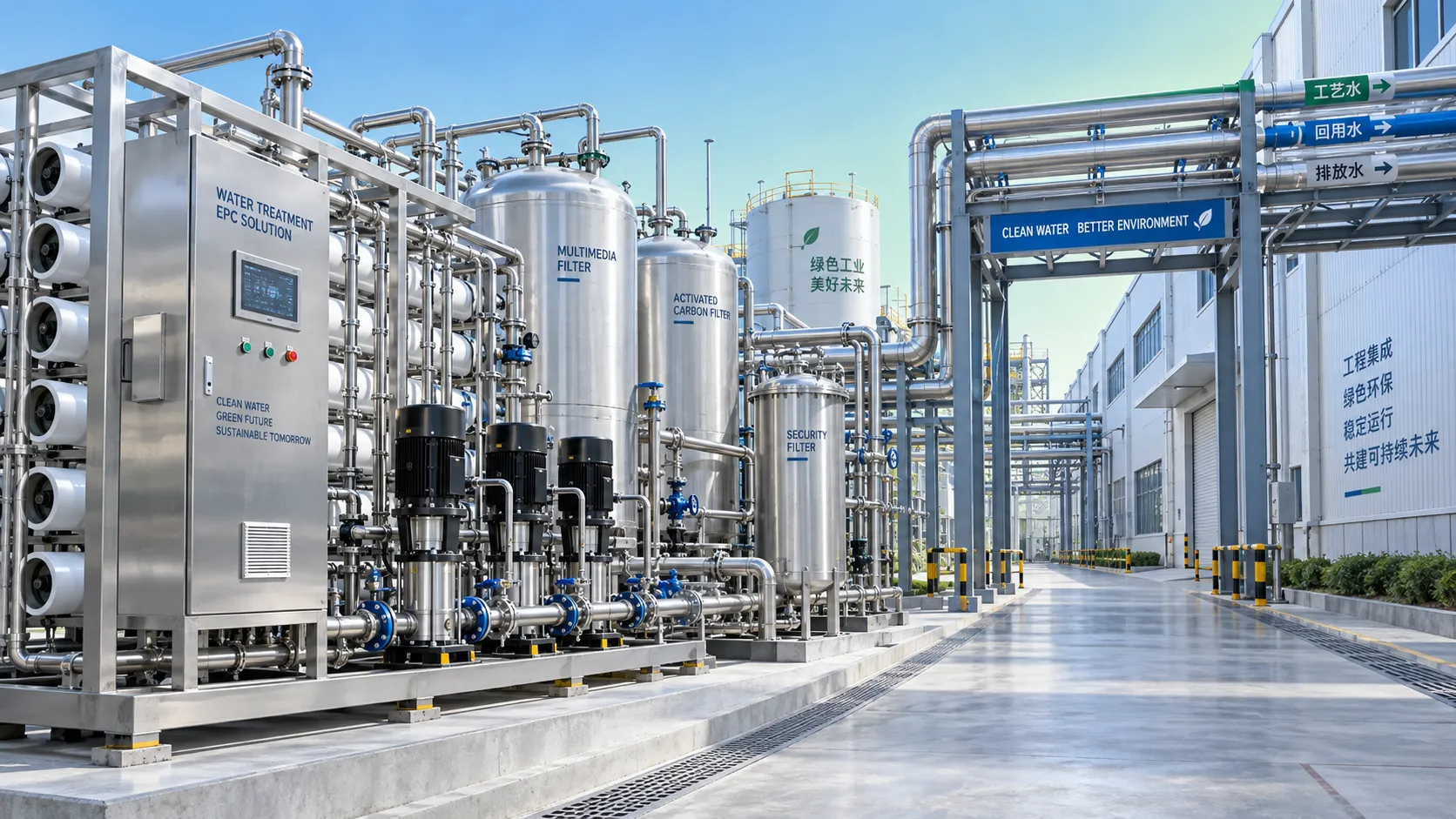
When does EPC environmental project support reduce delivery risk?
EPC environmental project support engineering reduces delivery risk by aligning design, procurement, compliance, construction, and commissioning decisions.
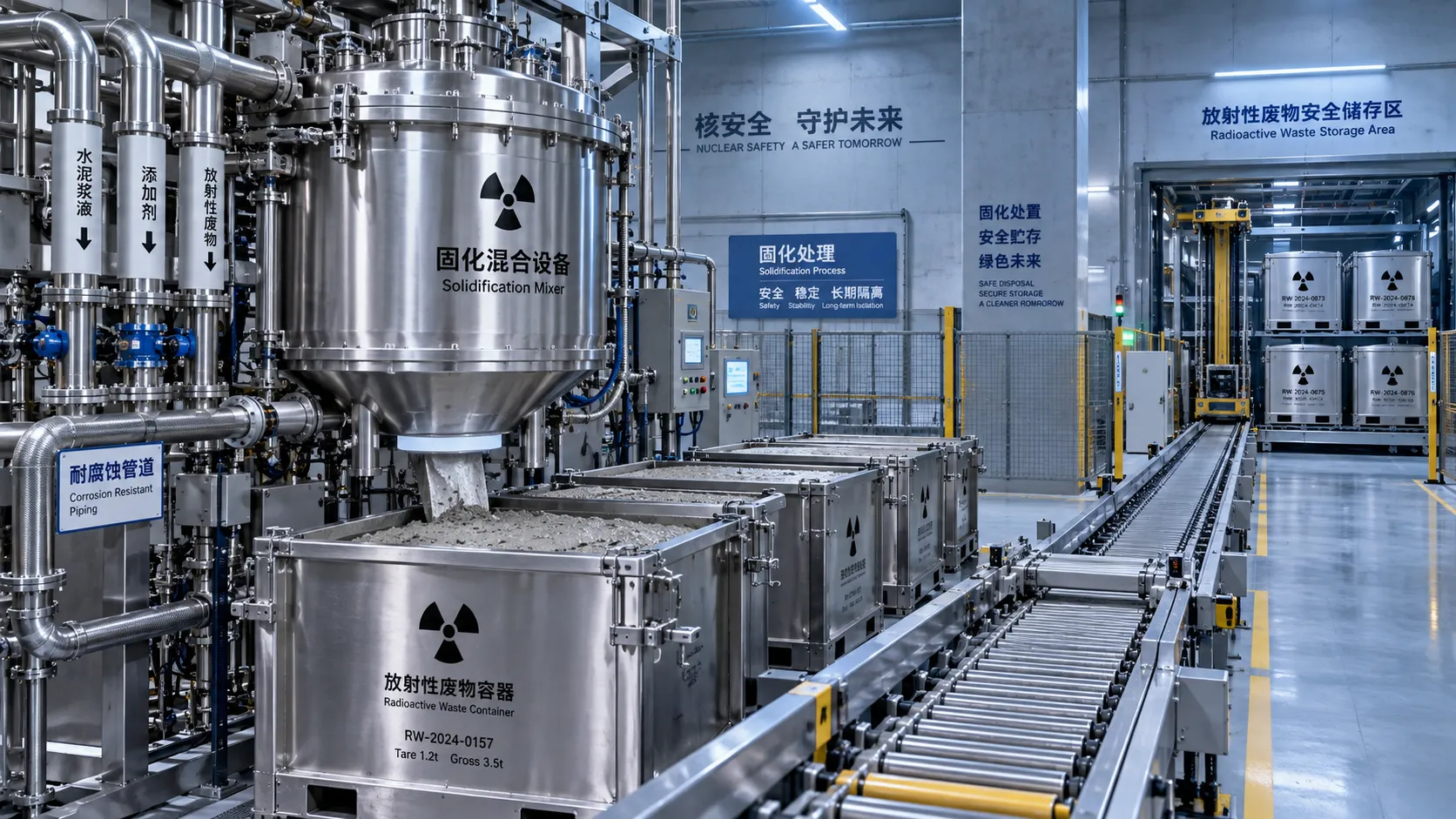
How nuclear plants select a radioactive waste solidification method
Radioactive waste management for nuclear plants: compare vitrification, cementation, polymers, and ceramics to select a compliant, durable solidification solution.
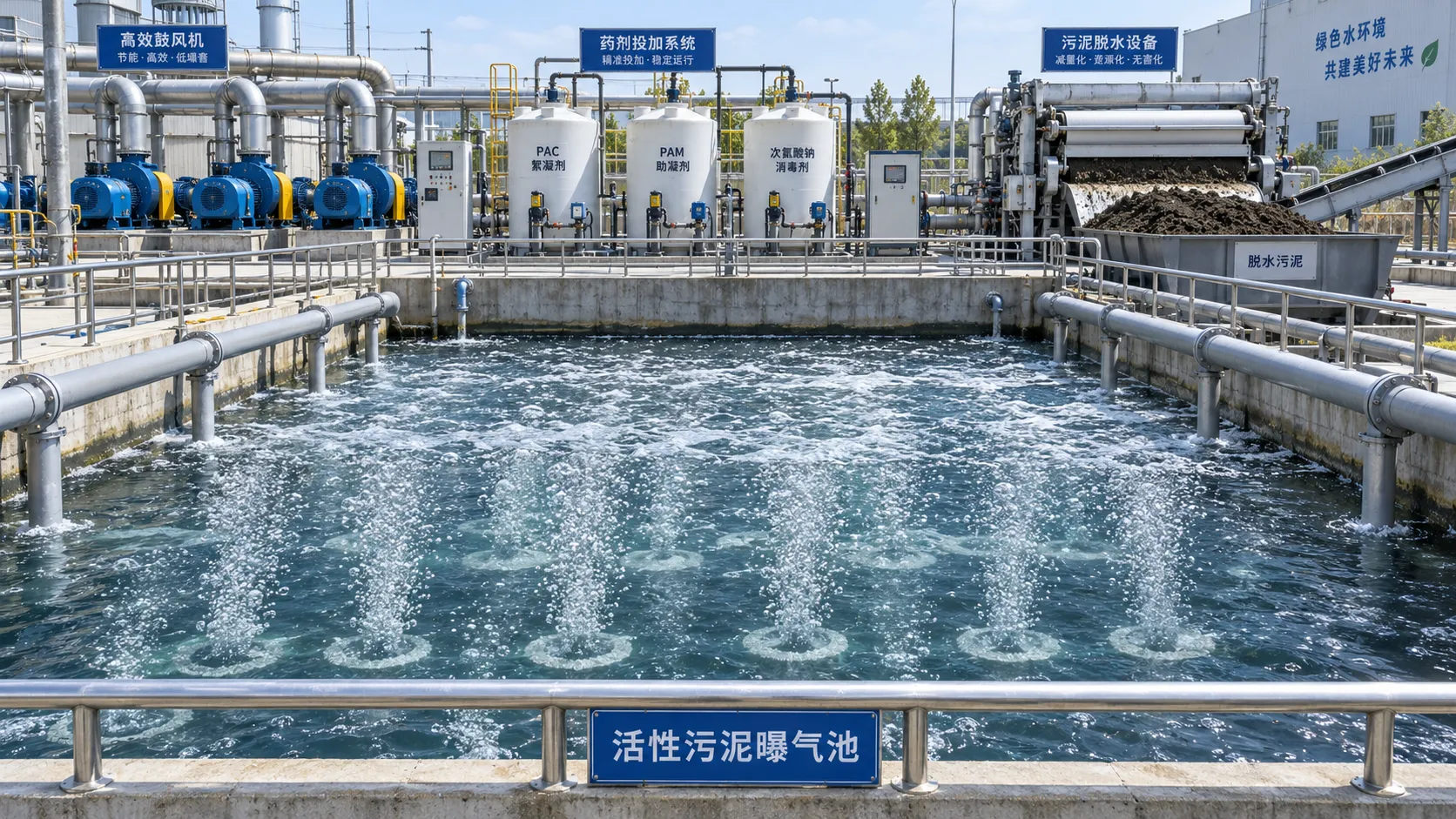
Activated Sludge Cost: Budgeting Energy, Chemicals, Sludge, and Labor
Activated sludge cost explained: compare energy, chemicals, sludge disposal, labor, and compliance risks to build a reliable lifecycle budget.
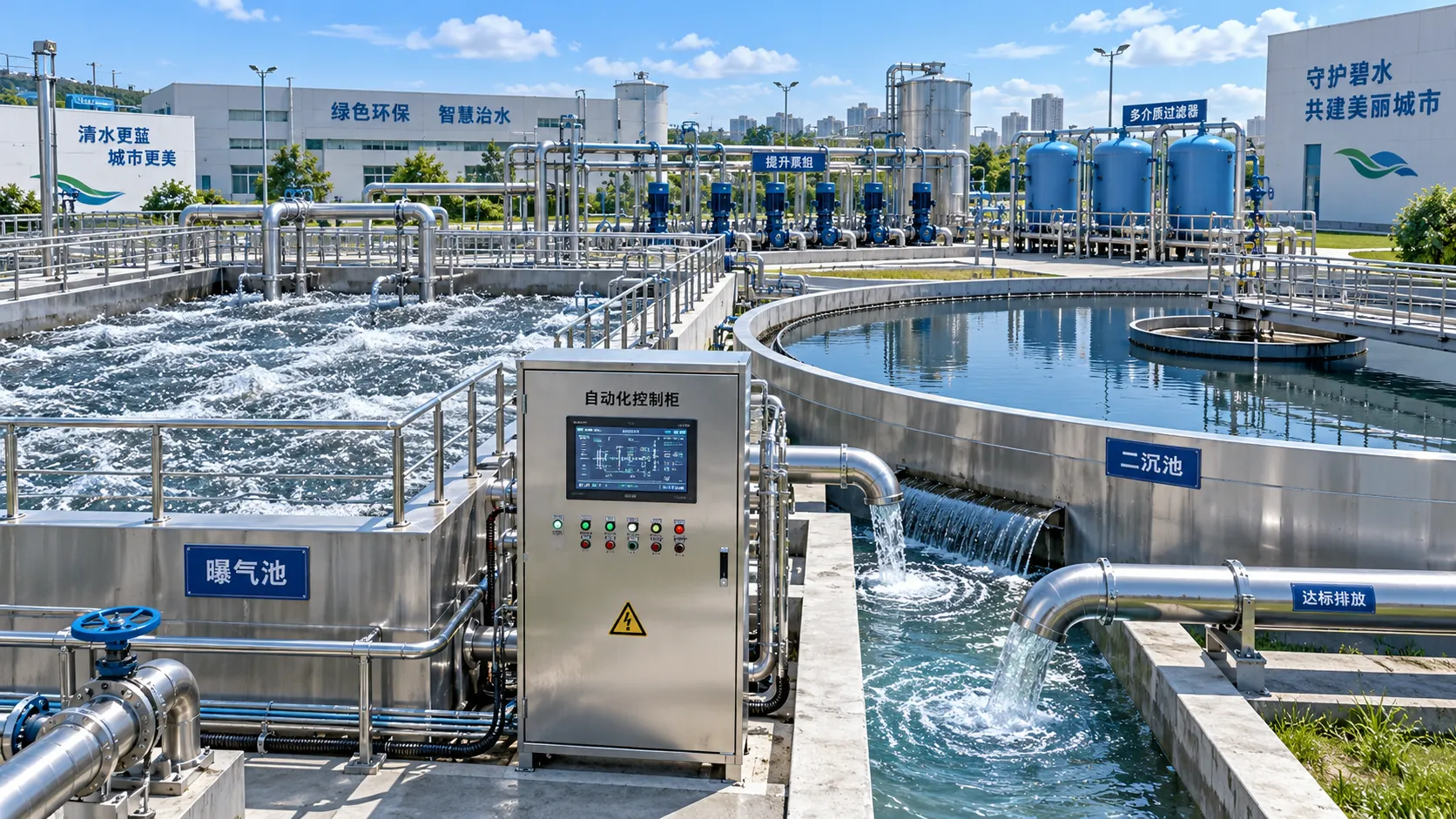
When Should Municipal Wastewater Plants Upgrade Treatment Capacity and Controls?
Municipal wastewater treatment upgrades: learn when capacity, controls, and resilient planning are needed to protect compliance and optimize plant performance.
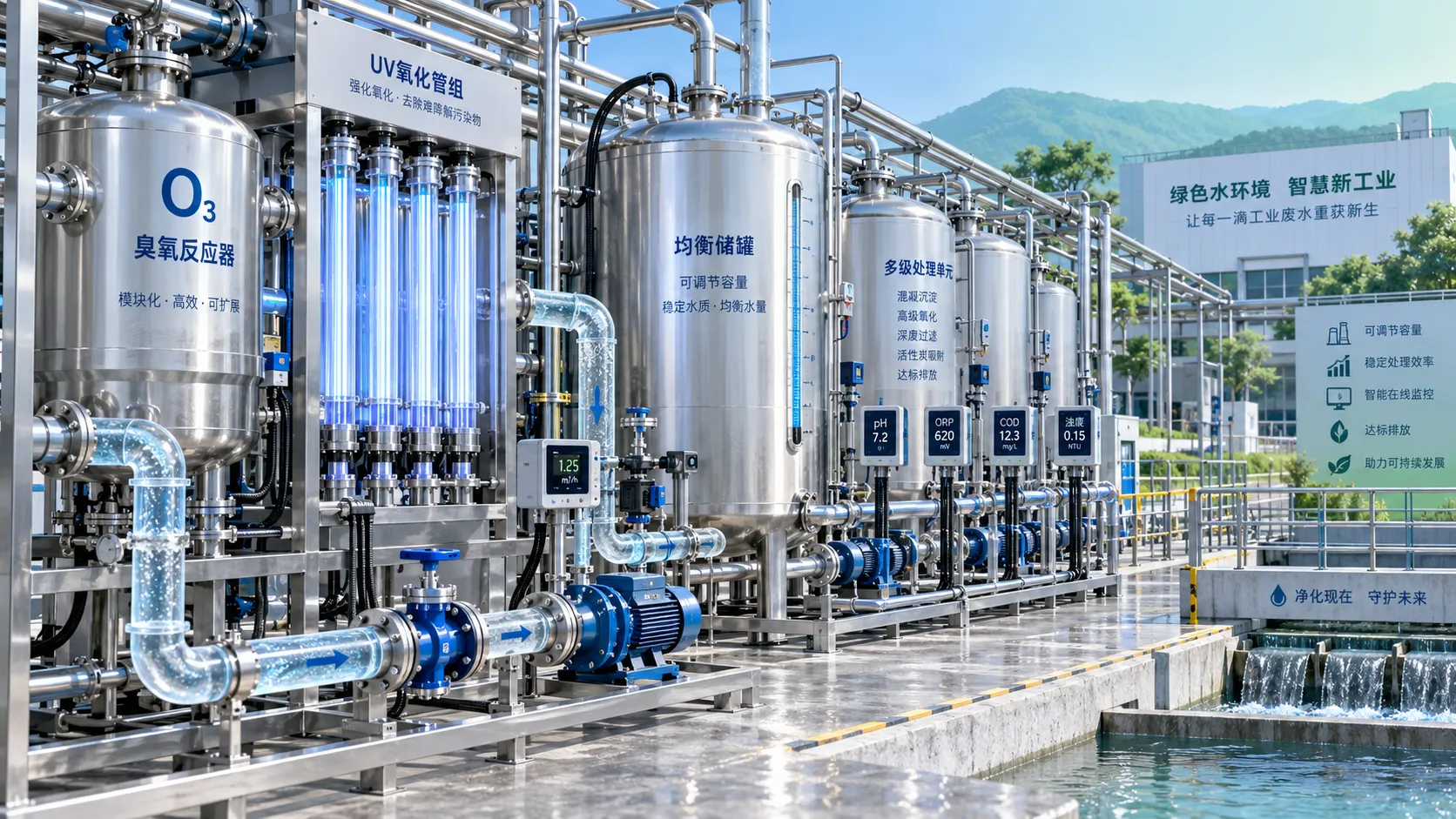
How to size advanced oxidation equipment for variable wastewater loads
Advanced oxidation equipment guide for sizing AOP systems under variable wastewater loads, improving compliance, efficiency, and lifecycle cost control.
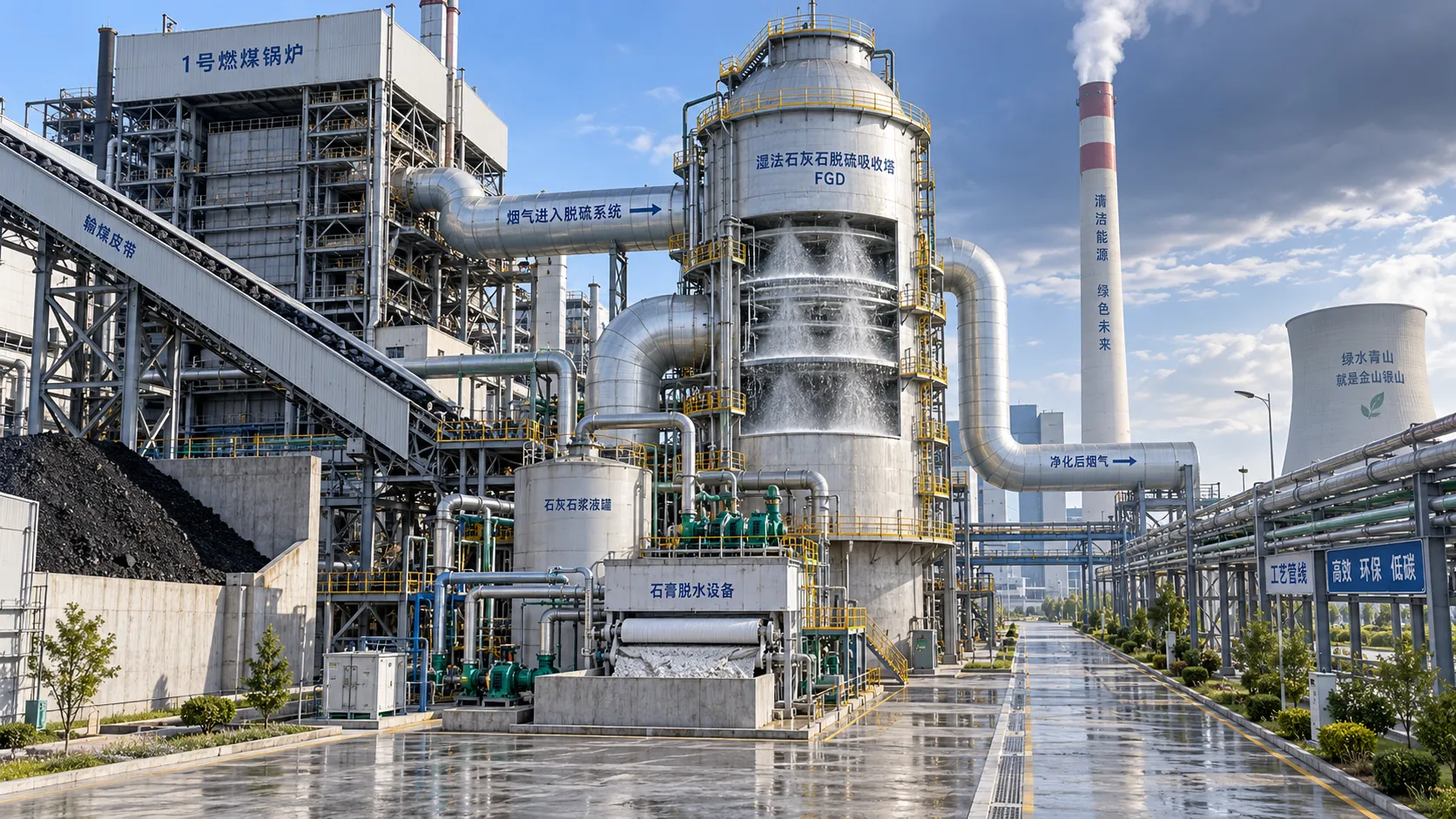
How to select FGD systems for coal boilers based on sulfur content
FGD systems for coal boilers: learn how sulfur content, fuel variability, emissions limits, water, waste, and retrofit constraints guide a compliant, cost-effective scrubber choice.

How to size a desulfurization equipment scrubber for variable gas flow
Desulfurization equipment scrubber sizing for variable gas flow: optimize SO2 removal, pressure drop, liquid-to-gas control, and compliance across every load.
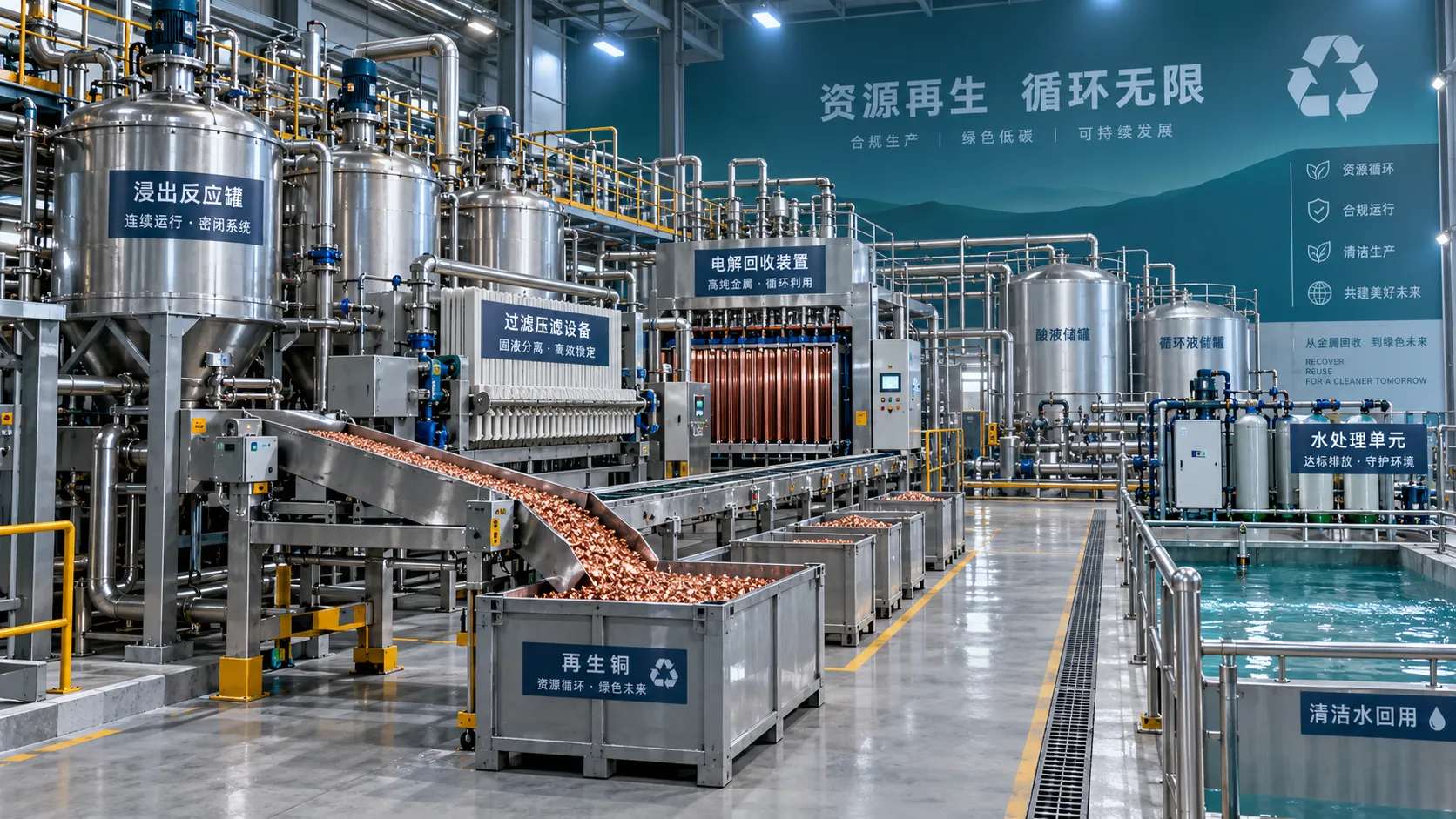
When does repeatable metals recovery infrastructure justify the investment?
Repeatable metals recovery infrastructure: discover when consistent feedstock, lower disposal costs, compliance control, and reliable offtake justify investment.
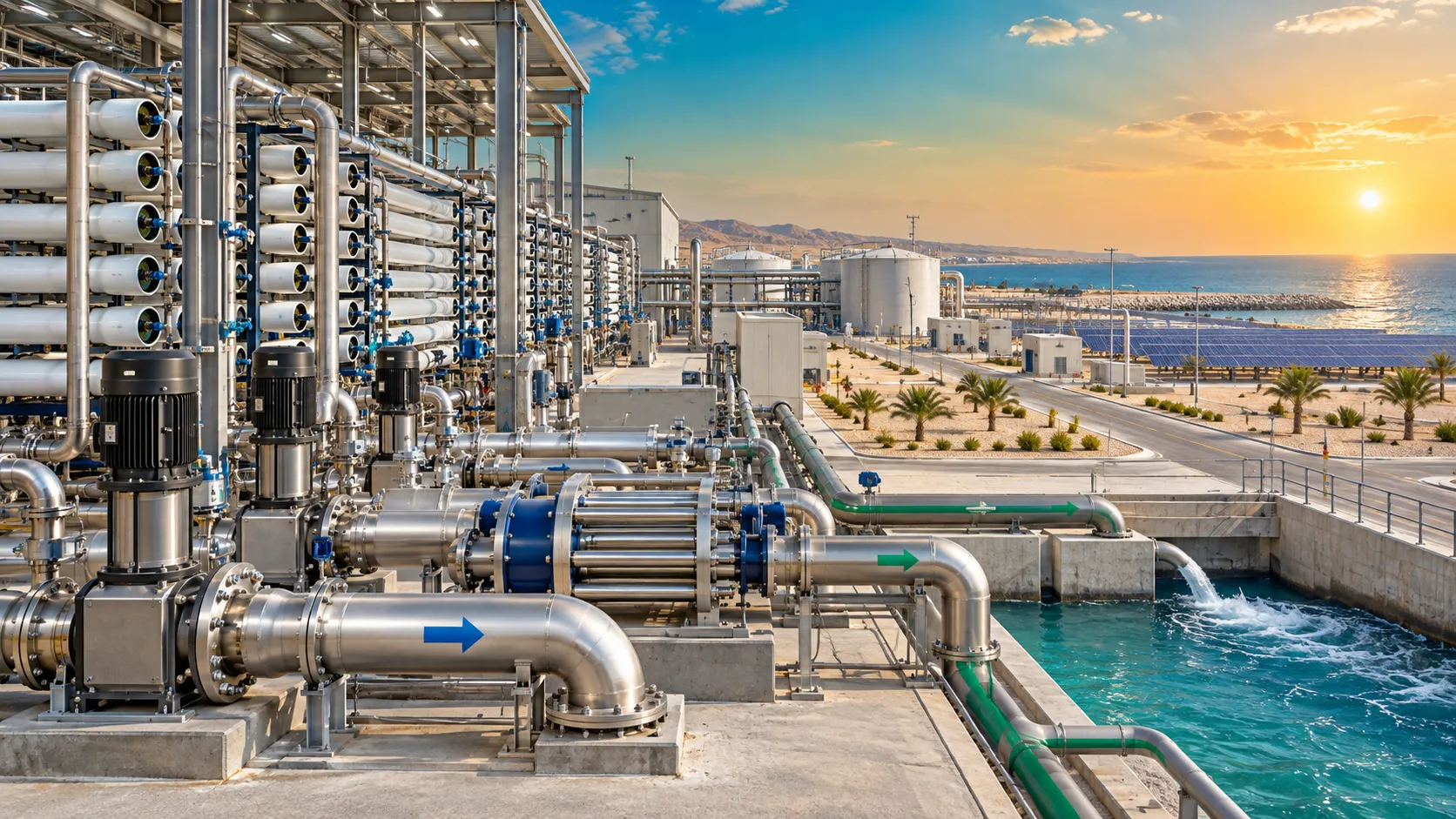
How energy recovery cuts the cost of seawater desalination in the Middle East
Seawater desalination Middle East projects can cut lifecycle costs with energy recovery. Explore savings, bankability, power-risk strategies, and smarter investment decisions.