
Industry News
Curation by industry experts
Hot Articles
Popular Tags
Biological Wastewater Oxidation Explained: Aeration Demand and Process Control
At 3 a.m., a blower alarm or a falling dissolved oxygen reading can turn a routine shift into a difficult decision: add more air, reduce loading, adjust return sludge, or wait for the trend to settle? In biological treatment, the wrong response can waste substantial energy—or allow ammonia and organic matter to pass through the plant.
Biological wastewater oxidation is the living core of most activated sludge systems, oxidation ditches, sequencing batch reactors, membrane bioreactors, and many attached-growth processes. Microorganisms consume biodegradable pollutants and, when conditions permit, convert ammonia nitrogen through nitrification. Yet this is not simply a matter of keeping aeration tanks bubbling. Stable operation depends on matching oxygen delivery to a changing biological demand, maintaining the right biomass conditions, and interpreting process signals before effluent quality begins to deteriorate.
For operators, the practical objective is straightforward: maintain a healthy biological population that removes the required pollutants with the lowest safe aeration input. Achieving that objective requires a clear view of what drives oxygen demand, where oxygen transfer is lost, and which control actions solve the underlying problem rather than masking it.
What biological oxidation actually does in a treatment plant
In the aeration basin, bacteria use dissolved and colloidal organic compounds as food. With oxygen available, they oxidize much of the biodegradable carbon to carbon dioxide, water, and new cell mass. This activity is commonly described as carbonaceous biochemical oxygen demand removal, or CBOD removal.
Where ammonia limits apply, another biological community becomes critical. Nitrifying organisms convert ammonia first to nitrite and then to nitrate. Nitrification is slower and more sensitive than carbon oxidation. It needs adequate dissolved oxygen, sufficient sludge age, stable pH and alkalinity, and protection from toxic shocks. A basin may appear to remove BOD well while nitrification quietly weakens; the first visible sign may be a rise in effluent ammonia after a temperature drop or peak influent load.
In systems designed for nitrogen removal, oxidation and reduction must also be separated in time or space. Aerobic zones support nitrification, while anoxic zones allow denitrifying bacteria to use nitrate as an oxygen source, converting it to nitrogen gas. Over-aerating an anoxic zone can suppress denitrification. This is why “more oxygen” is not always the safer operational answer.
Oxygen demand is a moving target
Aeration demand is shaped by the wastewater, the biomass, and the operating target. The major contributors are organic loading, ammonia loading, endogenous respiration, temperature, and the degree of treatment required. Influent flow alone is not enough to explain demand. A high-flow period diluted by stormwater may require less oxygen than a lower-flow discharge rich in soluble COD or ammonia.
In broad engineering terms, oxidation of biodegradable organic matter consumes oxygen, and nitrification consumes additional oxygen at a significantly higher rate per unit of ammonia nitrogen removed. Operators do not need to calculate a complete oxygen balance during every shift, but they should understand the pattern: when ammonia loading rises, air demand may remain elevated even after readily biodegradable COD begins to fall.
Temperature changes add another layer. Colder wastewater slows biological reaction rates, especially nitrification, while warmer water holds less dissolved oxygen at saturation. During warm weather, blowers may work harder to maintain the same DO concentration; during cold weather, the biomass may require a longer solids retention time to sustain nitrification. These effects can arrive together with seasonal industrial discharge patterns, making trend review more valuable than a single daily reading.
Three conditions that can look similar but require different responses
- Low DO with rising oxygen uptake: This often indicates genuine biological demand. Check influent COD and ammonia, blower capacity, diffuser condition, and airflow distribution before changing setpoints.
- Normal DO but rising effluent ammonia: Oxygen may not be the only constraint. Investigate sludge age, mixed liquor concentration, alkalinity, temperature, pH, toxic influent, and short-circuiting.
- High DO with poor total nitrogen removal: Excess air may be entering anoxic zones or internal recycle flows may be poorly balanced. The plant can consume more energy while denitrification becomes less effective.
Airflow is not the same as oxygen transfer
A blower delivers air, but microorganisms need oxygen dissolved in mixed liquor. Between those two points, performance can be lost through diffuser fouling, poor basin mixing, air header imbalance, reduced submergence, damaged membranes, or changes in wastewater characteristics.
Oxygen transfer efficiency is commonly discussed through parameters such as standard oxygen transfer efficiency and the field correction factors that account for temperature, salinity, fouling, and process-water conditions. In clean water, a diffuser system may perform well. In actual mixed liquor, surfactants, solids, oils, and changing alpha-factor conditions can reduce the transfer rate considerably. The practical consequence is familiar to experienced operators: a blower can appear to be running normally while one section of the basin develops oxygen limitation.
Fine-bubble diffusers generally provide strong oxygen transfer but require careful maintenance and even air distribution. Coarse-bubble systems may be selected where mixing, robustness, or fouling tolerance is more important. Surface aerators offer a different balance of mixing and oxygenation. No aeration technology remains efficient without inspection, performance testing, and a realistic understanding of the wastewater being treated.
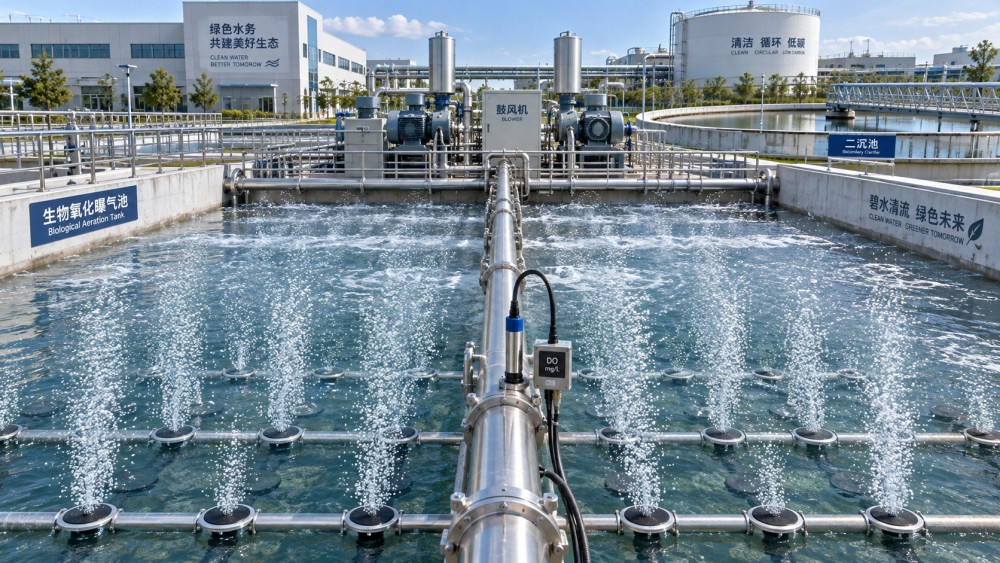
Field indicators of declining transfer performance include gradually increasing blower discharge pressure, higher airflow needed to maintain the same DO, uneven surface boil, dead zones, and different DO values between parallel lanes receiving similar loads. A sudden change may point to a valve position, blocked header, or mechanical fault; a slow drift more often suggests fouling or membrane aging.
DO control: avoid both oxygen starvation and expensive excess
Dissolved oxygen is one of the most useful process measurements, but it is not a complete diagnosis. A DO probe measures conditions near its location, not the oxygen environment throughout the entire basin. Poor probe placement, coating, calibration drift, or insufficient mixing around the sensor can mislead automatic control.
Many conventional aerobic zones operate with a DO target appropriate to their treatment objective, often in a range that supports carbon removal and nitrification without maintaining excessive residual oxygen. The correct target is site-specific. It depends on basin configuration, ammonia limits, sensor locations, peak loading, mixing, and the required safety margin. A plant with a stable nitrifying biomass may perform well at a lower average DO than a plant exposed to sharp industrial load swings.
A practical control philosophy is to use DO as a guardrail rather than the sole steering wheel. Combine it with influent flow, ammonia, oxidation-reduction potential where relevant, blower power, airflow, mixed liquor suspended solids, and effluent trends. Ammonia-based aeration control can be particularly useful when ammonia loading drives the real oxygen demand, but analyzer maintenance and validation remain essential. An unreliable ammonia signal can create more risk than a simpler, well-maintained DO cascade strategy.
Useful checks before increasing the DO setpoint
When ammonia rises, increasing the DO setpoint is a common first move. It may be justified, but operators should first ask several questions:
- Is the DO probe clean, calibrated, and located in a representative mixed zone?
- Has the influent ammonia load changed, or is the issue related to temperature and nitrifier retention?
- Is alkalinity sufficient to support nitrification without a harmful pH decline?
- Has sludge age fallen because of increased wasting, poor settling, or solids loss from the clarifier?
- Are all aeration zones receiving comparable airflow, or is one lane under-aerated?
- Could an industrial discharge, solvent, disinfectant, high salinity event, or metal-bearing stream be inhibiting biomass?
This sequence prevents an expensive habit: using air to compensate for a biological or hydraulic problem that air cannot solve.
Solids retention time protects the biology behind the process
Biological wastewater oxidation depends on keeping the right organisms in the system long enough to reproduce. Solids retention time (SRT), sometimes called sludge age, is therefore central to process stability. Fast-growing heterotrophic bacteria can recover relatively quickly after a disturbance. Nitrifiers cannot. If excessive wasting, washout, or poor secondary clarification reduces SRT, ammonia removal may fail even when aeration capacity is available.
Mixed liquor suspended solids (MLSS) is useful, but MLSS alone is not a measure of biological health. A high MLSS concentration can coexist with poor activity, old biomass, inorganic accumulation, filamentous bulking, or oxygen transfer limitations. Track MLSS alongside SRT, food-to-microorganism ratio, settleability, microscopic observations where available, and oxygen uptake behavior.
Clarifier performance is inseparable from aeration-basin control. Sludge blanket rise, pin floc, excessive return activated sludge rates, or solids carryover can reduce the actual retained biomass and threaten effluent compliance. In a well-run plant, aeration, solids wasting, return sludge control, and final clarification are treated as one connected process—not as separate equipment areas.
Loading fluctuations: build a response around trends, not panic
Municipal facilities often see morning and evening peaks. Industrial and mixed-use plants may face batch discharges that are far less predictable. The most damaging events are not always the highest-flow events; a short, concentrated slug of soluble organics, ammonia, oil, cleaning chemicals, or high-temperature wastewater can rapidly change oxygen uptake and biomass performance.
Equalization, when available, is one of the most valuable buffers for biological treatment. It moderates hydraulic and pollutant peaks before they reach the aeration system. Where equalization is limited, operators benefit from establishing a response plan tied to actual plant signals: increase monitoring frequency, verify influent pH and conductivity, inspect foam and mixed-liquor appearance, confirm blower reserve capacity, and coordinate with upstream production or collection-system personnel.
Do not confuse temporary high oxygen uptake with process failure. A healthy biomass can respond energetically to a biodegradable load. The concern begins when DO cannot be maintained, ammonia persists beyond the expected biological response time, settleability worsens, or effluent quality trends downward across several sampling intervals.
Common operating mistakes in biological oxidation systems
Running every blower “just in case.” This can produce high residual DO, unnecessary power demand, and poorer anoxic-zone performance. It also hides declining diffuser efficiency until the plant has little reserve left.
Managing by a single number. A DO value, MLSS result, or ammonia reading is only one piece of the process picture. Confirm unusual data with field observation and related measurements.
Ignoring alkalinity consumption. Nitrification consumes alkalinity and can lower pH. When buffering capacity becomes inadequate, nitrification may weaken even though aeration appears adequate.
Delaying diffuser and instrument maintenance. Fouled diffusers and drifting probes create a false sense of control. Scheduled cleaning, calibration, airflow verification, and periodic oxygen transfer assessment are operational safeguards, not optional extras.
Changing several variables at once. If airflow, wasting rate, return sludge rate, and chemical dosing are all changed together, it becomes difficult to know what helped or harmed the process. Make controlled adjustments where plant conditions allow, document them, and review the response.
A shift-level operating routine that supports stable treatment
A disciplined routine does not need to be complicated. At the start of a shift, compare current flow, influent pH, conductivity, COD or surrogate data, ammonia, basin DO, airflow, blower power, MLSS, and clarifier appearance against recent trends. Look across parallel trains rather than reviewing only plant averages. One underperforming lane may be hidden by acceptable combined effluent data until the load increases.
During rounds, listen for changes in blower sound, inspect aeration patterns, note foam character, check for stagnant corners, and verify that valves and recycle pumps match the intended operating mode. Record abnormal odors, color shifts, or floating solids; these observations often reveal a process change before laboratory results are available.
For facilities navigating tighter nutrient limits, rising energy costs, or complex industrial influent, process intelligence should connect field operation with broader compliance planning. ESD tracks the equipment, regulatory, and resource-recovery context shaping modern treatment plants, but the foundation remains the operator’s daily ability to keep biology, hydraulics, and oxygen transfer in balance.
Final perspective: control the process, not just the air
Reliable biological wastewater oxidation is a balance between microbial needs and operational discipline. Oxygen must be transferred efficiently, but aeration alone cannot correct inadequate sludge age, inhibited biomass, poor mixing, depleted alkalinity, or unstable clarification. The strongest operating decisions come from connecting measurements to process behavior: what entered the plant, what the biomass is doing, where oxygen is actually reaching, and how the effluent is responding.
When those links are understood, aeration becomes more than a large energy load. It becomes a precise control tool—one that protects effluent quality, preserves biological resilience, and helps the treatment plant operate with greater confidence under changing conditions.
Recommended News
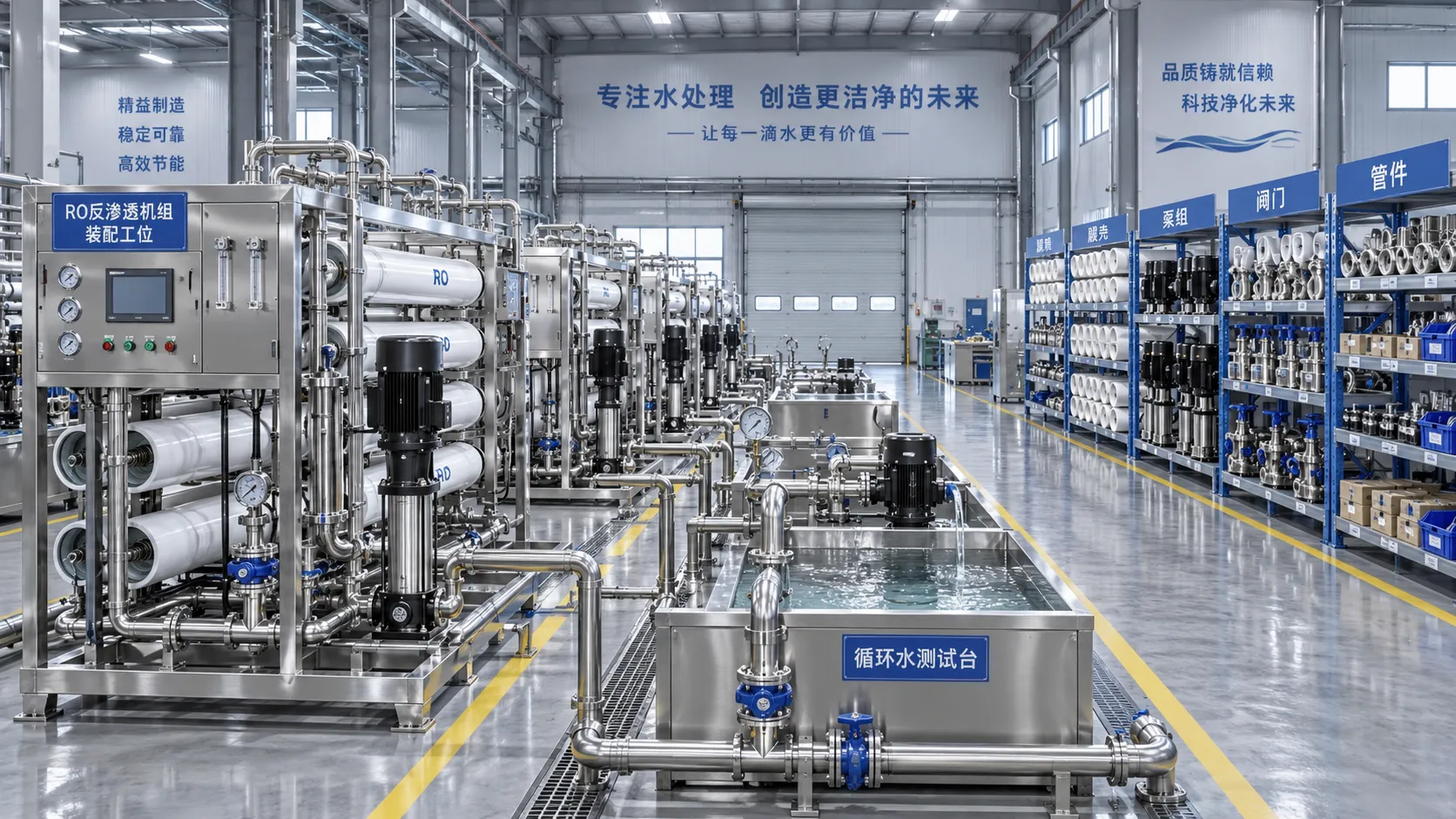
How to verify a water treatment system factory’s production capacity
Verify a water treatment systems factory’s production capacity through records, bottlenecks, component availability, and testing. Learn what to check before accepting a delivery promise.
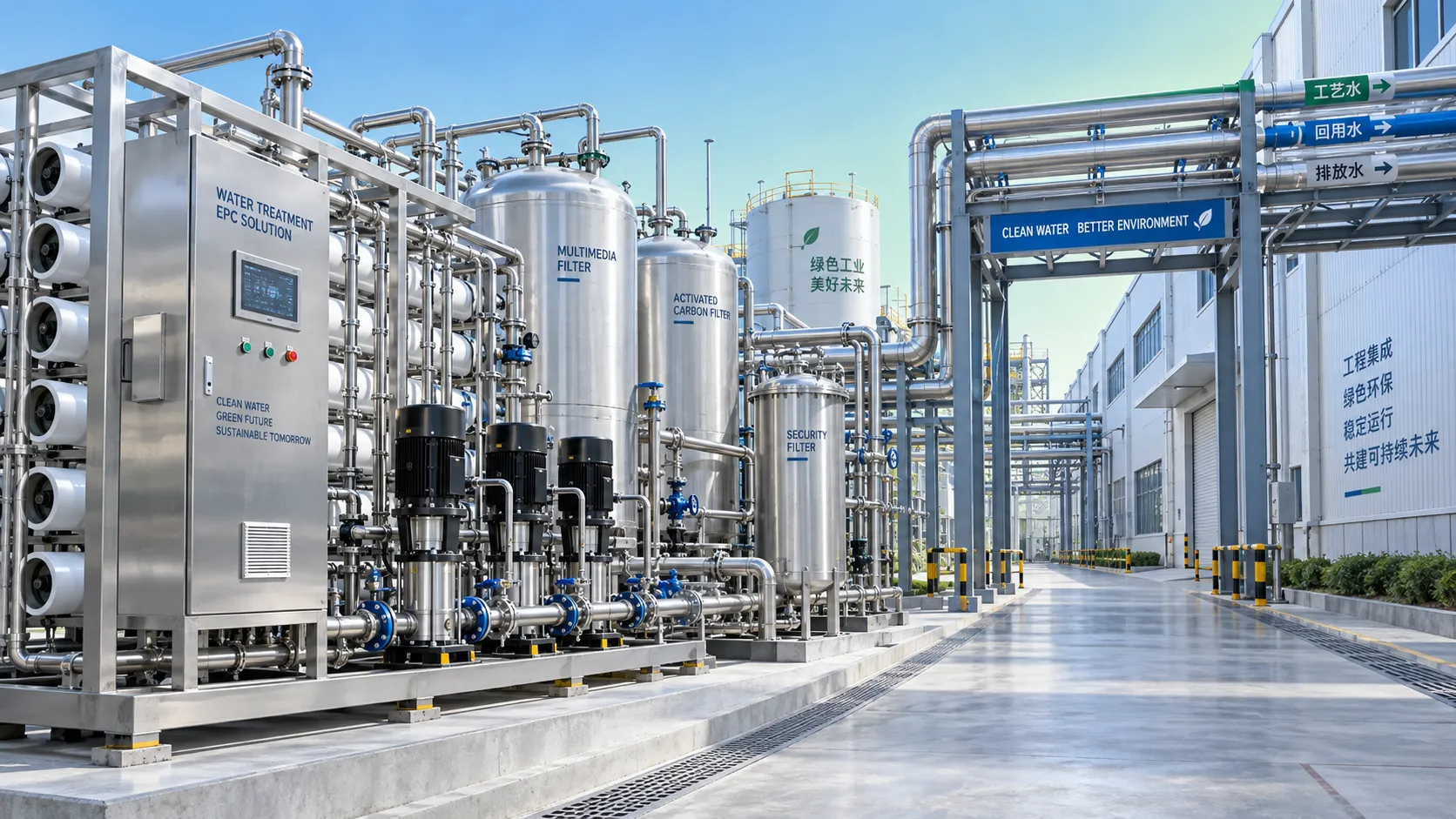
When does EPC environmental project support reduce delivery risk?
EPC environmental project support engineering reduces delivery risk by aligning design, procurement, compliance, construction, and commissioning decisions.
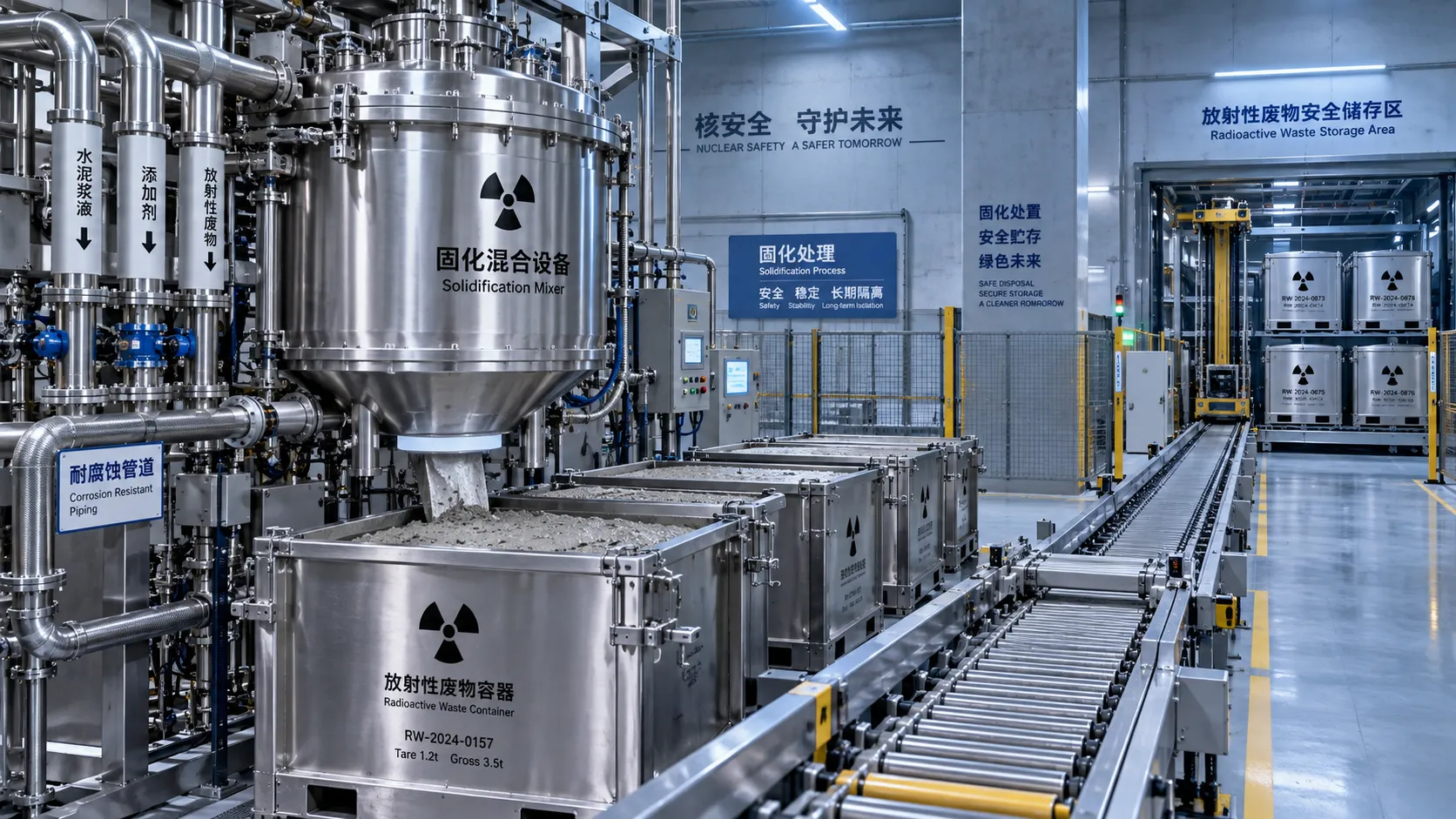
How nuclear plants select a radioactive waste solidification method
Radioactive waste management for nuclear plants: compare vitrification, cementation, polymers, and ceramics to select a compliant, durable solidification solution.
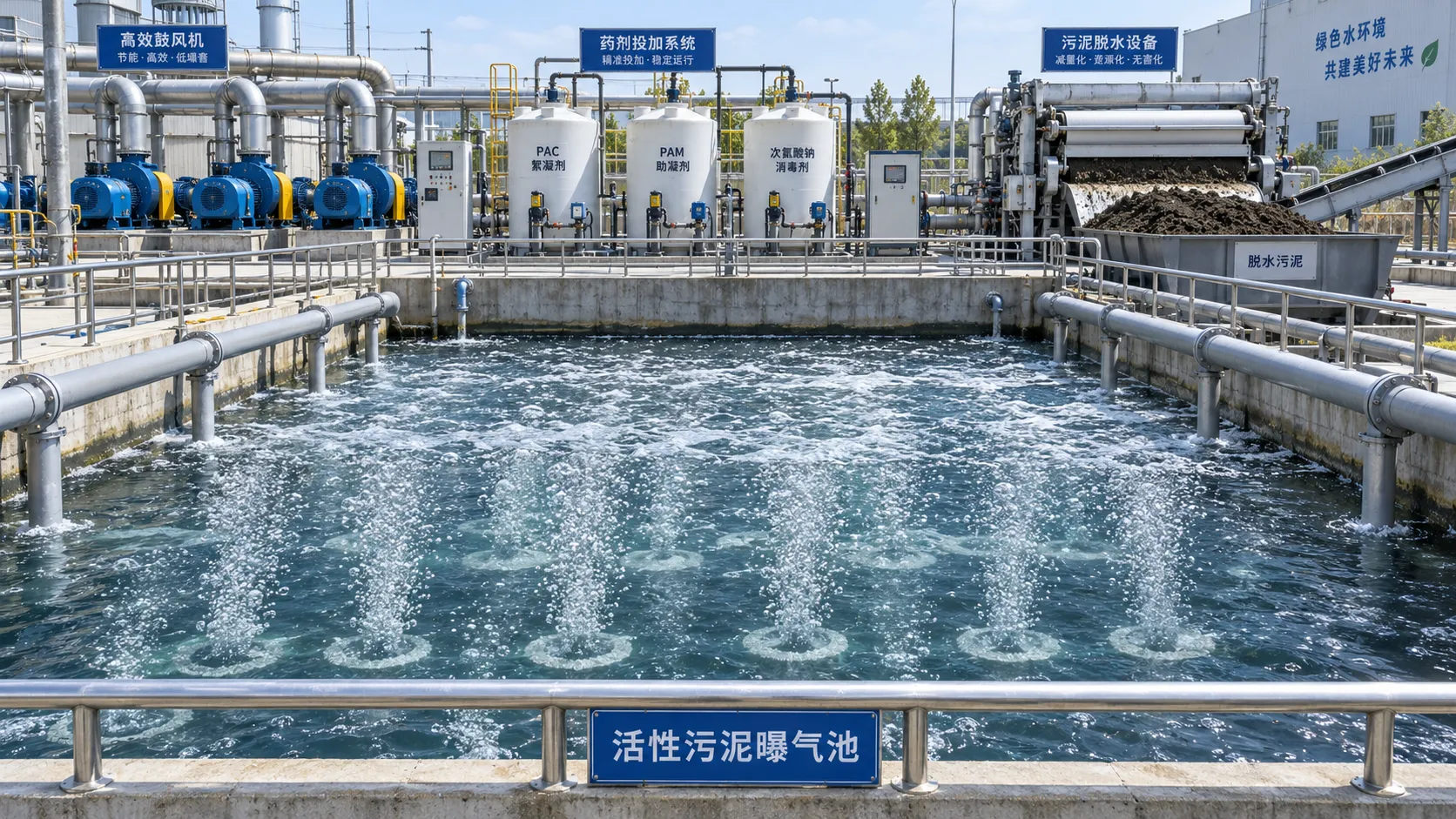
Activated Sludge Cost: Budgeting Energy, Chemicals, Sludge, and Labor
Activated sludge cost explained: compare energy, chemicals, sludge disposal, labor, and compliance risks to build a reliable lifecycle budget.
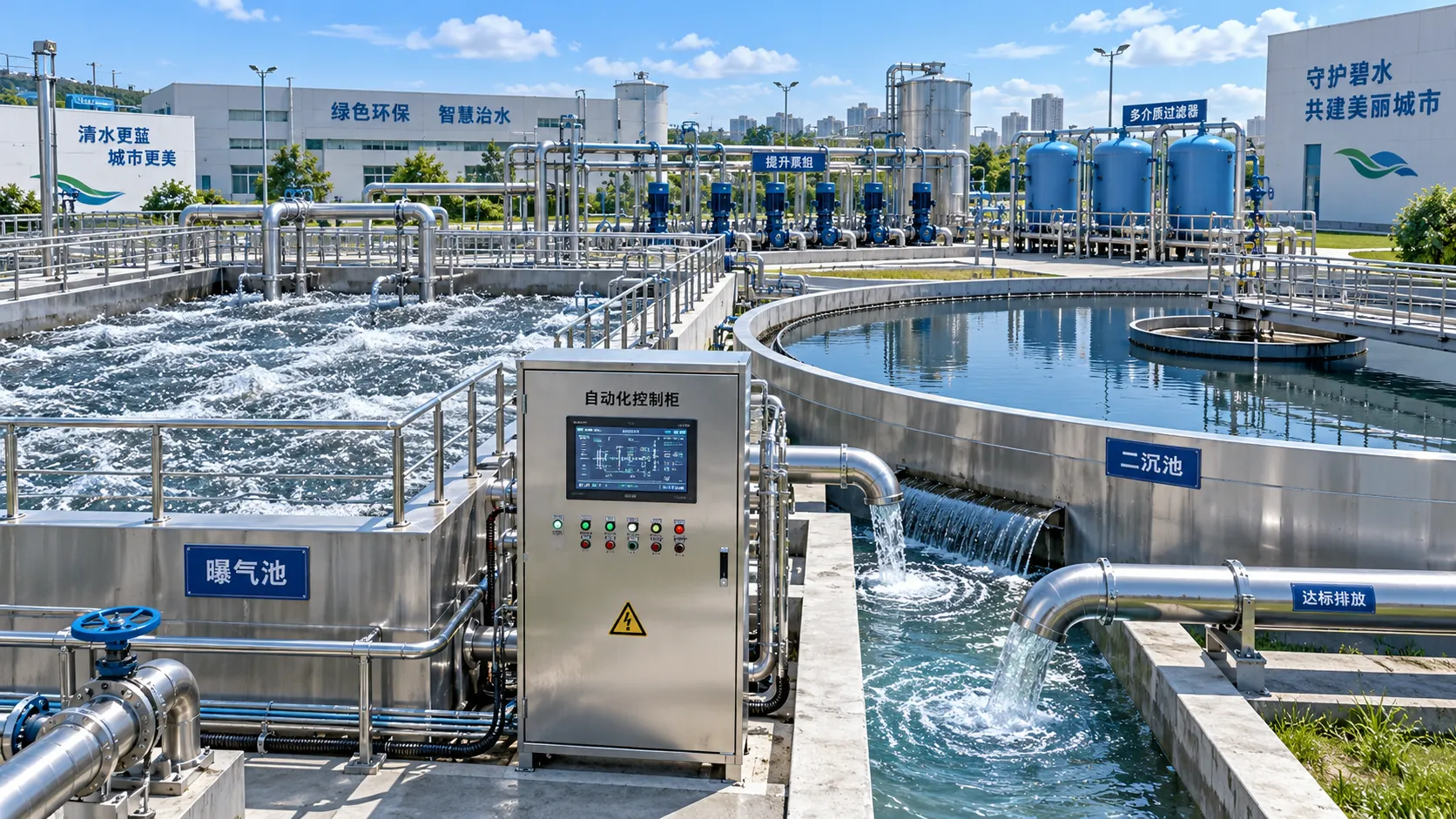
When Should Municipal Wastewater Plants Upgrade Treatment Capacity and Controls?
Municipal wastewater treatment upgrades: learn when capacity, controls, and resilient planning are needed to protect compliance and optimize plant performance.
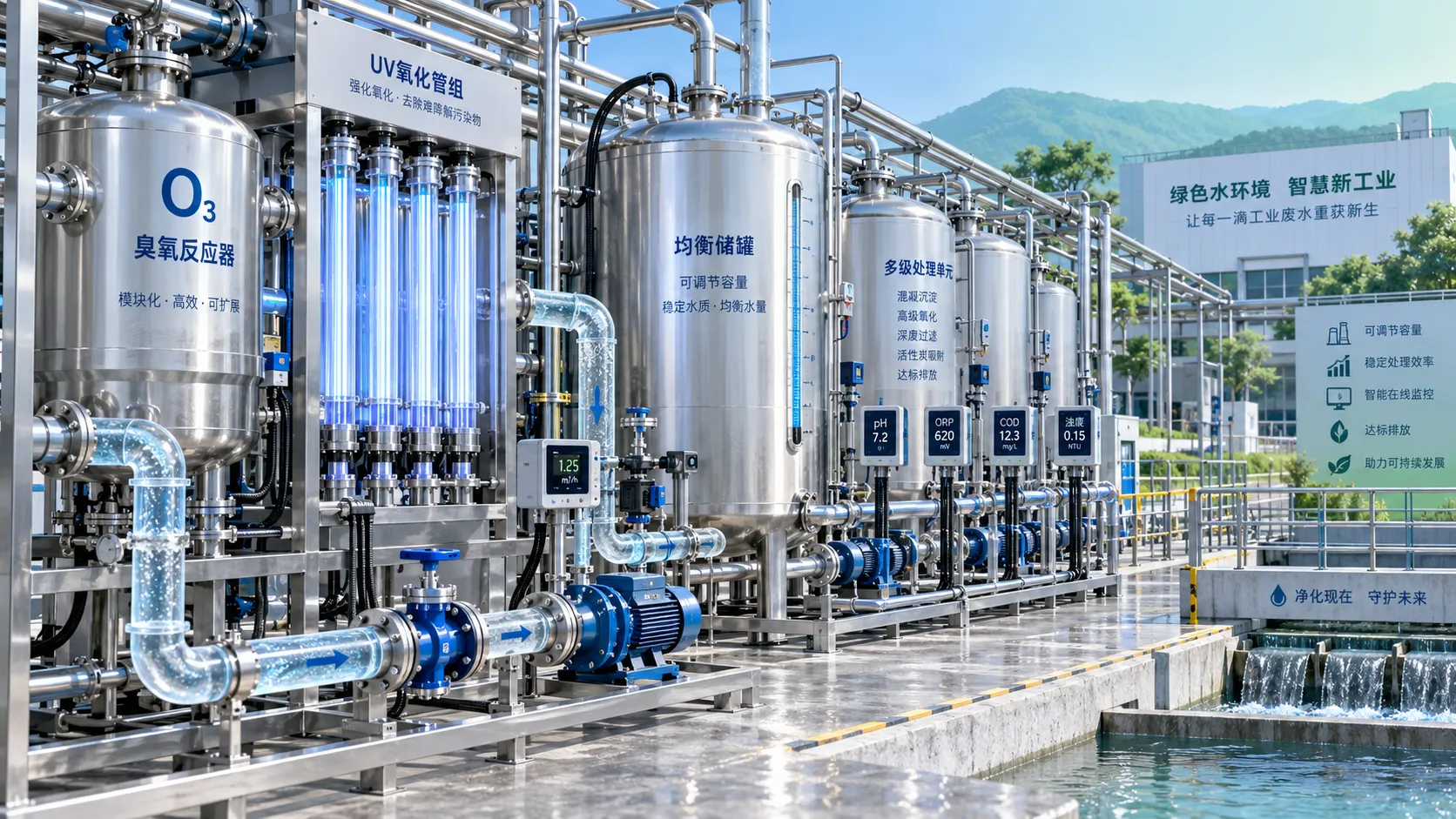
How to size advanced oxidation equipment for variable wastewater loads
Advanced oxidation equipment guide for sizing AOP systems under variable wastewater loads, improving compliance, efficiency, and lifecycle cost control.
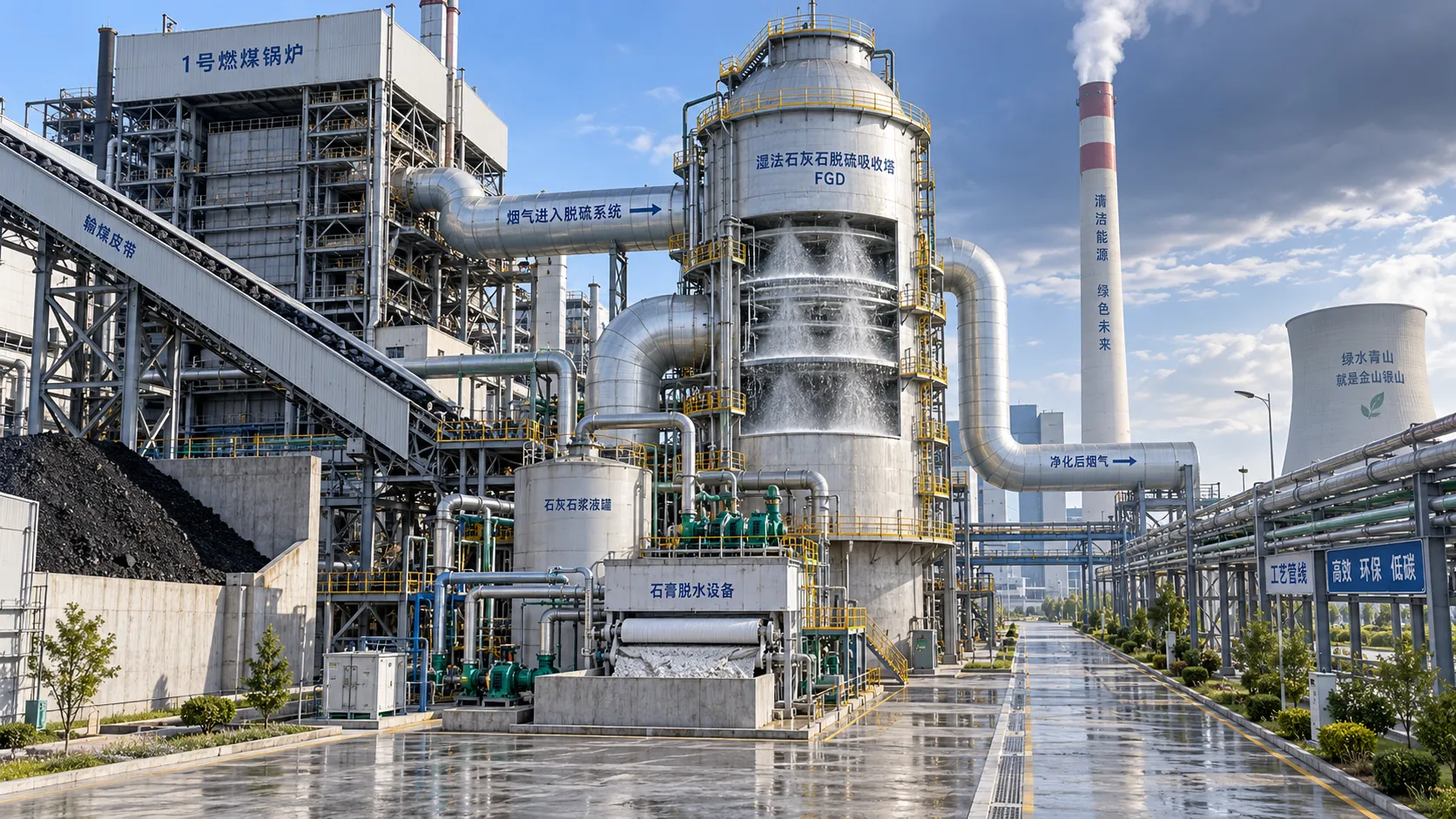
How to select FGD systems for coal boilers based on sulfur content
FGD systems for coal boilers: learn how sulfur content, fuel variability, emissions limits, water, waste, and retrofit constraints guide a compliant, cost-effective scrubber choice.
How to size a desulfurization equipment scrubber for variable gas flow
Desulfurization equipment scrubber sizing for variable gas flow: optimize SO2 removal, pressure drop, liquid-to-gas control, and compliance across every load.
When does repeatable metals recovery infrastructure justify the investment?
Repeatable metals recovery infrastructure: discover when consistent feedstock, lower disposal costs, compliance control, and reliable offtake justify investment.