
Industry News
Curation by industry experts
Hot Articles
Popular Tags
When Should Municipal Wastewater Plants Upgrade Treatment Capacity and Controls?
Municipal wastewater treatment upgrades should begin when the plant’s operating envelope has narrowed enough that normal variations in flow, load, weather, or equipment availability create repeated compliance exposure. The trigger is rarely a single annual-average flow figure. A facility can appear adequate on paper while peak-hour hydraulics, wet-weather infiltration, industrial discharges, seasonal temperature shifts, or maintenance outages repeatedly push clarifiers, aeration basins, filters, and disinfection systems beyond stable performance.
Capacity and controls should therefore be assessed together. Adding tanks without correcting poor influent visibility, unstable dissolved oxygen control, unreliable level measurement, or weak alarm management can move the bottleneck rather than remove it. Conversely, a controls upgrade alone cannot resolve a genuine hydraulic or biological loading deficit. The sound decision comes from separating temporary operating stress from a persistent change in the plant’s design basis.
Signals That the Existing Plant Has Reached Its Useful Limit
A rising average influent flow is an obvious warning, but peak conditions are often more important. Collection-system inflow and infiltration can produce brief but severe hydraulic surges that bypass biological treatment capacity, wash solids from secondary clarifiers, or overwhelm tertiary filters. A plant designed around dry-weather flow may need a different solution from one facing sustained residential growth. Storage, equalization, collection-system rehabilitation, high-rate treatment, and full process expansion address different problems; treating them as interchangeable leads to oversized or underperforming projects.
Loading changes deserve the same scrutiny. A stable flow rate does not prove that the treatment train remains suitable. New commercial activity, food processing, landfill leachate acceptance, septage receiving, or changing industrial pretreatment performance can increase biochemical oxygen demand, ammonia, fats, suspended solids, conductivity, or inhibitory compounds without a matching increase in volume. The effect may first appear as higher aeration demand, slower nitrification, filamentous growth, foaming, or a narrower solids-retention-time margin. These symptoms should be linked to influent sampling and process records before selecting a technology.
Recurring near-misses matter even when final effluent limits are still being met. Repeated manual intervention to preserve ammonia removal, frequent sludge blanket excursions, emergency chemical dosing, or routine diversion of flow around a constrained unit process indicate that resilience has eroded. A plant operating close to its limit has little capacity to absorb a blower failure, storm event, toxic influent slug, power interruption, or scheduled basin maintenance. Compliance history should be reviewed alongside the operational effort required to achieve it.
Asset condition can make an upgrade urgent even before growth arrives. Corroded air headers, worn return activated sludge pumps, unreliable motor control centers, failing gate actuators, obsolete programmable logic controllers, and instruments that drift between calibrations reduce usable capacity. The relevant question is not simply whether equipment still runs. It is whether its performance, spares availability, maintainability, and failure consequences support the discharge requirements expected during the next planning period.
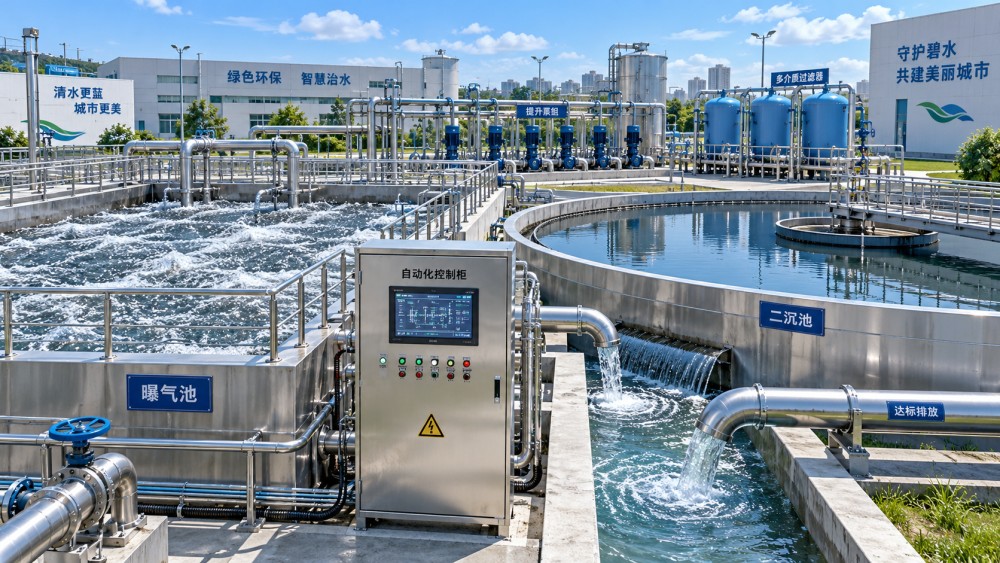
Distinguish Hydraulic Limits From Treatment Limits
Many upgrade concepts fail because all underperformance is described as “insufficient capacity.” Hydraulic capacity concerns how much water the system can convey and retain at critical flows. Treatment capacity concerns the mass of pollutants that can be removed under actual temperature, chemistry, solids inventory, and oxygen-transfer conditions. The two interact, but they require different evidence.
Aeration is particularly prone to misdiagnosis. Higher blower power does not automatically mean more biological capacity. Fouled diffusers, poor basin mixing, air leaks, incorrect valve positions, inadequate air distribution, or a dissolved oxygen sensor located in an unrepresentative zone can all produce elevated energy use and uneven treatment. Before committing to a major aeration replacement, confirm actual airflow, basin dissolved oxygen profiles, ammonia trends, mixed liquor suspended solids, alpha-factor assumptions, and blower operating points. A system may need new diffusers and control valves; another may need an additional treatment train.
When Controls Become a Capacity Project
Modernization of instrumentation, automation, and supervisory control is warranted when staff must continuously compensate for conditions that the plant should detect and stabilize automatically. This is common where pumps start and stop on unreliable level signals, blowers run at fixed output despite changing oxygen demand, chemical feed is tied only to flow, or alarms provide too much noise to identify the event requiring attention.
Controls work should start with the operating decisions that must be improved, rather than a generic replacement of panels and screens. For aeration, that may mean using validated dissolved oxygen measurements with ammonia feedback, airflow measurement, basin sequencing, and blower surge protection. For nutrient removal, it may mean coordinating internal recycle rates, anoxic-zone conditions, carbon addition, and chemical phosphorus removal based on the actual process configuration. At filtration and disinfection stages, differential pressure, turbidity, residual measurements, ultraviolet transmittance, or contact-time conditions may reveal constraints earlier than final effluent results.
Automation also needs defensible fallback modes. Online analyzers foul, sample lines plug, and communications links fail. Each critical control loop should define what occurs when a signal becomes invalid, what fixed setpoint or local mode is used, how the failure is alarmed, and how the event is recorded. A sophisticated algorithm that defaults to an unsafe or inefficient condition during a routine analyzer outage adds operational risk.
Cybersecurity and maintainability belong in the scope from the first design stage. Segmented networks, access controls, documented backups, tested recovery procedures, and clear ownership of software changes prevent a controls upgrade from becoming a fragile black box. Source code, configuration files, input-output lists, instrument ranges, alarm rationalization records, and calibration requirements should be delivered as operating assets, not scattered across contractor submittals.
Choosing the Right Form of Physical Expansion
There is no universal “next process” for municipal wastewater treatment upgrades. A conventional activated sludge plant with limited land may favor higher-rate biological treatment, intensification within existing basins, improved solids separation, or selective use of sidestream treatment. A site with available land and stable influent characteristics may achieve better lifecycle performance through parallel basins and clarifiers that preserve operational simplicity. Existing hydraulic profile, civil condition, odor constraints, power capacity, and construction access can be as decisive as process performance.
For nutrient limits, the first question is whether the current train can consistently create the required biological environments. Adding an anaerobic or anoxic zone changes volume allocation, mixing duty, recycle routing, and often clarifier solids behavior. Converting a basin without sufficient mixing or controllable recycle flow can reduce performance in both the modified and remaining zones. Chemical addition can provide an effective polishing or contingency measure, but it increases sludge production and may change dewatering, hauling, and disposal requirements.
Membrane bioreactors, granular processes, tertiary filtration, cloth media filters, and advanced disinfection can be appropriate where effluent quality, footprint, or reuse objectives require them. Their selection should be based on the whole treatment train. Fine screening quality affects membrane reliability. Upstream coagulation affects filter loading. Effluent solids affect ultraviolet transmittance. A technology that performs well under controlled influent conditions can impose substantial operating discipline where solids, rags, grease, or variable industrial loads are poorly managed.
Build the Decision Around Measured Operating Conditions
A useful upgrade basis combines flow, load, process, asset, and permit information over enough time to expose seasonal and event-driven behavior. Short sampling campaigns are often misleading because they miss cold-weather nitrification stress, wet-weather peaks, tourism-related demand, agricultural discharge cycles, or intermittent industrial contributions. Data should be screened for analyzer failures, sampling changes, laboratory method changes, and periods when units were out of service. Bad data embedded in a hydraulic or biological model creates false precision.
Develop design scenarios rather than one forecast. A baseline scenario should reflect current verified conditions. A growth scenario should include credible changes in population and connected load. A stress scenario should test the combination most likely to cause failure, such as high flow with diluted but hydraulically demanding influent, or high-strength flow during reduced biological activity. Include an equipment-out-of-service condition where treatment reliability depends on redundancy. This framework shows whether the priority is new volume, surge management, solids separation, instrumentation, or a staged combination.
Permit changes should be interpreted at the parameter level. A tighter ammonia limit points toward nitrification reliability, temperature, aeration, alkalinity, and solids retention time. A lower total phosphorus requirement may shift attention to biological phosphorus removal, chemical precipitation, tertiary solids capture, or all three. A more demanding disinfection condition may require reviewing contact hydraulics, suspended solids, ultraviolet dose delivery, or residual management. Treating every new limit as a call for a full plant replacement wastes time and obscures the actual compliance mechanism.
Phasing Construction Without Sacrificing Treatment
Construction sequencing can determine whether a technically sound upgrade remains compliant while work is underway. Existing basins, channels, electrical rooms, and pipe galleries often carry live treatment flows that cannot be taken out of service for long. Temporary pumping, bypass routing, standby generation, temporary chemical systems, and isolation plans need engineering early enough to influence layout and procurement. Leaving these issues until the contractor mobilizes can force high-risk field changes.
Long-lead equipment should be identified from the process concept, not after final design. Blowers, large pumps, switchgear, transformers, ultraviolet equipment, membrane cassettes, specialty valves, and fabricated stainless-steel piping may shape the schedule. Material selection should reflect the actual exposure: chlorine-bearing environments, hydrogen sulfide, salt-laden air, polymer systems, and submerged service create different corrosion and compatibility demands. An attractive equipment specification loses value if replacement parts, seals, actuators, or compatible instruments cannot be maintained over the asset life.
Commissioning must be planned as a controlled transition, not a final checkbox. Biological systems require time to stabilize after basin reconfiguration, new recycle paths, altered aeration patterns, or changes in sludge wasting. Instrument loops should be tested from field device to control response, including failed-signal behavior. Performance testing should distinguish construction defects from normal biological adjustment, while retaining a clear process for correcting both.
Recognizing When Delay Costs More Than Expansion
Deferring an upgrade is reasonable when monitoring shows that a short-term peak is manageable through collection-system repairs, targeted asset renewal, revised operating procedures, or a limited controls improvement. Delay becomes costly when the plant relies on repeated emergency measures, when critical equipment no longer has credible redundancy, or when a future expansion will be constrained by development around the site, unavailable electrical capacity, or loss of construction access.
The strongest municipal wastewater treatment upgrades preserve optionality. They reserve hydraulic routes for future trains, use modular electrical and control architecture, allow instruments and valves to be isolated for service, and avoid civil layouts that make later expansion unnecessarily disruptive. A phased project can be more rational than a single oversized build, provided each phase has a defined trigger tied to measured flow, pollutant load, asset condition, and discharge performance.
The practical threshold is reached when the facility can no longer demonstrate reliable treatment through normal variability with reasonable operating margins. At that point, capacity, controls, assets, and construction phasing should be treated as one program of work, because each determines whether the upgraded plant will perform as designed after the first difficult season rather than only during acceptance testing.
Recommended News
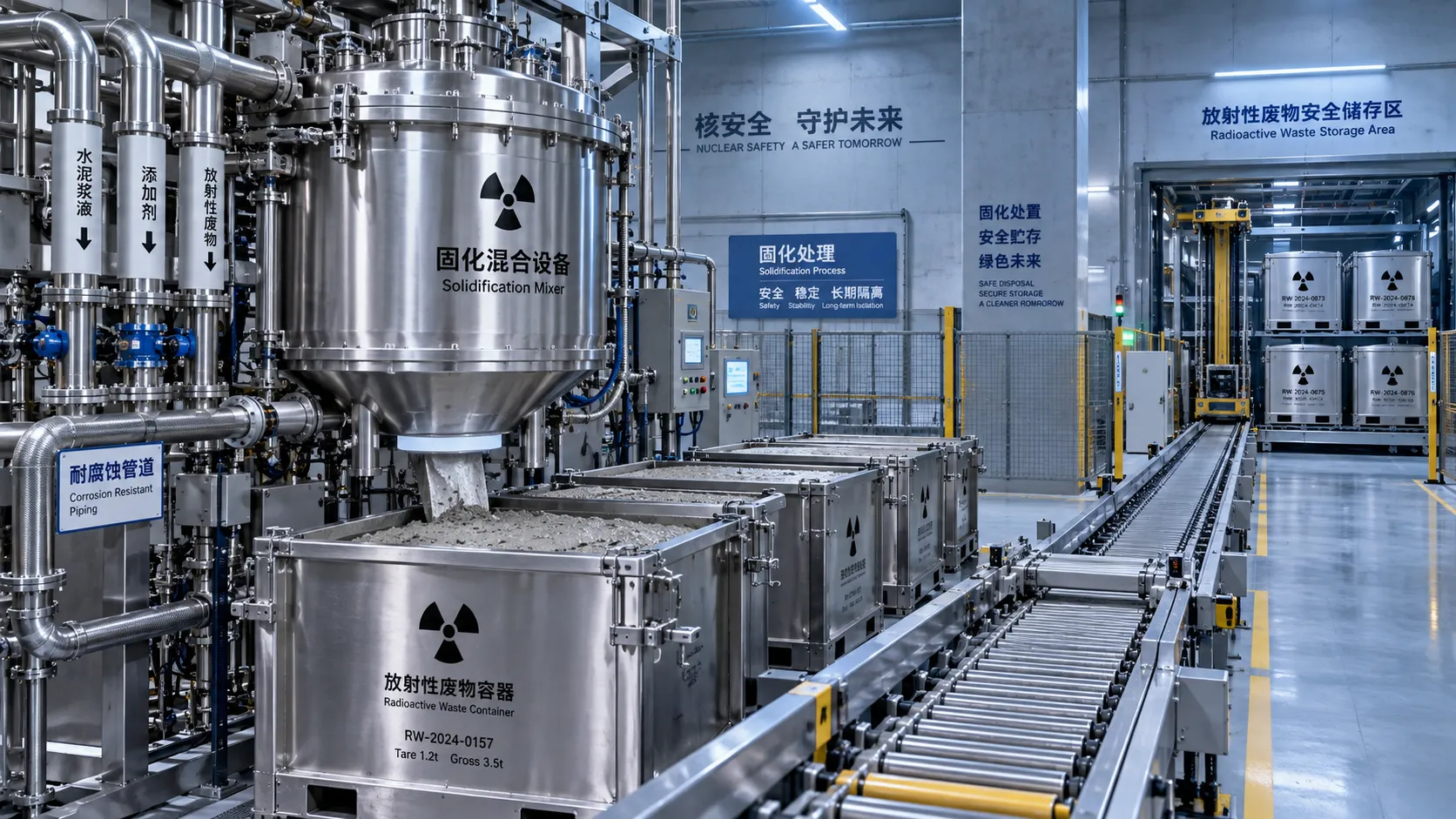
How nuclear plants select a radioactive waste solidification method
Radioactive waste management for nuclear plants: compare vitrification, cementation, polymers, and ceramics to select a compliant, durable solidification solution.
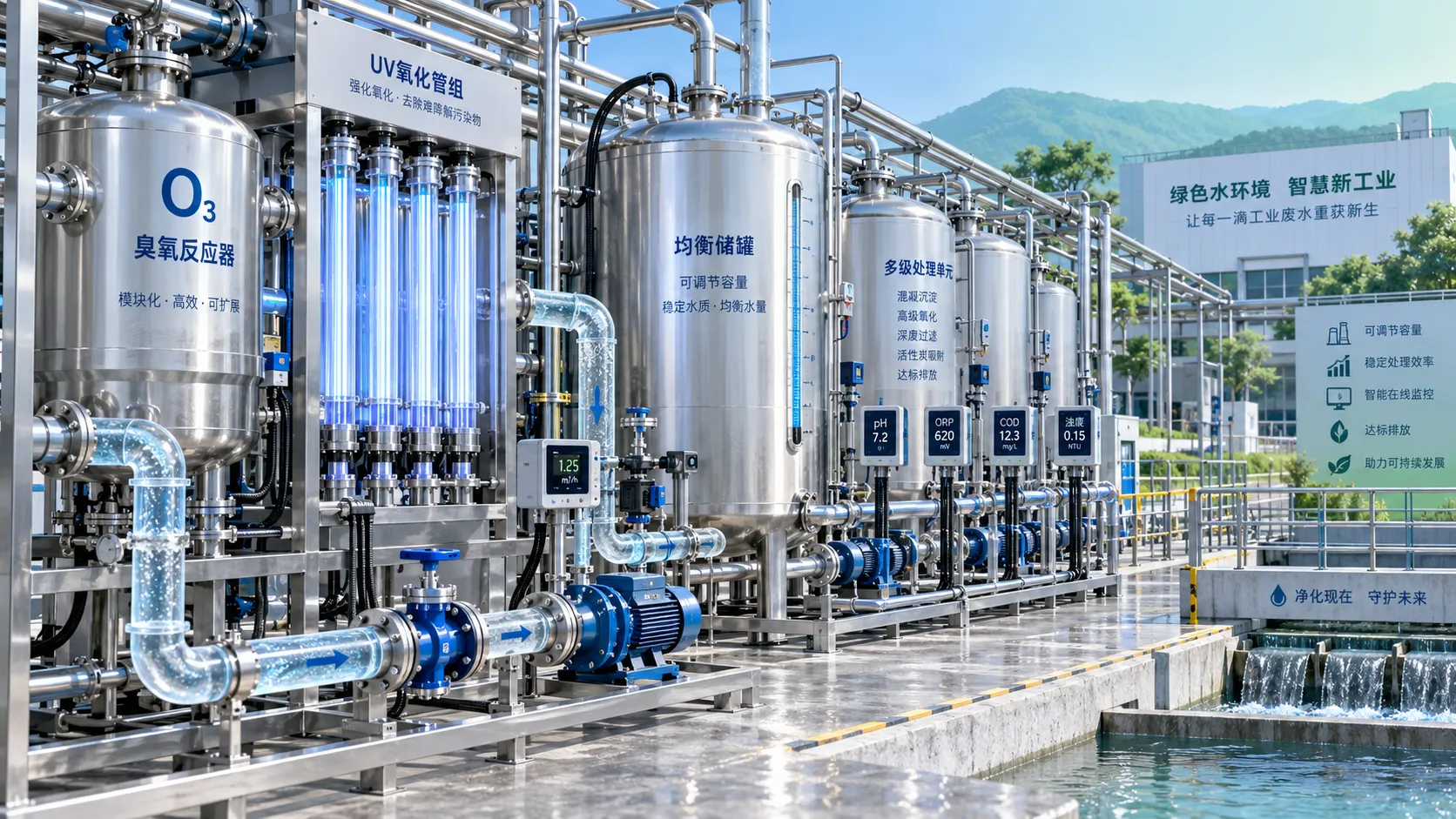
How to size advanced oxidation equipment for variable wastewater loads
Advanced oxidation equipment guide for sizing AOP systems under variable wastewater loads, improving compliance, efficiency, and lifecycle cost control.
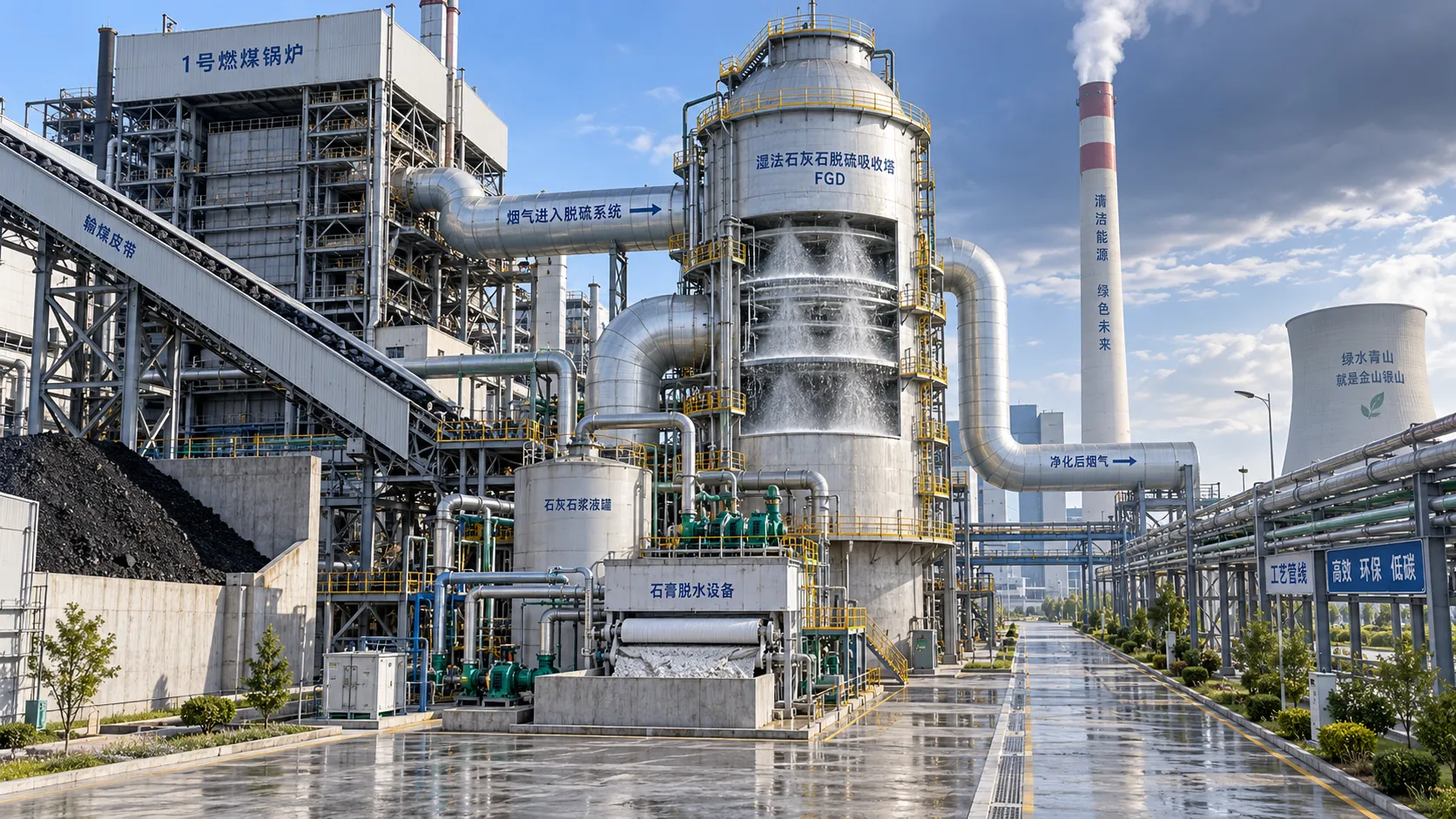
How to select FGD systems for coal boilers based on sulfur content
FGD systems for coal boilers: learn how sulfur content, fuel variability, emissions limits, water, waste, and retrofit constraints guide a compliant, cost-effective scrubber choice.
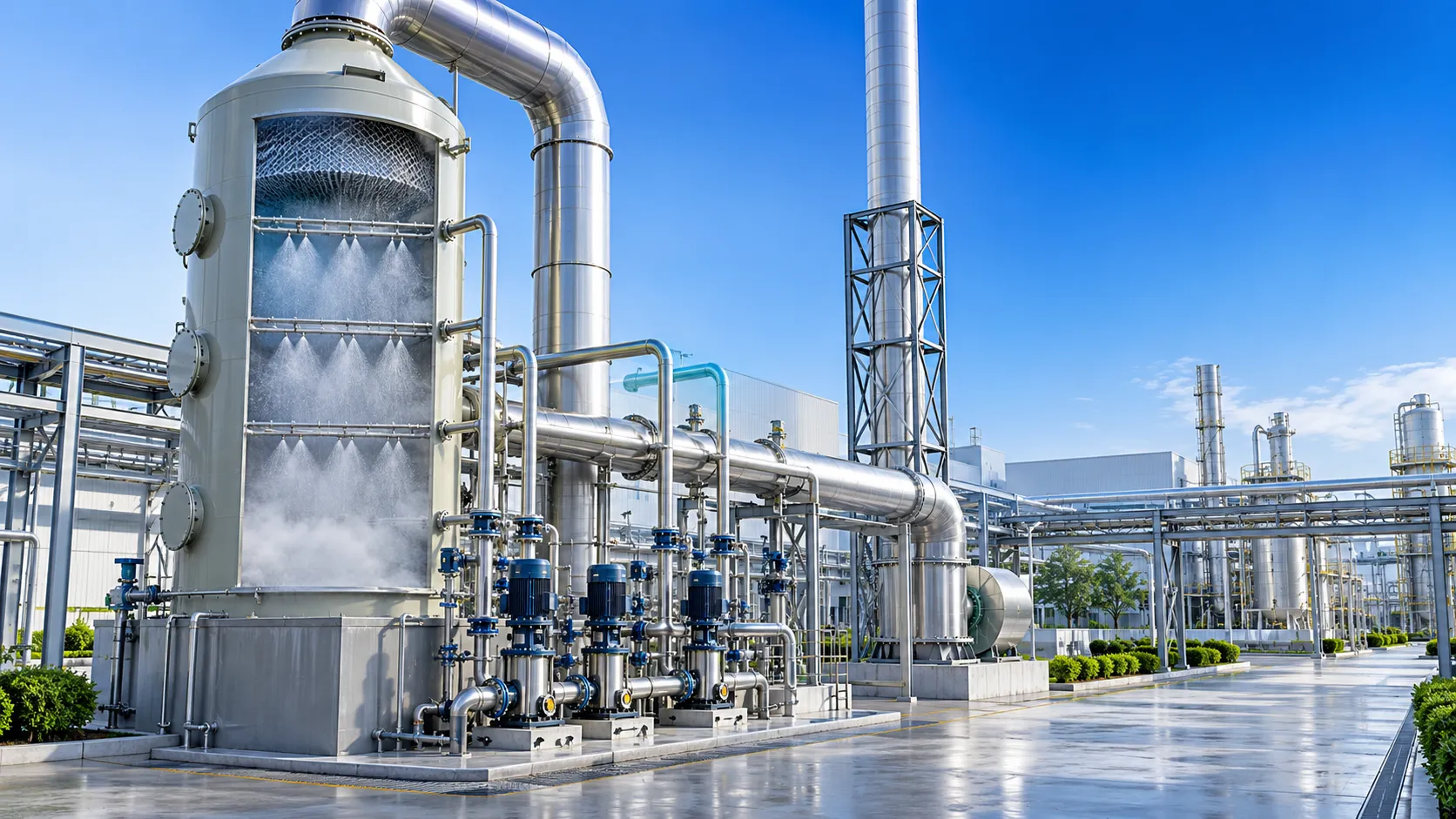
How to size a desulfurization equipment scrubber for variable gas flow
Desulfurization equipment scrubber sizing for variable gas flow: optimize SO2 removal, pressure drop, liquid-to-gas control, and compliance across every load.
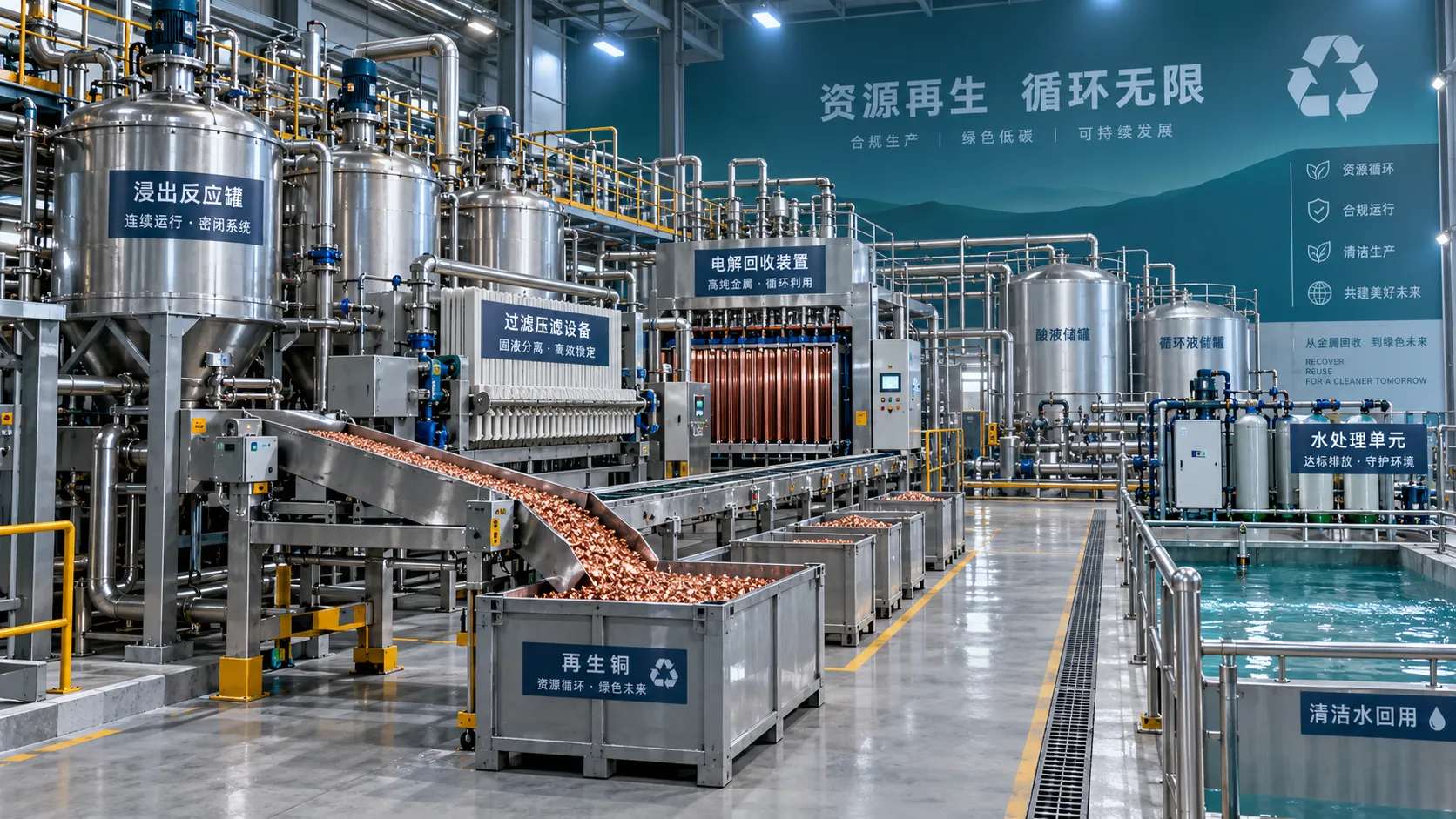
When does repeatable metals recovery infrastructure justify the investment?
Repeatable metals recovery infrastructure: discover when consistent feedstock, lower disposal costs, compliance control, and reliable offtake justify investment.
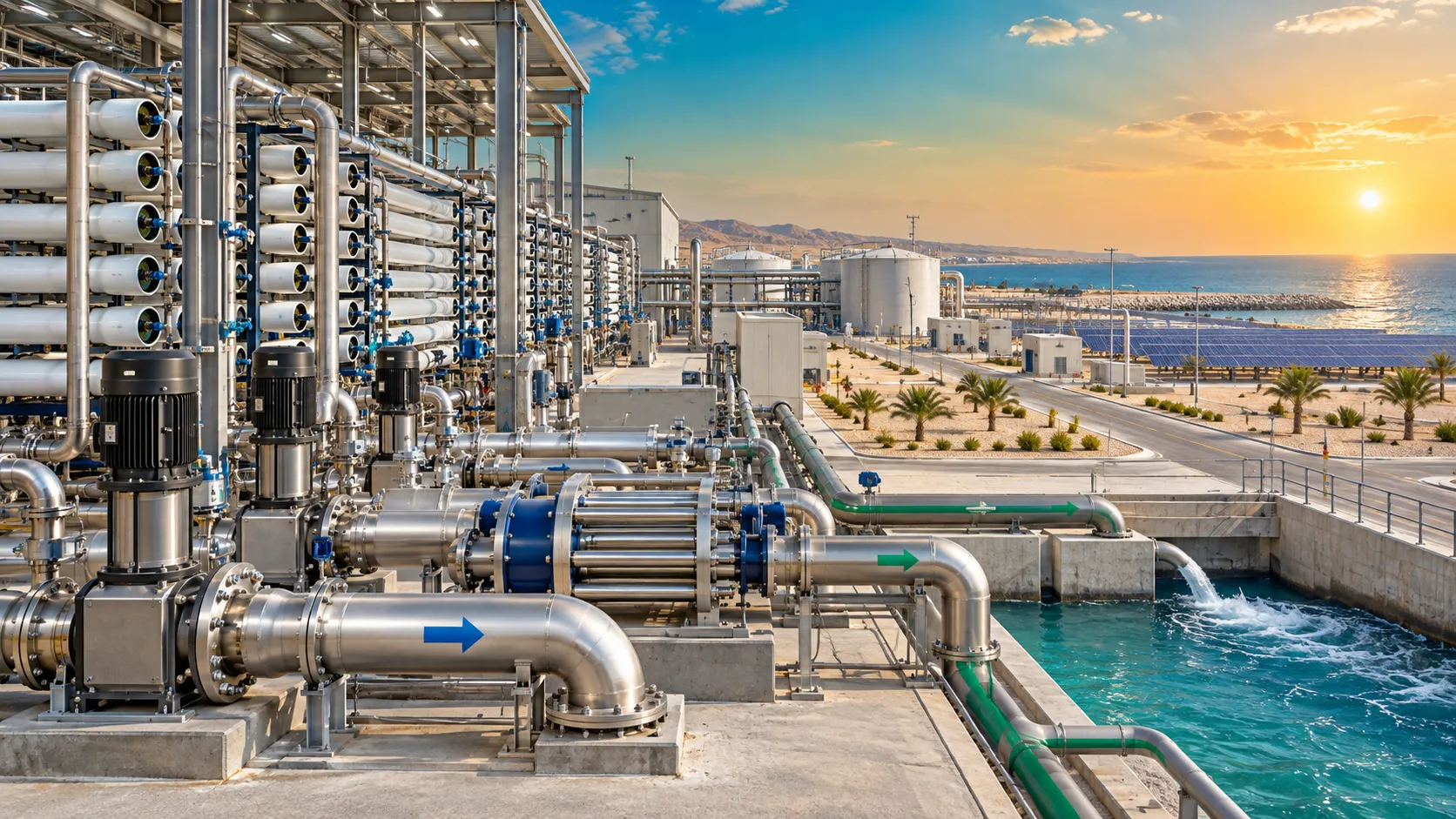
How energy recovery cuts the cost of seawater desalination in the Middle East
Seawater desalination Middle East projects can cut lifecycle costs with energy recovery. Explore savings, bankability, power-risk strategies, and smarter investment decisions.
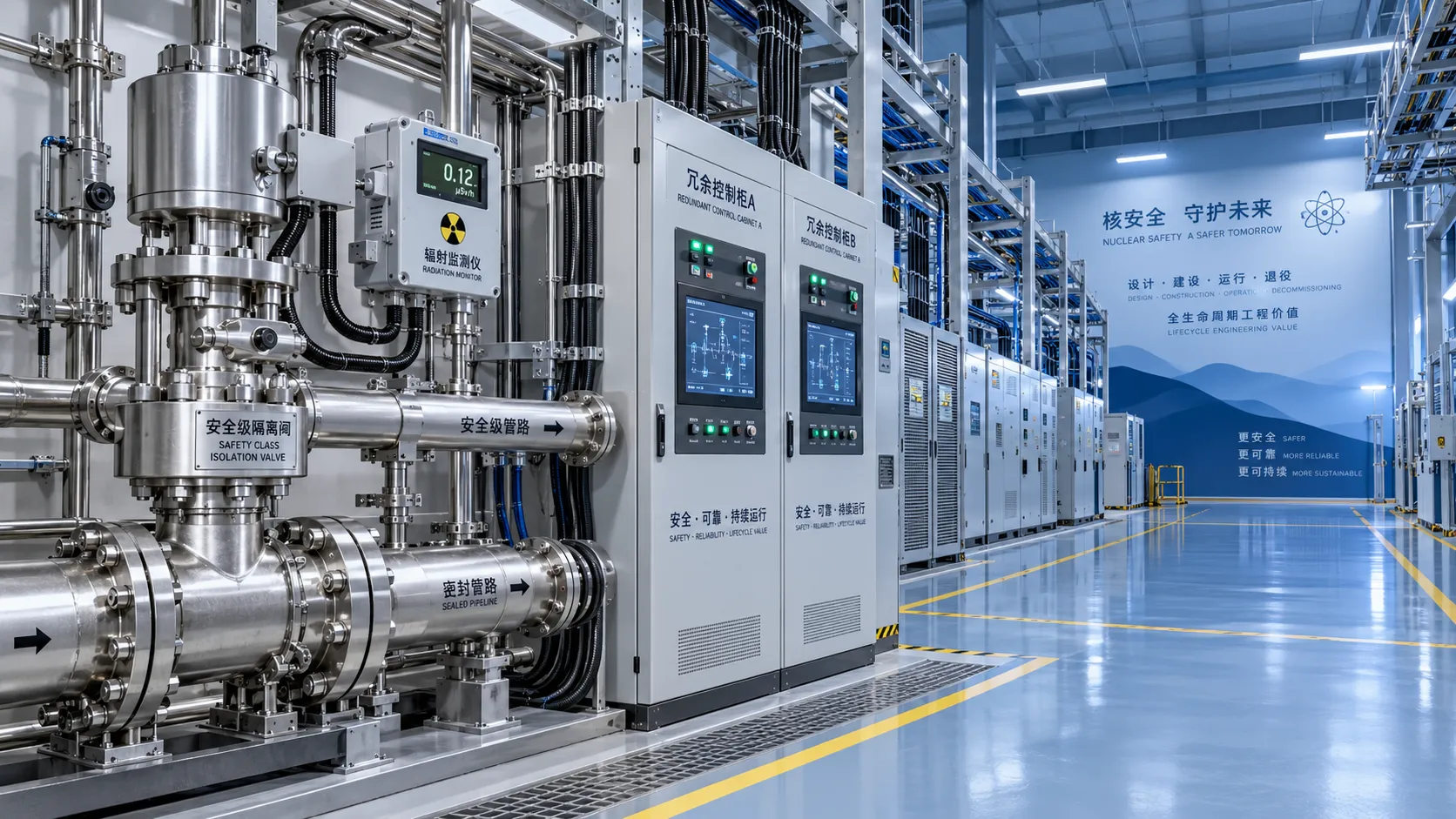
What drives nuclear safety solutions pricing for new facility projects?
Nuclear safety solutions pricing explained: uncover the key cost drivers for new facilities, from qualification and interfaces to lifecycle support.
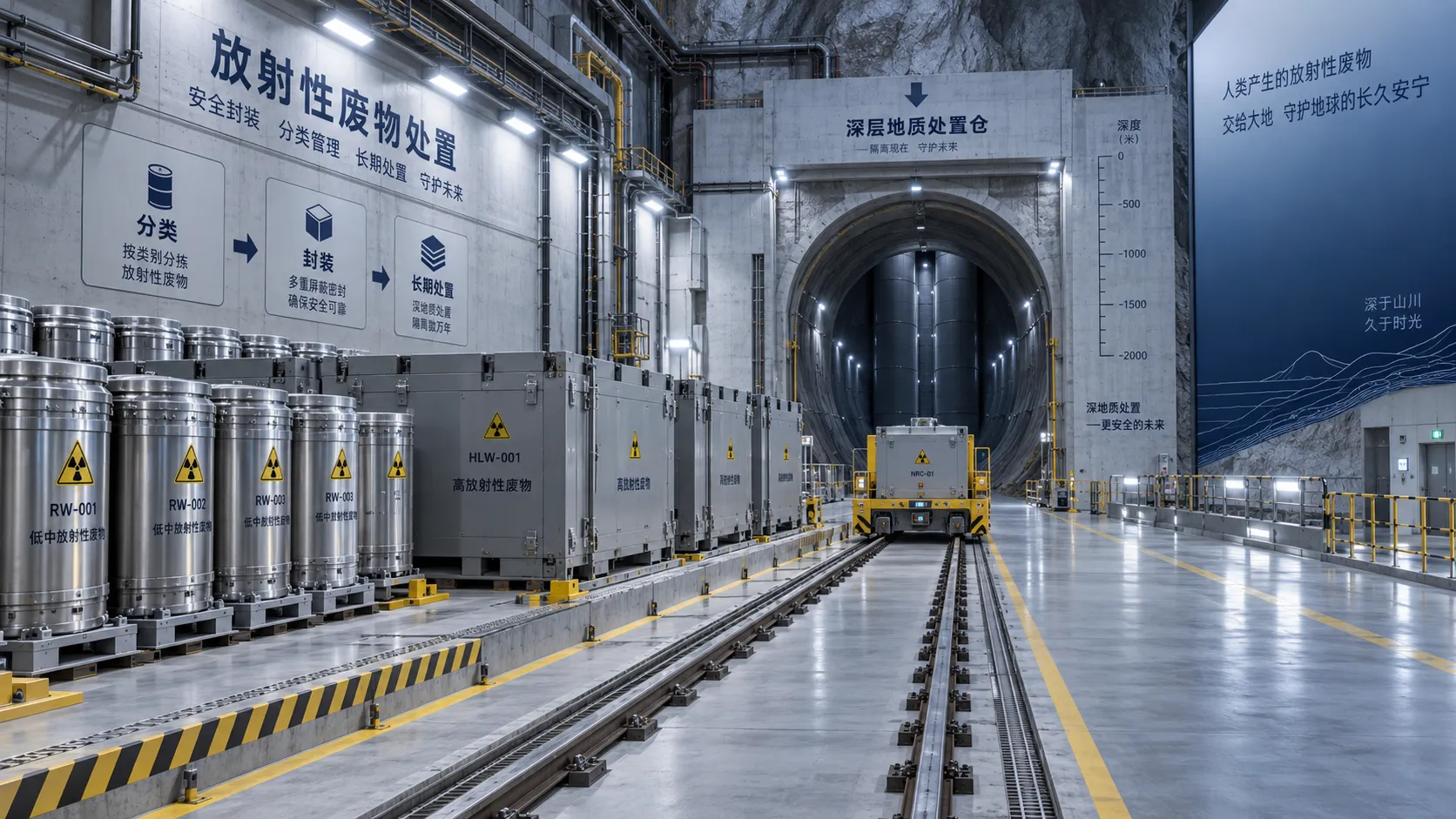
What drives radioactive waste cost over the life of a disposal project?
Radioactive waste cost depends on classification, treatment, transport, storage, disposal access, and long-term compliance. Explore the key lifecycle cost drivers.
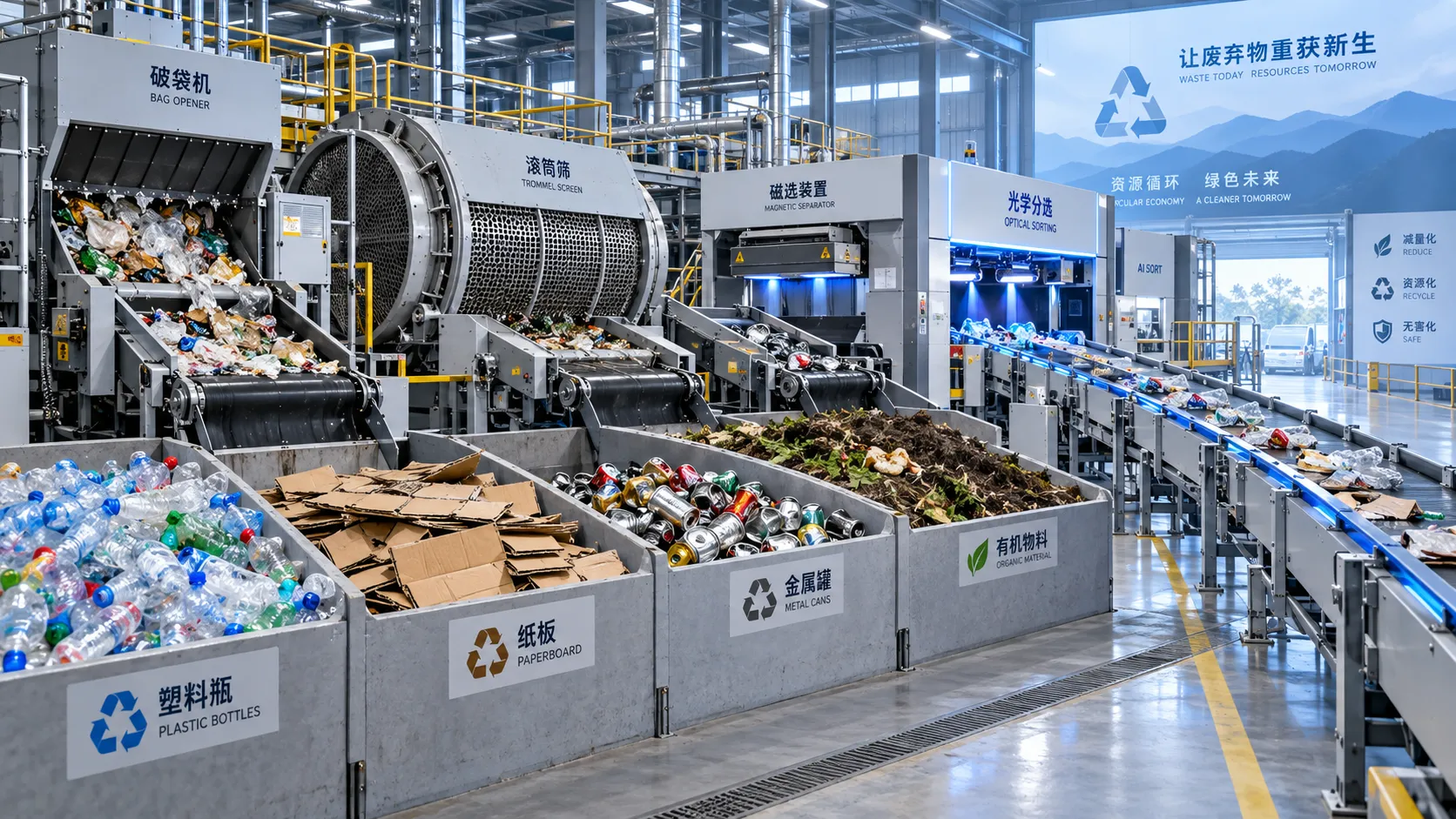
How to choose solid waste equipment based on waste stream characteristics
Environmental equipment guide for solid waste: discover how to match sorting, treatment, and recovery equipment to waste composition, moisture, contamination, and output goals.