
Industry News
Curation by industry experts
Hot Articles
Popular Tags
How nuclear plants select a radioactive waste solidification method
A nuclear plant should not select a radioactive waste solidification method by asking which matrix is “best” in general. The practical decision starts with the waste stream: its chemistry, radionuclide inventory, free-liquid content, physical form, treatment history, intended storage period, and approved disposal route. In most evaluations, vitrification is favored for difficult, long-lived, chemically variable high-activity residues; cementation is often appropriate for compatible aqueous concentrates and sludges; polymer encapsulation can suit certain dry or dewatered wastes; and mineral-based or ceramic routes may be justified where specific radionuclides or leach-resistance requirements demand them.
The decision becomes urgent when a plant’s interim storage area begins receiving waste packages that are technically solid but difficult to qualify for transport, handling, or disposal. A package may appear stable at the point of generation yet later show excessive free water, gas generation, cracking, heat buildup, poor waste loading, or incompatibility with the receiving facility’s acceptance criteria. Effective radioactive waste management for nuclear plants therefore treats solidification as a system decision rather than a materials purchase.
Start with the disposal pathway, not the available binder
The receiving disposal route defines several non-negotiable constraints. Before comparing matrices, the evaluation team should identify the waste acceptance criteria that apply to the intended storage, transport, and disposal configuration. These criteria commonly address package dimensions, mass, void space, free liquids, compressive integrity, radionuclide limits, surface contamination, dose-rate conditions, leach performance, and chemical restrictions.
A solidification process that works well in a laboratory may be unsuitable if it produces packages outside the permitted geometry, requires an impractical curing period, or creates a waste form that cannot be characterized with sufficient confidence. The disposal route also affects how much operational flexibility is available. A site with a narrow package specification may need a more controlled and repeatable matrix, while a facility handling several low- and intermediate-level streams may prioritize a treatment train that can accommodate composition changes without frequent reformulation.
It is useful to define the decision in this order:
- Classify the waste stream and confirm its physical and chemical variability.
- Identify radionuclides of concern, including those driving long-term performance or dose considerations.
- Map the applicable acceptance criteria for interim storage, transport, and final disposal.
- Screen candidate matrices for compatibility, operational reliability, and secondary-waste generation.
- Validate the selected process with representative waste and a defined qualification approach.
This order avoids a frequent mistake: selecting cement, glass, or polymer because the plant already has related equipment, then trying to make the waste fit the process through excessive pretreatment or dilution.
Characterize the waste beyond its headline category
Labels such as “evaporator concentrate,” “ion-exchange resin,” “sludge,” or “dry active waste” are not sufficient for method selection. Two streams with the same label may behave very differently because of pH, salt content, organic matter, chelating agents, borates, sulfates, chlorides, oils, metals, or residual treatment chemicals. These components can alter setting behavior, corrosion potential, thermal response, radionuclide retention, and package durability.
Questions that change the selection
- How much free water is present? High water content increases package volume and may make direct encapsulation inefficient. Dewatering, evaporation, filtration, or drying may be needed before final immobilization.
- Is the waste chemically aggressive? High chloride, sulfate, nitrate, borate, or acidic and alkaline conditions can affect binder selection and container compatibility.
- Does the stream contain organics? Oils, solvents, surfactants, resins, and chelants may inhibit cement hydration, affect polymer curing, or create off-gas and thermal-management issues during vitrification.
- Are radionuclides readily soluble or particle-bound? Soluble species may require stronger attention to leach resistance, while particulate wastes may be controlled by settling, homogeneity, and mechanical stability.
- Is the composition stable from batch to batch? A matrix with narrow operating tolerance can become a poor plant choice when upstream operations produce variable feed.
- Will the waste generate heat or gas? Radiolysis, chemical reactions, and residual biological or organic decomposition mechanisms can affect container pressure, void formation, and long-term integrity.
Representative sampling is particularly important when solids settle, resins segregate, or sludge contains layers with different moisture and radionuclide distributions. Averages can hide the fraction that actually controls compatibility. Technical evaluators should ask whether the proposed process has been tested against expected extremes, not merely a blended average sample.
Where each major solidification method fits
Vitrification when durability and waste loading dominate
Vitrification immobilizes waste within a glass-forming matrix. It is commonly considered where long-term chemical durability, radionuclide retention, and reduced final volume carry more weight than process simplicity. The high-temperature process can be particularly valuable for waste streams that would produce excessive cemented volume or require robust immobilization because of their radionuclide content.
Its limits must be examined early. The feed must be compatible with glass formation and melter operation. Certain salts, volatile species, metals, sulfur-bearing compounds, halides, and organics can complicate processing, increase volatility, form separate phases, or challenge off-gas control. The selection question is not only whether glass can incorporate the waste, but whether it can do so at a stable waste loading while maintaining predictable melter performance and an acceptable final product.
Vitrification also shifts part of the engineering challenge upstream and downstream: feed conditioning, remote operation, refractory and equipment corrosion management, off-gas treatment, secondary residues, and canister handling all become integral to the decision.
Cementation when process practicality matters
Cement-based systems remain a practical option for many low- and intermediate-level wastes because they can be operated at relatively low temperature and can integrate with dewatering and container-filling operations. The matrix is often suitable for aqueous concentrates, sludges, filter media, and certain resins, provided the formulation is matched to the waste chemistry.
The most persistent evaluation error is treating cement as chemically forgiving. Excess water can lower strength and create bleed water. Some dissolved salts and borates can delay or disrupt setting. Organic compounds may interfere with hydration or increase long-term uncertainty. Swelling resins, reactive metals, and materials that generate gas require particular scrutiny. A successful formulation should demonstrate controlled setting time, homogeneous distribution, limited free liquid, acceptable mechanical behavior, and predictable package temperature during curing.
Cementation can also increase total disposal volume. That may be acceptable when the waste is low activity and the disposal route has sufficient capacity, but it may be a decisive disadvantage for concentrated streams or facilities facing constrained storage space.
Polymer encapsulation for dry or difficult-to-bind solids
Polymer encapsulation may be selected where the waste is already dry or dewatered and where conventional cement chemistry is poorly compatible with the material. It can be useful for heterogeneous dry solids, certain resins, contaminated equipment fragments, and waste that benefits from physical isolation within a low-permeability matrix.
Moisture control is central. Water, residual solvents, reactive chemicals, and poorly mixed fillers can interfere with curing or create internal defects. The assessment should consider radiation stability over the intended storage period, thermal behavior during curing, fire-related requirements, chemical aging, and whether the polymer system remains compatible with the container and disposal environment. Polymer selection should not be based solely on initial appearance; a smooth, fully filled package is not proof of long-term acceptability.
Mineral and ceramic routes for specific retention challenges
Mineral-based matrices, geopolymers, ceramics, and related engineered forms can provide a route where a conventional cement or glass process does not adequately manage a particular chemistry or radionuclide. Their value lies in the ability to tailor binding phases, crystal structures, and chemical environments. However, that advantage comes with a greater need for formulation control and performance demonstration.
These options deserve serious review when waste characteristics are unusual, but they should not be selected merely because they appear more advanced. A plant must be able to control raw-material quality, mixing, curing or firing conditions, homogeneity, and product testing at operating scale. The qualification effort can be substantial when the disposal route has limited precedent for the proposed waste form.
Compare the whole treatment train
Solidification is only one part of the waste-management chain. A method that looks efficient at the mixer may create difficult secondary wastes or operational bottlenecks elsewhere. Vitrification can require sophisticated off-gas handling and management of captured residues. Cementation may require dewatering, reagent storage, wash-water control, and careful management of unused or off-spec grout. Polymer processing may need strict segregation of incompatible feed materials and close control of curing conditions.
Technical evaluation should therefore compare the full sequence: waste receipt, sampling, pretreatment, mixing or melting, container filling, curing or cooling, inspection, package closure, storage, transport readiness, and off-spec recovery. The off-spec pathway is especially revealing. Ask what happens if a batch has too much water, fails to set, has an unexpected radionuclide concentration, develops voids, or falls outside package mass limits. A method with a credible recovery route is often safer operationally than one with attractive nominal performance but no practical correction process.
Use qualification tests that reflect the real decision
Testing should answer the acceptance and operating questions that actually control selection. Typical evidence may include waste-form homogeneity, free-liquid evaluation, compressive or handling strength where relevant, leach or durability performance, thermal behavior, dimensional stability, gas-generation assessment, and compatibility with the selected container. The required test set depends on the waste and disposal route; copying a generic test program can leave critical risks unexamined.
Scale matters. Small samples may not reproduce heat release, settling, mixing energy, filling behavior, or segregation seen in full packages. Before committing to a method, evaluators should determine whether the process window is broad enough for routine plant variation. A formulation that succeeds only at one moisture level, one mixing time, or one narrowly defined salt concentration may impose an unrealistic burden on operations.
A defensible selection record
The final recommendation should document why competing methods were rejected as clearly as why the preferred method was chosen. A concise decision record normally links each waste characteristic to a process requirement, identifies the controlling acceptance criteria, defines required pretreatment, states the allowable feed envelope, and lists the evidence needed for qualification. It should also identify hold points for abnormal batches and the conditions that trigger reformulation or additional characterization.
For nuclear facilities, the strongest choice is rarely the matrix with the highest theoretical performance in isolation. It is the one that produces a demonstrably acceptable waste package across expected feed variation, can be operated and inspected reliably, fits the disposal pathway, and does not transfer unresolved risk to storage, transport, or future waste handlers.
Recommended News
When Should Municipal Wastewater Plants Upgrade Treatment Capacity and Controls?
Municipal wastewater treatment upgrades: learn when capacity, controls, and resilient planning are needed to protect compliance and optimize plant performance.
How to size advanced oxidation equipment for variable wastewater loads
Advanced oxidation equipment guide for sizing AOP systems under variable wastewater loads, improving compliance, efficiency, and lifecycle cost control.
How to select FGD systems for coal boilers based on sulfur content
FGD systems for coal boilers: learn how sulfur content, fuel variability, emissions limits, water, waste, and retrofit constraints guide a compliant, cost-effective scrubber choice.
How to size a desulfurization equipment scrubber for variable gas flow
Desulfurization equipment scrubber sizing for variable gas flow: optimize SO2 removal, pressure drop, liquid-to-gas control, and compliance across every load.
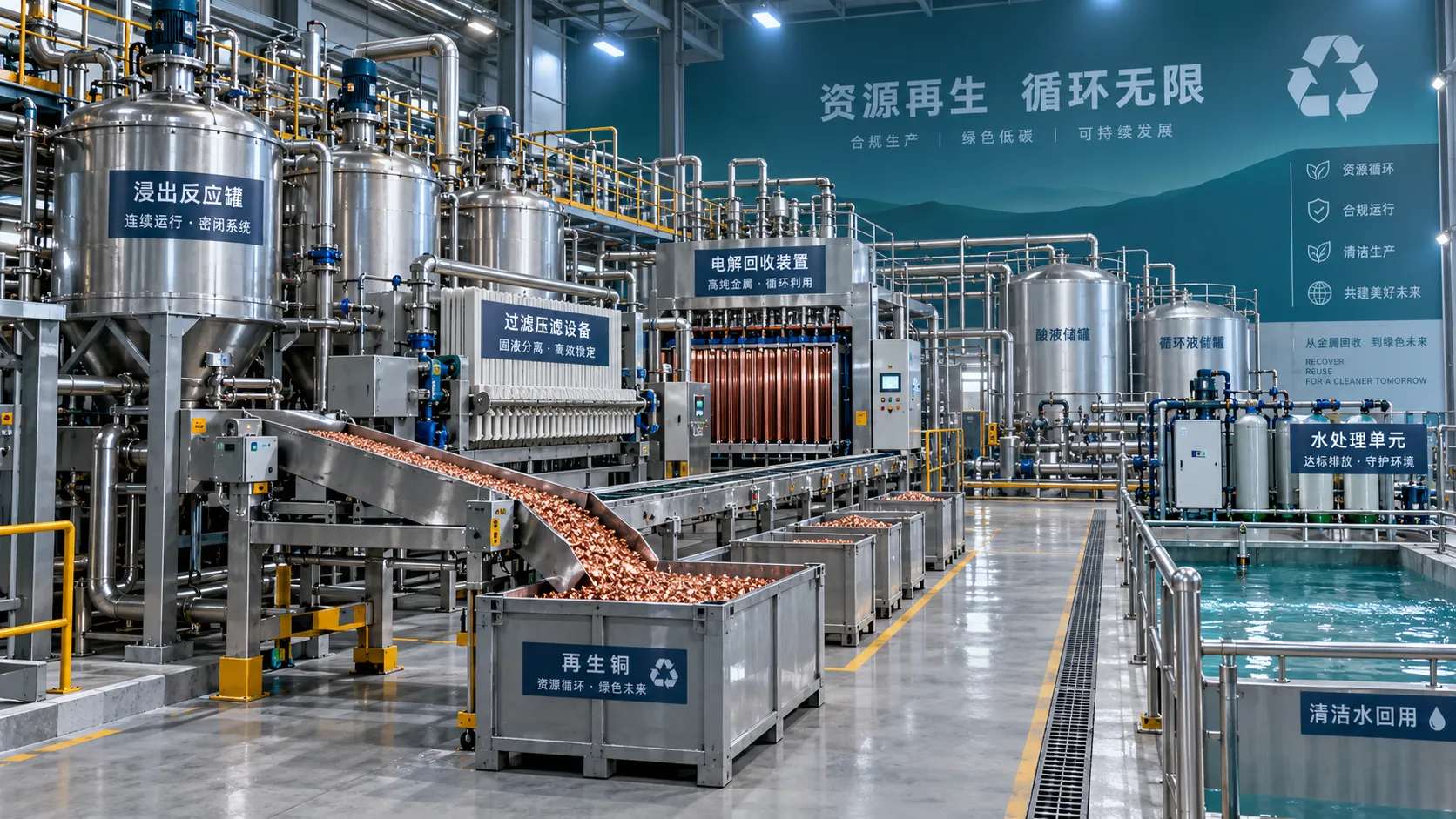
When does repeatable metals recovery infrastructure justify the investment?
Repeatable metals recovery infrastructure: discover when consistent feedstock, lower disposal costs, compliance control, and reliable offtake justify investment.
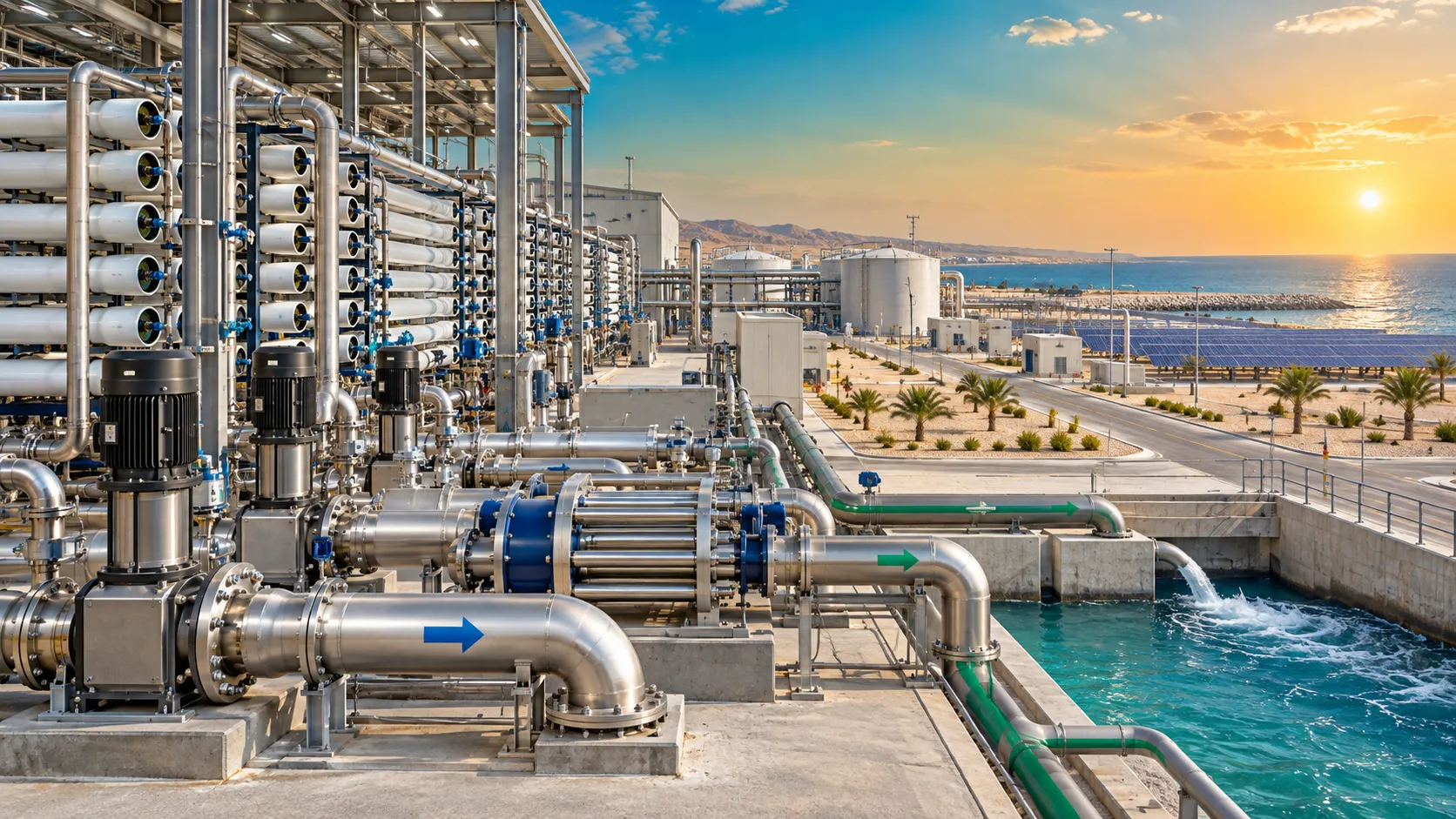
How energy recovery cuts the cost of seawater desalination in the Middle East
Seawater desalination Middle East projects can cut lifecycle costs with energy recovery. Explore savings, bankability, power-risk strategies, and smarter investment decisions.
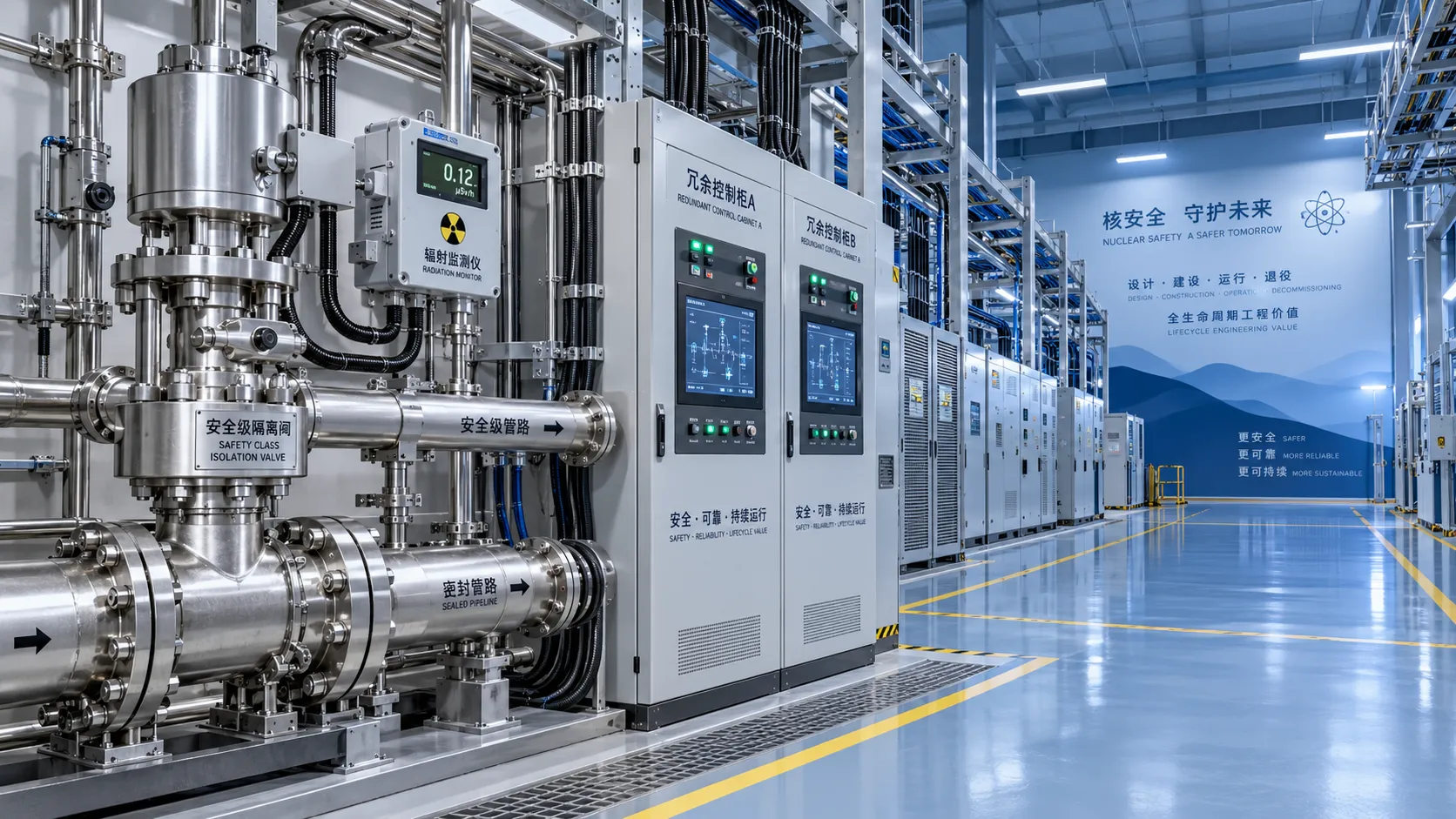
What drives nuclear safety solutions pricing for new facility projects?
Nuclear safety solutions pricing explained: uncover the key cost drivers for new facilities, from qualification and interfaces to lifecycle support.
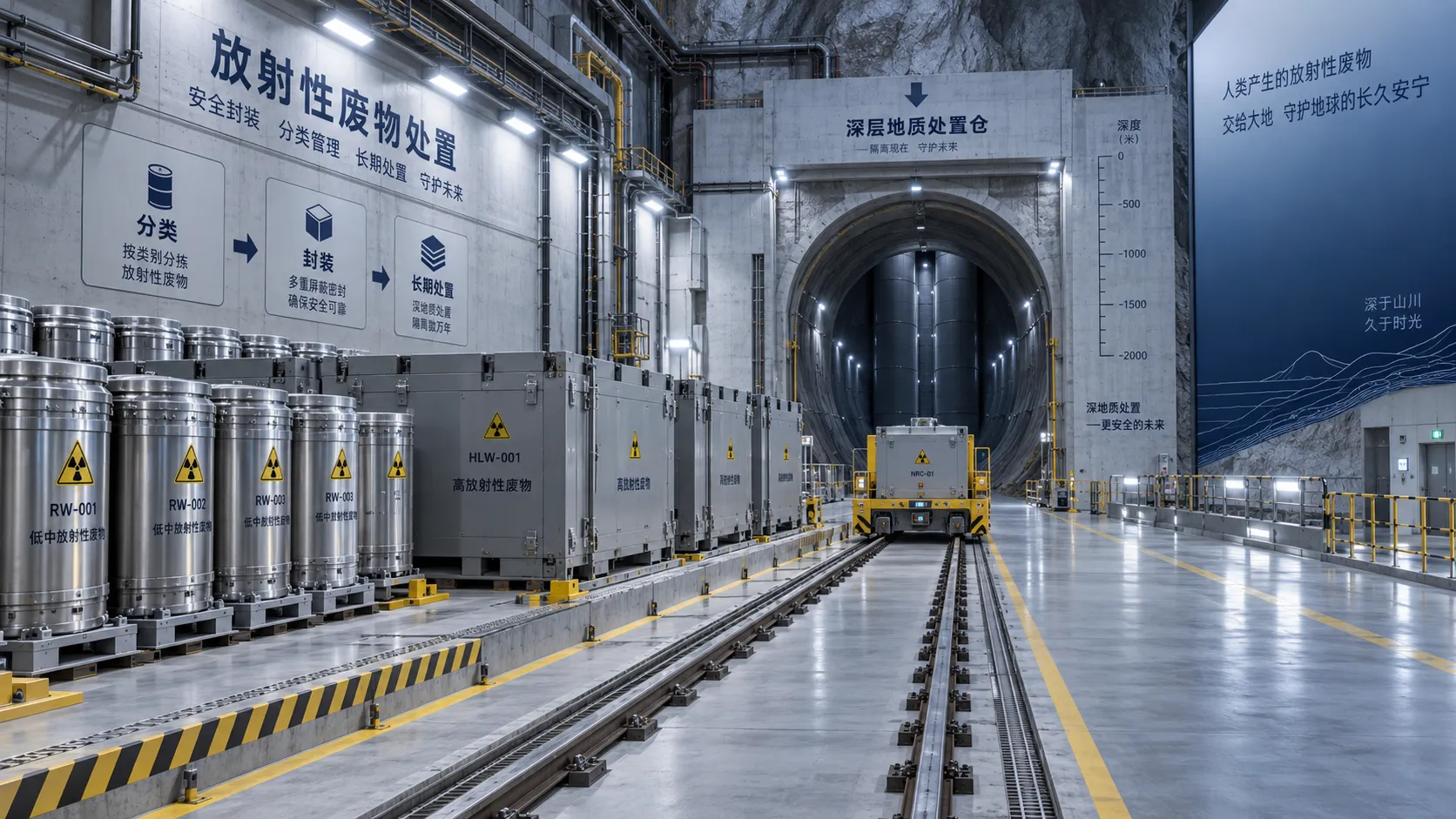
What drives radioactive waste cost over the life of a disposal project?
Radioactive waste cost depends on classification, treatment, transport, storage, disposal access, and long-term compliance. Explore the key lifecycle cost drivers.
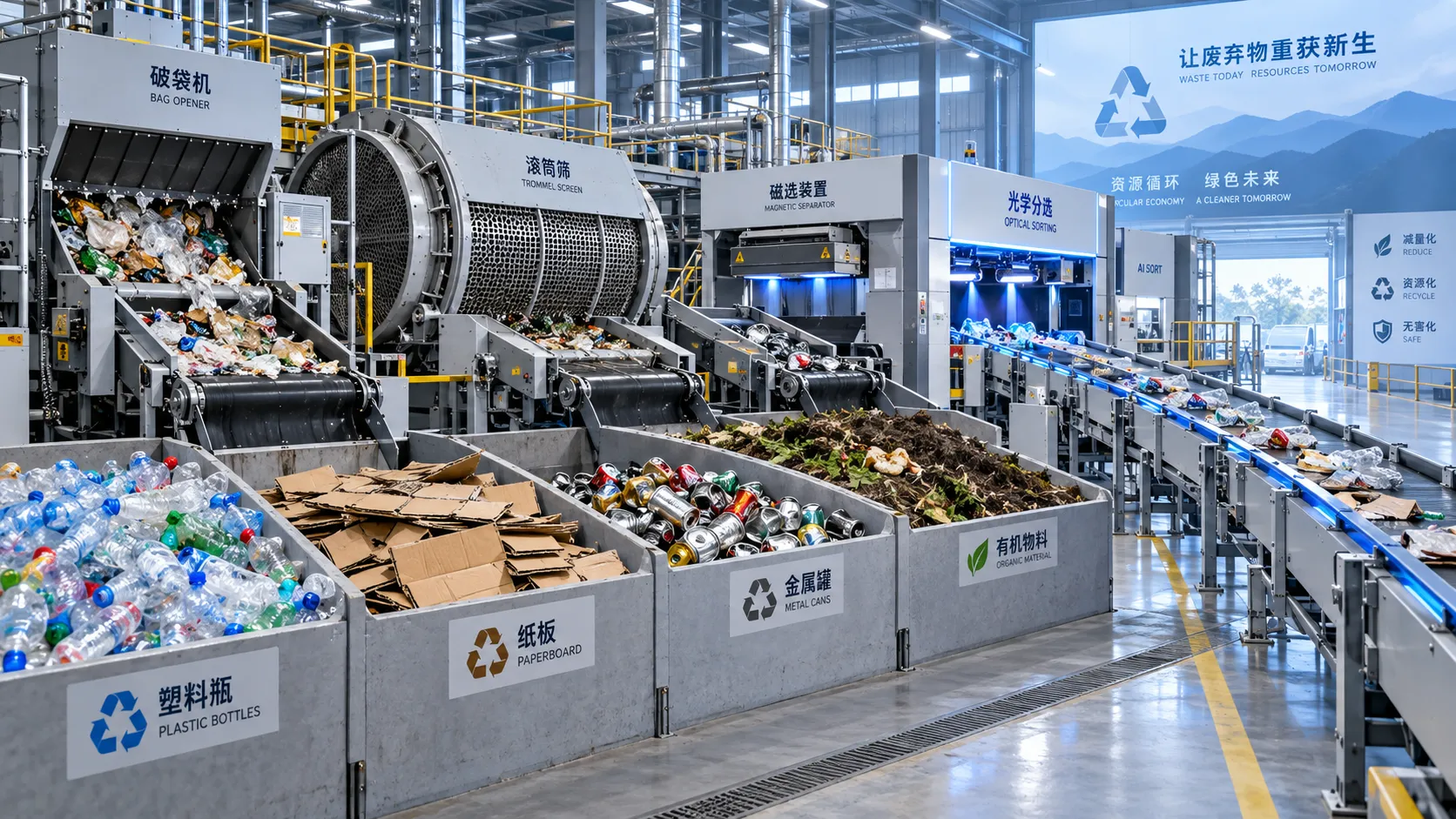
How to choose solid waste equipment based on waste stream characteristics
Environmental equipment guide for solid waste: discover how to match sorting, treatment, and recovery equipment to waste composition, moisture, contamination, and output goals.