
Industry News
Curation by industry experts
Hot Articles
Popular Tags
What determines payback for waste-to-resource systems in Europe?
Payback for waste-to-resource systems in Europe is determined by the cash margin earned on each tonne actually processed, the sustained volume of usable feedstock, and the total investment required before commercial operation. Technology performance matters because it affects recovery yield, product quality, energy consumption, and availability. Policy support and local markets matter only when they translate into eligible funding, enforceable contracts, or dependable sales.
When competing proposals show attractive returns, the immediate procurement problem is whether they use comparable assumptions. One supplier may assume clean feedstock and full output sales; another may include contamination losses, residue disposal, and a slower ramp-up. Those differences can change the preferred investment more than the equipment price. Assessing waste-to-resource systems Europe-wide therefore starts with rebuilding each business case around the same site conditions and contractual evidence.
Define payback before comparing proposals
Simple payback is the time required for cumulative project cash flow to recover the initial investment. Dividing investment by annual cash flow is useful only when that cash flow is reasonably stable. Resource recovery plants often have construction delays, commissioning losses, seasonal throughput, and major maintenance events, so a year-by-year model is more reliable.
Project cash flow should include gate-fee income, recovered-product sales, and eligible support, less operating costs, cash taxes, working-capital changes, and sustaining capital expenditure. Initial investment should cover the complete installed facility, not merely the processing equipment. Keep financing cash flows separate when calculating unlevered project payback.
Equity payback answers a different question: when shareholders recover their contribution after financing costs and debt repayments. Debt can shorten apparent equity payback without improving the underlying plant economics. Compare bidders on an unlevered basis first, then evaluate financing structures separately.
Payback also ignores value generated after the recovery date. Use net present value and debt-service coverage alongside it, particularly when alternatives have different operating lives, replacement schedules, or closure obligations.
The first commercial test: what arrives at the gate?
A plant can meet its mechanical specification and still miss its revenue forecast because incoming waste differs from the design basis. Moisture, contamination, particle size, organic content, and material composition influence throughput, consumable use, recovery yield, and disposal costs. A nominal tonne of mixed waste is not equivalent to a tonne of recoverable product.
Feedstock diligence should establish both physical characteristics and contractual availability. Representative sampling needs to reflect the collection area, seasonal changes, and expected suppliers. A single favourable sample does not establish a dependable annual feedstock specification.
- Volume: distinguish committed deliveries from estimates based on regional waste generation. Check whether supply commitments are enforceable and compatible with the facility’s permitted capacity.
- Quality: define acceptance limits, testing procedures, rejection rights, and responsibility for additional treatment costs.
- Gate fees: identify who pays, how fees are indexed, and whether competition or contract renewal could reduce them.
- Logistics: allocate collection, haulage, storage, and rejected-load costs to the correct party.
A high gate fee may compensate for difficult waste rather than indicate a better investment. Compare the contribution after preprocessing and residue management. Also test whether local collection changes or competing facilities could remove valuable fractions from the incoming stream while leaving the operator with lower-quality material.
Recovered output is revenue only when someone will buy it
Recovery yield should be measured as saleable output meeting an agreed specification, not simply material separated by the equipment. Contaminated plastics, inconsistent compost, or an unqualified recovered fuel may require further processing, achieve a discounted price, or incur disposal costs.
Evaluate offtake agreements against the actual product characteristics. The important terms include quality tolerances, minimum volumes, buyer acceptance procedures, price adjustments, transport responsibility, and remedies for rejection. A letter expressing interest is not equivalent to a binding purchase commitment.
Location often determines whether recovered value survives delivery costs. A material buyer beyond an economical haulage distance may offer little protection against local price weakness. Heat recovery is especially location-dependent: without a dependable nearby user and viable connection, theoretical thermal output should not underpin the investment case.
Compare technologies by net contribution, not recovery claims
The relevant comparison is not which process produces the largest quantity of output. It is which configuration converts the available waste into compliant, marketable products at the lowest risk-adjusted whole-life cost.
Sorting and mechanical recovery
These routes depend on the concentration of recoverable fractions, separation accuracy, and downstream quality requirements. Request performance evidence on comparable feedstock. Include labour for quality control, wear parts, dust management, rejected fractions, and any washing or finishing needed to reach buyer specifications.
Biological treatment
Anaerobic digestion economics depend on biodegradable content, contamination, gas yield, and the chosen route for using the gas. Upgrading, compression, connection, and internal heat requirements can materially change the net margin. Digestate or other outputs need a lawful, practical outlet; nutrient content alone does not establish a saleable product.
Thermal conversion and chemical recovery
Assess preprocessing, energy balance, product upgrading, emissions control, and residue handling as one system. Pyrolysis output, for example, may need treatment before a buyer accepts it as feedstock. Energy-recovery configurations should be evaluated within applicable waste-management requirements and the actual electricity or heat market, rather than treated as interchangeable with material recycling.
For any route, require a mass balance showing saleable output, process losses, and residues. Pair it with an energy balance that distinguishes purchased energy, internal consumption, and export. These documents expose missing costs more effectively than a headline recovery percentage.
The installed cost extends beyond the processing line
Equipment quotations frequently exclude the items that make a plant operable: site preparation, foundations, buildings, utilities, grid connection, fire protection, environmental controls, laboratories, and storage. Integration between packages can create additional engineering and commissioning costs.
Ask each bidder for an explicit scope boundary and exclusions schedule. Establish who carries responsibility when upstream preparation, the main process, and downstream product handling come from different suppliers. Unallocated interface risk often becomes owner-funded capital expenditure.
The operating budget needs similar discipline. Include residue transport and treatment, insurance, compliance monitoring, planned shutdowns, spare parts, and specialist maintenance. Major replacements should appear in the cash-flow model when expected, rather than being hidden inside an average annual allowance.
Availability guarantees require careful reading. A machine may be available while the facility cannot operate because storage is full, an export connection is unavailable, or a shared utility has failed. Model facility-wide throughput and identify bottlenecks; multiplying nameplate capacity by operating hours can otherwise overstate paid tonnage and sales.
European policy changes economics through specific local conditions
There is no single European payback environment. Waste charges, support mechanisms, permitting procedures, energy tariffs, and product acceptance conditions differ by jurisdiction and site. EU rules may shape the framework in member states, but national implementation and project-specific permit conditions determine many practical costs. Non-EU European jurisdictions require separate assessment.
Treat public support as a documented cash-flow item. Confirm eligibility, award conditions, payment timing, reporting duties, and any repayment provisions. An application should not be booked as secured income. Model the unsupported case separately so that a grant does not conceal an operating deficit.
Recovered products may remain subject to waste controls unless the relevant conditions for product status or end-of-waste status are met. This can affect transport, permitted customers, testing, and market access. Cross-border movements also require attention to the applicable classification and shipment procedures. Obtain jurisdiction-specific confirmation before assuming unrestricted sales.
Carbon-related value needs equal discipline. Do not count an avoided-emissions estimate as revenue unless the project can legally monetise it through a specified arrangement. Check whether any environmental attribute belongs to the operator, the waste supplier, or the offtaker, and avoid counting the same benefit twice.
Stress-test the conditions that can break repayment
A useful downside case combines connected risks. Lower-quality feedstock can reduce yield while increasing energy use and residue costs. A delayed permit can postpone revenue while adding financing and mobilisation costs. Independent sensitivities are useful, but they do not capture these combined effects.
- Rebuild the base case from evidence. Separate contracted values from supplier assumptions and unverified market estimates. Use site-specific utility offers and waste characterisation wherever available.
- Test the operating margin. Reduce saleable yield and achieved selling prices, then increase energy, maintenance, and residue costs. Identify the point at which each tonne stops contributing positively.
- Test volume and timing. Model slower commissioning, interrupted feedstock supply, lower facility availability, and delayed product qualification.
- Test the commercial structure. Examine contract expiry, counterparty failure, price-index mismatches, and loss of support. Include the cost and time required to find replacement outlets.
Calculate break-even throughput and, where relevant, the minimum gate fee or product price needed to cover operating costs and financing obligations. These thresholds make the investment decision more useful than a single payback figure: they show which assumptions need contractual protection and which can tolerate market variation.
Turn the cash-flow findings into purchasing conditions
The final procurement package should connect payment and acceptance to the performance variables that drive value. Specify the feedstock envelope, sustained throughput, saleable-product quality, energy use, residue generation, and facility acceptance procedure. Define measurement methods and the duration of testing so that guarantees can be verified under representative conditions.
Guarantees also need credible remedies and a financially capable counterparty. A recovery guarantee offers limited protection if it excludes normal contamination or compensates only a small fraction of the resulting loss. Check warranty limits, service response, spare-parts access, and responsibility for corrective modifications.
Proceeding is easier to justify when the downside model remains financeable, major outlets are secured, and outstanding risks have named owners. Where returns depend on unproven product acceptance, unsecured feedstock, or uncertain permission, stage the commitment around those milestones. Pilot testing, conditional contracts, or phased capacity can address a specific uncertainty before the full investment becomes irreversible.
Recommended News
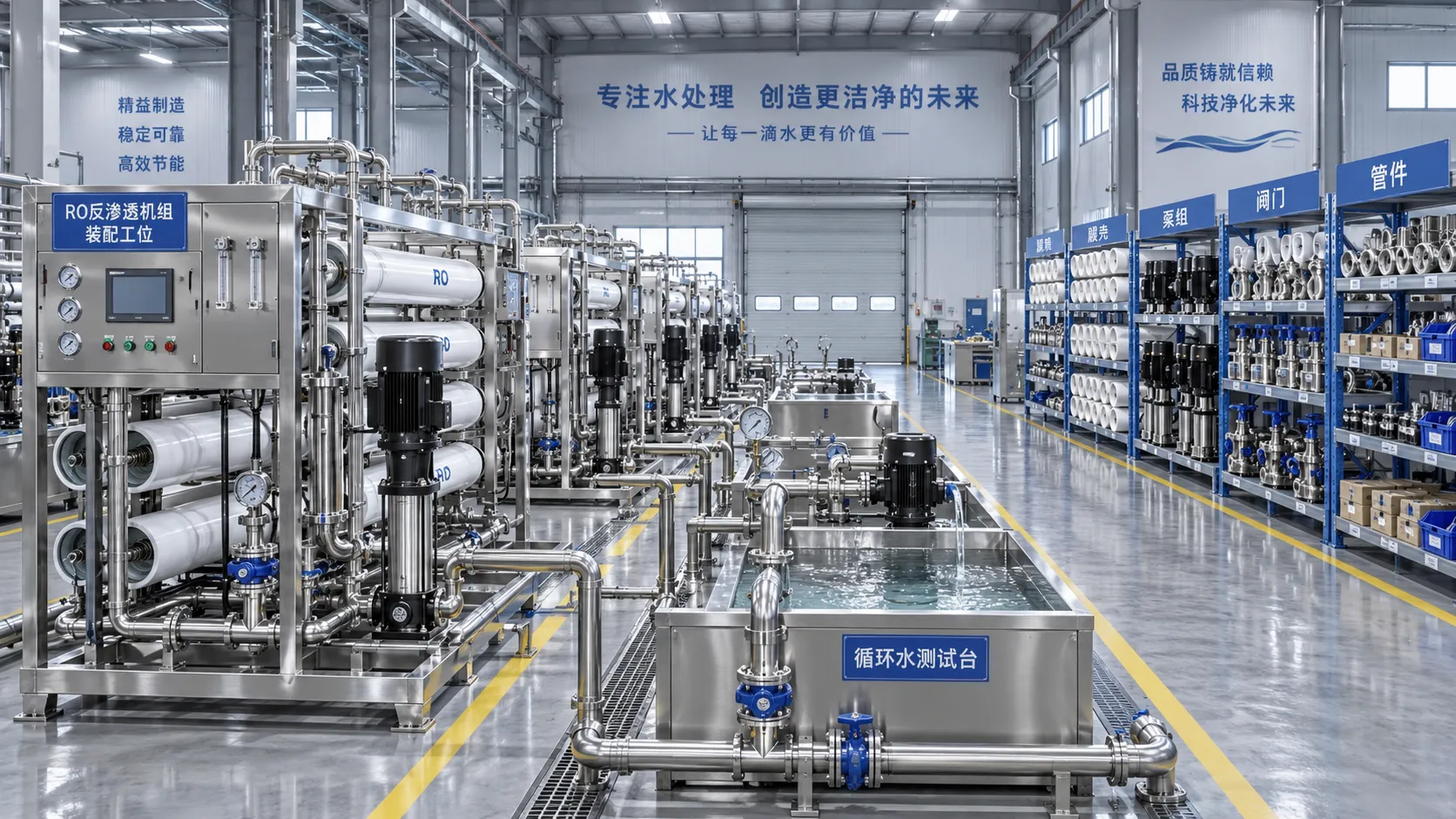
How to verify a water treatment system factory’s production capacity
Verify a water treatment systems factory’s production capacity through records, bottlenecks, component availability, and testing. Learn what to check before accepting a delivery promise.
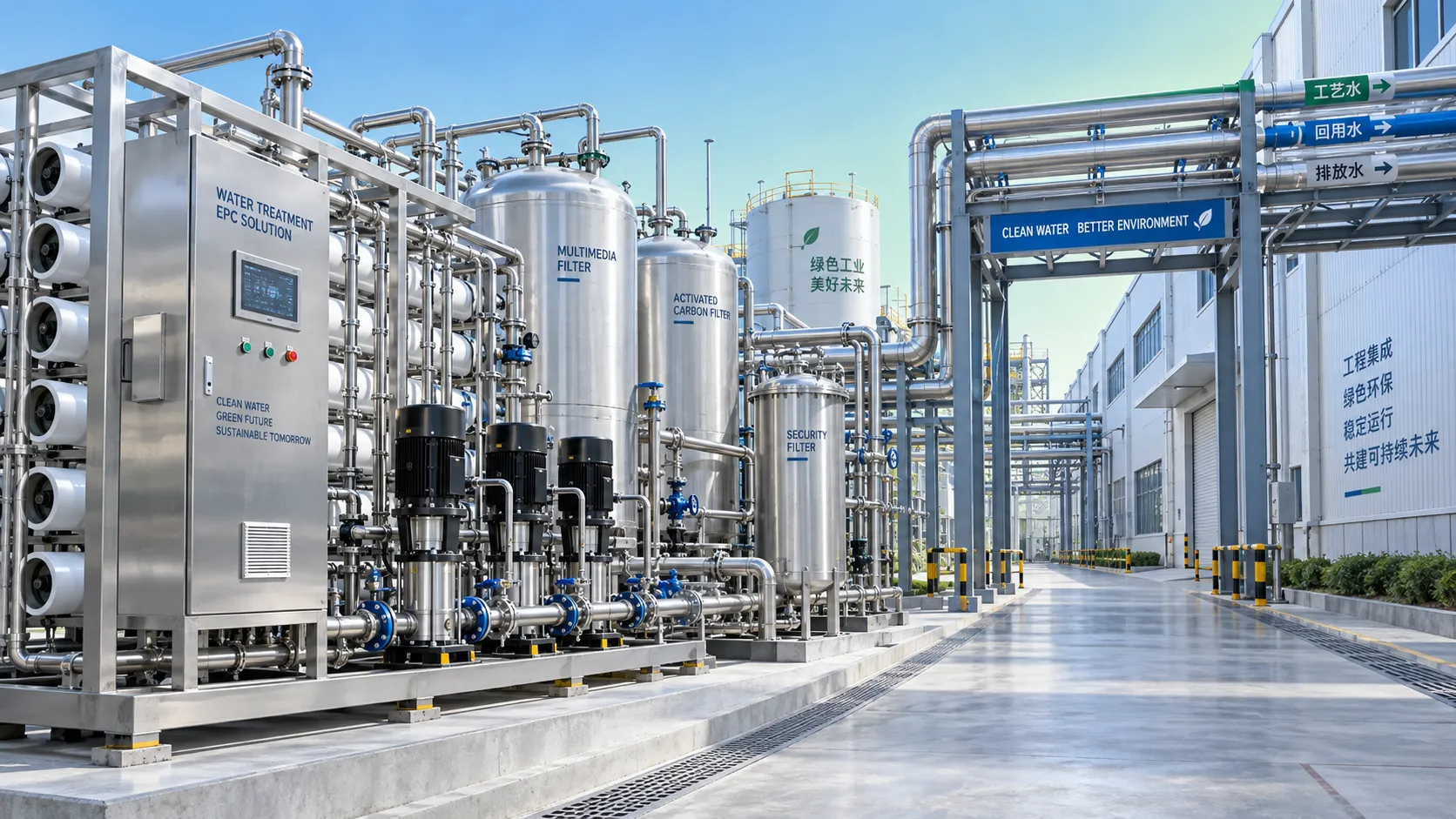
When does EPC environmental project support reduce delivery risk?
EPC environmental project support engineering reduces delivery risk by aligning design, procurement, compliance, construction, and commissioning decisions.
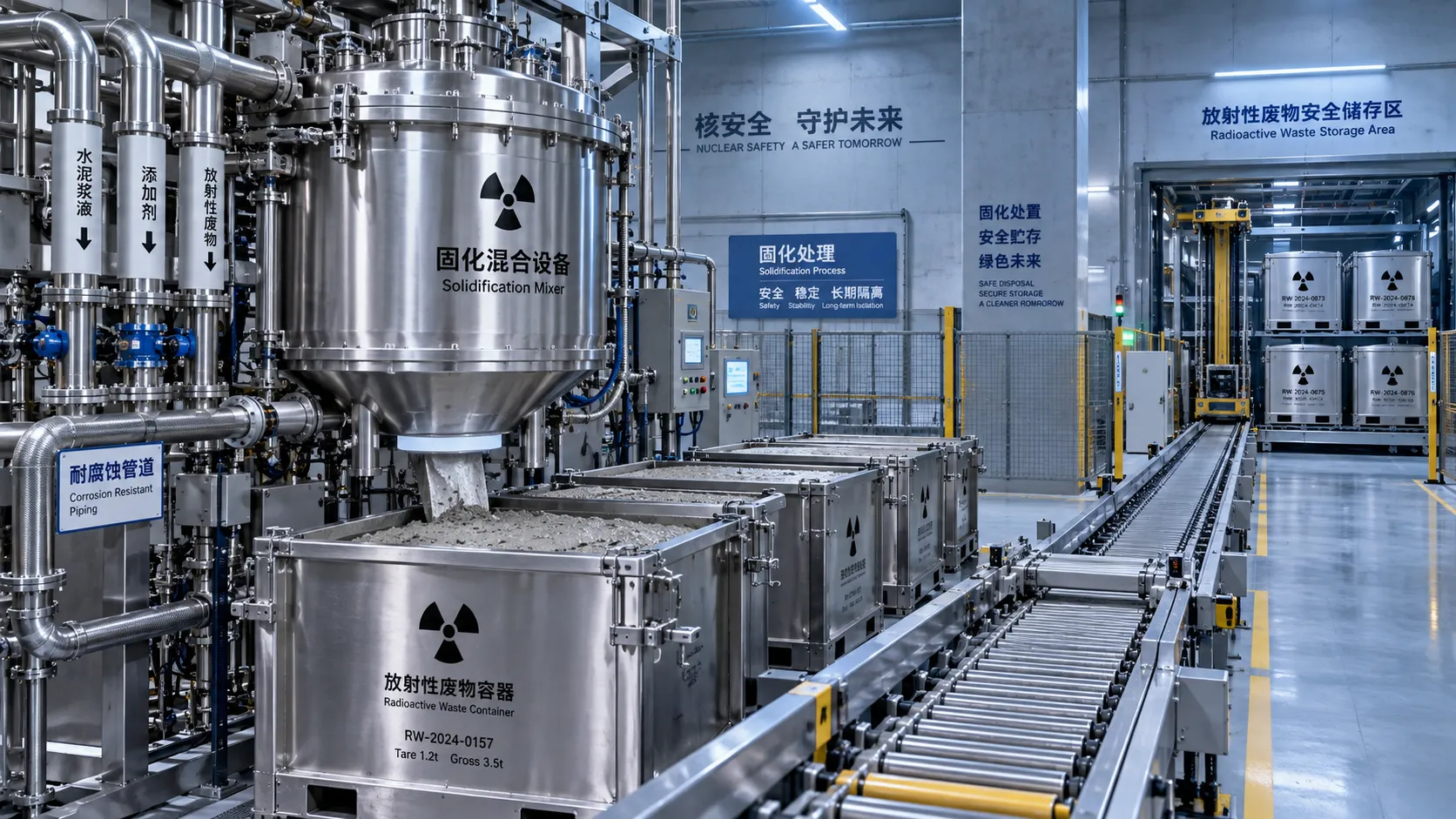
How nuclear plants select a radioactive waste solidification method
Radioactive waste management for nuclear plants: compare vitrification, cementation, polymers, and ceramics to select a compliant, durable solidification solution.
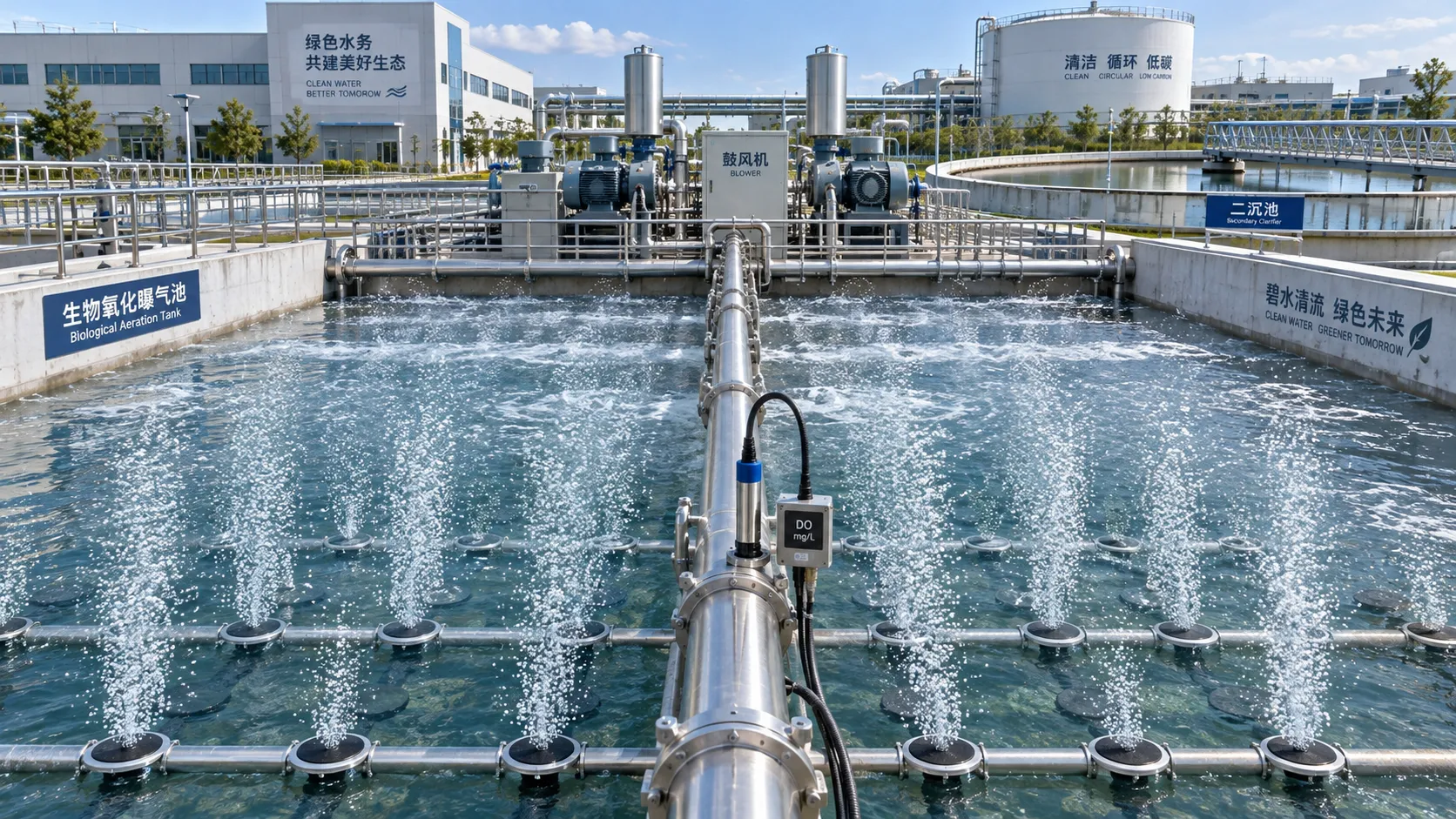
Biological Wastewater Oxidation Explained: Aeration Demand and Process Control
Biological wastewater oxidation explained: optimize aeration demand, DO control, nitrification, and sludge age for stable effluent quality and lower energy costs.
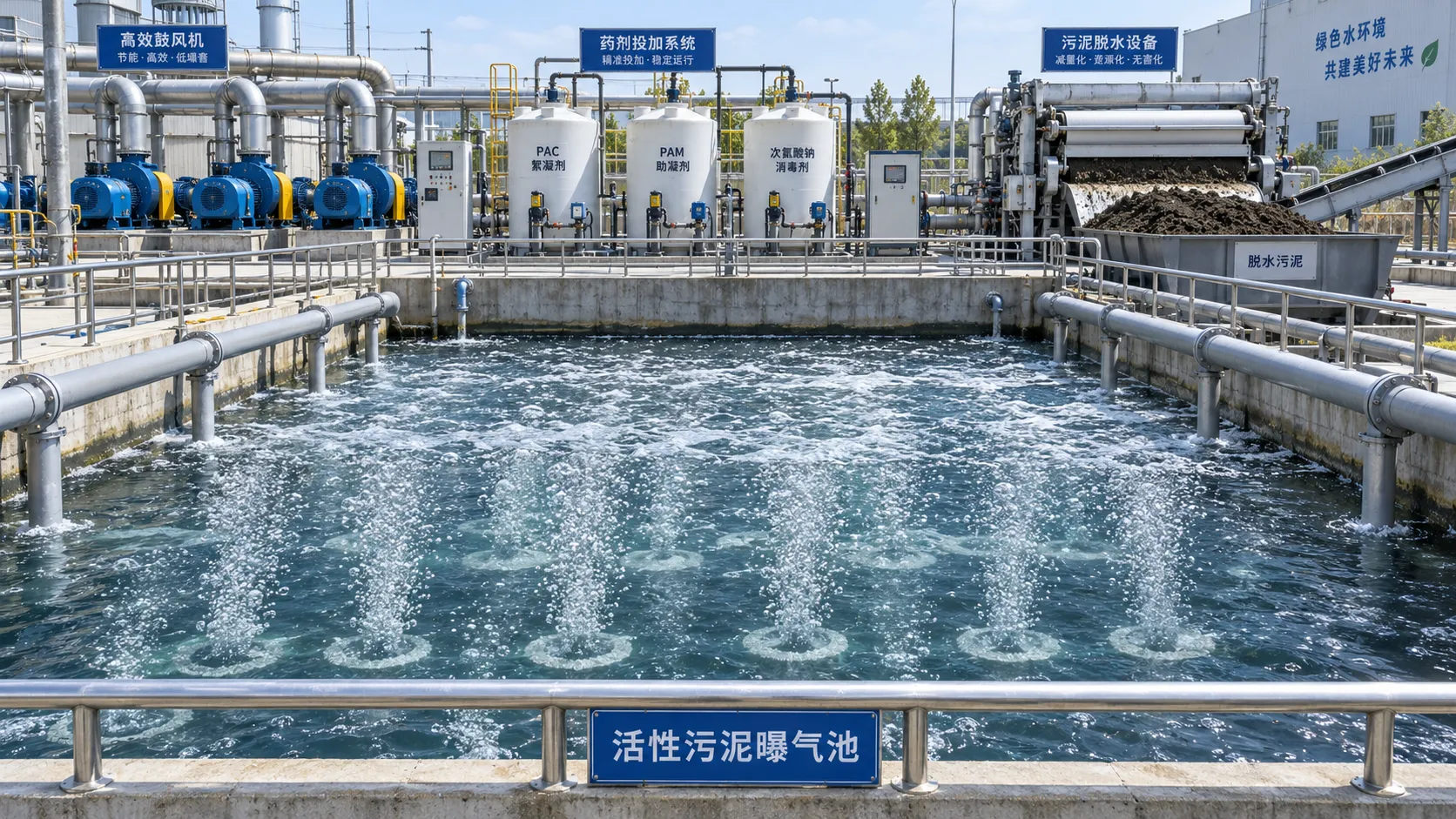
Activated Sludge Cost: Budgeting Energy, Chemicals, Sludge, and Labor
Activated sludge cost explained: compare energy, chemicals, sludge disposal, labor, and compliance risks to build a reliable lifecycle budget.
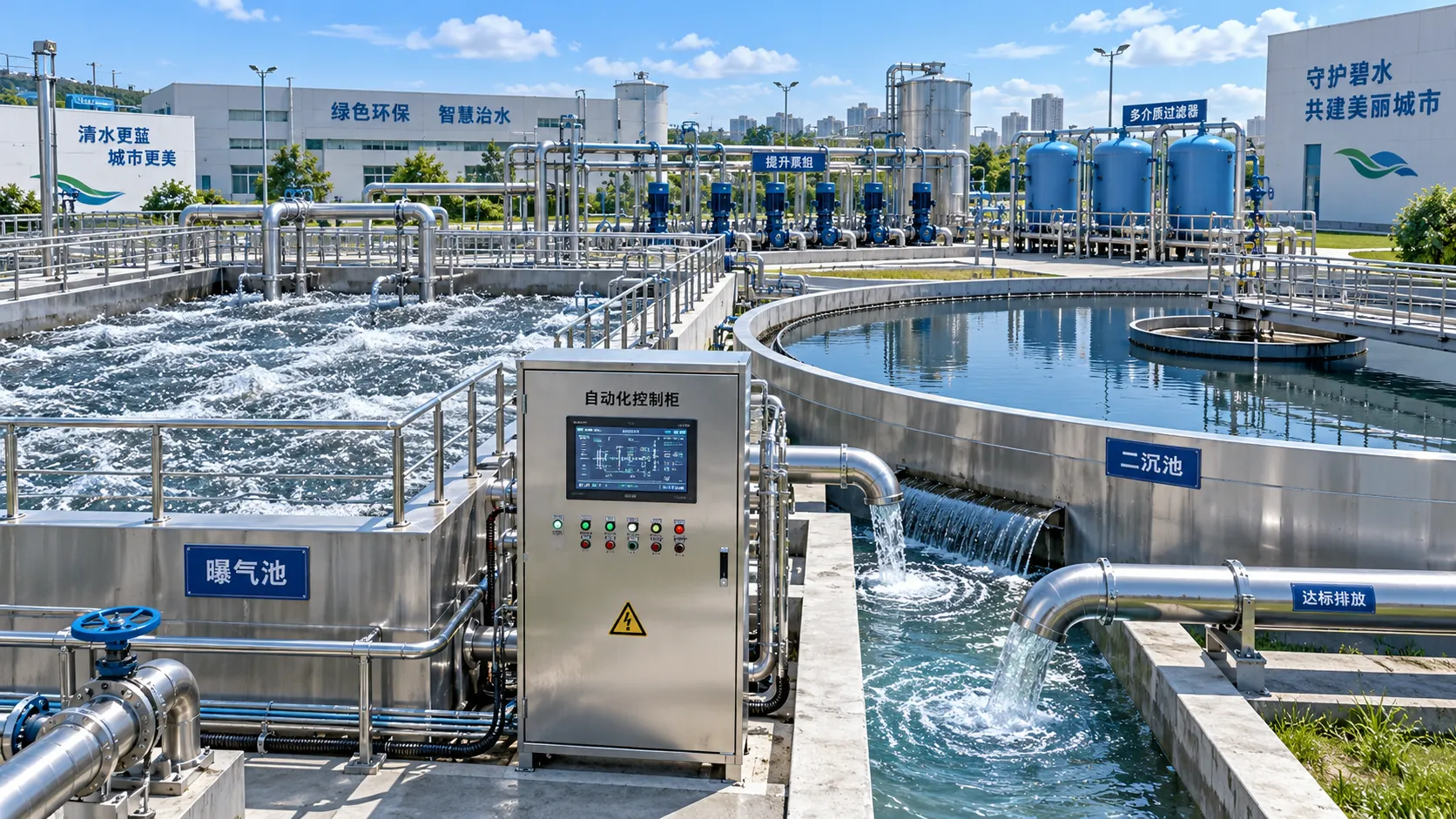
When Should Municipal Wastewater Plants Upgrade Treatment Capacity and Controls?
Municipal wastewater treatment upgrades: learn when capacity, controls, and resilient planning are needed to protect compliance and optimize plant performance.
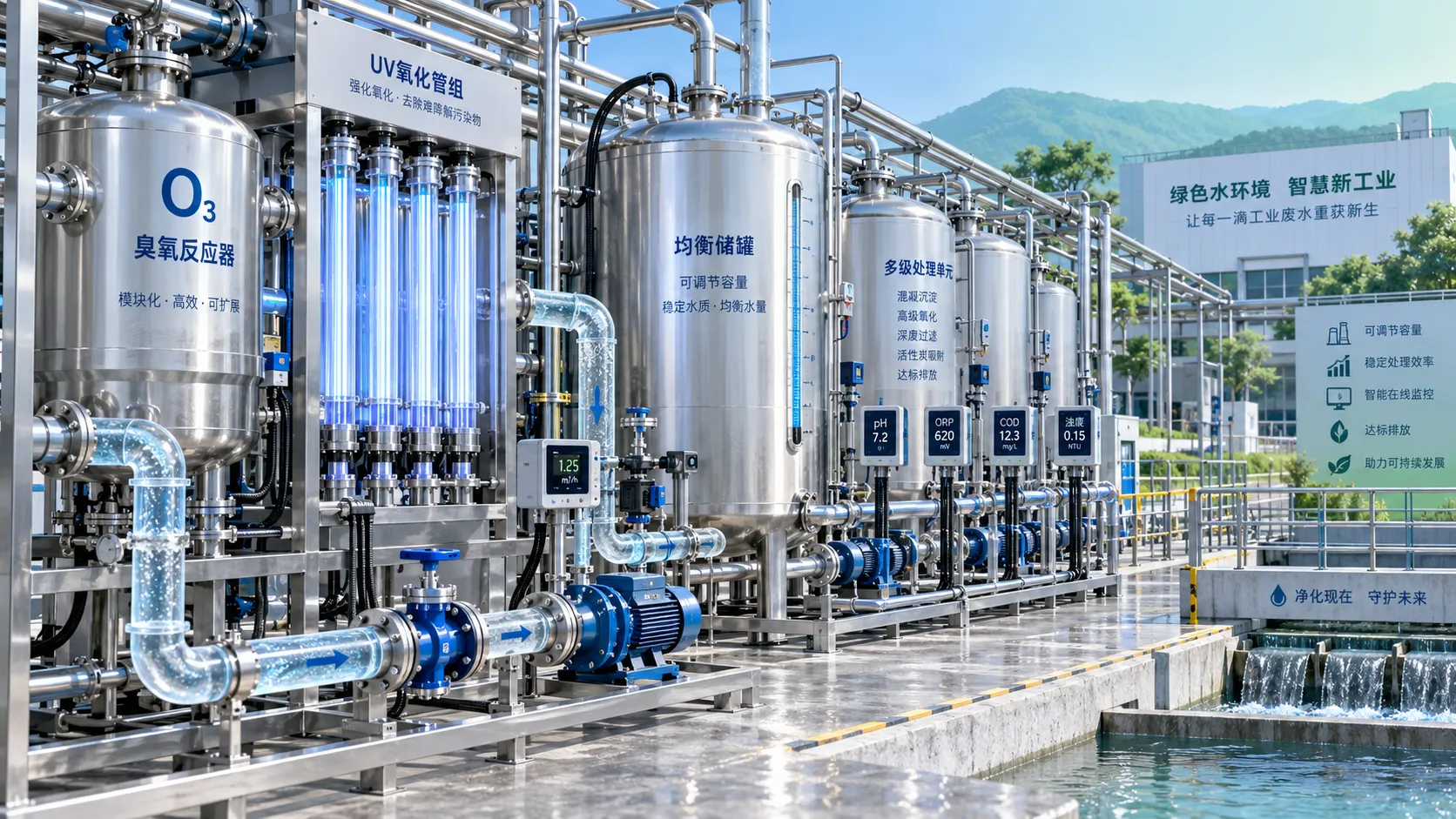
How to size advanced oxidation equipment for variable wastewater loads
Advanced oxidation equipment guide for sizing AOP systems under variable wastewater loads, improving compliance, efficiency, and lifecycle cost control.
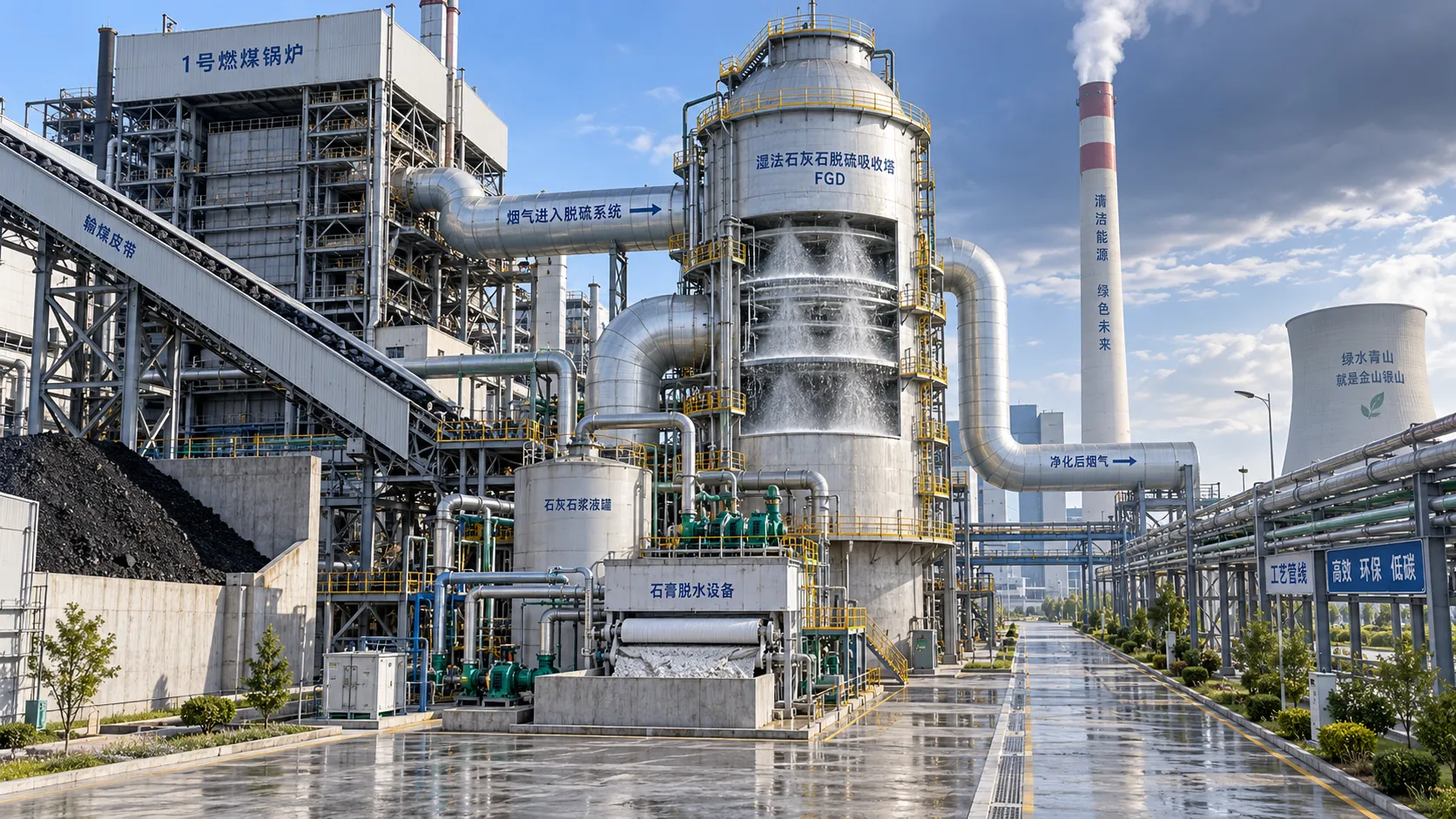
How to select FGD systems for coal boilers based on sulfur content
FGD systems for coal boilers: learn how sulfur content, fuel variability, emissions limits, water, waste, and retrofit constraints guide a compliant, cost-effective scrubber choice.
How to size a desulfurization equipment scrubber for variable gas flow
Desulfurization equipment scrubber sizing for variable gas flow: optimize SO2 removal, pressure drop, liquid-to-gas control, and compliance across every load.