
Industry News
Curation by industry experts
Hot Articles
Popular Tags
Activated Sludge Cost: Budgeting Energy, Chemicals, Sludge, and Labor
Activated sludge cost is best treated as a controllable operating model, not a single line item. A low equipment price or a low initial energy estimate can still lead to an expensive treatment plant if the process produces difficult sludge, needs frequent chemical correction, or depends on continuous operator intervention. For an approval decision, the useful question is not “What does activated sludge cost per unit of water?” It is “What conditions must hold for this operating budget to remain valid?”
The answer depends on influent strength and variability, discharge limits, required redundancy, local power and disposal arrangements, and the extent to which the plant can measure and respond to changing biological conditions. A stable municipal-type flow and a variable industrial discharge may use the same core biology, but they should not receive the same operating-cost assumptions.
Build the budget around the cost drivers that can move
An activated sludge system uses microorganisms to remove organic pollutants and, where designed to do so, nitrogen and phosphorus. The biology itself is not purchased. The cost comes from creating the conditions in which it can work reliably: oxygen transfer, mixing, clarification, nutrient balance, solids separation, sludge processing, monitoring, maintenance, and skilled response when performance changes.
For financial approval, separate fixed commitments from costs that vary with loading, operating discipline, and disposal route. This exposes which savings are realistic and which merely shift risk to another part of the plant.
Aeration is often the largest variable, but not the whole decision
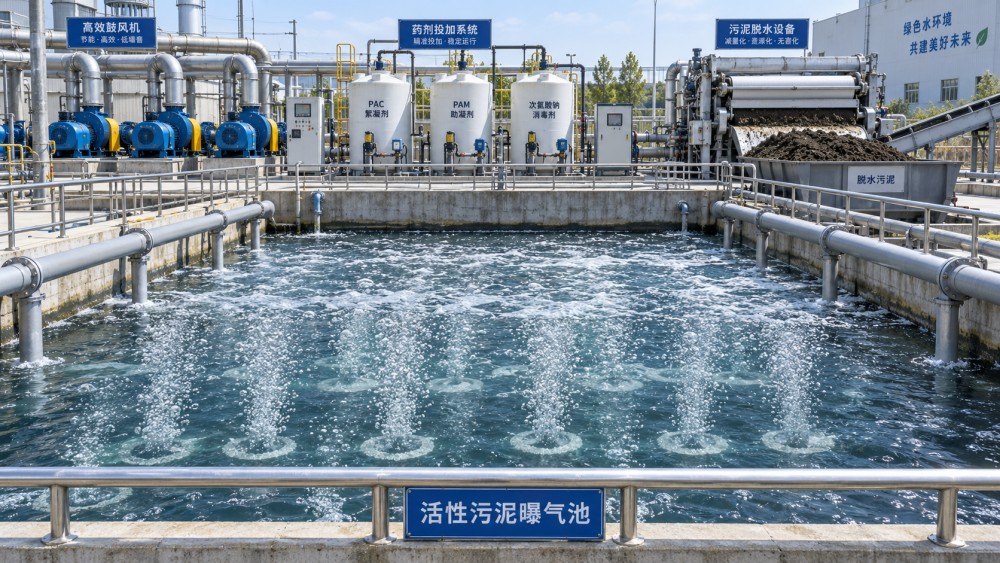
Blowers, diffusers, and associated controls commonly dominate the electrical demand of conventional activated sludge treatment because oxygen must be transferred into wastewater continuously. This makes aeration efficiency a legitimate procurement priority. It does not mean that selecting the lowest quoted blower energy automatically produces the lowest lifecycle cost.
The required airflow follows the treatment duty. Higher organic load raises oxygen demand; nitrification adds further oxygen demand; poor diffuser condition, unsuitable basin geometry, and weak control can require more air than the biological process should need. A design that assumes clean diffusers and steady influent can understate long-term operating expenditure even when the blower package itself is efficient.
Ask suppliers to state the operating basis in plain process terms: expected flow pattern, organic and ammonia loading range, target dissolved oxygen approach, standby philosophy, and the assumptions behind blower turndown. A financial model should then test at least three operating conditions: normal load, sustained high load, and low-load operation. The low-load case matters because oversized fixed-speed aeration can waste substantial energy when the plant is not near design capacity.
Variable-speed blowers and dissolved-oxygen-based control can be valuable where loading changes materially. They are less compelling when influent is stable and the site cannot maintain sensors or control equipment properly. Automation reduces routine intervention only when its measurements are trustworthy and staff can recognize when the system is making a poor decision.
Chemical budgets should distinguish treatment chemistry from process correction
A poorly framed activated sludge cost estimate often treats chemicals as a minor allowance. That is risky when the wastewater is industrial, seasonal, saline, nutrient-deficient, or subject to abrupt pH shifts. Biological treatment needs a workable environment. If incoming wastewater lacks nutrients, has low alkalinity for nitrification, or contains phosphorus that must be removed more tightly, chemical demand can become a material operating cost.
There are two different questions. The first is what the plant expects to dose routinely to meet its design objective. The second is what it may dose to recover from an upset or accommodate a changing waste stream. Those should not be blended into one unexplained annual figure.
For example, coagulants or metal salts may support phosphorus removal, while alkali may be needed when biological nitrification consumes alkalinity. External carbon can be used in denitrification systems when the wastewater lacks a suitable carbon source. Each can be justified under specific influent and discharge conditions. None should be assumed simply because a competing plant uses it.
Approval should require an influent characterization that reflects operating variability, not only a favorable composite sample. Where the wastewater source is changing, set a chemical contingency range and define who owns the cost if actual influent differs from the design basis. This is particularly important in EPC contracts: a guaranteed effluent quality and a guaranteed operating cost are not the same promise unless influent limits, utilities, sludge disposal assumptions, and operating procedures are explicitly aligned.
Sludge is not a residual detail
Waste activated sludge is an unavoidable output of the process. Its cost is broader than hauling. The plant must waste solids at a controlled rate, thicken or dewater them where appropriate, store them safely, move them, document them, and deliver them to a destination that accepts the material. The final destination may be reuse, treatment, thermal processing, landfill, or another permitted route, depending on sludge characteristics and local infrastructure.
Two plants with similar effluent quality can have very different sludge costs. Industrial wastewater can introduce metals, persistent contaminants, elevated salinity, or other constituents that restrict beneficial reuse and narrow disposal options. In that situation, a low dewatering-equipment price does little to solve the real commercial risk.
Before approving a process, trace the expected sludge route from clarifier to final outlet. Request assumptions for solids production, polymer use, dewatered cake handling, storage time, transport logistics, and outlet acceptance. The most expensive surprises often arise where the original budget stops at the dewatering press rather than following the material beyond the site boundary.
Labor savings require an operating model, not a control-system promise
Labor cost is often understated because it is represented as a small number of operators per shift. A functioning activated sludge plant also needs process oversight, routine sampling, calibration, mechanical maintenance, solids-management coordination, reporting, and response capacity when effluent trends deteriorate.
Remote monitoring, online analyzers, automatic wasting, and automated chemical dosing can reduce repetitive tasks and improve consistency. They do not eliminate the need for informed operators. In fact, complex automation can increase dependence on calibration, instrumentation spares, vendor support, and a clear escalation procedure. Budget those supporting requirements alongside the automation package.
For a smaller or remote facility, a simpler process with reliable instruments and a defined service arrangement may be more economical than a highly optimized design that demands specialist attention. For a large facility with skilled in-house staff, advanced control may create a stronger case because the organization can use the extra data to manage energy, solids age, and compliance risk actively.
Compare proposals on a common operating boundary
Supplier comparisons fail when each proposal includes a different definition of operating cost. One may include blower electricity but exclude sludge transport; another may assume owner labor; a third may include chemicals only at average influent conditions. Put every proposal into one comparison schedule before judging lifecycle value.
- Influent flow, pollutant load, temperature range, and variability assumptions.
- Effluent limits and whether nutrient removal or tertiary polishing is included.
- Annual electricity basis, including aeration, pumping, mixing, dewatering, and ancillary systems.
- Routine chemicals, upset chemicals, polymer, cleaning materials, and consumables.
- Expected sludge quantity, dryness assumption after dewatering, storage, transport, and final disposal boundary.
- Labor roles covered by the estimate, shift coverage, laboratory work, and specialist support.
- Scheduled maintenance, critical spares, membrane or media replacements where relevant, and instrument calibration.
- Performance assumptions during peak loads, maintenance downtime, and abnormal influent events.
Do not ask vendors merely for a single annual operating figure. Ask for the model behind it and make its assumptions contractually visible. A higher capital proposal may be financially preferable when it lowers an identifiable recurring burden or protects against a costly compliance failure. Conversely, added equipment should not be approved simply because it sounds advanced; it must address a real site condition, such as variable loading, restricted sludge outlets, constrained staffing, or demanding nutrient limits.
Where activated sludge may be the wrong cost answer
Activated sludge is flexible and widely understood, but it is not automatically the most economical answer for every wastewater stream. A facility with highly variable toxic compounds may need pretreatment or equalization before biology can operate predictably. Very high-strength wastewater may justify recovery, anaerobic treatment, or staged treatment ahead of an aerobic basin. A site with severe land constraints or unusually tight solids separation requirements may evaluate compact biological configurations, but should include their energy, cleaning, and replacement obligations in the comparison.
The decision should therefore begin with the wastewater, not the equipment catalogue. First establish what reaches the biological plant after source control and pretreatment. Then evaluate which process can reliably meet the discharge requirement with an operating burden the organization can sustain.
Approve a budget range with clear ownership of uncertainty
A resilient approval does not pretend that wastewater behaves identically every day. It identifies the inputs that can change the budget and assigns a response. Influent volatility may require equalization or chemical contingency. Tight ammonia limits may justify additional aeration capacity and monitoring. Limited sludge outlets may warrant investment in better dewatering, storage, or an alternative disposal strategy. Limited staffing may favor robust automation with service support over marginal energy optimization.
Environmental equipment intelligence is most useful when it connects process assumptions to commercial exposure. Platforms such as Global Eco-Shield Dynamics can help decision teams compare the treatment, solids-management, and compliance implications of competing approaches, particularly where large-scale municipal or industrial projects involve multiple technology packages.
For approval, require a lifecycle view that follows water, air, chemicals, solids, labor, and failure response through the full operating boundary. That discipline turns activated sludge cost from an optimistic estimate into a budget that operations can actually deliver.
Recommended News
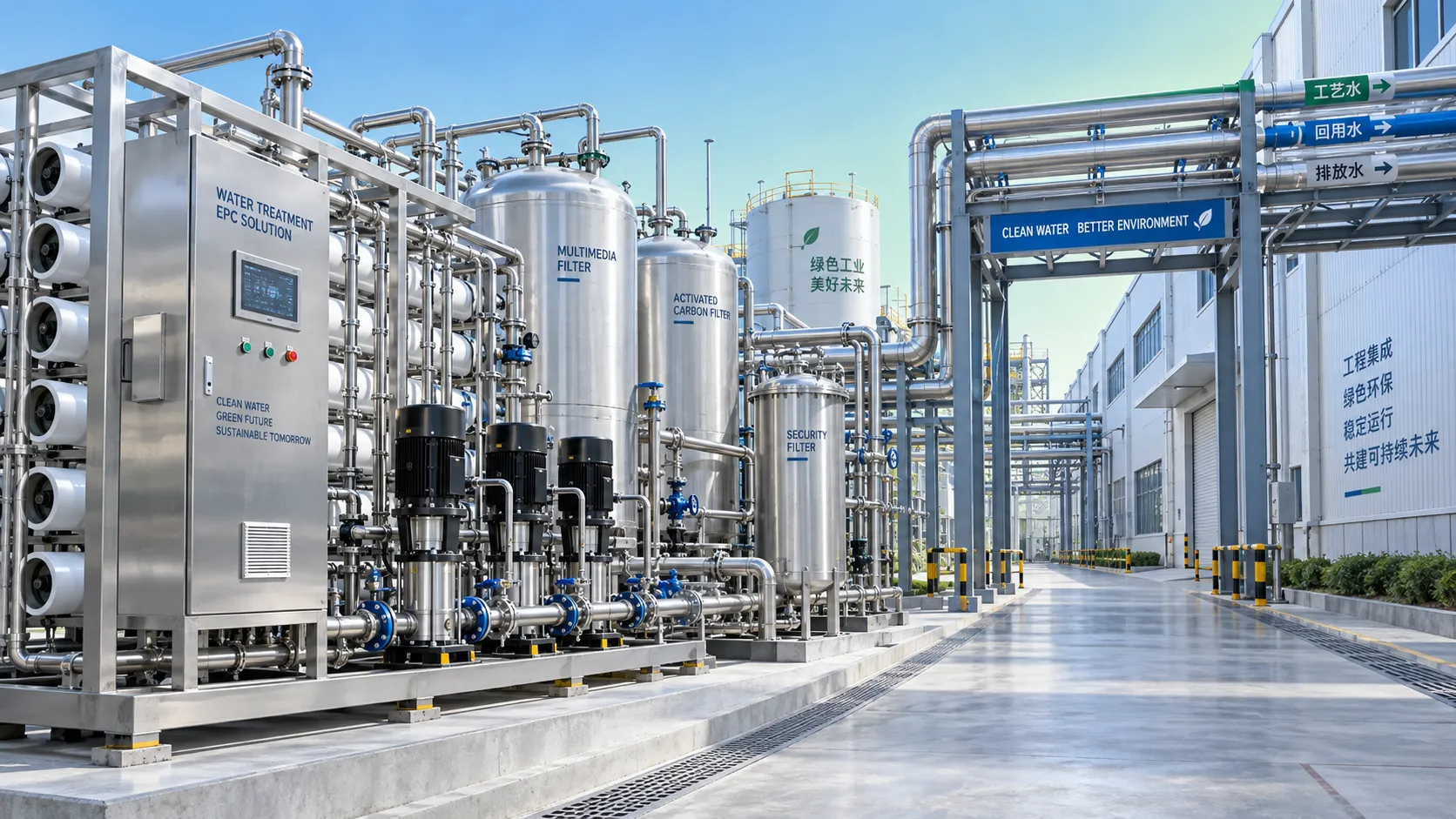
When does EPC environmental project support reduce delivery risk?
EPC environmental project support engineering reduces delivery risk by aligning design, procurement, compliance, construction, and commissioning decisions.
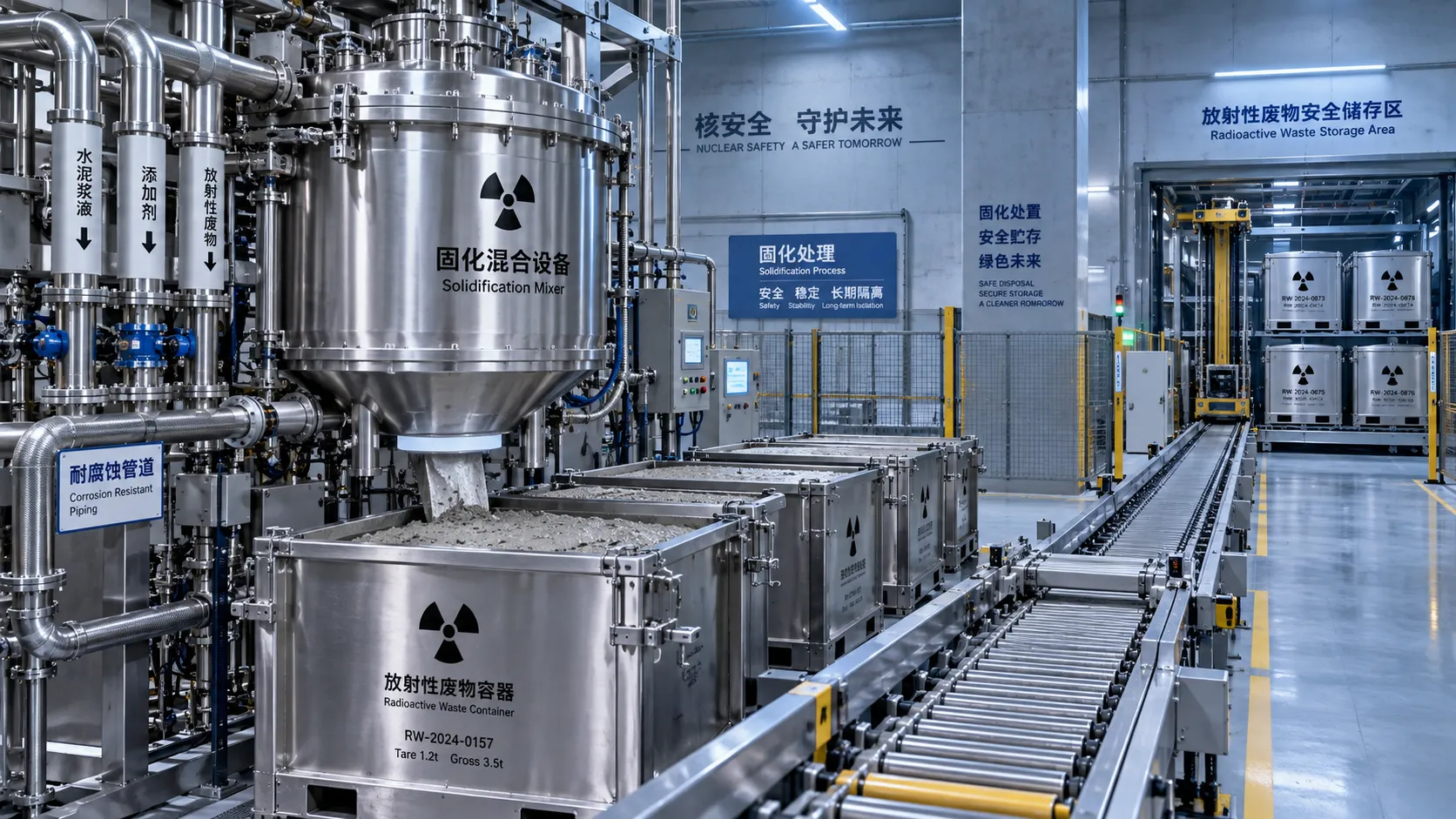
How nuclear plants select a radioactive waste solidification method
Radioactive waste management for nuclear plants: compare vitrification, cementation, polymers, and ceramics to select a compliant, durable solidification solution.
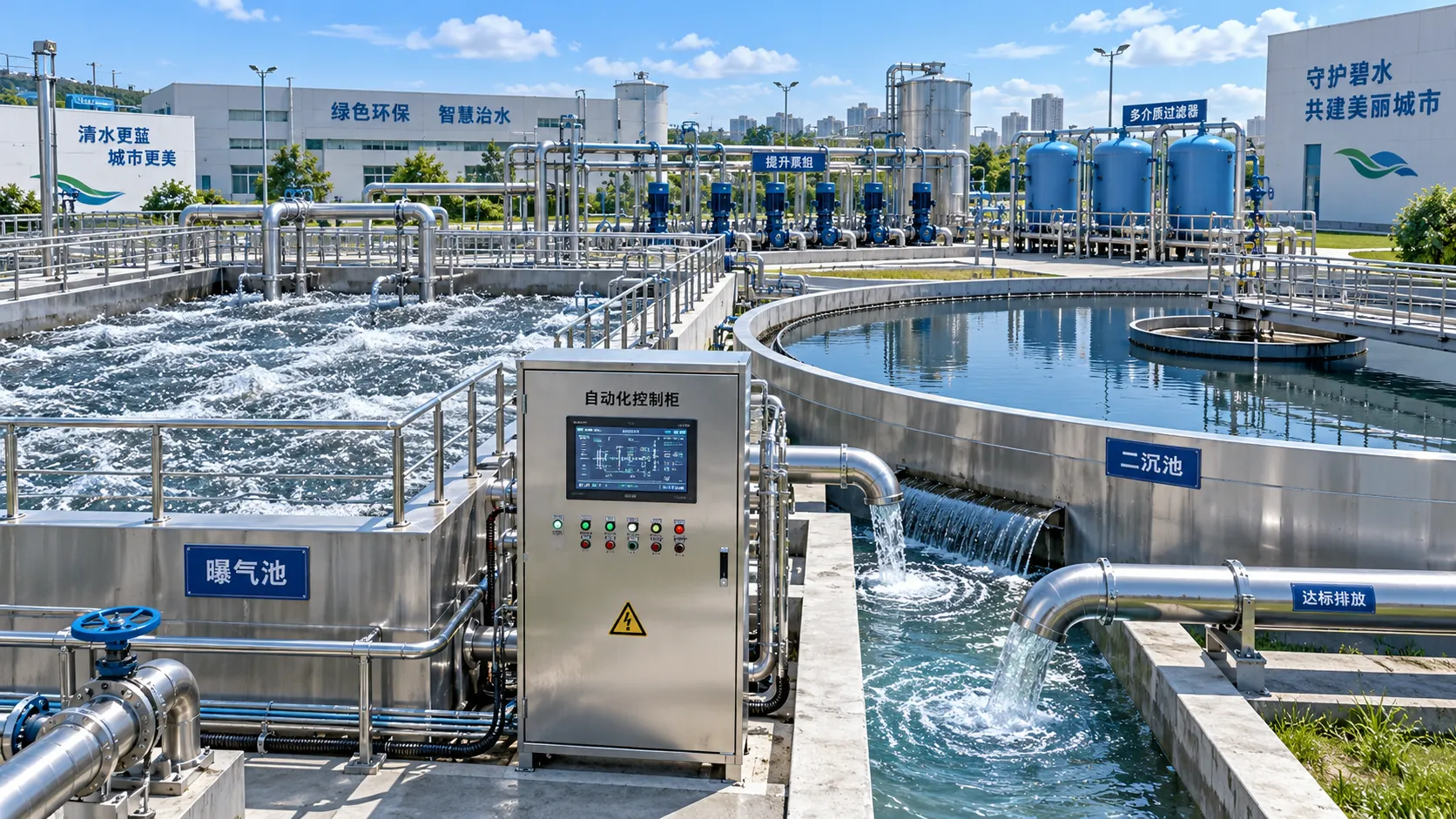
When Should Municipal Wastewater Plants Upgrade Treatment Capacity and Controls?
Municipal wastewater treatment upgrades: learn when capacity, controls, and resilient planning are needed to protect compliance and optimize plant performance.
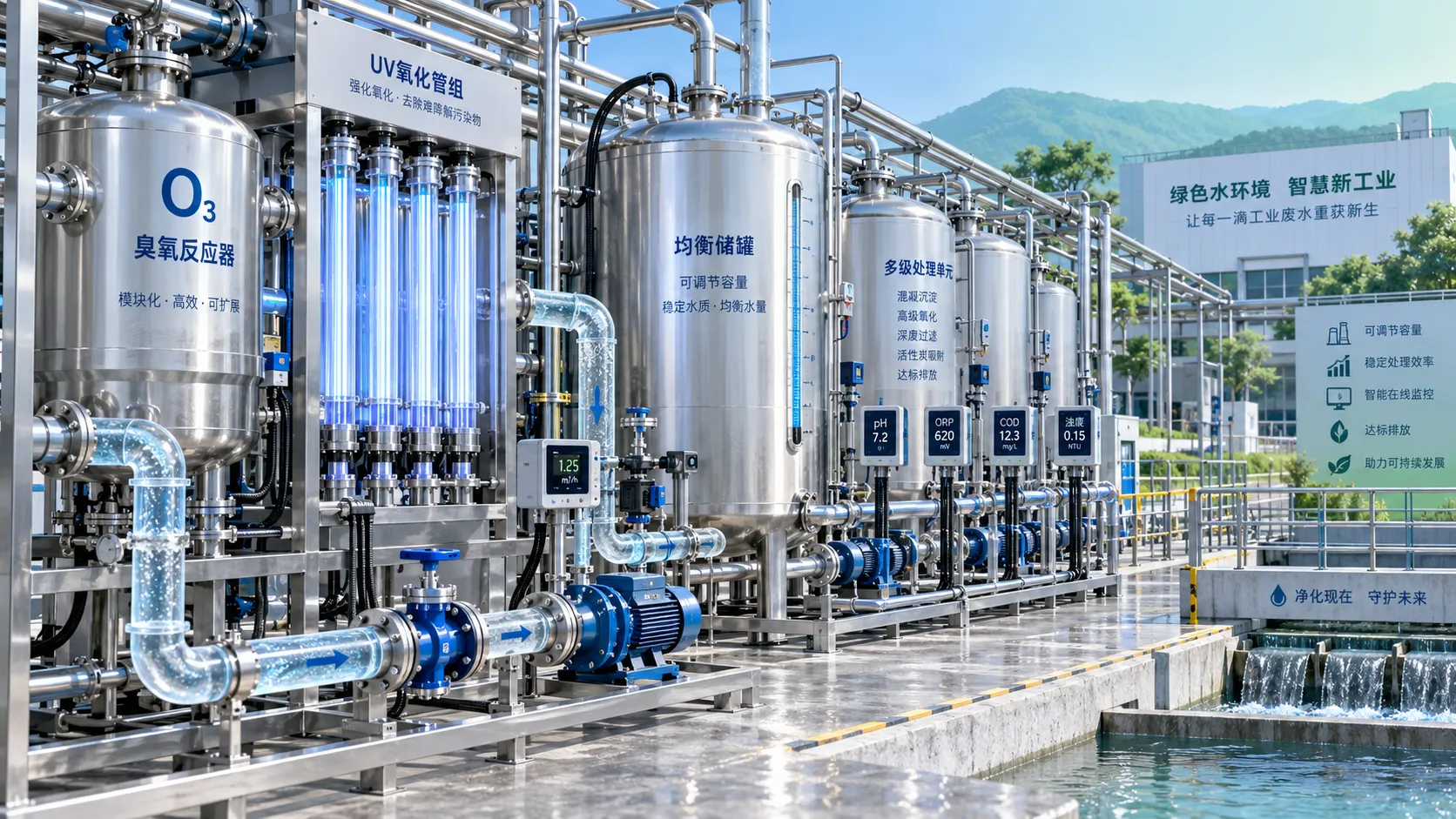
How to size advanced oxidation equipment for variable wastewater loads
Advanced oxidation equipment guide for sizing AOP systems under variable wastewater loads, improving compliance, efficiency, and lifecycle cost control.
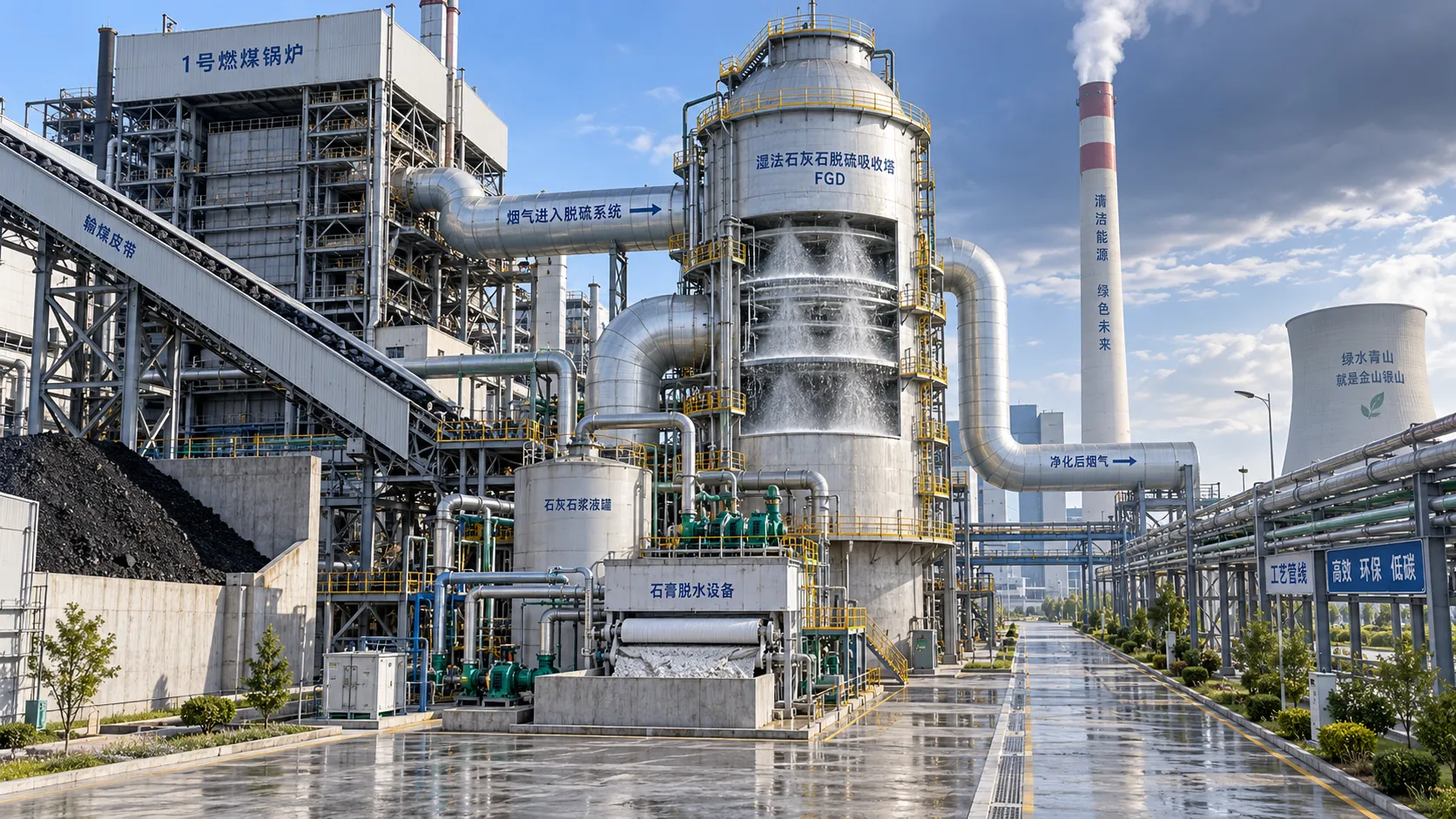
How to select FGD systems for coal boilers based on sulfur content
FGD systems for coal boilers: learn how sulfur content, fuel variability, emissions limits, water, waste, and retrofit constraints guide a compliant, cost-effective scrubber choice.
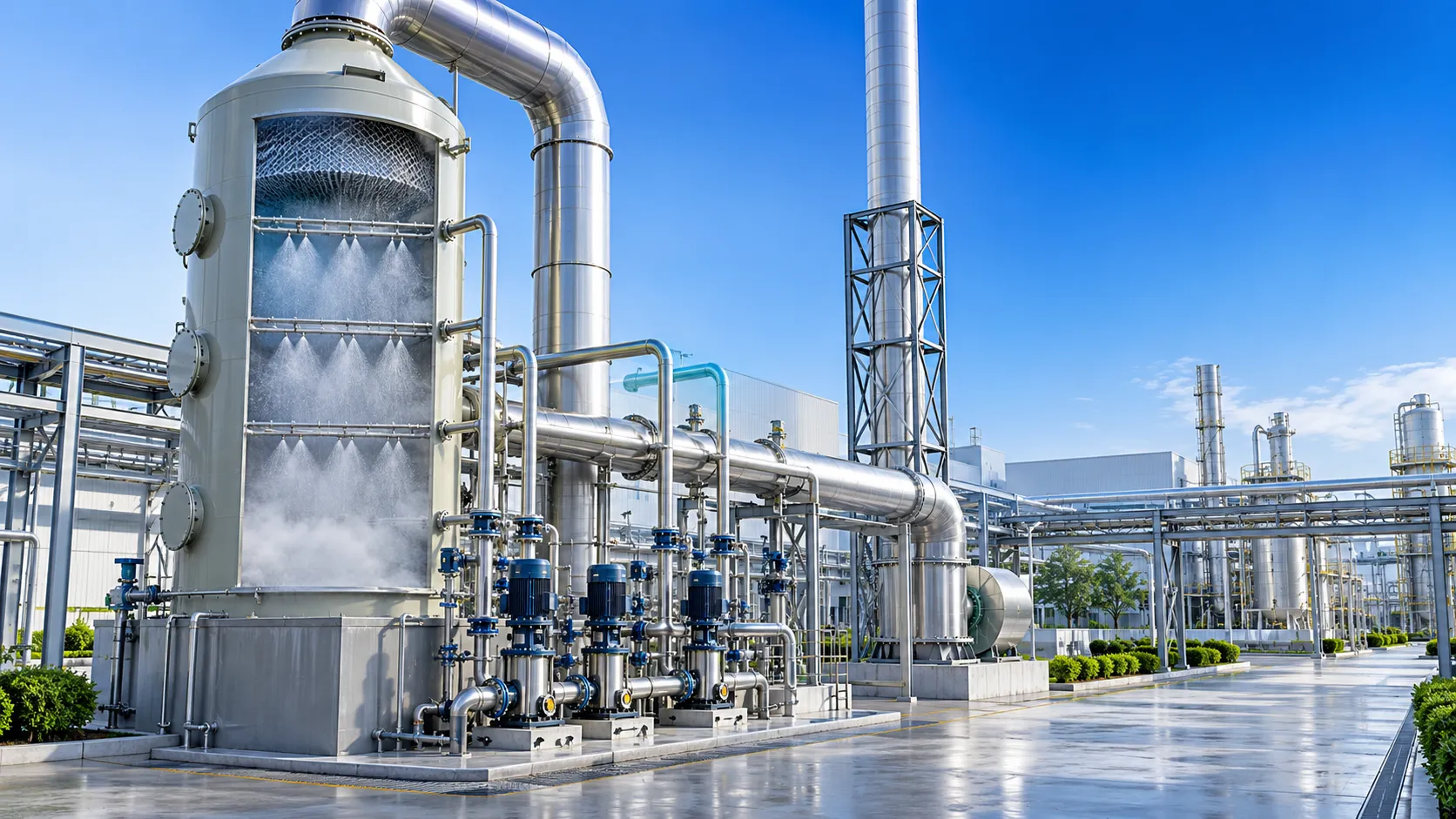
How to size a desulfurization equipment scrubber for variable gas flow
Desulfurization equipment scrubber sizing for variable gas flow: optimize SO2 removal, pressure drop, liquid-to-gas control, and compliance across every load.
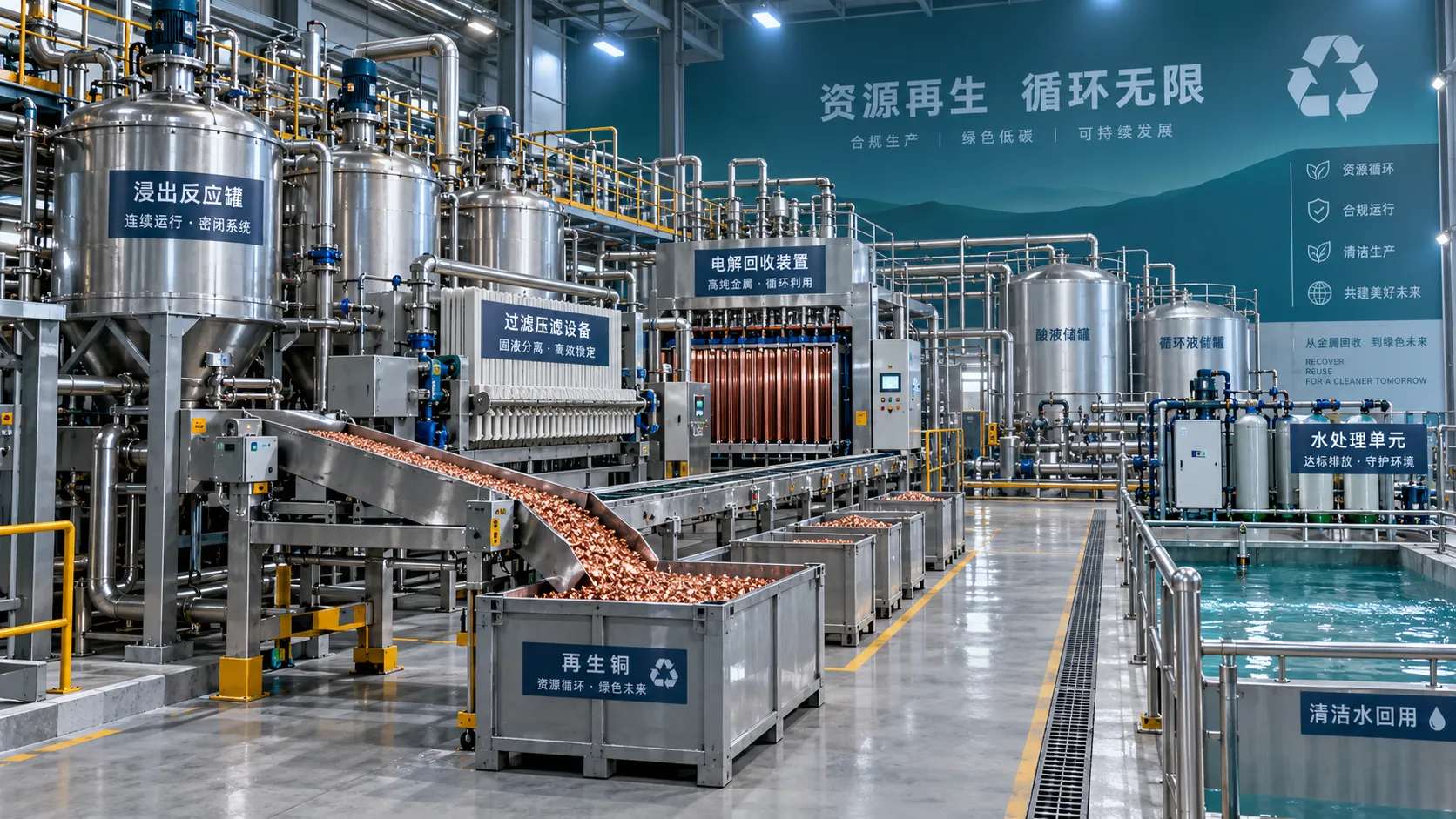
When does repeatable metals recovery infrastructure justify the investment?
Repeatable metals recovery infrastructure: discover when consistent feedstock, lower disposal costs, compliance control, and reliable offtake justify investment.
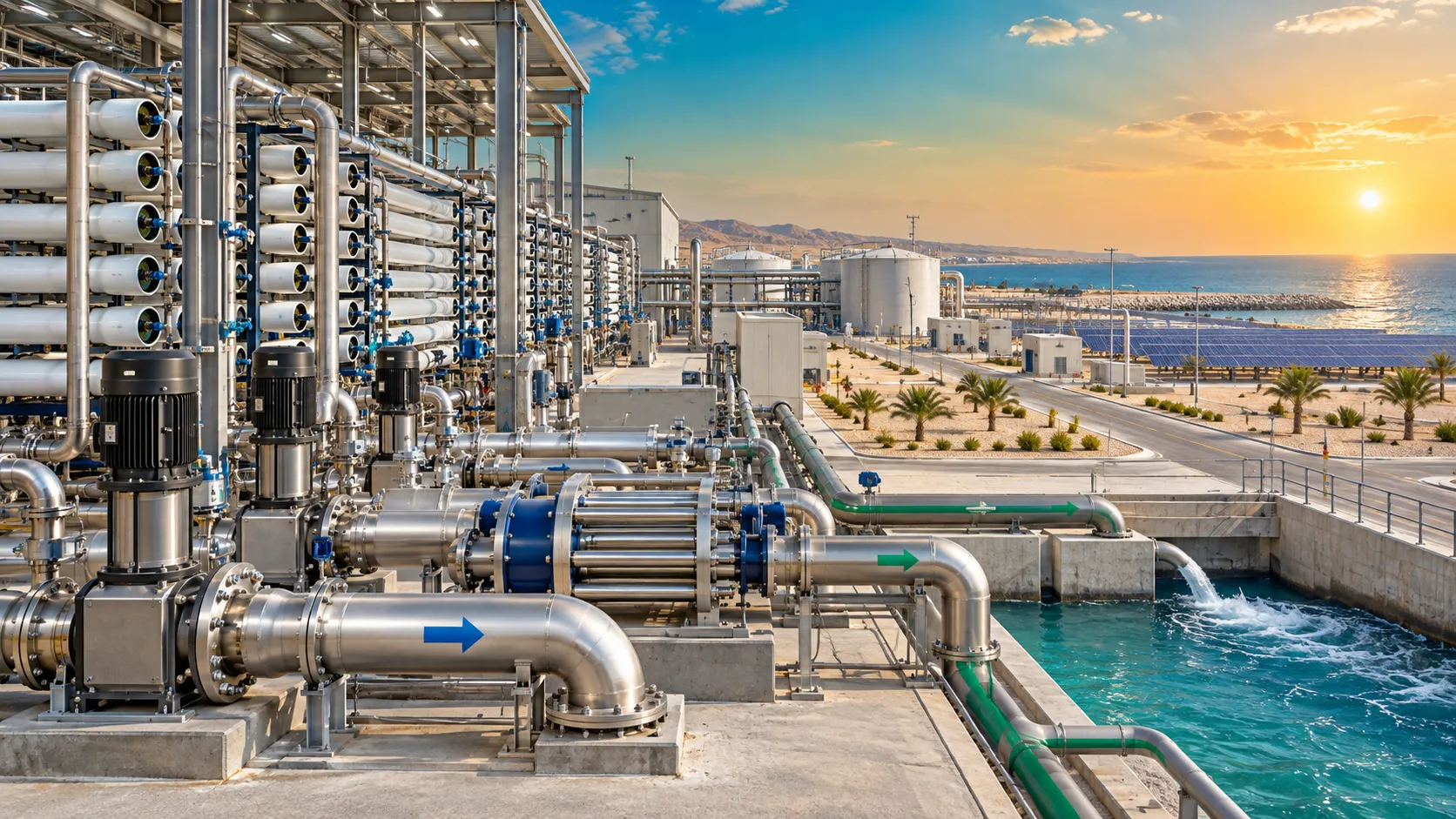
How energy recovery cuts the cost of seawater desalination in the Middle East
Seawater desalination Middle East projects can cut lifecycle costs with energy recovery. Explore savings, bankability, power-risk strategies, and smarter investment decisions.
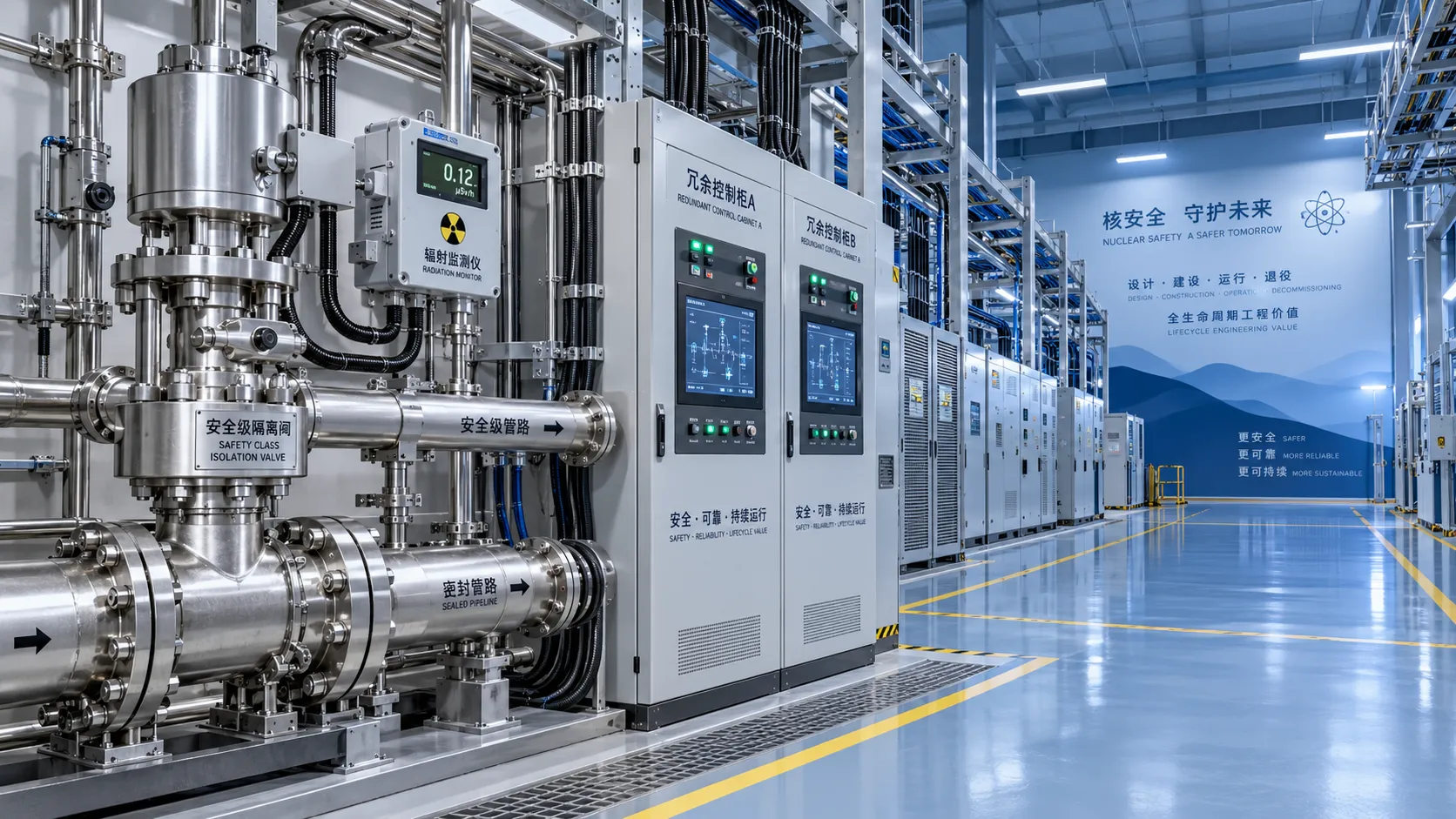
What drives nuclear safety solutions pricing for new facility projects?
Nuclear safety solutions pricing explained: uncover the key cost drivers for new facilities, from qualification and interfaces to lifecycle support.