
Industry News
Curation by industry experts
Hot Articles
Popular Tags
How to size advanced oxidation equipment for variable wastewater loads
How to Size Advanced Oxidation Equipment for Variable Wastewater Loads
Sizing an advanced oxidation process (AOP) for industrial wastewater is rarely a matter of selecting a reactor that matches a stated flow rate. For technical evaluators, the difficult part is not finding equipment capable of generating ozone, UV energy, hydroxyl radicals, or activated oxidants. It is determining whether the system will still achieve the required treatment outcome when hydraulic flow, contaminant concentration, water quality, and production schedules change at the same time.
This advanced oxidation equipment guide focuses on that decision problem. It examines how to translate variable wastewater loads into a defensible design basis, how to compare oxidation technologies, and where apparently conservative sizing can still fail. The objective is not simply to install more capacity. It is to create an AOP train that maintains compliance performance without imposing unnecessary energy, reagent, maintenance, or downtime burdens.
Start with the Load Profile, Not the Nameplate Flow
A wastewater treatment system may be described as handling a certain daily volume, but that figure is often too broad to size an oxidation stage. Industrial facilities may discharge in batches, operate multiple shifts, conduct periodic clean-in-place cycles, release concentrated regeneration streams, or send stored wastewater to treatment after interruptions. A daily average can conceal short-duration peaks that overwhelm oxidation capacity or reduce hydraulic contact time below what the reaction requires.
The useful design question is: what combinations of flow and pollutant load can realistically arrive at the AOP inlet? Flow variation matters, but mass loading is usually more important. A low-flow, high-strength stream can require more oxidant than a much larger volume of moderately contaminated water. For difficult organics, color, residual pharmaceuticals, pesticides, solvents, surfactants, or refractory chemical intermediates, the composition of the load may matter even more than chemical oxygen demand alone.
A robust influent dataset should capture time-based variation rather than relying only on composite averages. Review normal, high-load, start-up, shutdown, cleaning, and upset conditions. Where historical monitoring is limited, production records, raw-material inventories, batch recipes, cleaning chemicals, and waste segregation practices can reveal the likely causes of future spikes. This investigation often changes the equipment decision: the answer may be equalization, source segregation, or pretreatment rather than a larger oxidation reactor.
Define several design cases
One fixed “design influent” is rarely enough. Technical specifications are clearer when they distinguish at least a normal operating condition, a sustained high-load condition, and a short peak or upset condition. Each case should state flow, temperature, pH, target pollutants, background organic matter, suspended solids, inorganic constituents, and the required outlet limit or downstream treatment objective.
Oxidant Demand Is Not the Same as Target Contaminant Removal
The most common sizing mistake is to focus on the destruction of a named contaminant while underestimating everything else that consumes oxidizing capacity. In a real wastewater matrix, hydroxyl radicals or molecular ozone can react with bicarbonate, carbonate, chloride-related species, natural organic matter, residual reducing agents, sulfides, iron, and other scavengers. These reactions may not contribute to the required removal target, but they still affect oxidant dose, UV transmittance, gas transfer efficiency, and reaction time.
For UV-based AOP, low UV transmittance caused by color, dissolved organics, or turbidity can significantly reduce delivered fluence. For ozone systems, poor mass transfer, off-gas management, high-temperature water, and reactive side constituents can alter the effective ozone dose. In peroxide-based processes, residual peroxide from upstream operations or excessive dosing can complicate downstream biological treatment and monitoring. Fenton and photo-Fenton configurations introduce a further requirement: pH adjustment, iron handling, and sludge management must be considered as part of the overall treatment train rather than treated as ancillary details.
Bench testing is valuable for screening technologies, but it should not be mistaken for a final equipment guarantee. Laboratory tests can indicate oxidation responsiveness and approximate dose relationships; they may not reproduce full-scale hydraulics, lamp fouling, ozone transfer behavior, mixing limitations, or the changing composition of a plant’s wastewater. For complex or variable streams, pilot work under representative conditions is often the most credible route to confirming a design envelope.
Match the Technology to the Reaction and the Operating Reality
There is no universal “best” AOP. Ozone-based oxidation may be attractive when a facility needs strong color removal, odor control, or oxidation of selected dissolved compounds, provided gas transfer and off-gas destruction are properly engineered. UV/hydrogen peroxide can offer controllable radical generation for streams with suitable UV transmittance and relatively stable optical conditions. UV/ozone, catalytic ozonation, electrochemical oxidation, and peroxide activation approaches may be considered where contaminant chemistry, footprint, or integration constraints justify their added complexity.
The selection should begin with reaction kinetics and matrix effects, then move to operational fit. A technology that performs well in a controlled trial can become difficult to operate if it depends on highly stable pH, very clean feedwater, specialized consumables, or frequent intervention that the site cannot support. Conversely, a somewhat larger but modular system may be preferable if it can turn down efficiently at low loads and add duty capacity as production expands.
AOP is also frequently installed as a polishing barrier, not as the first response to an untreated high-strength stream. Removing suspended solids, oil, metals, scale-forming constituents, or a readily biodegradable fraction upstream may reduce the radical scavenging load and make the oxidation stage smaller and more predictable. The right question is therefore not “Which AOP unit is largest?” but “At which point in the treatment train does oxidation produce the most reliable marginal benefit?”
Hydraulic Retention Time Must Be Protected During Peaks
Hydraulic retention time is often treated as a simple calculation: reactor volume divided by flow. In practice, effective contact time depends on mixing, short-circuiting, gas-liquid contact, recirculation, flow distribution, and the way flow surges enter the treatment train. A nominally adequate reactor can underperform if peak flow bypasses the intended reaction zone or if a highly variable influent causes unstable control responses.
Equalization is usually the first design lever for variable loads. It can smooth flow, allow pH correction before oxidation, provide time for analytical confirmation, and prevent short peaks from forcing oversizing of the AOP skid. However, equalization is not automatically beneficial for every wastewater. Some constituents may volatilize, precipitate, react, or become more difficult to treat during prolonged storage. Tank mixing, residence time distribution, ventilation, material compatibility, and sediment management need project-specific review.
Where equalization cannot absorb all variability, consider staged oxidation capacity. Multiple reactor trains, parallel UV banks, modular ozone generation, or duty/assist arrangements can provide operational flexibility. The controls strategy is as important as the hardware: flow-paced dosing alone may be inadequate when concentration changes independently of flow. Depending on the process, useful control inputs may include UV transmittance, oxidation-reduction potential, ozone residual, dissolved organic indicators, conductivity, pH, or surrogate analyzers linked to the actual treatment objective. No surrogate should be accepted without validating that relationship across expected influent conditions.
Build Redundancy Around Failure Consequences
Redundancy should not be specified as a generic percentage. It should be based on what happens when a critical component is unavailable. A facility with storage capacity and a permitted ability to pause discharge may need a different arrangement from a continuous operation where untreated flow cannot be held. Pumps, power supplies, UV reactors, ozone generators, oxygen supply equipment, destruct units, dosing skids, cooling systems, analyzers, and control panels each have different maintenance and failure profiles.
For variable wastewater loads, the most useful redundancy is often partial, modular capacity rather than one oversized standby machine. This allows individual modules to be isolated for maintenance while the remaining train continues at reduced throughput, or lets the plant use additional modules only during high-load events. It also improves turndown, which matters because running oxidation equipment far below its effective operating range can waste energy or compromise control.
Material selection belongs in the same discussion. Oxidants, elevated dissolved oxygen, chlorides, acidic conditions, and chemical cleaning regimes can create corrosion and sealing risks that are not visible in a simplified process flow diagram. Confirm wetted materials, gasket compatibility, instrument ranges, ventilation provisions, chemical storage requirements, and safety interlocks before comparing capital cost alone.
Evaluate Lifecycle Cost at Several Operating Points
AOP equipment is sometimes compared using a single unit cost or an assumed energy intensity. That approach is weak when influent conditions vary. A more useful evaluation estimates the operating demand at normal load, sustained high load, and low-load periods. Electricity, oxygen or air preparation, peroxide or other reagents, lamp replacement, electrode maintenance, cooling, monitoring, residual destruction, labor, and waste handling should be included where applicable.
The lowest initial price may correspond to limited turndown, sparse instrumentation, or insufficient reserve capacity. At the other extreme, excessive peak-based oversizing can leave expensive assets operating inefficiently for most of the year. Decision-makers should ask suppliers to state the assumptions behind their sizing: influent quality, required outlet condition, oxidation dose, contact time, temperature range, utility quality, fouling allowance, and expected equipment availability. If these assumptions are not explicit, comparison between proposals is largely superficial.
A Practical Review Before Issuing a Specification
Before equipment selection is finalized, technical teams should be able to answer a few difficult questions clearly: Which contaminants drive the design, and how often do they occur? Is the AOP intended to meet a discharge limit, protect membranes, improve biodegradability, destroy a specific compound, or support reuse? What upstream failures can reach the unit? What downstream process is sensitive to residual oxidant or oxidation by-products? And what action will the plant take when online signals indicate that the design envelope has been exceeded?
It is also prudent to define acceptance testing before procurement. The protocol should identify the influent conditions to be tested, analytical methods, sampling points, target removals or outlet limits, allowable operating ranges, and how temporary excursions will be handled. This is especially important when AOP performance depends on water-matrix characteristics that cannot be represented by a single influent value.
At Global Eco-Shield Dynamics, the broader view of industrial water treatment is that oxidation equipment cannot be assessed in isolation. Its real value depends on how it fits with pretreatment, water reuse, ZLD strategies, energy constraints, discharge obligations, and plant reliability. The same disciplined approach used to assess desalination membranes, flue-gas systems, and resource-recovery lines applies here: connect the process physics to the operating envelope before committing to a technology.
For variable wastewater loads, the strongest design is usually not the one sized for an abstract maximum. It is the one built around verified load scenarios, realistic oxidant demand, protected contact time, controllable modular capacity, and a credible plan for events outside the normal range. Those are the parameters worth resolving before an advanced oxidation system becomes a fixed asset.
Recommended News
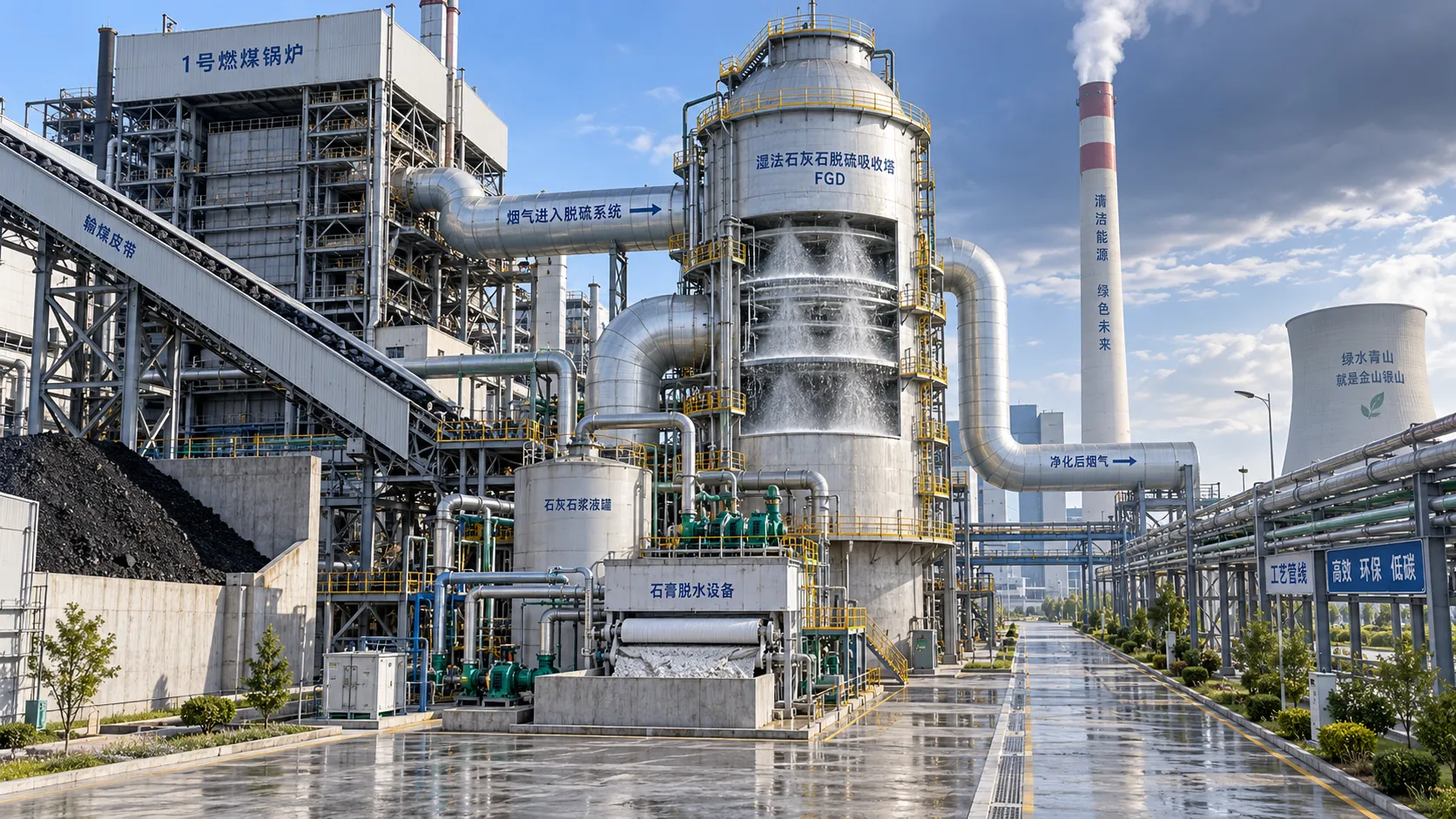
How to select FGD systems for coal boilers based on sulfur content
FGD systems for coal boilers: learn how sulfur content, fuel variability, emissions limits, water, waste, and retrofit constraints guide a compliant, cost-effective scrubber choice.
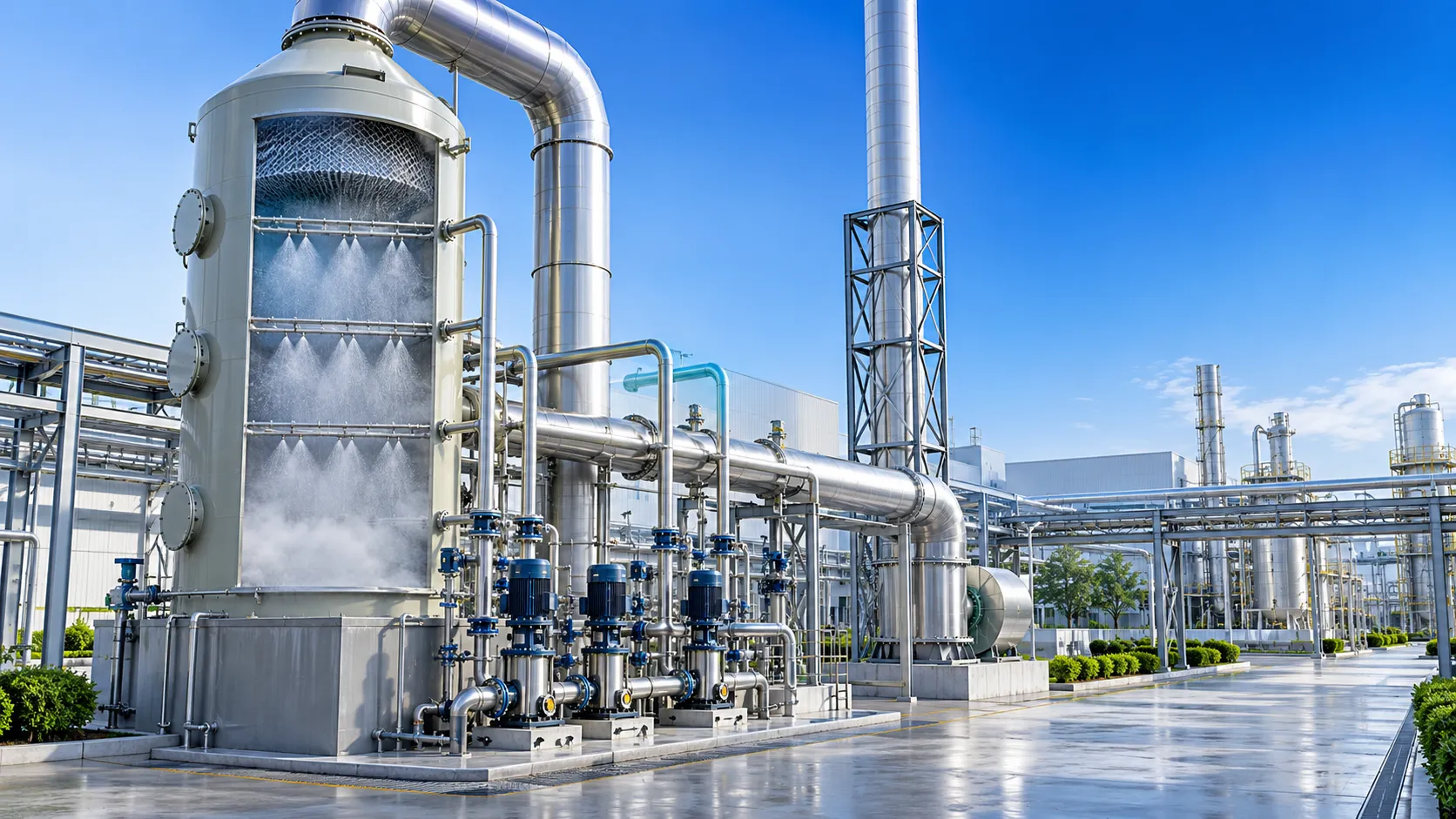
How to size a desulfurization equipment scrubber for variable gas flow
Desulfurization equipment scrubber sizing for variable gas flow: optimize SO2 removal, pressure drop, liquid-to-gas control, and compliance across every load.
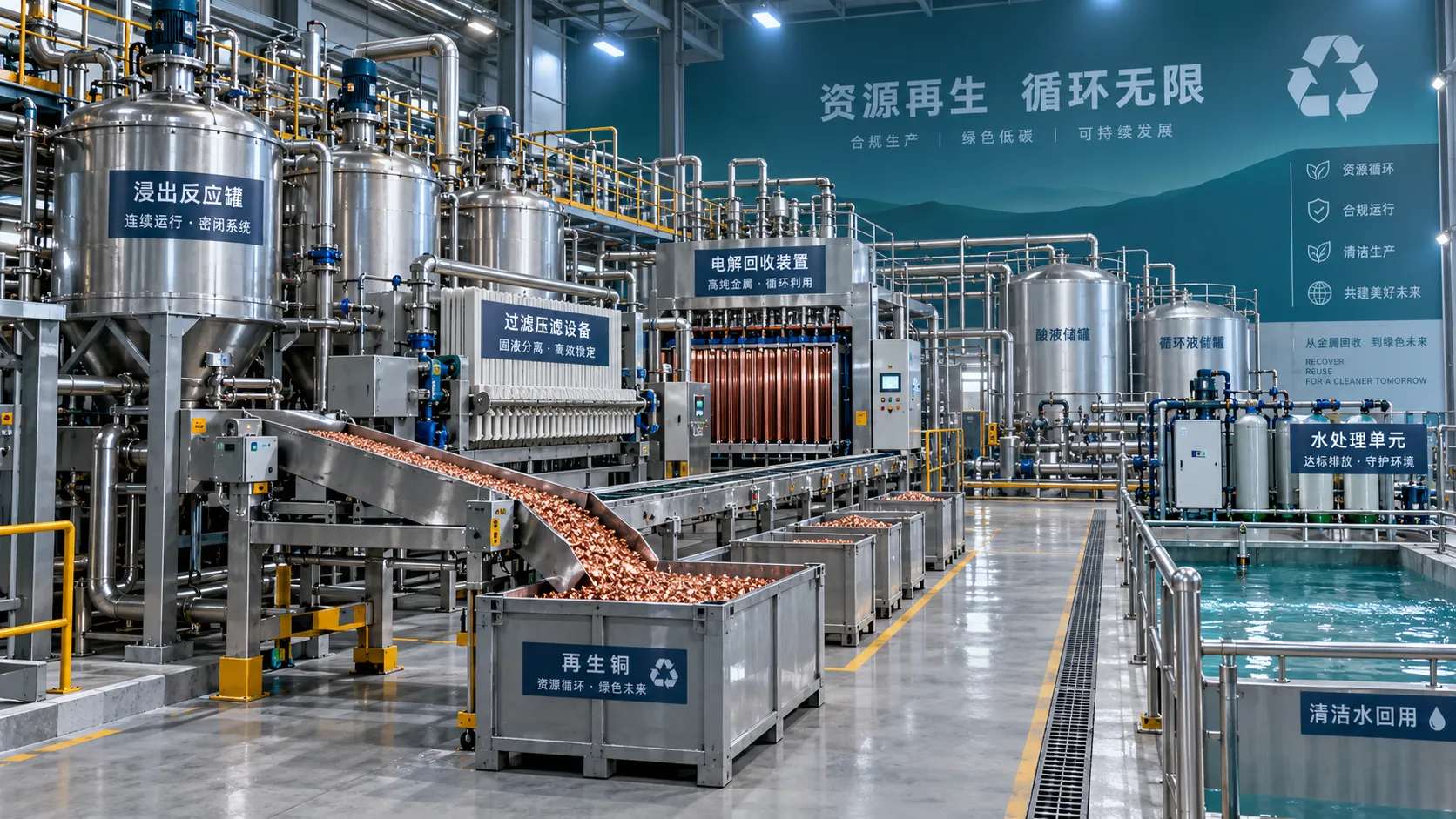
When does repeatable metals recovery infrastructure justify the investment?
Repeatable metals recovery infrastructure: discover when consistent feedstock, lower disposal costs, compliance control, and reliable offtake justify investment.
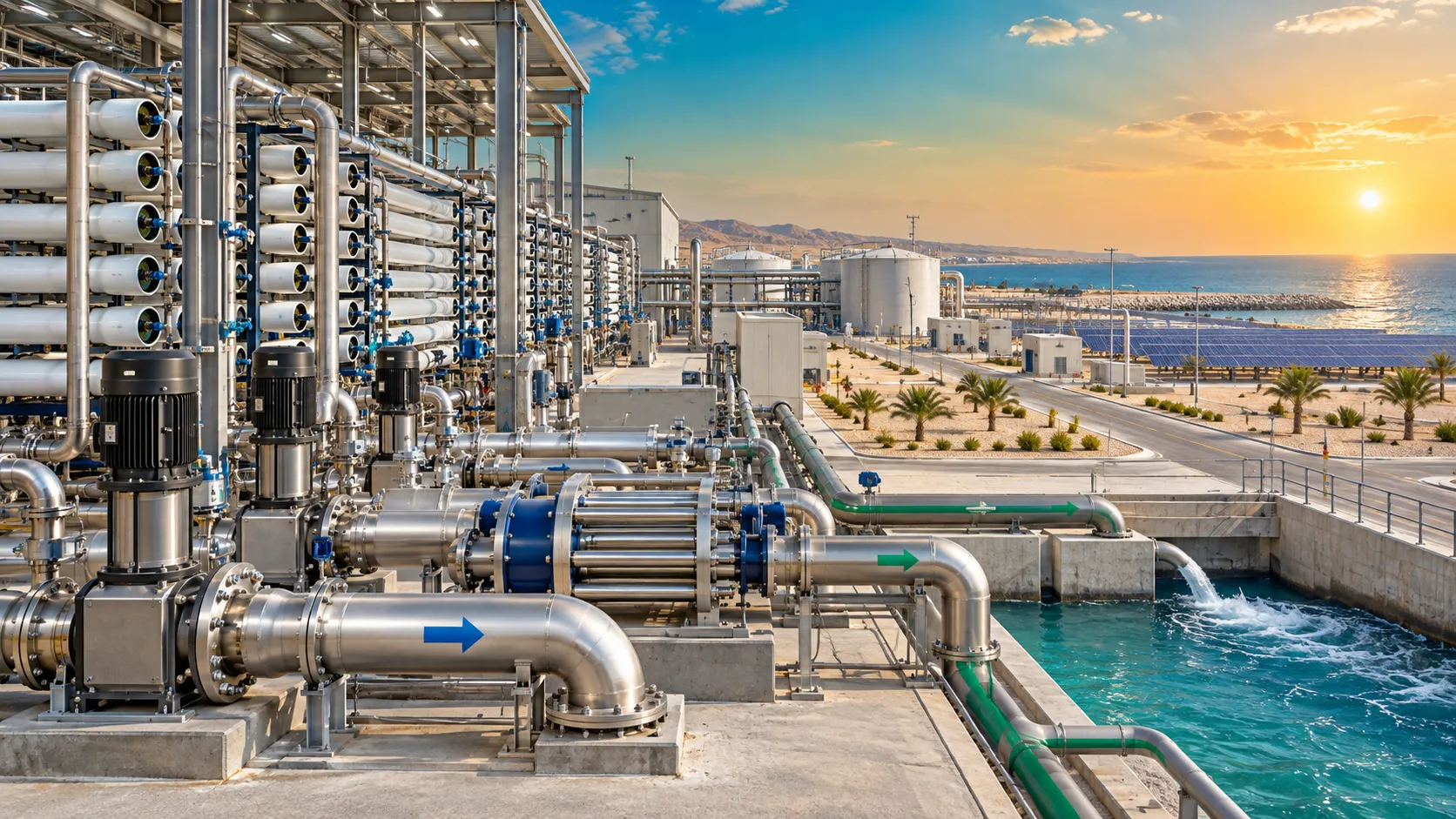
How energy recovery cuts the cost of seawater desalination in the Middle East
Seawater desalination Middle East projects can cut lifecycle costs with energy recovery. Explore savings, bankability, power-risk strategies, and smarter investment decisions.
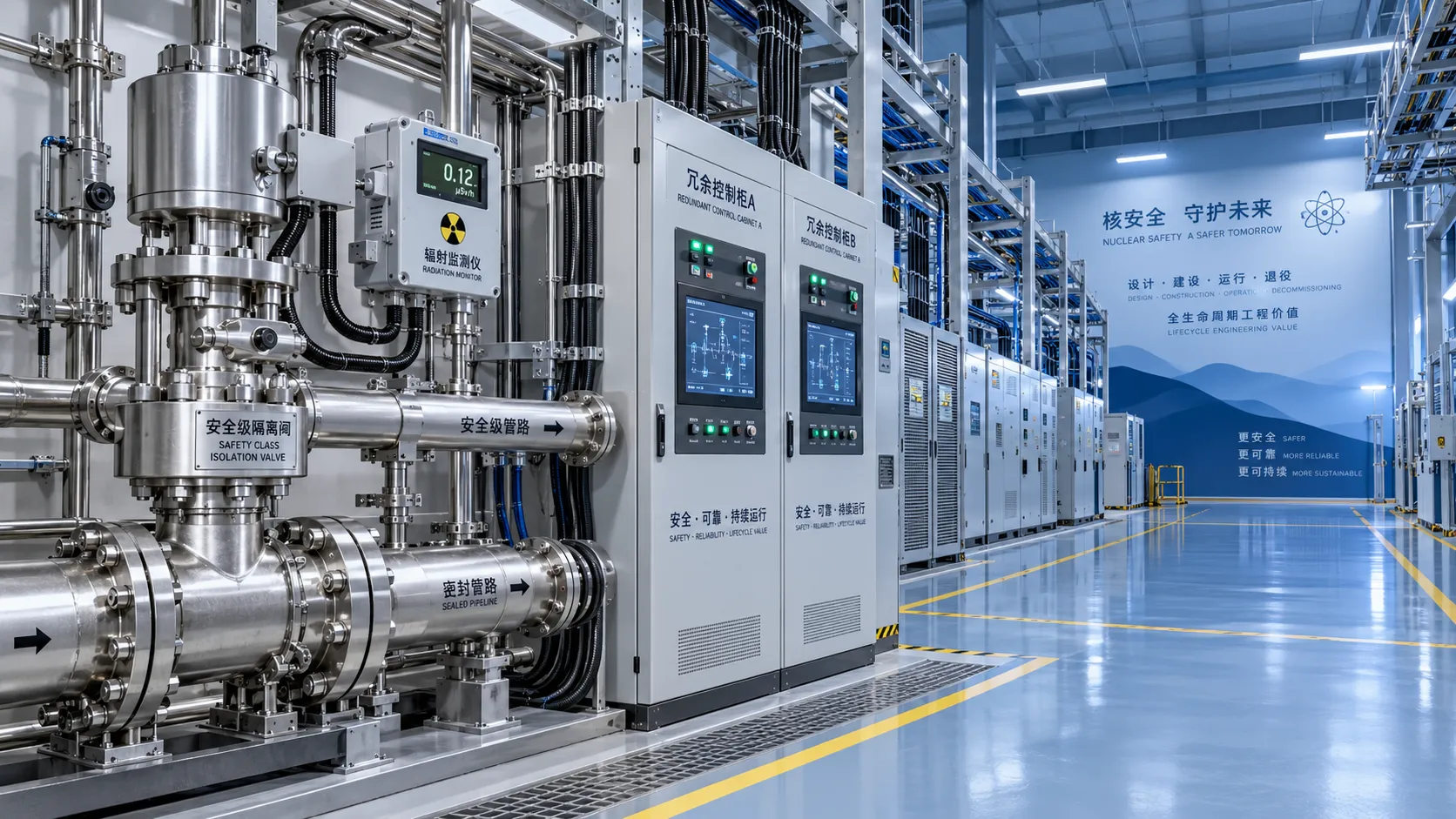
What drives nuclear safety solutions pricing for new facility projects?
Nuclear safety solutions pricing explained: uncover the key cost drivers for new facilities, from qualification and interfaces to lifecycle support.
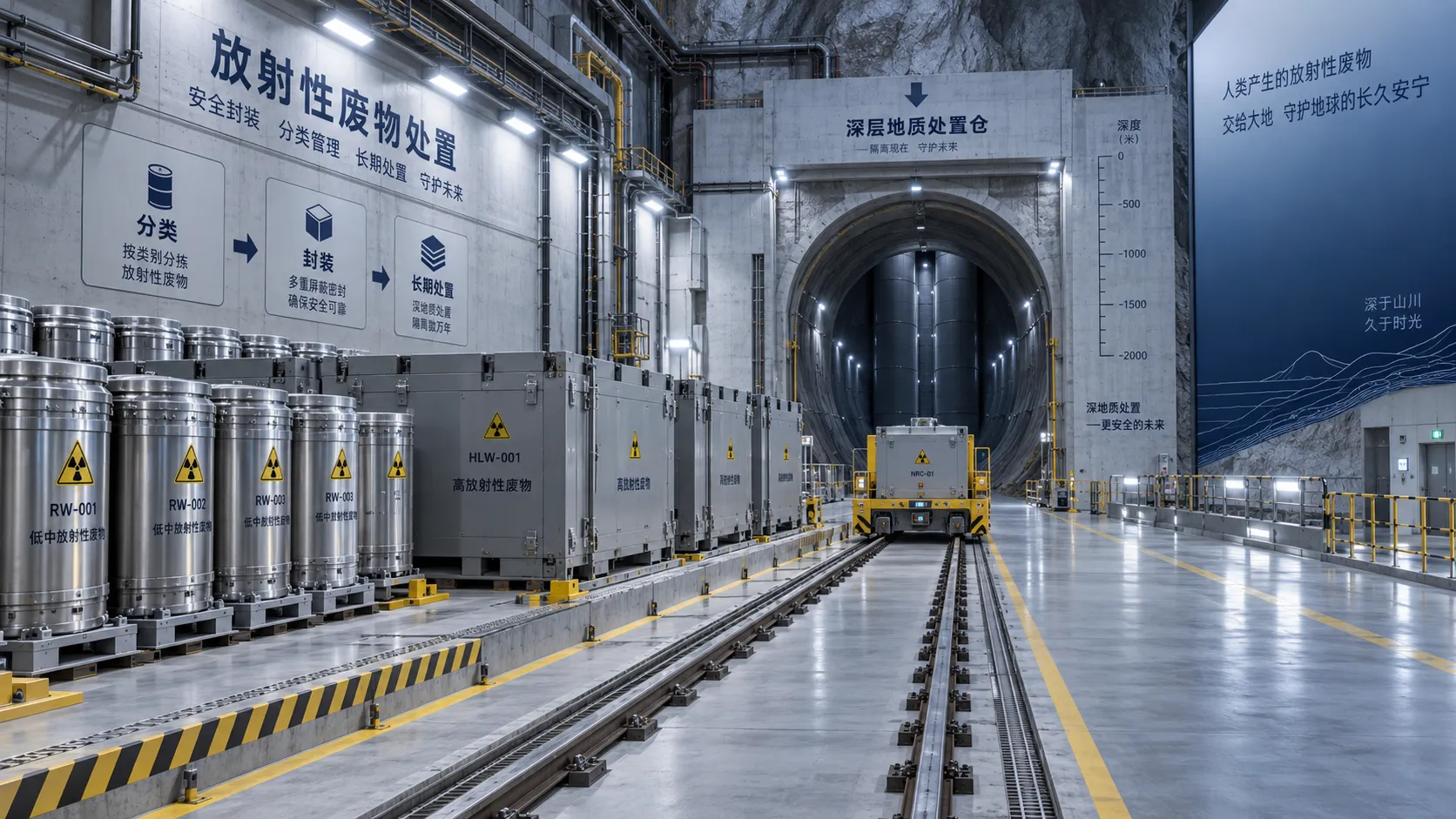
What drives radioactive waste cost over the life of a disposal project?
Radioactive waste cost depends on classification, treatment, transport, storage, disposal access, and long-term compliance. Explore the key lifecycle cost drivers.
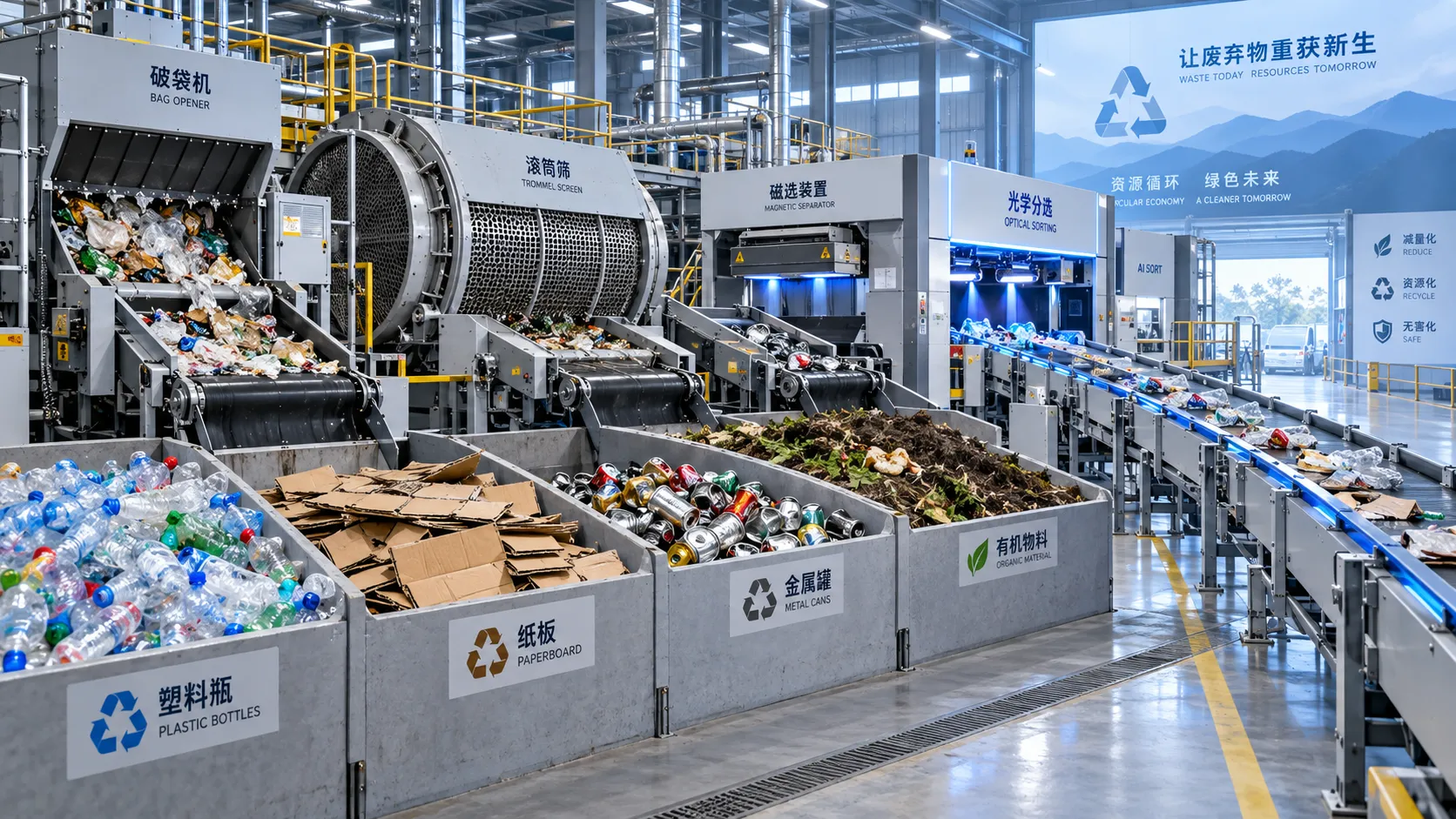
How to choose solid waste equipment based on waste stream characteristics
Environmental equipment guide for solid waste: discover how to match sorting, treatment, and recovery equipment to waste composition, moisture, contamination, and output goals.
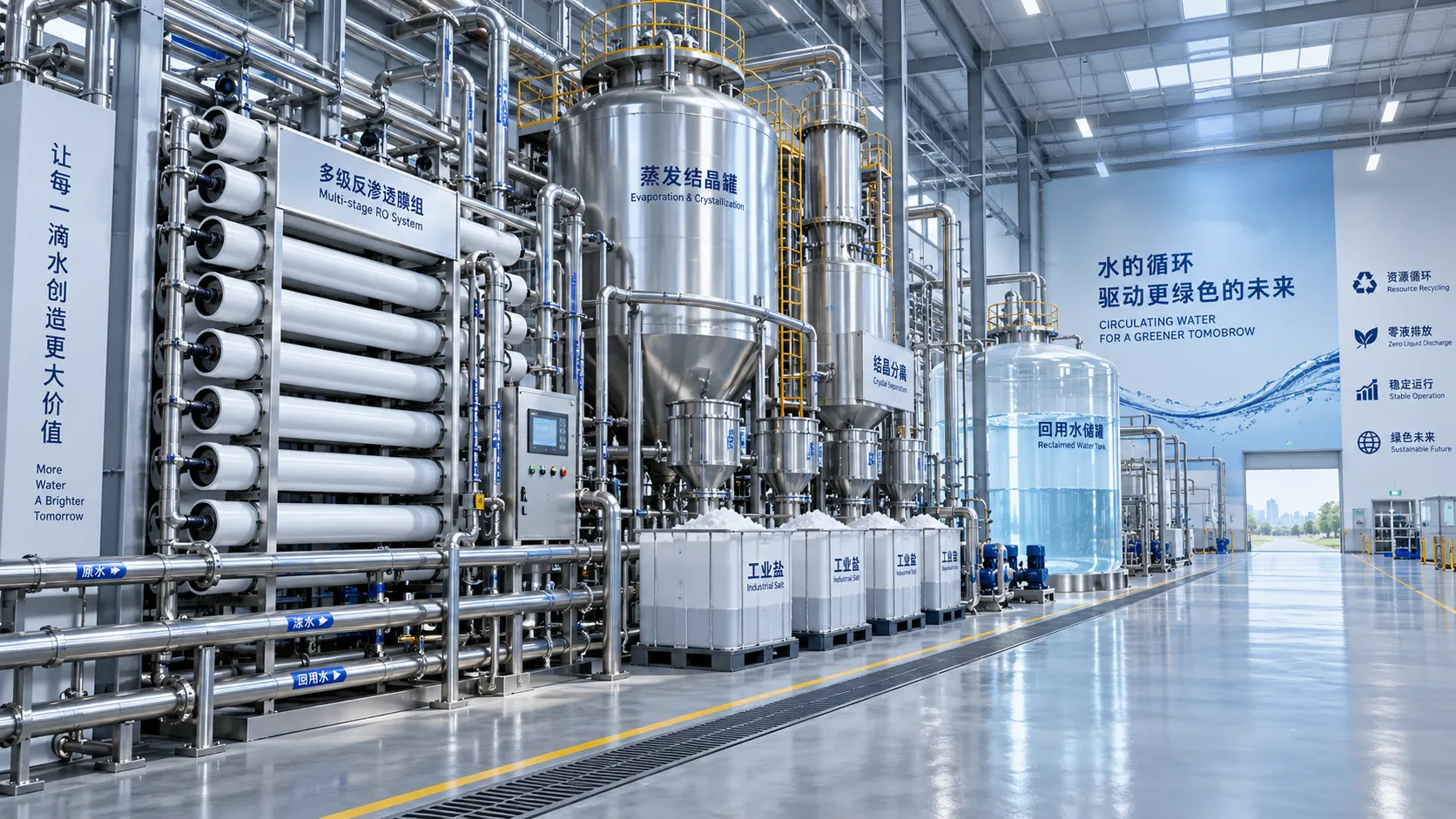
When does high recovery ZLD equipment justify its higher capital cost?
High recovery ZLD equipment can justify higher capital cost when water scarcity, discharge risks, brine disposal, and downtime threaten operations. Explore the decision factors.
How high purity heavy metal recovery affects recovered metal value
High purity heavy metal recovery boosts recovered metal value by improving payability, reducing penalties, and unlocking stronger buyer opportunities. Explore smarter netback strategies.