
Industry News
Curation by industry experts
Hot Articles
Popular Tags
How to select FGD systems for coal boilers based on sulfur content
Coal sulfur content is the correct starting point for FGD selection, but it is not a standalone sizing parameter. A coal specification stating 0.8% sulfur or 2.5% sulfur does not directly determine the required scrubber type. The engineering consequence depends on the boiler’s actual fuel throughput, heating value, sulfur form, load profile, uncontrolled SO2 concentration, applicable emission limit, and the margin needed to remain compliant when coal quality changes.
The most defensible selection process begins by converting sulfur in delivered coal into a credible SO2 mass-load envelope. Only then can a project team judge whether wet limestone FGD, lime-based spray dry absorption, circulating dry scrubbers, or a limited dry-sorbent approach can meet the required removal rate with acceptable reagent use, waste generation, water demand, operability, and lifecycle risk.
Sulfur content defines the inlet burden, not the technology by itself
For preliminary evaluation, the theoretical relationship is straightforward: one unit mass of sulfur oxidized in combustion forms approximately two unit masses of SO2. Thus, one tonne of coal containing 1% sulfur contains 10 kg of sulfur and can generate roughly 20 kg of SO2, before considering small deviations associated with sulfur retention in bottom ash or fly ash.
The practical input is not the annual average sulfur figure on a supply contract. FGD equipment must tolerate the upper operating envelope. That envelope should be developed from shipment-level coal analyses where possible and should distinguish among:
- normal sulfur content and high-sulfur excursions;
- planned fuel blends and emergency substitute fuels;
- design boiler load, minimum stable load, and load-following operation;
- coal heating value, which changes fuel mass flow for a given steam or electrical output;
- fuel sulfur variability over time rather than a single laboratory result.
A boiler burning lower-heating-value coal may require substantially more fuel per hour than one burning a higher-calorific coal. Two fuels with the same percentage sulfur can therefore impose very different hourly SO2 loads. Conversely, a high-sulfur coal at reduced boiler output may produce a lower absolute mass flow than a low-sulfur coal at full load. The absorber, reagent preparation system, oxidation air system, slurry pumps, solids dewatering equipment, and flue-gas path should be assessed against mass flow and gas volume, not sulfur percentage alone.
Sulfur also has to be expressed in the units used by the permit or applicable regulation. A concentration limit in mg/Nm3, a mass-based limit, and an output-based limit lead to different engineering checks. The required control efficiency is derived from the relationship between uncontrolled emissions and the final compliance limit:
Required SO2 removal = 1 − (allowable outlet SO2 / uncontrolled inlet SO2)
A system that delivers 90% removal may be adequate for one coal and inadequate after a fuel switch, even if the unit’s rated capacity has not changed. Selection should therefore use a compliance matrix covering coal sulfur bands, boiler loads, bypass conditions where permitted, and the expected deterioration factors over the operating campaign.
Low-sulfur coal changes the economics, but not necessarily the compliance risk
Where coal sulfur is consistently low and the required SO2 reduction is moderate, a dry or semi-dry process can be technically attractive. Lower sulfur loading reduces reagent demand, solids production, and the absorber duty required to achieve a given outlet concentration. It can also make compact systems more feasible where an existing plant has limited space or cannot accommodate the civil work associated with a large wet FGD installation.
However, “low sulfur” has no universal technical meaning. A coal at 0.5% sulfur can still require high removal efficiency if the final limit is stringent, the boiler is large, or the coal is fired at high throughput. An apparently low-sulfur fuel can also have significant variability. Designing around its average value without checking maximum supply conditions may create a system that is economical on paper but has insufficient margin during normal commercial operation.
For low to moderate SO2 loads, three approaches are commonly considered:
- Dry sorbent injection (DSI): finely divided alkaline sorbent is injected into the flue-gas stream. It has a relatively simple physical arrangement and can be useful for incremental control, short operating periods, or installations constrained by capital and space. Its limitation is sorbent utilization. Achieving high removal can require substantial excess reagent and can significantly increase particulate loading and waste volume.
- Spray dry absorption (SDA): lime slurry is atomized into a spray dryer absorber, where water evaporation and gas-solid reaction occur together. A downstream fabric filter often contributes to final reaction and particulate capture. SDA is well suited to cases where water use must be lower than wet scrubbing and the required SO2 removal is within the system’s achievable range for the design gas conditions.
- Circulating dry scrubbers: hydrated lime is contacted with humidified gas and recirculated solids. The high solids inventory and recirculation can improve sorbent utilization compared with simple injection. These systems may be considered where water availability, wastewater avoidance, retrofit footprint, or moderate sulfur loading favor a dry process.
None of these technologies should be selected solely because sulfur is below an arbitrary threshold. The meaningful comparison is the removal requirement at the worst coal condition, calculated reagent stoichiometry, required outlet guarantee, expected waste handling capacity, and the consequences of operating near the technology’s practical performance boundary.
High-sulfur coal generally favors wet FGD when deep removal is required
As sulfur loading rises, wet flue gas desulfurization becomes more compelling, particularly where the outlet limit requires consistently high removal. Wet limestone FGD is widely applied because limestone is generally available, reagent cost can be favorable, and a properly designed absorber can sustain high SO2 capture over a broad range of inlet loads. Magnesium-enhanced lime systems may also be evaluated where reagent characteristics, existing infrastructure, or specific performance requirements justify their use.
In a wet limestone system, flue gas contacts recirculating alkaline slurry in an absorber. SO2 dissolves into the liquid and reacts with calcium-based reagent. Forced oxidation is commonly used to convert sulfite compounds to gypsum, which can be dewatered. The concept is mature, but selecting it requires much more than specifying an absorber diameter.
At higher sulfur levels, the design review should focus on whether the entire material-handling chain has sufficient capacity:
- limestone unloading, storage, crushing or grinding, and slurry preparation;
- absorber liquid-to-gas ratio, recirculation pump duty, and spray coverage;
- oxidation air capacity and oxidation reliability;
- reaction tank residence time and solids concentration control;
- gypsum dewatering, storage, transport, and disposal or beneficial-use requirements;
- chloride purge, wastewater treatment, and makeup-water quality;
- induced-draft fan capacity to overcome added pressure loss.
A common error is to treat gypsum production as a secondary issue. For a high-sulfur coal, the solids stream can become a major operating constraint. Whether gypsum is marketable depends on purity, moisture, local demand, logistics, and customer specifications; it should not be assumed to be a revenue-generating by-product. The base design must remain viable if all dewatered solids require disposal.
High sulfur also increases the consequences of reagent quality variation. Limestone reactivity, particle-size distribution, calcium carbonate content, and inert material affect dissolution and utilization. A low-cost reagent that fails to maintain pH control or requires excessive grinding can create higher operating cost and poorer removal performance than a more suitable material with a higher delivered price.
Removal efficiency must be matched to the full fuel envelope
Technology discussions often use nominal removal values, but a nominal value does not reveal whether the system will remain compliant. A coal-fired unit may face conditions in which the sulfur content rises at the same time that boiler load, oxygen level, ash content, or inlet gas temperature shifts. The selected FGD system needs a stated guaranteed operating window rather than a single efficiency number.
Consider a unit designed around coal with 1.0% sulfur that later fires a 1.6% sulfur blend. If fuel throughput remains similar, the inlet SO2 mass load increases by roughly 60%. If the emission limit remains unchanged, the required percentage removal also rises. This can push a marginally sized semi-dry system beyond its economic or technical operating range, while a wet absorber may need additional pump capacity, reagent feed, oxidation air, or spare module availability to sustain performance.
The relevant question is not whether a supplier can demonstrate a high removal rate under favorable test conditions. It is whether that rate is guaranteed at maximum sulfur, design gas flow, anticipated inlet temperature, specified chloride concentration, reagent quality range, and realistic equipment availability. The guarantee boundary should explicitly identify the assumed coal analysis and define how compliance is evaluated during fuel blending.
Coal sulfur interacts with other flue-gas constituents
Sulfur concentration cannot be isolated from ash chemistry and upstream emission controls. Fly ash affects dry and semi-dry systems because it shares the particulate-control device with reacted sorbent. The total solids loading influences fabric-filter sizing, ash handling, hopper capacity, and the feasibility of recycling solids. High ash content can also dilute reacted material and complicate any attempt to separate ash from FGD residues.
For wet systems, chlorides, fluorides, trace metals, and acid gases influence materials selection, wastewater management, and corrosion risk. Chlorides enter through coal, makeup water, and recirculated process streams. Their accumulation in absorber liquor may require a purge stream, which transfers part of the environmental management burden from the stack to wastewater treatment. The correct evaluation is therefore not simply “wet systems use more water”; it is whether a site can reliably supply suitable makeup water and manage purge water under local discharge or zero-liquid-discharge constraints.
NOx control configuration matters as well. Selective catalytic reduction can increase the importance of ammonia-slip management, while particulate-control equipment location affects ash characteristics and gas temperature entering the FGD. A retrofit should be assessed as an integrated flue-gas train, including boiler, air preheater, ESP or fabric filter, draft fans, ductwork, FGD, stack, and continuous emissions monitoring system.
Retrofit constraints can overturn the apparent sulfur-based choice
Even when sulfur loading strongly favors wet FGD, site constraints can alter the decision. Wet systems need substantial space for absorber vessels, slurry tanks, limestone preparation, gypsum dewatering, wastewater treatment, ductwork, and access for maintenance. They also add significant structural and hydraulic requirements. Existing induced-draft fans may not have adequate pressure margin, and stack liner materials may need review because of changes in gas temperature and moisture.
Dry and semi-dry systems can reduce water demand and may offer a more practical physical arrangement in some retrofits, but they transfer the burden toward sorbent storage, solids transport, fabric-filter capacity, compressed air, and disposal logistics. A compact reactor does not necessarily mean a compact overall installation once reagent silos, ash handling, and residue storage are included.
Part-load behavior deserves equal attention. Coal units that cycle or follow variable dispatch do not present steady absorber conditions. At low gas flow, gas-liquid contacting, slurry circulation turndown, humidification control, and reaction temperature can move away from their preferred operating range. A technology should be evaluated for the actual load profile, including startup and transitions, rather than only at the boiler’s maximum continuous rating.
A selection basis that withstands fuel and regulatory change
The selection record should start with a design coal matrix, not a single “typical” coal value. That matrix should list total sulfur, heating value, ash, chlorine, moisture, alkali content where relevant, and expected blending scenarios. It should then convert each condition into fuel flow, flue-gas flow, inlet SO2 mass rate, inlet concentration, and required removal to meet the applicable limit.
From there, each candidate FGD system can be compared against the same conditions: guaranteed outlet performance, reagent consumption at design and maximum sulfur, auxiliary power, water balance, waste or gypsum mass balance, pressure loss, turndown, maintenance access, materials-of-construction requirements, and contingency capacity. This approach prevents a low initial equipment price from masking a large recurring cost in lime, limestone grinding, power, wastewater treatment, or residue disposal.
Coal sulfur should also be treated as a commercial variable. If future supply agreements allow a broader sulfur range than the original fuel specification, the FGD design margin has direct value. A system designed only for today’s nominal coal can restrict future sourcing flexibility or create a compliance exposure when lower-cost coal blends become available. Conversely, installing maximum-capacity wet scrubbing for a tightly controlled, persistently low-sulfur fuel may impose capital and operating burdens that the regulatory requirement does not justify.
The strongest decision is therefore not “wet for high sulfur and dry for low sulfur.” It is a documented match between the maximum credible SO2 burden, the required outlet limit, the site’s water and waste constraints, and the operating range the plant must sustain. Sulfur content establishes the scale of the problem; reliable FGD selection depends on proving that the selected system can solve that problem across the full conditions under which the boiler will actually run.
Recommended News
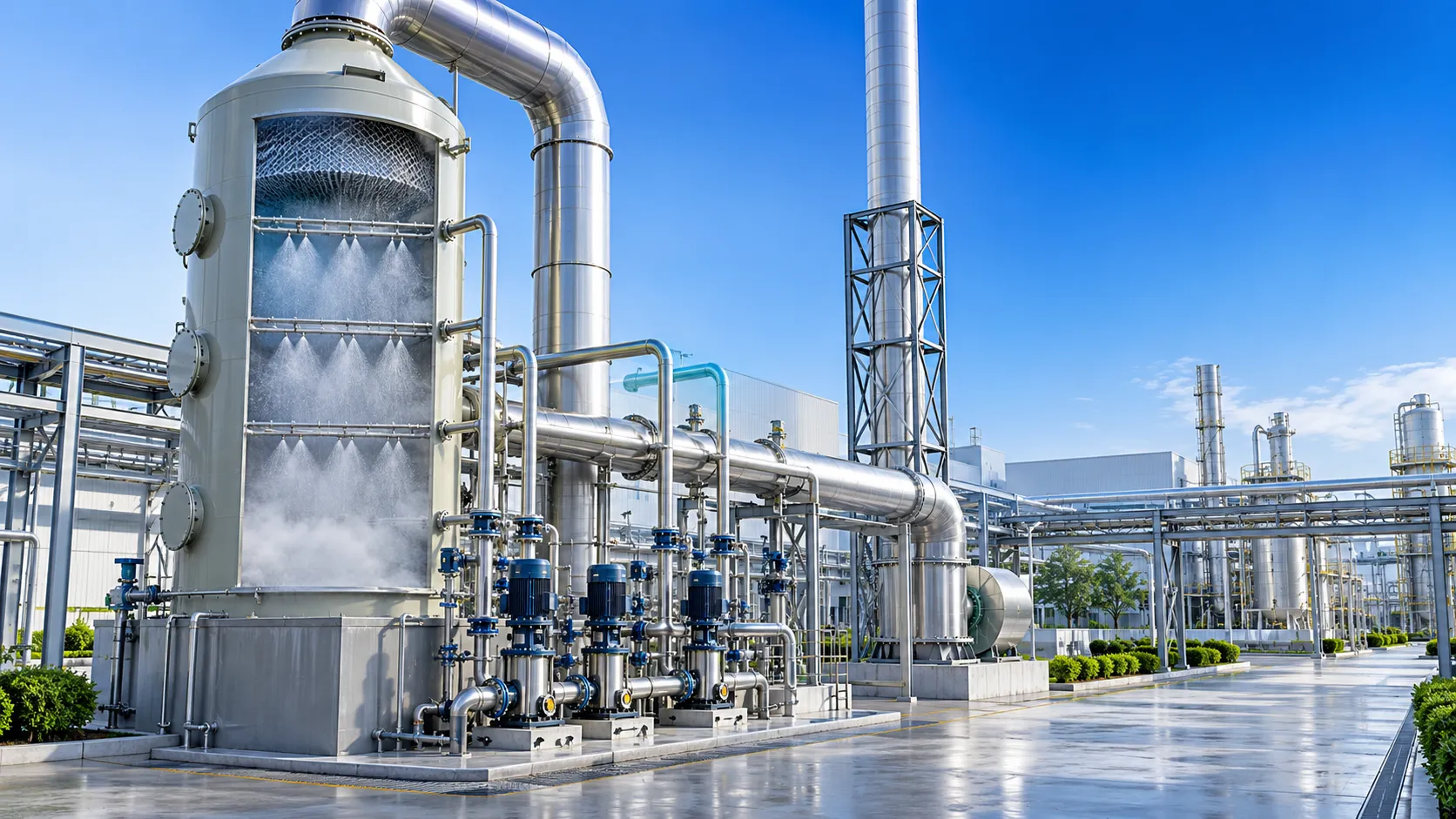
How to size a desulfurization equipment scrubber for variable gas flow
Desulfurization equipment scrubber sizing for variable gas flow: optimize SO2 removal, pressure drop, liquid-to-gas control, and compliance across every load.
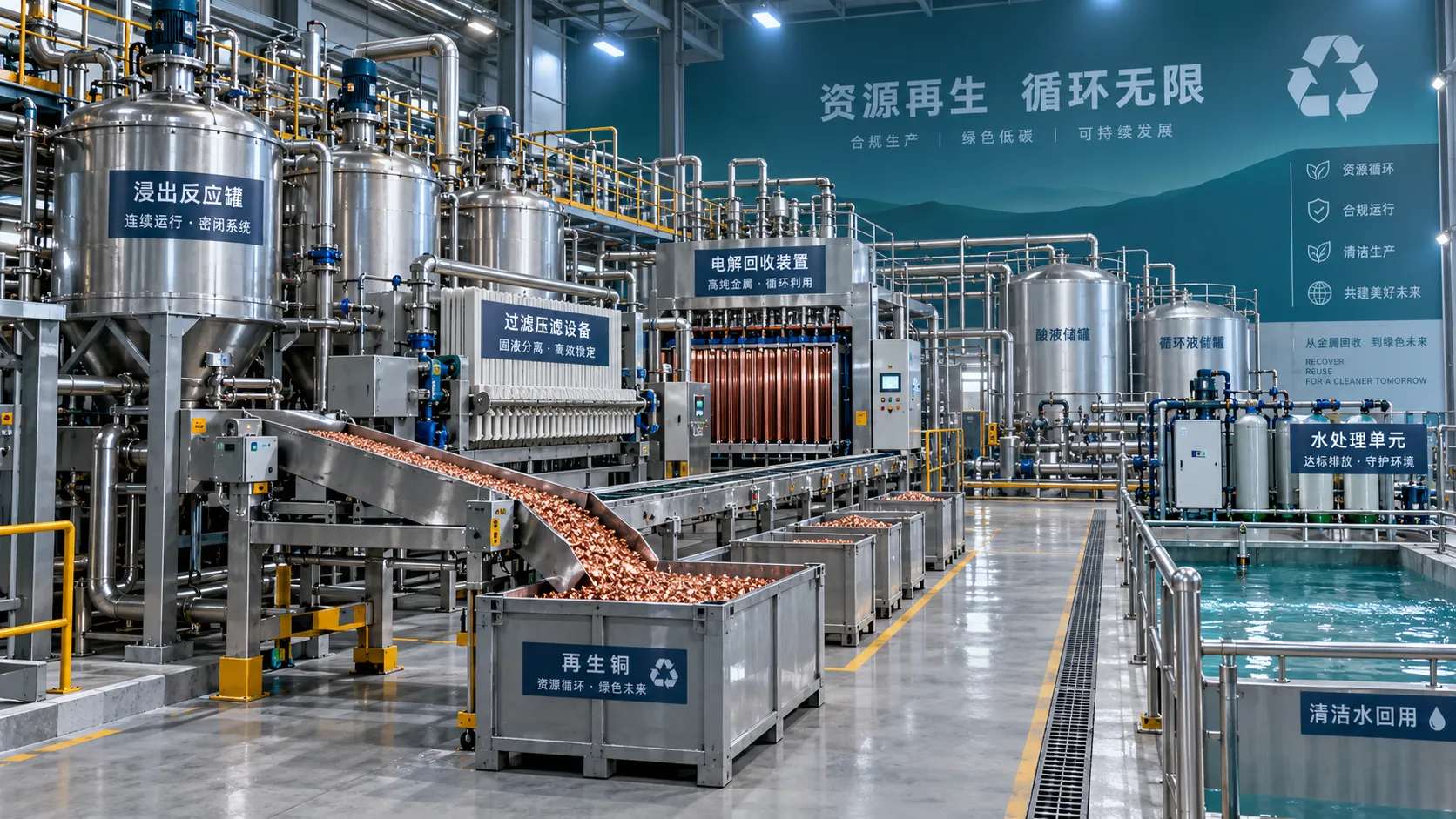
When does repeatable metals recovery infrastructure justify the investment?
Repeatable metals recovery infrastructure: discover when consistent feedstock, lower disposal costs, compliance control, and reliable offtake justify investment.
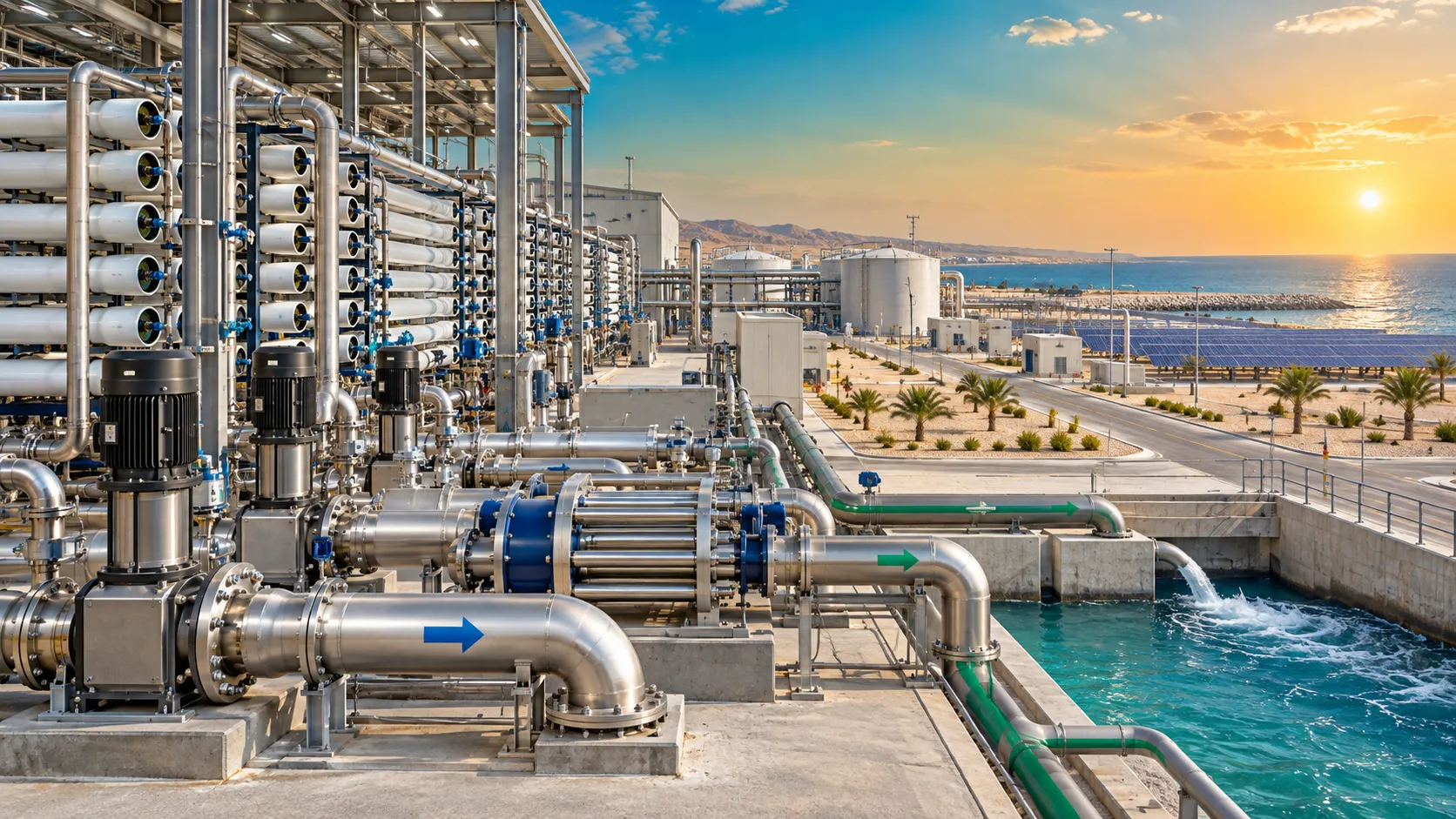
How energy recovery cuts the cost of seawater desalination in the Middle East
Seawater desalination Middle East projects can cut lifecycle costs with energy recovery. Explore savings, bankability, power-risk strategies, and smarter investment decisions.
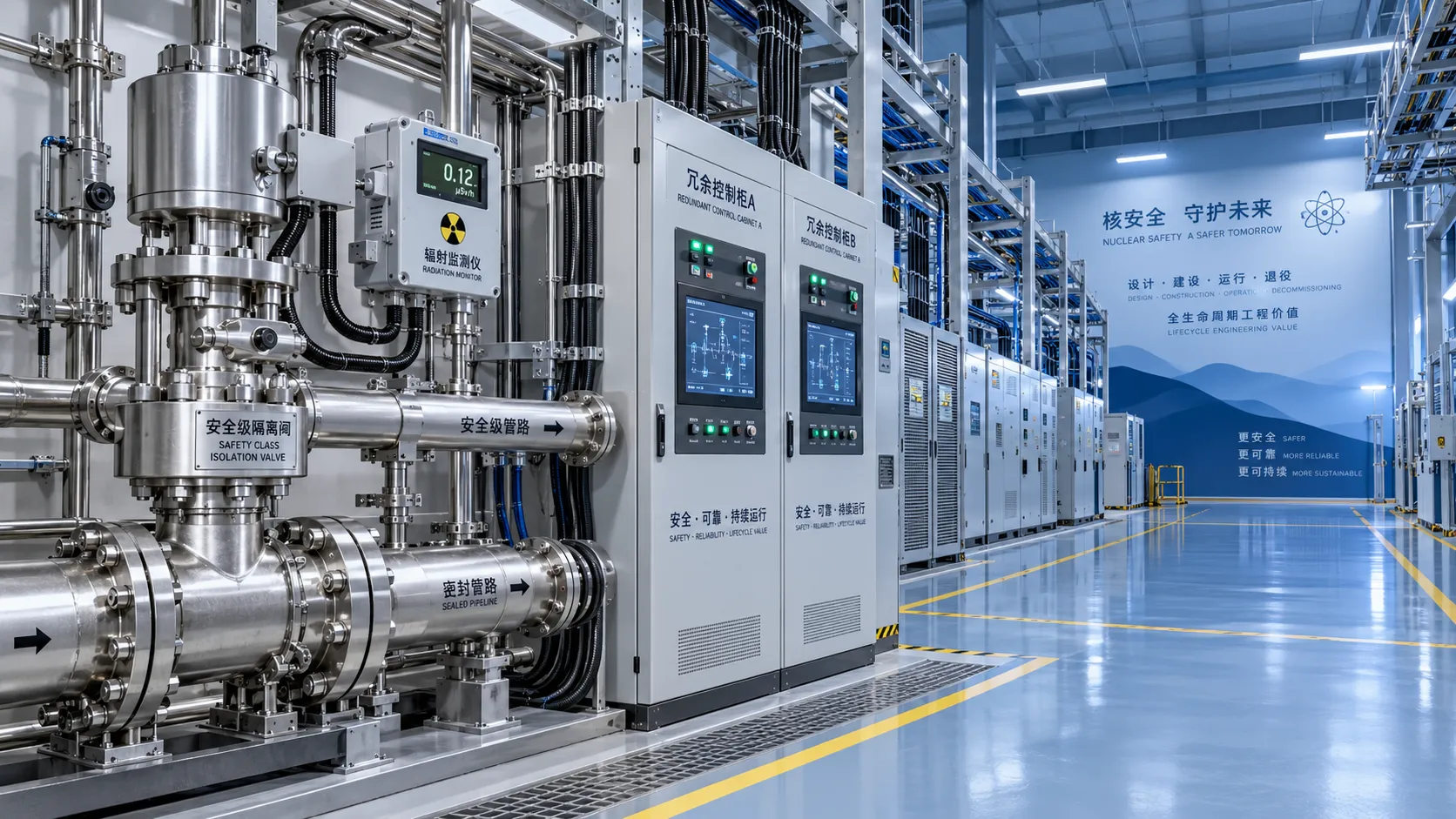
What drives nuclear safety solutions pricing for new facility projects?
Nuclear safety solutions pricing explained: uncover the key cost drivers for new facilities, from qualification and interfaces to lifecycle support.
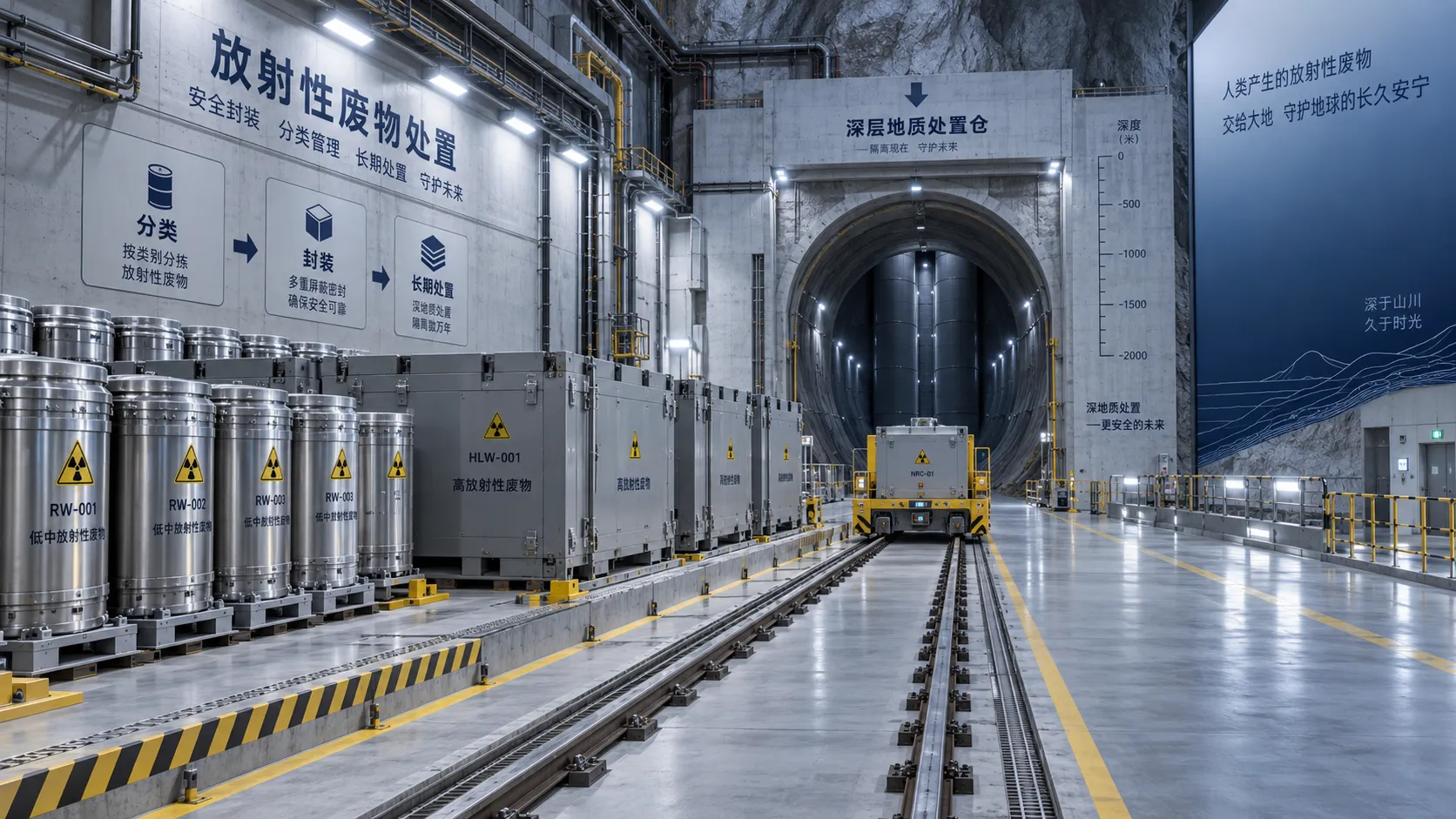
What drives radioactive waste cost over the life of a disposal project?
Radioactive waste cost depends on classification, treatment, transport, storage, disposal access, and long-term compliance. Explore the key lifecycle cost drivers.
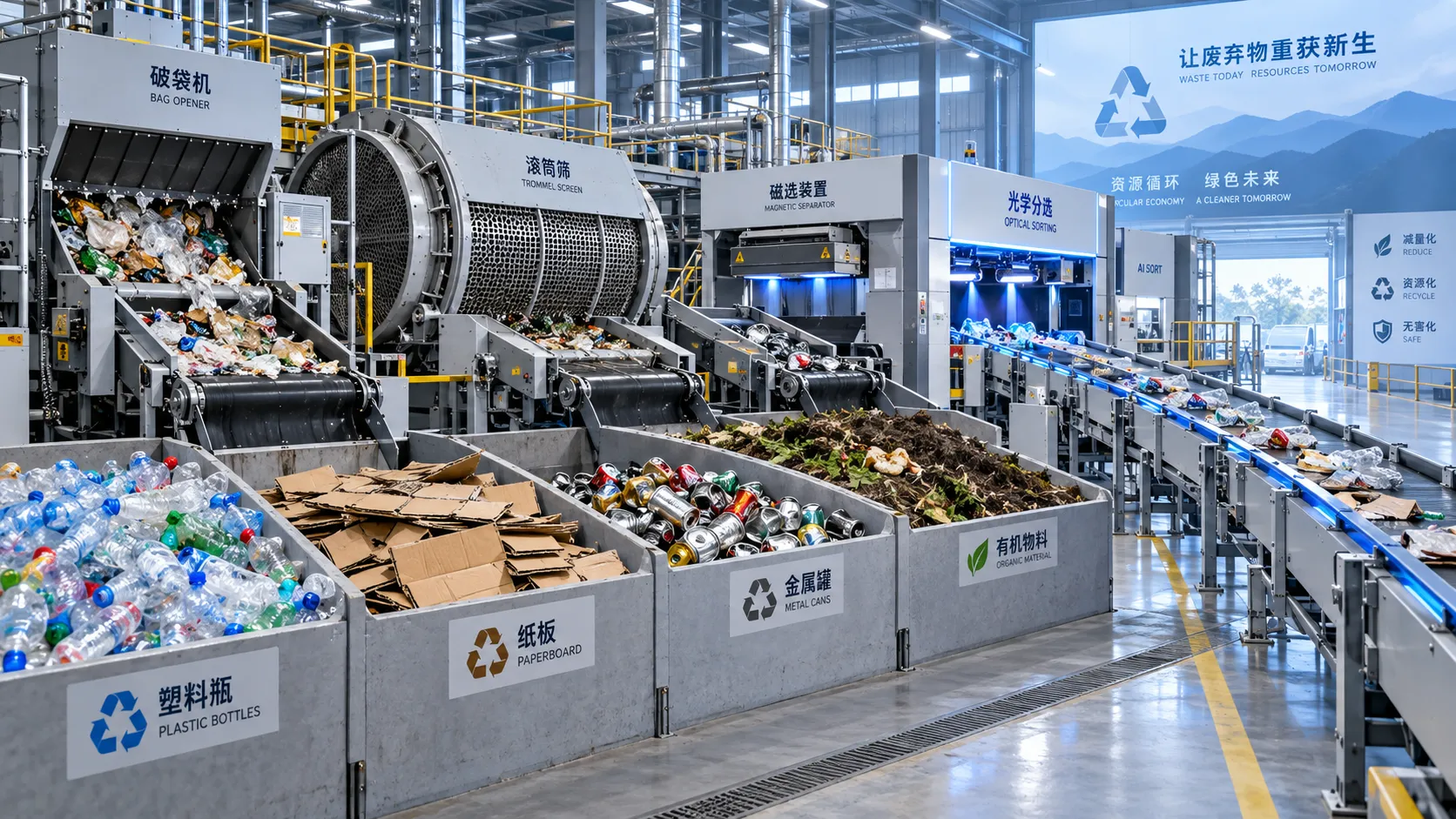
How to choose solid waste equipment based on waste stream characteristics
Environmental equipment guide for solid waste: discover how to match sorting, treatment, and recovery equipment to waste composition, moisture, contamination, and output goals.
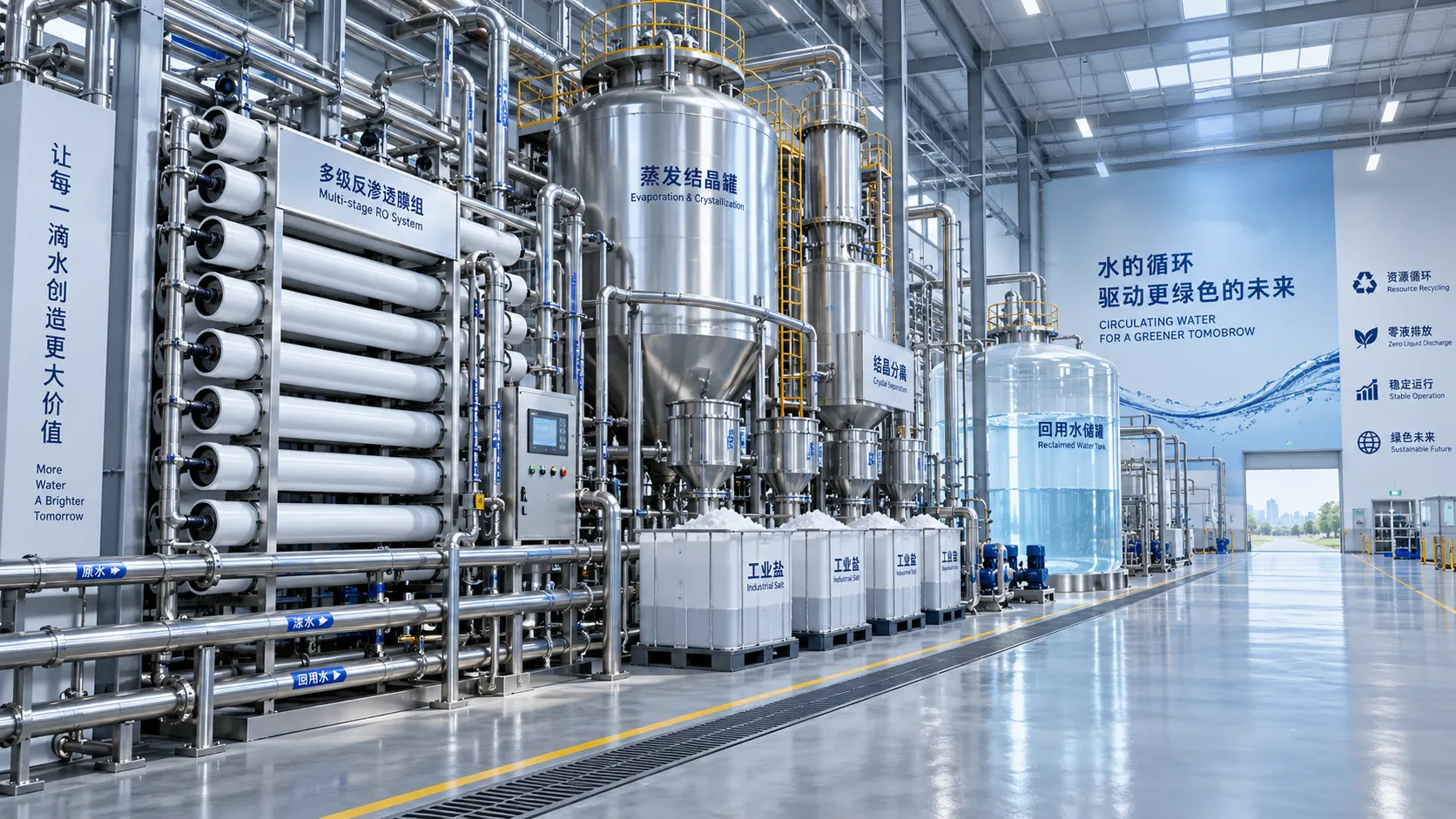
When does high recovery ZLD equipment justify its higher capital cost?
High recovery ZLD equipment can justify higher capital cost when water scarcity, discharge risks, brine disposal, and downtime threaten operations. Explore the decision factors.
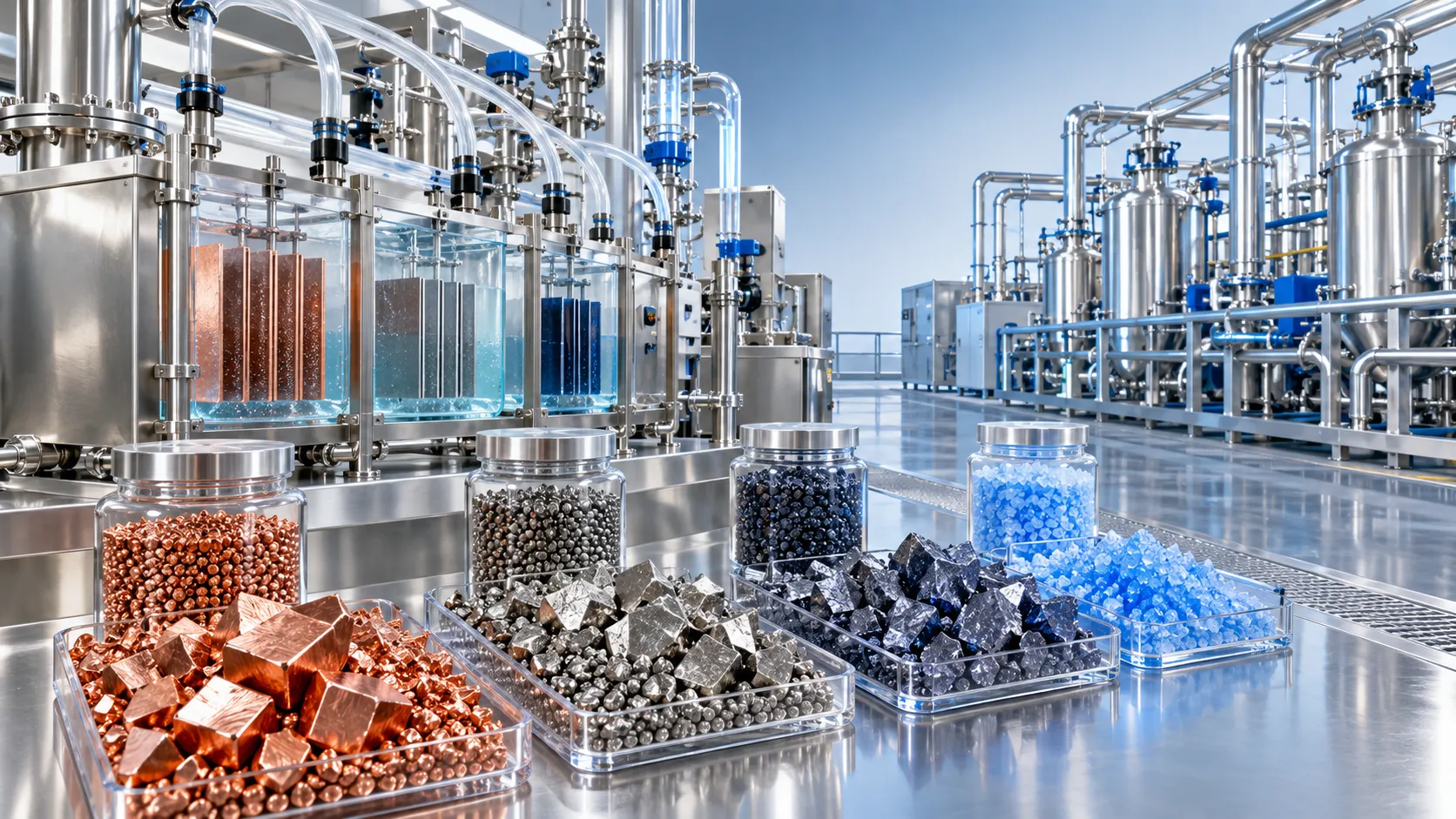
How high purity heavy metal recovery affects recovered metal value
High purity heavy metal recovery boosts recovered metal value by improving payability, reducing penalties, and unlocking stronger buyer opportunities. Explore smarter netback strategies.
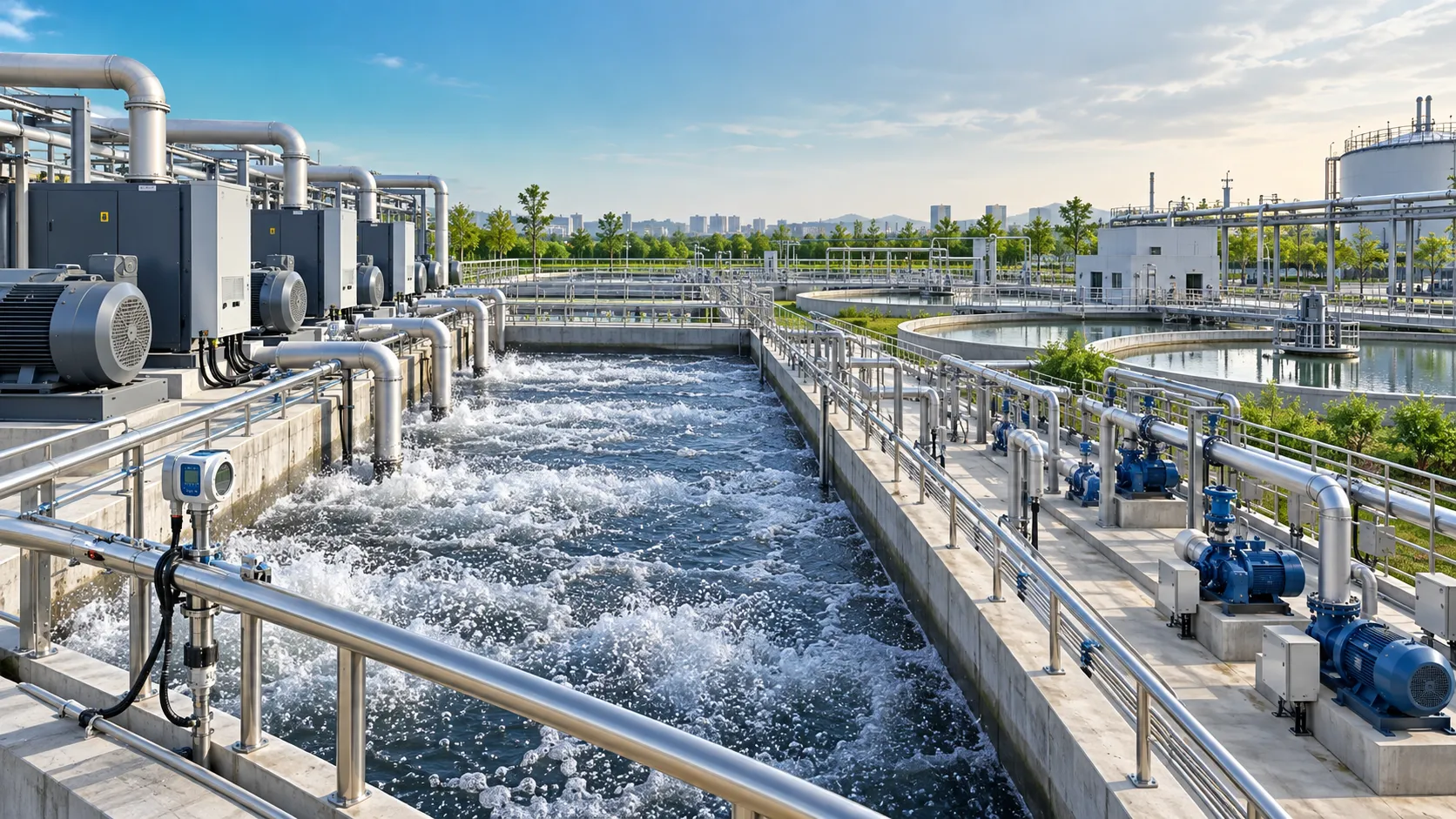
When does environmental equipment intelligence reduce wastewater plant energy use?
Environmental equipment intelligence for wastewater plants cuts energy use through smarter aeration, pumping, and data-driven controls—without compromising compliance. Discover when it delivers measurable savings.