
Industry News
Curation by industry experts
Hot Articles
Popular Tags
Flue Gas Treatment Unit Selection: Wet vs Dry Options for Emission Control
Selecting a flue gas treatment unit is rarely a simple wet-versus-dry comparison. The choice affects permit certainty, reagent logistics, energy use, corrosion risk, and outage planning across the full asset life.
That is why the subject remains central in heavy industry, power generation, waste recovery, minerals processing, and other emission-intensive operations facing tighter environmental scrutiny and rising operating discipline.
For a platform like ESD, which tracks environmental equipment as part of a wider ecological control system, flue gas treatment is not an isolated package. It connects directly with water balance, solids handling, compliance strategy, and long-term plant resilience.
What a flue gas treatment unit is expected to do
At its core, a flue gas treatment unit removes or reduces harmful components before stack discharge. Depending on the process, those components may include SOx, HCl, HF, particulate matter, heavy metals, and acid gases.
In many projects, the unit also supports downstream performance. Stack visibility, plume behavior, fan load, ash quality, wastewater generation, and by-product stability can all shift with the selected configuration.
This is where selection errors become expensive. A system that performs well in a datasheet comparison may still struggle if fuel chemistry, load swings, water availability, or waste disposal conditions were underestimated.
Why wet and dry options are receiving closer attention
Emission limits are tightening in many jurisdictions, but the real pressure is broader than regulation alone. Carbon accounting, public permitting sensitivity, and plant uptime expectations are changing how treatment systems are judged.
A wet flue gas treatment unit may offer deeper acid gas removal under demanding conditions. A dry or semi-dry route may simplify water management and reduce liquid effluent exposure.
The tradeoff matters more now because environmental systems can no longer be reviewed as appendages. They are part of core production economics, especially in export-facing industries affected by CBAM-style compliance pressure.
Wet systems: where they fit and what they demand
Wet scrubbing technologies are widely used when high removal efficiency is required, especially for sulfur dioxide and soluble acid gases. They are common in coal power, non-ferrous smelting, refining, and large waste-to-energy plants.
A wet flue gas treatment unit typically uses an alkaline slurry or solution. The gas contacts droplets or a liquid film, allowing contaminants to dissolve and react before the cleaned gas exits.
Its strengths are well known. Wet systems can handle large gas volumes, support high pollutant loading, and maintain stable performance when inlet conditions fluctuate.
They also create obligations that must be understood early. Water demand, mist elimination, wastewater treatment, scaling control, and corrosion-resistant materials are not side issues. They shape capital and operating reality.
In regions where water is scarce, the decision becomes more complex. The treatment train may need integration with blowdown recovery, ZLD strategy, or broader plant water optimization.
Typical advantages of wet configurations
- High removal efficiency for SO2 and many acid gases
- Better tolerance for higher pollutant concentration
- Strong fit for large continuous-duty plants
- Potential by-product recovery in selected chemistries
Dry and semi-dry options: simpler water profile, different limits
Dry and semi-dry systems use alkaline reagents such as hydrated lime or sodium-based sorbents. Reaction occurs without a full liquid scrubbing loop, which changes both plant integration and maintenance behavior.
A dry flue gas treatment unit is often attractive where wastewater generation is unacceptable, footprint must be controlled, or operational simplicity is valued more than maximum removal depth.
These systems are common in municipal waste incineration, smaller boilers, industrial furnaces, and retrofits where adding large wet infrastructure would be difficult or uneconomic.
The main limitation is that performance can be more sensitive to temperature windows, residence time, reagent dispersion, and inlet gas variability. Reagent consumption may also rise if the system is pushed toward stricter limits.
Semi-dry designs, such as spray dryer absorbers, sit between the two categories. They use atomized slurry, but avoid a full wet scrubber loop and usually generate a dry solid residue for collection.
The comparison that actually matters in project evaluation
The right comparison is not “which technology is better.” It is “which flue gas treatment unit matches this gas stream, this site, and this compliance path with the fewest downstream penalties.”
This table is only a starting point. Final selection still depends on fuel sulfur, halogen content, particulate characteristics, expected load profile, local utility costs, and residue outlets.
Where selection mistakes usually begin
One common mistake is evaluating the flue gas treatment unit around average gas conditions. Compliance failures often happen during startup, low-load operation, fuel change, or process upset.
Another is treating residue management as a secondary problem. Wet systems may shift burden into wastewater and sludge handling. Dry systems may shift it into sorbent logistics and solids disposal classification.
Material compatibility is also underestimated. Chlorides, acid dew point conditions, and condensation zones can quietly turn a technically sound concept into a reliability problem.
From ESD’s broader perspective, this is why cross-system thinking matters. Flue gas treatment performance cannot be separated from water treatment, waste recovery, and plant environmental balance.
Questions that improve early screening
- What are the worst-case inlet gas conditions, not just nominal values?
- How stable is fuel or feedstock chemistry over a year?
- Is water availability secure under seasonal stress?
- What disposal or reuse route exists for by-products and residues?
- How much outage time can the plant realistically absorb?
How to align the unit with business and compliance goals
In practical terms, flue gas treatment unit selection should be built around three layers. The first is emissions performance. The second is operability. The third is environmental system integration.
If a site targets ultra-low emissions with volatile sulfur loading, wet scrubbing may justify its complexity. If water is constrained and discharge permits are tight, a dry pathway may create a cleaner overall balance.
For retrofit projects, physical constraints often dominate. Duct routing, fan margin, reagent storage, and solids extraction capacity can narrow the technology window before chemistry is even optimized.
For greenfield facilities, there is more freedom. Even then, the best flue gas treatment unit is usually the one that keeps future regulation, feed variation, and maintenance access in view from the start.
A practical next step for better selection
A useful next move is to build a decision matrix using real operating envelopes rather than brochure values. Include removal targets, inlet variability, reagent supply risk, water balance, residue route, and maintenance intervals.
That approach usually clarifies whether a wet or dry flue gas treatment unit is carrying hidden costs outside the emissions line item. It also helps reveal where hybrid configurations or staged treatment may be justified.
For organizations tracking environmental equipment through a broader systems lens, the strongest decisions come from comparing technologies as part of total ecological infrastructure, not as standalone boxes on a process flow diagram.
When the comparison is framed that way, unit selection becomes less about preference and more about fit: fit with the gas, fit with the site, and fit with the compliance trajectory the asset must survive.
Recommended News
How energy recovery cuts the cost of seawater desalination in the Middle East
Seawater desalination Middle East projects can cut lifecycle costs with energy recovery. Explore savings, bankability, power-risk strategies, and smarter investment decisions.
What drives nuclear safety solutions pricing for new facility projects?
Nuclear safety solutions pricing explained: uncover the key cost drivers for new facilities, from qualification and interfaces to lifecycle support.
What drives radioactive waste cost over the life of a disposal project?
Radioactive waste cost depends on classification, treatment, transport, storage, disposal access, and long-term compliance. Explore the key lifecycle cost drivers.
How to choose solid waste equipment based on waste stream characteristics
Environmental equipment guide for solid waste: discover how to match sorting, treatment, and recovery equipment to waste composition, moisture, contamination, and output goals.
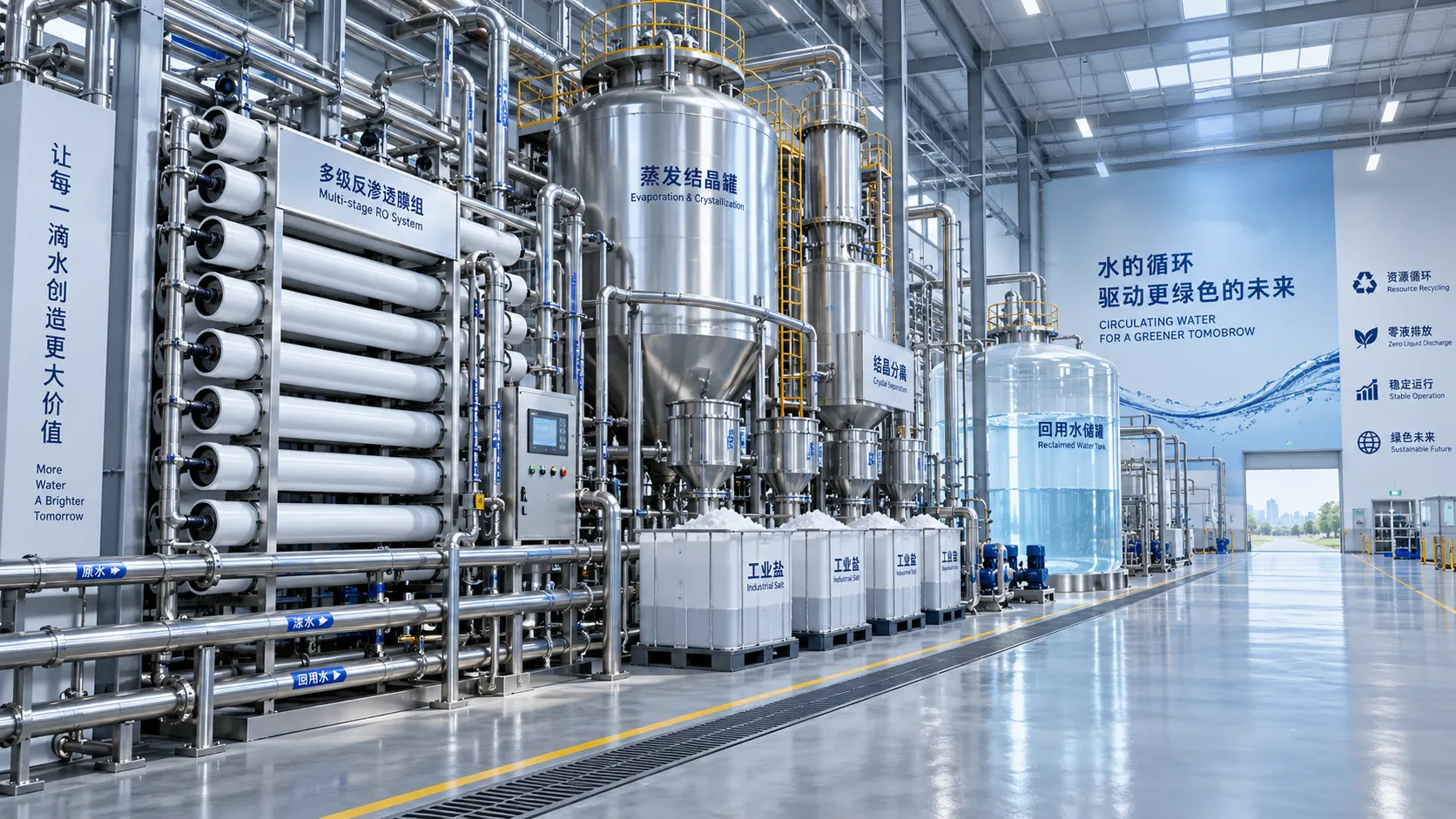
When does high recovery ZLD equipment justify its higher capital cost?
High recovery ZLD equipment can justify higher capital cost when water scarcity, discharge risks, brine disposal, and downtime threaten operations. Explore the decision factors.
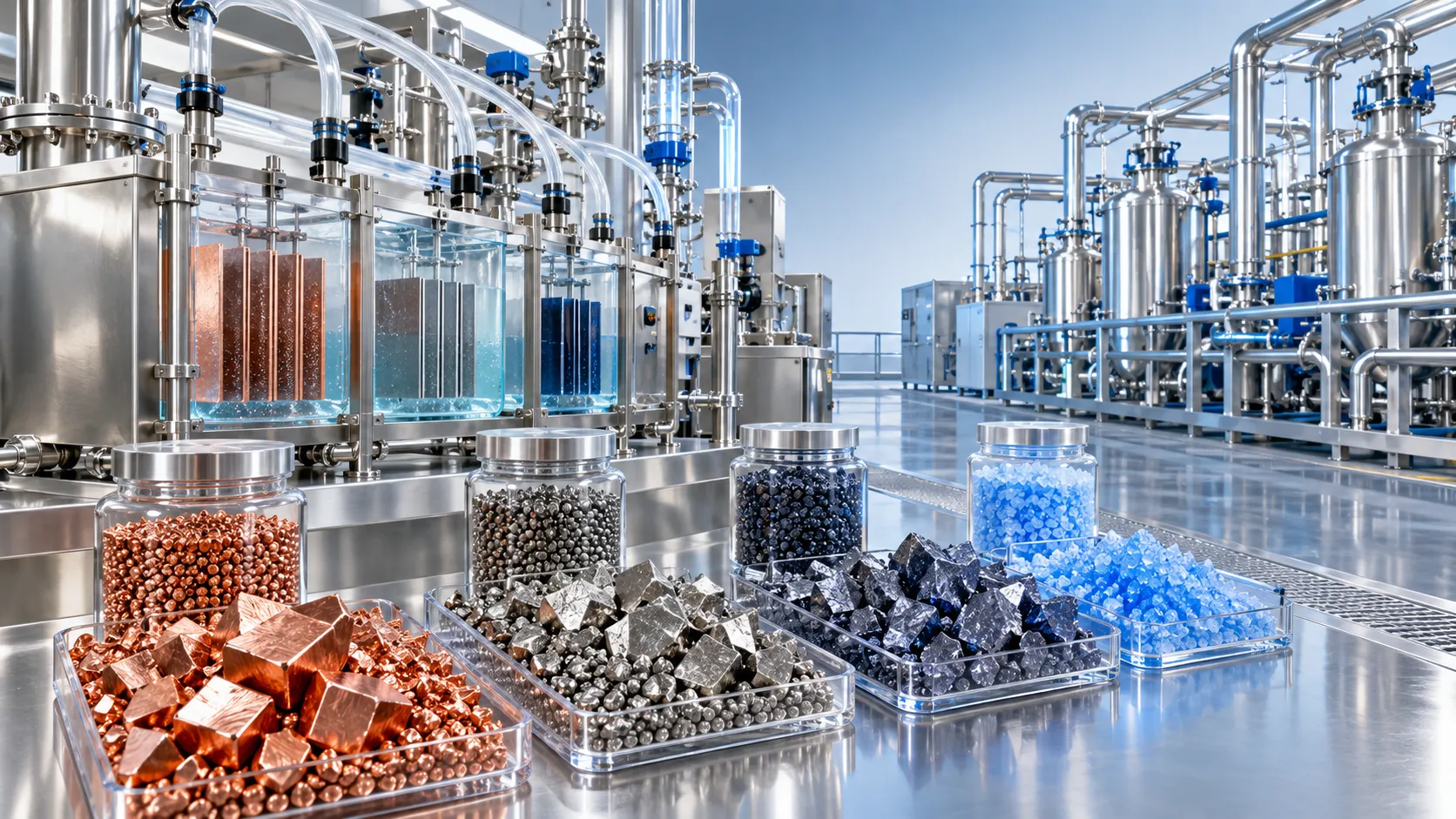
How high purity heavy metal recovery affects recovered metal value
High purity heavy metal recovery boosts recovered metal value by improving payability, reducing penalties, and unlocking stronger buyer opportunities. Explore smarter netback strategies.
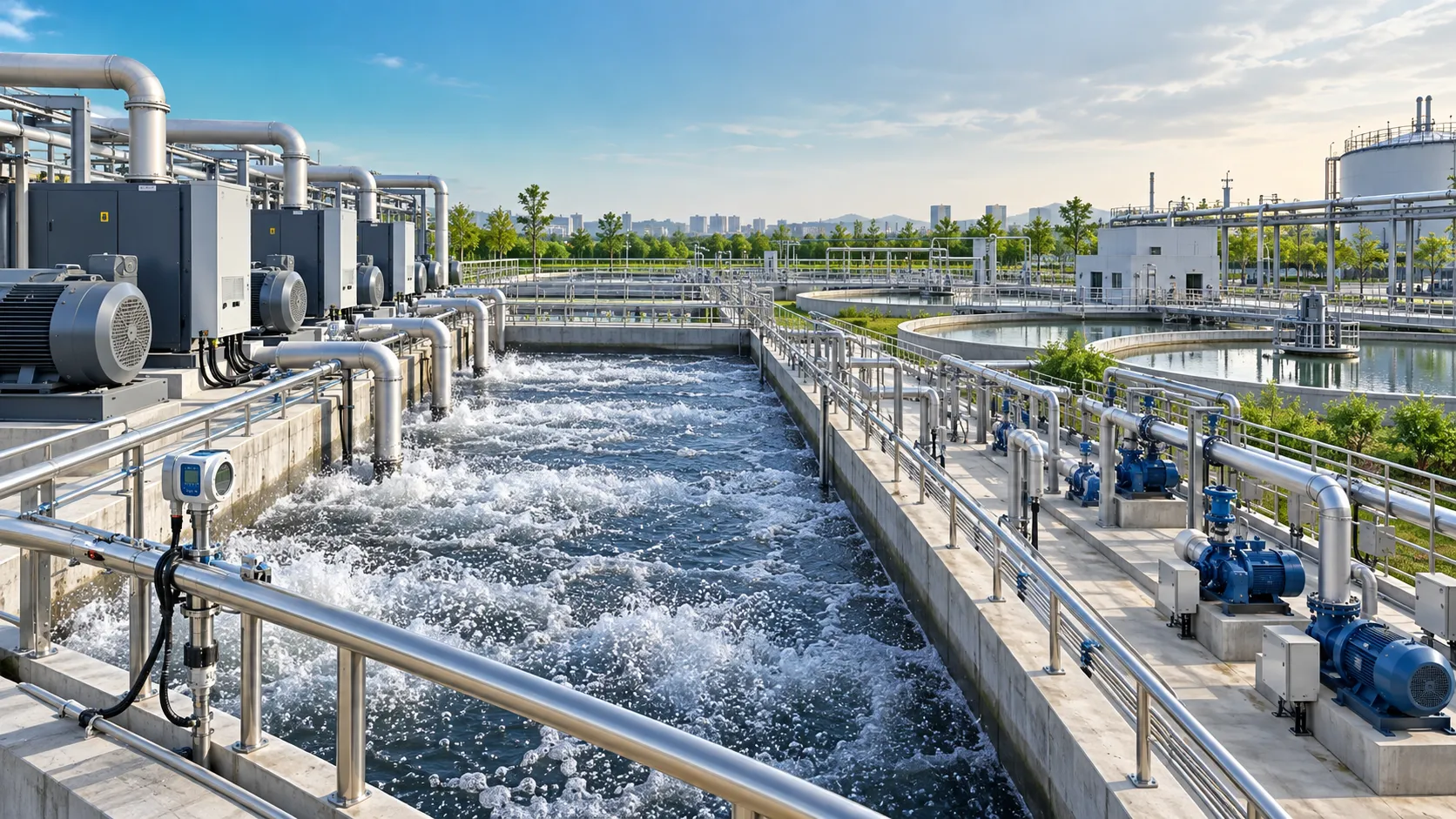
When does environmental equipment intelligence reduce wastewater plant energy use?
Environmental equipment intelligence for wastewater plants cuts energy use through smarter aeration, pumping, and data-driven controls—without compromising compliance. Discover when it delivers measurable savings.
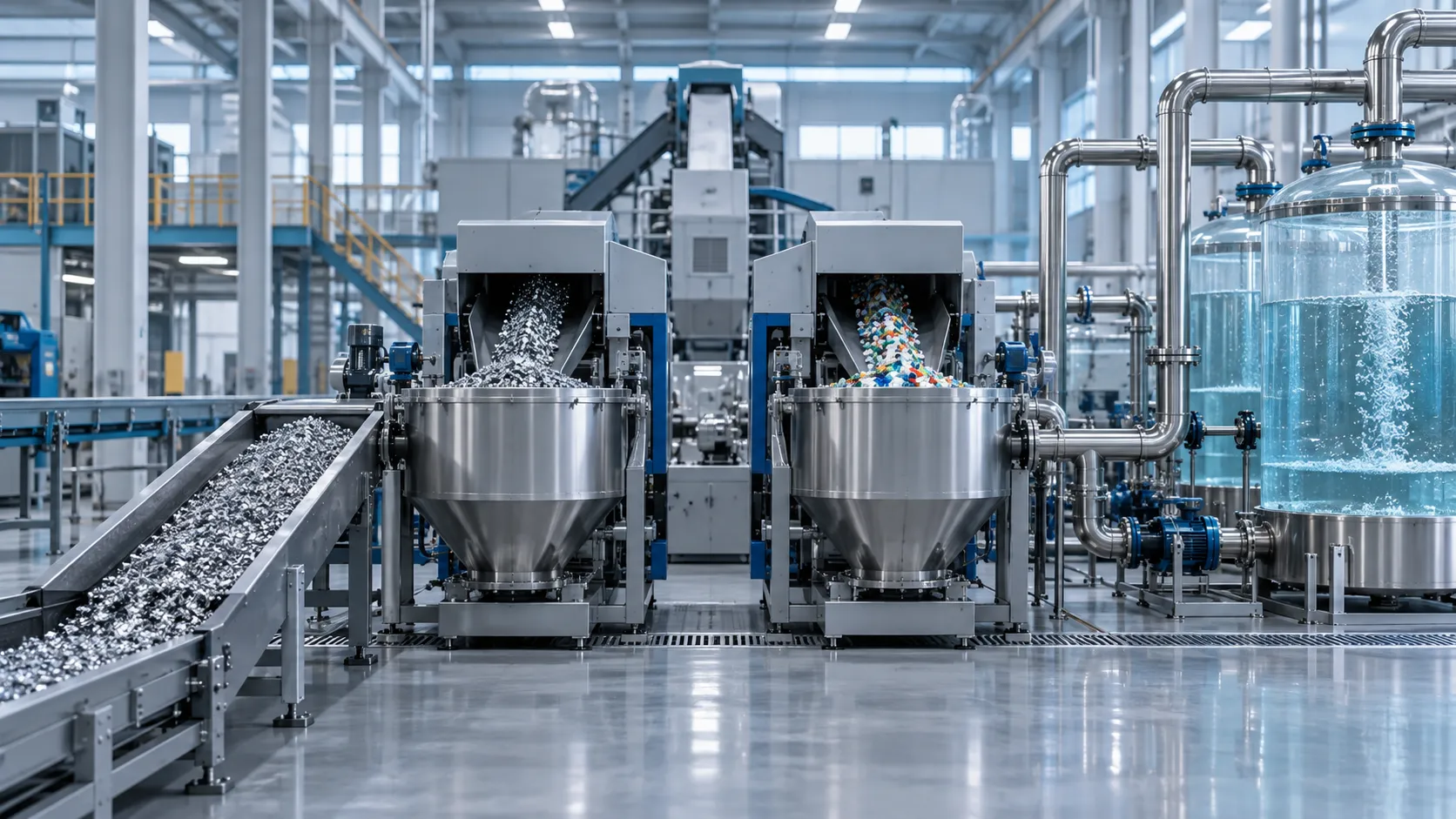
Which Circular Economy Model Is Best for Industrial Waste Recovery?
Which circular economy model works best for industrial waste recovery? Compare closed loops, industrial symbiosis, recycling, and energy recovery to choose the right strategy.
How Is the Payback Period for Resource Recovery Equipment Calculated?
How do you calculate the payback period for resource recovery equipment? Learn to model installed costs, savings, revenue, operating expenses, and realistic cash flows.