
Industry News
Curation by industry experts
Hot Articles
Popular Tags
How to Compare Agricultural Processing Equipment for Throughput and Operating Cost
How to Compare Agricultural Processing Equipment for Throughput and Operating Cost
Choosing agricultural processing equipment is not just about nameplate capacity.
It is about matching real throughput, energy use, labor demand, maintenance needs, and lifecycle cost to purchasing goals.
A structured comparison helps reduce risk, control operating expense, and improve long-term value.
This guide explains how to evaluate agricultural processing equipment with clear benchmarks for better buying decisions.
Start With the Real Throughput Requirement
The first mistake in comparing agricultural processing equipment is relying on rated capacity alone.
Supplier brochures often show output under ideal feed conditions, steady moisture, and minimal changeovers.
Actual plant conditions are rarely that stable.
That is why throughput must be defined in business terms before any technical comparison begins.
Set a baseline using these questions:
- What hourly and daily output is required?
- What feedstock variation is normal across seasons?
- How much downtime is acceptable during peak demand?
- Will the line process one crop or multiple products?
- What loss rate can the operation tolerate?
For agricultural processing equipment, usable throughput matters more than theoretical maximum throughput.
A machine rated at 10 tons per hour may deliver only 7 tons in real production.
Compare Equipment on a Like-for-Like Basis
A fair review of agricultural processing equipment needs common operating assumptions.
Without that, price and performance numbers become misleading very quickly.
Ask every supplier to quote using the same feed moisture, input quality, shift pattern, and output specification.
This also means defining whether upstream cleaning, grading, drying, or conveying is included.
A practical comparison table should include:
This kind of structure makes agricultural processing equipment comparisons far more reliable.
Look Beyond Power Rating to Operating Cost
Operating cost is where many equipment decisions succeed or fail.
Purchase price gets attention first, but daily cost determines the real return.
For agricultural processing equipment, energy use should be measured per ton, not per machine.
A larger unit can sometimes cost less per ton if it runs more efficiently under load.
Calculate total operating cost using five core elements:
- Electricity or fuel consumption per ton.
- Direct labor per shift and supervision need.
- Wear parts, consumables, and lubricants.
- Planned maintenance hours and service frequency.
- Unplanned downtime cost during seasonal peaks.
A lower-cost machine with unstable output can become the more expensive option within one harvest cycle.
That is especially true when labor markets are tight or utility prices are volatile.
Evaluate Throughput Under Real Feed Conditions
Feed variability changes everything.
Moisture, particle size, contamination, temperature, and foreign material can all reduce output.
In practical terms, the best agricultural processing equipment is the one that stays productive when feed quality drifts.
Ask suppliers for performance evidence under conditions close to your operation:
- Moisture range tested
- Accepted impurity levels
- Output consistency across long runs
- Changeover time between crop types
- Cleaning time and sanitation effort
From a purchasing standpoint, trial data is stronger than brochure claims.
Factory acceptance tests, site visits, and reference plants are worth the extra effort.
Check Reliability, Maintenance, and Spare Parts Access
Reliable agricultural processing equipment protects production schedules better than fast but fragile machines.
This matters even more in seasonal processing windows where downtime has a direct revenue impact.
Maintenance should be reviewed as part of cost, not as a separate technical issue.
Focus on these questions:
- Which parts wear fastest under your crop profile?
- How long does replacement take?
- Are critical spares stocked locally?
- Can in-house teams handle routine service?
- What remote diagnostics are available?
More buyers now score supplier support as heavily as machine performance.
That shift makes sense because service gaps can erase efficiency gains very quickly.
Use Total Cost of Ownership Instead of Unit Price
A sound agricultural processing equipment decision should be based on total cost of ownership.
That means combining capital expense with operating and support costs across the expected service life.
This approach is particularly useful when comparing a lower-price local model with a premium imported system.
A simple ownership model should include:
- Purchase price and installation cost
- Utility infrastructure upgrades
- Annual energy and labor cost
- Annual maintenance and spare parts
- Expected service life and resale value
- Downtime risk and lost production value
When comparing agricultural processing equipment, convert those figures into cost per ton over the machine life.
That method gives a cleaner basis for approval and internal justification.
Review Automation, Data, and Compliance Fit
Modern agricultural processing equipment increasingly includes sensors, controls, and production data functions.
These features are not just nice extras.
They affect labor efficiency, traceability, quality control, and maintenance planning.
Check whether the equipment supports:
- Real-time throughput monitoring
- Energy tracking by batch or shift
- Alarm history and predictive maintenance alerts
- Recipe management for multiple products
- Food safety or local compliance requirements
In actual operations, better visibility often leads to lower operating cost over time.
That is one reason advanced agricultural processing equipment can justify a higher initial quote.
Build a Practical Scoring Model Before You Buy
A scoring model keeps the decision disciplined.
It also reduces the chance that one attractive price quote outweighs operational reality.
For agricultural processing equipment, weighted scoring is often the most practical method.
A balanced example could assign:
- 30% to verified throughput
- 25% to operating cost
- 20% to reliability and maintenance
- 15% to automation and control
- 10% to supplier support and delivery risk
The exact weighting depends on the operation.
Still, the key is to score every agricultural processing equipment option against the same criteria.
Final Decision: Buy for Stable Value, Not Just Fast Output
The best agricultural processing equipment is not always the fastest machine on paper.
It is the option that delivers stable throughput, predictable cost, manageable maintenance, and strong support.
That is the real basis for long-term purchasing value.
A disciplined review of agricultural processing equipment should move from throughput definition to cost modeling, then to reliability and supplier validation.
When those steps are handled in order, equipment selection becomes far less subjective.
Use that framework to compare options, challenge assumptions, and make a decision that holds up well after installation.
Recommended News
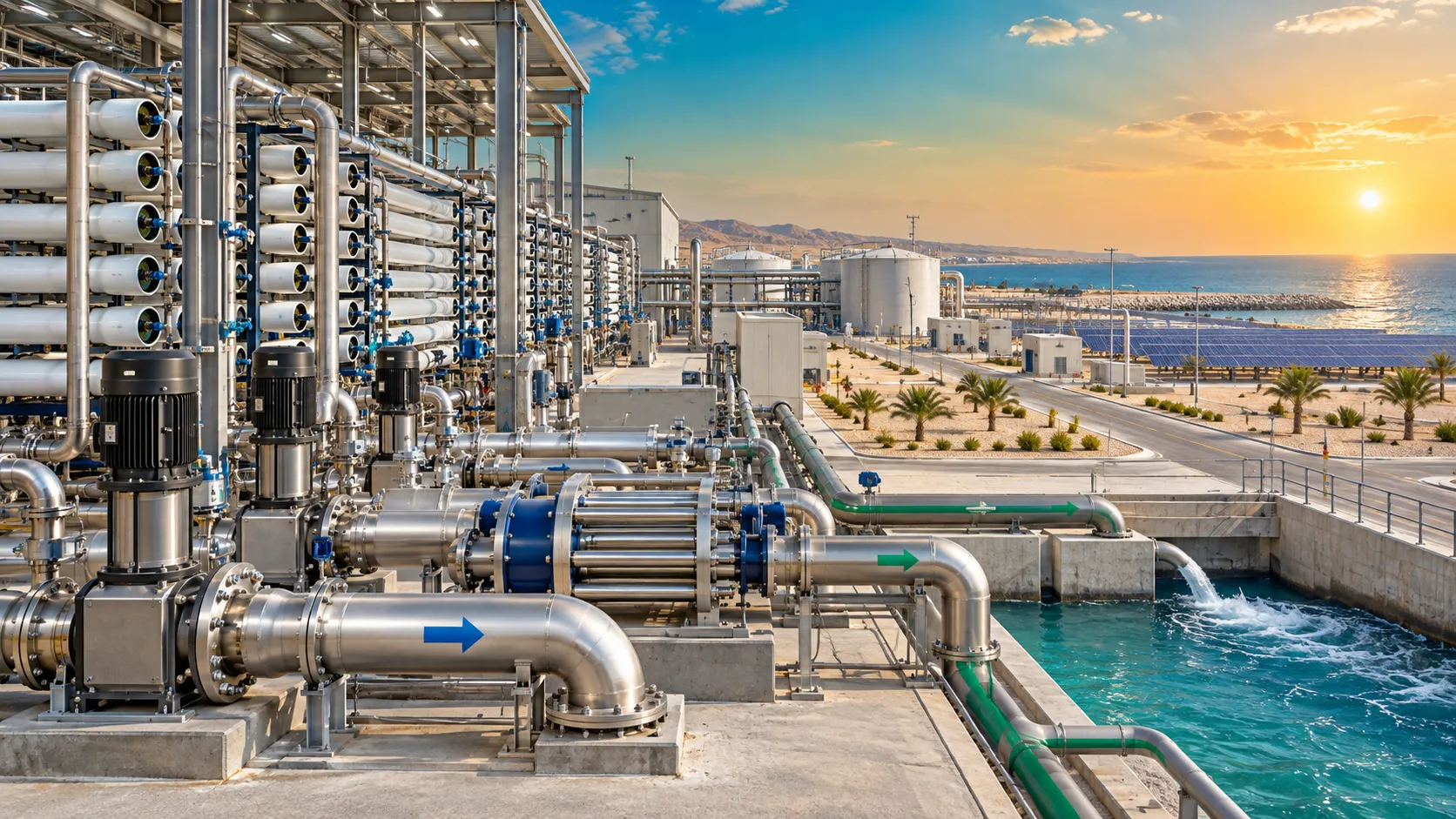
How energy recovery cuts the cost of seawater desalination in the Middle East
Seawater desalination Middle East projects can cut lifecycle costs with energy recovery. Explore savings, bankability, power-risk strategies, and smarter investment decisions.
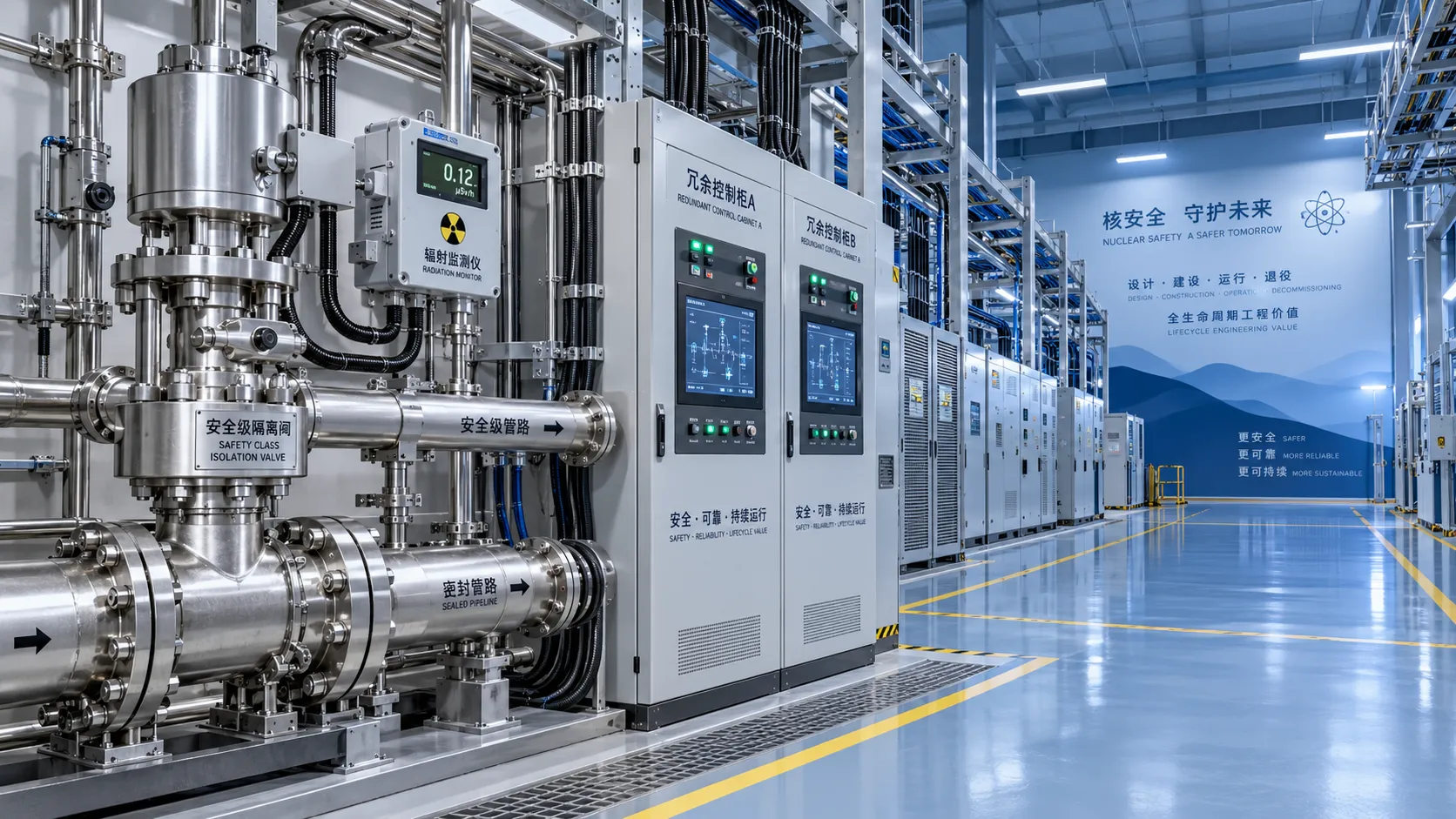
What drives nuclear safety solutions pricing for new facility projects?
Nuclear safety solutions pricing explained: uncover the key cost drivers for new facilities, from qualification and interfaces to lifecycle support.
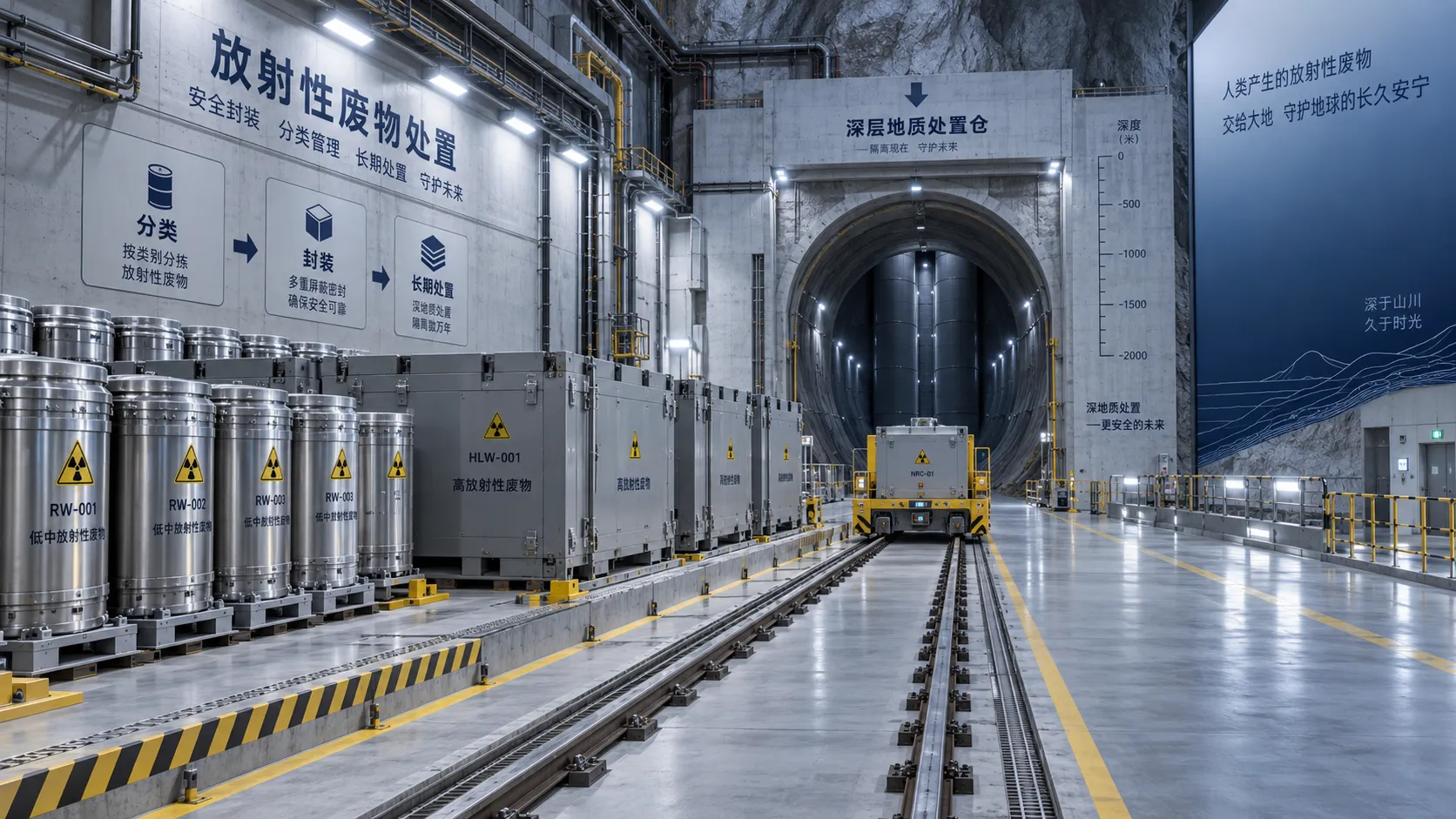
What drives radioactive waste cost over the life of a disposal project?
Radioactive waste cost depends on classification, treatment, transport, storage, disposal access, and long-term compliance. Explore the key lifecycle cost drivers.
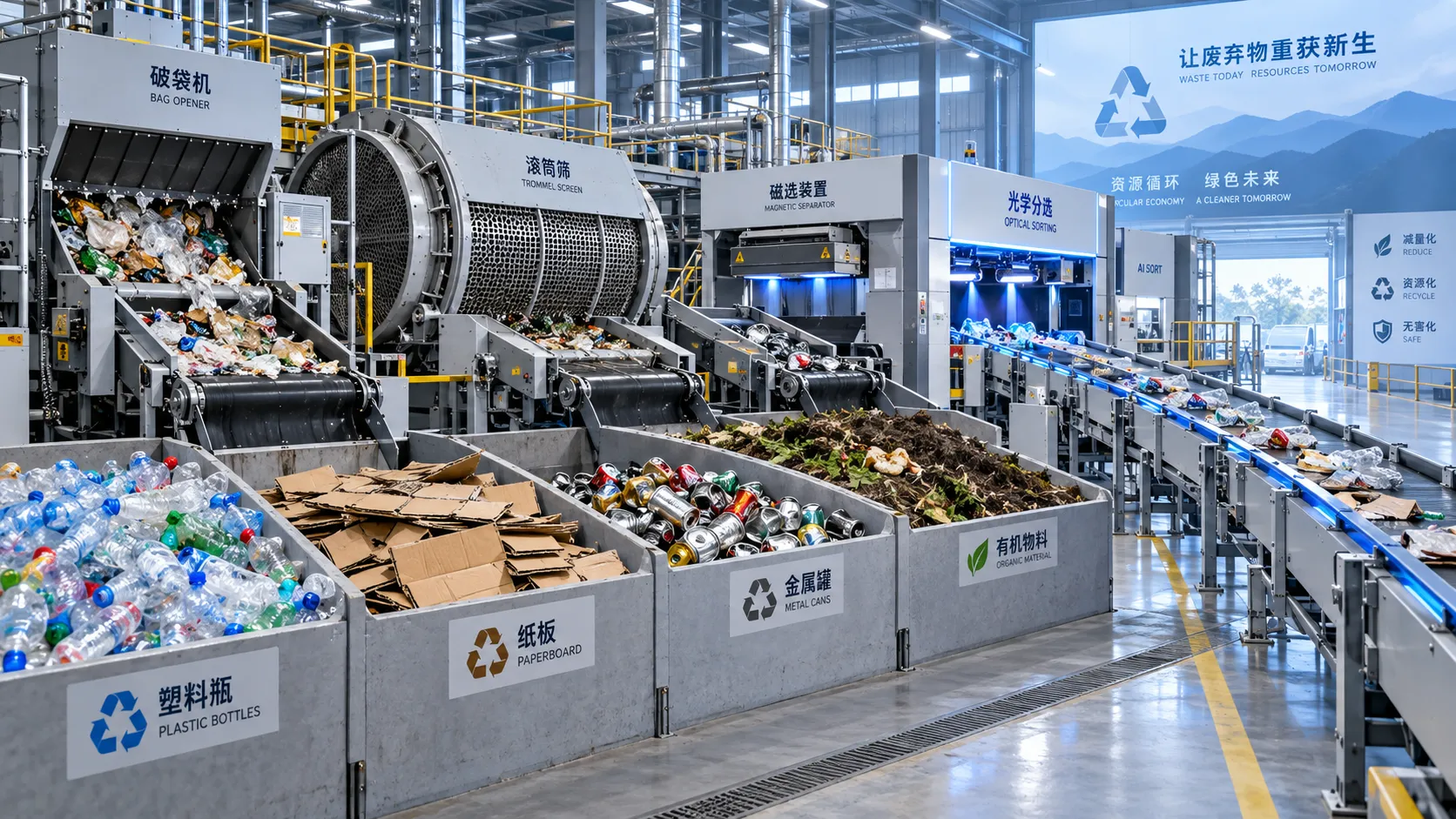
How to choose solid waste equipment based on waste stream characteristics
Environmental equipment guide for solid waste: discover how to match sorting, treatment, and recovery equipment to waste composition, moisture, contamination, and output goals.
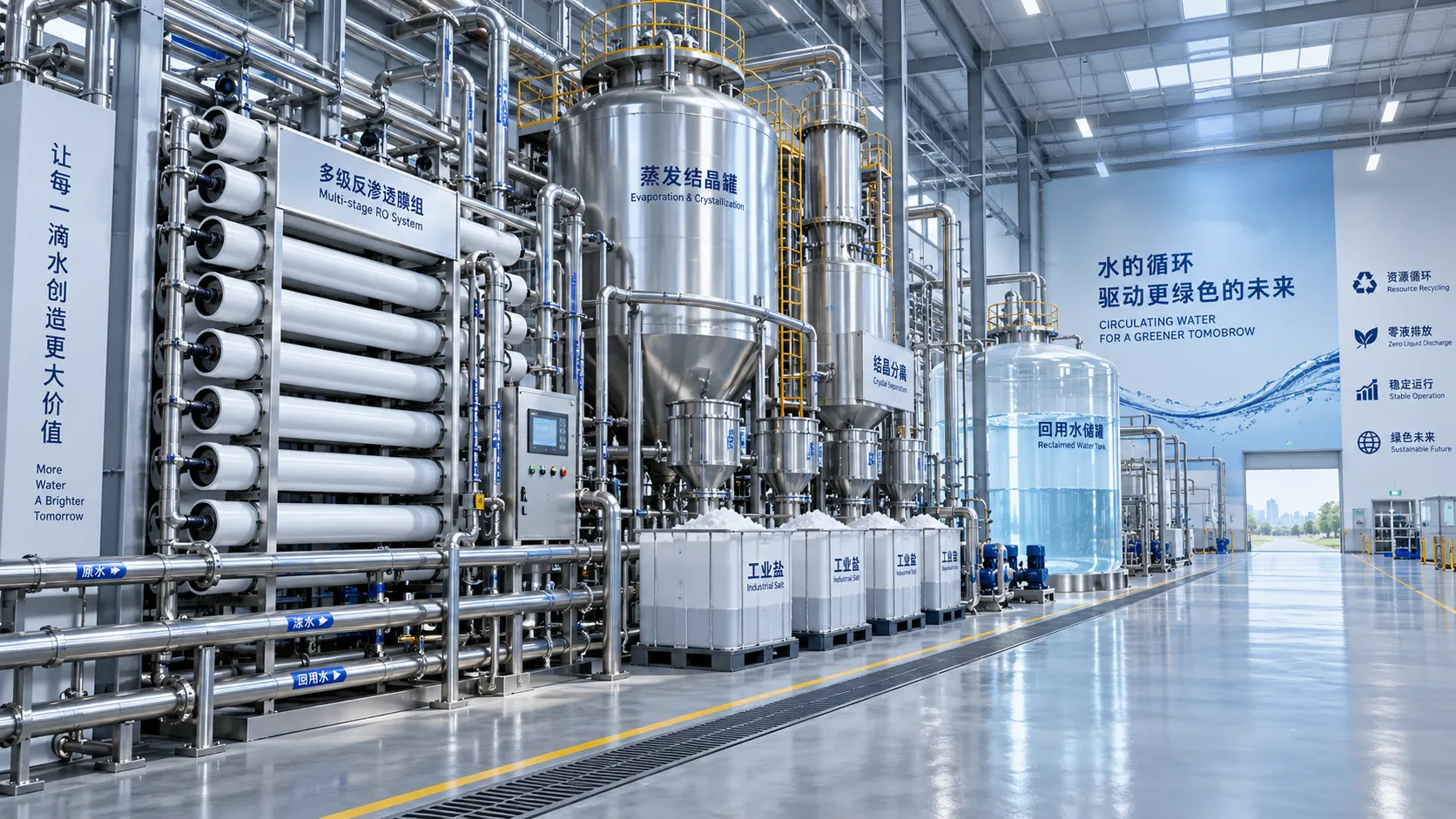
When does high recovery ZLD equipment justify its higher capital cost?
High recovery ZLD equipment can justify higher capital cost when water scarcity, discharge risks, brine disposal, and downtime threaten operations. Explore the decision factors.

How high purity heavy metal recovery affects recovered metal value
High purity heavy metal recovery boosts recovered metal value by improving payability, reducing penalties, and unlocking stronger buyer opportunities. Explore smarter netback strategies.
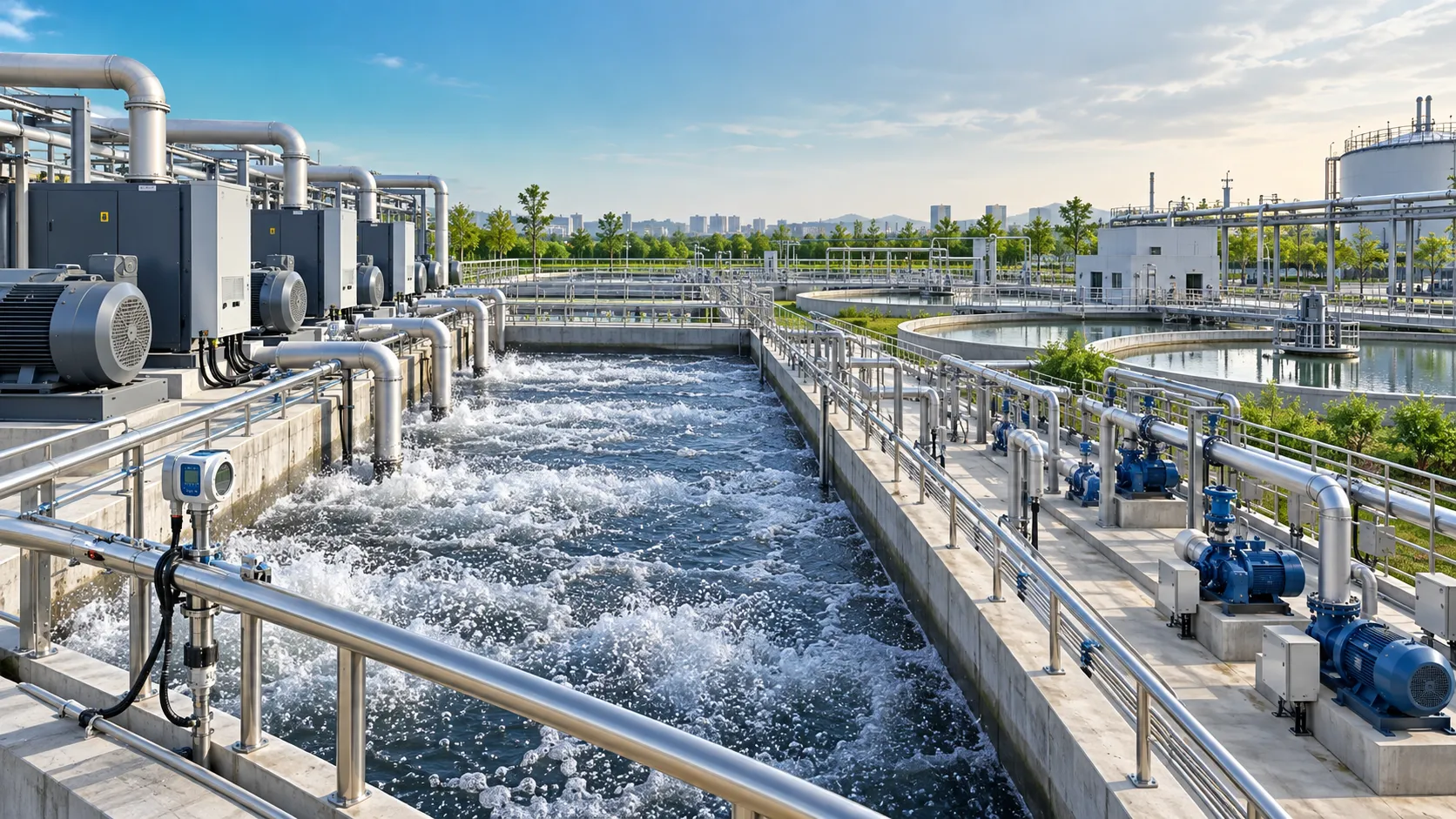
When does environmental equipment intelligence reduce wastewater plant energy use?
Environmental equipment intelligence for wastewater plants cuts energy use through smarter aeration, pumping, and data-driven controls—without compromising compliance. Discover when it delivers measurable savings.
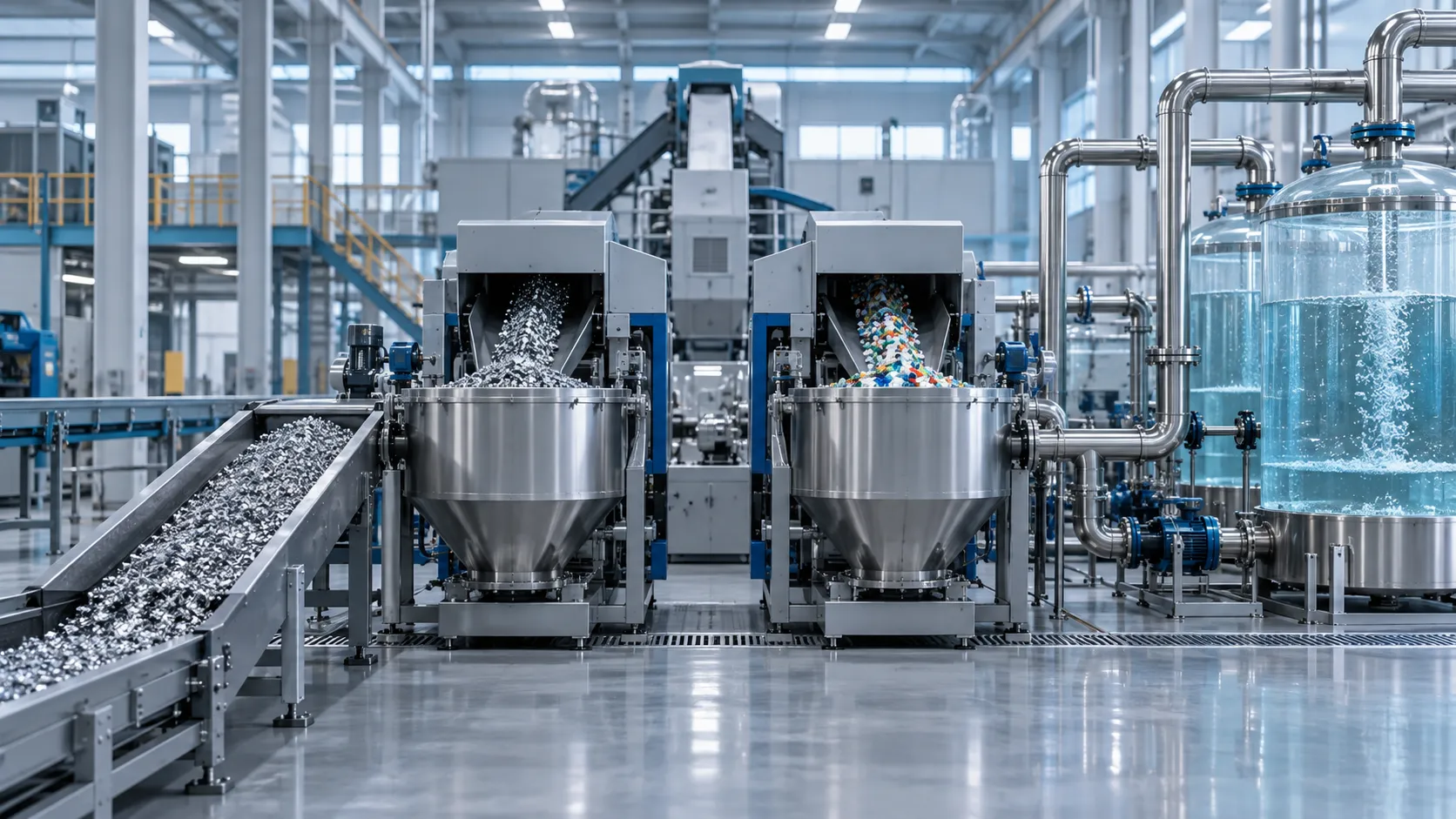
Which Circular Economy Model Is Best for Industrial Waste Recovery?
Which circular economy model works best for industrial waste recovery? Compare closed loops, industrial symbiosis, recycling, and energy recovery to choose the right strategy.
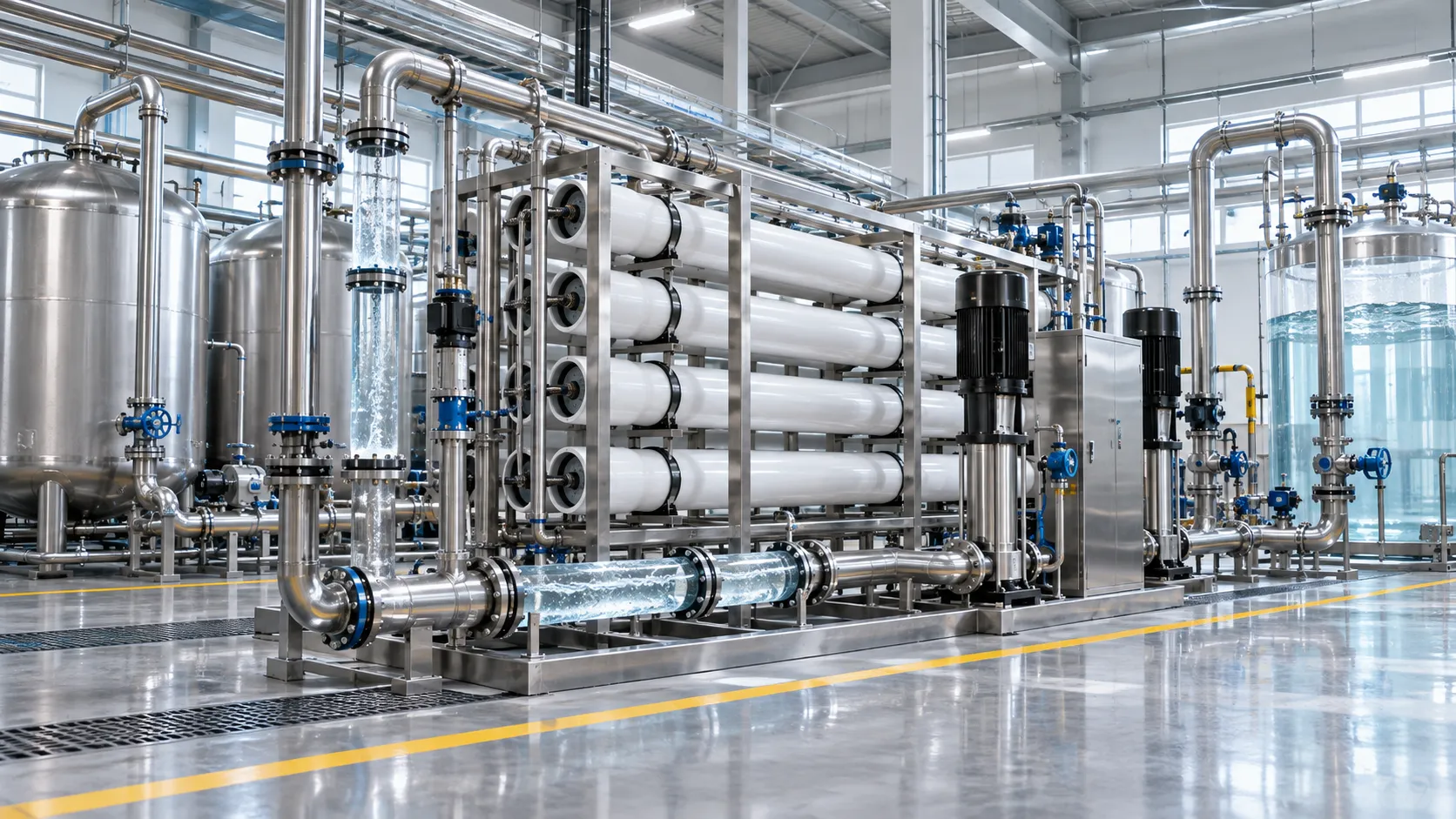
How Is the Payback Period for Resource Recovery Equipment Calculated?
How do you calculate the payback period for resource recovery equipment? Learn to model installed costs, savings, revenue, operating expenses, and realistic cash flows.