
Industry News
Curation by industry experts
Hot Articles
Popular Tags
Compact Nuclear Waste Treatment Systems: Key Safety and Footprint Trade-Offs
Compact nuclear waste treatment systems are gaining attention because many nuclear sites no longer have the luxury of abundant space, simple permitting paths, or isolated expansion zones.
What looks efficient on a site plan, however, can introduce harder questions around shielding density, maintenance access, thermal management, and long-term regulatory confidence.
That is why the discussion has moved beyond equipment size alone. The real issue is how compact nuclear waste treatment systems perform under real operating constraints.
Across the broader environmental infrastructure landscape tracked by ESD, this mirrors a familiar pattern: smaller physical footprints often demand higher intelligence in design, controls, and compliance strategy.
What “compact” really means in this context
In nuclear waste management, compact does not simply mean portable or modular, though those traits may be part of the package.
Usually, it refers to systems engineered to reduce building volume, process train length, auxiliary infrastructure, or shielded handling space without weakening containment performance.
These systems may address liquid waste concentration, solid waste conditioning, filtration, decontamination, encapsulation, or volume reduction.
Some are built for reactor support environments. Others fit research facilities, fuel cycle installations, medical isotope operations, or decommissioning projects with constrained layouts.
The appeal is straightforward: faster installation, less civil work, and better integration into existing facilities where new construction is expensive or politically difficult.
Why the industry is paying closer attention
Several pressures are converging at once.
Aging nuclear infrastructure is creating retrofit demand. Newer projects are also under pressure to compress schedules and demonstrate environmental control earlier in development.
At the same time, waste streams are becoming more complex. Facilities must manage mixed radionuclide profiles, secondary waste generation, and stricter documentation requirements.
This is where compact nuclear waste treatment systems attract interest. They promise a practical way to handle waste inside tighter plant envelopes.
From ESD’s perspective, the trend fits a larger shift across water, flue gas, and recovery systems: compliance is no longer a bolt-on function. It is shaping equipment architecture from the start.
The central trade-off: footprint versus safety margin
The strongest argument for compact design is land and building efficiency.
The strongest caution is that reduced space can narrow operational tolerance.
In larger layouts, process separation, maintenance zones, and redundant handling paths are easier to provide. In compact layouts, every meter must work harder.
That can affect radiation shielding thickness, crane movement, glovebox access, ventilation routing, fire separation, and emergency intervention windows.
None of this makes compact nuclear waste treatment systems inherently less safe. It means safety has to be engineered with greater precision.
The best designs compensate through process automation, remote handling, stronger confinement barriers, and more disciplined waste characterization upfront.
Where hidden risk often appears
- Maintenance tasks require more shutdown coordination because access corridors are tighter.
- Heat loads can build faster inside enclosed modules.
- Secondary waste may increase if pretreatment is undersized.
- Operator visibility can fall when shielding and compact routing overlap.
- Future upgrades become harder if spare connection points were not designed in.
Footprint savings are valuable, but only when measured correctly
A smaller equipment block does not always mean a smaller project footprint.
Real footprint analysis should include shield walls, access aisles, buffer storage, ventilation equipment, reagent supply, sampling stations, and waste package staging.
In practice, compact nuclear waste treatment systems can shift area demand rather than eliminate it.
This matters during retrofit planning. A system may fit inside an available room but still fail because the surrounding logistics chain becomes congested.
The better question is not “How small is the skid?” but “How much site complexity does the system remove or create?”
Typical use cases where compact systems make sense
Not every facility benefits equally from a compact approach.
The strongest fit often appears where waste volumes are moderate, site expansion is constrained, and schedule certainty matters almost as much as process performance.
Retrofit and brownfield nuclear sites
Older plants frequently lack spare buildings for conventional treatment lines.
Compact nuclear waste treatment systems can be inserted into available structures, reducing demolition, civil redesign, and operational disruption.
Decommissioning programs
Decommissioning creates variable waste streams and temporary processing peaks.
Modular compact units help manage phased campaigns, especially when site conditions change faster than fixed infrastructure can respond.
Research, medical, and specialized fuel cycle facilities
These sites often generate smaller but highly specific waste streams.
A large centralized system may be technically excessive, while compact treatment can be tuned to local chemistry and radiological profiles.
What good evaluation looks like in practice
A sound review goes beyond vendor datasheets and nominal throughput figures.
It should test how compact nuclear waste treatment systems behave under upset conditions, maintenance windows, and mixed waste variability.
- Map waste inputs by activity level, chemistry, solids content, and packaging form.
- Check whether shielding assumptions match the highest realistic source term.
- Review secondary waste generation, not just primary treatment output.
- Model maintenance sequences inside actual access conditions.
- Verify ventilation, filtration, and contamination zoning logic.
- Assess digital monitoring and remote intervention capability.
Usually, the most resilient option is not the smallest one. It is the one with the clearest operating margin.
That principle is familiar across ESD’s broader sectors, from ZLD plants to advanced gas treatment lines, where dense engineering must still preserve inspection and control reliability.
Compliance, reporting, and long-horizon value
Regulatory acceptance depends on more than process efficiency.
Authorities will look closely at confinement integrity, abnormal event response, monitoring traceability, waste form stability, and the quality of operating procedures.
Compact nuclear waste treatment systems can support compliance if their design reduces handling steps and improves process standardization.
They can also create friction if compactness depends on narrow operating windows or undocumented assumptions about feed variability.
Long-horizon value therefore comes from robustness, maintainability, and data quality as much as from square-meter savings.
A practical way to move the decision forward
The next step is to frame compact systems as an integration decision, not a simple procurement choice.
Start with the waste stream, the building limits, and the site’s compliance pathway. Then compare how each candidate system handles space, shielding, maintenance, and future adaptation together.
For organizations using intelligence platforms such as ESD, the advantage lies in connecting technical parameters with regulatory movement and project delivery realities.
That broader view makes compact nuclear waste treatment systems easier to judge on their real merits: not just how little room they take, but how safely and credibly they perform over time.
Recommended News
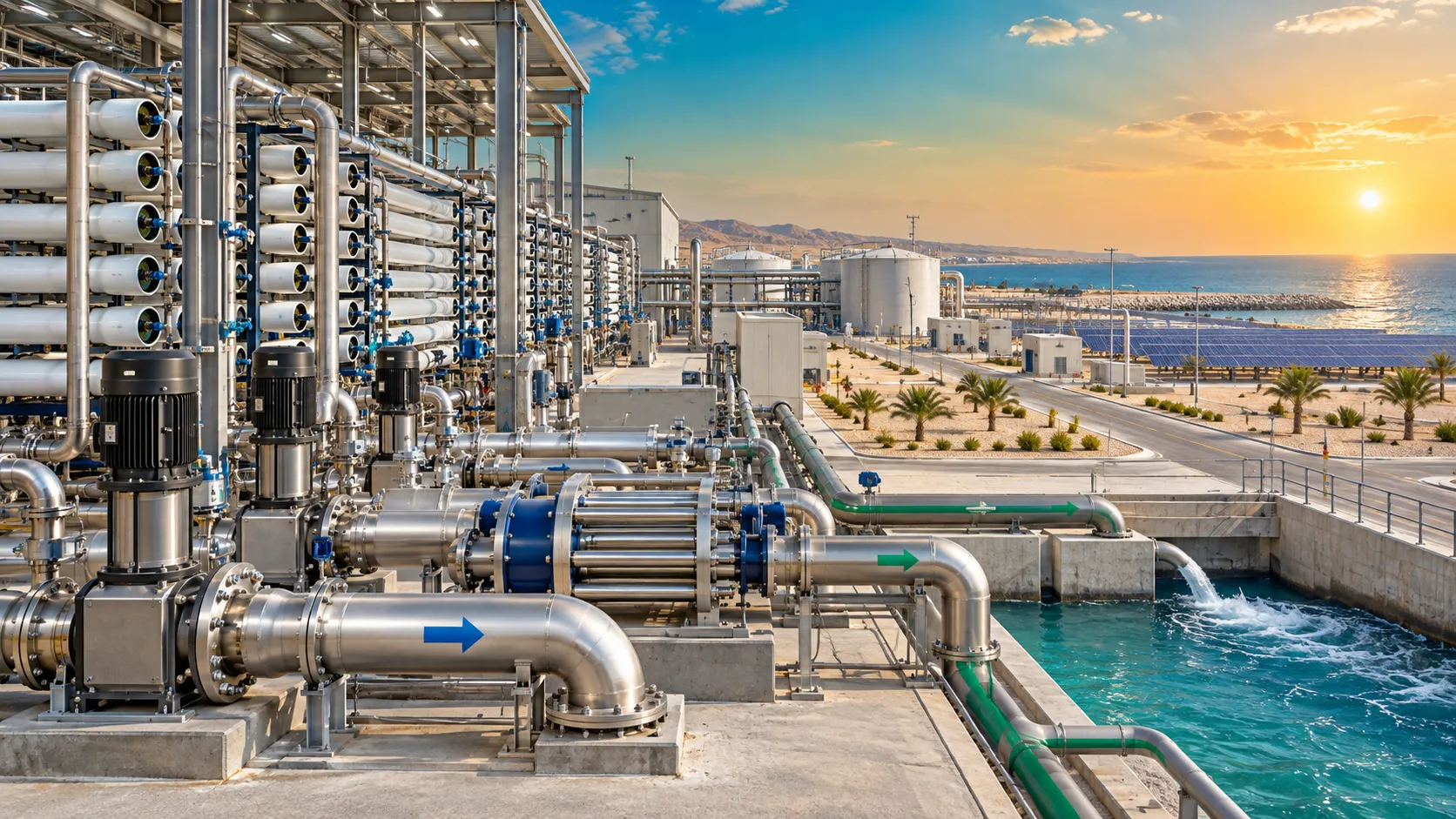
How energy recovery cuts the cost of seawater desalination in the Middle East
Seawater desalination Middle East projects can cut lifecycle costs with energy recovery. Explore savings, bankability, power-risk strategies, and smarter investment decisions.
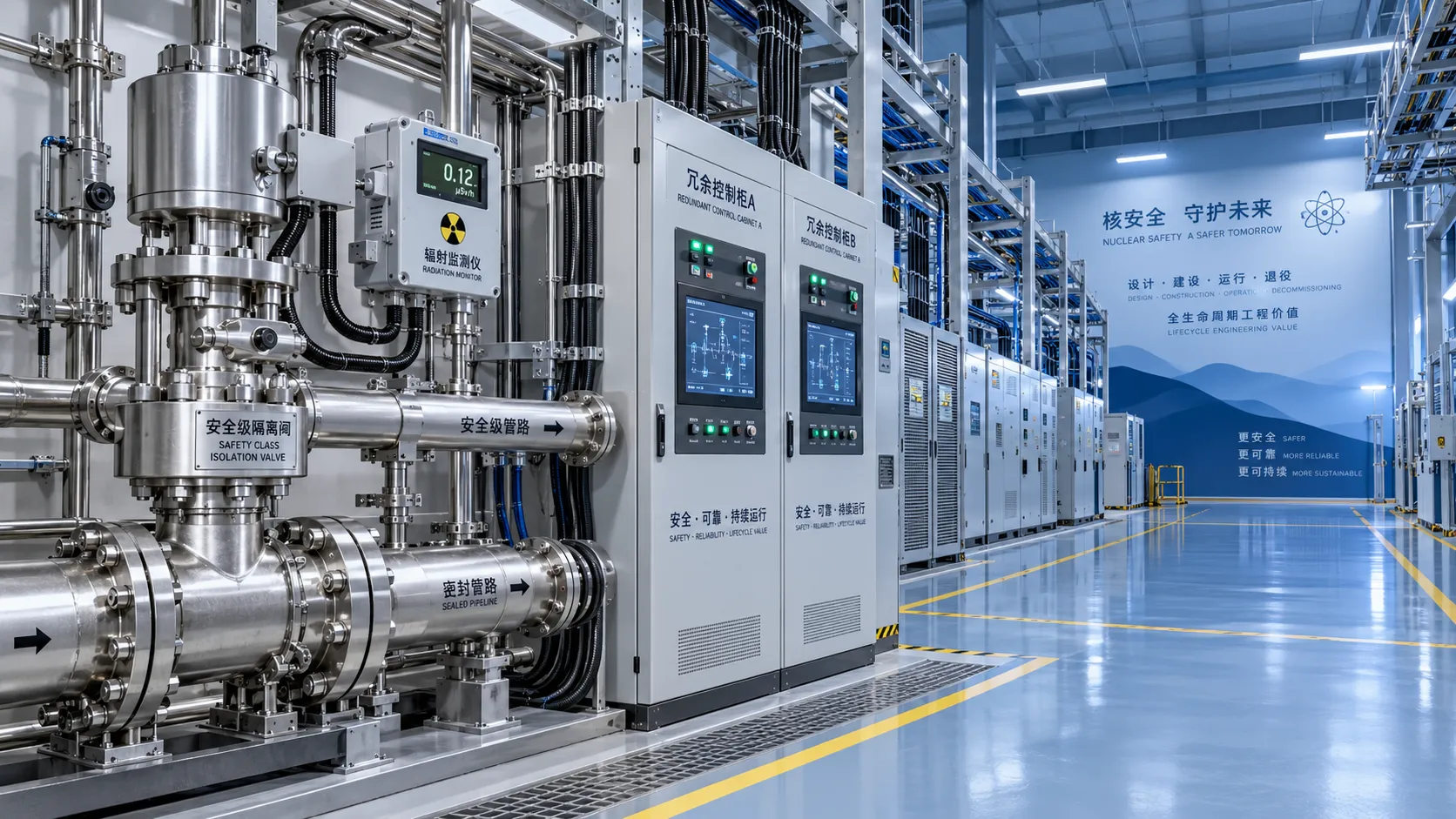
What drives nuclear safety solutions pricing for new facility projects?
Nuclear safety solutions pricing explained: uncover the key cost drivers for new facilities, from qualification and interfaces to lifecycle support.
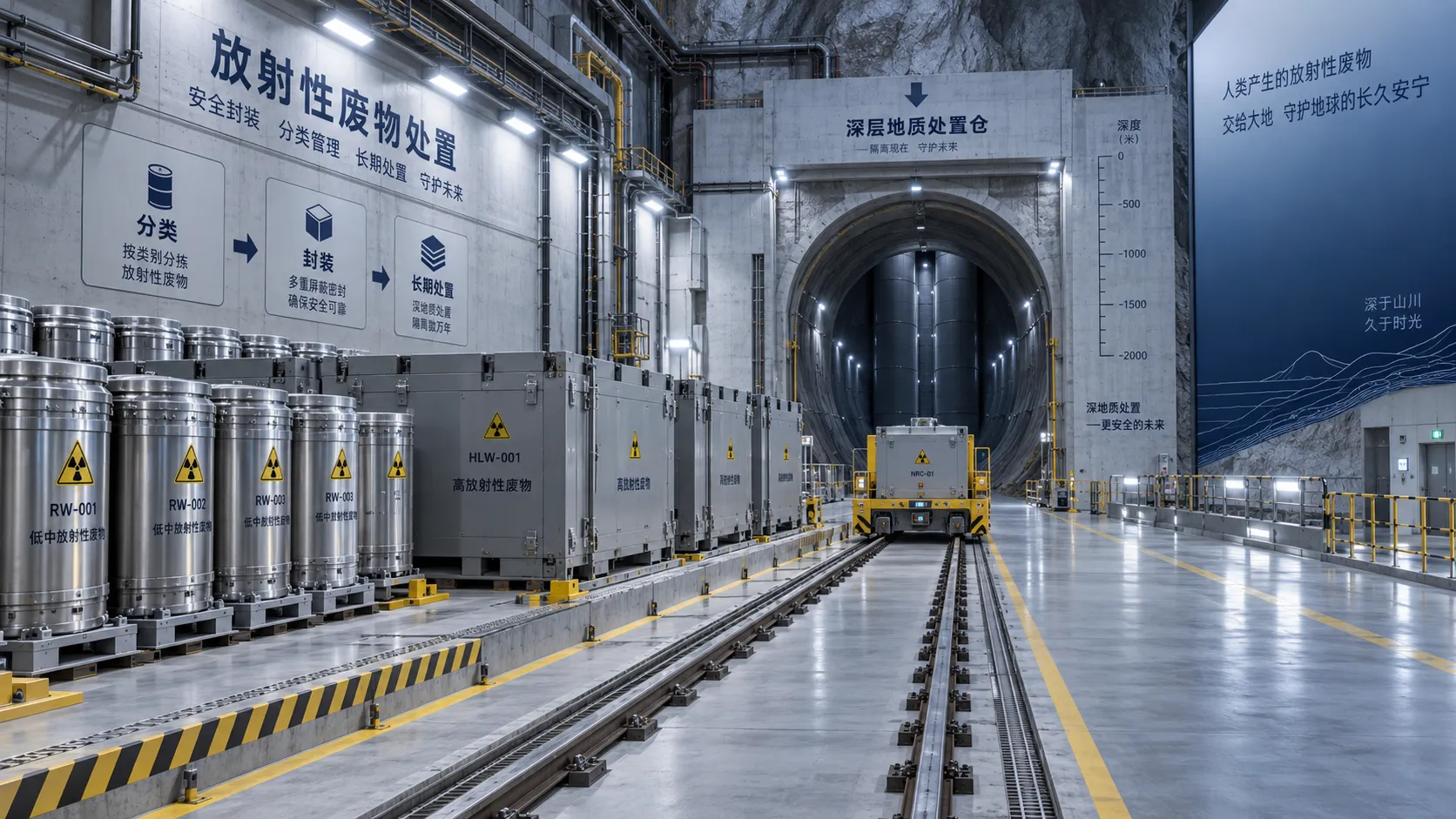
What drives radioactive waste cost over the life of a disposal project?
Radioactive waste cost depends on classification, treatment, transport, storage, disposal access, and long-term compliance. Explore the key lifecycle cost drivers.
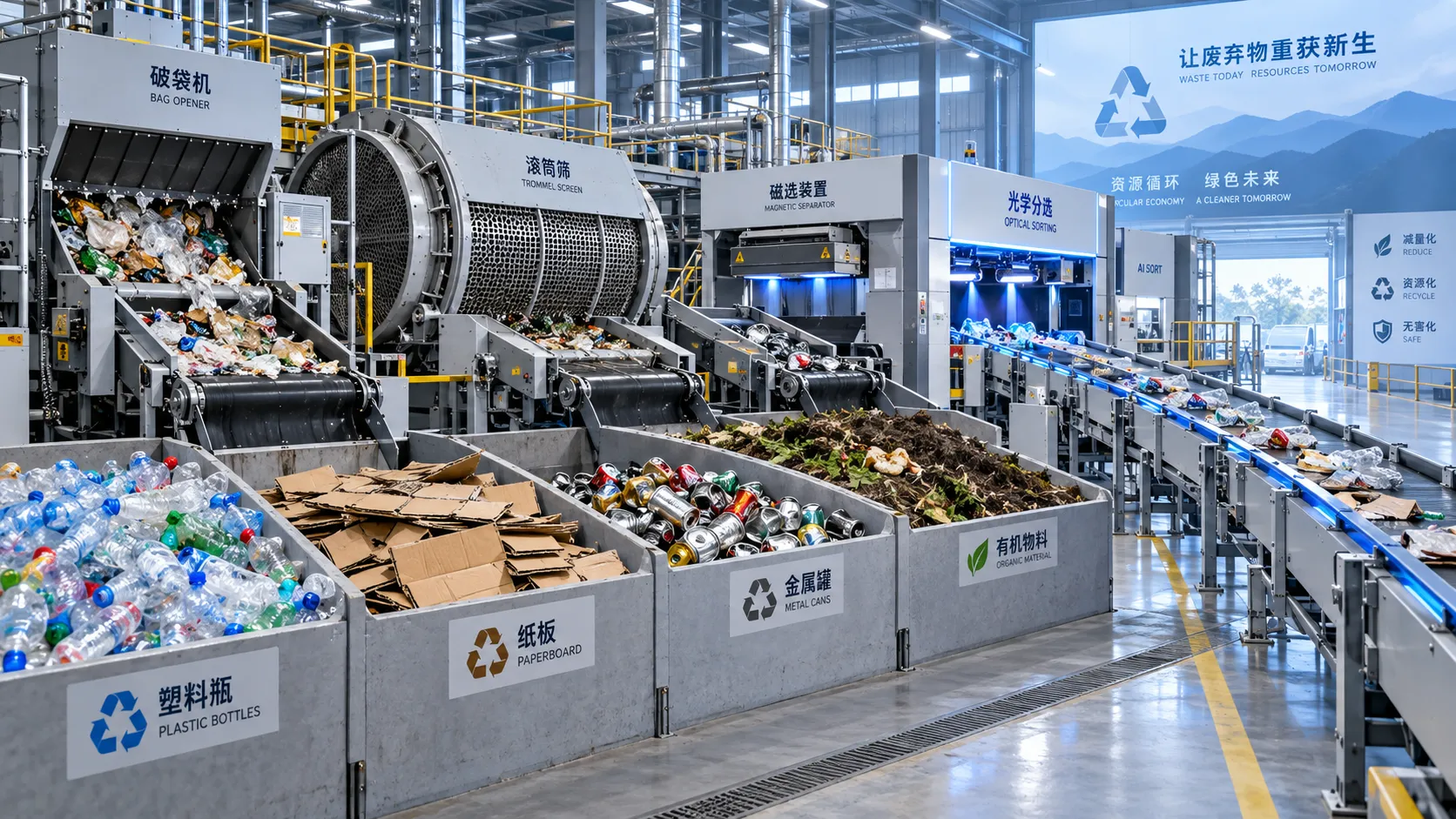
How to choose solid waste equipment based on waste stream characteristics
Environmental equipment guide for solid waste: discover how to match sorting, treatment, and recovery equipment to waste composition, moisture, contamination, and output goals.
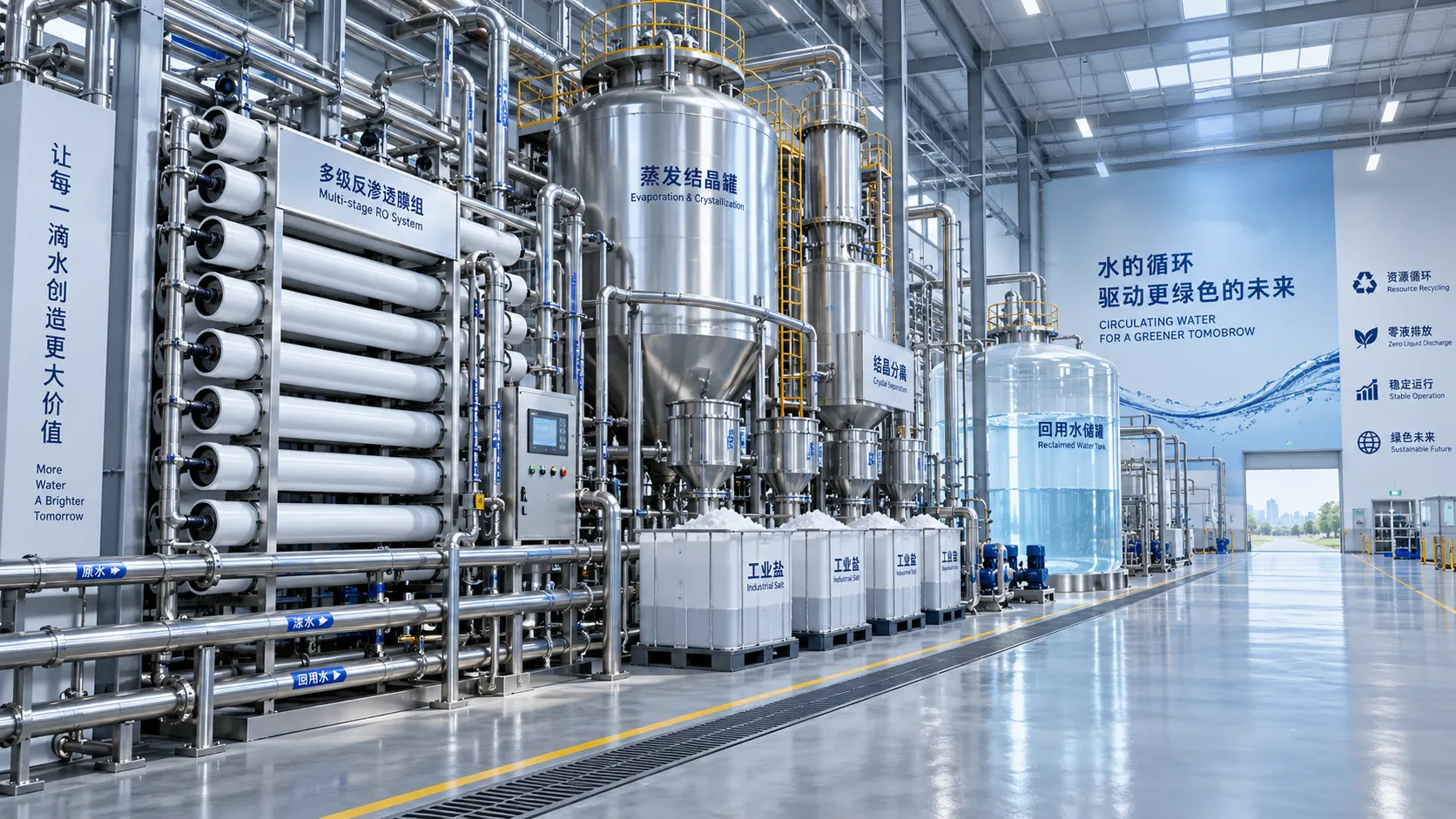
When does high recovery ZLD equipment justify its higher capital cost?
High recovery ZLD equipment can justify higher capital cost when water scarcity, discharge risks, brine disposal, and downtime threaten operations. Explore the decision factors.

How high purity heavy metal recovery affects recovered metal value
High purity heavy metal recovery boosts recovered metal value by improving payability, reducing penalties, and unlocking stronger buyer opportunities. Explore smarter netback strategies.
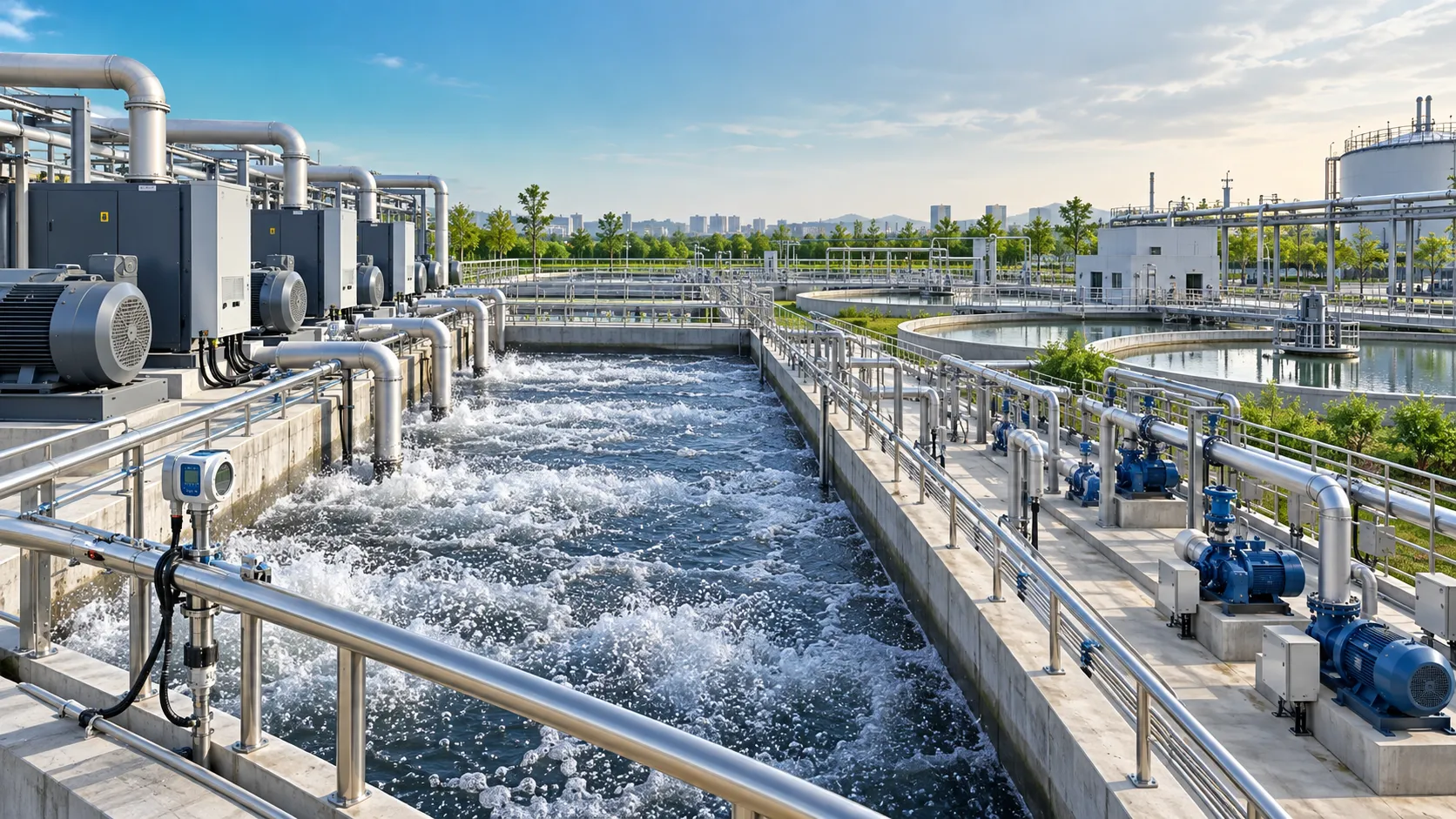
When does environmental equipment intelligence reduce wastewater plant energy use?
Environmental equipment intelligence for wastewater plants cuts energy use through smarter aeration, pumping, and data-driven controls—without compromising compliance. Discover when it delivers measurable savings.
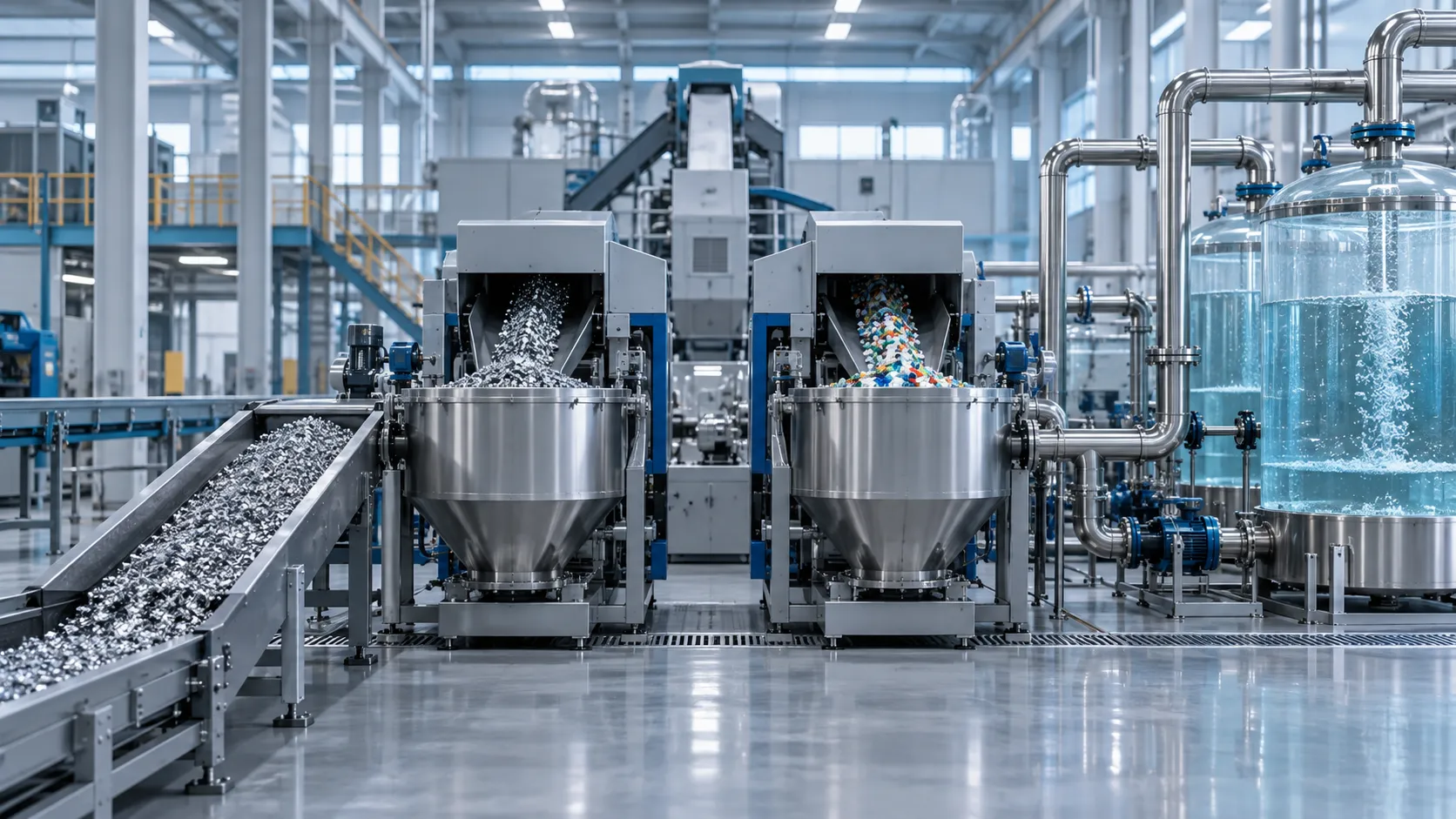
Which Circular Economy Model Is Best for Industrial Waste Recovery?
Which circular economy model works best for industrial waste recovery? Compare closed loops, industrial symbiosis, recycling, and energy recovery to choose the right strategy.
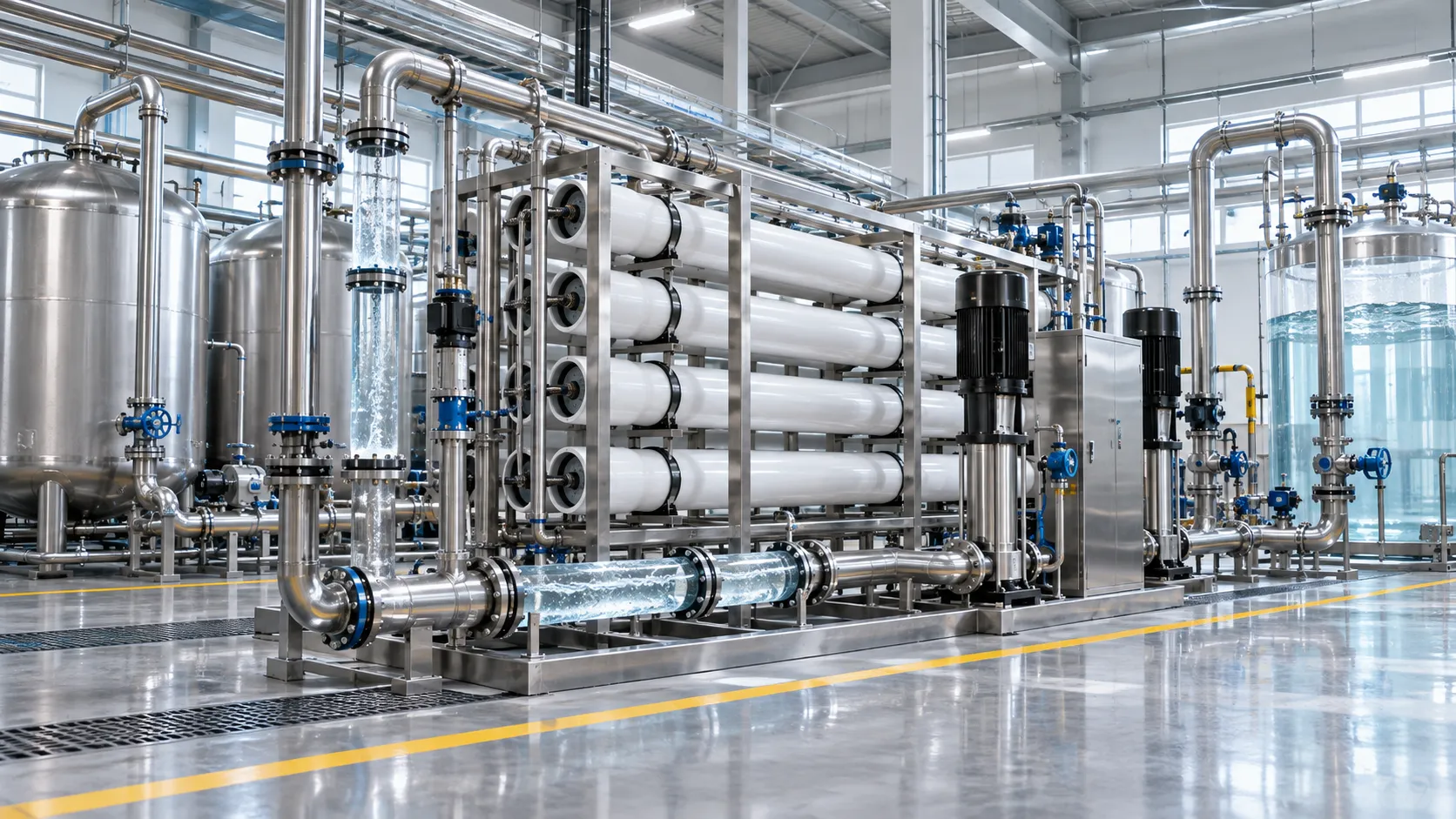
How Is the Payback Period for Resource Recovery Equipment Calculated?
How do you calculate the payback period for resource recovery equipment? Learn to model installed costs, savings, revenue, operating expenses, and realistic cash flows.