
Industry News
Curation by industry experts
Hot Articles
Popular Tags
Air Pollution Control Systems Compliance: Common Gaps and How to Fix Them
Air Pollution Control Systems Compliance Starts With the Real Operating Context
Air pollution control systems compliance rarely fails because a scrubber, baghouse, or SCR unit looks inadequate on paper.
More often, the gap appears between design intent, daily operating practice, and what regulators can actually verify.
That distinction matters across heavy industry, water treatment, waste recovery, desalination, and other high-load environmental facilities.
At sites where ecological control systems interact, one weak emissions record can affect permits, uptime, export credibility, and wider compliance strategy.
For organizations tracking the broader ecological engineering chain, air pollution control systems compliance is not a narrow stack issue.
It sits beside water discharge limits, waste handling rules, carbon exposure, and cross-border reporting pressure.
In practice, small documentation errors, weak monitoring routines, and delayed maintenance create the largest regulatory surprises.
The fix is usually not one dramatic retrofit.
It is a better match between operating scenario, evidence trail, control logic, and maintenance discipline.
Why Compliance Gaps Change From One Facility Type to Another
Different facilities face different compliance stress points because pollutant chemistry, load swings, and operational continuity are not the same.
A municipal sludge dryer, a pyrolysis recovery line, and a coastal desalination power block may all report stack emissions.
Their air pollution control systems compliance risks still diverge sharply.
In flue gas treatment, sulfur oxides, nitrogen oxides, particulates, acid gases, and trace metals respond differently to temperature and residence time.
In waste recovery plants, feedstock variability often creates unstable emission profiles and inconsistent control settings.
In nuclear-adjacent processes, documentation rigor can matter as much as measured performance because traceability expectations are higher.
This is why air pollution control systems compliance should be judged against actual duty cycles, not only equipment nameplates.
A useful comparison before setting priorities
The table shows why one compliance checklist rarely works across all environmental infrastructure assets.
Where Stable Operations Still Fall Short
In large utility-style plants, air pollution control systems compliance problems are often quiet rather than dramatic.
The control train may run predictably for months, which encourages teams to treat reporting routines as low-risk administration.
That is where missing calibration certificates, outdated operating envelopes, and unclosed alarm investigations accumulate.
A common misjudgment is assuming low variance means low exposure.
In reality, stable plants are often judged more strictly because recurring deviations look preventable.
The practical fix is to tighten evidence discipline around systems that already appear under control.
- Lock calibration intervals to permit conditions, not informal maintenance habits.
- Review alarm shelving and override history every reporting cycle.
- Check whether startup and shutdown records match emissions narratives.
- Confirm that operator logs use the same units and timestamps as compliance reports.
Variable Feed Facilities Need More Than Good Equipment
Air pollution control systems compliance becomes harder when input material changes faster than the control philosophy.
This is common in solid waste recovery, RDF preparation, thermal conversion, and mixed industrial treatment lines.
The hardware may be technically suitable, yet performance drifts because reagent dosing, combustion tuning, or filtration sequencing lags behind feed changes.
More frequent problems include brief opacity spikes, acidic bursts, elevated dioxin precursors, and unexplained pressure drops.
These events are not always continuous enough to trigger immediate shutdowns.
They are still enough to weaken air pollution control systems compliance during audits.
In this setting, the better question is not whether the system can meet limits once.
It is whether the system can stay compliant through fuel variation, moisture swings, and transient upsets.
Useful corrective action usually starts with feed characterization linked to operating data.
When feed classes, reagent consumption, stack trends, and downtime causes are analyzed together, hidden patterns appear quickly.
In Coastal and Corrosive Environments, Monitoring Reliability Becomes the Real Issue
Facilities connected to desalination, marine industry, or saline wastewater often focus first on corrosion of process equipment.
A less visible risk is the monitoring chain behind air pollution control systems compliance.
Sampling lines foul faster, enclosures lose integrity, and analyzers drift under humidity, salt, and temperature cycling.
The reported emission value may remain within limits while the confidence level behind that value weakens.
This is an important distinction because many non-compliance cases begin as data defensibility problems.
In actual application, stronger material selection alone is not enough.
Inspection intervals, heated line performance, condensation control, and spares availability deserve equal attention.
What usually deserves earlier intervention
- Sensor drift that is still inside tolerance but worsening month by month.
- Maintenance deferrals on trace-heating, shelters, or instrument air drying.
- Leaks around access doors, dampers, or sampling ports after corrosion repairs.
- Manual data substitutions without a documented root-cause review.
The Most Common Misreadings in Air Pollution Control Systems Compliance
Several errors appear across sectors because teams judge compliance too narrowly.
One frequent mistake is focusing on emissions concentration while ignoring load, oxygen correction, and event duration.
Another is treating similar assets as identical, even when fuel quality, altitude, moisture, or cycling behavior differ.
There is also a tendency to prioritize capex efficiency over maintainability.
That often produces low-cost configurations with weak access for inspection, calibration, and bag or catalyst replacement.
A more strategic issue appears when air pollution control systems compliance is separated from wider environmental intelligence.
Where carbon policy, export requirements, or permit revisions are tightening, the compliance bar can move before plant routines do.
That is why platforms built around water treatment, flue gas treatment, resource recovery, and high-consequence waste governance increasingly connect technical data with regulatory signal tracking.
How to Build a More Defensible Compliance Routine
The most reliable approach is to build air pollution control systems compliance around scenario-specific verification points.
That gives operations, maintenance, and reporting a shared frame instead of separate checklists.
This approach is especially useful where environmental systems operate as one compliance ecosystem rather than isolated units.
What to Review Next Before the Next Audit Cycle
Air pollution control systems compliance improves fastest when review starts from real operating scenes instead of generic policy language.
Map which assets face stable loads, which face variable feed, and which face corrosive or high-consequence conditions.
Then compare each case against its evidence quality, monitoring resilience, maintenance backlog, and abnormal event handling.
The goal is not simply to prove that equipment exists.
It is to show that the control system, the records, and the operating response remain aligned under real stress.
A practical next step is to establish a short scenario-based review standard for every major emissions source.
That standard should cover limits, trigger events, verification data, maintenance dependencies, and escalation timing.
Once that framework is in place, air pollution control systems compliance becomes easier to defend, improve, and scale across complex environmental operations.
Recommended News
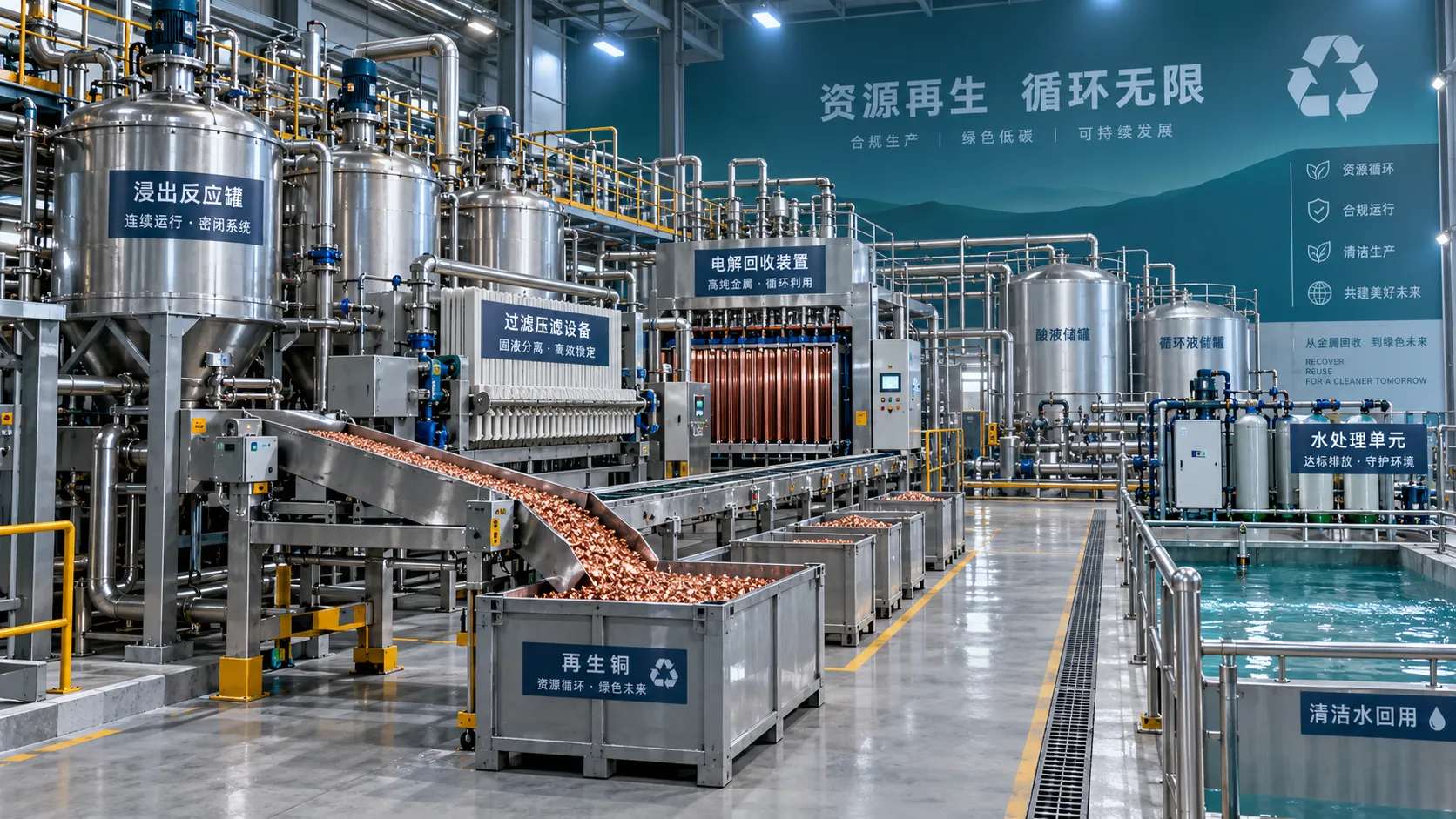
When does repeatable metals recovery infrastructure justify the investment?
Repeatable metals recovery infrastructure: discover when consistent feedstock, lower disposal costs, compliance control, and reliable offtake justify investment.
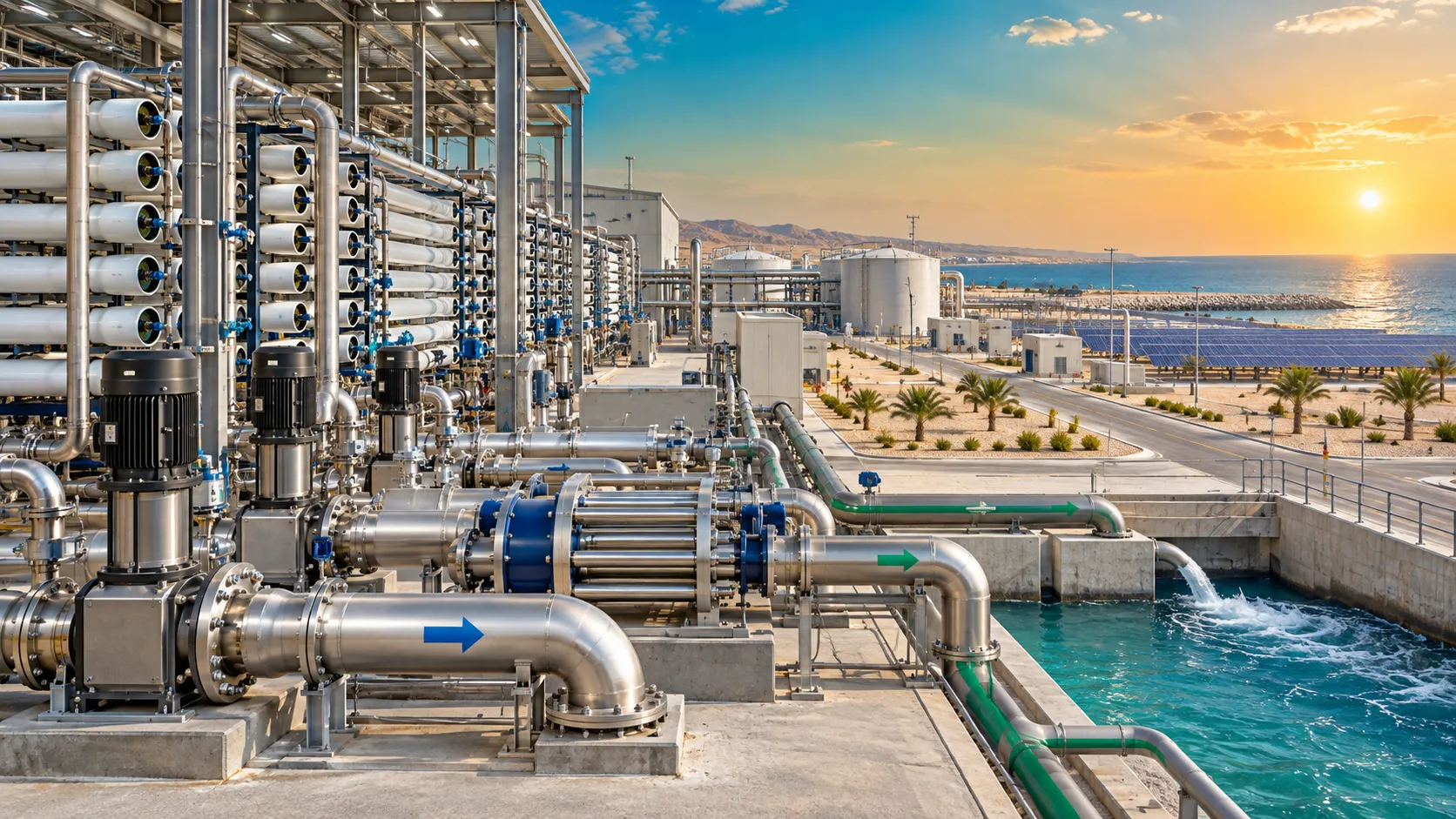
How energy recovery cuts the cost of seawater desalination in the Middle East
Seawater desalination Middle East projects can cut lifecycle costs with energy recovery. Explore savings, bankability, power-risk strategies, and smarter investment decisions.
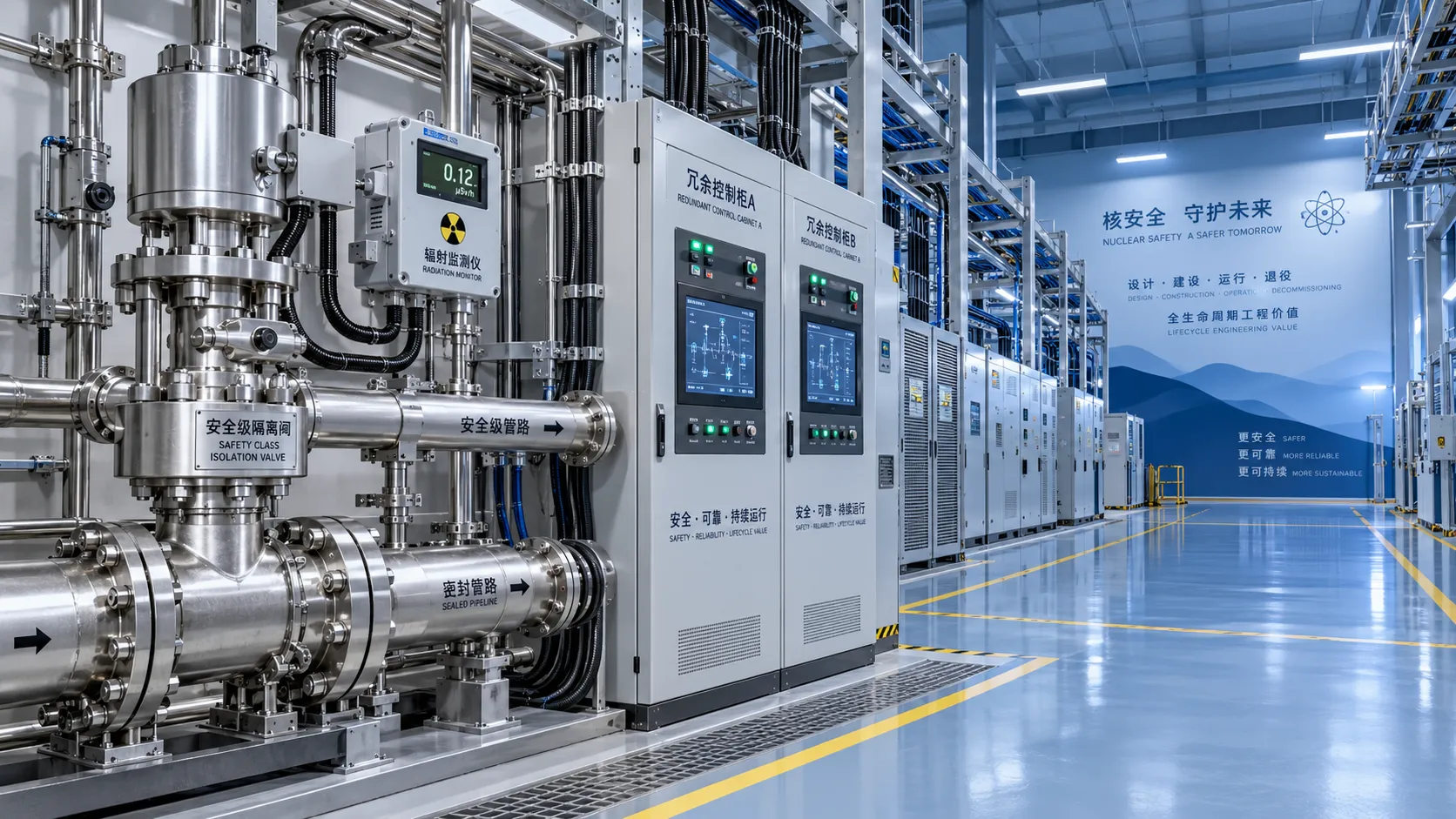
What drives nuclear safety solutions pricing for new facility projects?
Nuclear safety solutions pricing explained: uncover the key cost drivers for new facilities, from qualification and interfaces to lifecycle support.
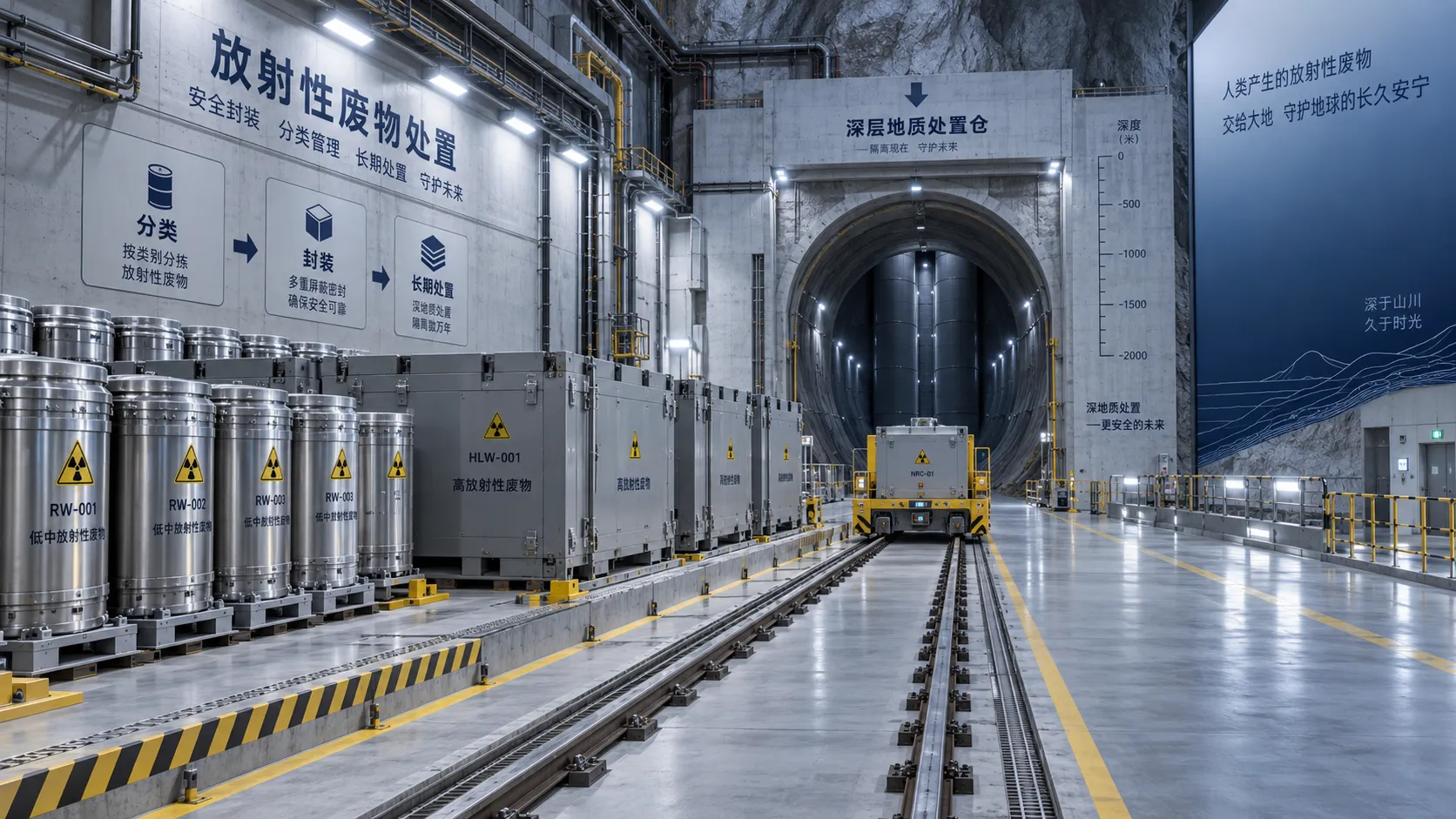
What drives radioactive waste cost over the life of a disposal project?
Radioactive waste cost depends on classification, treatment, transport, storage, disposal access, and long-term compliance. Explore the key lifecycle cost drivers.
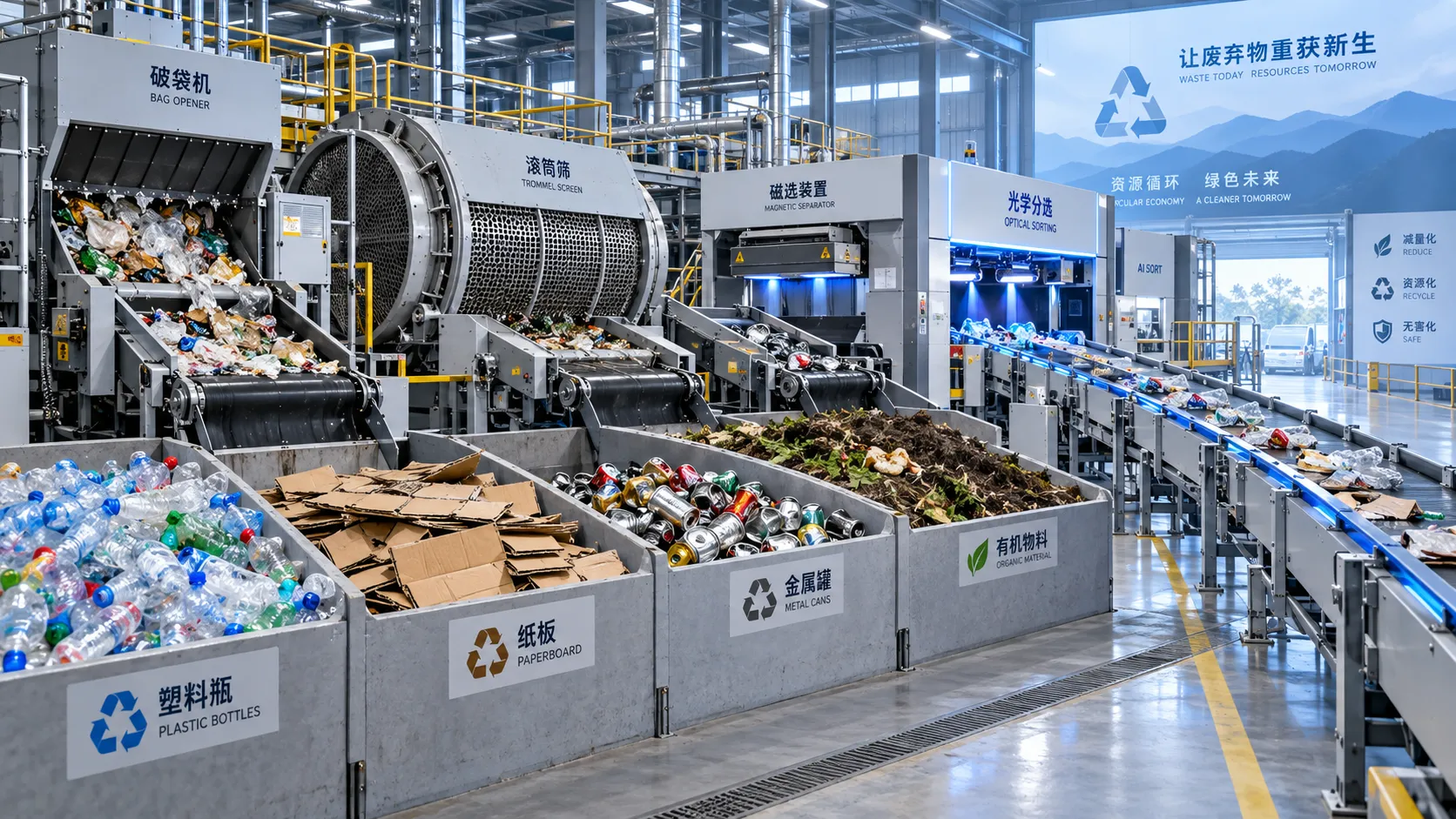
How to choose solid waste equipment based on waste stream characteristics
Environmental equipment guide for solid waste: discover how to match sorting, treatment, and recovery equipment to waste composition, moisture, contamination, and output goals.
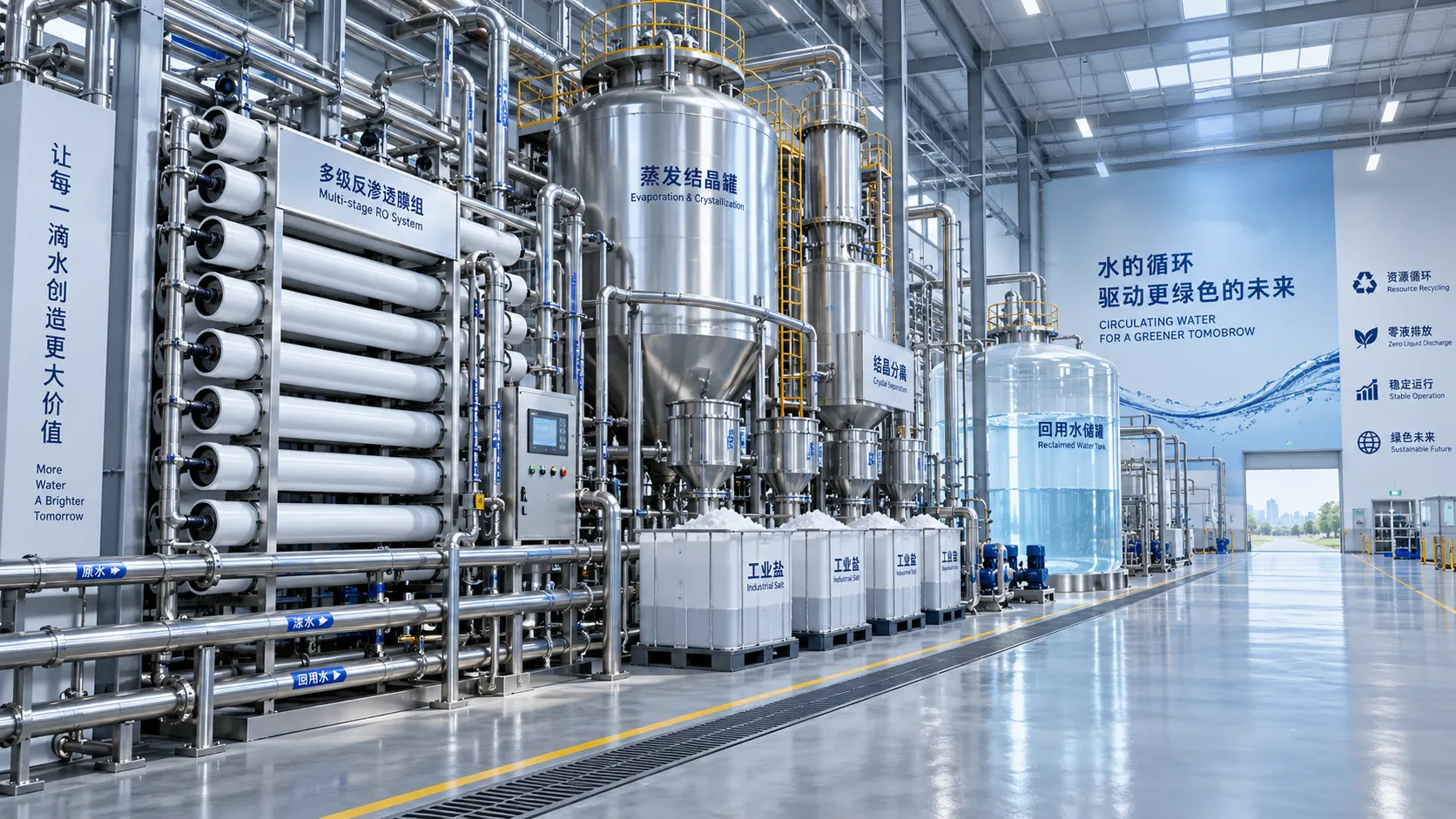
When does high recovery ZLD equipment justify its higher capital cost?
High recovery ZLD equipment can justify higher capital cost when water scarcity, discharge risks, brine disposal, and downtime threaten operations. Explore the decision factors.
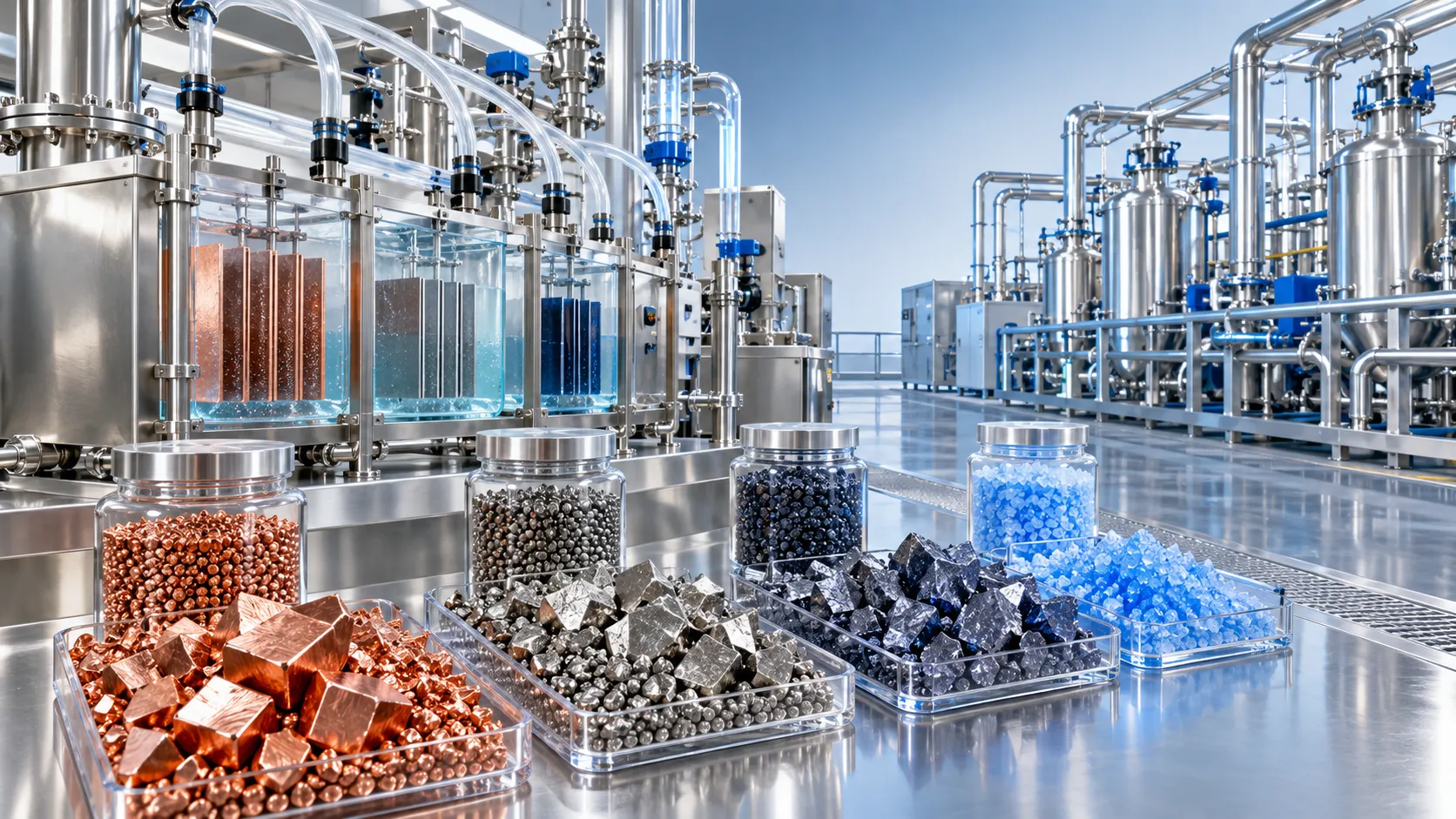
How high purity heavy metal recovery affects recovered metal value
High purity heavy metal recovery boosts recovered metal value by improving payability, reducing penalties, and unlocking stronger buyer opportunities. Explore smarter netback strategies.
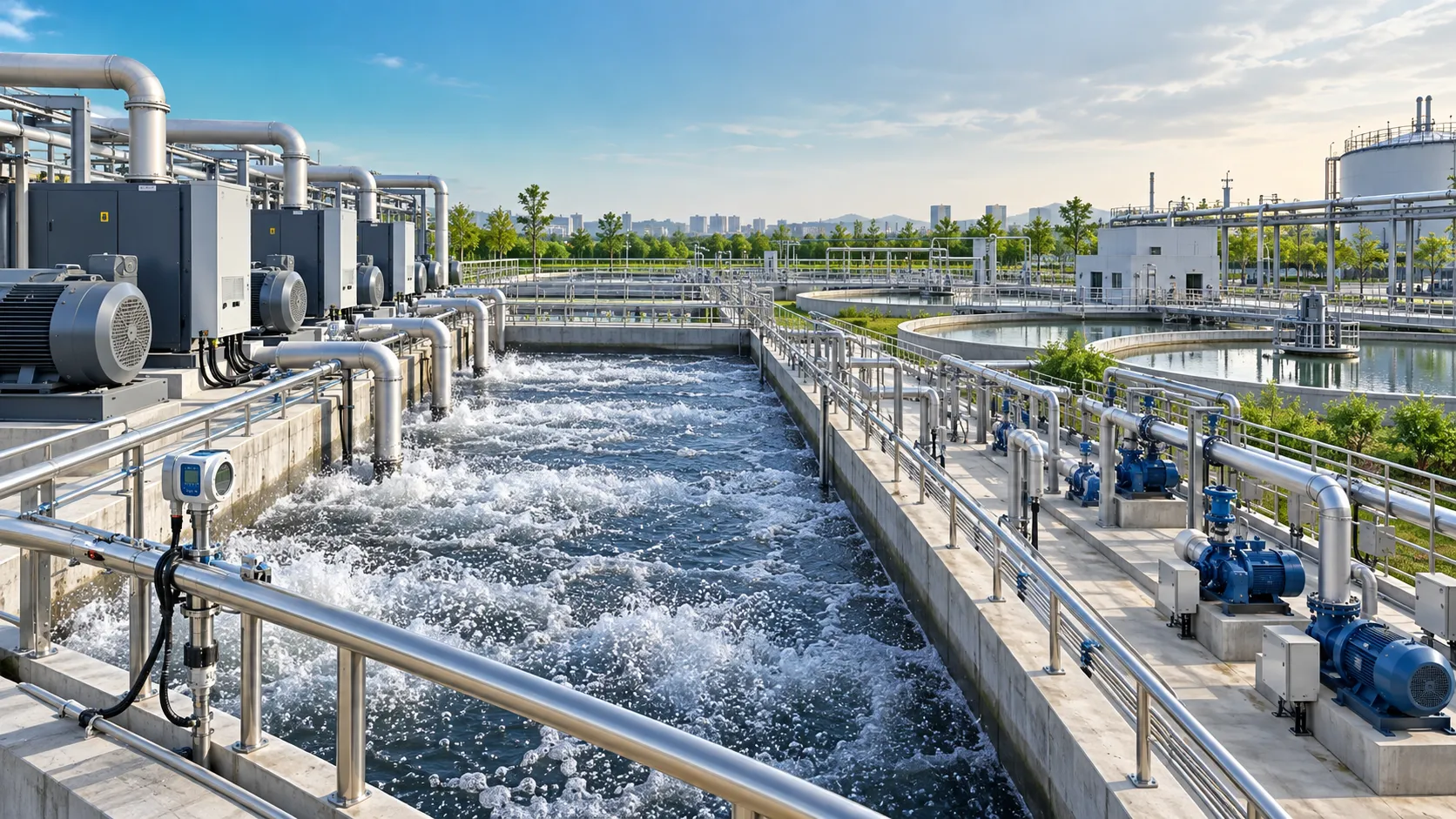
When does environmental equipment intelligence reduce wastewater plant energy use?
Environmental equipment intelligence for wastewater plants cuts energy use through smarter aeration, pumping, and data-driven controls—without compromising compliance. Discover when it delivers measurable savings.
Which Circular Economy Model Is Best for Industrial Waste Recovery?
Which circular economy model works best for industrial waste recovery? Compare closed loops, industrial symbiosis, recycling, and energy recovery to choose the right strategy.