
Industry News
Curation by industry experts
Hot Articles
Popular Tags
Circular Economy Technologies Trends in 2026: What Is Scaling First
As 2026 comes into view, circular economy technologies are no longer defined by vision alone. They are being tested as industrial assets that must survive tighter regulation, volatile feedstock costs, and capital discipline.
That shift matters because scale will not happen evenly. Some systems already fit existing plants, procurement cycles, and compliance mandates. Others still depend on policy support, infrastructure gaps, or uncertain material economics.
Across water, waste, flue gas, desalination, and hazardous residue management, the real question is practical. Which circular economy technologies will move first from demonstration value to repeatable deployment?
For platforms such as ESD, this is where intelligence becomes useful. The strongest signals sit at the intersection of process reliability, resource recovery yield, and global environmental compliance pressure.
What counts as circular in 2026
Circularity in industry is often misunderstood as recycling alone. In reality, it covers technologies that keep water, materials, energy, and treatment byproducts in productive use for longer.
That includes reuse systems, recovery loops, concentration and separation tools, sorting platforms, and treatment processes that turn liabilities into secondary inputs.
The most investable circular economy technologies usually share three features. They solve a compliance problem, reduce dependence on virgin inputs, and fit into established industrial operating models.
This explains why highly engineered infrastructure is gaining ground faster than lifestyle-oriented circular claims. Large plants need measurable throughput, stable chemistry, and auditable returns.
Why scaling is accelerating now
Several forces are pushing circular economy technologies into the mainstream. The first is regulation, especially around discharge, landfill diversion, emissions intensity, and traceability of recovered materials.
The second is resource risk. Water stress, critical mineral concentration, and unstable waste export routes are making closed-loop systems look less optional and more defensive.
The third is economics. High disposal costs, rising energy optimization pressure, and better digital monitoring have improved the business case for recovery-oriented infrastructure.
CBAM-related pressure also matters. When embodied carbon and process efficiency become procurement criteria, circular economy technologies gain strategic value beyond waste reduction.
The technologies most likely to scale first
Water reuse and Zero Liquid Discharge upgrades
Water systems are among the fastest-scaling circular economy technologies because the pain point is immediate. Industrial users already face freshwater scarcity, discharge limits, and reputational scrutiny.
Membrane concentration, brine minimization, and modular ZLD upgrades are moving first. They can extend existing treatment trains without forcing a full plant redesign.
In sectors with high dissolved solids or variable influent quality, the winners will be systems that maintain recovery rates under unstable operating conditions.
AI-enabled sorting and urban mining platforms
Solid waste recovery is shifting from volume handling to material intelligence. Optical sorting, robotics, and AI-based classification improve purity, which is what downstream markets actually pay for.
These circular economy technologies are scaling because they strengthen feedstock consistency for plastics, metals, fibers, and e-waste recovery streams.
The main advantage is not automation alone. It is the ability to transform mixed waste into bankable secondary resources with clearer quality assurance.
Pyrolysis and thermochemical recovery for hard-to-recycle streams
Pyrolysis remains uneven, but selected applications are scaling. The strongest cases involve contaminated plastics, sludge-derived fractions, and residue streams that mechanical recycling cannot absorb.
Here, circular economy technologies succeed when off-take agreements, emissions controls, and residue handling are engineered from the start. Without that, scale becomes fragile.
Desalination-linked recovery systems
Heavy seawater desalination is no longer only about producing water. It is increasingly tied to brine management, energy recovery, and selective mineral extraction.
This makes desalination-adjacent circular economy technologies important in coastal industrial clusters where water security and discharge intensity are both under pressure.
Residue stabilization in nuclear and hazardous waste chains
Not every circular pathway means direct reuse. In nuclear waste and hazardous residues, circular logic often starts with volume reduction, immobilization, and long-term containment reliability.
These technologies scale more slowly, but they are strategically important. They protect the credibility of broader low-carbon infrastructure and tighten the safety loop around industrial byproducts.
Where adoption is strongest
Not every sector will adopt the same tools at the same speed. Scale tends to appear where waste intensity, compliance exposure, and material value are already visible on the balance sheet.
The pattern is clear. Circular economy technologies scale faster when they remove an operational bottleneck, not when they depend only on broad sustainability intent.
How to judge real business value
In practical terms, the best decisions come from process metrics rather than narrative claims. Recovery percentage alone is too narrow if energy load, contamination risk, or maintenance burden rises sharply.
A stronger evaluation framework includes technical fit, operating stability, compliance resilience, and the quality of recovered outputs.
- Map the waste or water stream in detail before selecting any technology.
- Test performance under variable feed composition, not just ideal design conditions.
- Check whether recovered materials have verified downstream buyers or internal reuse pathways.
- Assess permitting, emissions controls, and residue obligations alongside process efficiency.
- Use lifecycle economics, including downtime, membrane replacement, reagent demand, and disposal savings.
This is where specialized intelligence platforms matter. ESD’s focus on SWRO membranes, SCR kinetics, waste vitrification, and recovery systems reflects the real level of detail required for high-consequence decisions.
Signals that separate scalable systems from promising pilots
Many circular economy technologies look attractive in pilot reports. Fewer can handle procurement scrutiny, operator constraints, and multi-year compliance obligations.
The systems most likely to scale first usually show repeatable deployment characteristics.
- They integrate with existing plant infrastructure.
- They improve resource productivity without introducing unstable byproducts.
- They have transparent data on throughput, purity, and operating cost.
- They align with regional policy trends and reporting requirements.
- They support long-term contracting or internal reuse, reducing market exposure.
By contrast, slower-moving options tend to rely on uncertain subsidies, weak feedstock quality, or unresolved downstream handling issues.
What to watch next
Heading into 2026, circular economy technologies will be judged less by ambition and more by deployment quality. The leaders will be solutions that connect resource recovery with compliance certainty and operational discipline.
Water reuse, AI sorting, targeted thermochemical recovery, and desalination-linked optimization appear closest to broad scaling. Hazardous and nuclear systems will remain more specialized, but strategically essential.
A sensible next step is to compare technologies by stream complexity, regulatory exposure, and value recovery potential. That approach builds a stronger investment case than trend-following alone.
The market is moving from circular promises to engineered proof. The organizations that establish clear technical filters now will be better positioned to act when the strongest opportunities become fully bankable.
Recommended News
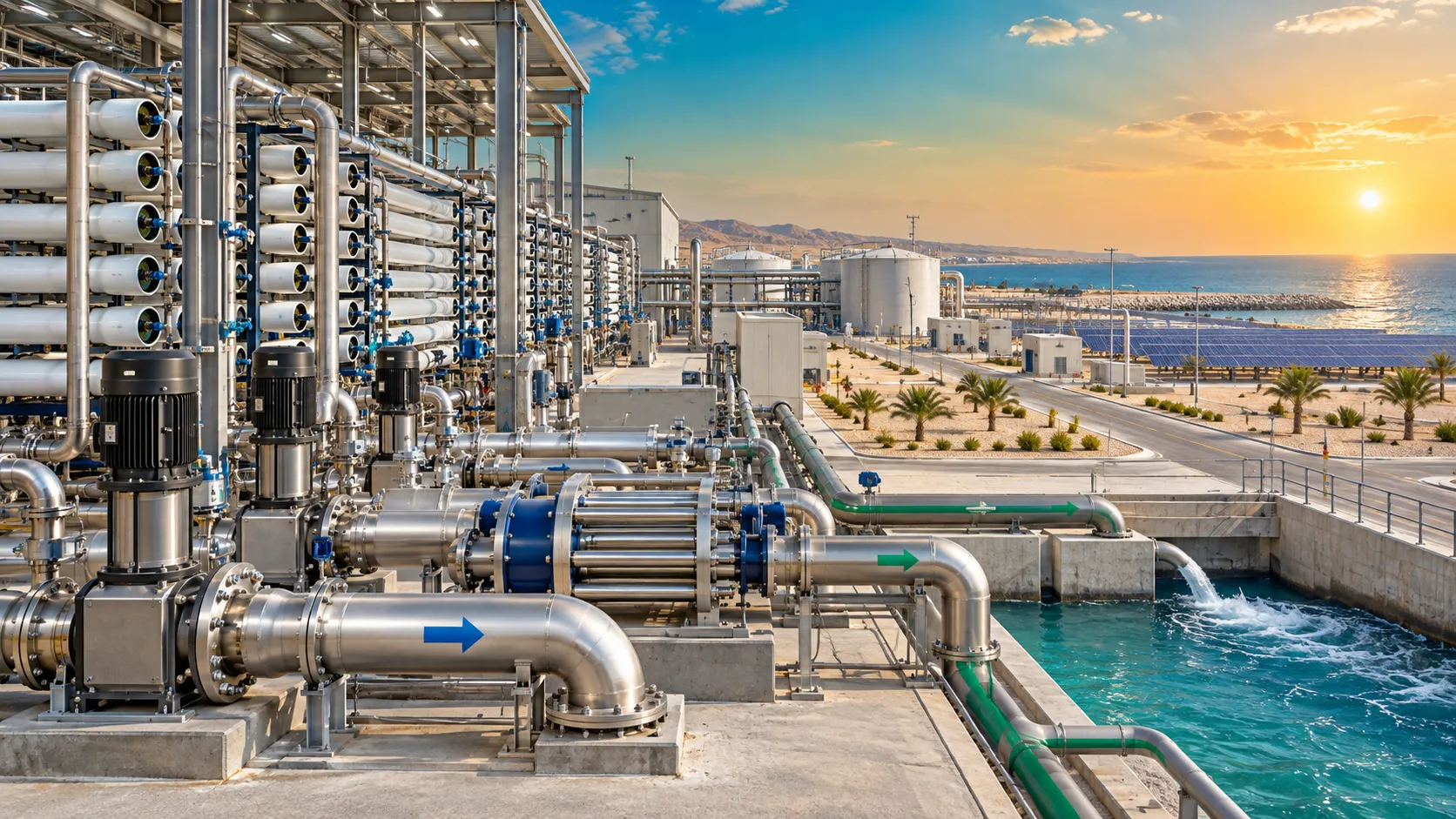
How energy recovery cuts the cost of seawater desalination in the Middle East
Seawater desalination Middle East projects can cut lifecycle costs with energy recovery. Explore savings, bankability, power-risk strategies, and smarter investment decisions.
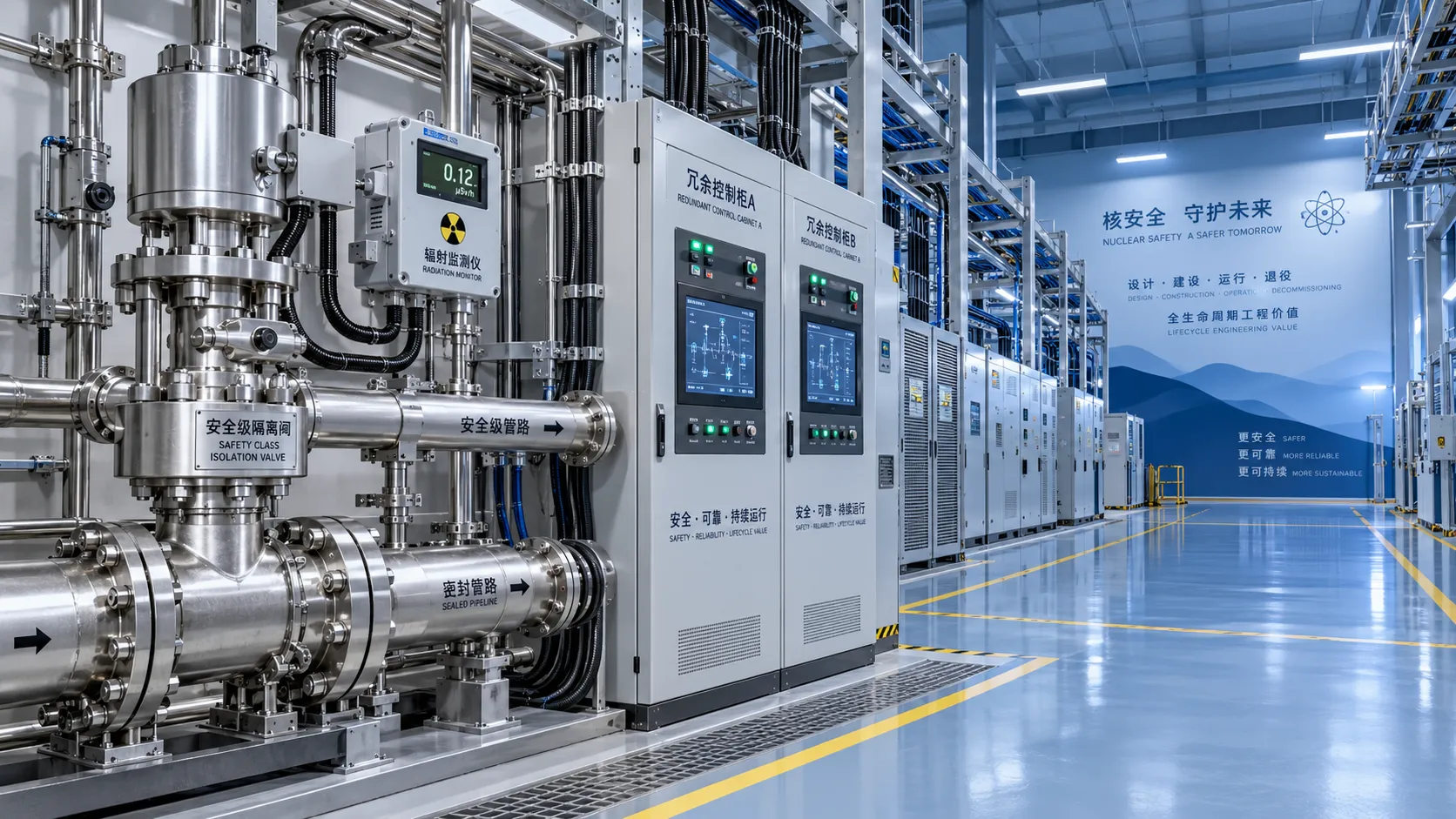
What drives nuclear safety solutions pricing for new facility projects?
Nuclear safety solutions pricing explained: uncover the key cost drivers for new facilities, from qualification and interfaces to lifecycle support.
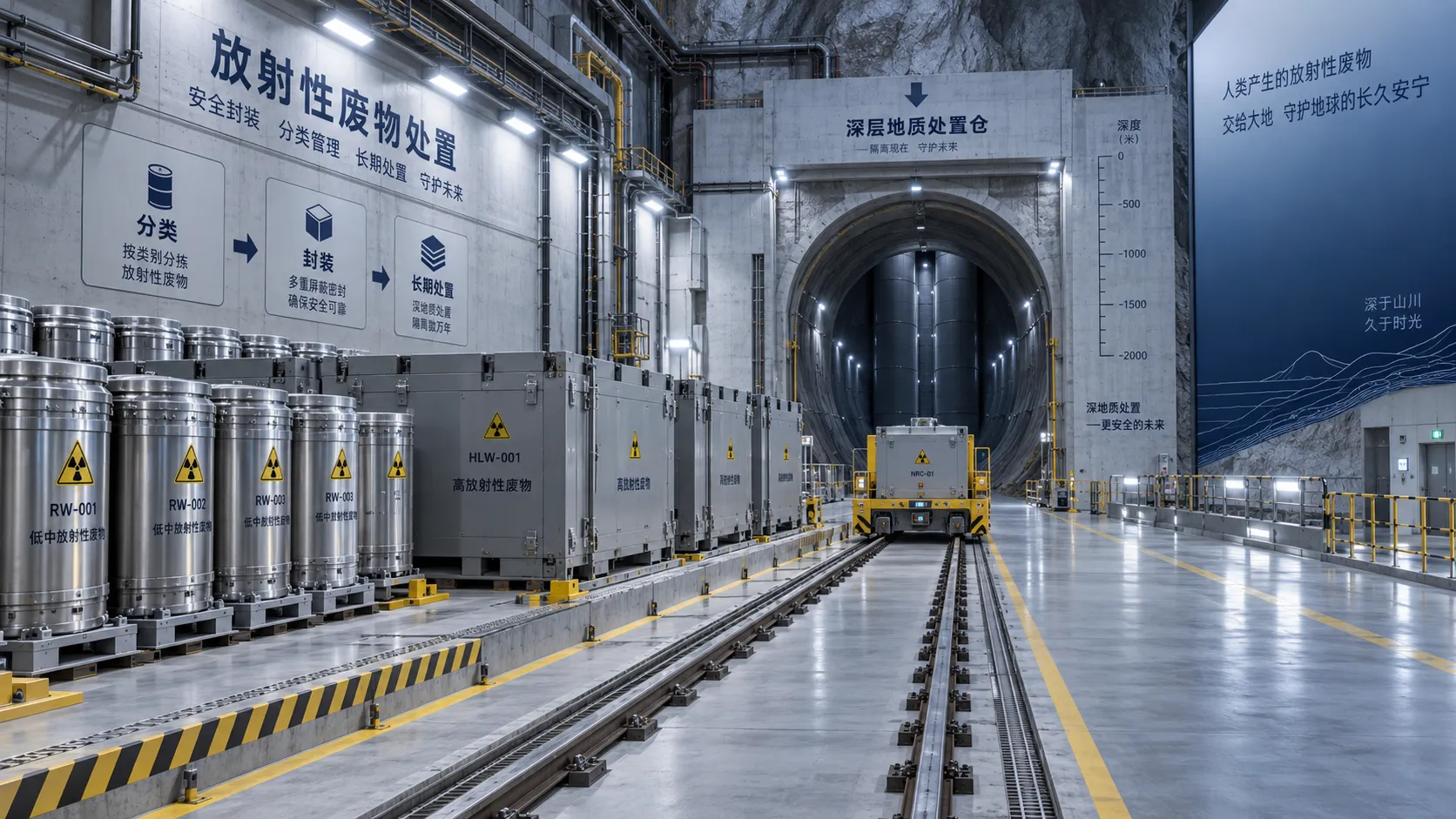
What drives radioactive waste cost over the life of a disposal project?
Radioactive waste cost depends on classification, treatment, transport, storage, disposal access, and long-term compliance. Explore the key lifecycle cost drivers.
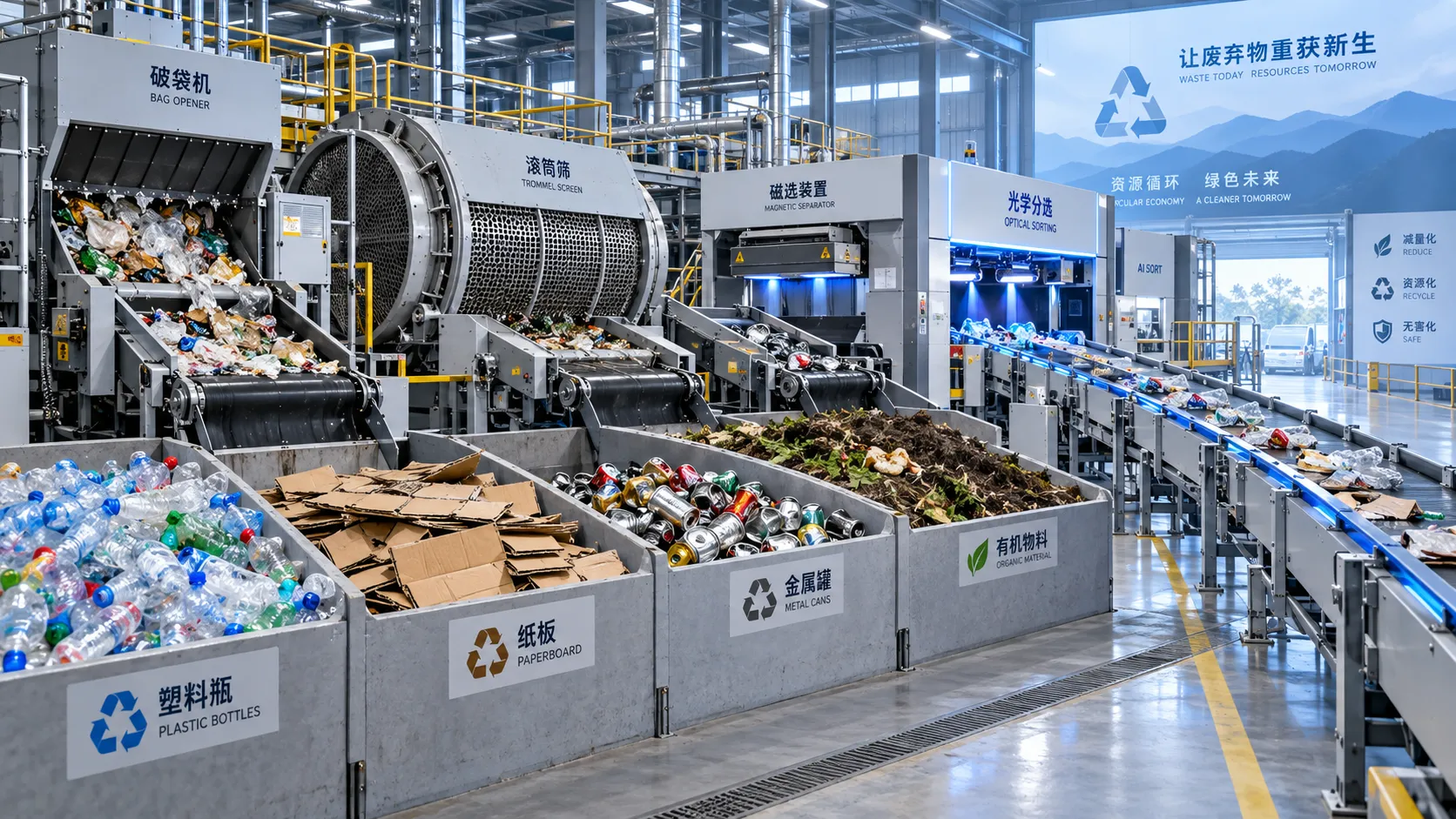
How to choose solid waste equipment based on waste stream characteristics
Environmental equipment guide for solid waste: discover how to match sorting, treatment, and recovery equipment to waste composition, moisture, contamination, and output goals.
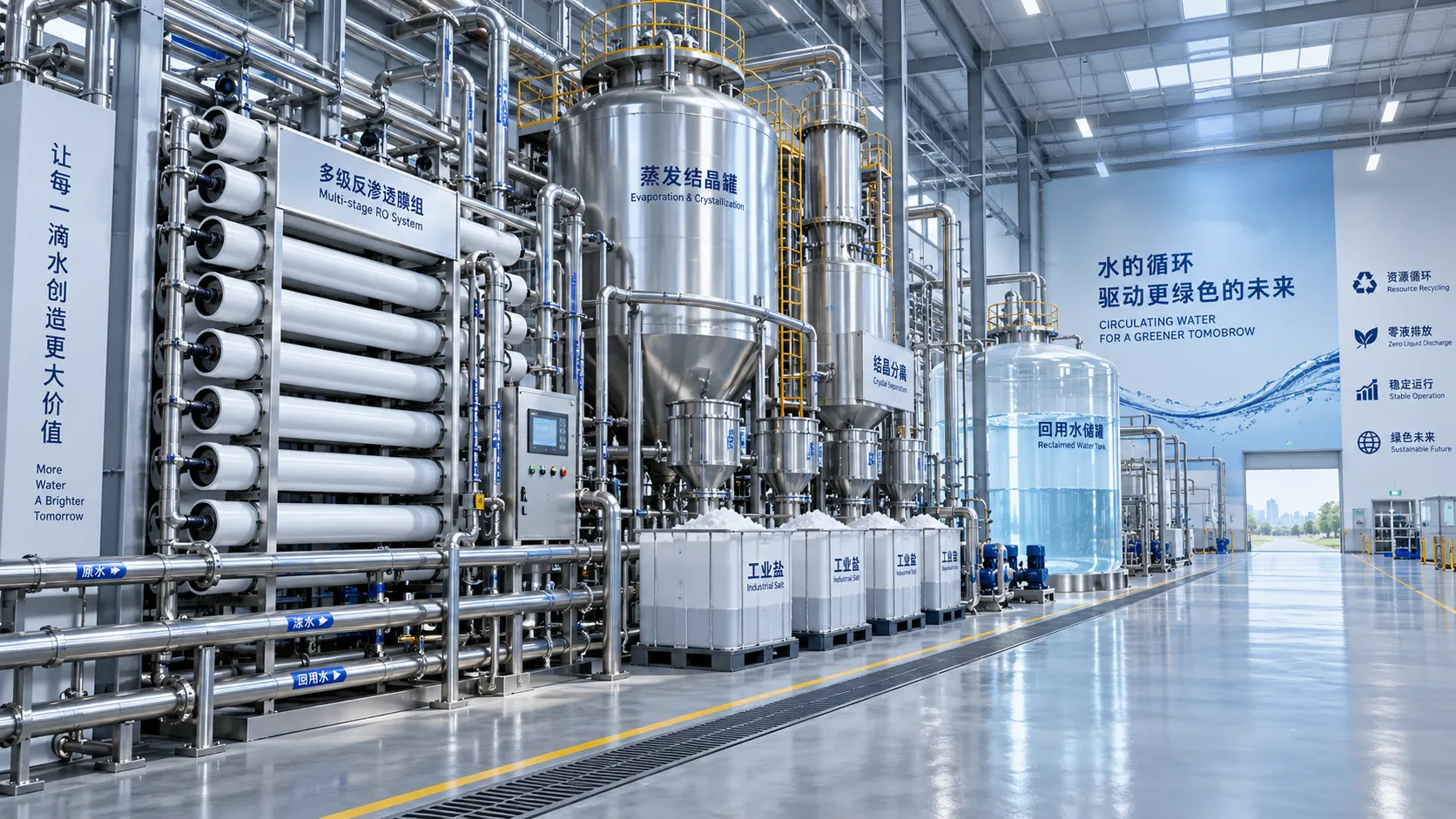
When does high recovery ZLD equipment justify its higher capital cost?
High recovery ZLD equipment can justify higher capital cost when water scarcity, discharge risks, brine disposal, and downtime threaten operations. Explore the decision factors.

How high purity heavy metal recovery affects recovered metal value
High purity heavy metal recovery boosts recovered metal value by improving payability, reducing penalties, and unlocking stronger buyer opportunities. Explore smarter netback strategies.
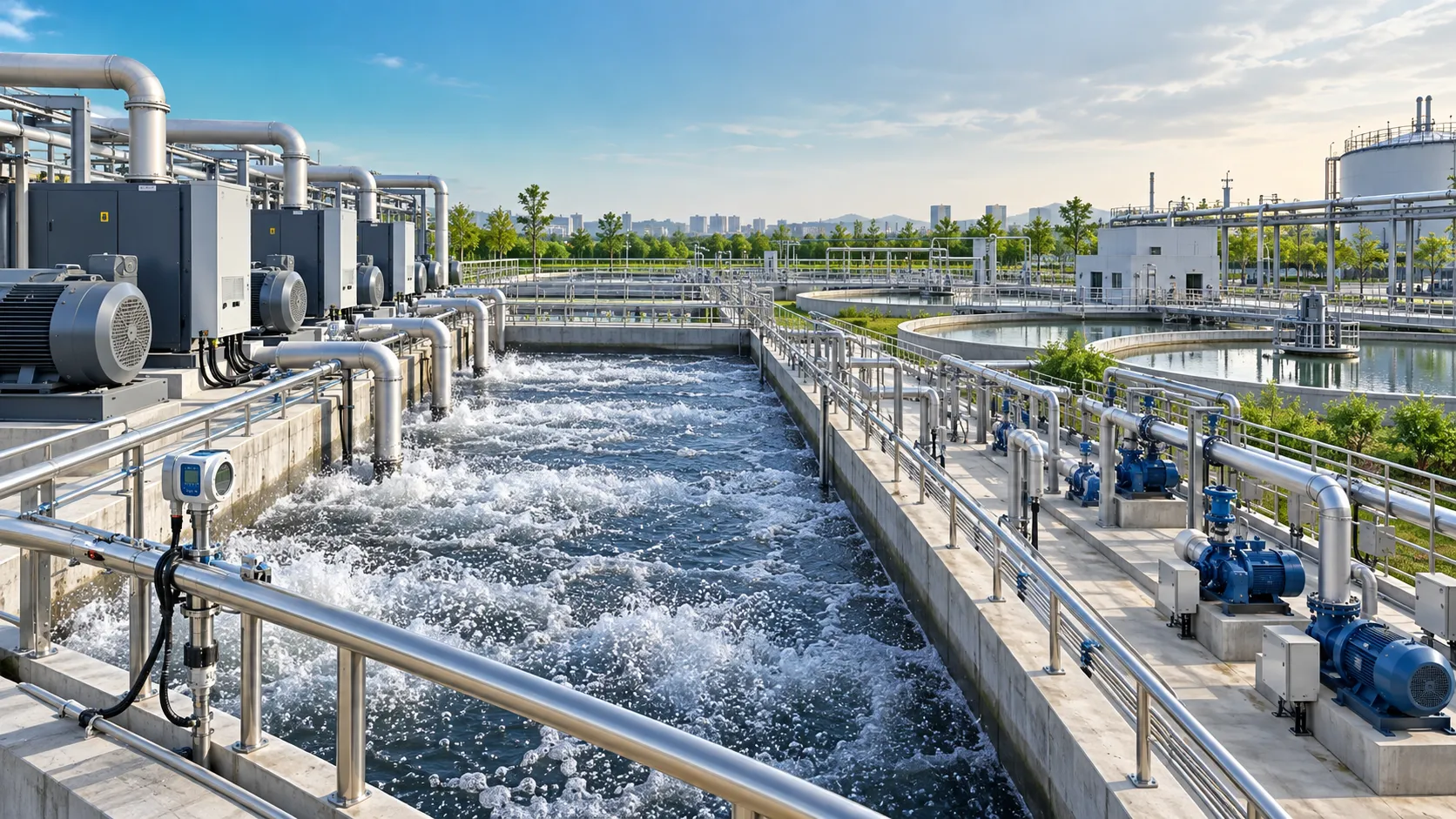
When does environmental equipment intelligence reduce wastewater plant energy use?
Environmental equipment intelligence for wastewater plants cuts energy use through smarter aeration, pumping, and data-driven controls—without compromising compliance. Discover when it delivers measurable savings.
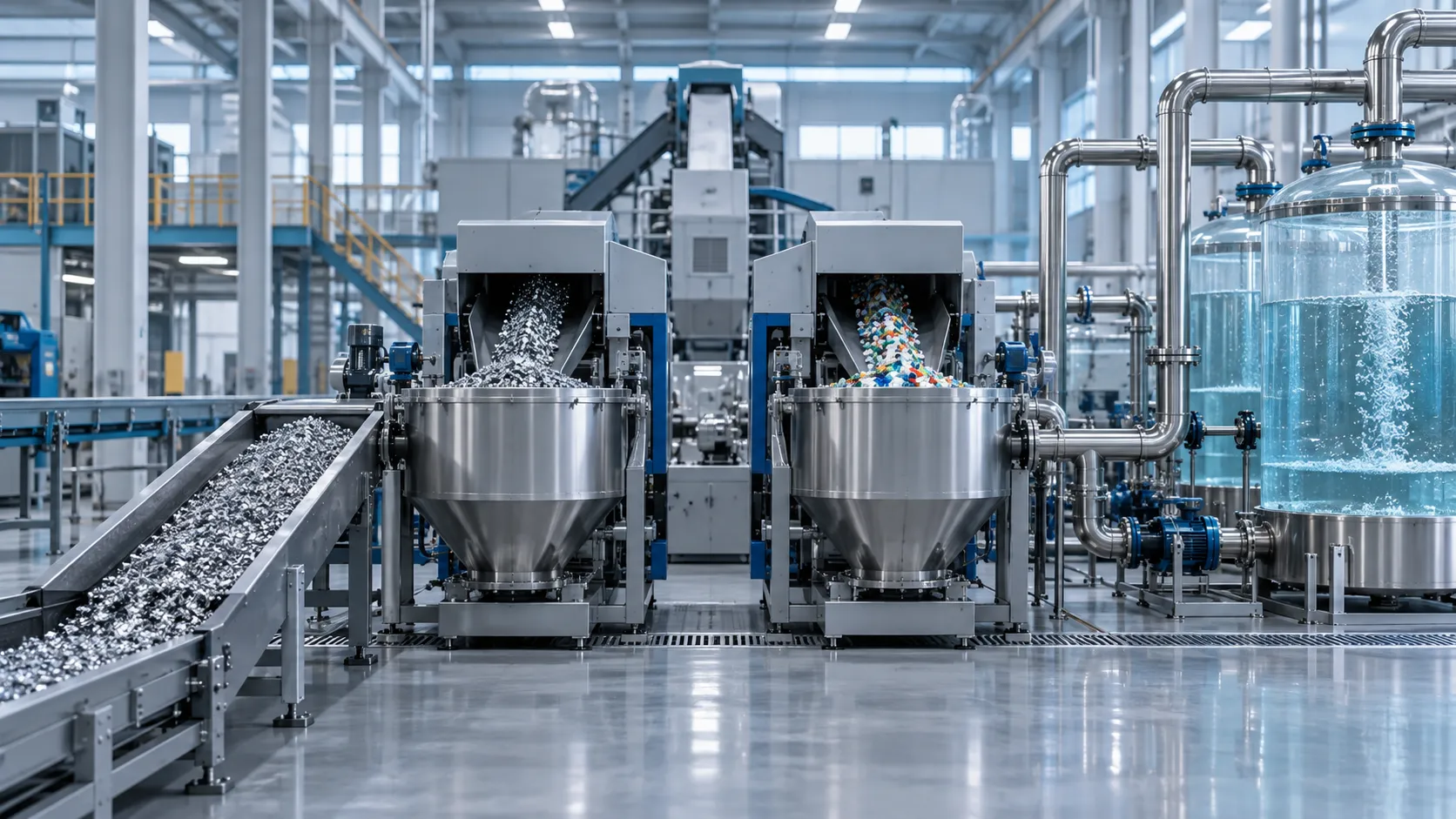
Which Circular Economy Model Is Best for Industrial Waste Recovery?
Which circular economy model works best for industrial waste recovery? Compare closed loops, industrial symbiosis, recycling, and energy recovery to choose the right strategy.
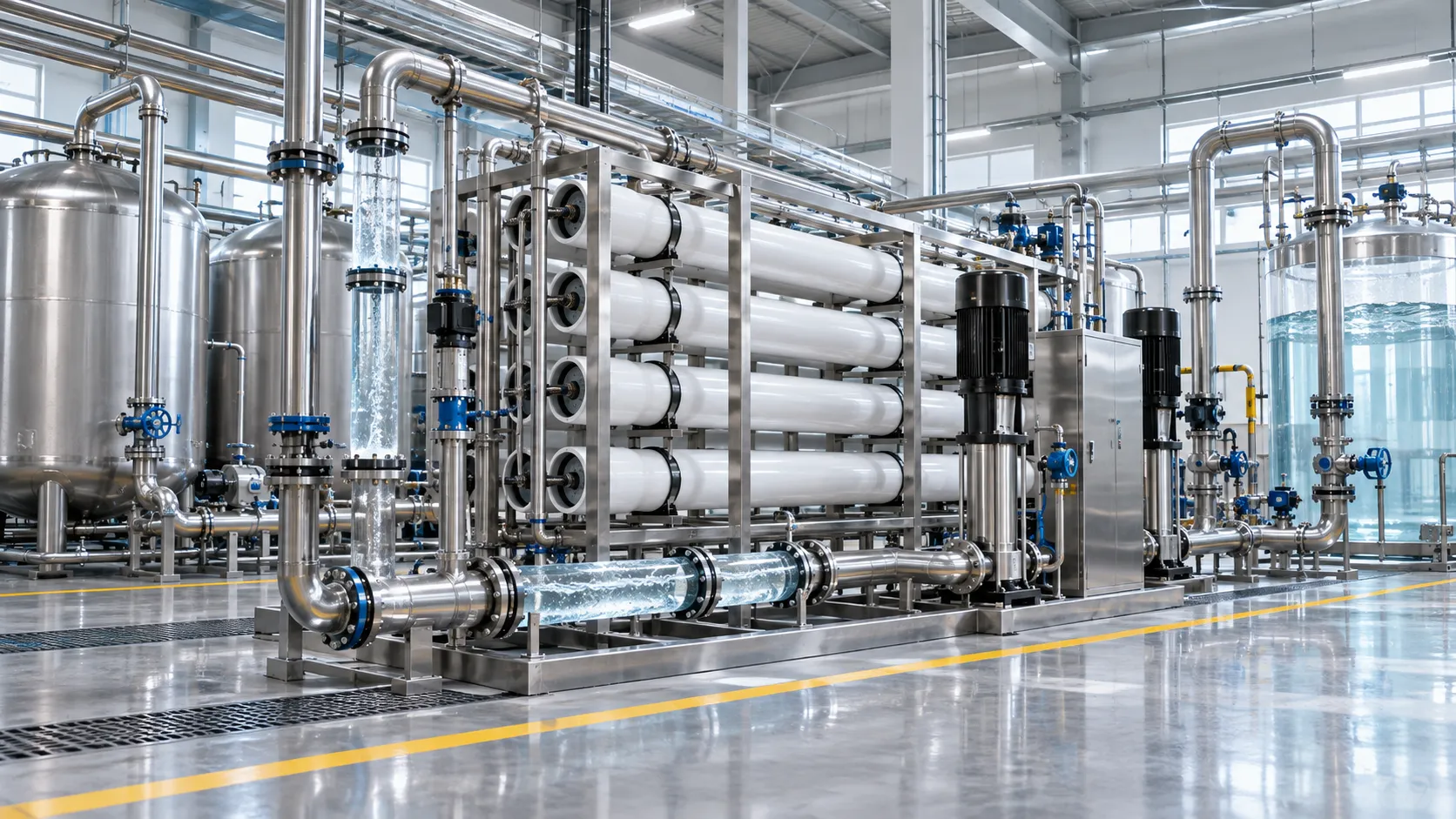
How Is the Payback Period for Resource Recovery Equipment Calculated?
How do you calculate the payback period for resource recovery equipment? Learn to model installed costs, savings, revenue, operating expenses, and realistic cash flows.