
Industry News
Curation by industry experts
Hot Articles
Popular Tags
Environmental Regulations Training Courses That Fill Real Gaps
For quality control and safety managers, environmental regulations training courses often sound comprehensive on paper yet fall short on plant realities. Rules are taught, but operating conditions, cross-border audits, and process-specific hazards are barely covered.
That gap matters in water treatment, waste recovery, desalination, flue gas control, and nuclear waste management. Compliance failures rarely begin with ignorance alone. They begin when general training does not match site-level decisions.
Strong environmental regulations training courses should convert legal language into daily actions, inspection routines, records, alarms, shutdown criteria, and escalation paths. When training does that, audit readiness improves and operational risk drops.
What real gaps do environmental regulations training courses usually miss?
The biggest gap is context. Many environmental regulations training courses explain standards but ignore how those standards behave inside complex facilities.
A wastewater operator may learn discharge thresholds. However, training may not explain how membrane fouling, equalization failure, or dosing drift can trigger a breach hours later.
A waste recovery site may review hazardous classification rules. Yet workers may not learn how mixed loads, mislabeled containers, and AI sorting exceptions create documentation risk.
In desalination, training may mention brine management and energy use. It may skip intake ecology, antiscalant residue records, or permit conditions tied to marine discharge points.
High-risk sectors need more than regulation summaries. They need scenario-based interpretation linked to equipment behavior, maintenance cycles, and abnormal operating conditions.
- Rules are taught without process maps.
- Audits are discussed without sample evidence trails.
- Permits are reviewed without upset-condition planning.
- Reporting duties are listed without ownership assignment.
- Global regulations are cited without local enforcement nuance.
Why do these gaps matter more in advanced environmental infrastructure?
Advanced facilities operate under tight physical and chemical limits. Small process deviations can become environmental incidents before management notices them.
This is especially true in the sectors tracked by ESD. Water treatment, solid waste recovery, flue gas treatment, desalination, and nuclear waste systems carry layered obligations.
One layer covers emissions, discharge, storage, and transport. Another covers traceability, emergency response, and contractor control. A third may involve export rules, carbon reporting, or public disclosure.
Environmental regulations training courses that ignore this layering create false confidence. Teams may pass a classroom quiz but fail a regulator interview or permit inspection.
Consider several practical examples:
- A ZLD system can stay within design intent yet violate documentation conditions.
- A pyrolysis line can recover value while creating air monitoring liabilities.
- An SWRO plant can meet production goals but miss marine compliance records.
- A nuclear waste unit can satisfy engineering controls but fail chain-of-custody detail.
In each case, the gap is not knowledge of the law alone. It is the missing bridge between legal duty and operational evidence.
How can you tell whether environmental regulations training courses are truly practical?
Useful environmental regulations training courses are easy to recognize. They do not stop at definitions. They show what compliance looks like on shift, during maintenance, and under upset conditions.
The best programs usually include real permit excerpts, sample logs, escalation charts, and findings from recent enforcement trends. They also reflect changing international pressure, including CBAM-linked reporting expectations.
A practical course should answer these questions clearly:
- Which regulations apply to this process and location?
- Which operating parameters can trigger non-compliance?
- What records must be created, reviewed, and retained?
- How are contractors and third parties controlled?
- What happens during spills, bypasses, or emergency shutdowns?
If environmental regulations training courses cannot answer these points, they are likely too generic. Compliance risk then remains embedded in the operation.
Quick evaluation checklist
Which application scenarios need specialized environmental regulations training courses?
Not all compliance settings are equal. Some operations need specialized environmental regulations training courses because the risk profile is technical, dynamic, and heavily documented.
Large water treatment and ZLD
Training should cover sampling integrity, pretreatment chemistry, sludge handling, bypass control, and discharge reporting. Generic environmental regulations training courses rarely connect these factors well.
Solid waste recovery and urban mining
Teams need guidance on hazardous fractions, storage compatibility, shipment records, thermal processing controls, and residuals classification. Recovery value does not reduce legal exposure.
Flue gas treatment systems
Air compliance training must address continuous monitoring, reagent changes, catalyst performance drift, startup emissions, and abnormal combustion events.
Seawater desalination
The focus should include intake impacts, brine discharge conditions, chemical inventory, energy reporting, and coastal permit interaction.
Nuclear waste management
This requires strict attention to containment, labeling, shielding, transport interfaces, traceability, and long-term record integrity. Standard environmental regulations training courses are usually insufficient here.
What mistakes make environmental regulations training courses ineffective?
The most common mistake is treating compliance as a one-time lecture. Regulations change, enforcement patterns shift, and site modifications introduce new obligations.
Another mistake is separating environmental regulations training courses from maintenance, engineering, and incident review practices. Real compliance lives inside these workflows.
A third mistake is overemphasizing legal wording while ignoring evidence quality. During audits, weak logs and inconsistent records often hurt more than imperfect theory.
- Annual training with no refresher after process change
- No linkage between permit limits and instrument alarms
- No practical drill for spill, exceedance, or complaint response
- No distinction between local, national, and export-facing obligations
- No post-training verification at the operating unit
Effective environmental regulations training courses should be updated through regulatory intelligence, audit findings, and equipment performance trends. That is where high-value information platforms create an advantage.
How should environmental regulations training courses be selected and implemented?
Selection should begin with risk mapping, not vendor slides. Identify the permits, waste streams, emissions points, sensitive processes, and reporting duties that matter most.
Then compare environmental regulations training courses against actual facility exposures. The best option is usually modular, regulation-aware, and process-linked.
A strong implementation path is simple:
- Map legal duties to equipment and workflows.
- Choose environmental regulations training courses with sector examples.
- Add drills, record reviews, and alarm-response exercises.
- Measure retention through field observations.
- Update content using intelligence on regulatory evolution.
Environmental regulations training courses deliver value only when they close real operational gaps. In advanced environmental infrastructure, that means turning rules into controls, records, and reliable decisions.
For organizations following global shifts in compliance, technology, and ecological engineering, better training starts with better intelligence. Review current exposure points, compare them with course content, and prioritize the gaps that can become tomorrow’s enforcement risk.
Recommended News
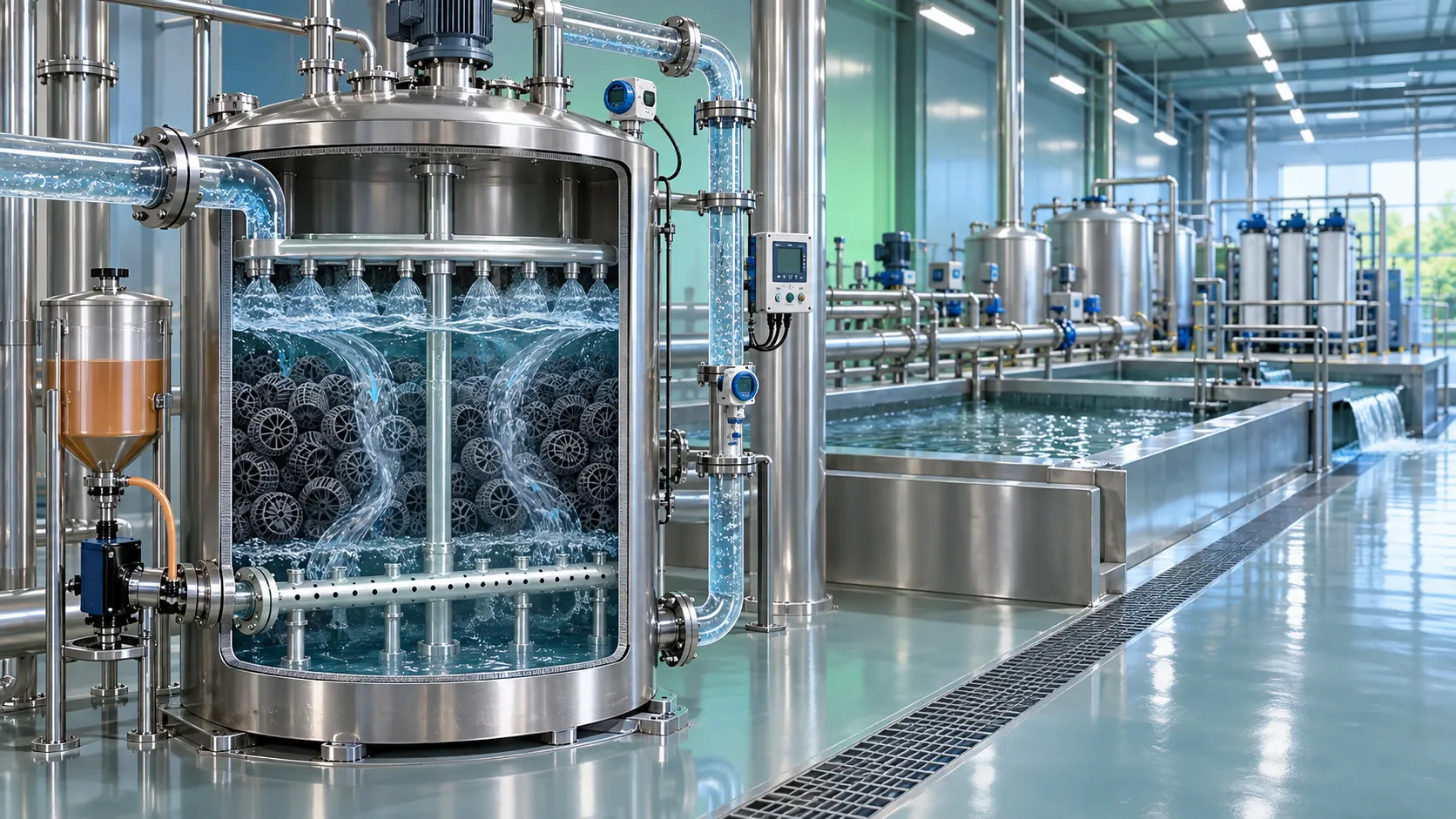
How reactor retention time affects denitrification equipment performance
Denitrification equipment reactor performance depends on retention time, carbon, mixing, and load control. Explore practical insights for reliable nitrogen removal.

How feed salinity affects energy use in ZLD system brine treatment
ZLD system brine treatment: discover how feed salinity drives energy use, scaling risk, and technology choices for efficient, reliable zero liquid discharge.

How coastal cities can select desalination solutions for peak demand
Seawater desalination solutions for coastal cities: compare firm peak capacity, intake risk, energy resilience, and lifecycle value to secure reliable water supply.

How SCR denitrification systems in Europe meet Industrial Emissions rules
SCR denitrification systems Europe: learn how permit-led design, ammonia-slip control, catalyst management and monitoring support Industrial Emissions compliance.
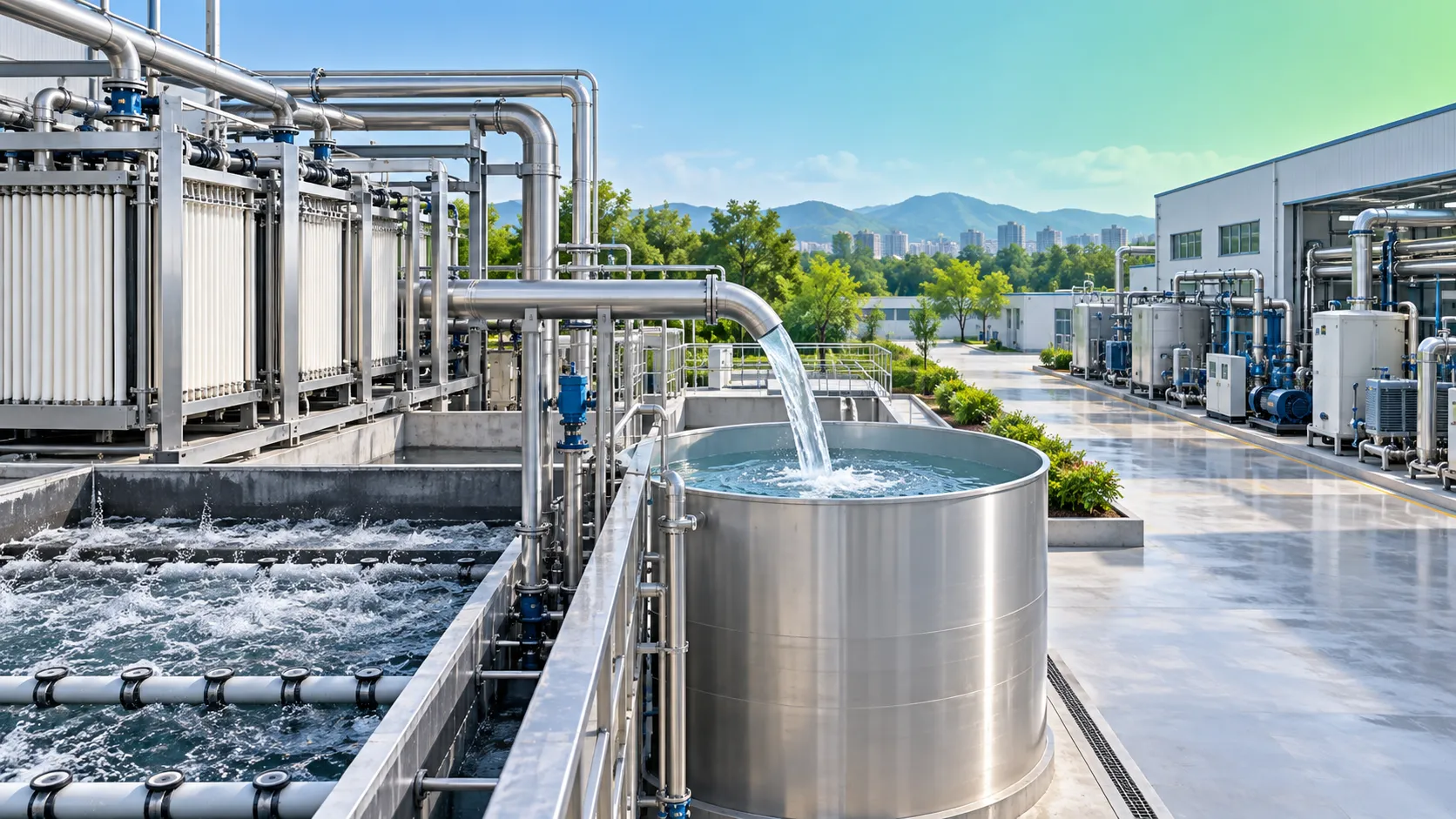
When does MBR equipment make sense for wastewater reuse?
Water treatment equipment for wastewater reuse: learn when MBR delivers compact, reliable low-solids effluent—and when alternative treatment trains offer better value.

How North America shapes global environmental governance standards
Global environmental governance North America: discover how regulation, finance, and procurement raise worldwide standards and reshape environmental projects.

How reactor capacity affects throughput in pyrolysis systems
Pyrolysis systems reactor capacity explained: learn how heat transfer, residence time, feed quality, and emissions controls determine reliable throughput.

When low-temperature reaction equipment is the right fit for heat-sensitive processes
Low-temperature reaction equipment helps protect heat-sensitive streams, improve energy integration, and maintain reliable conversion. Explore key selection factors today.

When do water reuse systems deliver a practical payback?
Water reuse systems deliver practical payback when they cut water, discharge, and downtime costs. Learn how to match treatment, recovery, and reuse quality for lasting ROI.