
Industry News
Curation by industry experts
Hot Articles
Popular Tags
How feed water quality affects membrane filtration systems
Feed water quality determines the operating window of membrane filtration systems: it affects achievable flux and recovery, pretreatment demand, cleaning frequency, and permeate quality. A design based only on salinity or average suspended solids can miss short-lived events that foul a membrane, trigger precipitation in a concentrate channel, or damage a chemically sensitive surface.
The relevant feed is the water reaching each membrane stage, after any upstream treatment and chemical addition. Its particle load, dissolved constituents, biological activity, pH, temperature, and variability must be considered alongside membrane material and operating conditions. The same source water can present different risks to an ultrafiltration barrier and a reverse osmosis system downstream.
Feed water parameters and their effects on membrane performance
Suspended solids and colloids: pressure loss is not the whole story
Particles accumulate on membrane surfaces and in feed channels when transport toward the surface exceeds removal by crossflow, backwashing, or other cleaning mechanisms. In microfiltration and ultrafiltration, deposit formation and pore blocking can increase transmembrane pressure at a controlled flux. In spiral-wound nanofiltration and reverse osmosis elements, deposits can also obstruct feed spacers, producing a rising pressure drop along the vessel.
Turbidity is a useful operational signal, but it does not describe the entire fouling load. Two feeds with similar turbidity can contain different proportions of clay, metal hydroxides, fine organic particles, or biological debris. Their deposition behavior and response to coagulation can differ substantially. A clear-looking feed can still carry colloids capable of fouling a downstream reverse osmosis membrane.
Silt density index testing provides an empirical indication of particulate fouling tendency under the test conditions. It is useful for tracking pretreatment performance and comparing water against membrane supplier requirements, but it is not a direct measurement of particle concentration or a complete prediction of fouling rate. Sample handling, temperature, and the condition of the test equipment affect the result. Interpreting the index alongside turbidity, particle observations, and operating trends gives a stronger basis for diagnosis.
Upstream treatment must also be assessed at its point of discharge. Coagulant carryover, an upset filter, or debris released after maintenance can produce a feed that differs markedly from the raw-water sample used during design. Cartridge filters can capture some residual particles before a spiral-wound system, but sustained loading can exhaust their capacity rapidly; they should not be assumed to replace a properly sized pretreatment stage.
Dissolved minerals, recovery, and scaling potential
Reverse osmosis and nanofiltration reject many dissolved ions, so their concentrations rise along the feed channel as permeate is removed. The concentrate at the tail of a system can therefore reach a precipitation condition even when the incoming water appears stable. Calcium carbonate, calcium sulfate, silica, and other sparingly soluble species require different assessments because their precipitation behavior and control methods differ.
A total dissolved solids value is insufficient for a scaling assessment. It does not show whether the dissolved load contains the ion combinations that form a particular scale. A useful analysis includes major cations and anions, alkalinity, silica, pH, and temperature, together with the proposed recovery and any chemical additions. Charge balance and sampling quality matter: an incomplete or inconsistent analysis can make a modeled saturation result misleading.
Recovery changes both water yield and concentration risk. Raising recovery increases the concentration of retained species and can push the final elements into a scaling regime. It can also increase concentrate osmotic pressure, reducing the effective driving force available for permeation at a given applied pressure. A design that meets product flow with clean elements at one temperature still needs sufficient operating margin for the expected feed range and membrane aging.
Acid dosing, antiscalants, softening, and reduced recovery are possible controls, selected against the identified scale mechanism and membrane limits. Acid can reduce carbonate scaling tendency, but it does not eliminate every type of mineral scale. Antiscalant performance depends on water chemistry and dosage; interactions with other treatment chemicals can create deposits. In high-silica or complex industrial wastewater, a representative pilot or other site-specific evidence is particularly valuable because simplified equilibrium calculations do not capture every precipitation pathway.
Organic fouling and biofilm formation
Dissolved and colloidal organic matter can adsorb to membrane surfaces, form a gel-like layer, or bind particles into a deposit. The resulting resistance lowers permeate flow at constant pressure or forces pressure upward when flow is held constant. Organic composition matters: hydrophobic fractions, natural organic matter, oils, and industrial process residues do not respond identically to coagulation, adsorption, or membrane cleaning.
Total organic carbon is useful for tracking changes in overall organic load, yet it does not identify which compounds are readily deposited or biodegradable. A feed with modest total organic carbon can still cause operational problems if it contains a troublesome fraction. Oil and surfactants are especially relevant in industrial reuse because compatibility depends on membrane material, concentration, and pretreatment performance.
Biofouling involves microbial attachment and growth, with extracellular material forming a matrix that retains water and particles. Feed-channel pressure drop can rise as biofilm develops, while normalized permeability and salt passage can also change. The pattern overlaps with particulate and organic fouling; operating data alone rarely identify the deposit with certainty. Deposit analysis and inspection of lead elements can help distinguish mechanisms when cleaning results are inconclusive.
Controlling microorganisms requires attention to the full upstream train, including tanks, piping, filters, and stagnant sections. A disinfectant used upstream must be compatible with the downstream membrane. For chlorine-sensitive polyamide reverse osmosis membranes, residual oxidant is commonly removed before the membrane; the removal process and residual monitoring need to cover both normal operation and dosing upsets. Removing disinfectant also means that downstream piping can support regrowth if its design and operation leave suitable conditions.
pH, oxidants, and temperature change the operating window
pH influences surface charge, the form of dissolved species, and mineral solubility. It can therefore change both rejection and fouling behavior. For example, carbonate scaling tendency shifts with pH and alkalinity, while the rejection of weakly ionized compounds can vary as their chemical form changes. Comparing product quality at different pH values without accounting for speciation can lead to an incorrect conclusion about membrane condition.
Chemical compatibility is defined by concentration, pH, temperature, and exposure time together. A membrane's permitted cleaning range should not be confused with its continuous operating range. Free chlorine and other oxidants can damage susceptible polymeric membranes, and the consequences can appear as increased salt passage rather than an immediate loss of flow. Reducing the oxidant residual at a single sampling point does not by itself prove protection during startup, shutdown, or chemical-control failure.
Temperature affects viscosity, permeate flow, osmotic pressure, reaction rates, and some scaling equilibria. Colder water generally produces lower water flux at the same effective pressure because viscosity rises. A seasonal decline in raw permeate flow therefore does not automatically indicate fouling. Performance should be normalized using the membrane supplier's method before comparing current operation with a baseline; normalization supports diagnosis but does not replace measurement of feed and concentrate conditions.
Reading operating trends without confusing the causes
Flux, pressure drop, and salt passage should be interpreted together, with flow, temperature, pressure, and conductivity measured at consistent locations. Normalized trends are more informative than isolated readings because they account for specified changes in operating conditions. Instrument calibration and a stable baseline after commissioning or effective cleaning are essential.
- Rising feed-channel pressure drop points toward flow-path obstruction, which can result from particles, biofilm, or deposits. Its location along the train helps narrow the investigation.
- Declining normalized permeability indicates increased resistance to water transport. Fouling and scaling are candidates, but compaction or a change in feed conditions can produce a similar trend.
- Increasing normalized salt passage can reflect membrane damage, seal leakage, or changes in operating conditions and feed chemistry. It should be investigated alongside conductivity measurements and pressure data.
- A temporary recovery after cleaning provides evidence that a removable deposit contributed to the decline. The response does not, by itself, identify the deposit or prove that the cleaning chemistry was appropriate.
Cleaning decisions also depend on where the deposit forms. Lead elements encounter the incoming particulate and organic load first, whereas the tail of the system experiences the highest concentration of many rejected salts. This distinction is a diagnostic aid rather than a rule: an upset, poor flow distribution, or mixed deposit can change the observed pattern. Aggressive cleaning without identifying the likely foulant can shorten membrane life or make some deposits harder to remove.
Sampling and pretreatment evaluation across variable feeds
A single laboratory analysis describes one sample, not the full envelope of water quality. Sampling should represent seasonal temperature changes, source blending, rainfall-driven turbidity events, industrial discharge cycles, and startup or shutdown conditions where those occur. The sampling point must be identified: raw source water, pretreatment effluent, and membrane feed can have materially different chemistry.
Preservation, holding time, and analytical method affect results, especially for unstable species and biological indicators. Field measurements of pH, temperature, conductivity, and oxidant residual are most useful when collected promptly and paired with a timestamped operating record. Where a result drives scale calculations or chemical dosing, inconsistent ion balances or unexpected changes warrant investigation before the value is used as a design basis.
Pretreatment selection follows the dominant risk. Media filtration or ultrafiltration can reduce particulate loading; coagulation can improve removal of certain colloids and organic fractions when dosing and separation are controlled. Softening addresses selected hardness-related scaling risks. Adsorption or biological treatment can reduce particular organic loads, although performance depends on the compounds present and operating conditions. Each added process changes the water presented to the next stage and introduces its own monitoring and maintenance requirements.
When feed variability or fouling behavior remains uncertain, a pilot should use representative water and reproduce the intended pretreatment, flux, recovery, crossflow, and cleaning approach as closely as practical. Its duration must be sufficient to observe the relevant variation and fouling development; a short demonstration during stable conditions cannot establish performance through a seasonal or episodic upset. Results are most useful when recorded as time-series trends with chemical consumption, cleaning response, and any changes in permeate quality.
Specifications should connect allowable feed conditions to measurable performance: the analytical method, sampling location, operating range, and response to excursions all matter. This makes it possible to distinguish a membrane limitation from inadequate pretreatment or a feed condition outside the design basis when the system enters service.
Recommended News
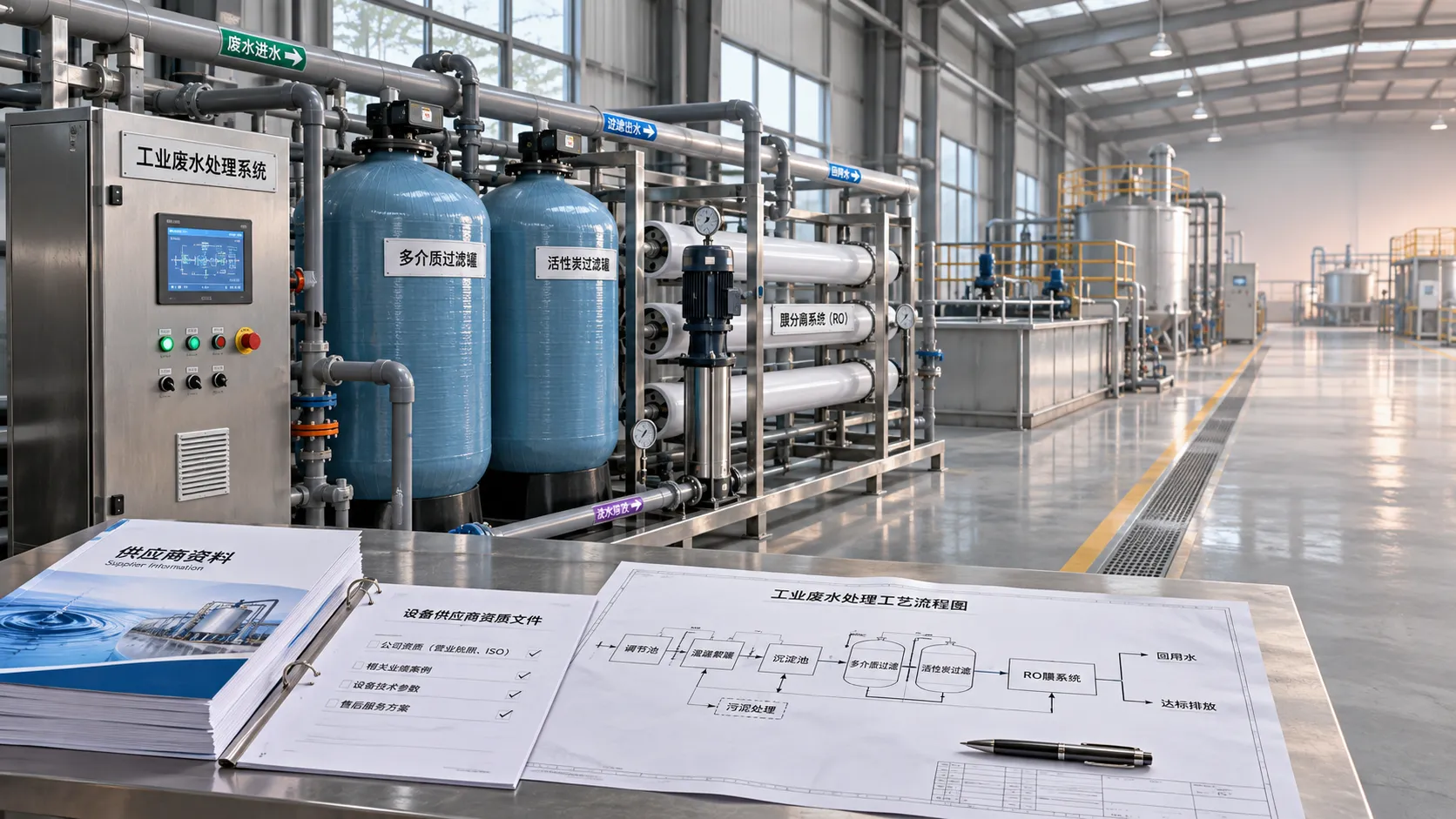
How to find verified providers in an industrial environmental solutions directory
Use an environmental solutions directory for industry to find verified providers, compare technical capabilities and costs, and build a reliable supplier shortlist.
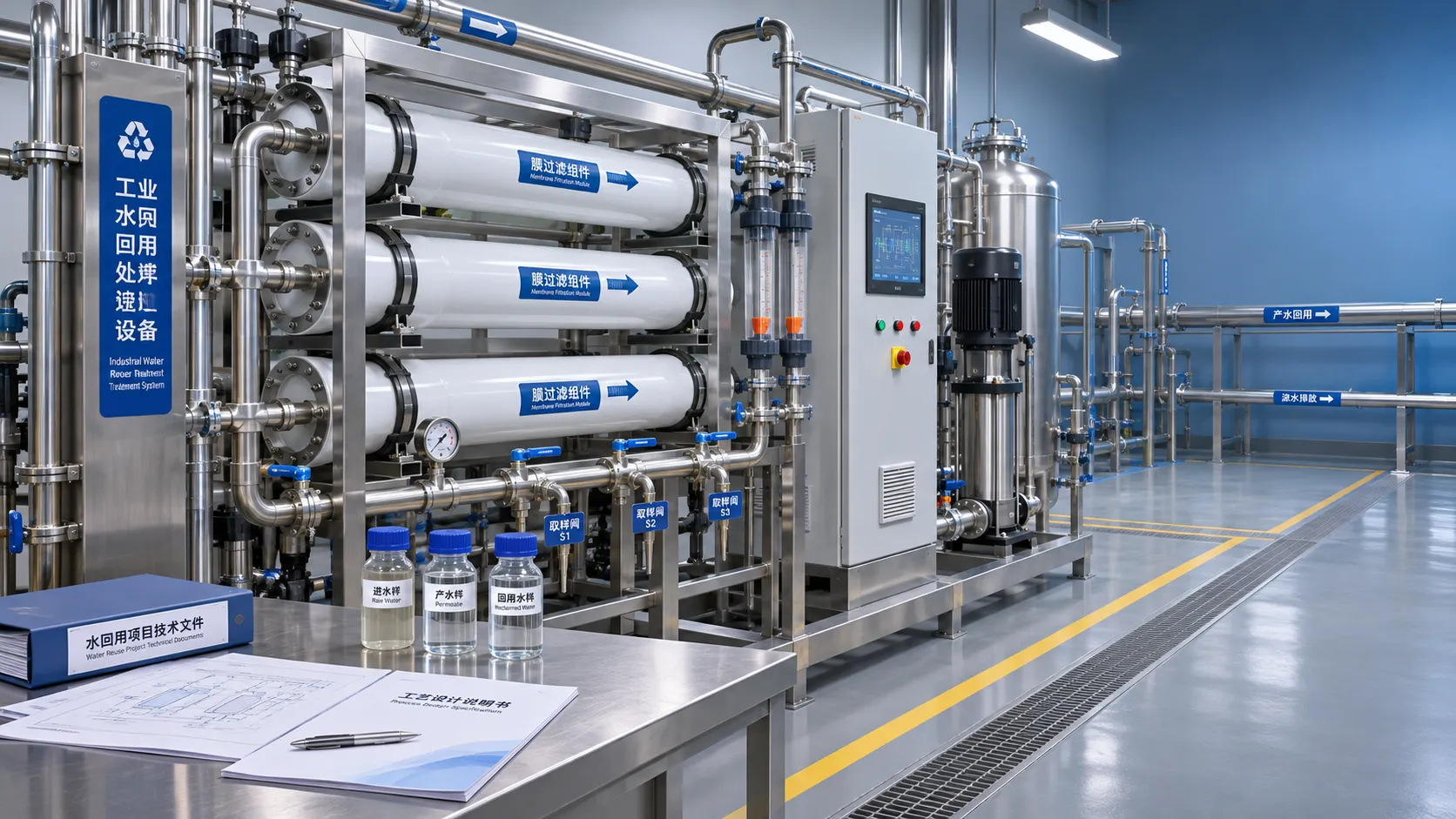
How to identify applicable water reuse equipment standards
Identify applicable water reuse equipment standards with a practical guide to regulations, performance claims, certification, and monitoring.
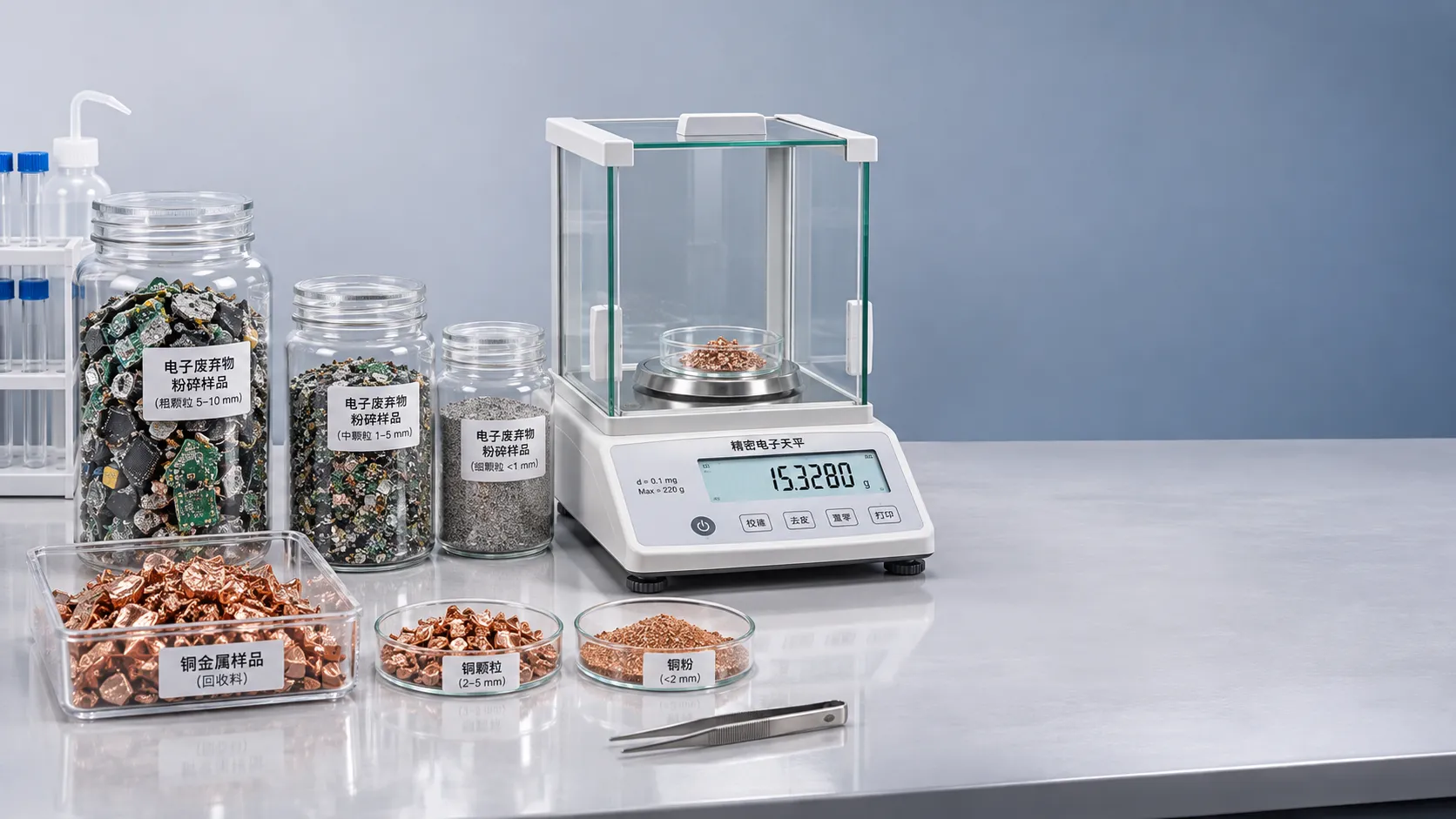
How to measure resource recovery efficiency in e-waste refining
Learn how to measure resource recovery efficiency in e-waste refining with metal balances, sampling and verified yields. Compare technologies with confidence.
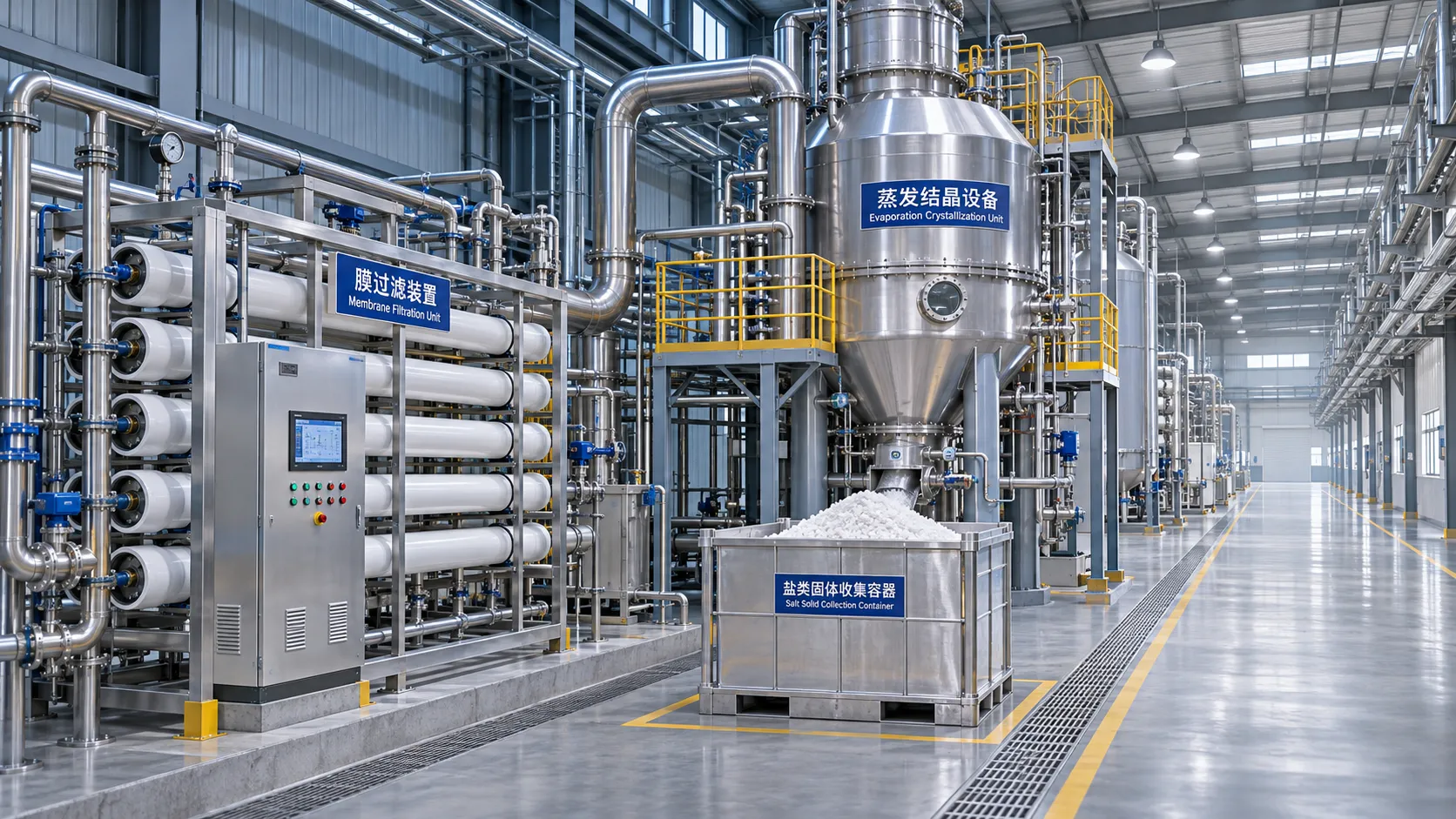
How to evaluate a ZLD system integrator’s project experience
Evaluate a ZLD system integrator with confidence. Learn how to verify relevant projects, operating results and contract risks before selecting a partner.
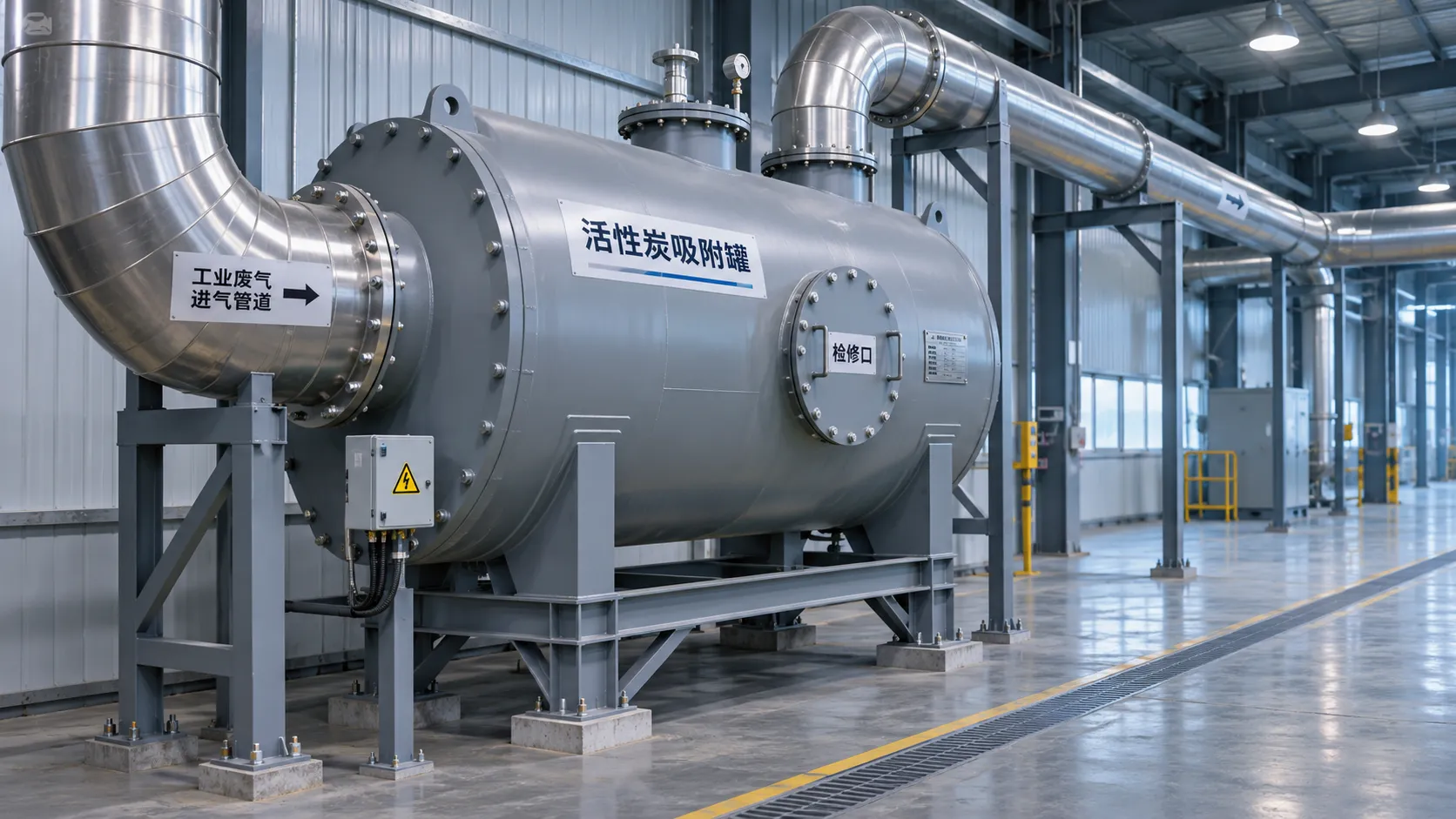
How VOC concentration affects industrial VOC treatment selection
Explore how VOC concentration shapes industrial VOC treatment selection, from adsorption and oxidation to solvent recovery. Find the right approach for your process.
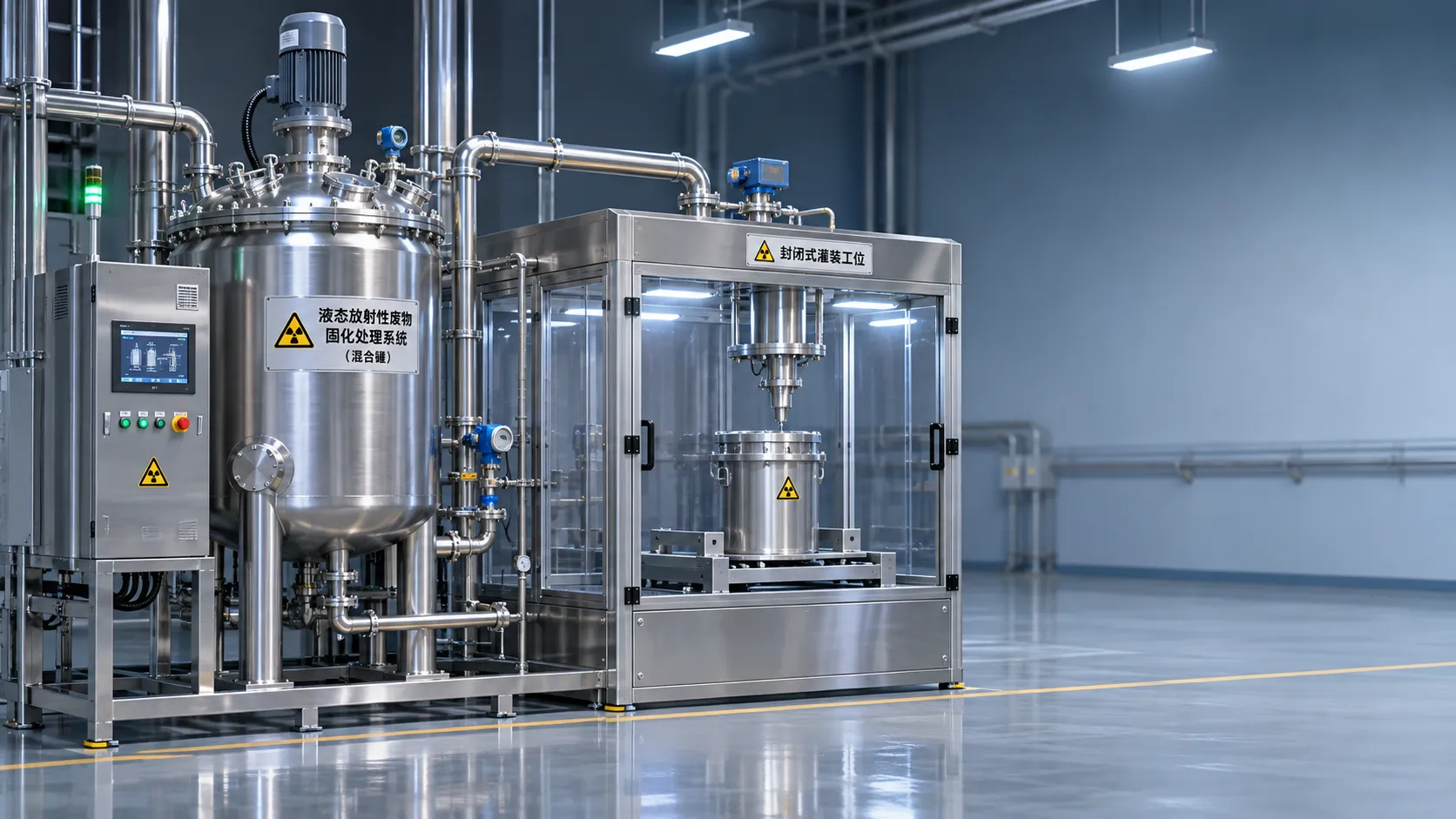
How to select nuclear waste safety equipment for liquid solidification
Choose nuclear waste safety equipment for liquid solidification with confidence. Compare waste acceptance, containment, radiation protection, and lifecycle costs.
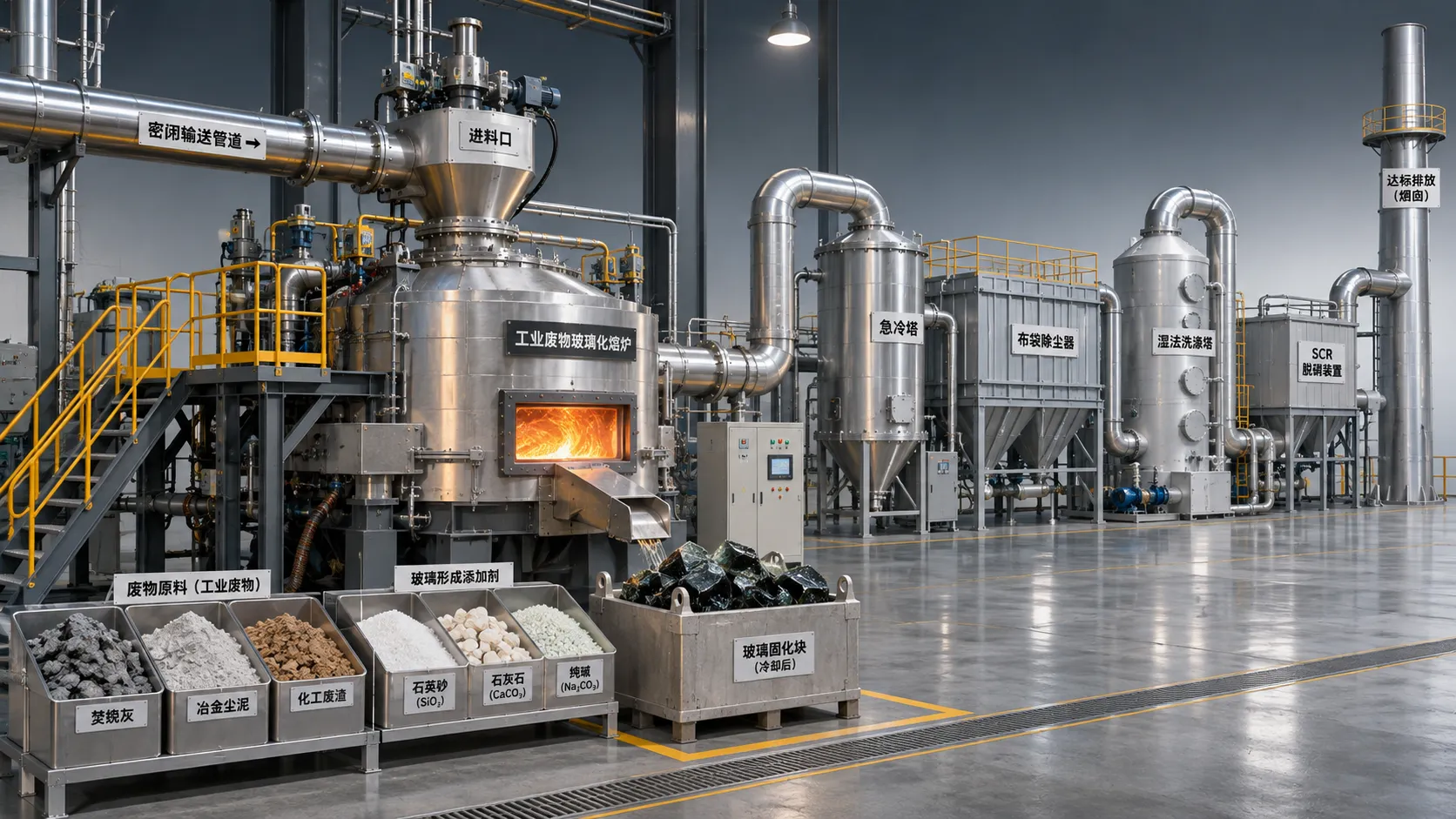
How does waste composition affect waste vitrification cost?
Discover how moisture, glass chemistry and contaminants affect waste vitrification cost—and learn how to compare bids and avoid hidden expenses.
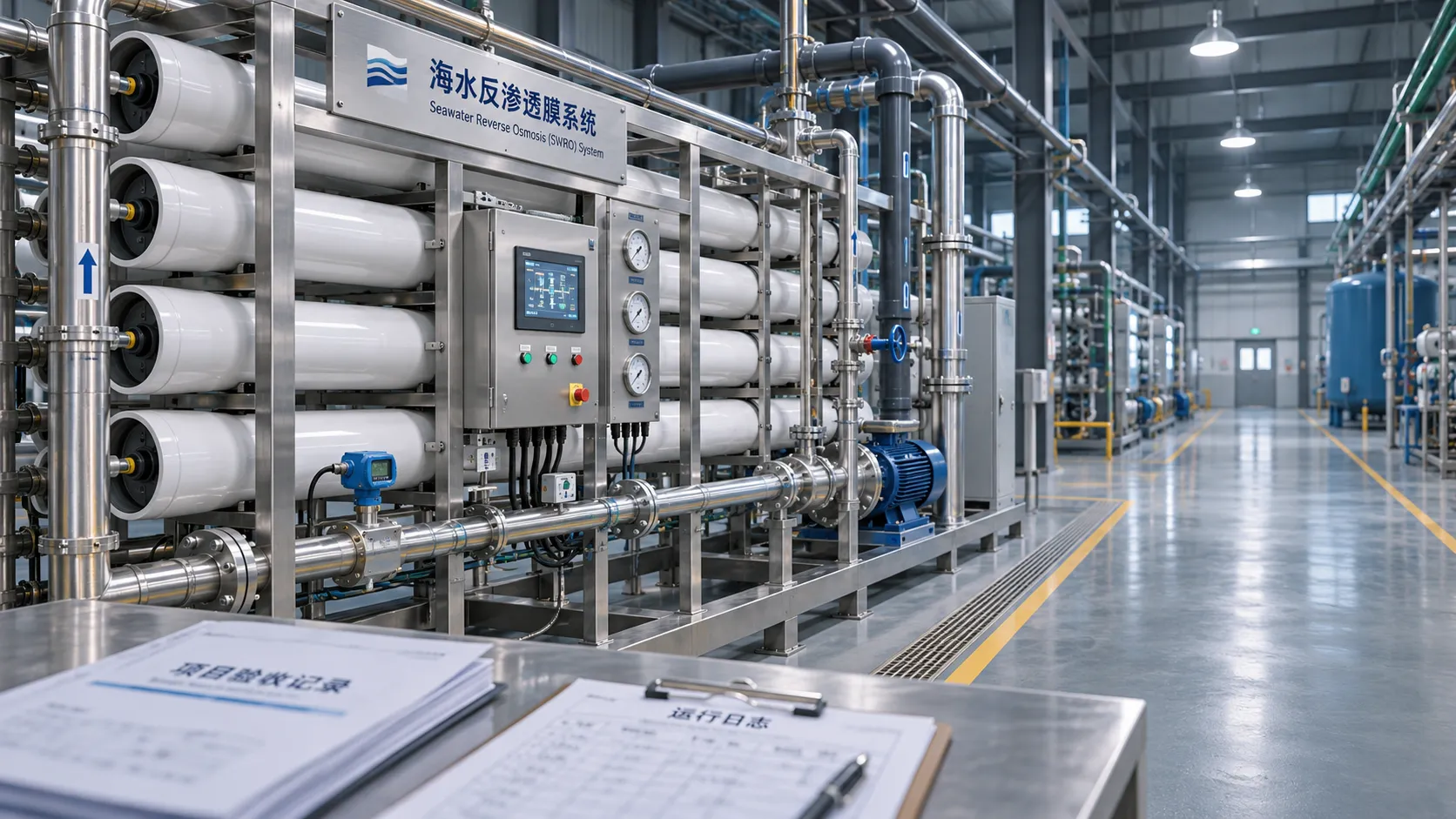
How to verify an SWRO membrane systems exporter's track record
Verify an SWRO membrane systems exporter's track record with practical checks for project references, operating evidence, export capability and after-sales support.
How does capacity affect waste recovery equipment price?
Discover how capacity affects waste recovery equipment price, and learn how to compare throughput, operating costs, and supplier quotes for a smarter investment.