
Industry News
Curation by industry experts
Hot Articles
Popular Tags
Best Environmental Equipment Directory for Desalination
Finding the best environmental equipment directory for desalination is less about collecting brand names and more about locating dependable technical intelligence. In a market shaped by water scarcity, tighter compliance, and rising energy pressure, a strong directory should help connect equipment data, project context, and regulatory signals. That is where ESD stands out, especially for research on high-end desalination systems and the wider environmental infrastructure that supports them.
Why desalination directories matter now
Desalination has moved from a regional niche to a strategic industrial topic. Coastal cities, industrial zones, islands, mining operations, and energy projects increasingly depend on seawater conversion for supply security.
That shift changes how equipment information is evaluated. A simple vendor list is no longer enough. Decision quality depends on understanding membrane behavior, pretreatment stability, brine handling, energy recovery, and long-term compliance exposure.
An environmental equipment directory for desalination becomes valuable when it helps organize these variables into something comparable. It should clarify not only who supplies equipment, but also where each technology fits and what risks travel with it.
What the directory should actually cover
At its core, an environmental equipment directory for desalination should map the entire process chain. Desalination performance is determined by system interaction, not by one flagship component.
Key equipment categories
- Intake and screening systems for seawater quality protection.
- Pretreatment units, including filtration, coagulation, and ultrafiltration.
- SWRO membrane trains and pressure vessels.
- High-pressure pumps and energy recovery devices.
- Post-treatment systems for remineralization and disinfection.
- Brine concentration, discharge, or ZLD-related solutions.
- Instrumentation, automation, and remote monitoring platforms.
A useful directory also links equipment to operating conditions. Feedwater salinity, fouling tendency, local power cost, land availability, and discharge constraints all change what “best” really means.
Why ESD fits the desalination research process
ESD is positioned as a high-end environmental intelligence portal, not just an index. That difference matters because desalination projects sit inside a larger ecological engineering system.
Its focus on large water treatment plants, seawater desalination, solid waste recovery, flue gas treatment, and nuclear waste management creates a broader industrial lens. This helps place desalination within energy, materials, and compliance realities.
In practical terms, an environmental equipment directory for desalination is more useful when it can show cross-sector relationships. Power demand influences treatment economics. Waste streams influence permitting. Carbon policy influences equipment selection and procurement timing.
ESD’s Strategic Intelligence Center adds another layer. Its coverage of global regulation updates, CBAM implications, membrane evolution, and equipment demand patterns turns static listing behavior into a research workflow.
What industry observers are watching closely
Several issues now shape how any environmental equipment directory for desalination should be read. The first is energy intensity. Desalination remains water-secure but energy-sensitive, especially for large coastal facilities.
The second is membrane durability. Performance claims mean little without context on fouling resistance, cleaning cycles, flux stability, and replacement intervals.
The third is concentrate management. In many regions, brine is no longer treated as a secondary issue. Discharge rules, marine impact reviews, and ZLD expectations can reshape plant design from the beginning.
A fourth concern is digital control. Remote diagnostics, predictive maintenance, and automated optimization are becoming part of equipment assessment, not optional extras.
How to read an environmental equipment directory for desalination
The most common mistake is comparing equipment in isolation. A membrane brand may look superior on paper, yet underperform if pretreatment is mismatched or cleaning chemistry is poorly aligned.
A more reliable approach is to read the directory across system layers. Start with water source conditions. Then review process configuration. After that, test each equipment category against cost, reliability, and compliance constraints.
Useful comparison questions
- Does the equipment have a clear fit for open intake, beach well, or difficult feedwater conditions?
- Are reported recovery rates realistic after pretreatment and fouling factors are considered?
- How exposed is the design to energy price volatility?
- What does the brine strategy imply for discharge permits or ZLD upgrades?
- Is automation integrated deeply enough for large-scale, long-cycle operation?
This is where ESD’s research orientation becomes useful. Its emphasis on technical parameters and evolutionary trends supports comparison beyond marketing claims.
Business value beyond equipment selection
The best environmental equipment directory for desalination should help explain market structure, not just product availability. Project timing, policy direction, and financing confidence often depend on these broader signals.
For example, rising demand for large desalination capacity in climate-stressed regions creates opportunities for membrane suppliers, EPC contractors, pump specialists, and digital platform providers. At the same time, it raises scrutiny around carbon intensity and discharge behavior.
Because ESD also tracks adjacent sectors, the portal can place desalination inside wider resource logic. Waste heat use, renewable coupling, sludge handling, and industrial water reuse can all affect equipment relevance.
That broader framing matters for long-cycle infrastructure decisions. A directory that reflects only current catalog data can age quickly. One linked to policy, science, and industrial demand remains useful longer.
Typical use scenarios for directory-based research
The environmental equipment directory for desalination is most effective when used for a defined research task. The context changes what should be compared and what can be ignored.
Common scenarios
- Screening technologies for a new coastal desalination plant.
- Benchmarking SWRO system options for EPC bidding support.
- Tracking compliance-sensitive equipment for regulated markets.
- Reviewing retrofit pathways for older facilities under energy pressure.
- Assessing supplier credibility through technical depth and market positioning.
In each case, the directory works best as a filtering tool. It narrows the field, highlights technical signals, and shows where deeper due diligence should begin.
What to do next with the information
A strong starting point is to build a comparison sheet around five variables: feedwater profile, recovery target, energy demand, concentrate strategy, and regulatory exposure. Then use an environmental equipment directory for desalination to test which suppliers and system designs remain credible across all five.
It also helps to separate near-term suitability from long-term resilience. Some equipment performs well under current assumptions but weakens when carbon cost, discharge rules, or membrane replacement risk are added.
ESD is most useful in that second layer of judgment. Its coverage of desalination technology, compliance intelligence, and adjacent environmental systems supports more disciplined evaluation.
For anyone assessing the best environmental equipment directory for desalination, the next step is not simply finding more listings. It is defining the decision criteria clearly, checking the hidden system dependencies, and following intelligence sources that explain how the market is actually changing.
- water treatment
- solid waste recovery
- flue gas treatment
- seawater desalination
- nuclear waste management
- ecological engineering
- environmental intelligence
- EPC bidding
- desalination systems
- water reuse
- EPC bidding support
- Environmental equipment directory
- environmental equipment directory for desalination
Recommended News
What drives nuclear safety solutions pricing for new facility projects?
Nuclear safety solutions pricing explained: uncover the key cost drivers for new facilities, from qualification and interfaces to lifecycle support.
What drives radioactive waste cost over the life of a disposal project?
Radioactive waste cost depends on classification, treatment, transport, storage, disposal access, and long-term compliance. Explore the key lifecycle cost drivers.
How to choose solid waste equipment based on waste stream characteristics
Environmental equipment guide for solid waste: discover how to match sorting, treatment, and recovery equipment to waste composition, moisture, contamination, and output goals.
When does high recovery ZLD equipment justify its higher capital cost?
High recovery ZLD equipment can justify higher capital cost when water scarcity, discharge risks, brine disposal, and downtime threaten operations. Explore the decision factors.

How high purity heavy metal recovery affects recovered metal value
High purity heavy metal recovery boosts recovered metal value by improving payability, reducing penalties, and unlocking stronger buyer opportunities. Explore smarter netback strategies.
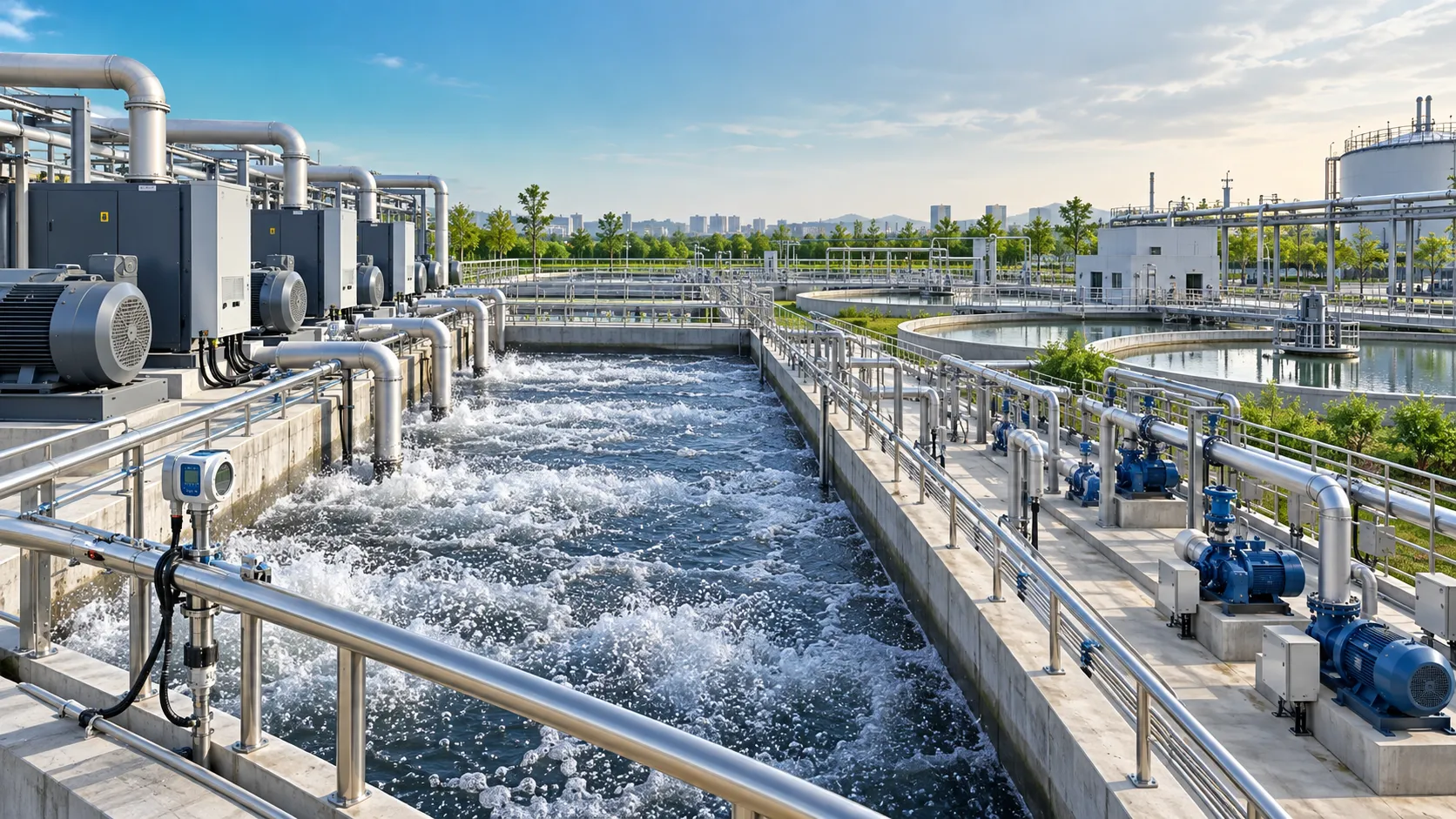
When does environmental equipment intelligence reduce wastewater plant energy use?
Environmental equipment intelligence for wastewater plants cuts energy use through smarter aeration, pumping, and data-driven controls—without compromising compliance. Discover when it delivers measurable savings.
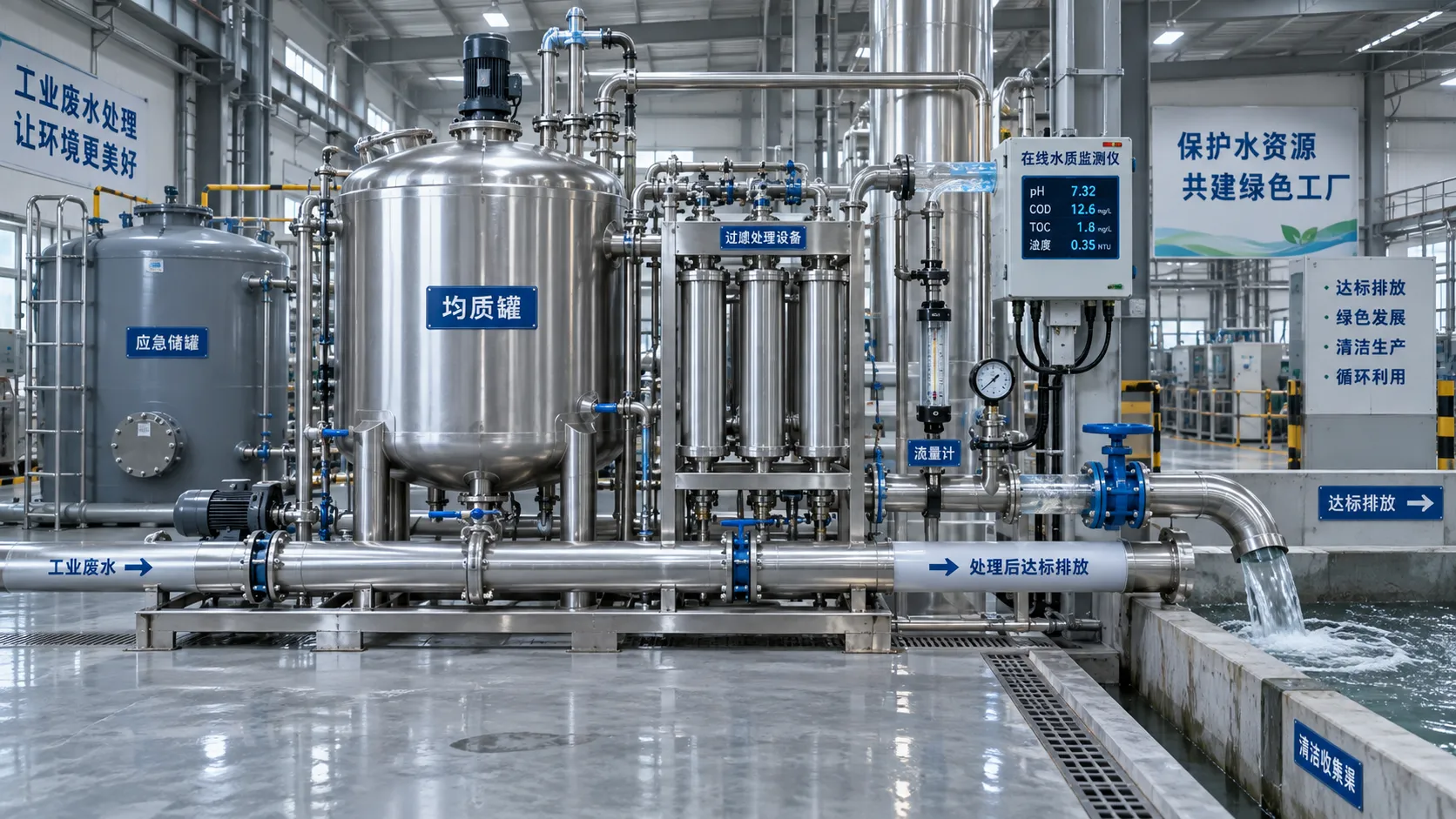
What Are the Main Compliance Risks in Industrial Wastewater Discharge?
What are the main compliance risks in industrial wastewater discharge? Explore permit exceedances, monitoring failures, hazardous contaminants, and practical controls to reduce liability.
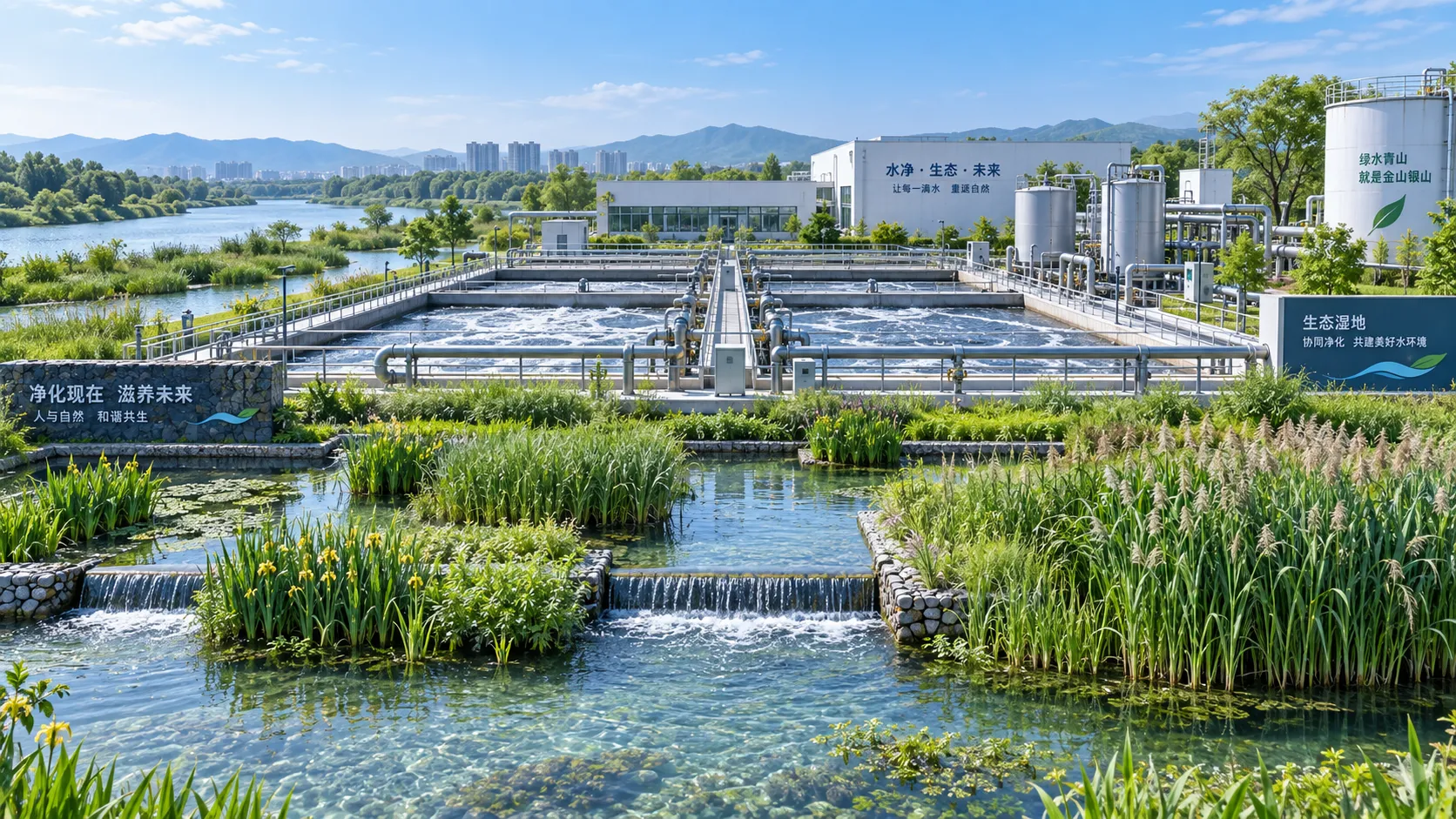
When Should Ecological Engineering Be Used Instead of Conventional Treatment?
When should ecological engineering be used instead of conventional treatment? Explore practical criteria, hybrid solutions, lifecycle value, and compliance-ready water strategies.
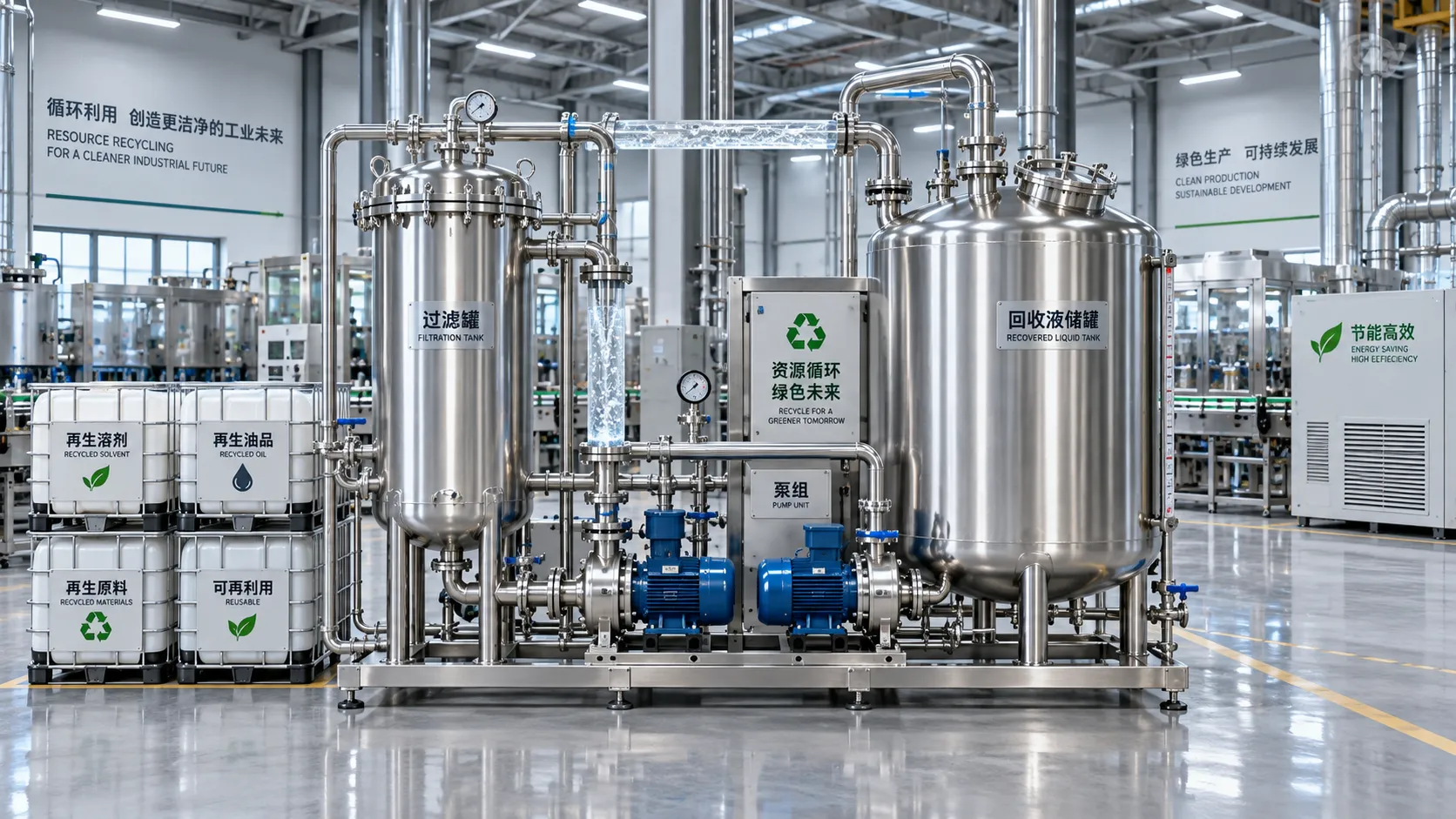
How to Calculate Product Recovery System Payback from Yield, Energy, and Labor Savings
Product recovery system payback: learn to model yield value, energy and labor savings, operating costs, and scenarios for a defensible capital approval case.