
Industry News
Curation by industry experts
Hot Articles
Popular Tags
Pyrolysis Systems for Biomass: Key Performance Checks
Pyrolysis Systems for Biomass: Key Performance Checks
For project teams assessing pyrolysis systems for biomass, performance checks shape far more than lab results.
They influence uptime, product consistency, permit risk, utility cost, and the credibility of the full recovery model.
That matters even more when biomass projects sit inside broader waste recovery or circular economy programs.
In practice, many underperforming plants do not fail because pyrolysis is weak.
They fail because early checks miss feedstock variability, heat balance gaps, control instability, or emissions bottlenecks.
A reliable review of pyrolysis systems for biomass should therefore connect design data, operating discipline, and commercial decision points.
Start with Feedstock Reality
The first performance check is not reactor size.
It is feedstock behavior under real sourcing conditions.
Pyrolysis systems for biomass respond strongly to moisture, ash, particle size, bulk density, and contamination.
Wood chips, rice husk, sewage sludge blends, palm residue, and RDF-derived biomass fractions do not behave the same way.
A design that performs well on uniform pellets may struggle with fibrous or wet material.
This is why supplier claims should always be matched against a feedstock envelope, not a single sample test.
Key feedstock checks
- Moisture range at delivery and after storage
- Seasonal variation in calorific value
- Ash content and ash fusion behavior
- Chlorine, sulfur, alkali metals, and fines content
- Pre-treatment need for drying, shredding, screening, or densification
If this baseline is weak, every later KPI becomes harder to trust.
Check Thermal Efficiency, Not Just Nameplate Capacity
Nameplate throughput often gets too much attention during procurement.
For pyrolysis systems for biomass, useful performance starts with stable thermal conversion.
The core question is simple: how much external energy is needed to keep the process on target?
Some systems look efficient on paper because they assume ideal feed and full heat recovery.
Real plants face startup losses, partial loads, and weather-driven feed changes.
That is where thermal design either protects margins or erodes them.
Performance indicators worth checking
- Specific energy consumption per ton of as-received biomass
- Reactor temperature uniformity across the full residence zone
- Heat recovery efficiency from syngas or hot solids
- Turn-down ratio without product quality collapse
- Warm-up time and restart performance after planned stops
A useful rule is to ask for mass and energy balances under three cases.
Those cases should cover best-case feed, expected feed, and worst-case feed.
Validate Product Yield and Product Quality Together
Pyrolysis systems for biomass are usually judged by output yield.
That is incomplete.
A high biochar, bio-oil, or syngas yield has limited value if downstream use is unstable or off-spec.
Projects should define target products before final equipment selection.
That means checking whether the system is tuned for energy recovery, carbon material production, or chemical feedstock recovery.
For example, biochar projects need attention to fixed carbon, ash, pH, surface area, and contaminant limits.
Bio-oil routes require viscosity, water content, acidity, and storage stability checks.
Gas-focused schemes need syngas composition, tar loading, and cleaning efficiency data.
Questions that expose weak assumptions
- Are yields reported on dry basis, wet basis, or ash-free basis?
- Were results generated in pilot runs or only in short lab trials?
- How often does product quality drift during long runs?
- What product handling steps are needed before sale or internal reuse?
This is often where the real business case becomes clearer.
Review Emissions Control as a Core Process Element
Emissions are not a side package added after reactor selection.
For pyrolysis systems for biomass, gas cleanup and environmental compliance shape system viability from day one.
The exact requirements vary by jurisdiction, feed composition, and product route.
Still, certain checks are universal.
- VOC and odor control during startup, shutdown, and upset conditions
- Particulate removal efficiency for hot and cooled streams
- Tar condensation management and drain handling
- NOx, CO, SOx, and acid gas performance where oxidation units are used
- Continuous emissions monitoring and data logging capability
More importantly, ask how compliance is maintained during transient events.
Steady-state numbers alone can hide serious operating risk.
Look Closely at Reliability and Maintenance Burden
Many project delays come from equipment that is technically sound but operationally fragile.
Pyrolysis systems for biomass must be reviewed for fouling tendency, wear points, access for cleaning, and spare parts exposure.
This is especially important with sticky vapors, abrasive ash, or mixed-size feed.
A system with attractive efficiency can still lose money through frequent shutdowns.
Maintenance checks that matter early
- Expected runtime between cleaning cycles
- Conveyor, feeder, seal, and refractory replacement intervals
- Online instrumentation reliability under dust and temperature stress
- Remote diagnostics and fault history access
- Local availability of service engineers and critical parts
In real projects, maintainability often decides whether a system feels industrial or experimental.
Assess Control Logic, Safety, and Integration Readiness
The next check is system intelligence.
Pyrolysis systems for biomass need stable control logic because feed variability can quickly move the process off target.
Temperature control, oxygen exclusion, pressure management, and emergency isolation must work together.
This also affects insurance review, operator training, and integration with upstream and downstream assets.
A modern plant should make deviations visible before they become shutdown events.
Use a Decision Framework Grounded in Project Delivery
Technical review should always end in a project decision framework.
That is the practical way to compare pyrolysis systems for biomass across vendors and site conditions.
A useful framework should score each option across five dimensions.
- Feedstock tolerance under commercial supply conditions
- Conversion efficiency and product consistency at scale
- Compliance performance in normal and upset modes
- Maintenance burden across the first three operating years
- Integration fit with utilities, logistics, and downstream offtake
From there, require pilot evidence, reference plants, and contract language tied to measurable KPIs.
Those KPIs should include availability, specific energy use, yield range, emissions limits, and maintenance response times.
This approach reduces the gap between attractive proposals and bankable operating performance.
As market demand grows for recovery-oriented thermal treatment, that discipline becomes more valuable.
The strongest biomass pyrolysis projects usually share one habit.
They test process claims against site reality early, before CAPEX decisions harden.
That is how pyrolysis systems for biomass move from interesting technology to dependable infrastructure.
When the performance checks are structured well, the project stands a much better chance of delivering yield, compliance, and long-term ROI together.
Recommended News
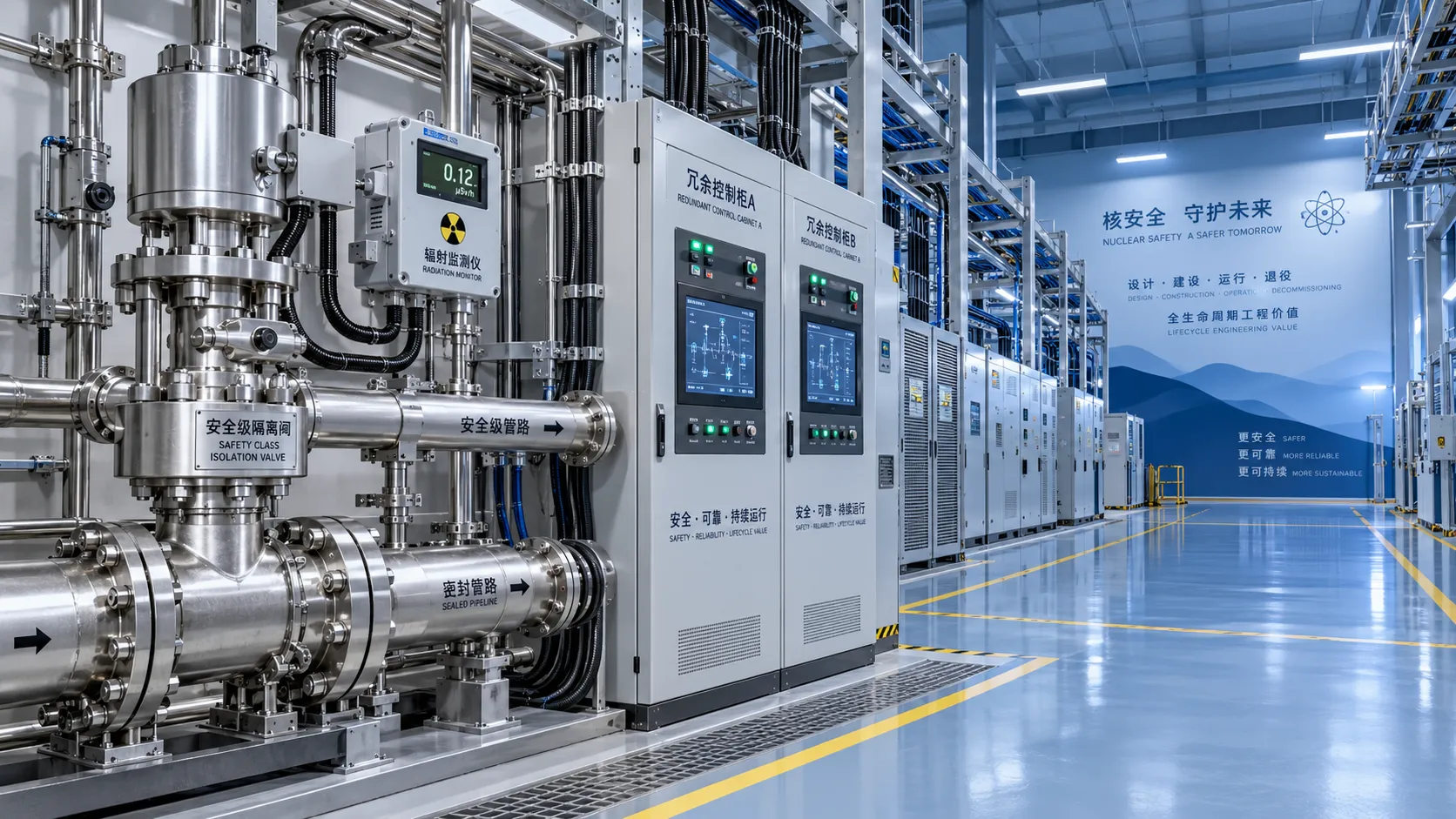
What drives nuclear safety solutions pricing for new facility projects?
Nuclear safety solutions pricing explained: uncover the key cost drivers for new facilities, from qualification and interfaces to lifecycle support.
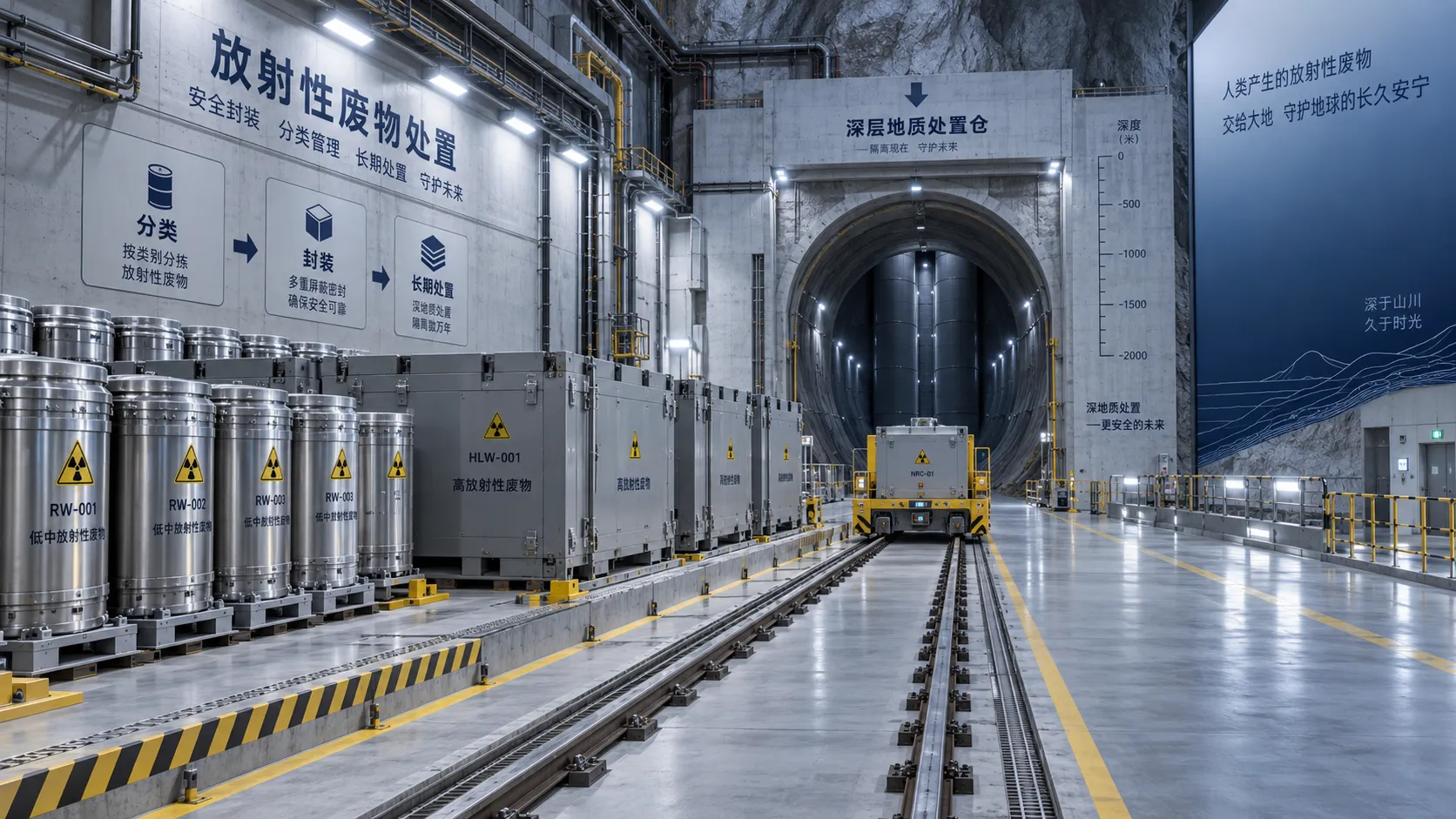
What drives radioactive waste cost over the life of a disposal project?
Radioactive waste cost depends on classification, treatment, transport, storage, disposal access, and long-term compliance. Explore the key lifecycle cost drivers.
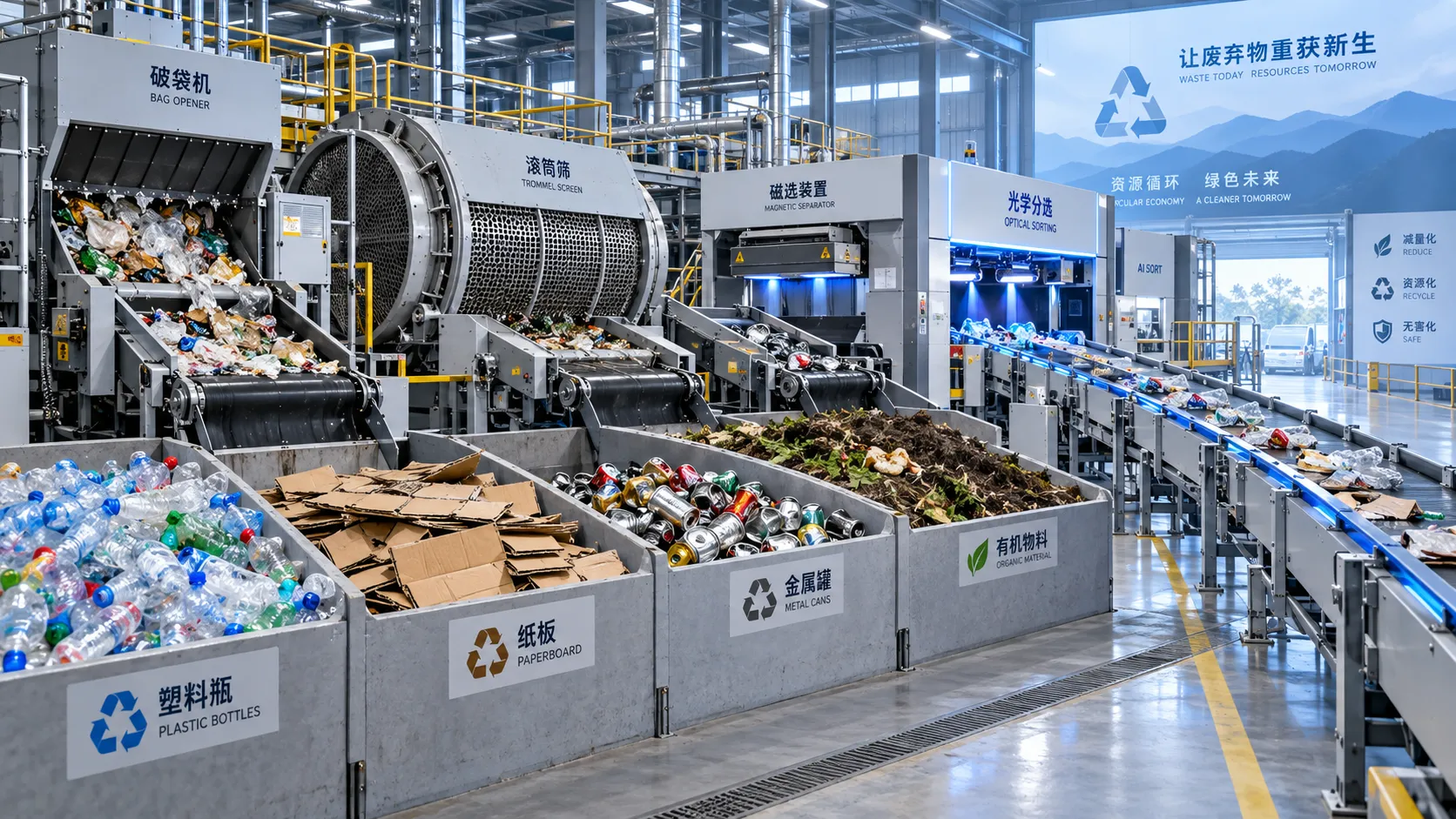
How to choose solid waste equipment based on waste stream characteristics
Environmental equipment guide for solid waste: discover how to match sorting, treatment, and recovery equipment to waste composition, moisture, contamination, and output goals.
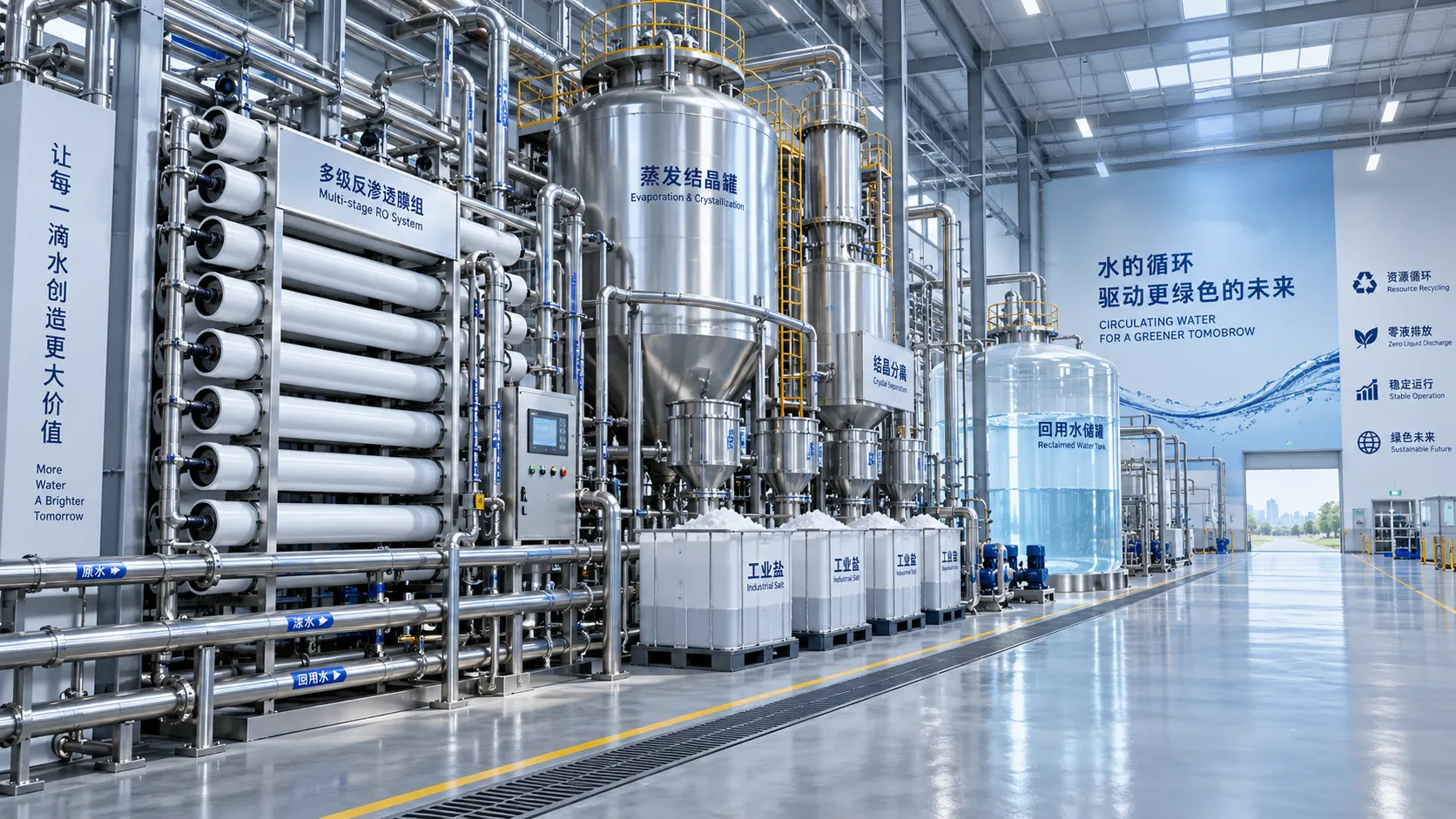
When does high recovery ZLD equipment justify its higher capital cost?
High recovery ZLD equipment can justify higher capital cost when water scarcity, discharge risks, brine disposal, and downtime threaten operations. Explore the decision factors.
How high purity heavy metal recovery affects recovered metal value
High purity heavy metal recovery boosts recovered metal value by improving payability, reducing penalties, and unlocking stronger buyer opportunities. Explore smarter netback strategies.
When does environmental equipment intelligence reduce wastewater plant energy use?
Environmental equipment intelligence for wastewater plants cuts energy use through smarter aeration, pumping, and data-driven controls—without compromising compliance. Discover when it delivers measurable savings.
What Are the Main Compliance Risks in Industrial Wastewater Discharge?
What are the main compliance risks in industrial wastewater discharge? Explore permit exceedances, monitoring failures, hazardous contaminants, and practical controls to reduce liability.
When Should Ecological Engineering Be Used Instead of Conventional Treatment?
When should ecological engineering be used instead of conventional treatment? Explore practical criteria, hybrid solutions, lifecycle value, and compliance-ready water strategies.
How to Calculate Product Recovery System Payback from Yield, Energy, and Labor Savings
Product recovery system payback: learn to model yield value, energy and labor savings, operating costs, and scenarios for a defensible capital approval case.