
Industry News
Curation by industry experts
Hot Articles
Popular Tags
What the Water Crisis Cost Means for Industrial Planning
The water crisis cost has moved from an environmental concern to a planning variable with direct financial weight. It now shapes where plants are built, how utilities are secured, and which technologies remain viable under tighter regulation.
For capital-intensive industry, water stress affects more than intake supply. It changes treatment loads, discharge obligations, energy demand, recovery economics, and the resilience of entire industrial clusters.
That is why industrial planning increasingly treats water as a strategic system. In fields tracked closely by ESD, the water crisis cost connects purification, reuse, desalination, emissions control, and resource recovery into one operating logic.
Why the water crisis cost is rising
At a basic level, the water crisis cost is the total business impact of water scarcity, degraded water quality, and stricter control over use and discharge. It includes visible bills and less visible constraints.
The obvious part is higher spending on intake, treatment chemicals, membranes, pumping, thermal processes, and compliance systems. The harder part is delayed expansion, lower utilization, permit risk, and exposure to reputational damage.
Three forces are pushing that cost upward. First, freshwater sources are becoming less predictable. Second, wastewater standards are tightening. Third, climate pressure is increasing competition between industry, cities, and agriculture.
In practice, this means water is no longer a stable background utility. It is a volatile production input, similar to energy, feedstock, and carbon compliance.
What industrial planning must now include
Traditional planning often separates water sourcing, wastewater treatment, waste management, and air control. That structure is becoming less useful because the water crisis cost appears across all of them at once.
A desalination project may solve supply security while increasing power demand. A Zero Liquid Discharge system may reduce discharge risk while concentrating solids that must be handled as recoverable resources or hazardous waste.
Flue gas treatment also links back to water. Wet scrubbing requires reliable process water and creates liquid streams that affect downstream treatment design. Water stress can therefore alter air pollution control economics.
The same pattern extends to nuclear waste management, where extreme reliability, containment, and regulatory certainty depend on disciplined control of water pathways, contamination interfaces, and treatment integrity.
This cross-system view is exactly where intelligence matters. ESD’s framing of the ecological shield is useful because water decisions rarely stay inside a single process boundary.
Beyond the utility line
When planning teams assess the water crisis cost, they need to look beyond the price of water purchased from a utility or extracted under license. The more material costs often sit deeper in the plant model.
- Higher pretreatment requirements for unstable feedwater quality.
- More expensive brine, sludge, or concentrate handling.
- Production losses from supply interruptions or permit curtailment.
- Additional energy consumption from reuse or desalination systems.
- Capital tied up in redundancy, storage, and emergency treatment assets.
Where the pressure shows up first
The water crisis cost does not hit all sectors in the same way. It is most acute where water quality, process continuity, and discharge control are tightly linked to product value or operating permits.
These scenarios show why a generic response is rarely enough. The right answer depends on water quality, production intensity, discharge route, energy structure, and the cost of failure.
Technology choices now carry strategic weight
A rising water crisis cost changes the evaluation of treatment technology. What once looked like a high-capex option can become the lower-risk choice over the life of the asset.
Seawater reverse osmosis, advanced biological treatment, membrane concentration, evaporation, crystallization, and AI-supported sorting all belong to a broader resilience toolkit. Their value depends on system context, not on headline efficiency alone.
For example, wastewater reuse may reduce freshwater dependency and improve permit flexibility. But reuse economics weaken if fouling rates are underestimated or if concentrate management is ignored during front-end design.
Desalination offers water security at scale, especially in coastal zones. Yet the real planning question is not simply whether desalination works. It is whether the energy-water-carbon balance remains acceptable under future market and policy conditions.
That is why ESD’s attention to membrane evolution, catalyst behavior, and closed-loop logic reflects a real planning need. Performance data matters only when it is translated into project economics and compliance durability.
Signals worth tracking
- Changes in local abstraction rules and discharge thresholds.
- CBAM and other trade measures that reward lower resource intensity.
- Electricity pricing for desalination, pumping, and thermal treatment.
- Membrane life, reagent stability, and maintenance intervals.
- The market value of recovered salts, metals, heat, or reusable water.
How to read the business value more accurately
The biggest mistake is to treat water infrastructure as a pure cost center. A better approach is to compare the water crisis cost against avoided disruption, faster approvals, stronger bid positioning, and improved resource productivity.
In billion-dollar public and industrial projects, water resilience can influence financing confidence and contractor credibility. It also affects how competitively an EPC platform can respond to increasingly technical tenders.
This matters in a market where environmental equipment is becoming more intelligent, more decarbonized, and less tolerant of design shortcuts. A plant that cannot prove reliable water strategy may lose advantage long before commissioning.
The water crisis cost therefore belongs in investment committees, not only in utility departments. It is part of market access, project timing, asset reliability, and long-term operating freedom.
A practical framework for planning decisions
A useful response starts with a structured review of exposure. The goal is not to predict every disruption, but to understand how sensitive the business is to water quality, quantity, and regulatory change.
- Map all critical water inputs, including seasonal and emergency sources.
- Quantify the true water crisis cost under normal, stressed, and extreme scenarios.
- Test whether reuse, ZLD, desalination, or recovery changes total risk exposure.
- Review waste, air, and energy interfaces before fixing treatment architecture.
- Track regulation and trade policy alongside process performance data.
This kind of review is especially important when expansion plans rely on fragile basins, coastal desalination, or high-strength industrial wastewater. In those cases, technical feasibility alone is too narrow a test.
A better standard is strategic fit. The chosen system should protect production, align with carbon direction, and preserve compliance headroom over the asset life.
What comes next
Water stress is no longer a side issue that can be handled after site selection or late-stage engineering. The water crisis cost now belongs at the front of industrial planning, where location, technology, and compliance assumptions are first set.
The most useful next step is to build a decision framework that links water risk to capex, opex, discharge limits, recovery value, and energy exposure. That creates a clearer basis for comparing options that may otherwise look similar.
From there, the strongest planning advantage comes from better intelligence. Not more data in isolation, but tighter interpretation across treatment performance, resource loops, and regulatory movement. That is where the water crisis cost becomes actionable rather than abstract.
Recommended News
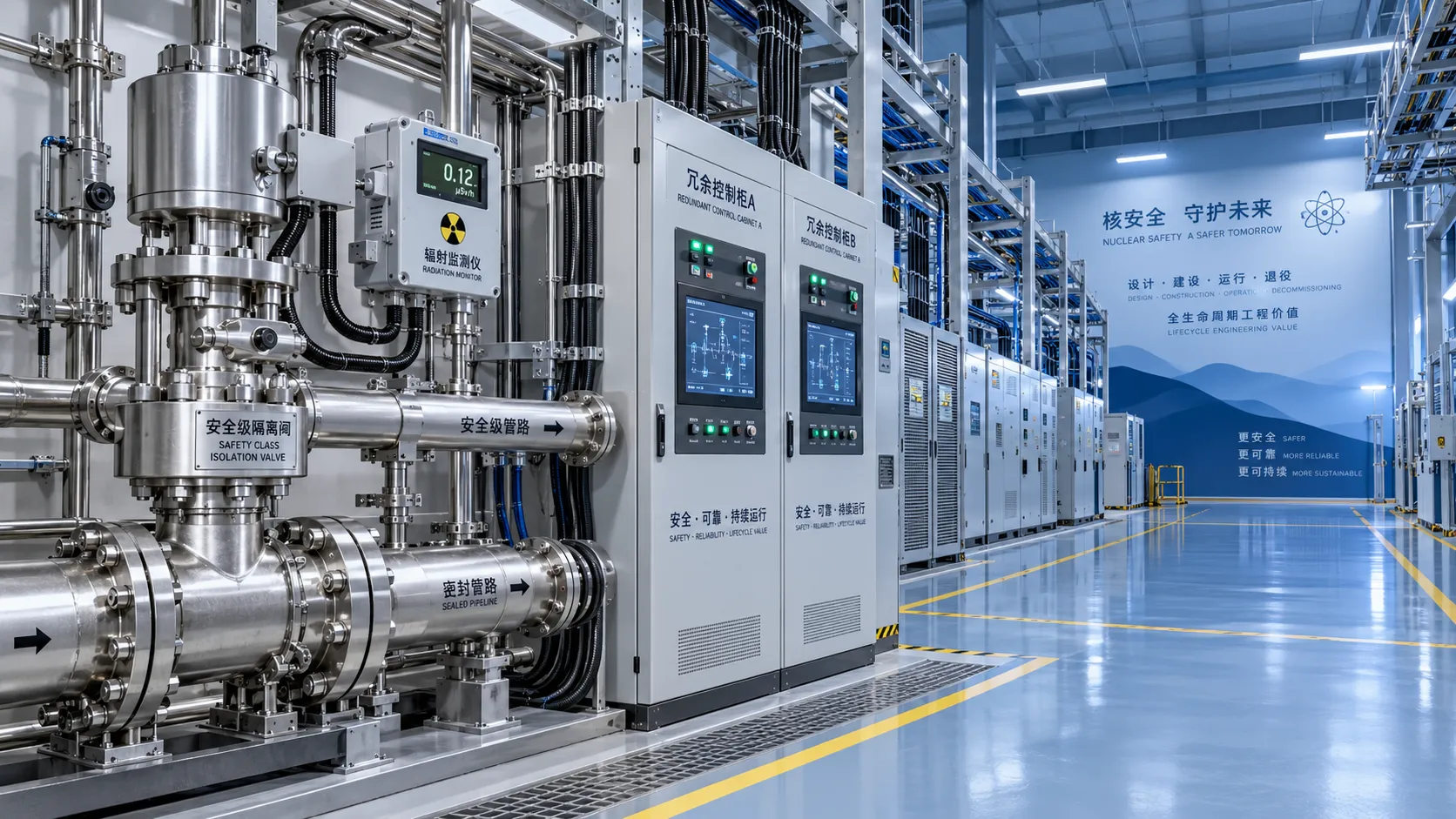
What drives nuclear safety solutions pricing for new facility projects?
Nuclear safety solutions pricing explained: uncover the key cost drivers for new facilities, from qualification and interfaces to lifecycle support.
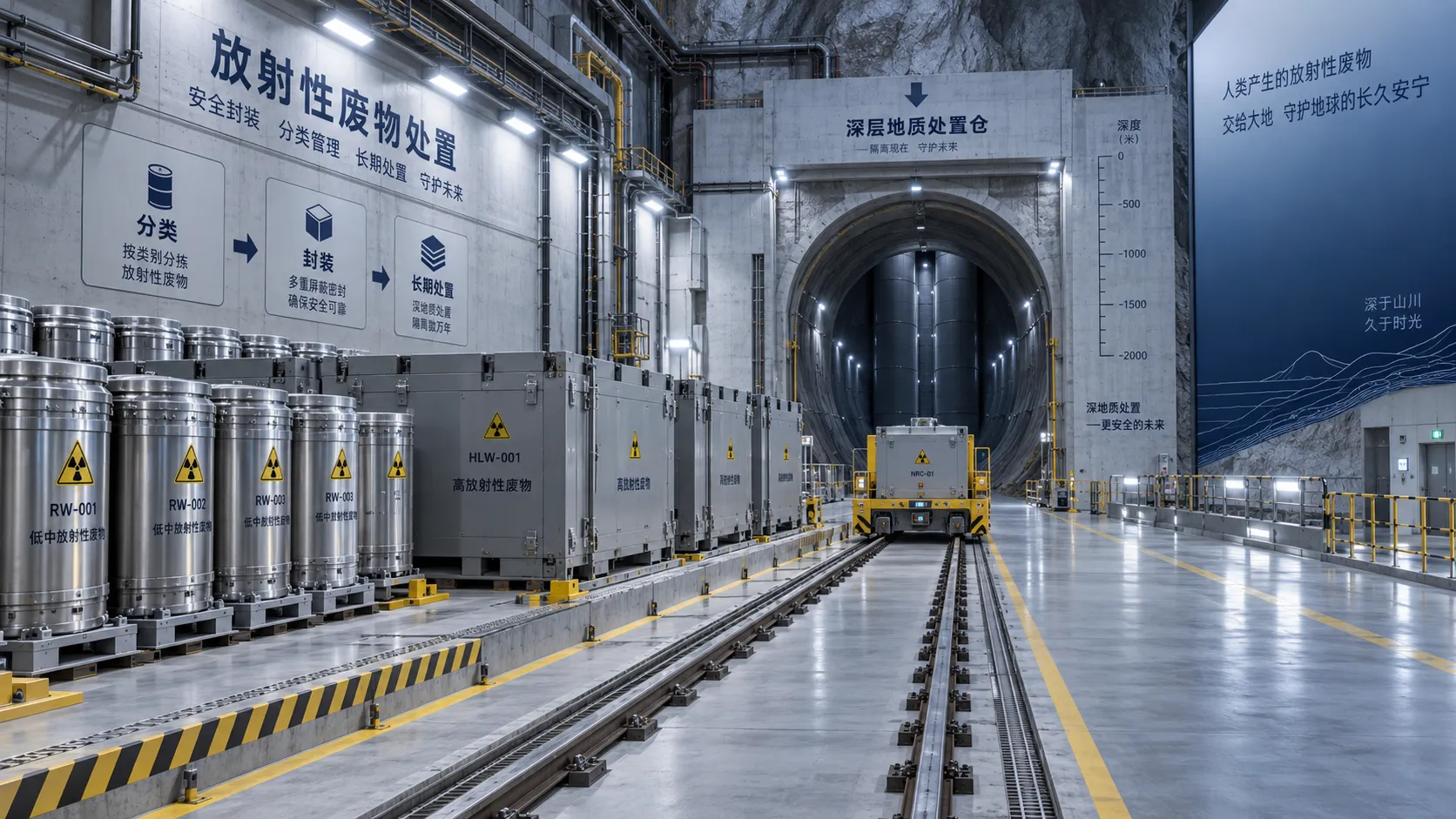
What drives radioactive waste cost over the life of a disposal project?
Radioactive waste cost depends on classification, treatment, transport, storage, disposal access, and long-term compliance. Explore the key lifecycle cost drivers.
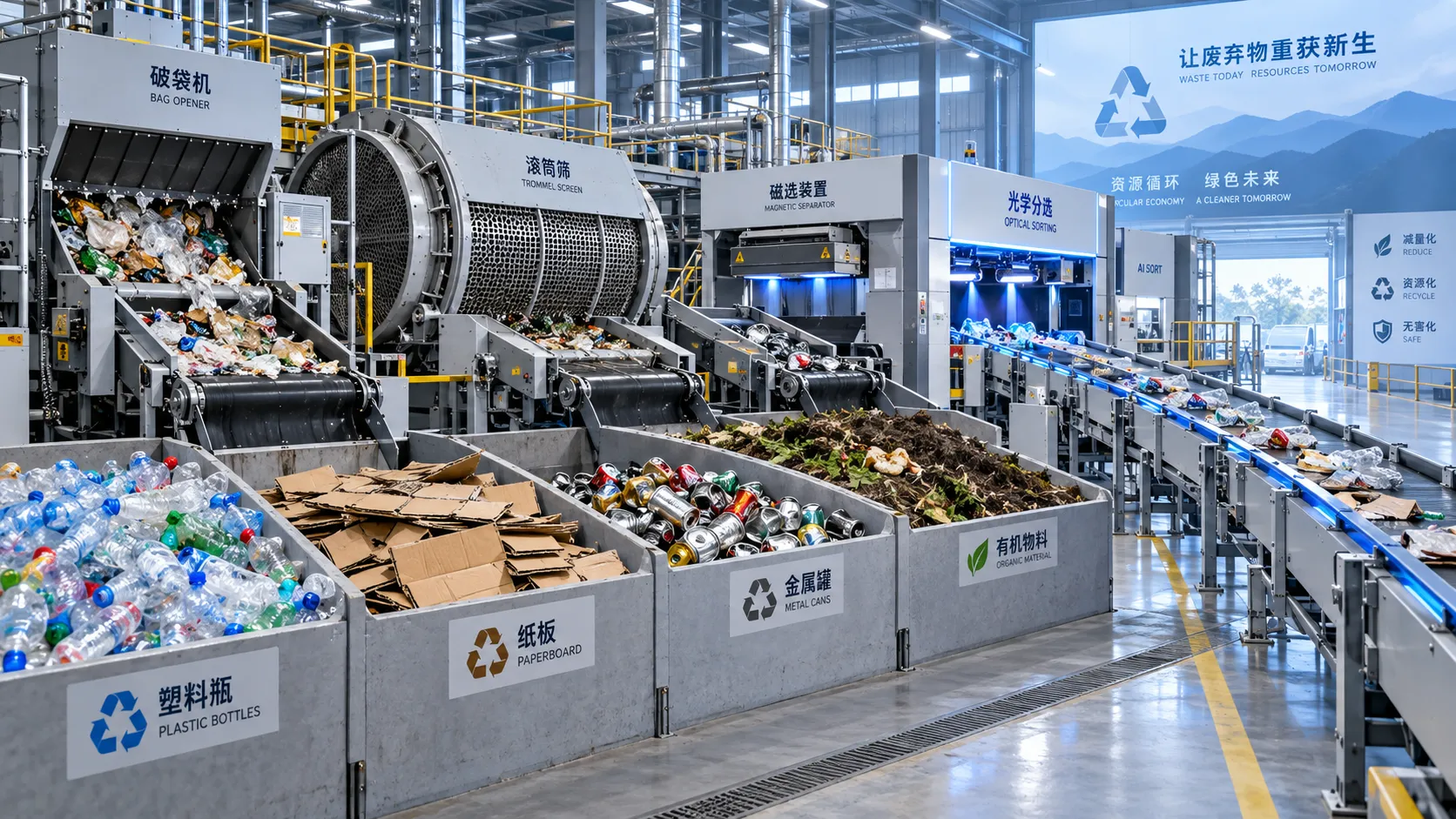
How to choose solid waste equipment based on waste stream characteristics
Environmental equipment guide for solid waste: discover how to match sorting, treatment, and recovery equipment to waste composition, moisture, contamination, and output goals.
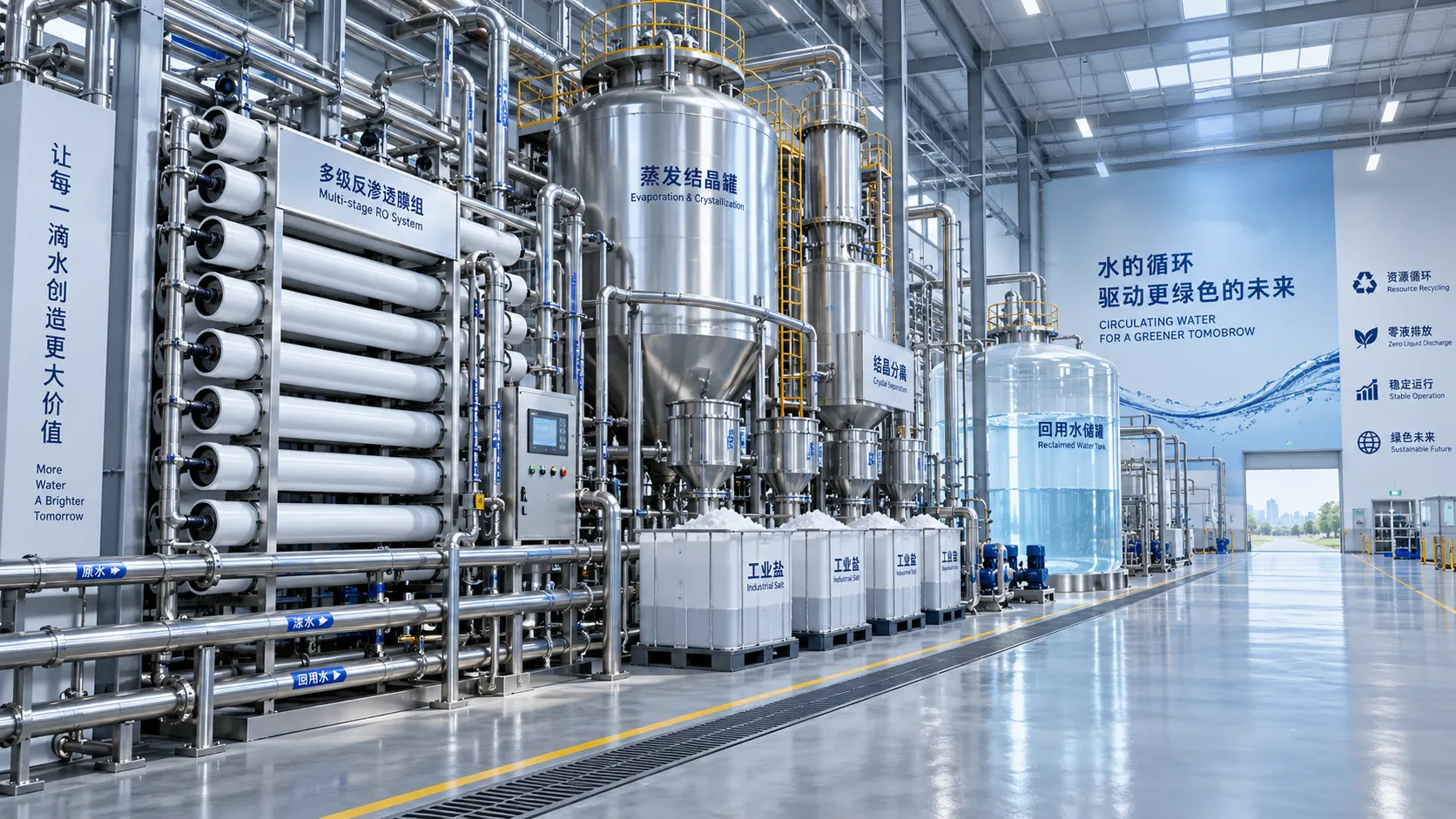
When does high recovery ZLD equipment justify its higher capital cost?
High recovery ZLD equipment can justify higher capital cost when water scarcity, discharge risks, brine disposal, and downtime threaten operations. Explore the decision factors.

How high purity heavy metal recovery affects recovered metal value
High purity heavy metal recovery boosts recovered metal value by improving payability, reducing penalties, and unlocking stronger buyer opportunities. Explore smarter netback strategies.
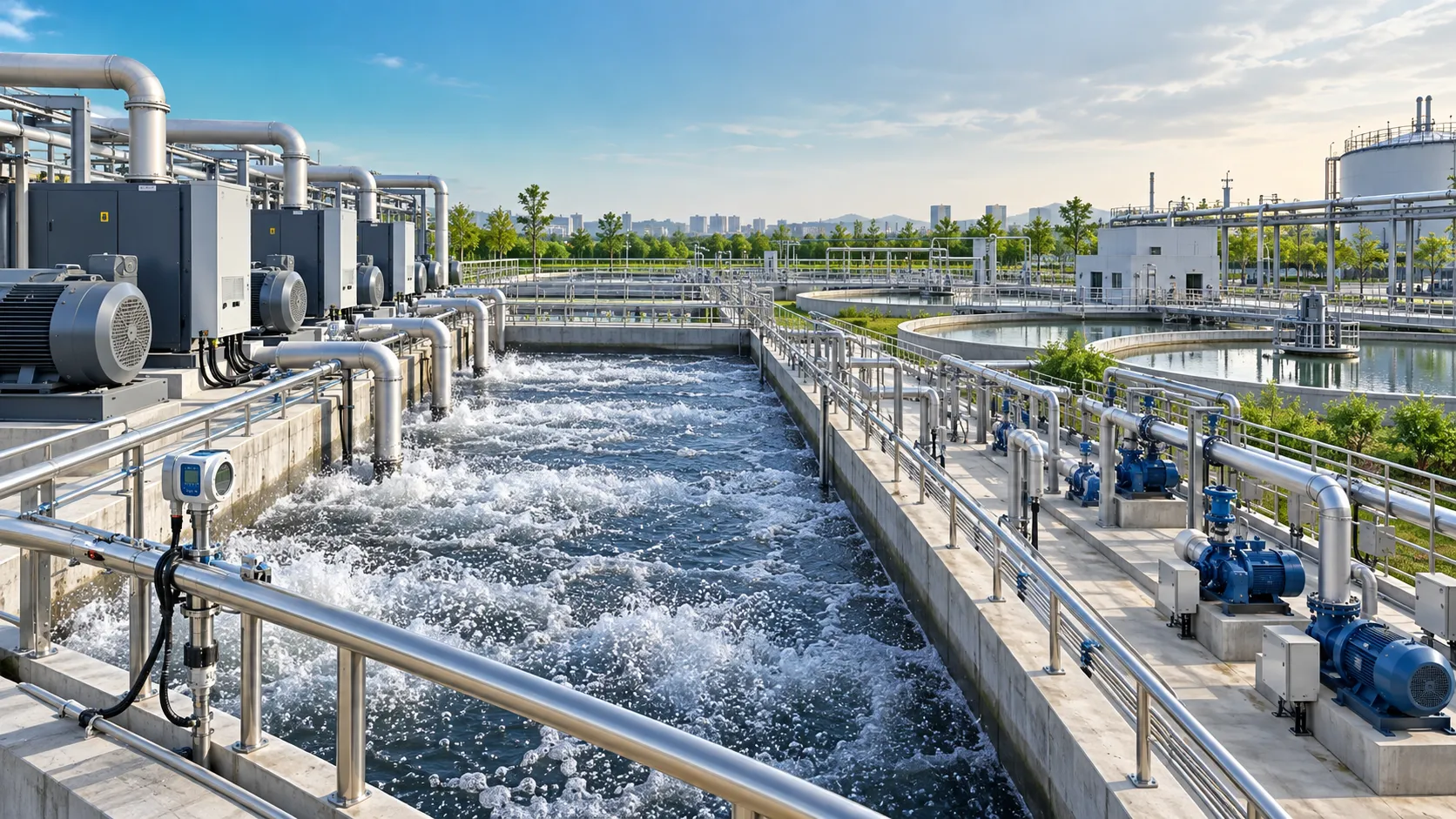
When does environmental equipment intelligence reduce wastewater plant energy use?
Environmental equipment intelligence for wastewater plants cuts energy use through smarter aeration, pumping, and data-driven controls—without compromising compliance. Discover when it delivers measurable savings.
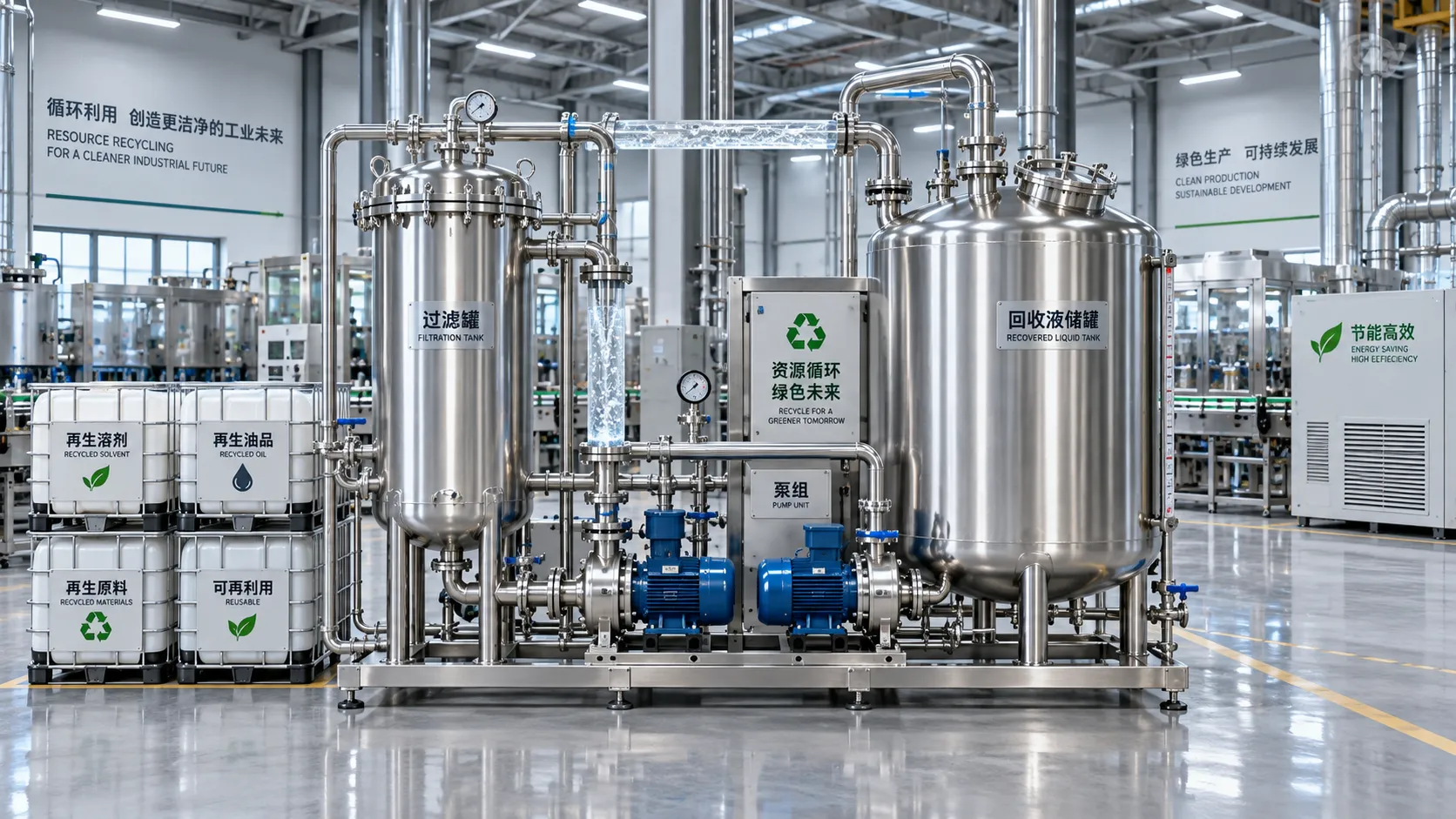
How to Calculate Product Recovery System Payback from Yield, Energy, and Labor Savings
Product recovery system payback: learn to model yield value, energy and labor savings, operating costs, and scenarios for a defensible capital approval case.
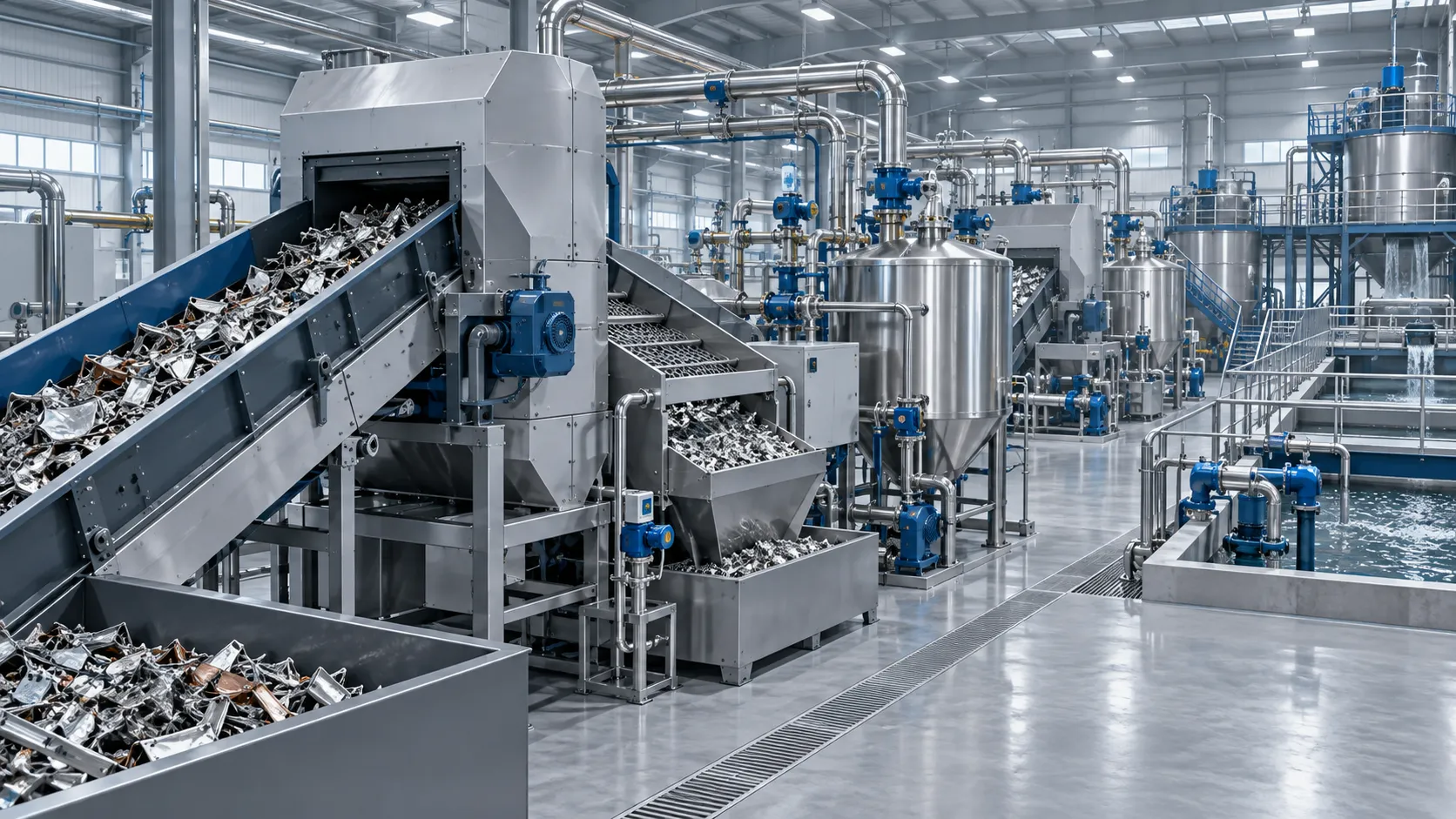
What Makes Metals Recovery Infrastructure Repeatable Across Multiple Plant Sites?
Repeatable metals recovery infrastructure: learn how standardized processes, modular design, data control, and compliance-ready systems enable scalable multi-site recovery plants.
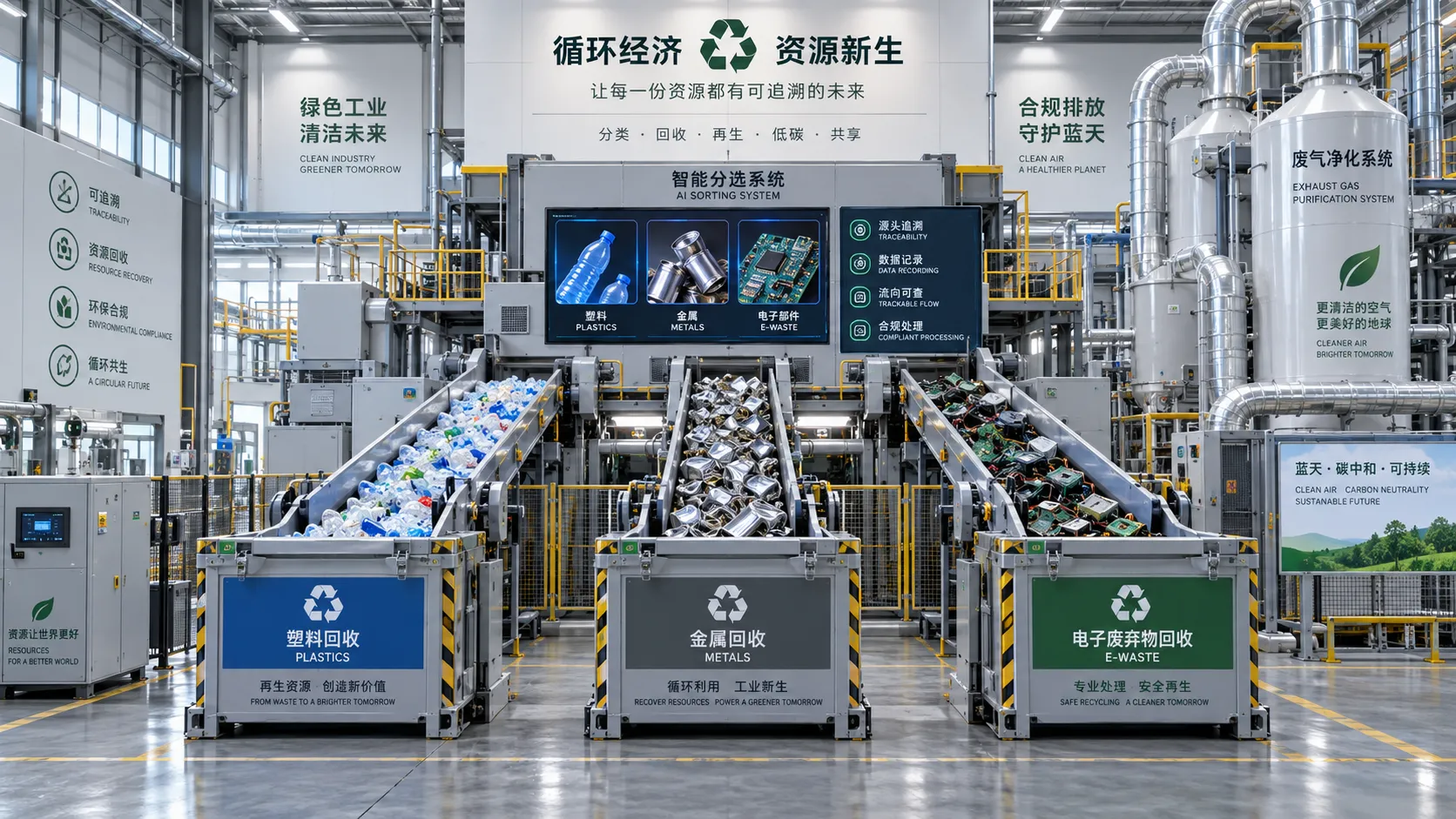
Waste Management and Circular Economy Regulations to Watch in 2025–2026
Recent regulatory updates in waste management and circular economy 2025-2026: explore PPWR, EPR, waste shipments, PFAS controls, and practical compliance steps.