
Industry News
Curation by industry experts
Hot Articles
Popular Tags
Reducing Moisture in Solid Waste Treatment: What Works
Reducing Moisture in Solid Waste Treatment Starts With the Waste Profile
In solid waste treatment, water is rarely a minor variable. It changes bulk density, hauling economics, calorific value, odor behavior, and the stability of downstream recovery.
That is why solid waste treatment moisture reduction matters far beyond preprocessing. It directly affects line sizing, energy demand, residue quality, and the ability to stay inside tightening environmental limits.
Across integrated ecological engineering systems, the moisture question also links to leachate treatment, air handling, resource recovery, and carbon performance. In practice, one drying decision can reshape the whole plant balance.
A reliable approach begins with one simple point: not all wet waste behaves the same. Free water, bound water, fiber content, oil fraction, ash load, and contamination level create very different operating realities.
Why Similar Facilities Often Need Different Moisture Reduction Paths
Two facilities may report similar inlet moisture, yet require different solid waste treatment moisture reduction strategies. The reason is that moisture percentage alone says little about separation difficulty.
Sludge with compressible biological solids responds differently from shredded municipal waste. Filter cake from industrial treatment can hold water more tightly than food waste, even at a lower apparent moisture level.
The more useful judgment usually combines four questions: where the water sits, how variable the feed is, what the next process needs, and whether waste heat or process integration is available.
This is where intelligence-led evaluation becomes valuable. ESD’s cross-sector view is relevant because moisture reduction is not only a waste issue. It interacts with water treatment loops, flue gas systems, and resource efficiency targets.
The first distinction to make on site
- High free-water content: usually better suited to mechanical dewatering first.
- Sticky organics with bound moisture: often need thermal support or blending.
- Heterogeneous mixed waste: requires pretreatment to avoid unstable dryer performance.
- Recovery-oriented streams: moisture targets depend on sorting, RDF quality, or pyrolysis stability.
When Mechanical Dewatering Delivers the Best Value
For sludge, digestate, pulp residues, and some industrial byproducts, mechanical dewatering remains the most practical solid waste treatment moisture reduction step. It removes lower-cost water before heat is introduced.
Belt presses, centrifuges, and screw presses work best when the feed is pumpable and reasonably consistent. In these settings, polymer selection and conditioning often influence results as much as the machine itself.
The real decision is not which machine looks strongest on a datasheet. It is whether the waste matrix can release water without excessive chemical use, abrasive wear, or cake instability.
In wastewater-linked facilities, this choice should also be checked against filtrate return loads. Aggressive dewatering can push more contaminants back into the liquid line, affecting treatment capacity elsewhere.
Where this route fits well
It is usually the right starting point when transport cost is the main pressure, when low-grade moisture removal is enough, or when thermal energy is limited or expensive.
It is less convincing when the downstream outlet needs a much drier material, such as stable RDF, efficient incineration feed, or pyrolysis-ready solids.
Thermal Drying Works Best When Downstream Energy Recovery Depends on It
Thermal drying becomes more attractive when moisture directly undermines combustion, gasification, or pyrolysis. In these cases, solid waste treatment moisture reduction is not only about weight reduction. It protects process stability.
This is common in refuse-derived fuel preparation, sewage sludge valorization, and resource recovery systems where wet feed lowers flame temperature or creates poor syngas quality.
The strongest projects do not treat dryers as standalone hardware. They connect them to waste heat, boiler exhaust, CHP units, or flue gas management so that energy use remains defensible.
That broader system view matters. A dryer that looks efficient in isolation may become costly once odor control, VOC capture, condensate handling, and fire protection are fully counted.
Typical judgment points before selecting thermal drying
- Required final moisture for the next process, not only target weight loss.
- Availability and temperature level of recoverable heat.
- Explosion risk from dust, organics, or solvent traces.
- Odor and condensate treatment obligations under local compliance rules.
Mixed Municipal Waste Requires More Than Simple Drying
Mixed municipal solid waste is where many solid waste treatment moisture reduction plans lose accuracy. The challenge is not only water content. It is variability across plastics, organics, fines, textiles, and inerts.
If wet organics remain mixed with recoverable fractions, drying alone can harden contamination and make later sorting less efficient. In that setting, front-end separation may create more value than adding larger dryers.
A more effective layout often combines screening, bag opening, density or ballistic separation, and selective moisture reduction only on the fraction that truly benefits from it.
This is also where AI-assisted sorting and secondary recovery logic become relevant. Moisture reduction should support material capture, not damage it through overprocessing.
Industrial Residues Bring Tighter Compliance Constraints
Industrial residues, hazardous sludges, and mineral-rich cakes often require a different mindset. Solid waste treatment moisture reduction here is closely tied to containment, corrosion control, and residue classification.
For example, chloride-rich, solvent-bearing, or metal-laden residues can create off-gas handling demands that exceed the drying duty itself. The moisture problem is then inseparable from emissions control.
This is where broader environmental system knowledge helps. Air pollution control, wastewater recirculation, and solids stabilization must be considered together, especially under stricter reporting and cross-border compliance pressure.
In these cases, conservative design usually outperforms aggressive throughput promises. Stable containment and predictable residue quality are worth more than headline evaporation rates.
What Gets Misjudged Most Often Before Installation
A common mistake is choosing equipment based only on inlet and outlet moisture. That shortcut ignores stickiness, particle size shifts, fibrous wrapping, fouling tendency, and seasonal feed variation.
Another weak assumption is treating capital cost as the main comparison point. In solid waste treatment moisture reduction, operating energy, odor control, wear parts, cleaning frequency, and downtime often decide long-term value.
There is also a process integration blind spot. A site may spend heavily on drying while rejecting usable waste heat or overlooking how condensate and filtrate will burden existing utilities.
Similar-looking facilities can diverge quickly after startup. Waste composition drift, policy changes, and higher recovery targets can turn a narrow design basis into an expensive constraint.
Checks worth doing before final selection
- Run tests on representative wet-season and dry-season samples.
- Define the downstream requirement in measurable terms.
- Map utility connections, reject streams, and off-gas duties.
- Compare maintenance intensity, not only nameplate throughput.
- Check whether future recovery upgrades will change moisture targets.
A Practical Way to Match the Solution to the Site
The most dependable solid waste treatment moisture reduction strategy usually follows a sequence. First define the waste behavior. Then define the purpose of drying. Only after that should equipment selection be narrowed.
If the aim is lower hauling cost, mechanical removal may be enough. If the aim is stable thermal recovery, integrated drying becomes more relevant. If the aim is cleaner material recovery, selective fraction treatment may outperform whole-stream drying.
For complex sites, build the comparison around total system effect: moisture reduction, emissions, water loop impact, energy balance, maintenance burden, and compliance resilience.
That is also the most useful next step. Clarify the operating scenario, compare conditions rather than claims, and set acceptance criteria around actual downstream performance. In moisture reduction, what works is usually what fits the full process, not the isolated machine.
Recommended News
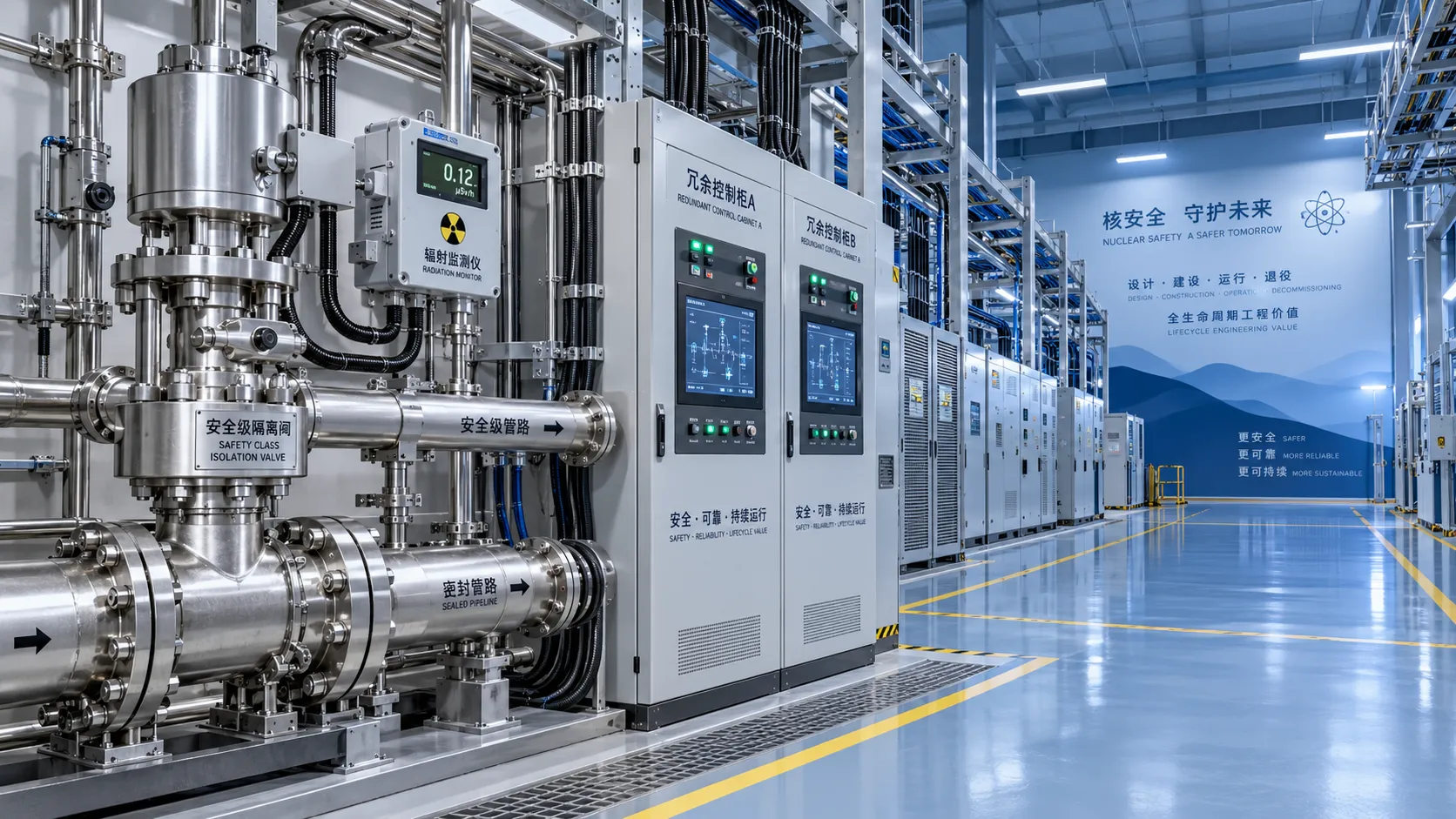
What drives nuclear safety solutions pricing for new facility projects?
Nuclear safety solutions pricing explained: uncover the key cost drivers for new facilities, from qualification and interfaces to lifecycle support.
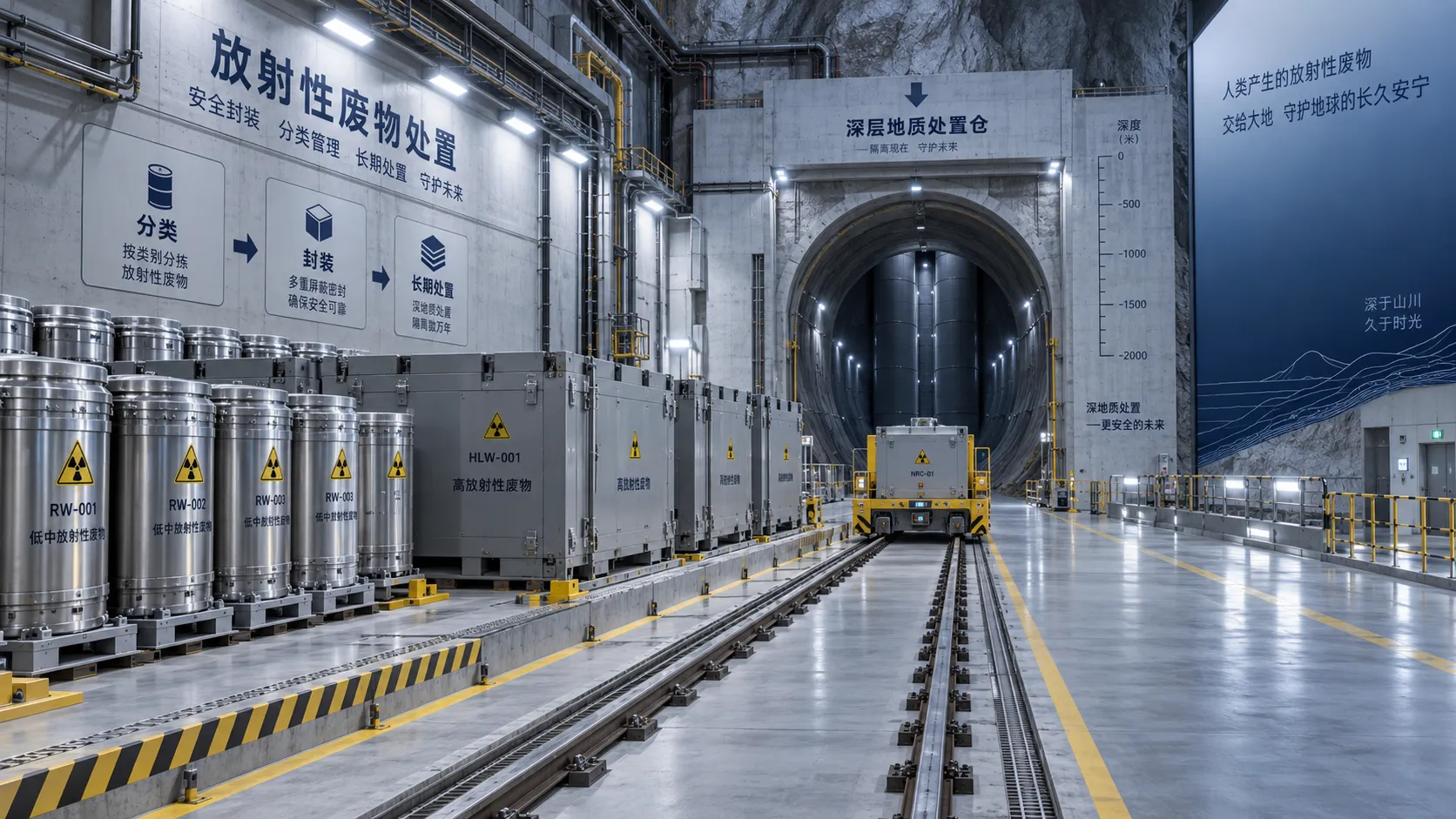
What drives radioactive waste cost over the life of a disposal project?
Radioactive waste cost depends on classification, treatment, transport, storage, disposal access, and long-term compliance. Explore the key lifecycle cost drivers.
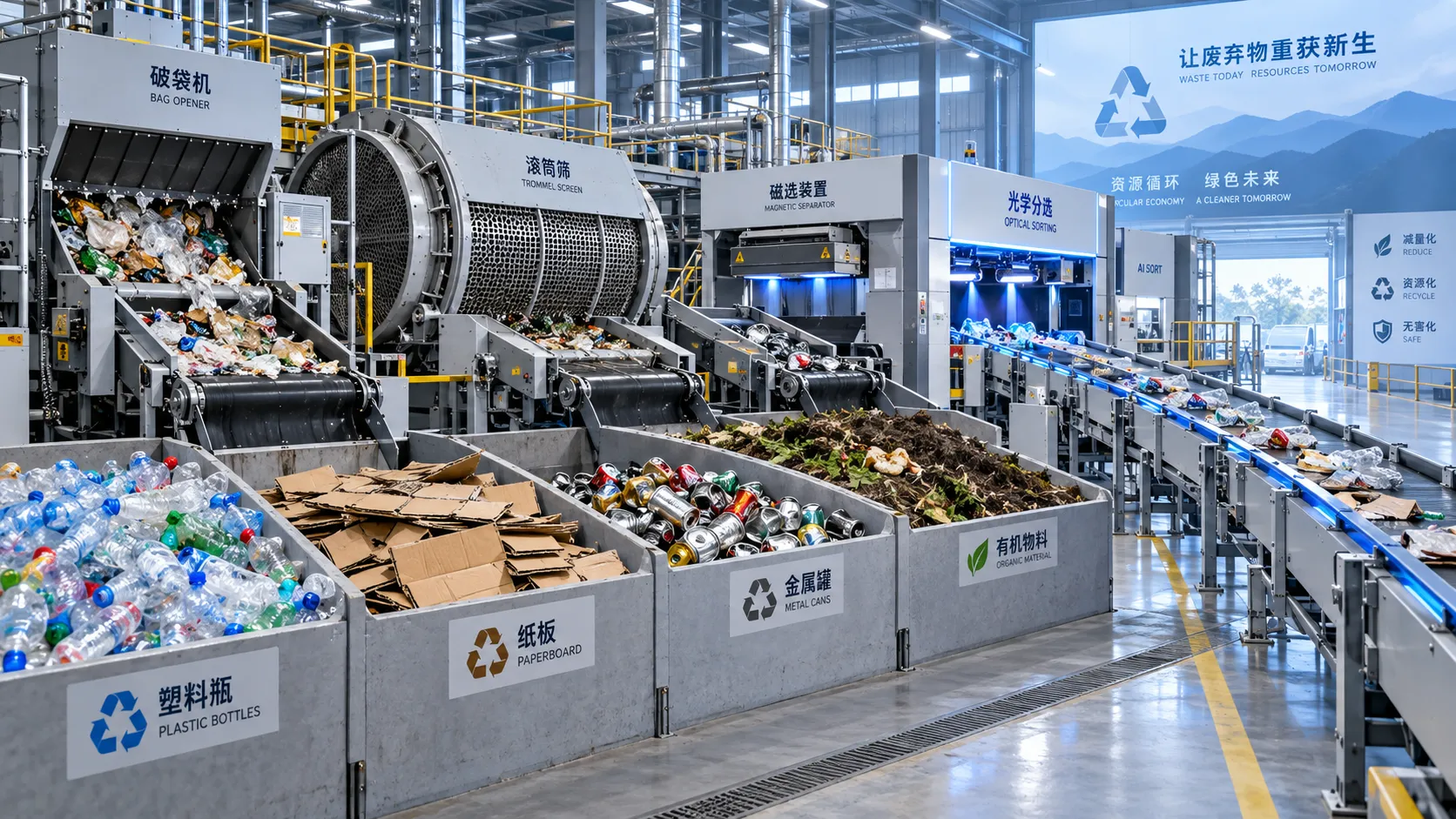
How to choose solid waste equipment based on waste stream characteristics
Environmental equipment guide for solid waste: discover how to match sorting, treatment, and recovery equipment to waste composition, moisture, contamination, and output goals.
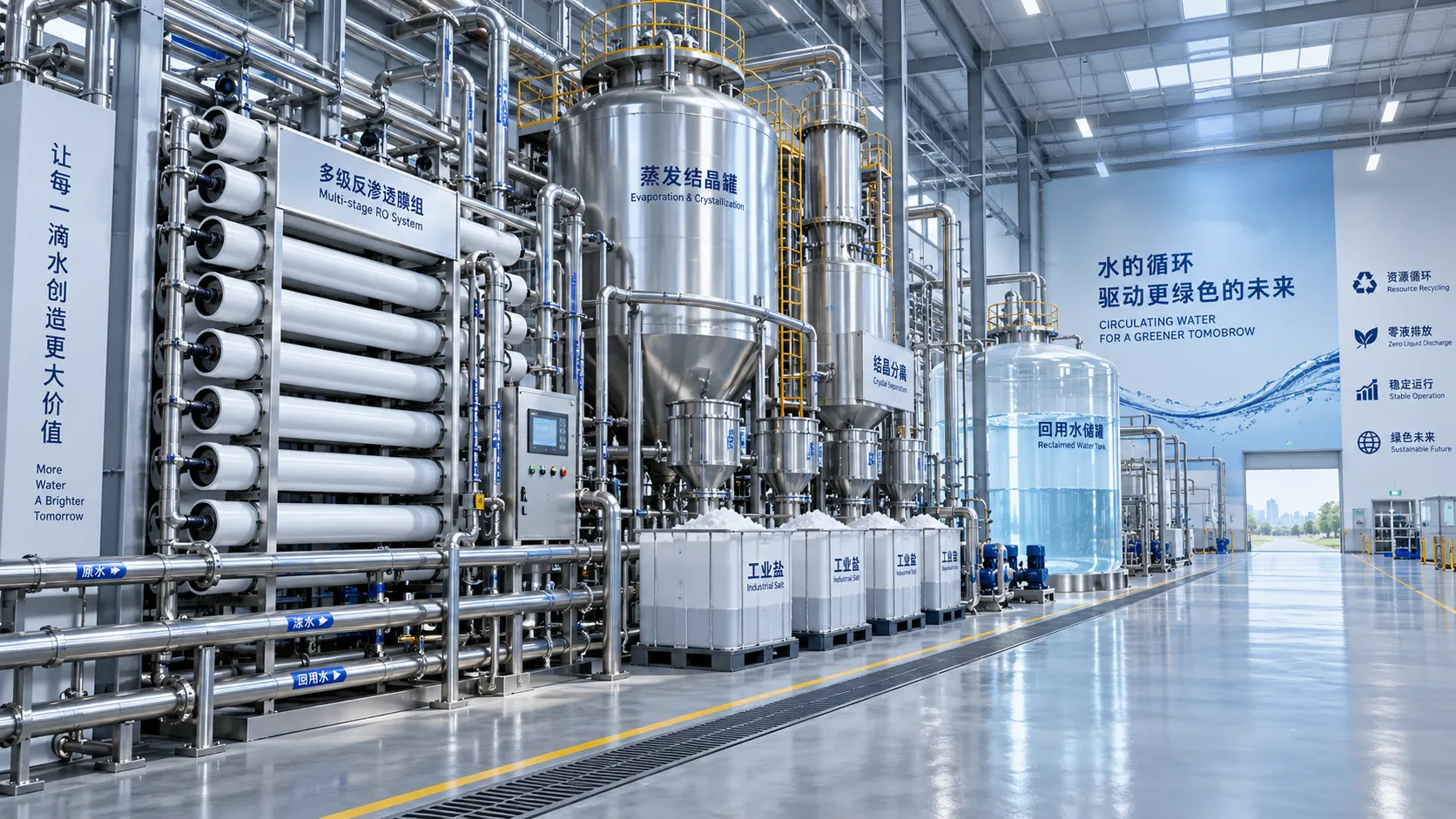
When does high recovery ZLD equipment justify its higher capital cost?
High recovery ZLD equipment can justify higher capital cost when water scarcity, discharge risks, brine disposal, and downtime threaten operations. Explore the decision factors.
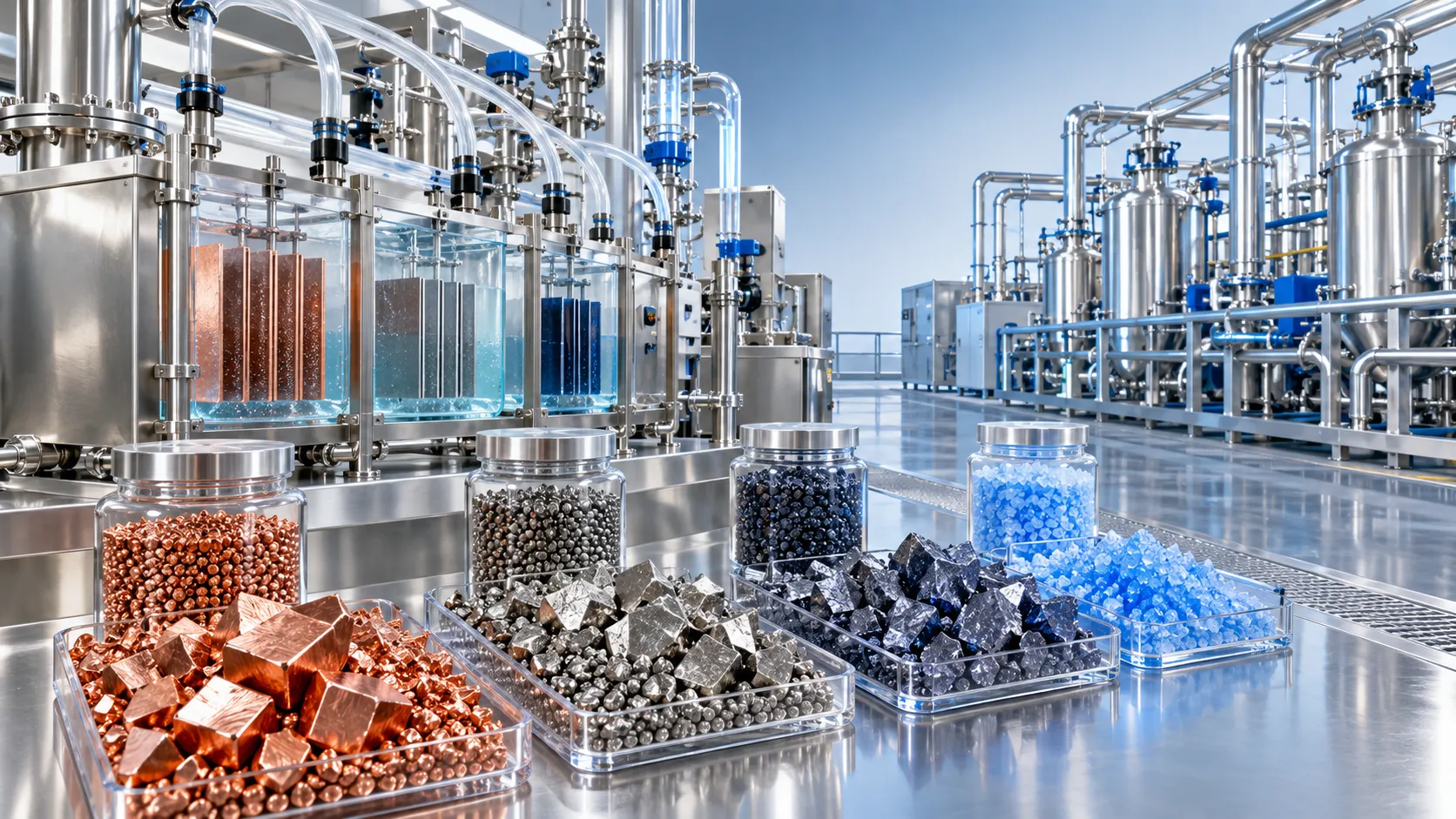
How high purity heavy metal recovery affects recovered metal value
High purity heavy metal recovery boosts recovered metal value by improving payability, reducing penalties, and unlocking stronger buyer opportunities. Explore smarter netback strategies.
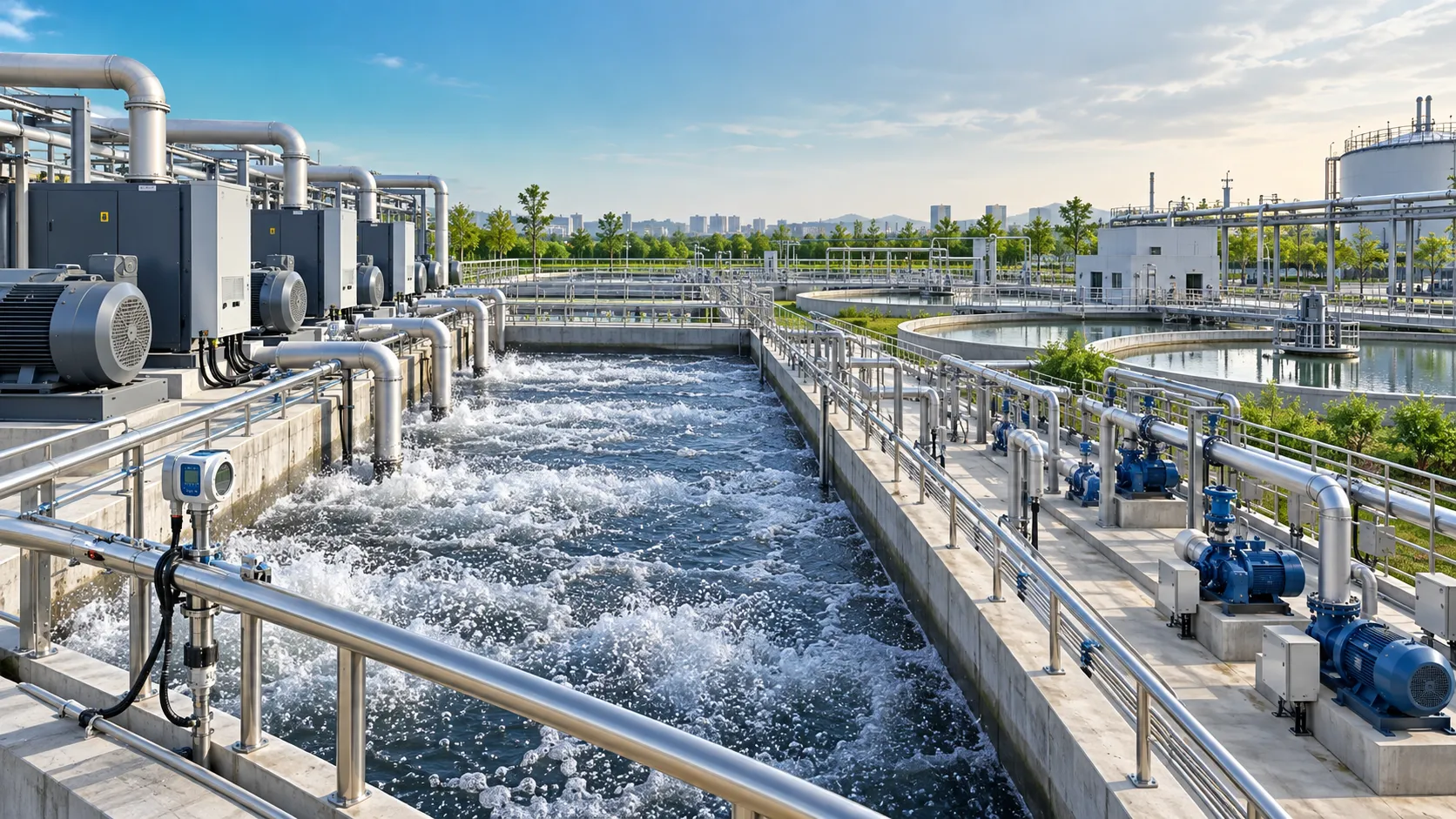
When does environmental equipment intelligence reduce wastewater plant energy use?
Environmental equipment intelligence for wastewater plants cuts energy use through smarter aeration, pumping, and data-driven controls—without compromising compliance. Discover when it delivers measurable savings.
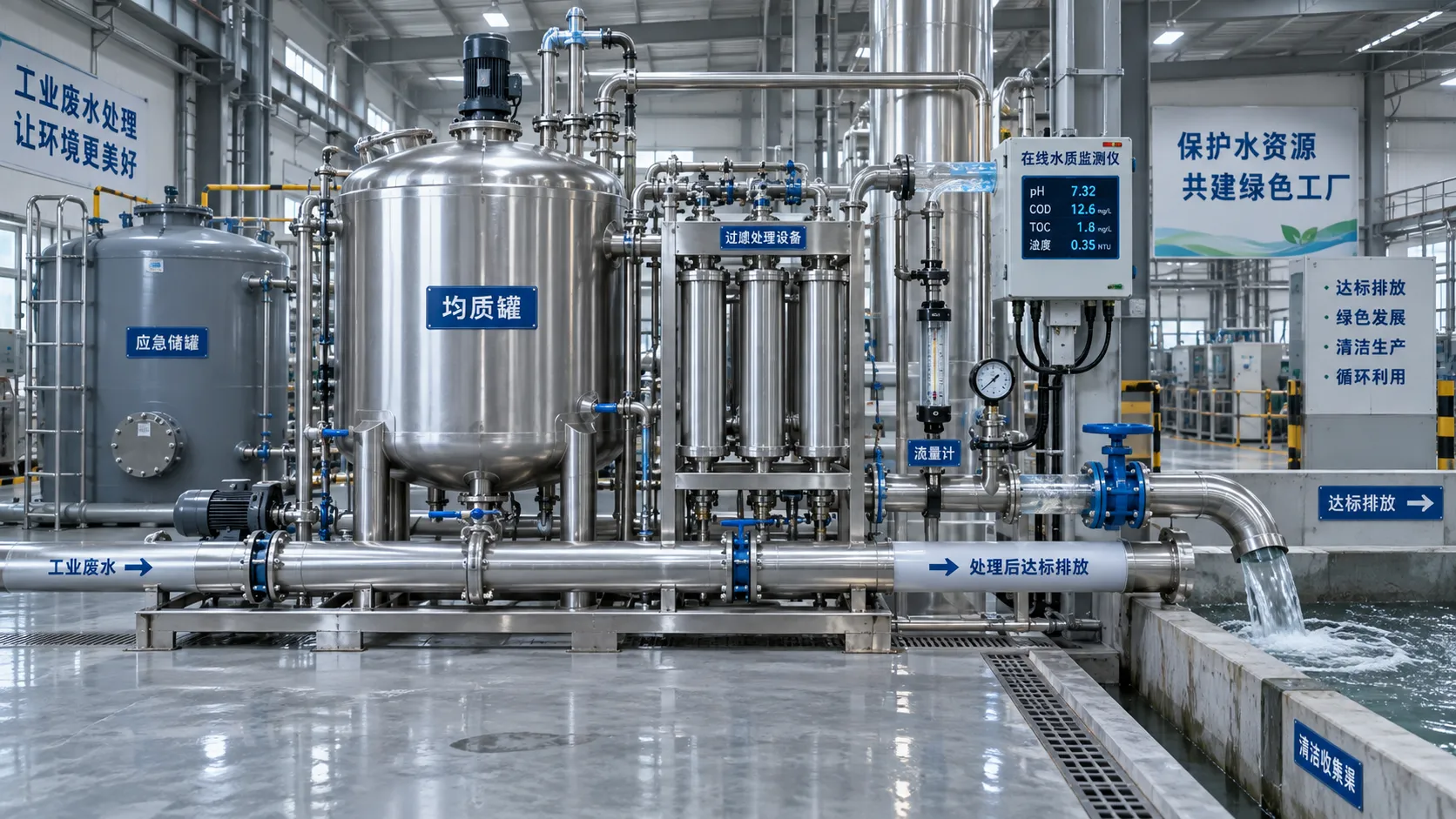
What Are the Main Compliance Risks in Industrial Wastewater Discharge?
What are the main compliance risks in industrial wastewater discharge? Explore permit exceedances, monitoring failures, hazardous contaminants, and practical controls to reduce liability.
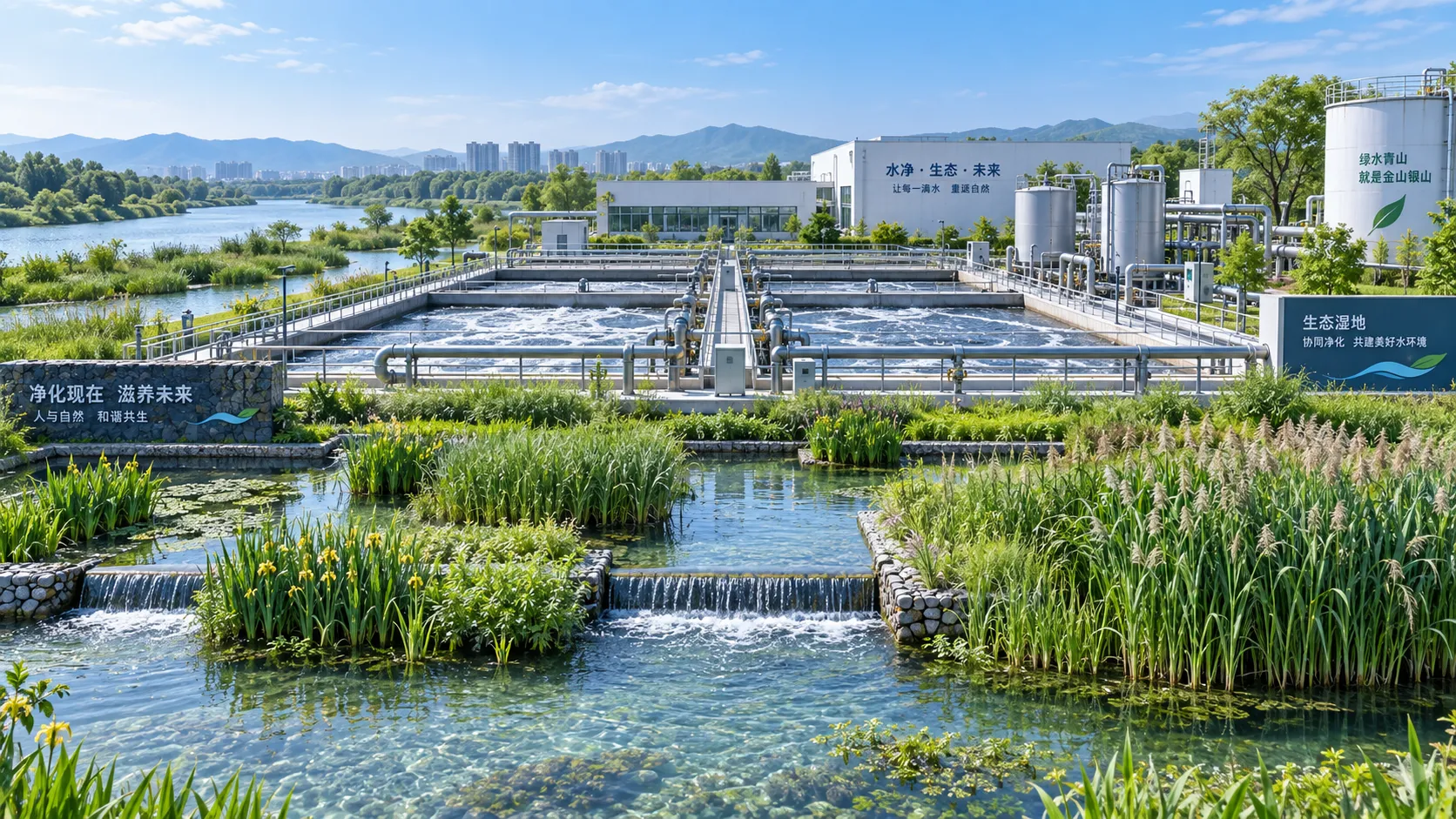
When Should Ecological Engineering Be Used Instead of Conventional Treatment?
When should ecological engineering be used instead of conventional treatment? Explore practical criteria, hybrid solutions, lifecycle value, and compliance-ready water strategies.
How to Calculate Product Recovery System Payback from Yield, Energy, and Labor Savings
Product recovery system payback: learn to model yield value, energy and labor savings, operating costs, and scenarios for a defensible capital approval case.