
Industry News
Curation by industry experts
Hot Articles
Popular Tags
How to Evaluate a Circular Economy Solutions Supplier
Choosing a circular economy solutions supplier is no longer a routine sourcing step. In environmental infrastructure, that choice can shape compliance exposure, recovery yields, operating cost, and the long-term resilience of an asset.
The issue is especially sharp in sectors where water, waste, emissions, and hazardous materials intersect. A supplier may look competitive on price, yet still create downstream risk through unstable performance, weak service coverage, or poor regulatory alignment.
That is why evaluation now requires a broader lens. For projects tied to resource recovery, desalination, flue gas treatment, or nuclear waste management, the right decision depends on how well a supplier supports circular value under real operating conditions.
What a circular economy solutions supplier really provides
A circular economy solutions supplier does more than sell equipment. The supplier is expected to help convert waste streams, residual heat, reject brine, sludge, metals, solvents, or by-products into usable value.
In practice, this can include sorting systems, pyrolysis units, membrane technologies, ZLD packages, flue gas cleanup modules, digital monitoring tools, and process optimization services.
The stronger suppliers usually combine engineering depth with lifecycle support. They understand that circularity is not an isolated machine feature. It depends on feedstock variability, local rules, energy balance, and offtake economics.
This matters because many projects fail for reasons outside the brochure. Recovery purity may drift. Consumables may cost more than planned. Secondary waste may remain unresolved. Data visibility may be too weak for audit needs.
Why supplier evaluation has become more demanding
Circular economy investments now sit under tighter scrutiny from finance teams, regulators, and project owners. Capital approval increasingly depends on measurable recovery, lower carbon intensity, and credible compliance planning.
At the same time, environmental systems are becoming more technical. Advanced desalination, AI sorting, low-temperature catalyst operation, and waste vitrification all require precise control, not just nominal capacity claims.
This is where market intelligence becomes useful. Platforms such as ESD track not only equipment trends, but also the regulatory and commercial signals shaping project viability across water treatment, solid waste recovery, and high-risk waste chains.
A capable circular economy solutions supplier should therefore be assessed against the direction of the market, not only against current procurement specifications. That includes CBAM pressure, emission thresholds, traceability demands, and spare parts security.
The criteria that separate strong suppliers from risky ones
A practical evaluation framework should start with operating evidence. Lab data is useful, but commercial references under similar feed conditions carry more weight.
It also helps to compare suppliers against a focused set of business questions rather than generic vendor questionnaires.
Among these factors, lifecycle economics often gets underestimated. A circular economy solutions supplier that delivers higher recovery but consumes excessive power or chemicals may weaken the project case.
Service capability is another decisive point. In high-value installations, delayed calibration, poor process tuning, or missing parts can erase the expected circular gains very quickly.
How sector context changes the evaluation
Not every circular economy solutions supplier should be judged by the same technical lens. The risk profile changes by application, and the evaluation method should reflect that.
Water treatment and ZLD
In large water treatment projects, focus on recovery consistency, membrane fouling behavior, concentrate management, and energy intensity. The supplier should also show evidence under variable salinity and contaminant loads.
Solid waste and resource recovery
For sorting, pyrolysis, and recycling systems, ask how the process handles moisture, mixed inputs, contamination, and output purity. Revenue depends on sellable recovered fractions, not just throughput.
Flue gas and emissions control
Here, the circular element may sit in reagent efficiency, by-product reuse, or compliance stability. The supplier should demonstrate predictable performance across temperature swings and changing load conditions.
Seawater desalination and brine-linked recovery
A circular economy solutions supplier in desalination must address not only freshwater output, but also brine strategy, pretreatment chemistry, membrane life, and integration with energy management goals.
High-risk waste streams
For nuclear or hazardous waste applications, supplier assessment becomes stricter. Traceability, containment integrity, documentation discipline, and long-term stability matter more than rapid payback claims.
Questions worth asking before shortlisting
A strong shortlist usually comes from sharper questions, not a longer vendor list. The aim is to expose execution quality early.
- Which reference projects match the same waste stream, salinity range, ash content, or residue profile?
- What performance guarantees are tied to actual feed conditions rather than ideal test inputs?
- How is secondary waste managed, and who carries responsibility if disposal routes change?
- What digital data can be exported for compliance reviews, ESG reporting, and process optimization?
- How local is the after-sales network, and what is the realistic response time for critical faults?
- Which consumables are proprietary, and how exposed is the project to single-source dependency?
These questions reveal whether a circular economy solutions supplier understands operational reality. They also help distinguish genuine process partners from firms that mainly assemble third-party components.
Looking beyond the proposal document
Commercial proposals often compress complexity into clean numbers. A better evaluation reads between those numbers.
For example, a high recovery rate may depend on narrow feed specifications. Low operating cost may assume ideal uptime. A short delivery schedule may depend on outsourced modules with uncertain integration quality.
This is where external market intelligence can sharpen judgment. ESD’s coverage of membranes, catalysts, AI sorting lines, and regulatory shifts is useful because supplier quality increasingly sits at the intersection of technology and policy.
In other words, the best circular economy solutions supplier is not simply the one with the broadest catalog. It is the one whose process logic, compliance posture, and support model remain coherent after the project leaves the presentation stage.
A practical next step for better decisions
A useful next move is to build a weighted evaluation matrix before requesting final offers. Include technical fit, compliance readiness, lifecycle cost, service depth, and supplier resilience.
Then align each score with actual project conditions. That means using site data, expected feed variability, utility prices, residue routes, and reporting obligations rather than generic assumptions.
When the project sits in complex environmental sectors, a circular economy solutions supplier should be judged as a long-term operating partner. That approach leads to fewer surprises and stronger asset performance over time.
The market will keep evolving. Better decisions usually come from combining internal technical criteria with current intelligence on regulation, recovery trends, and equipment maturity before the shortlist becomes a commitment.
Recommended News
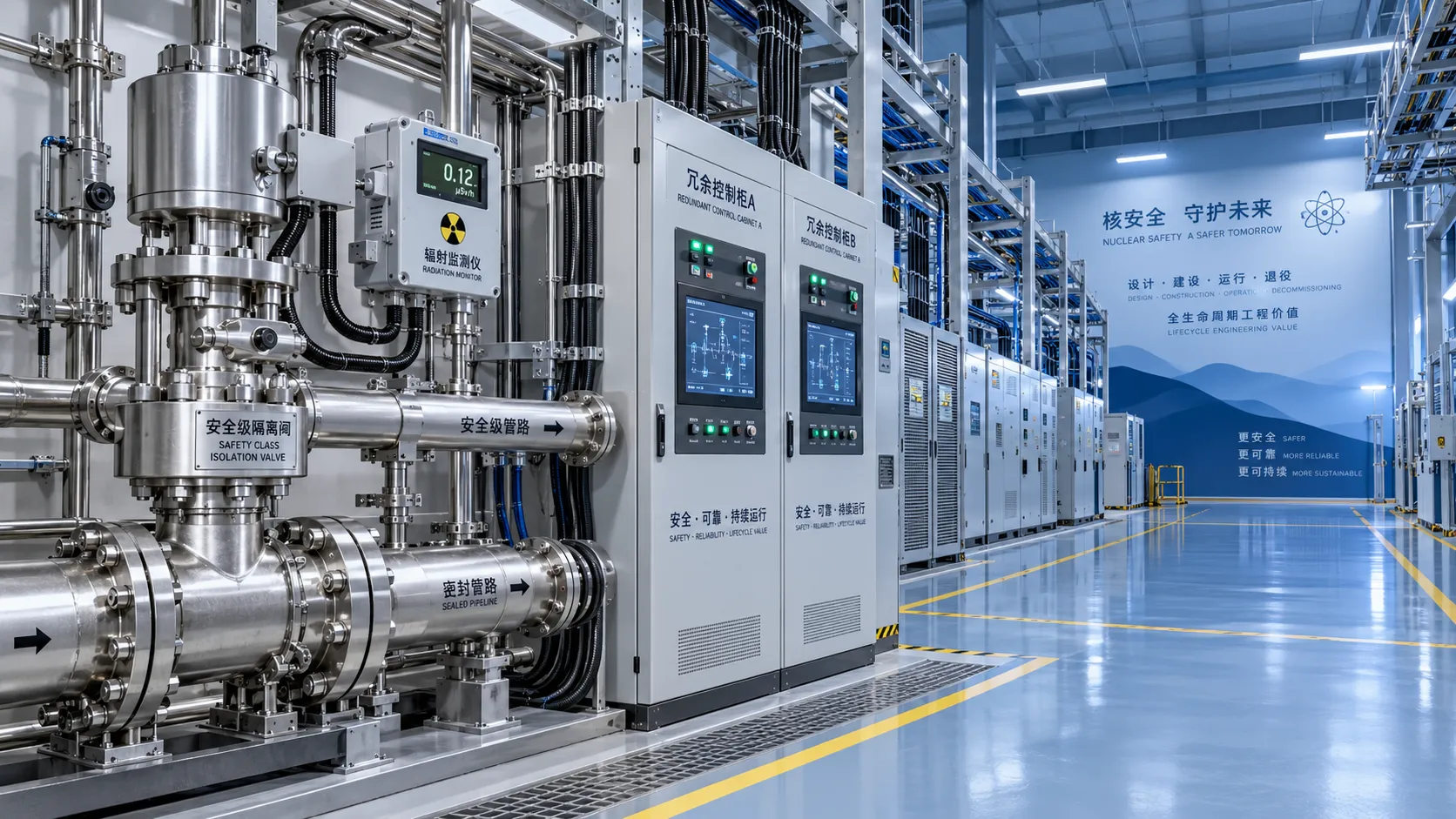
What drives nuclear safety solutions pricing for new facility projects?
Nuclear safety solutions pricing explained: uncover the key cost drivers for new facilities, from qualification and interfaces to lifecycle support.
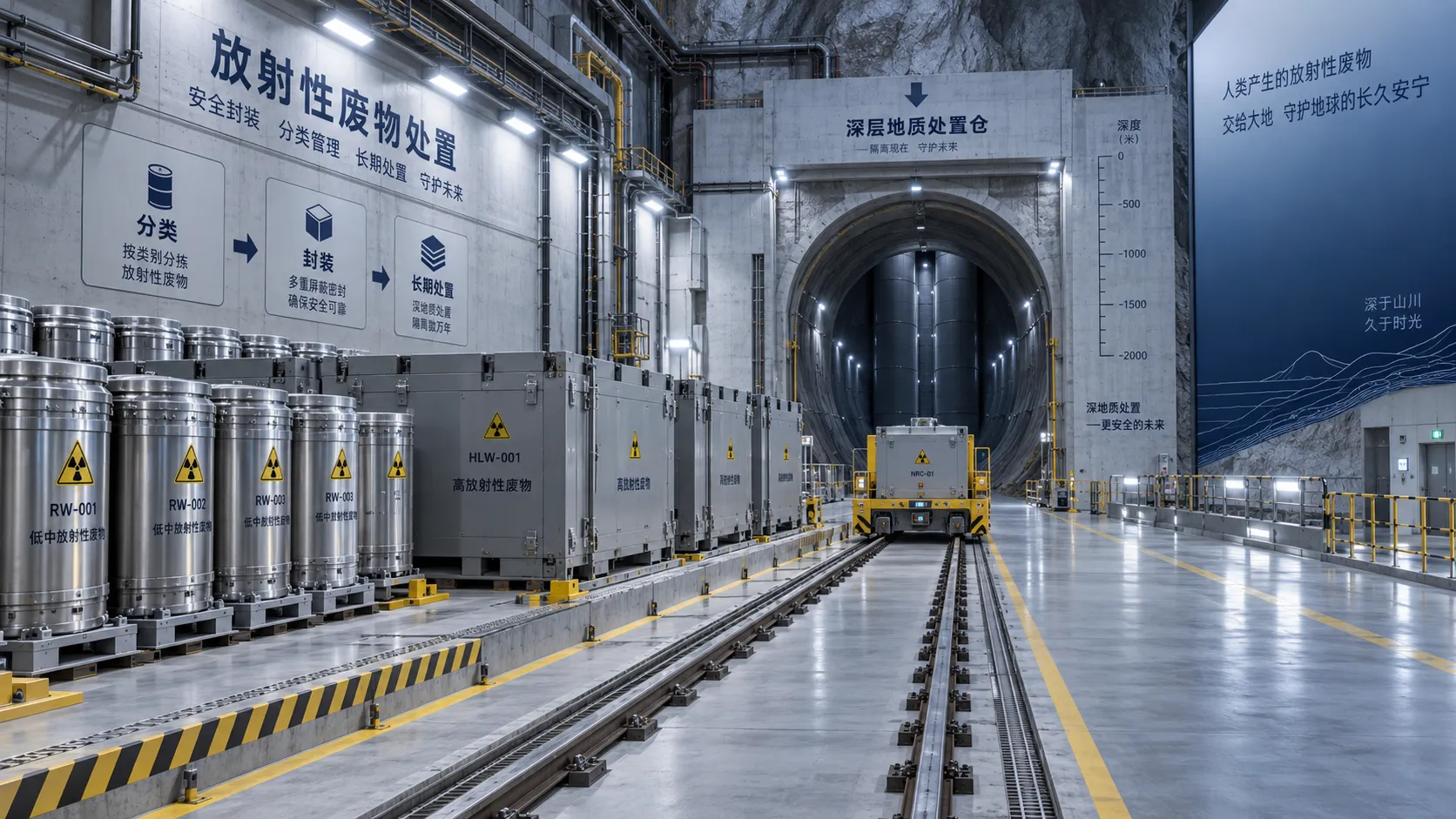
What drives radioactive waste cost over the life of a disposal project?
Radioactive waste cost depends on classification, treatment, transport, storage, disposal access, and long-term compliance. Explore the key lifecycle cost drivers.
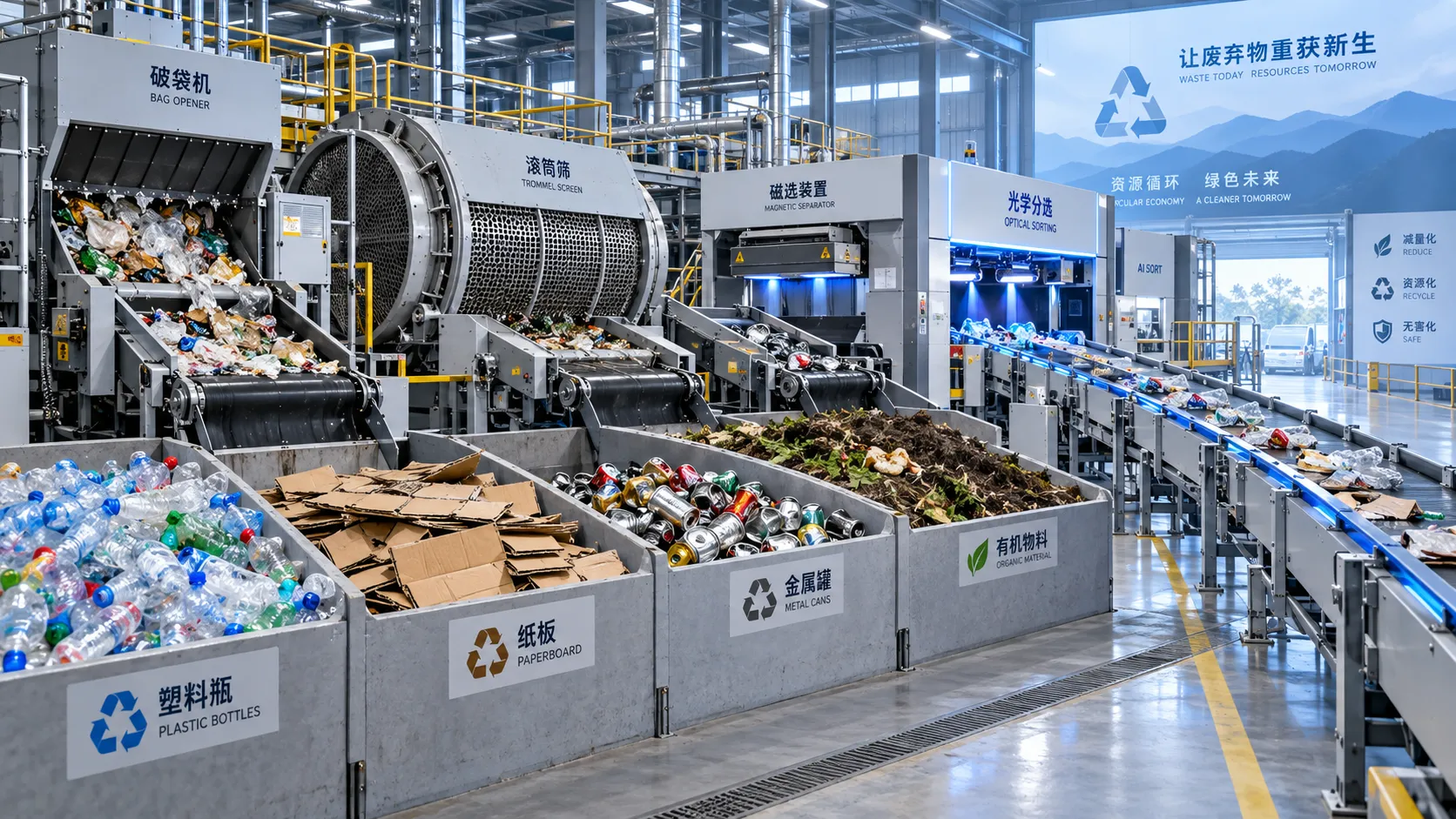
How to choose solid waste equipment based on waste stream characteristics
Environmental equipment guide for solid waste: discover how to match sorting, treatment, and recovery equipment to waste composition, moisture, contamination, and output goals.
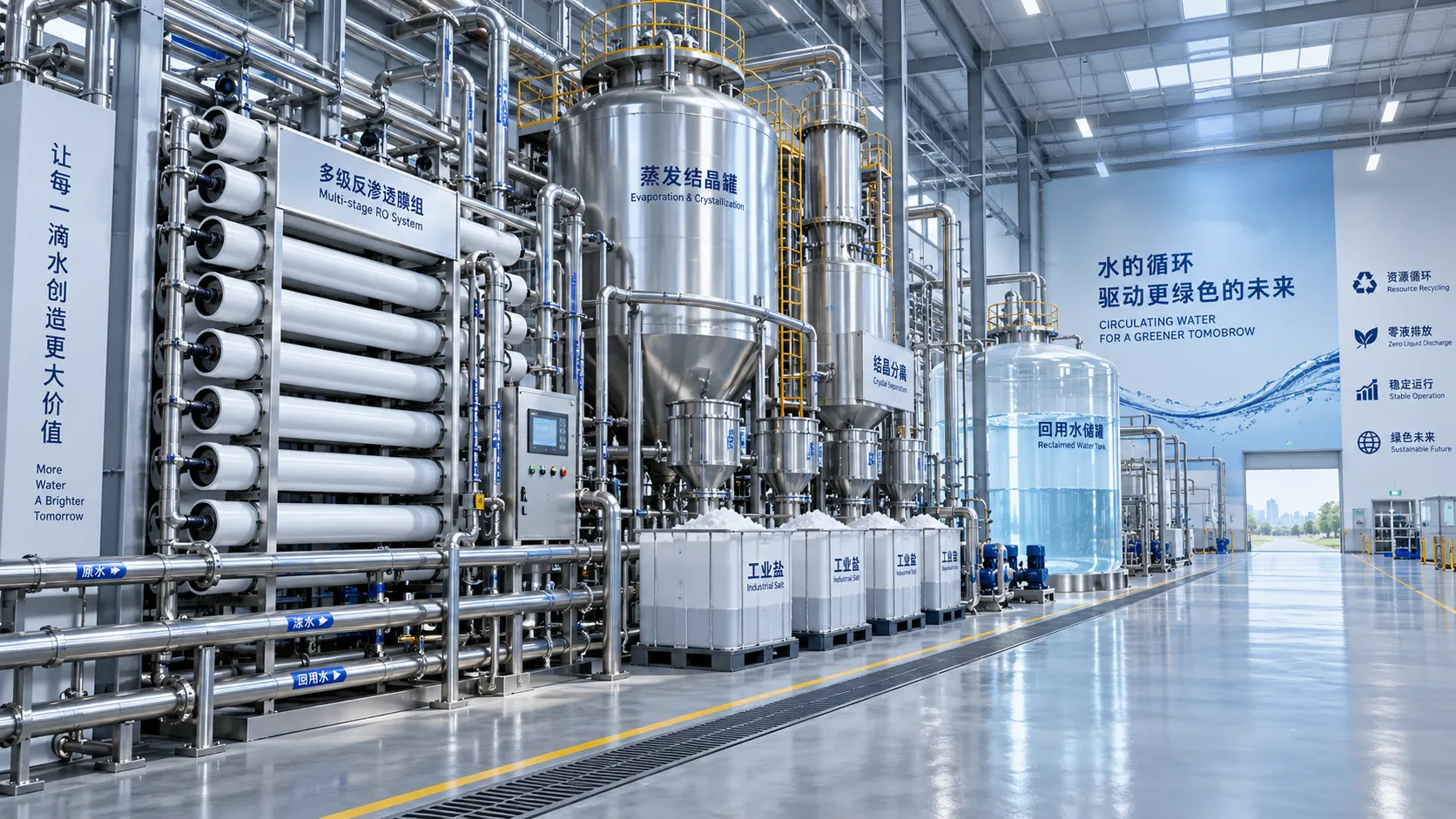
When does high recovery ZLD equipment justify its higher capital cost?
High recovery ZLD equipment can justify higher capital cost when water scarcity, discharge risks, brine disposal, and downtime threaten operations. Explore the decision factors.

How high purity heavy metal recovery affects recovered metal value
High purity heavy metal recovery boosts recovered metal value by improving payability, reducing penalties, and unlocking stronger buyer opportunities. Explore smarter netback strategies.
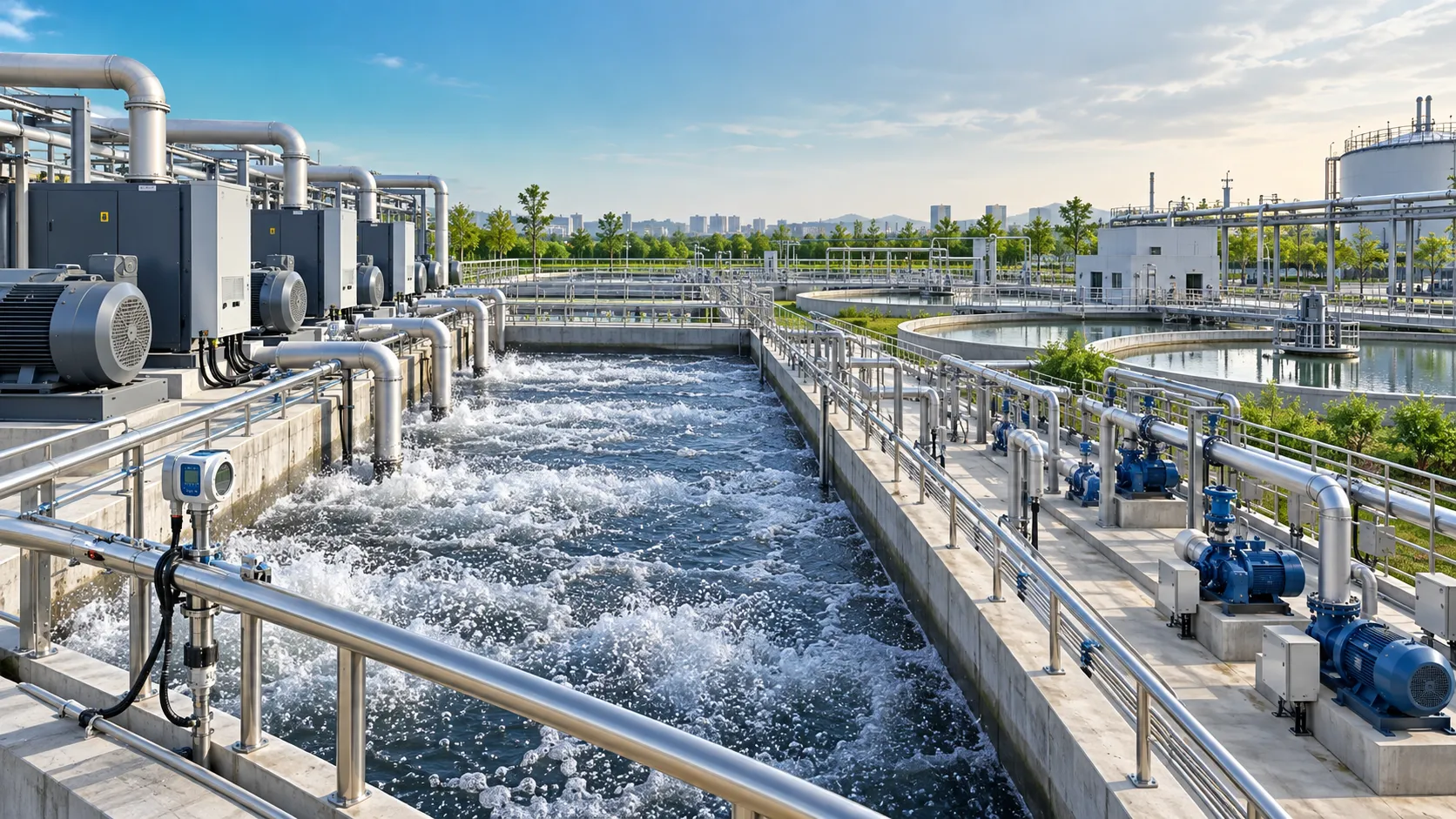
When does environmental equipment intelligence reduce wastewater plant energy use?
Environmental equipment intelligence for wastewater plants cuts energy use through smarter aeration, pumping, and data-driven controls—without compromising compliance. Discover when it delivers measurable savings.
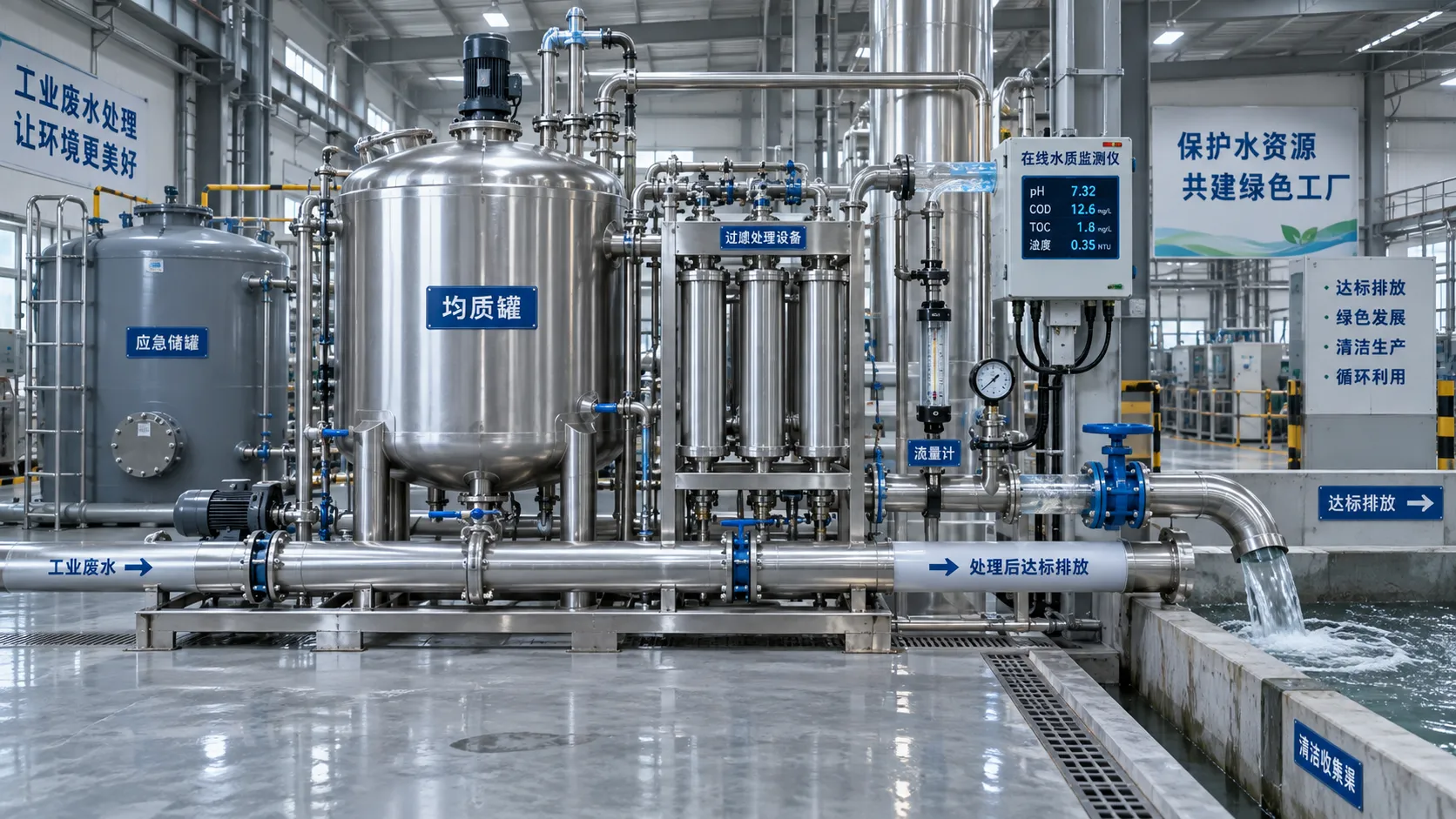
What Are the Main Compliance Risks in Industrial Wastewater Discharge?
What are the main compliance risks in industrial wastewater discharge? Explore permit exceedances, monitoring failures, hazardous contaminants, and practical controls to reduce liability.
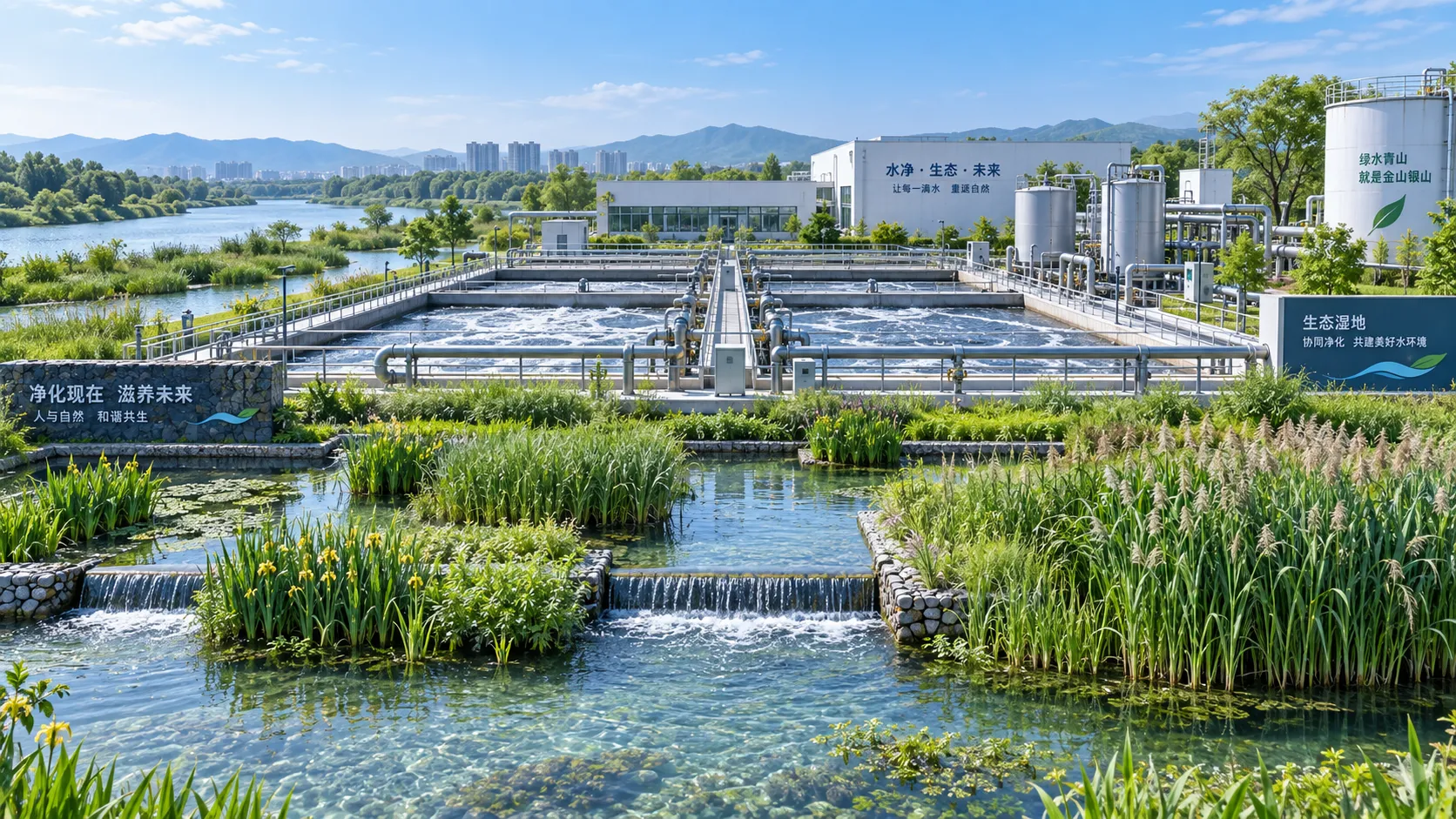
When Should Ecological Engineering Be Used Instead of Conventional Treatment?
When should ecological engineering be used instead of conventional treatment? Explore practical criteria, hybrid solutions, lifecycle value, and compliance-ready water strategies.
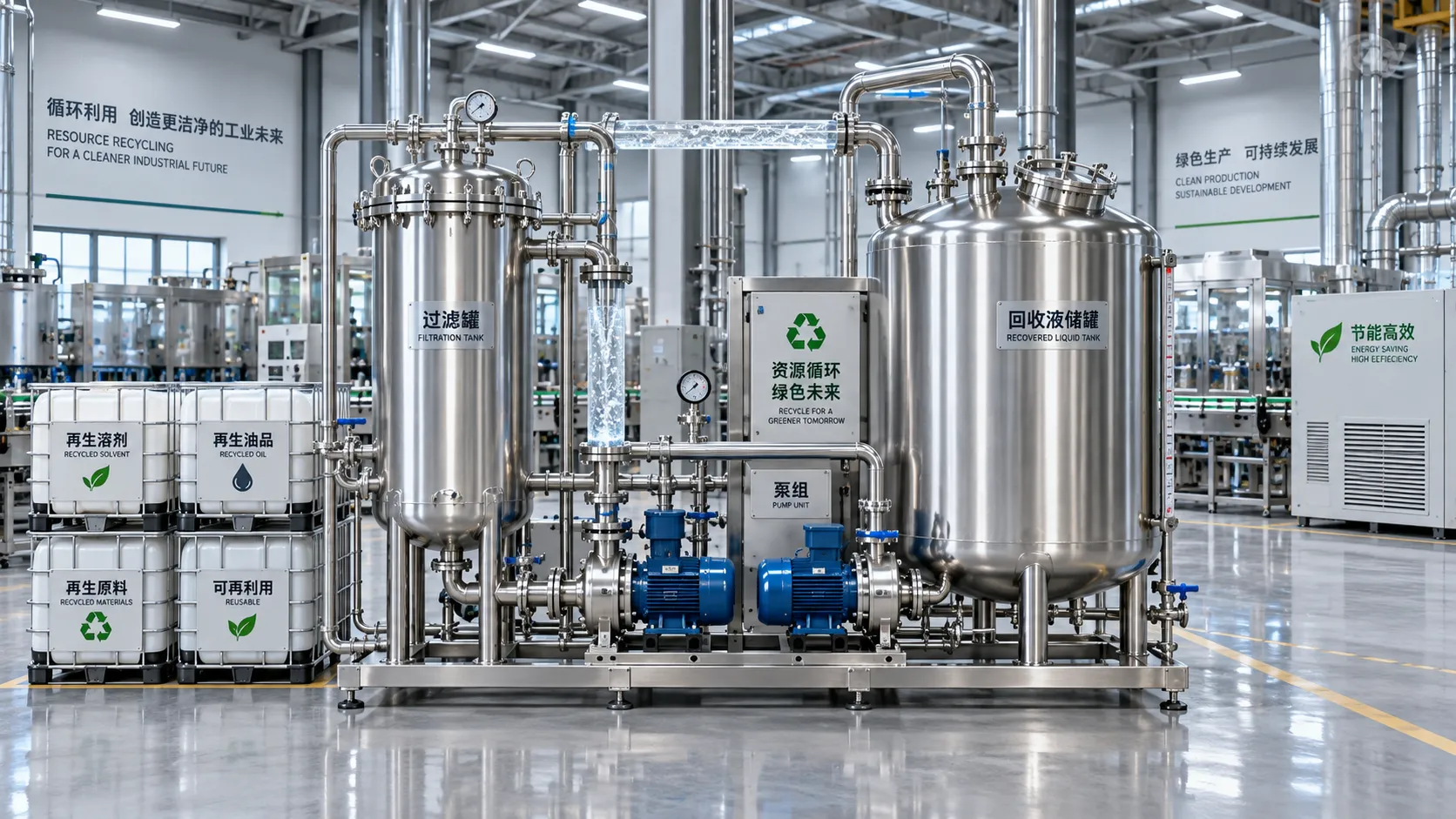
How to Calculate Product Recovery System Payback from Yield, Energy, and Labor Savings
Product recovery system payback: learn to model yield value, energy and labor savings, operating costs, and scenarios for a defensible capital approval case.