
Industry News
Curation by industry experts
Hot Articles
Popular Tags
How to Qualify Nuclear Waste Supply Chain Partners for Long-Term Projects
Qualifying a nuclear waste supply chain partner is not equivalent to approving a manufacturer, logistics provider, or specialist contractor for a conventional industrial project. The decision concerns an integrated ability to preserve containment, traceability, quality evidence, and regulatory compliance over a project life that may extend far beyond the original construction or treatment campaign.
A partner can offer technically credible equipment and still be unsuitable for a long-term nuclear waste project if its quality system cannot control safety-significant work, its documentation cannot be recovered and transferred, its subcontractors are poorly governed, or its financial and technical support model ends at commissioning. The most useful qualification question is therefore not “Can this supplier deliver the specified item?” but “Can this organization sustain a defensible safety and evidence chain throughout manufacture, transport, operation, maintenance, retrieval, and eventual disposal?”
Start with the waste route, not the supplier list
Nuclear waste is not a single procurement category. The qualification threshold changes materially with the waste form, radionuclide inventory, chemical composition, heat generation, physical condition, intended storage duration, and destination route. A stainless-steel container supplier for low-level dry active waste is not being assessed against the same failure consequences as a provider of high-integrity canisters, immobilization equipment, shielded handling systems, or transport packages for higher-activity material.
Before issuing a prequalification questionnaire, the project team should define the safety functions that the supply chain must support. These commonly include confinement of radioactive material, shielding, subcriticality where fissile material is relevant, heat removal, retrievability, lifting integrity, contamination control, and preservation of waste-package records. Each function should be connected to an operating condition: normal service, anticipated operational occurrences, accident conditions, extended storage, transport, or disposal acceptance.
This prevents a common procurement error: evaluating every supplier through a generic “nuclear capable” checklist. Nuclear experience matters, but the relevant issue is whether that experience matches the project’s specific hazard, classification, and lifecycle conditions. A fabricator experienced in non-safety-related nuclear balance-of-plant equipment may not have the controls required for a confinement boundary. Conversely, a specialist with limited project scale may be highly suitable for a tightly defined waste characterization or conditioning task.
The procurement package should state which requirements are mandatory, which are performance-based, and which must be demonstrated through evidence. Ambiguity at this stage encourages bidders to interpret responsibility gaps in their favor, particularly at interfaces between waste generator, treatment contractor, container supplier, carrier, storage operator, and disposal organization.
Translate regulatory obligations into supplier controls
Regulatory accountability remains with the licensed entity or the organization assigned responsibility under the applicable national framework. That responsibility cannot be transferred to a vendor through contract wording. Yet supplier qualification must show that external organizations can work within the licensee’s management system and meet the conditions attached to the relevant authorization, safety case, transport approval, waste acceptance criteria, and site procedures.
International references can help establish a common baseline for multinational projects, but they do not replace local law or regulator expectations. For example, the IAEA Safety Requirements for the Safe Transport of Radioactive Material, SSR-6, provides a widely used basis for radioactive-material transport requirements. The applicable national competent authority may impose additional licensing, package approval, carrier, route, security, emergency preparedness, or reporting requirements. Qualification should test the supplier’s ability to identify and implement the controlling jurisdictional requirements rather than simply cite an international standard.
For management systems, ISO 9001 alone is rarely enough evidence for nuclear safety-significant scope. ISO 19443 is specifically intended to apply ISO 9001 principles to organizations supplying products and services important to nuclear safety. In some nuclear programs, ASME NQA-1 or a national nuclear quality assurance code may be contractually required. These frameworks are not interchangeable certificates that automatically establish suitability. Their value lies in whether the supplier’s implemented controls cover the exact scope being procured: design control, procurement control, traceability, inspection, test control, nonconformance management, corrective action, records, and independent assessment.
A robust qualification file makes this translation visible. It maps each project obligation to a supplier deliverable, verification method, acceptance authority, and retention requirement. If a waste package must remain identifiable for decades, the chain of custody, marking method, database interface, record format, and archival responsibility should be stated as controlled requirements—not left as an administrative detail.
Assess technical capability through credible evidence
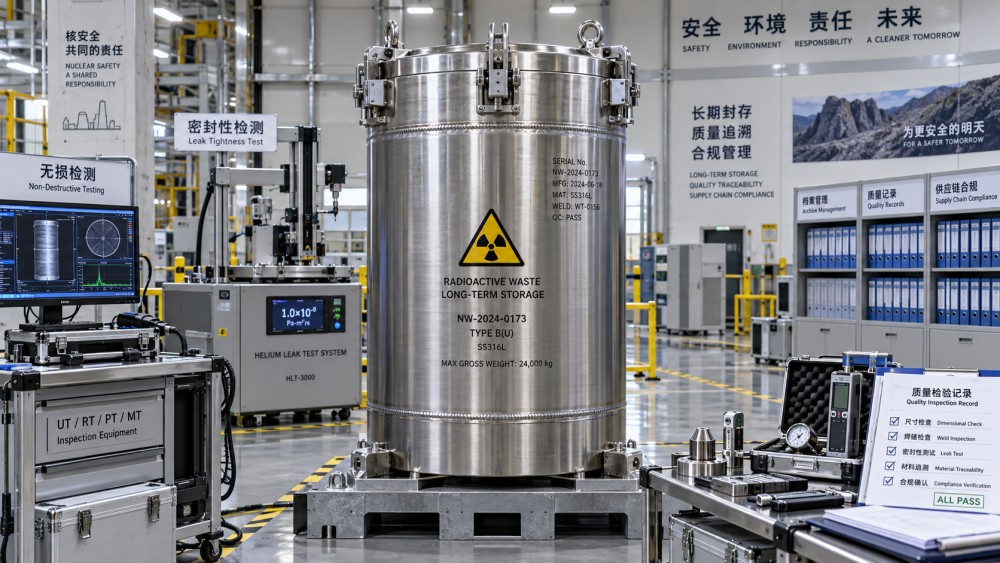
Technical review should move beyond brochures, generic reference lists, and nominal material specifications. The evidence needed depends on the scope, but it should show that the supplier can repeatedly produce, inspect, test, and document the item or service under the required controls.
For engineered containment and storage systems, the review may cover material pedigree, weld procedures and qualifications, welder qualifications, nondestructive examination capability, corrosion assumptions, lifting analyses, dimensional tolerances, leak-tightness verification, coating compatibility, and treatment of internal surfaces that may affect decontamination or waste chemistry. A technically sound drawing is insufficient if fabrication controls cannot preserve the assumptions used in the design basis.
For waste conditioning and immobilization systems, qualification must examine the compatibility between feed variability and process capability. Cementation, encapsulation, compaction, thermal treatment, vitrification, ion exchange, and filtration solutions each depend on constraints that can be hidden by a narrow demonstration feed. Relevant questions include:
- What feed envelope has been qualified, and what happens outside it?
- How are chloride, sulfate, organic compounds, chelants, reactive metals, free liquids, and gas-generating constituents controlled?
- Which process parameters are safety-significant or necessary for disposal acceptance?
- How is batch identity maintained from characterization through final package release?
- What evidence supports waste-form durability, mechanical stability, void control, and package closure quality where these are required?
For analytical laboratories and characterization providers, capability is not demonstrated merely by possessing instruments. The project needs clear detection limits, uncertainty treatment, sample custody controls, calibration arrangements, contamination prevention, method validation, and procedures for anomalous results. The consequence of an incorrect radionuclide inventory can extend into transport classification, shielding design, storage limits, waste acceptance, and future repository records.
Reference projects deserve careful interpretation. The strongest references are comparable in waste characteristics, regulatory environment, safety classification, execution model, and lifecycle obligations. A supplier’s experience on a research facility, a decommissioning project, or a medical-isotope waste stream may be relevant, but should not be presented as proof of capability for a different waste category without a documented gap analysis.
Audit the quality system where work is actually controlled
A desktop review is useful for screening, but it cannot establish confidence in safety-significant supply. On-site or remote audits should follow the actual path of a controlled item or service: receipt of customer requirements, design or process planning, procurement of critical materials, production, inspection, release, shipment, and record handover.
The audit should test implementation rather than the existence of procedures. A supplier may have a detailed quality manual but still lack evidence that purchase orders flow down nuclear requirements to sub-tier vendors, that inspection plans identify hold points, or that deviations are assessed before an item is released. Auditors should sample completed records and open work, tracing a serial number or batch identifier backward to source material and forward to the final dossier.
Particular attention is warranted where the supplier uses commercial-grade items, legacy components, or externally sourced materials. Depending on project requirements, a commercial-grade dedication process may be needed to provide reasonable assurance that an item will perform its safety function. The necessary critical characteristics, verification methods, sampling rationale, independence, and documentation must be defined before procurement. Calling an item “equivalent” after delivery is not a substitute for a controlled dedication process.
Nonconformance control is another practical differentiator. The key question is not whether the supplier reports deviations—responsible suppliers do—but whether it can identify affected items, stop unintended use, perform a technically valid evaluation, obtain required approvals, implement corrective actions, and preserve the complete decision record. Rework, repair, use-as-is dispositions, and concession requests should be subject to clear authority limits, especially when they affect safety functions, material properties, or waste acceptance conditions.
Qualify the lower tiers and interfaces, not only the prime contractor
Long-term nuclear waste projects are vulnerable at supply chain interfaces. A prime contractor may have mature nuclear governance while relying on a freight forwarder, software provider, welding subcontractor, laboratory, packaging vendor, or archive service that has not been assessed to the same standard. The resulting gap may not appear until an audit, shipment, incident investigation, or package acceptance review.
The contract should identify which sub-tier activities require prior approval, notification, audit rights, or direct qualification by the project organization. This is especially important for special processes—such as welding, heat treatment, nondestructive examination, sterilization or decontamination where applicable, analytical testing, and software configuration—that cannot be fully verified by later inspection.
Digital systems require equal scrutiny. Waste management increasingly depends on electronic records for package identity, radiological data, photographs, certificates, movement history, and disposal documentation. The qualification review should establish data ownership, access rights, cybersecurity controls, backup arrangements, version control, export formats, retention periods, and recovery procedures if the supplier changes systems or ceases trading. A package record that cannot be retrieved or interpreted years later is a lifecycle liability even if the physical package remains intact.
Test delivery resilience without confusing it with size
Supplier scale can support resilience, but size alone does not guarantee continuity. The more useful assessment concerns dependency and recoverability. Which components, qualified personnel, consumables, calibration sources, software licenses, or transport capabilities are single points of failure? How long would replacement take? Are drawings, tooling, source code, process knowledge, and quality records accessible if a facility is unavailable?
Long-lead equipment and qualified materials should be examined early. Nuclear-grade forgings, specialized shielding materials, certified pressure boundary components, remote handling equipment, and approved transport packages may have limited sources or complex approval paths. A realistic schedule must include qualification lead time, surveillance, manufacturing records review, regulator or customer hold points, factory acceptance testing, transport permissions, and site receipt inspections. Treating these activities as post-award administration can create schedule pressure that later drives uncontrolled substitutions.
Financial review also has a legitimate safety dimension. It should not be reduced to a simplistic credit score. The concern is whether the supplier can fund qualified staff, maintain equipment, support warranty and defect resolution, preserve records, and continue obligations through the required support period. For high-consequence packages or proprietary treatment systems, projects may need contractual protections such as escrowed design information, rights to technical records, spare-parts commitments, or transition assistance. The appropriate mechanism depends on local law and contractual structure.
Use the contract as a control document
Qualification loses value when the final contract omits the conditions on which approval was based. Technical specifications, quality requirements, inspection and test plans, documentation matrices, change-control rules, audit rights, acceptance criteria, and record-retention obligations should be incorporated into enforceable procurement documents.
Changes deserve explicit treatment. A change in material source, weld consumable, subcontractor, laboratory method, software revision, transport route, package configuration, or waste feed envelope can alter the basis for acceptance. The supplier should be required to identify proposed changes before implementation, assess their impact, and obtain authorization at the correct level. The project team should distinguish between changes that can be handled through routine engineering review and those that require safety-case, regulatory, or disposal-organization engagement.
Payment milestones should align with meaningful evidence, not just manufacturing progress. For critical equipment, suitable milestones may be tied to approved design outputs, completion of source surveillance, release of material certificates, successful inspection hold points, acceptance testing, complete turnover dossiers, and closure of significant nonconformances. This approach helps prevent a situation in which most of the commercial value has been paid before the evidence needed for nuclear acceptance is complete.
Make approval conditional and continuously maintained
Supplier qualification should not be treated as a one-time gate. Long-duration waste programs evolve as waste inventories are characterized, treatment campaigns reveal new feed conditions, regulations change, and original suppliers reorganize or withdraw products. Approval status should therefore be linked to defined scope, duration, performance history, and surveillance requirements.
A practical approved-supplier register records the authorized scope, applicable classification, required certifications or approvals, audit status, open corrective actions, key sub-tier dependencies, and expiry or reassessment triggers. Triggers may include major organizational changes, loss of key personnel, recurring quality issues, changes in manufacturing location, altered ownership, significant scope expansion, or a lapse in required accreditation.
The strongest nuclear waste supply chain is not the one with the longest vendor list. It is the one in which every safety-significant responsibility has an accountable owner, every critical claim can be supported by retrievable evidence, and every foreseeable handoff—from waste generation to final disposition—has been deliberately controlled. That is the standard against which long-term partners should be qualified.
Recommended News
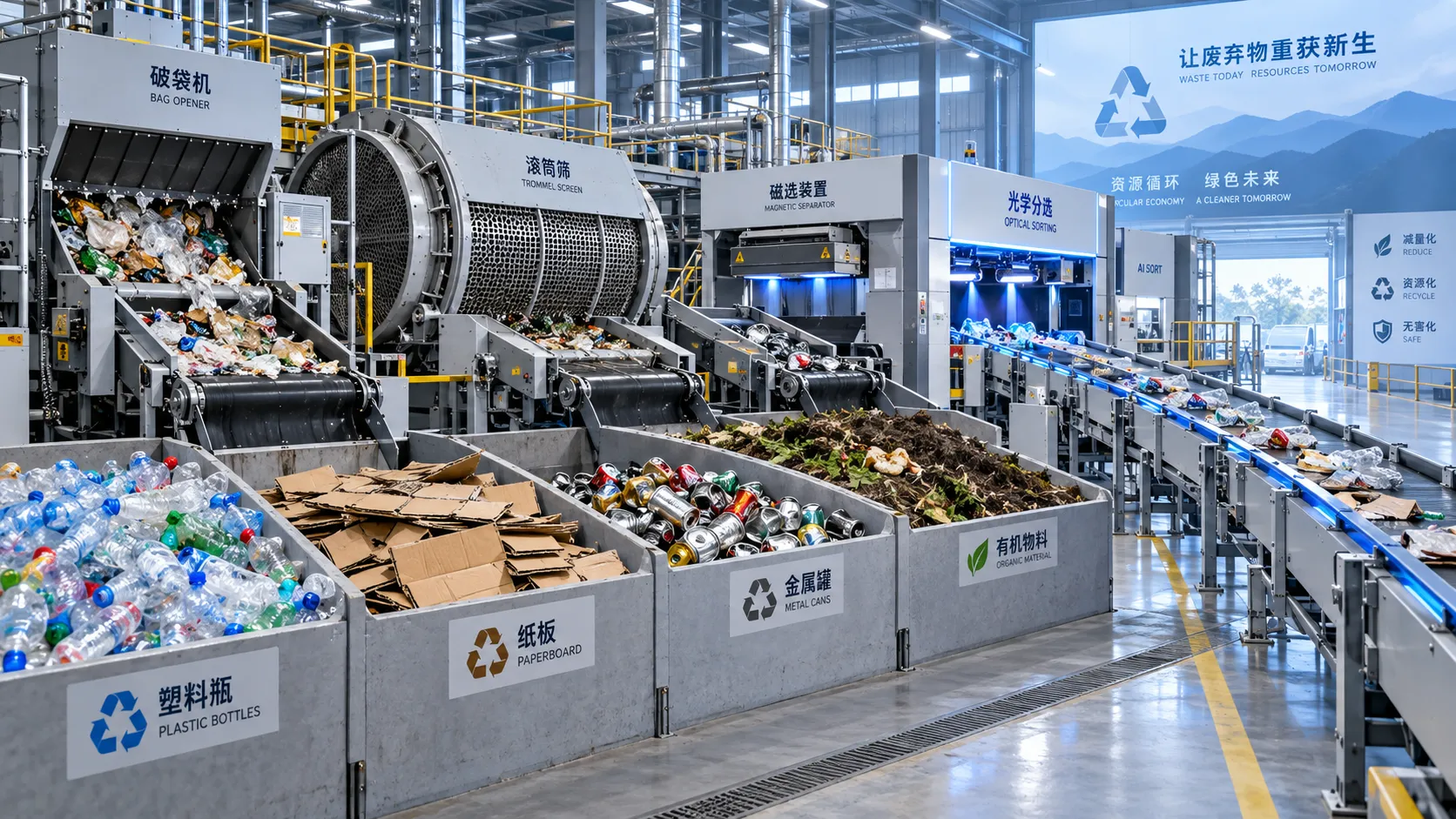
How to choose solid waste equipment based on waste stream characteristics
Environmental equipment guide for solid waste: discover how to match sorting, treatment, and recovery equipment to waste composition, moisture, contamination, and output goals.

When does high recovery ZLD equipment justify its higher capital cost?
High recovery ZLD equipment can justify higher capital cost when water scarcity, discharge risks, brine disposal, and downtime threaten operations. Explore the decision factors.

How high purity heavy metal recovery affects recovered metal value
High purity heavy metal recovery boosts recovered metal value by improving payability, reducing penalties, and unlocking stronger buyer opportunities. Explore smarter netback strategies.

When does environmental equipment intelligence reduce wastewater plant energy use?
Environmental equipment intelligence for wastewater plants cuts energy use through smarter aeration, pumping, and data-driven controls—without compromising compliance. Discover when it delivers measurable savings.
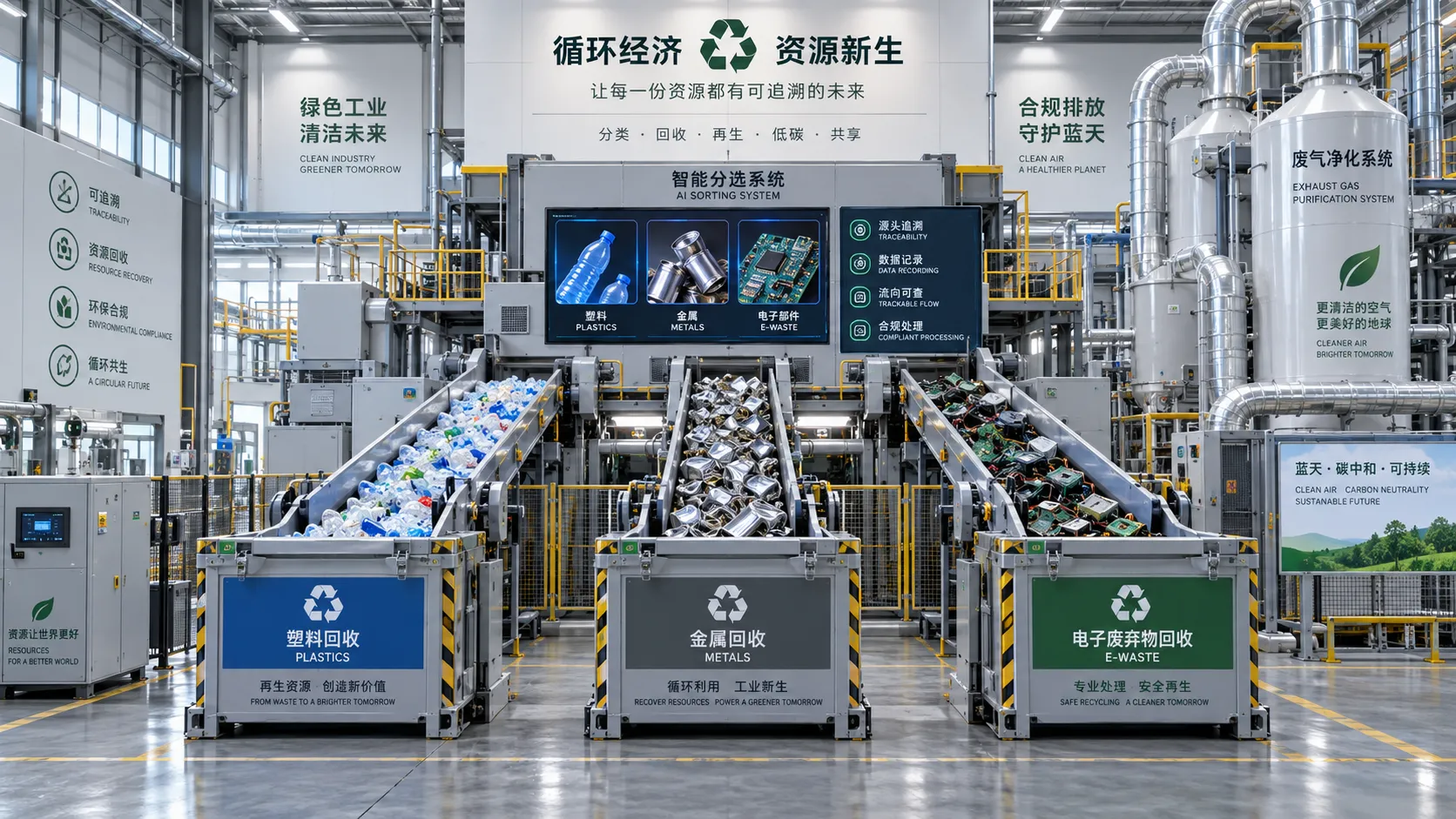
Waste Management and Circular Economy Regulations to Watch in 2025–2026
Recent regulatory updates in waste management and circular economy 2025-2026: explore PPWR, EPR, waste shipments, PFAS controls, and practical compliance steps.
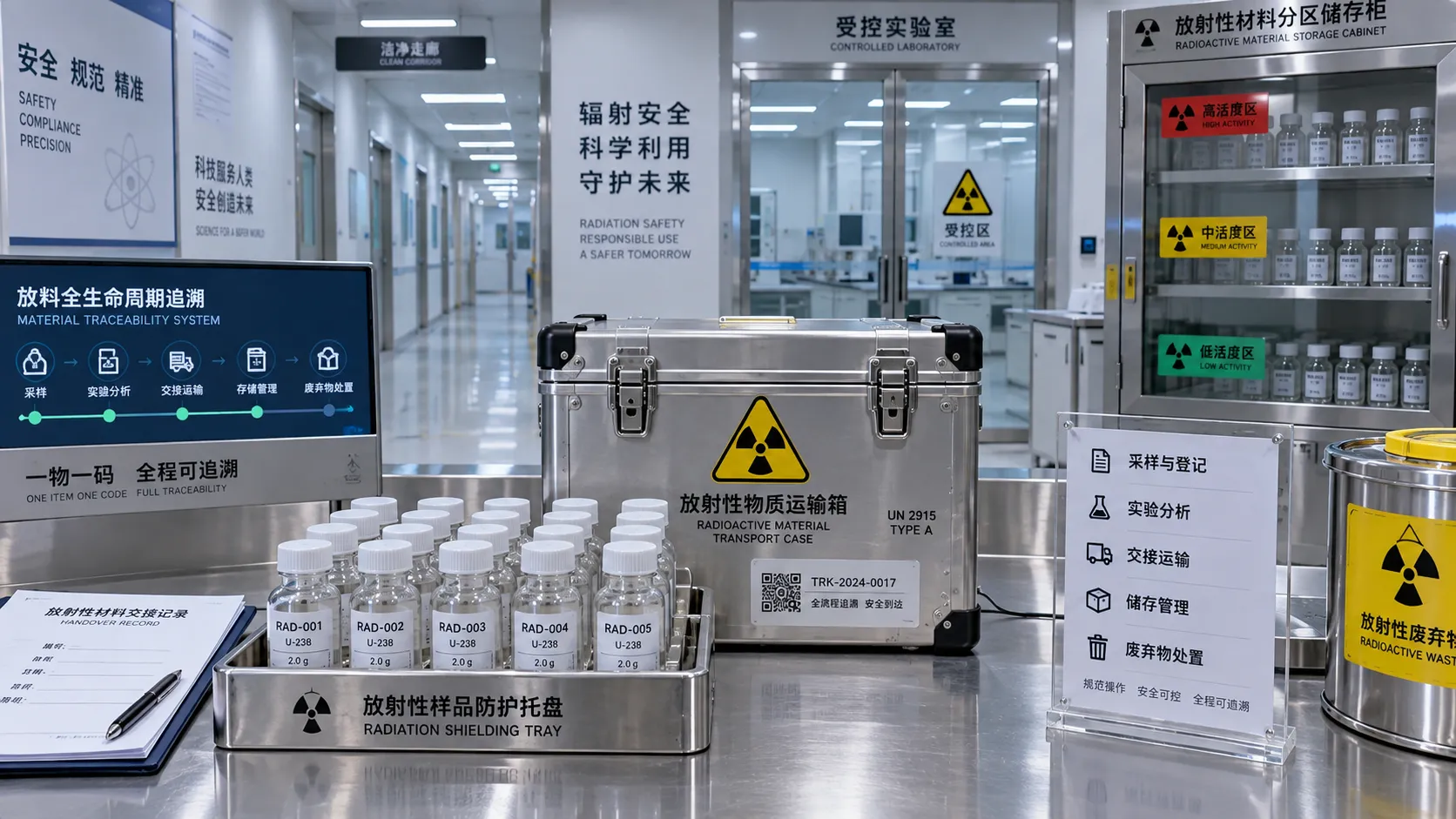
Choosing a Radioisotope Management System for Multi-Site Research Facilities
Radioisotope management system guide for multi-site research facilities: compare traceability, chain of custody, waste controls, roles, and integrations.
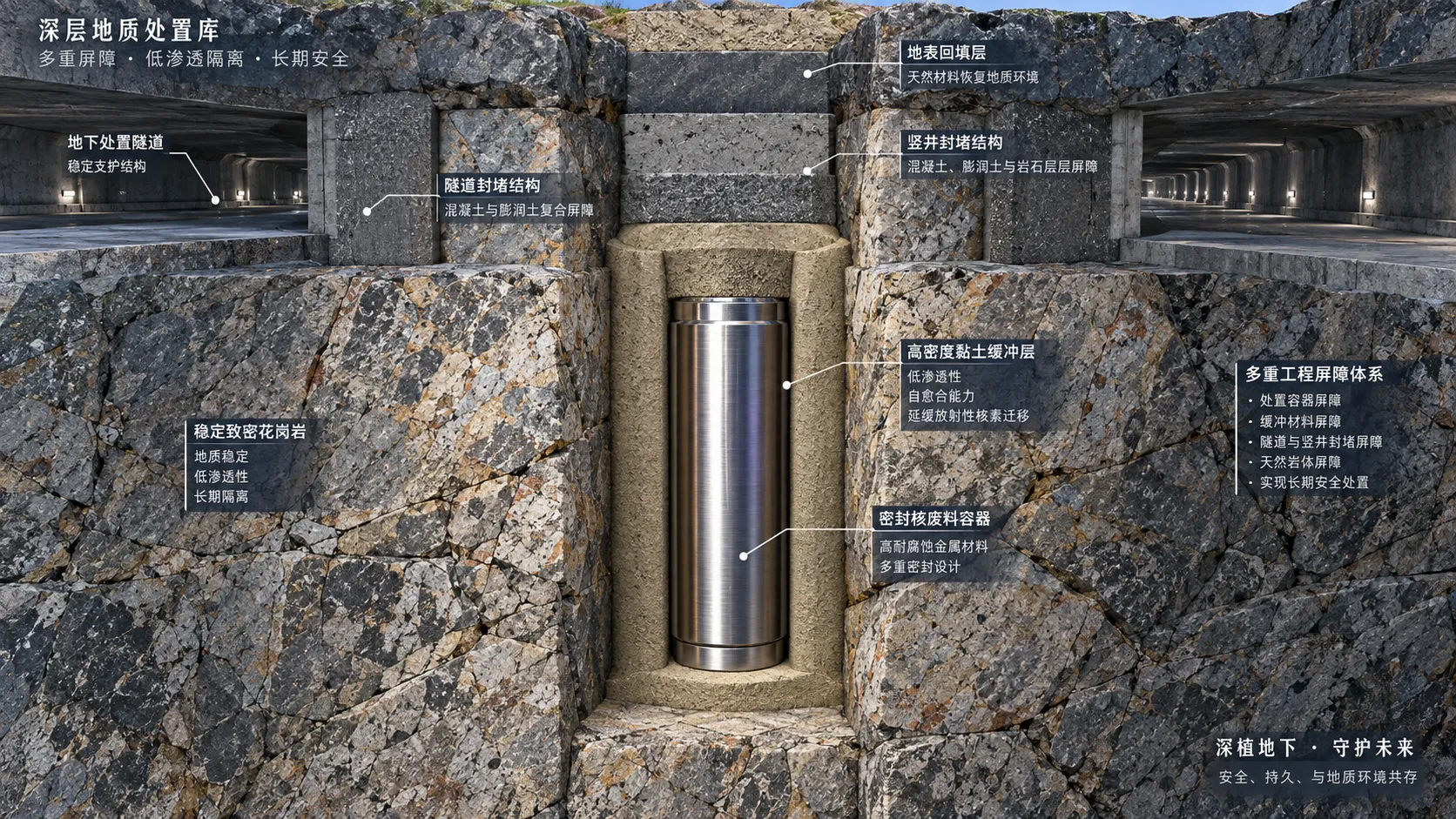
Applying C. McCombie’s Disposal Principles to Long-Lived Radioactive Waste
Explore principles and standards for the disposal of long-lived radioactive wastes C. McCombie, covering geological isolation, engineered barriers, safety cases, and intergenerational protection.
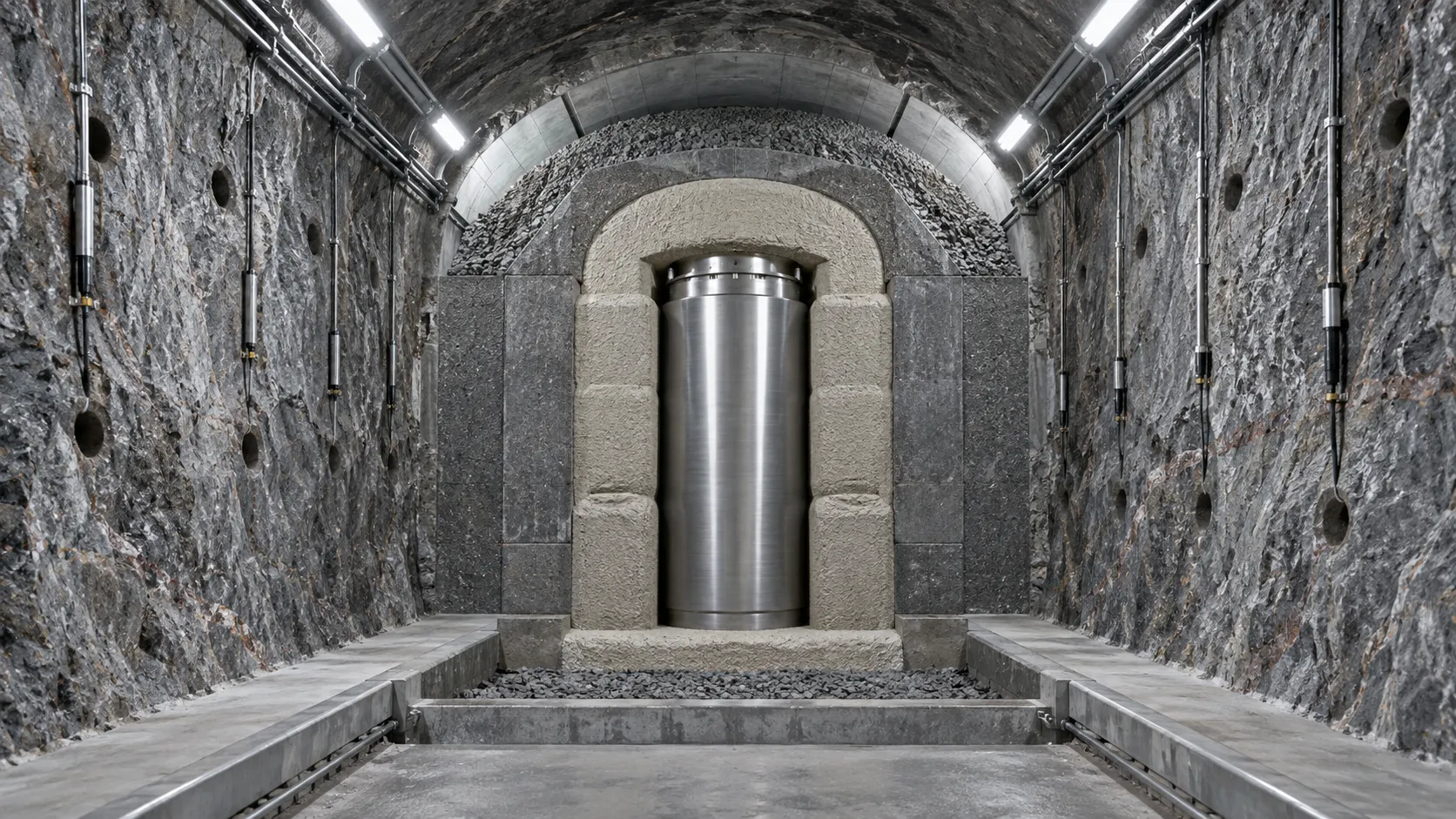
What Evidence Supports the Long-Term Safety Case for Geological Disposal?
Long-term safety of geological disposal: explore the evidence behind multi-barrier systems, site science, uncertainty testing, and auditable safety cases.

What Do Seawater Disinfection Systems Cost Over Their Full Operating Life?
What are the costs associated with seawater disinfection systems? Explore lifecycle expenses for equipment, energy, chemicals, maintenance, compliance, and risk.