
Industry News
Curation by industry experts
Hot Articles
Popular Tags
Waste Management and Circular Economy Regulations to Watch in 2025–2026
Waste Management and Circular Economy Regulations to Watch in 2025–2026
As recent regulatory updates in waste management and the circular economy reshape compliance expectations, the practical question is no longer whether environmental rules will become stricter. They already are. The more useful question for quality and safety teams is where operational exposure will appear first: incoming-material specifications, waste classification, packaging records, downstream contractor controls, recycled-content claims, or cross-border shipment documentation.
The 2025–2026 period will be particularly demanding because several regulatory changes overlap. Packaging rules are moving from voluntary commitments toward enforceable design and reporting obligations. Waste exports face tighter scrutiny. Batteries, electronic products, textiles, construction materials, and industrial residues are increasingly assessed through their full material cycle rather than only at the point of disposal. For plant managers, EHS teams, and quality leaders, this changes the job from “managing waste after production” to controlling material risk from purchasing through recovery.
That shift matters across the environmental equipment chain as well. A sorting line, wastewater treatment system, thermal recovery unit, flue-gas scrubber, reverse-osmosis plant, or hazardous-waste stabilization process may be technically sound but still create compliance exposure if its outputs cannot be documented, classified, transported, or accepted by an approved downstream facility.
The regulatory direction is clear: prove the material pathway
Across major markets, regulators are asking for a more credible answer to a simple question: what happened to the material, and can that claim be verified? This is why traceability has become the common thread connecting extended producer responsibility (EPR), recycling targets, waste shipment rules, recycled-content declarations, hazardous-waste controls, and product information systems.
For many organizations, the weak point is not the waste container on site. It is the handoff. A facility may record that a mixed plastic stream, sludge, spent catalyst, contaminated packaging, or end-of-life electronic component has left the gate. Yet the compliance record becomes fragile if the company cannot show the waste code used, contamination profile, transporter authorization, receiving-facility acceptance criteria, and final treatment route.
This is especially relevant for operations that generate borderline materials: residues that may qualify as by-products in one jurisdiction but waste in another; recovered fractions whose quality varies by batch; or aqueous concentrates from zero-liquid-discharge systems that contain salts, heavy metals, organics, or fluorinated compounds requiring separate evaluation. “Recyclable” is not a regulatory classification. The material condition, documentation, and destination determine whether a circularity claim will stand up to inspection.
EU packaging rules move from policy discussion to implementation planning
The EU Packaging and Packaging Waste Regulation (PPWR) entered into force in February 2025 and is generally scheduled to apply from August 2026, subject to its phased provisions and implementing measures. Its significance extends well beyond consumer packaging. Manufacturers, importers, distributors, contract packers, industrial suppliers, and waste operators will all feel the effect through packaging design specifications, recycled-content expectations, labeling, reuse systems, and data requirements.
The operational mistake is to treat PPWR as a procurement issue for packaging buyers alone. It is also a quality-control issue. If a company claims recycled content, recyclability, compostability, or compliance with material restrictions, those claims depend on controlled specifications and supplier evidence. A packaging material may perform well in a pilot run but fail a broader compliance review because inks, adhesives, barrier layers, additives, or multilayer structures complicate recycling in practice.
Facilities should begin mapping packaging by function rather than only by material family. Transport packaging, protective films, chemical drums, intermediate bulk containers, food-contact components, spare-parts packaging, and product-return packaging can follow very different obligations and recovery routes. This mapping often reveals duplicated SKUs, unverified material declarations, and hidden exposure in imported packaging.
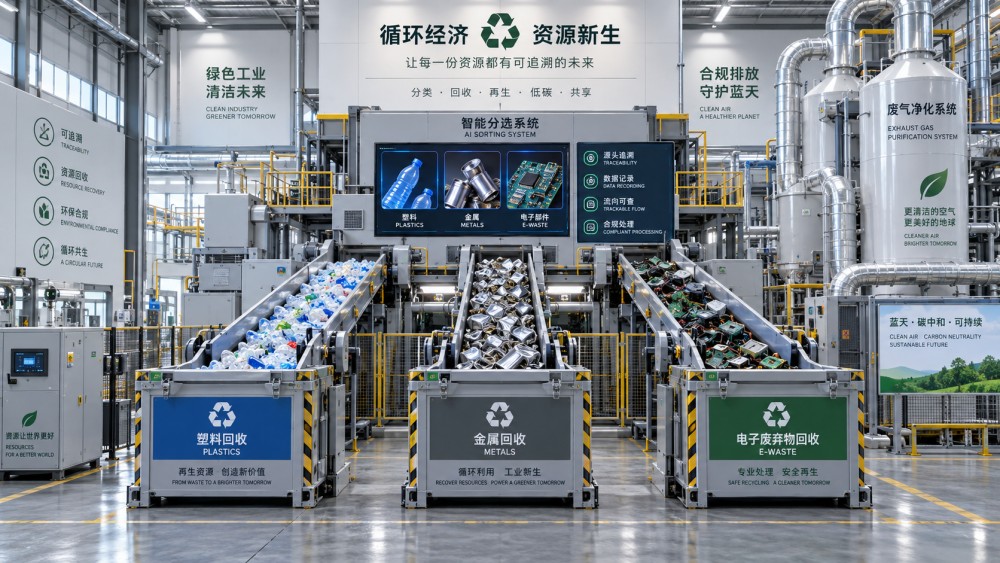
Waste shipments will become harder to treat as a logistics detail
The EU Waste Shipment Regulation, adopted in 2024, is set to apply broadly from May 2026. It strengthens the EU approach to waste exports, shipment controls, and electronic exchange of information. Companies that move recyclable materials across borders should pay close attention, particularly where loads contain mixed fractions, uncertain contamination levels, electrical equipment, plastics, metals, or residues with variable composition.
The practical implication is that commercial descriptions will not be enough. A load described as “recyclable scrap” may receive more scrutiny if its quality evidence is incomplete or if the receiving route is not clearly aligned with recovery requirements. Quality teams should therefore treat outbound waste specifications much like incoming raw-material specifications: define acceptable contaminants, moisture limits where relevant, hazardous constituents, sampling responsibility, rejection procedures, and documentation ownership.
Global operators should also track the Basel Convention’s e-waste amendments, which took effect on January 1, 2025. These changes broaden controls over transboundary movements of electrical and electronic waste. Refurbishment and repair businesses are not automatically exempt from compliance risk simply because equipment retains potential value. Distinguishing a reusable product from e-waste requires condition assessment, functional testing, documentation, and a credible intended destination.
EPR is becoming a cost-control issue, not just a reporting task
Extended producer responsibility is spreading across packaging and, increasingly, product categories such as batteries, electronics, textiles, and selected consumer goods. The exact obligations differ by market, but the commercial pattern is consistent: producers are expected to finance or organize collection and treatment, while fee structures increasingly reward designs that are easier to collect, sort, reuse, or recycle.
The United Kingdom’s packaging EPR rollout and Simpler Recycling reforms are examples of a wider shift toward more consistent material reporting and collection expectations. In the United States, state-level packaging EPR programs—including California’s SB 54 framework—continue to influence national packaging decisions even for companies not selling exclusively in those jurisdictions. Rules, deadlines, and implementation details can change, so businesses should confirm the current requirements with the relevant authority or compliance scheme before relying on a planning assumption.
The meaningful preparation step is to connect EPR data with production reality. Finance may know total packaging placed on the market. Operations may know packaging consumption. Quality may hold supplier specifications. Logistics may control reusable assets. If those datasets do not reconcile, annual declarations become a manual exercise with avoidable errors. The same problem appears in reverse logistics: a company may count returned material without knowing whether it was reused, repaired, recycled, incinerated, or disposed of.
Hazardous waste controls are expanding around persistent contaminants
Hazardous-waste compliance deserves a separate watchlist because it intersects with chemical regulation, water treatment, worker safety, transport, and disposal capacity. Persistent substances, including certain PFAS-related materials, are receiving increasing regulatory attention in several jurisdictions. In the United States, the 2024 designation of PFOA and PFOS as hazardous substances under CERCLA added another layer of liability awareness for sites handling affected materials, although facility-specific consequences depend on facts, waste streams, and applicable rules.
For quality and safety managers, the lesson is not to relabel every difficult waste as hazardous. It is to tighten the evidence chain before waste leaves the facility. Review safety data sheets, process chemistry, laboratory analysis, treatment residues, filter media, spent ion-exchange resins, activated carbon, concentrate streams, and cleaning wastes. In large water treatment and desalination projects, concentrate management can be as consequential as permeate quality. In flue-gas treatment, scrubber residues and spent sorbents must be assessed according to their actual composition, not their process name.
Thermal treatment is another area where simplistic assumptions create risk. Destroying a contaminant in a reactor is not the same as proving compliant destruction across the full system. Feed acceptance controls, temperature history, residence time, off-gas treatment, ash or char management, and emissions monitoring all matter. The same disciplined approach applies to nuclear-waste management, where containment performance and waste-form stability are inseparable from the documentation supporting long-term stewardship.
Digital product data will increasingly shape recovery markets
The European Ecodesign for Sustainable Products Regulation provides a framework for future product-specific requirements, including the development of Digital Product Passports for relevant categories. Not every product will face the same timetable, and delegated rules will determine much of the detail. Still, the direction is worth acting on now: material information that is scattered among drawings, supplier emails, spreadsheets, and archived test reports will be difficult to mobilize when product-level circularity data is requested.
For equipment-intensive industries, this could affect much more than consumer goods. Pumps, membranes, filtration modules, battery systems, electrical assemblies, industrial packaging, catalysts, and sorting equipment all have components whose recovery depends on knowing what is inside them. A recycler cannot reliably recover value from a complex asset if material composition, dismantling instructions, hazardous components, and replacement history are unavailable.
That is why a credible circular economy program needs a material data model, not merely an annual sustainability statement. The useful records are specific: composition, supplier declaration status, repairability information, serial or batch traceability where appropriate, hazardous-substance flags, recovery route, and evidence of final treatment. The level of detail should be proportionate to risk. A simple corrugated carton does not require the same control architecture as a contaminated membrane element or a radioactive waste package.
What quality and safety leaders should do before 2026
The strongest compliance programs are usually built around a few disciplined checks rather than a large collection of disconnected policies. Start with the waste streams that are expensive, hazardous, cross-border, difficult to classify, or commercially valuable. These are the streams most likely to expose gaps in sampling, storage, labeling, contractor oversight, and reporting.
- Create a single register linking each waste stream to its process source, classification basis, storage rule, transporter, receiving facility, and final recovery or disposal route.
- Audit packaging and product data against actual bills of materials rather than relying only on supplier marketing claims.
- Review contracts with recyclers and waste contractors for audit rights, rejection procedures, contamination responsibility, and evidence of final treatment.
- Separate technically recoverable material from material that has a proven, legally acceptable recovery route.
- Include environmental compliance requirements early when specifying AI sorting, pyrolysis, ZLD, desalination, air-pollution control, or waste immobilization equipment.
This is where technical intelligence becomes more useful than headline monitoring. Equipment choices influence the quality of recovered fractions, the volume and chemistry of residuals, the energy demand of treatment, and the evidence available for regulators or project owners. A high-throughput sorting system is not automatically the right answer if it produces contaminated output that local recyclers cannot accept. A ZLD design may reduce liquid discharge while concentrating a solid disposal problem. A seawater reverse-osmosis project may improve water security while requiring careful management of brine, pretreatment chemicals, and membrane end-of-life pathways.
For Global Eco-Shield Dynamics, this is the practical meaning of treating environmental infrastructure as an ecological immune system: every membrane, scrubber, recovery line, and waste-treatment train must be evaluated not only for performance at commissioning, but for the compliance pathway of its outputs over time. In 2025–2026, the organizations best prepared for regulation will be those that can trace materials clearly, challenge weak recovery claims, and design operational controls before a shipment, inspection, or reporting deadline forces the issue.
Recommended News
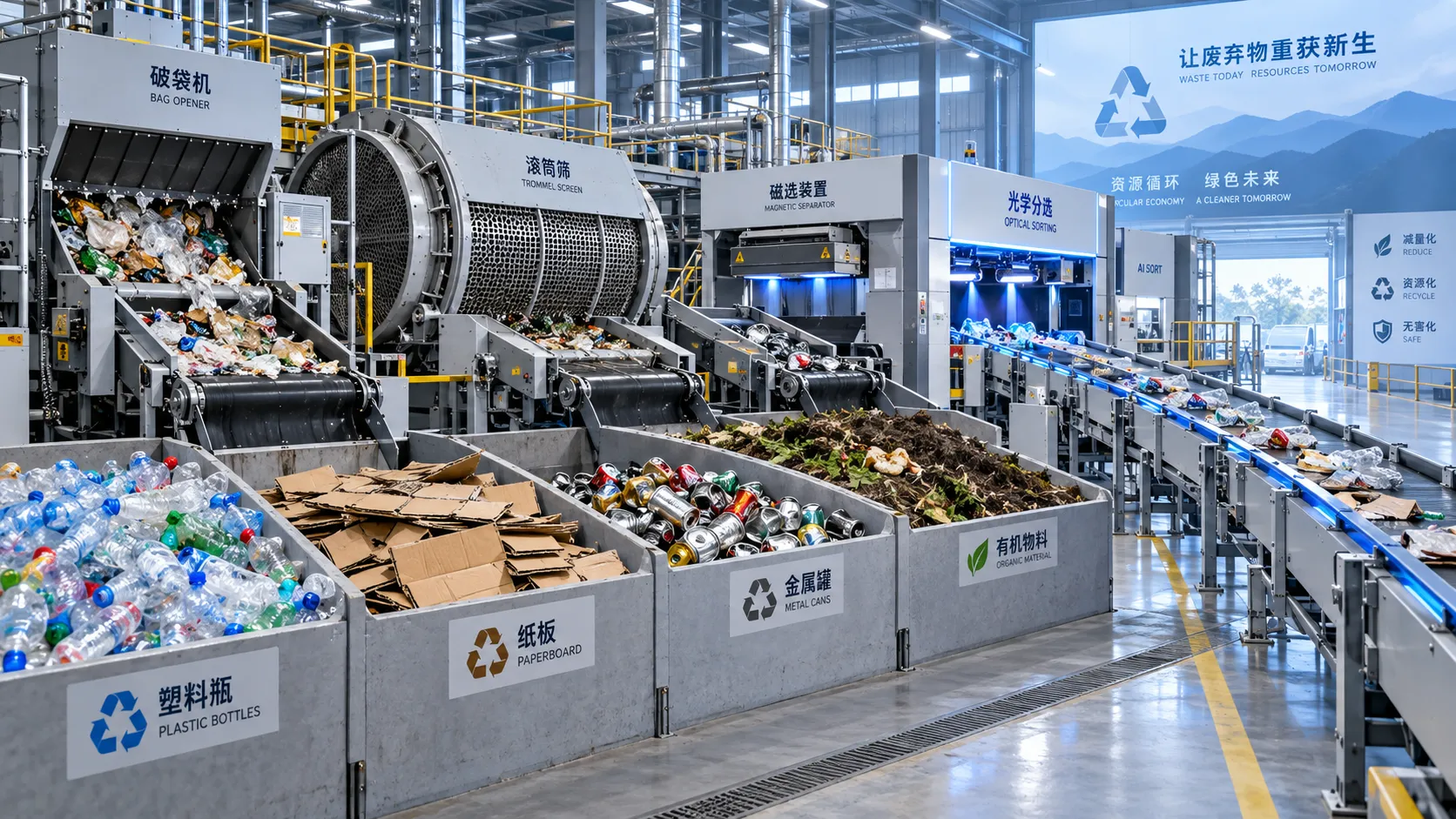
How to choose solid waste equipment based on waste stream characteristics
Environmental equipment guide for solid waste: discover how to match sorting, treatment, and recovery equipment to waste composition, moisture, contamination, and output goals.

When does high recovery ZLD equipment justify its higher capital cost?
High recovery ZLD equipment can justify higher capital cost when water scarcity, discharge risks, brine disposal, and downtime threaten operations. Explore the decision factors.

How high purity heavy metal recovery affects recovered metal value
High purity heavy metal recovery boosts recovered metal value by improving payability, reducing penalties, and unlocking stronger buyer opportunities. Explore smarter netback strategies.

When does environmental equipment intelligence reduce wastewater plant energy use?
Environmental equipment intelligence for wastewater plants cuts energy use through smarter aeration, pumping, and data-driven controls—without compromising compliance. Discover when it delivers measurable savings.
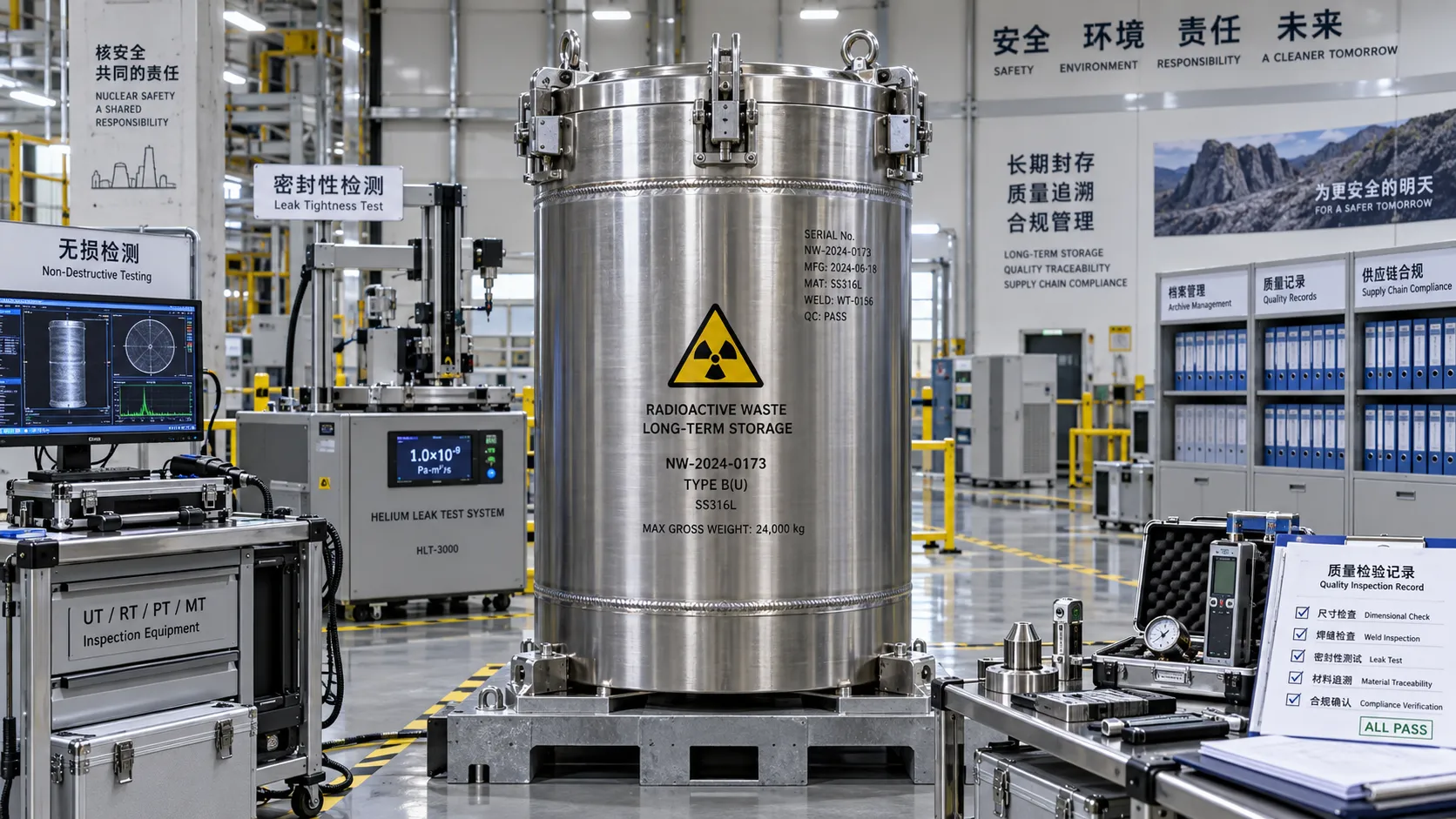
How to Qualify Nuclear Waste Supply Chain Partners for Long-Term Projects
Nuclear waste supply chain partner qualification: learn how to verify technical capability, compliance, traceability, resilience, and lifecycle support for long-term projects.
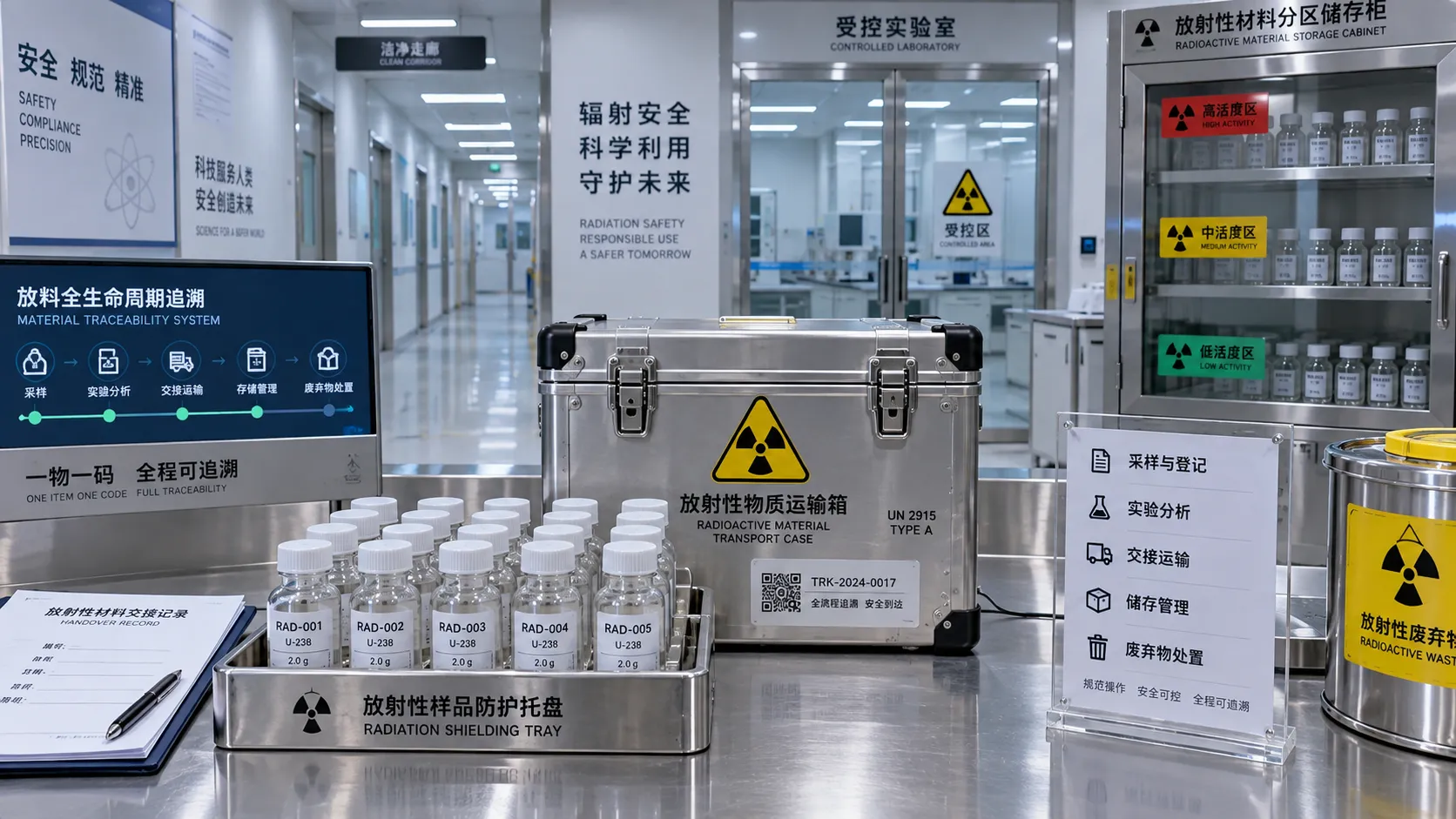
Choosing a Radioisotope Management System for Multi-Site Research Facilities
Radioisotope management system guide for multi-site research facilities: compare traceability, chain of custody, waste controls, roles, and integrations.
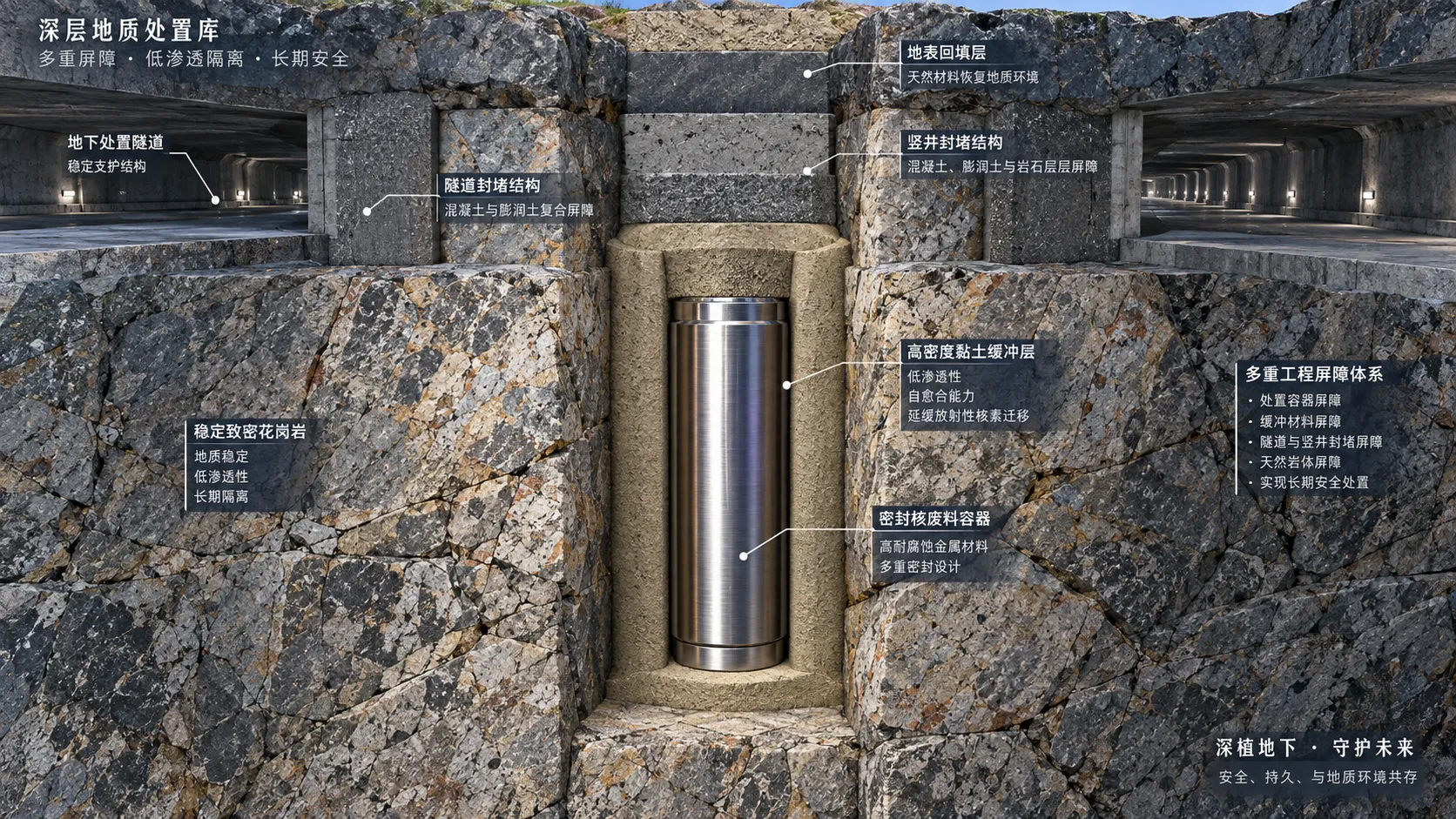
Applying C. McCombie’s Disposal Principles to Long-Lived Radioactive Waste
Explore principles and standards for the disposal of long-lived radioactive wastes C. McCombie, covering geological isolation, engineered barriers, safety cases, and intergenerational protection.
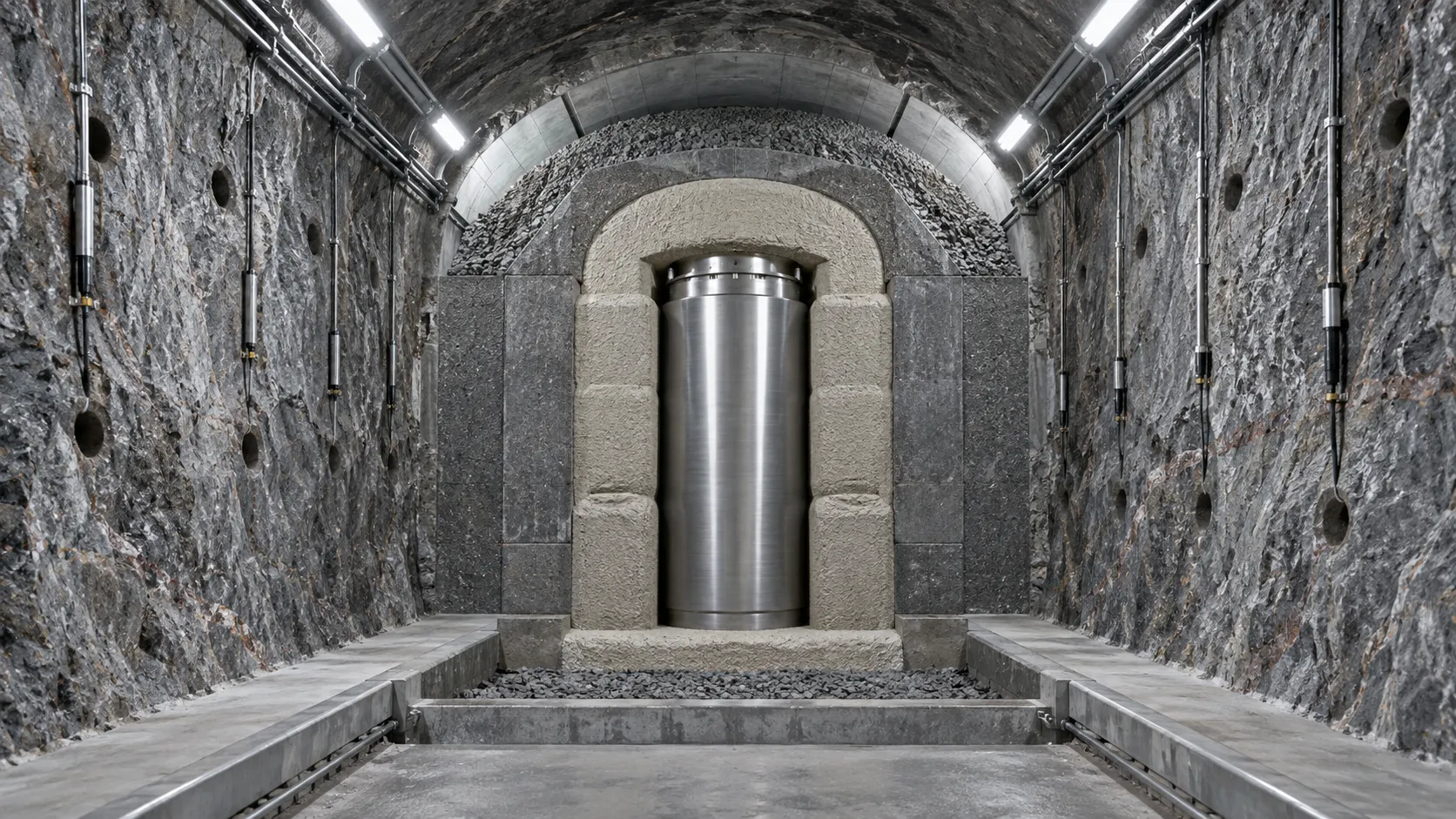
What Evidence Supports the Long-Term Safety Case for Geological Disposal?
Long-term safety of geological disposal: explore the evidence behind multi-barrier systems, site science, uncertainty testing, and auditable safety cases.

What Do Seawater Disinfection Systems Cost Over Their Full Operating Life?
What are the costs associated with seawater disinfection systems? Explore lifecycle expenses for equipment, energy, chemicals, maintenance, compliance, and risk.