
Industry News
Curation by industry experts
Hot Articles
Popular Tags
Applying C. McCombie’s Disposal Principles to Long-Lived Radioactive Waste
Applying C. McCombie’s disposal principles to long-lived radioactive waste begins with a test that is stricter than formal compliance: can the proposed disposal system remain protective when institutional control, operational knowledge, and active maintenance are no longer available? A credible answer requires a safety case that connects waste characteristics, engineered barriers, host-rock conditions, groundwater behavior, and future exposure pathways without relying on a single component to perform indefinitely.
For high-level waste and spent nuclear fuel, the relevant period extends far beyond the service life of surface facilities. Heat output declines, radionuclides decay at different rates, containers corrode, groundwater chemistry evolves, and geological processes continue. Disposal arguments therefore need to show how the system responds as conditions change, rather than presenting the repository as a static underground structure.
Isolation Is a Performance Objective, Not Simply a Depth Requirement
Deep disposal is often described as placing waste far from people and the accessible environment. Depth contributes to isolation, but depth alone is a weak technical criterion. A repository located deeply within fractured, hydraulically connected rock may offer less effective isolation than a shallower setting with low groundwater flow, predictable geochemistry, and stable transport conditions.
The disposal principles associated with long-lived waste place emphasis on separating radionuclides from the biosphere long enough for decay and retention processes to reduce potential releases. That objective should be translated into measurable repository functions:
- Limit water contact with the waste form, especially during the period of elevated heat output and before the radionuclide inventory has materially declined.
- Delay package failure through container materials, fabrication controls, weld qualification, handling limits, and protection from unexpected mechanical loading.
- Constrain radionuclide movement after release through low-permeability buffers, sorption-capable host materials, long flow paths, and slow groundwater velocities.
- Keep transport pathways understandable so that the assessment does not depend on unexplained preferential fractures, uncertain excavation damage, or unverified hydrogeological connections.
These functions are related but not interchangeable. A durable metal container cannot compensate indefinitely for a poorly characterized groundwater pathway. Similarly, a favorable host rock does not remove the need to control defects in waste-package closure welds or degradation in seals at access tunnels. The safety argument is strongest when several barriers act sequentially and their failure modes are not strongly correlated.
Waste Form and Inventory Define the Starting Conditions
Long-lived radioactive waste is not a uniform material category. Spent fuel, vitrified high-level waste, activated metals, and long-lived intermediate-level waste differ in heat generation, physical integrity, gas production, chemical reactivity, and radionuclide release behavior. Treating their disposal needs as identical can create a misleading barrier design.
For vitrified waste, the condition of the glass, its composition, and its contact with water influence alteration and radionuclide release. For spent fuel, the fuel matrix, cladding state, repository redox conditions, and the availability of water affect the source term. Activated metals may require particular attention to corrosion products, voids, organic materials, or hydrogen generation. A safety case should therefore distinguish between the initial radionuclide inventory and the rate at which that inventory could become mobile.
Decay heat is especially easy to misread. A lower heat load is not automatically preferable if cooling and packaging arrangements introduce handling damage, increase the number of packages, or change the repository footprint in a way that intersects less suitable rock. Conversely, tightly packed high-heat waste can alter buffer saturation, local mineralogy, and rock stresses. Thermal design should examine the full temperature history, not merely a maximum temperature value. Peak temperature, duration above a material threshold, thermal gradient, and the time at which water returns to the near-field can each affect long-term performance differently.
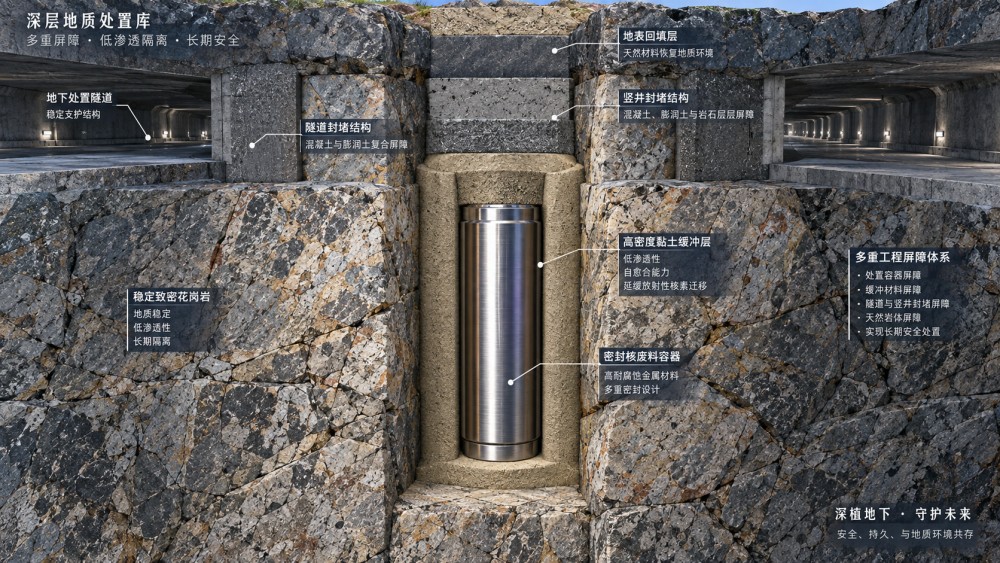
Engineered Barriers Need Evidence at Their Interfaces
The multiple-barrier approach is frequently represented as a sequence of waste form, canister, buffer, backfill, seals, and host rock. In assessment work, the interfaces deserve at least as much attention as the individual materials. Many uncertainties arise where materials meet: container-to-buffer gaps, buffer-to-rock contact, seal-to-excavation contact, and the disturbed zone around shafts or tunnels.
A compacted clay buffer, for example, is valued for limiting advective flow, providing chemical buffering, and retarding some radionuclides. Its intended behavior depends on density after emplacement, mineral composition, pore-water salinity, temperature exposure, gas pressure, and the space available for swelling. A buffer that performs well in dilute water may swell less effectively in highly saline conditions. A design based only on laboratory swelling pressure can miss the effect of installation joints, erosion channels, or uneven hydration.
Metal container performance also cannot be reduced to nominal alloy selection. Corrosion behavior depends on the local chemical environment, residual stresses, weld regions, fabrication inclusions, and the evolution of oxygen conditions after closure. The relevant question is not whether a material is generally corrosion resistant. It is whether the proposed material, manufacturing route, inspection method, and repository environment support the claimed containment period.
Geological Stability Must Be Framed as Repository-Relevant Change
Geological stability does not mean that a site will remain physically unchanged. Rock stress redistributes after excavation, groundwater gradients may respond to climate change, erosion alters surface conditions, and seismic events can affect fractures or seals. The practical assessment question is whether such changes could create a credible pathway that defeats the intended barriers.
Host-rock selection should therefore consider more than rock type. Relevant features include the spatial distribution of fractures, the persistence of fault zones, hydraulic gradients, groundwater chemistry, depth of circulation, uplift and erosion history, and the potential for future glaciation or permafrost where those processes are plausible. The repository layout matters as well. Locating disposal panels away from major discontinuities is useful only if the investigation has adequately bounded the uncertainty around those structures.
Excavation creates a specific challenge. Blasting, boring, stress release, and tunnel support activities can produce an excavation damaged zone with altered permeability or connected fractures near openings. This effect is not necessarily disqualifying, but it must be represented in the design and performance assessment. A host formation with favorable intact-rock properties can be undermined by poorly controlled access routes, especially where seals must restore hydraulic resistance across disturbed material.
Site models should distinguish between matrix-dominated flow and fracture-dominated flow. A low average groundwater velocity may conceal a small number of transmissive fractures that dominate radionuclide transport. Conversely, fracture presence alone does not establish a fast pathway; connectivity, aperture, flow direction, mineral infill, and travel distance determine its significance. This distinction often changes the conclusion about whether retardation data from the rock matrix are meaningful for the pathway that actually carries water.
Assessing Releases Requires a Chain of Evidence
A defensible safety case does not claim certainty over very long time periods. It identifies the processes that control performance, uses evidence suited to each process, and tests whether reasonable variations change the conclusion. This is different from selecting a single “best estimate” model and treating its output as a prediction.
The assessment chain normally starts with the inventory and waste-package condition, then evaluates container evolution, water ingress, release from the waste form, movement through the buffer and rock, and possible transfer to future surface environments. Each transition should be traceable. If a model assumes a container breach, the assumed breach location and size should be consistent with the corrosion mechanism. If transport calculations use a groundwater flow field, that field should remain compatible with the geological model and climate scenario. If biosphere calculations are used, they should reflect an exposure setting that follows from the site’s future surface evolution rather than an arbitrary receptor location.
Uncertainty should be separated into categories because the appropriate response differs. Parameter uncertainty may be reduced through additional characterization or testing. Conceptual uncertainty arises when more than one plausible process model exists, such as alternative interpretations of fracture connectivity. Scenario uncertainty concerns future events or boundary conditions, including climate shifts, human intrusion, or changes in landform. Combining all three into a broad uncertainty range can obscure the real decision issue.
Indicators Are Useful Only When Linked to a Decision
Repository programs often produce extensive monitoring, testing, and modeling data. A measurement has high value when it can discriminate between competing safety-relevant interpretations. For example, groundwater chemistry data may test whether reducing conditions expected for container performance are present; they are less useful when collected without a defined link to corrosion, sorption, or flow modeling. Likewise, thermal monitoring during operations should be connected to acceptance criteria for buffer material and rock response, not retained merely as an operational archive.
Traceability is particularly important where calculations rely on data transferred across disciplines. A geochemical assumption used in a corrosion model should retain its provenance: sampling method, redox control, temperature, filtration approach, laboratory handling, and representativeness of the sampled location. Small changes introduced at this interface can have an outsized effect on predicted material behavior.
Intergenerational Responsibility Changes the Design Standard
A central disposal principle is to avoid imposing an unreasonable burden on future generations. In technical terms, this favors passive safety functions over commitments that require surveillance, repair, pumping, or periodic replacement after closure. Records, markers, monitoring, and retrievability can provide value, particularly during the operational period, but they should not be credited as the primary means of preventing harmful releases in the far future.
Retrievability requires careful treatment because it can serve legitimate operational purposes while changing repository conditions. Extended access may preserve inspection and recovery options, yet it also prolongs ventilation, delays saturation of clay barriers, and retains open pathways for longer. The assessment should state the duration and conditions of retrievability explicitly, then evaluate the associated effects on containment and closure. Calling a repository retrievable without defining those conditions creates an unresolved design requirement rather than a safety feature.
Human intrusion should be handled with similar discipline. Deliberate intrusion cannot be eliminated through geological disposal, but repository siting, depth, inventory records, and institutional controls may reduce its likelihood or consequences during periods when such controls remain credible. Far-future intrusion scenarios should not be used to excuse weaknesses in normal evolution; their role is to examine resilience against disruptive events outside the expected disposal system evolution.
From Principles to an Auditable Disposal Position
The practical application of the principles and standards for the disposal of long-lived radioactive wastes associated with C. McCombie is an argument about durability, independence, and evidence. The repository should retain protective functions when individual assumptions prove optimistic, when engineered materials age, and when direct human oversight ends.
That position becomes auditable when claims are expressed in functional terms, evidence is tied to the relevant mechanism, and unresolved uncertainties are visible rather than absorbed into general assurances. A disposal concept need not demonstrate that no radionuclide will ever move. It must demonstrate, with coherent evidence across the waste form, engineered barriers, geology, and plausible future evolution, that movement remains sufficiently constrained to protect people and the environment without transferring active management obligations into the distant future.
Recommended News
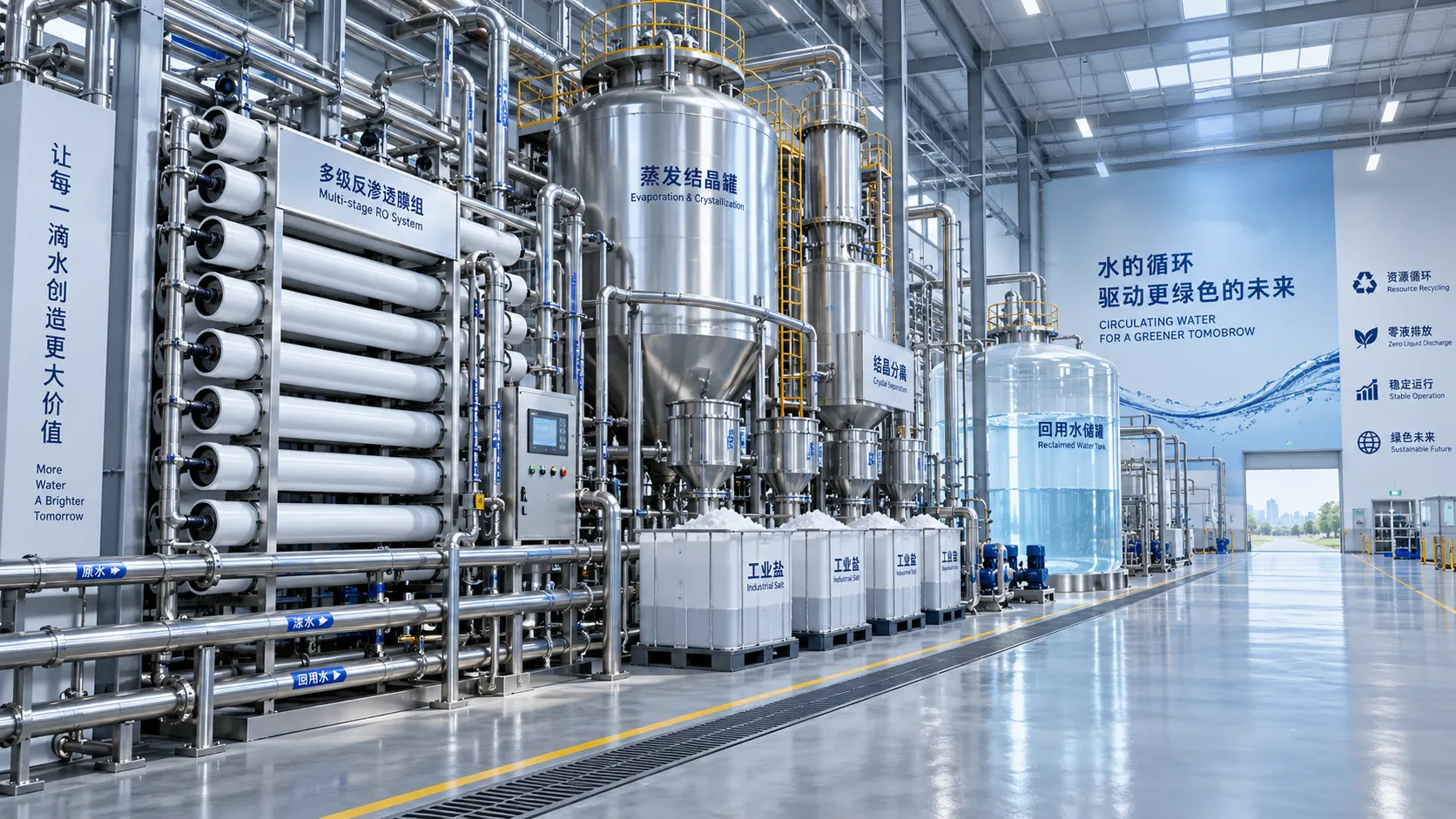
When does high recovery ZLD equipment justify its higher capital cost?
High recovery ZLD equipment can justify higher capital cost when water scarcity, discharge risks, brine disposal, and downtime threaten operations. Explore the decision factors.

How high purity heavy metal recovery affects recovered metal value
High purity heavy metal recovery boosts recovered metal value by improving payability, reducing penalties, and unlocking stronger buyer opportunities. Explore smarter netback strategies.
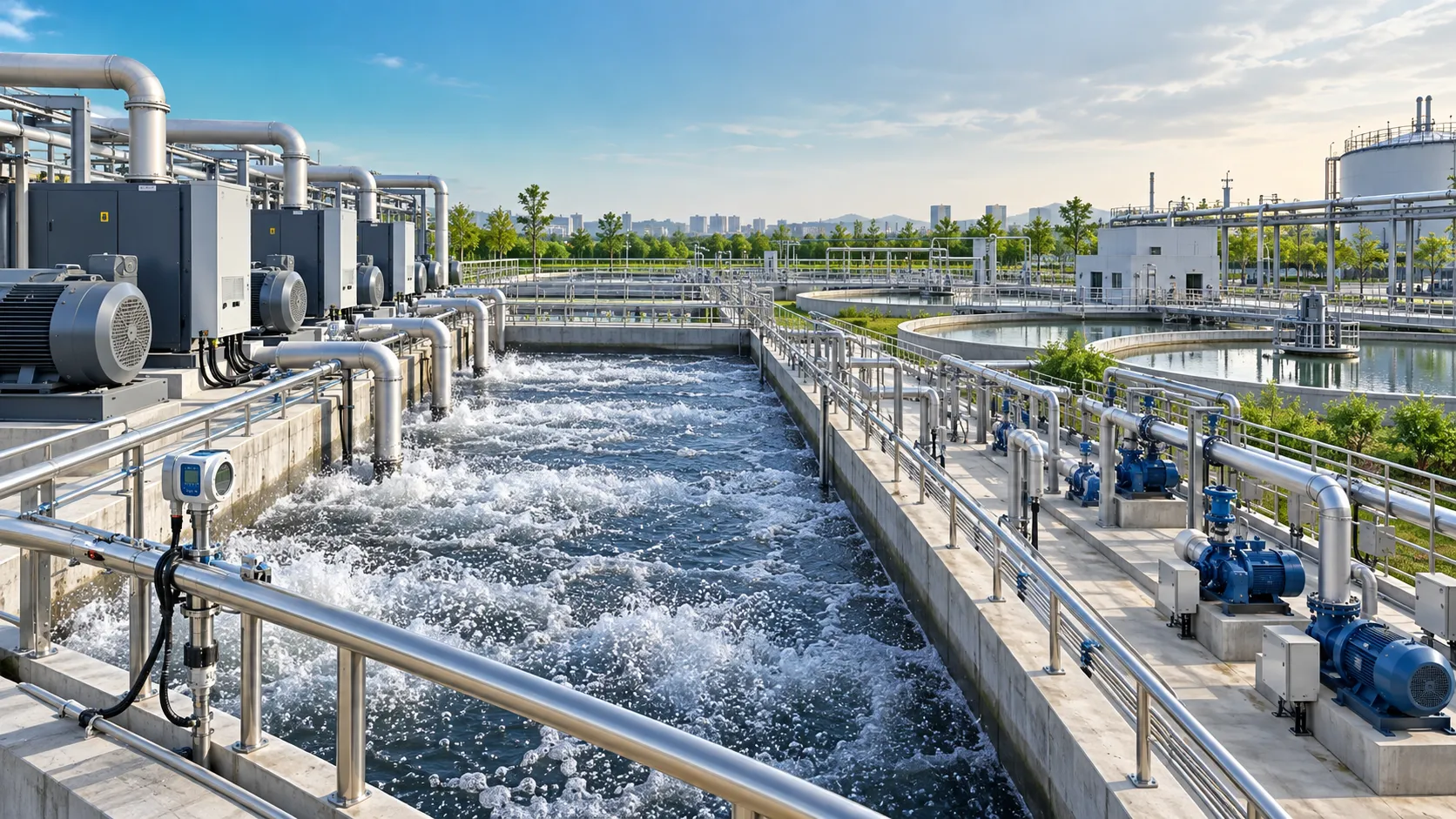
When does environmental equipment intelligence reduce wastewater plant energy use?
Environmental equipment intelligence for wastewater plants cuts energy use through smarter aeration, pumping, and data-driven controls—without compromising compliance. Discover when it delivers measurable savings.
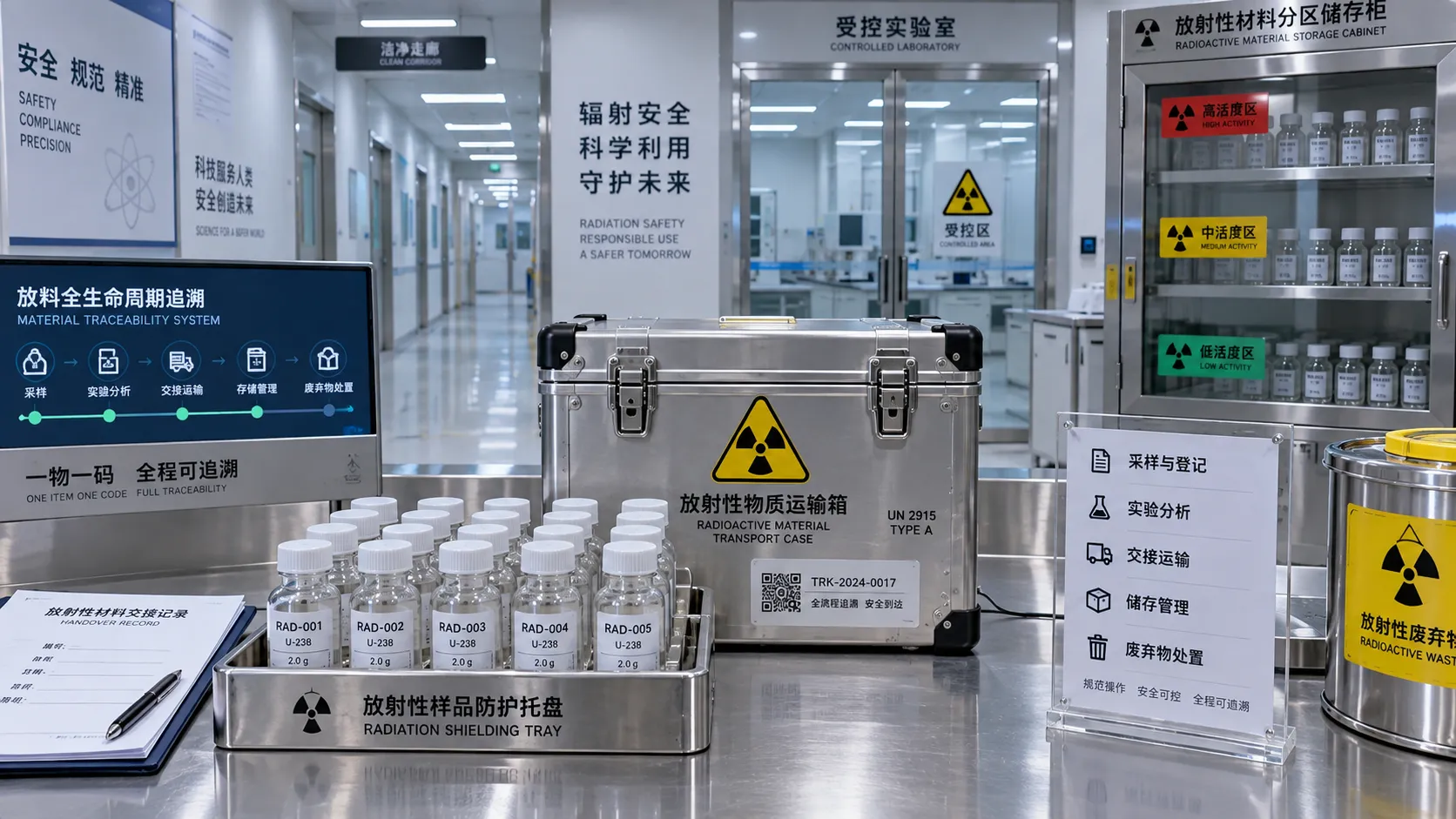
Choosing a Radioisotope Management System for Multi-Site Research Facilities
Radioisotope management system guide for multi-site research facilities: compare traceability, chain of custody, waste controls, roles, and integrations.
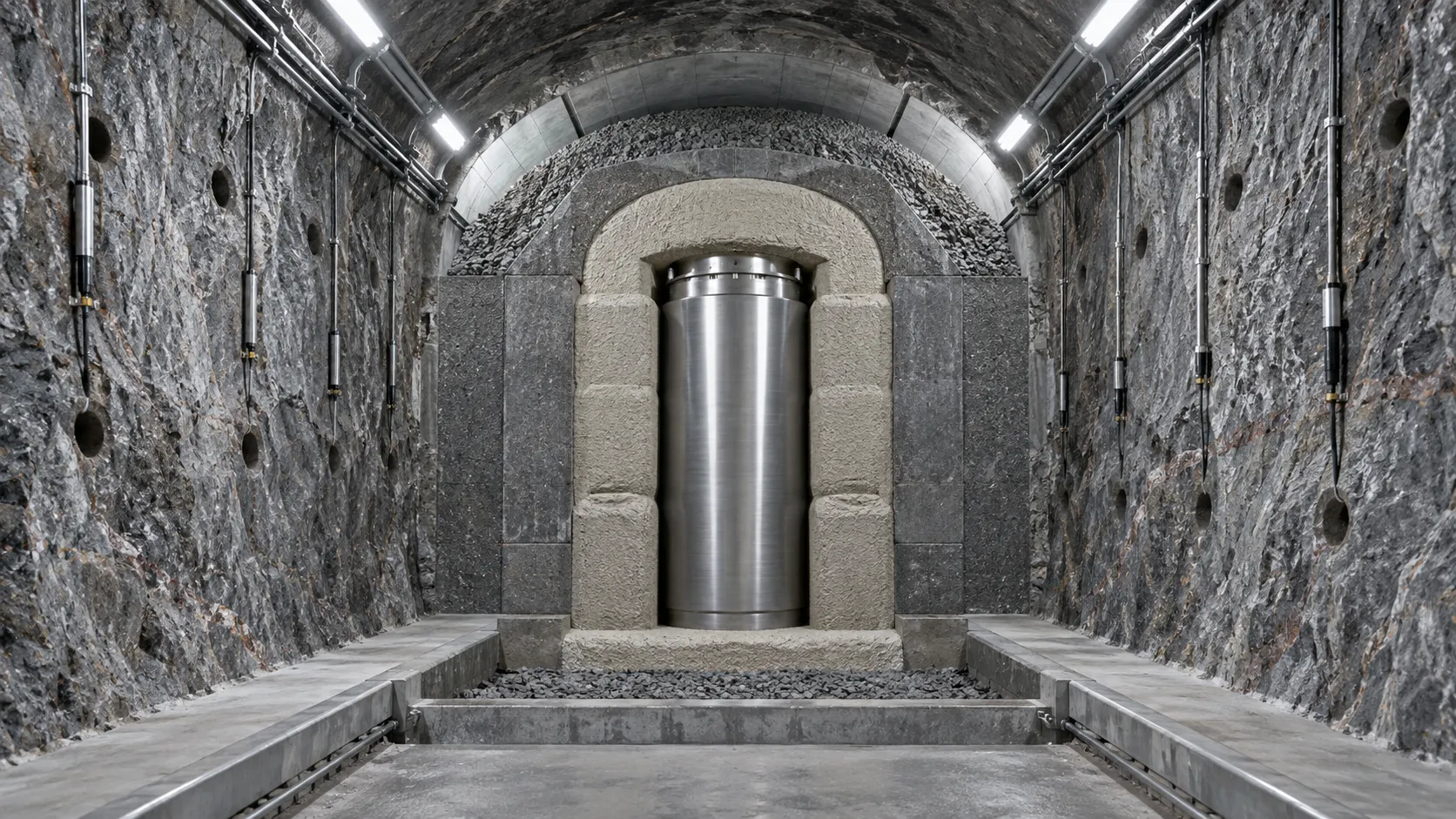
What Evidence Supports the Long-Term Safety Case for Geological Disposal?
Long-term safety of geological disposal: explore the evidence behind multi-barrier systems, site science, uncertainty testing, and auditable safety cases.
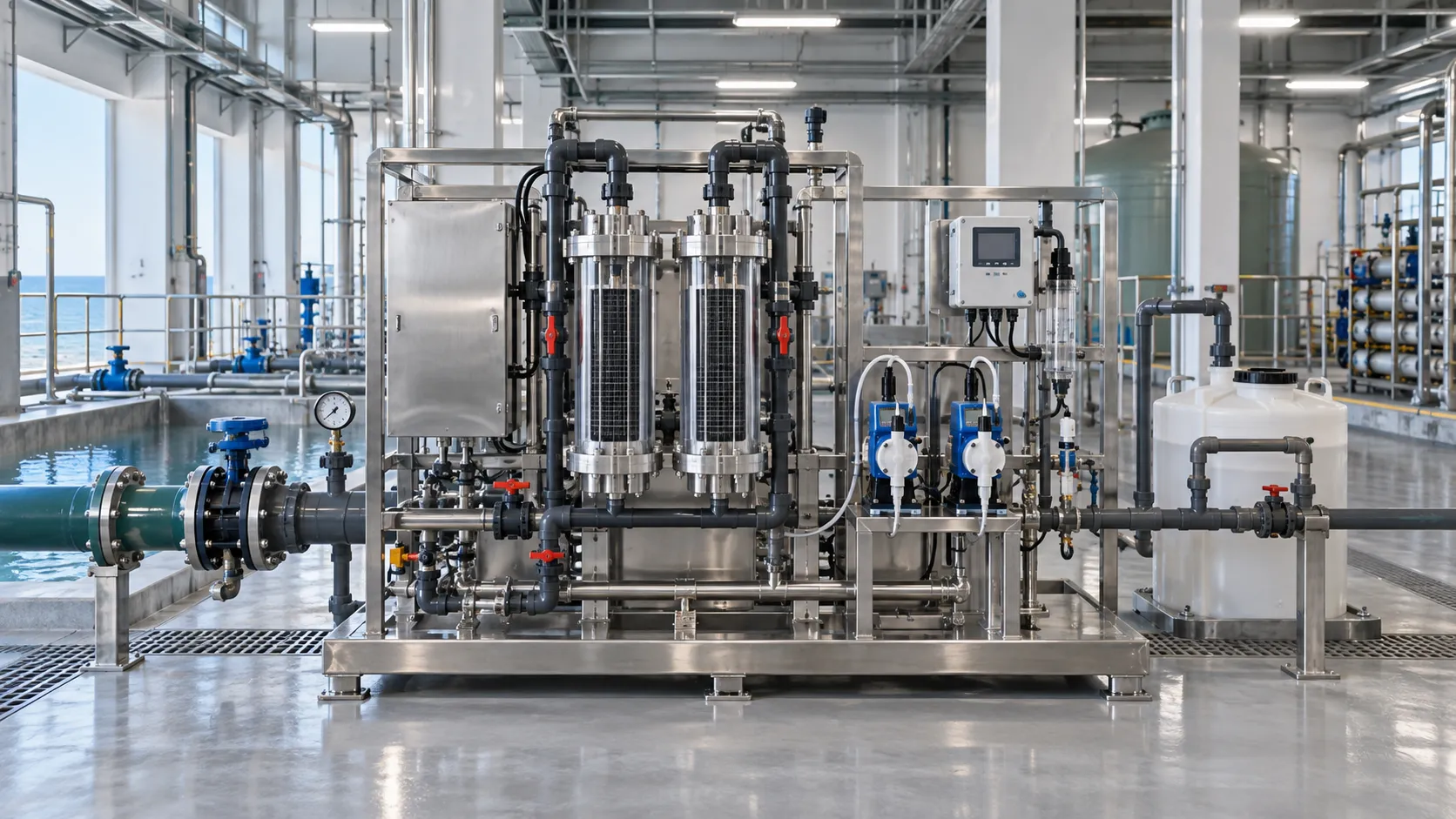
What Do Seawater Disinfection Systems Cost Over Their Full Operating Life?
What are the costs associated with seawater disinfection systems? Explore lifecycle expenses for equipment, energy, chemicals, maintenance, compliance, and risk.
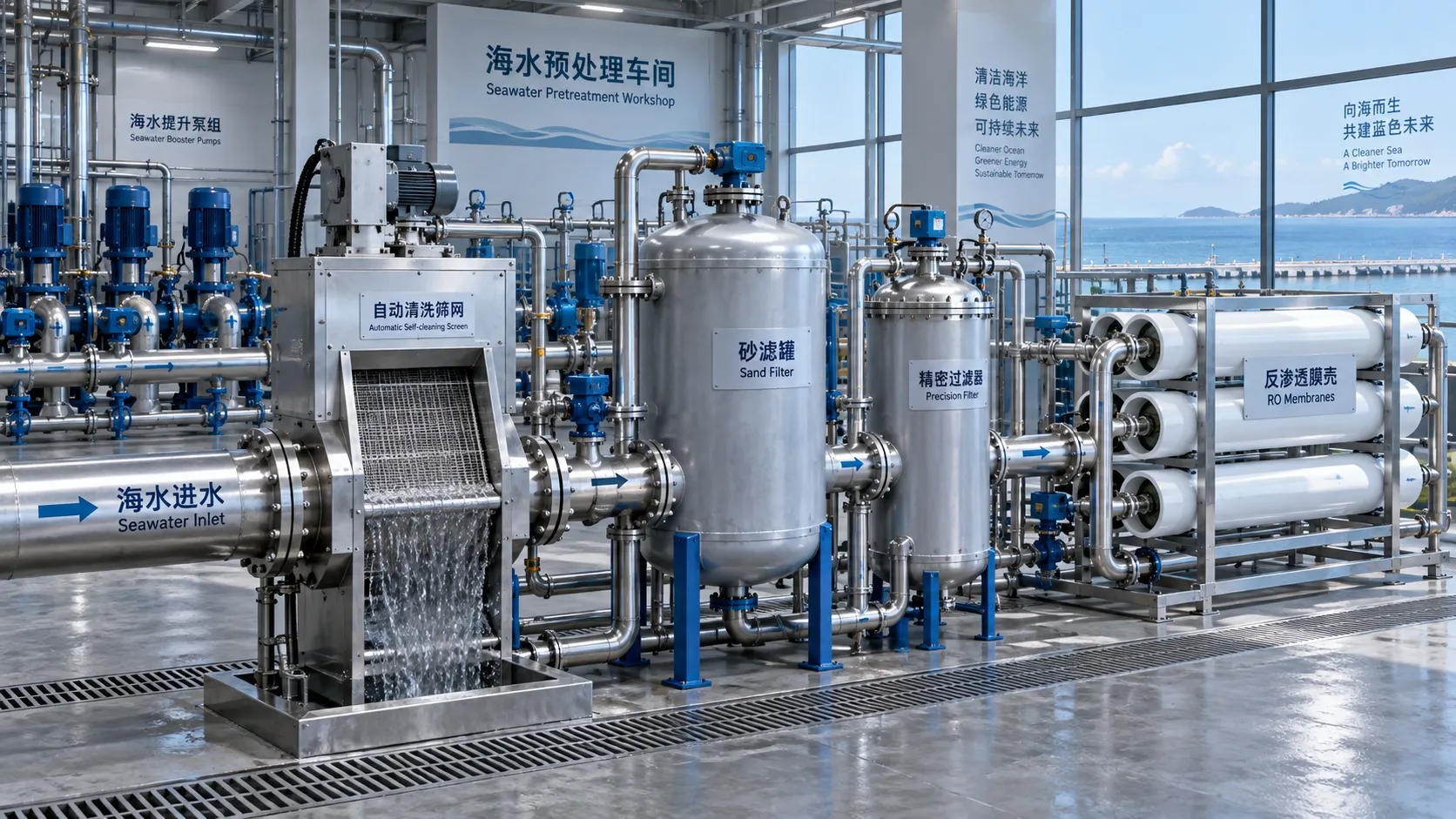
How to Improve Industrial Seawater Quality Before Cooling or Membrane Treatment
How can I improve the quality of seawater used for industrial processes? Explore proven pretreatment strategies for cooling systems and RO membranes.
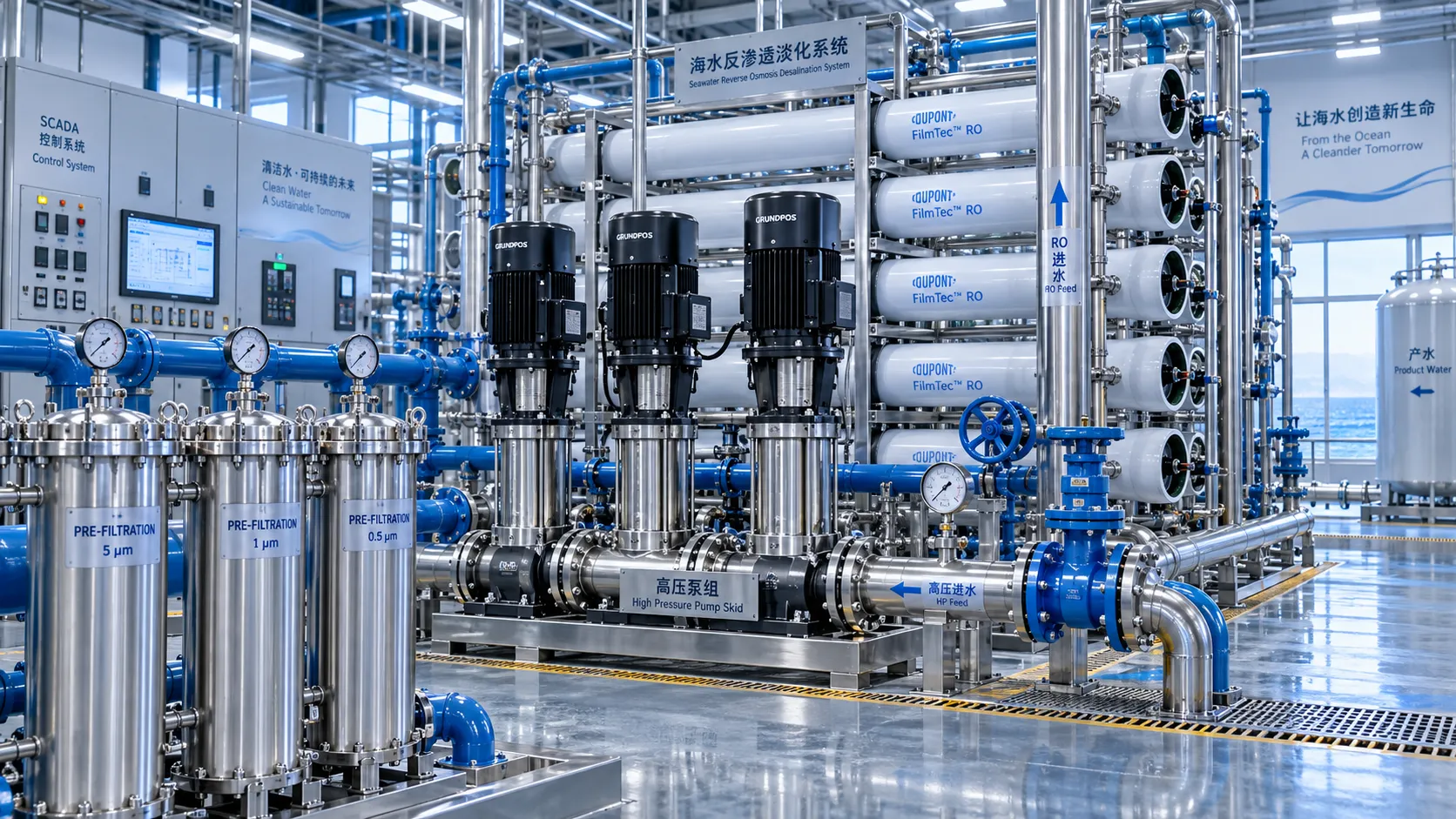
Desalination Plant Maintenance Priorities That Prevent Unplanned Downtime
Desalination plant maintenance priorities that reduce unplanned downtime: protect pretreatment, RO membranes, pumps, chemical dosing, and critical controls.

Which supplier evaluation support tools improve audit consistency?
Supplier evaluation support tools improve audit consistency with controlled checklists, evidence capture, risk scoring, CAPA workflows, and traceable approvals. Explore the essentials.