
Industry News
Curation by industry experts
Hot Articles
Popular Tags
What Do Seawater Disinfection Systems Cost Over Their Full Operating Life?
A seawater disinfection package can look economical on a quotation sheet and become expensive once it is exposed to continuous salinity, seasonal fouling, plant operating changes, and discharge-control obligations. The purchase decision is especially sensitive where treatment equipment serves a desalination intake, cooling-water system, marine intake structure, aquaculture facility, or offshore utility line: an interruption may affect more than water quality. It can accelerate corrosion, allow biological growth, disrupt downstream membranes, or create a compliance problem at the discharge point.
The direct answer is that there is no meaningful single figure for the full-life cost of a seawater disinfection system. Capital cost is only one part of the commitment. The more useful comparison is a lifecycle model that includes equipment, civil and electrical integration, energy, chemicals, consumables, labor, maintenance, downtime exposure, monitoring, waste handling, and eventual replacement. When asking what are the costs associated with seawater disinfection systems, buyers should first define the treatment duty and operating boundary; otherwise, quotations may appear comparable while covering very different responsibilities.
Start by defining what the system is expected to disinfect
“Seawater disinfection” can describe several different duties. A system intended to control marine biofouling at a large intake is not costed in the same way as a final disinfection step for treated seawater, nor as a unit designed to protect a reverse-osmosis pretreatment train. The target organisms, water quality, residual requirement, flow variability, contact time, and discharge limits determine both technology choice and operating cost.
Before requesting prices, clarify whether the system must:
- Control algae, larvae, bacteria, and biofilm in raw seawater intake lines;
- Provide a disinfectant residual through storage tanks or long distribution piping;
- Reduce microbial load before membrane treatment without creating unacceptable oxidant exposure;
- Treat intermittent batches rather than a continuous flow;
- Meet a defined discharge condition after treatment; or
- Operate reliably when seawater temperature, turbidity, or organic loading changes.
This definition should also state which assets sit inside the project scope. A vendor may price the disinfection skid alone, while the real project also requires seawater sample points, dosing quills, chemical storage, ventilation, transformer capacity, control integration, residual analyzers, neutralization equipment, and pipework modifications. Those omitted interfaces often distort early cost comparisons.
Where the lifecycle budget is actually spent
Lifecycle cost is best understood as a set of cost streams rather than a single capital-versus-operating-cost split. Some costs are visible in the initial proposal. Others appear only after commissioning, when the system meets actual seawater rather than design assumptions.
Technology choice changes the shape of the cost curve
Different disinfection approaches shift cost between equipment, utilities, and maintenance. Buyers should resist selecting a system purely because it has the lowest initial purchase price or the lowest stated unit energy demand. The correct choice depends on whether a residual is required, how clean the seawater is, and whether the equipment can be maintained safely at the site.
On-site electrochlorination
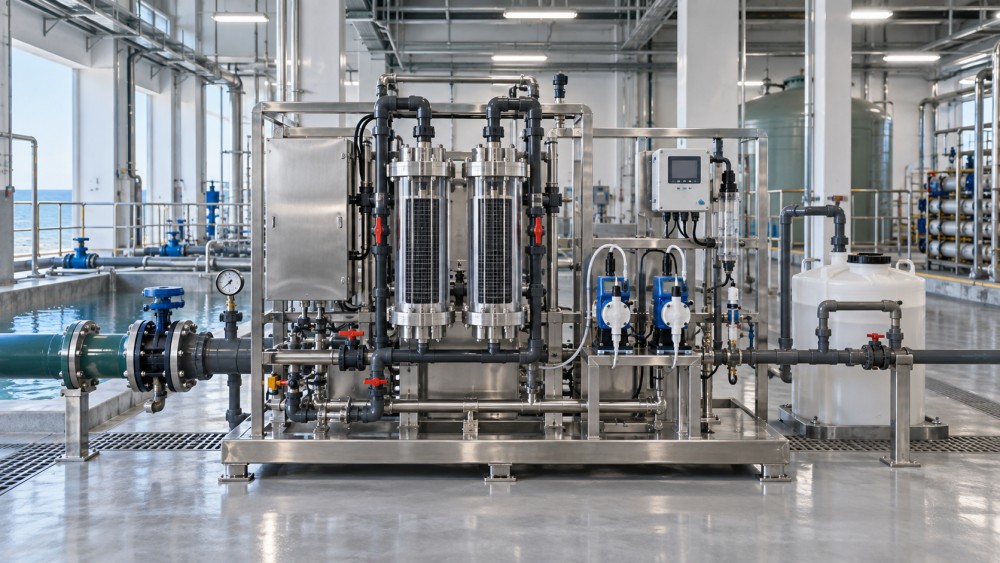
Electrochlorination produces an oxidizing disinfectant from seawater or brine. It is often considered where continuous intake protection or a residual disinfectant is required. Its lifecycle profile is strongly influenced by electrical consumption, electrode condition, cell cleaning, rectifier reliability, and the chemistry of the feedwater. Where feedwater scaling or fouling is likely, cleaning provisions and maintenance access matter as much as rated generation capacity.
The evaluation should separate the cost of the electrochlorination package from the full oxidant-management system. Residual monitoring, dosing control, sample conditioning, dechlorination where needed, and corrosion-resistant distribution components may be essential. A lower-cost generator can create a higher installed and maintained cost if these interfaces have been treated as exclusions.
Purchased chemical dosing
Using delivered disinfectant may reduce on-site generation equipment, but it transfers cost and risk to chemical procurement, transport, storage, handling, dosing reliability, and inventory management. The economics can be attractive for lower or intermittent demand, particularly where electrical infrastructure is constrained. It becomes less simple where supply logistics are difficult, storage duration is limited, or the system needs a sustained residual through a large flow.
Buyers should request a clear basis for active chemical concentration, expected storage turnover, delivery assumptions, containment requirements, and the method used to control over-dosing. Comparing chemical cost per delivered volume without comparing active disinfectant demand can be misleading.
UV and ozone-based treatment
UV can avoid chemical residuals, but seawater quality has a direct effect on its practical performance. Suspended solids, fouling, and poor ultraviolet transmittance can increase cleaning effort or require upstream conditioning. The lifecycle review should include lamp replacement, sleeve cleaning, sensor calibration, and the treatment capacity available during fouling conditions rather than only under clean-water design conditions.
Ozone may be considered for specific treatment objectives, but it introduces its own electricity demand, gas handling, contact equipment, off-gas treatment, and material compatibility requirements. It should not be assumed to be a simple substitute for chlorination where a persistent residual is needed downstream.
Installation cost is often driven by the existing site, not the skid
In a new facility, disinfection infrastructure can be designed around the process layout. In a retrofit, the apparent equipment price may represent a modest share of the project. Intake galleries, pump stations, marine pipe corridors, and desalination pretreatment areas can be difficult places to modify. Limited lifting access, hazardous-area requirements, long cable runs, and narrow shutdown windows all affect installed cost.
A useful request for quotation separates supply, installation support, and site works. It should identify who provides power distribution, control-system programming, seawater supply to the equipment, drainage, chemical containment, ventilation, instrument air where applicable, and commissioning consumables. This makes it easier to compare offers on an equivalent basis and exposes assumptions before a contract is placed.
Material selection deserves particular scrutiny. Seawater exposure does not automatically mean every wetted part needs the same alloy or polymer specification, but the design must match chlorides, oxidants, temperature, pressure, and cleaning chemicals. An inappropriate valve trim, sensor housing, gasket, or fastener can turn a low-capital selection into recurring repair work.
Build the operating model from duty, not nameplate capacity
Annual operating cost should be calculated from realistic operating profiles. A treatment system sized for peak intake flow may operate at that level only during certain seasons or plant modes. Conversely, a nominally intermittent unit may need longer run time when biological loading rises. Use expected annual hours at each operating condition, then test a higher-demand case rather than relying on a single average.
The operating model should include:
- Flow and treatment demand: continuous, seasonal, standby, shock dosing, or batch operation.
- Electricity basis: all connected equipment that runs during treatment, not just the main reactor or generator.
- Chemical basis: active disinfectant demand, neutralization demand, cleaning chemicals, and calibration reagents.
- Consumable renewal: lamps, electrodes, membranes, filters, seals, sample tubing, and analyzer parts according to actual service conditions.
- Labor: routine checks, sample handling, chemical receiving, cleaning, calibration, and corrective maintenance.
- Planned outages: the operational consequence when critical components are cleaned or replaced.
It is useful to model more than one operating scenario. A normal-water scenario may be suitable for baseline budgeting, while a high-fouling or high-demand scenario reveals whether consumable use, cleaning frequency, or available treatment capacity becomes unacceptable. This does not require invented precision; it requires transparent assumptions that engineering, operations, and commercial teams can challenge.
Replacement cycles should be visible from the beginning
Some disinfection assets have a long structural life but contain components that are intentionally consumable or vulnerable to marine service. Lamps, electrode assemblies, sensors, injection quills, chemical pumps, valves, seals, and analyzer components do not necessarily share the life of the skid. Their replacement intervals can vary with water quality, dosing intensity, cleaning practice, and operating discipline.
Ask suppliers to identify life-limited parts, recommended critical spares, normal maintenance tasks, and conditions that invalidate expected service life. The goal is not to demand a guarantee for every component. It is to prevent a budget that treats replacement items as unexpected failures. Include the labor and outage requirement associated with replacement, especially where access involves isolating a live seawater line or shutting down a treatment train.
Residual control can decide the economics
A treatment method that creates an oxidant residual may be effective for intake protection and downstream biofouling control, yet that same residual can create additional obligations. Downstream membrane sensitivity, corrosion exposure, environmental discharge conditions, and process compatibility all need to be considered. Dechlorination or residual destruction may add chemical storage, dosing equipment, analyzers, controls, and ongoing consumable demand.
This is why a procurement comparison should not evaluate disinfection performance in isolation. A system that minimizes biological growth but requires extensive downstream neutralization may still be the appropriate selection, but its cost must be evaluated as one treatment train. Conversely, a non-residual process can reduce chemical handling while requiring stronger upstream solids control or more frequent maintenance.
A practical comparison format for bids
When several suppliers are being evaluated, request the same lifecycle-cost schedule from each one. Avoid forcing a single total number without assumptions; that simply hides differences. A better format asks each bidder to state what is included, expected utilities and consumables, maintenance activities, exclusions, and assumptions about water quality and operating hours.
- Design flow range and required treatment performance;
- Expected power demand by operating mode;
- Chemical and consumable requirements with stated water assumptions;
- Materials of construction for wetted, oxidant-exposed, and seawater-exposed components;
- Required instruments, sampling arrangement, and calibration needs;
- Routine maintenance frequency and major replaceable assemblies;
- Required redundancy and the consequence of one train being unavailable;
- Site utilities, civil works, controls integration, and commissioning exclusions;
- Residual management requirements and any downstream compatibility conditions.
The preferred bid is not necessarily the one with the lowest estimated lifecycle total. A higher-cost option can be justified when it reduces production risk, simplifies compliance, fits constrained site conditions, or provides maintainability that the operating team can realistically sustain. The key is to make those trade-offs explicit before the equipment is installed, when design changes are still less costly than corrective modifications later.
Recommended News

How high purity heavy metal recovery affects recovered metal value
High purity heavy metal recovery boosts recovered metal value by improving payability, reducing penalties, and unlocking stronger buyer opportunities. Explore smarter netback strategies.
When does environmental equipment intelligence reduce wastewater plant energy use?
Environmental equipment intelligence for wastewater plants cuts energy use through smarter aeration, pumping, and data-driven controls—without compromising compliance. Discover when it delivers measurable savings.
What Evidence Supports the Long-Term Safety Case for Geological Disposal?
Long-term safety of geological disposal: explore the evidence behind multi-barrier systems, site science, uncertainty testing, and auditable safety cases.
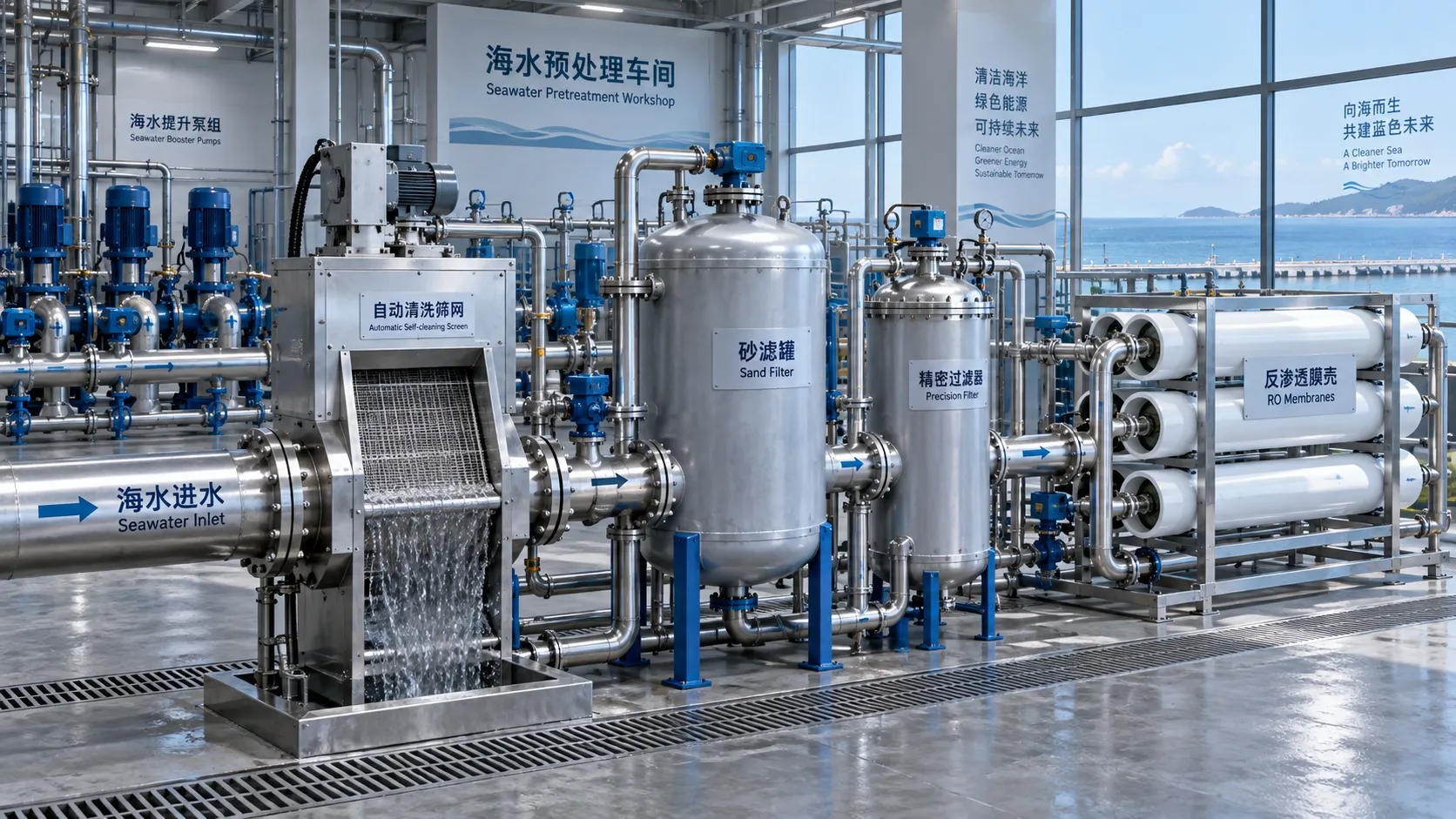
How to Improve Industrial Seawater Quality Before Cooling or Membrane Treatment
How can I improve the quality of seawater used for industrial processes? Explore proven pretreatment strategies for cooling systems and RO membranes.
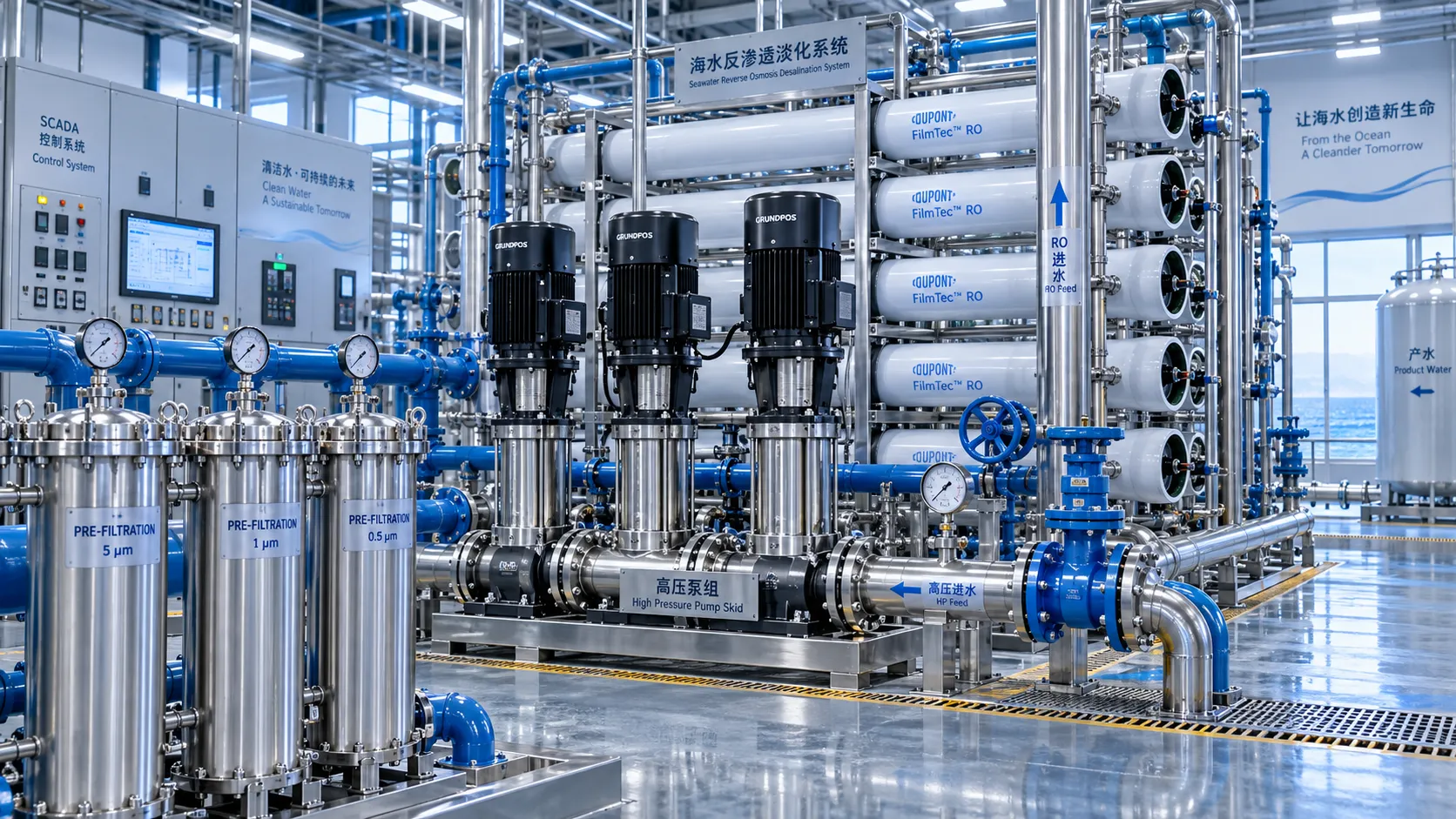
Desalination Plant Maintenance Priorities That Prevent Unplanned Downtime
Desalination plant maintenance priorities that reduce unplanned downtime: protect pretreatment, RO membranes, pumps, chemical dosing, and critical controls.
Which supplier evaluation support tools improve audit consistency?
Supplier evaluation support tools improve audit consistency with controlled checklists, evidence capture, risk scoring, CAPA workflows, and traceable approvals. Explore the essentials.
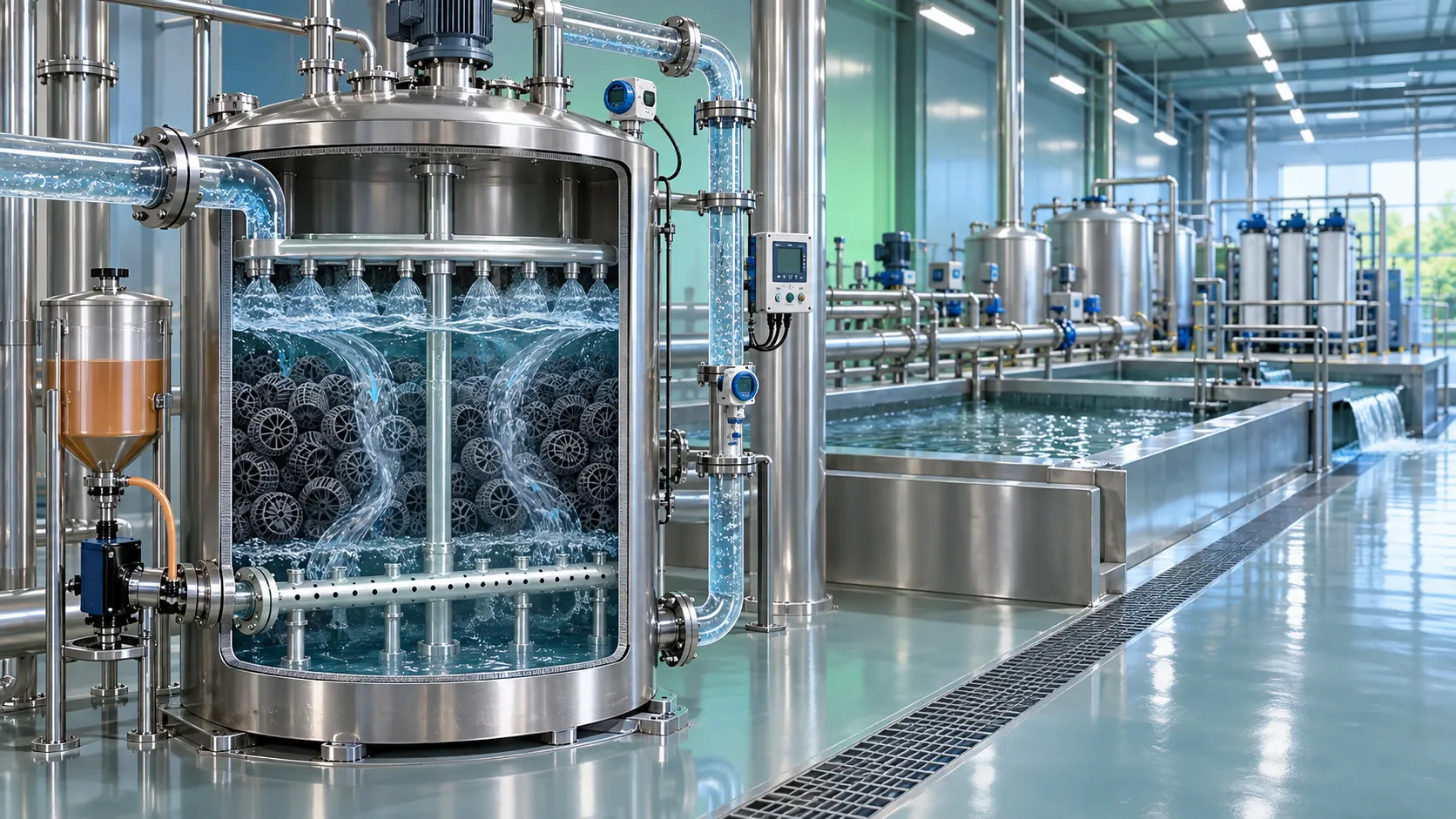
How reactor retention time affects denitrification equipment performance
Denitrification equipment reactor performance depends on retention time, carbon, mixing, and load control. Explore practical insights for reliable nitrogen removal.
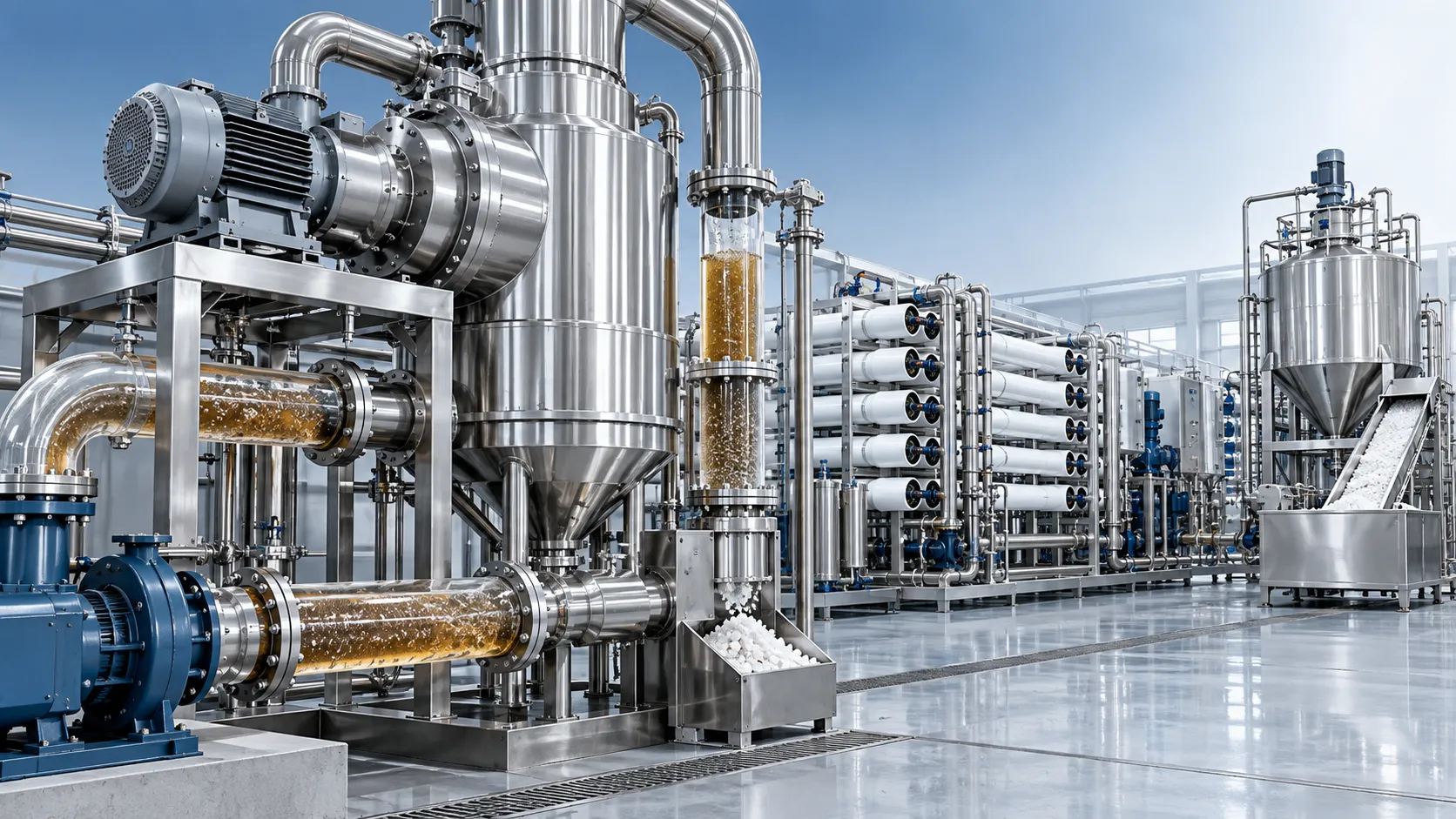
How feed salinity affects energy use in ZLD system brine treatment
ZLD system brine treatment: discover how feed salinity drives energy use, scaling risk, and technology choices for efficient, reliable zero liquid discharge.
How coastal cities can select desalination solutions for peak demand
Seawater desalination solutions for coastal cities: compare firm peak capacity, intake risk, energy resilience, and lifecycle value to secure reliable water supply.