
Industry News
Curation by industry experts
Hot Articles
Popular Tags
How to select FRP water treatment equipment for corrosive water
Selecting FRP water treatment equipment for corrosive water requires more than choosing a corrosion-resistant material. Water chemistry, operating temperature, pressure, resin selection, and the compatibility of liners and connections can all affect equipment performance and service life. For technical evaluators, a sound specification also considers mechanical design, applicable standards, maintenance requirements, and lifecycle costs. This guide outlines the key factors to assess when comparing FRP tanks, vessels, and piping, helping project teams reduce compatibility risks and make better-informed procurement decisions.
Start with the water the equipment will actually see
A material selection based on a typical operating analysis can miss the conditions that do the most damage. Ask for the full range of fluid compositions, including startup, shutdown, cleaning, upset events, and any foreseeable change in feedwater. A seawater desalination line, for example, may handle ordinary feed for most of its life but encounter cleaning solutions with a very different chemical profile.
The minimum useful chemistry package includes pH, temperature, major dissolved salts, chloride and sulfate concentrations, oxidants, solvents where relevant, and suspended solids. Record both concentration and exposure duration. The highest temperature and highest chemical concentration do not necessarily occur together, but if they can, the supplier needs to assess that combination rather than each limit separately.
In zero-liquid-discharge systems, pay particular attention to where concentration rises across the process. A resin suitable for a feed tank is not automatically suitable for a downstream concentrate tank. Equally, a short cleaning cycle is not irrelevant simply because the vessel spends most of its time in milder water.
If the chemistry is uncertain, say so in the inquiry. Identify a bounded design envelope and the assumptions behind it. A supplier cannot validate an unspecified “corrosive wastewater” service, and an unqualified compatibility statement leaves the project team carrying the risk.
Evaluate the wetted surface, not just the FRP label
FRP is a composite system: its performance depends on the resin, reinforcement, laminate construction, manufacturing process, and, in some designs, a separate thermoplastic liner. The resin-rich corrosion barrier is especially important because it forms the surface exposed to the fluid. The structural laminate provides strength, but should not be treated as a substitute for a properly designed chemical barrier.
Vinyl ester resins are often considered for demanding chemical service, while some polyester and epoxy systems may be appropriate for particular duties. None is a universal answer. Confirm the specific resin grade and cure system against the actual chemical mixture and temperature, using the resin manufacturer’s current compatibility guidance and the fabricator’s proposed construction. Generic statements such as “vinyl ester is acid resistant” are too broad to support a purchase decision.
Oxidizing chemicals deserve special attention. Hypochlorite, for instance, can change the assessment even when the underlying water is otherwise benign. Concentration, temperature, pH, and exposure time matter; the same is true for cleaning chemicals and accidental chemical carryover. Ask whether the compatibility evidence covers continuous immersion, intermittent exposure, or only splash contact.
A thermoplastic-lined FRP vessel can be a good option where the liner offers better resistance to the fluid, but it introduces another interface to qualify. Check liner material and thickness, joining method, inspection access, operating temperature, and how the liner is mechanically supported or bonded. Vacuum, thermal movement, and damage at nozzles can become decisive. A lined vessel is not automatically safer if the interfaces have not been engineered for the duty.
Separate chemical compatibility from mechanical design
A corrosion-resistant tank can still fail because it was not designed for the loads imposed on it. Distinguish atmospheric storage tanks, pressure vessels, and piping at the beginning of the evaluation. Their design rules and failure modes differ, and the same supplier document should not be assumed to cover all three.
For vessels, specify design pressure and vacuum, design temperature, fluid density, liquid level, support arrangement, and external loads. Include wind and seismic requirements where applicable, as well as loads from agitators, platforms, insulation, and connected piping. Vacuum is easy to overlook in a tank described as atmospheric: pump-out, cooling, blocked vents, or cleaning operations can create a condition that needs a deliberate design response.
For piping, provide operating and design conditions, surge scenarios, support spacing requirements, and the expected movements at equipment connections. Check whether the proposed system can tolerate water hammer, thermal expansion, anchor loads, and the stiffness of the connected equipment. An FRP pipe may be chemically suitable yet transfer unacceptable loads to a vessel nozzle if the support and expansion strategy is incomplete.
Also consider abrasion. Suspended grit or crystallizing solids can erode a corrosion barrier, particularly at elbows, inlets, and other high-velocity areas. A thicker chemical barrier is not necessarily the best remedy; changes to flow path, velocity, sacrificial components, or upstream solids removal may be more effective. The vendor should explain how the proposed design addresses the actual solids and operating pattern.
Compare alternatives at the interfaces
Many practical problems appear at flanges, nozzles, joints, and supports rather than in the middle of a laminate. When comparing bids, request a component-level materials list. The FRP shell, gasket, adhesive, bolting, valve internals, instruments, and any metallic inserts may each have a different exposure and compatibility limit.
Flange compatibility is not simply a matter of matching nominal size. Verify the facing, drilling, gasket type, allowable bolt loads, and installation procedure for both sides of the joint. Over-tightening or uneven tightening can damage composite flanges; the fabricator’s instructions and the project’s jointing procedure need to agree. Where piping loads are significant, do not rely on the nozzle to act as an anchor unless it was designed for that role.
Outdoor installations add ultraviolet exposure, weathering, and temperature cycling to the specification. Ask about the external finish and its maintenance, not just the internal corrosion barrier. In coastal environments, exposed fasteners and supports also need a corrosion strategy even when the vessel itself is nonmetallic.
Use standards to define the deliverable
The applicable standard depends on the equipment type, jurisdiction, service, and contract. ASME RTP-1 addresses reinforced thermoset plastic corrosion-resistant equipment within its defined scope; ASME Boiler and Pressure Vessel Code Section X covers certain fiber-reinforced plastic pressure vessels. ASTM D3299 and ASTM D4097 address specific types of FRP tanks. These references are not interchangeable, and naming one does not by itself establish suitability for every corrosive-water application.
Before tendering, establish which edition and scope apply, whether a code-stamped vessel or independent inspection is required, and what local rules govern installation and operation. For drinking-water contact, identify the applicable jurisdictional requirements and request evidence for the specific materials and configuration; a generic claim that FRP is suitable for potable water is not enough.
The purchase specification should also define design calculations, laminate details, inspection and test plans, acceptance criteria, traceability, and final documentation. Agree on the examination of critical joints and any pressure or leak testing before fabrication. Testing can reveal some manufacturing or assembly defects, but a successful test does not prove long-term chemical compatibility.
What to ask vendors before comparing prices
The most useful bid clarification is often a written statement of limits and exclusions. Ask each supplier to respond to the same design envelope and identify any condition it has not assessed. Require the response to cover:
- The specific resin and, if used, liner grades; corrosion-barrier construction; and the compatibility basis for all listed fluids and cleaning cycles.
- Design pressure, vacuum, temperature, load cases, and the standard used for each item of equipment.
- Nozzle and flange load limits, jointing requirements, support assumptions, and any field-fabrication restrictions.
- Inspection methods, test procedures, acceptance criteria, repair provisions, and documents supplied with the equipment.
- Expected maintenance activities, access requirements, spare parts, and conditions that could affect the warranty.
Look closely at deviations. One quotation may exclude vacuum, chemical cleaning, or piping loads that another has included. A lower initial price is not meaningful until those differences have been resolved. Where compatibility guidance does not cover a mixture or a critical upset condition, consider a project-specific test program or independent review, with agreed test conditions and acceptance criteria. A laboratory test can reduce uncertainty, but its duration and conditions must be relevant to the intended service.
Plan for inspection and the cost of being wrong
Lifecycle cost includes more than the vessel and installation. Consider access for internal inspection, cleaning downtime, containment, replacement lead time, specialist repairs, and the consequences of a leak. A tank located in a difficult-to-reach building may justify a different design or inspection arrangement from an accessible outdoor tank, even if the water chemistry is identical.
Ask how operators should recognize and report surface cracking, blisters, exposed fibers, leaks, or damage around joints. Not every surface change means imminent structural failure, but its significance should be assessed against the equipment design and inspection history. Repairs must restore both chemical resistance and structural integrity where affected; a cosmetic patch is not necessarily a qualified repair.
For large treatment and desalination projects, the decision is strongest when materials, process, mechanical, and operations teams review the same assumptions. That cross-disciplinary approach also reflects the environmental-equipment intelligence focus of Global Eco-Shield Dynamics: corrosion risk is connected to process chemistry, reliability, and the treatment train as a whole.
Before releasing an order, resolve any open question about the worst credible fluid, the design temperature at that condition, and the weakest exposed interface. If those three points are not documented, the apparent precision of a vessel drawing or a resin datasheet can be misleading.
Recommended News
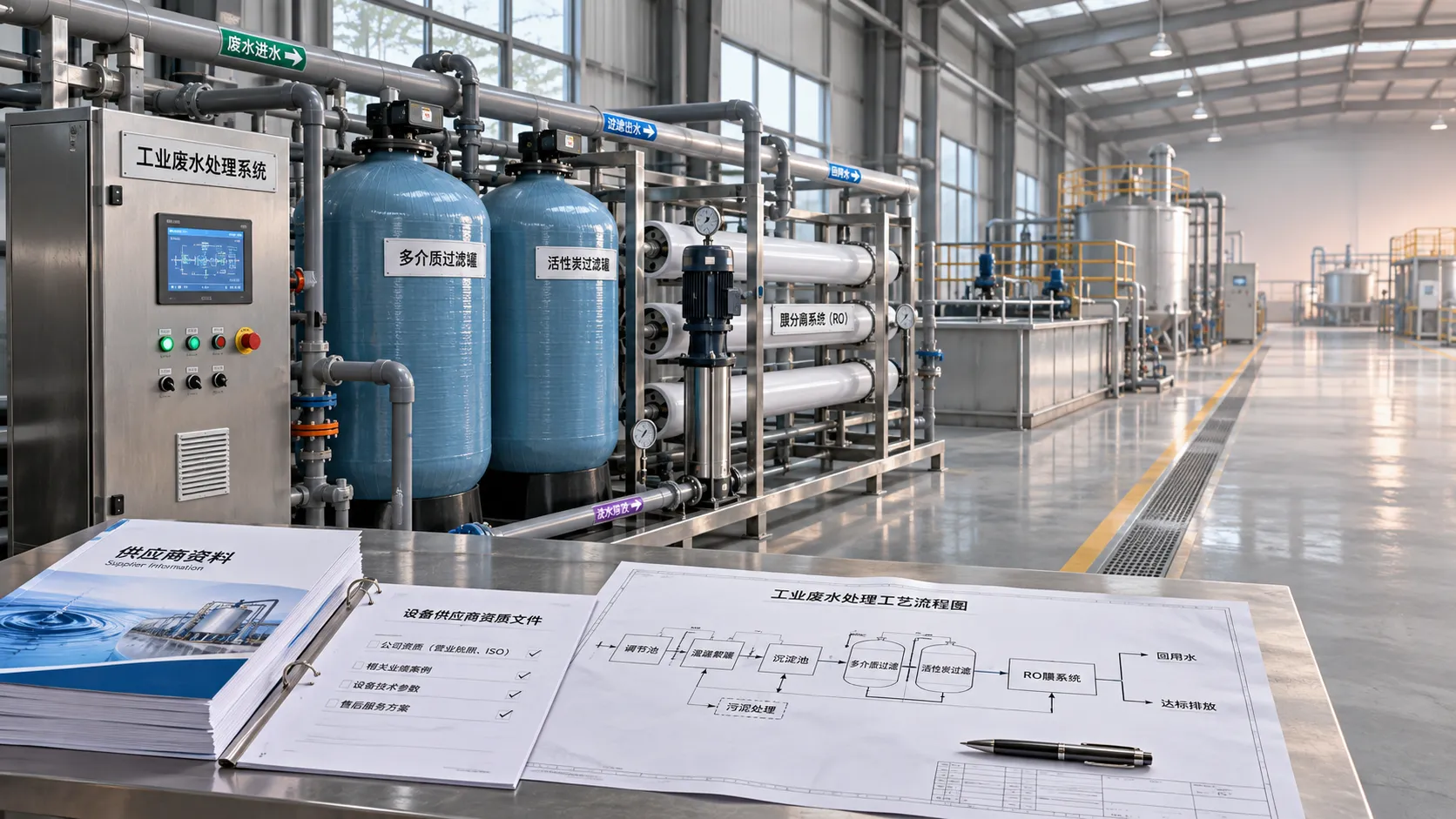
How to find verified providers in an industrial environmental solutions directory
Use an environmental solutions directory for industry to find verified providers, compare technical capabilities and costs, and build a reliable supplier shortlist.
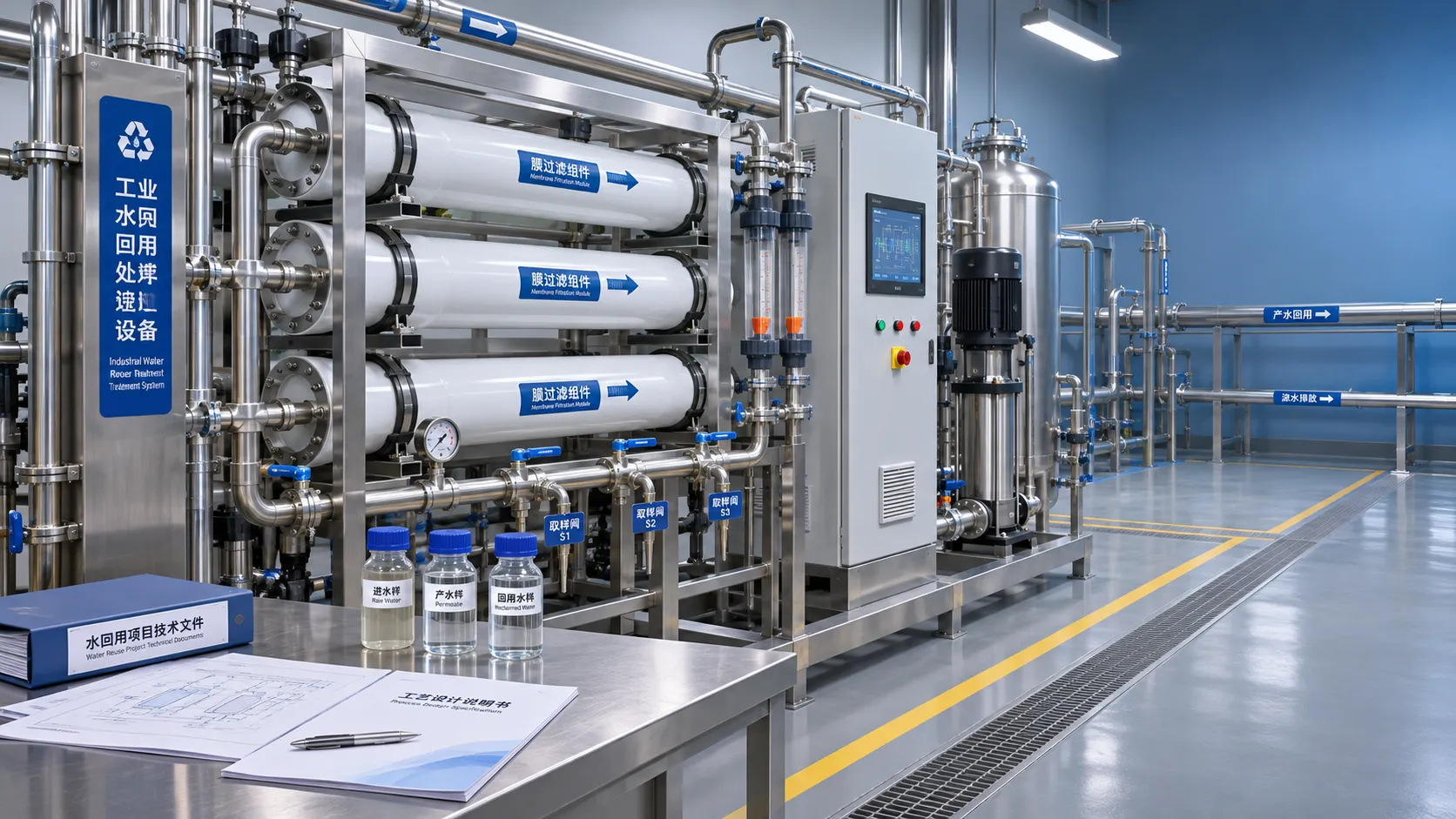
How to identify applicable water reuse equipment standards
Identify applicable water reuse equipment standards with a practical guide to regulations, performance claims, certification, and monitoring.
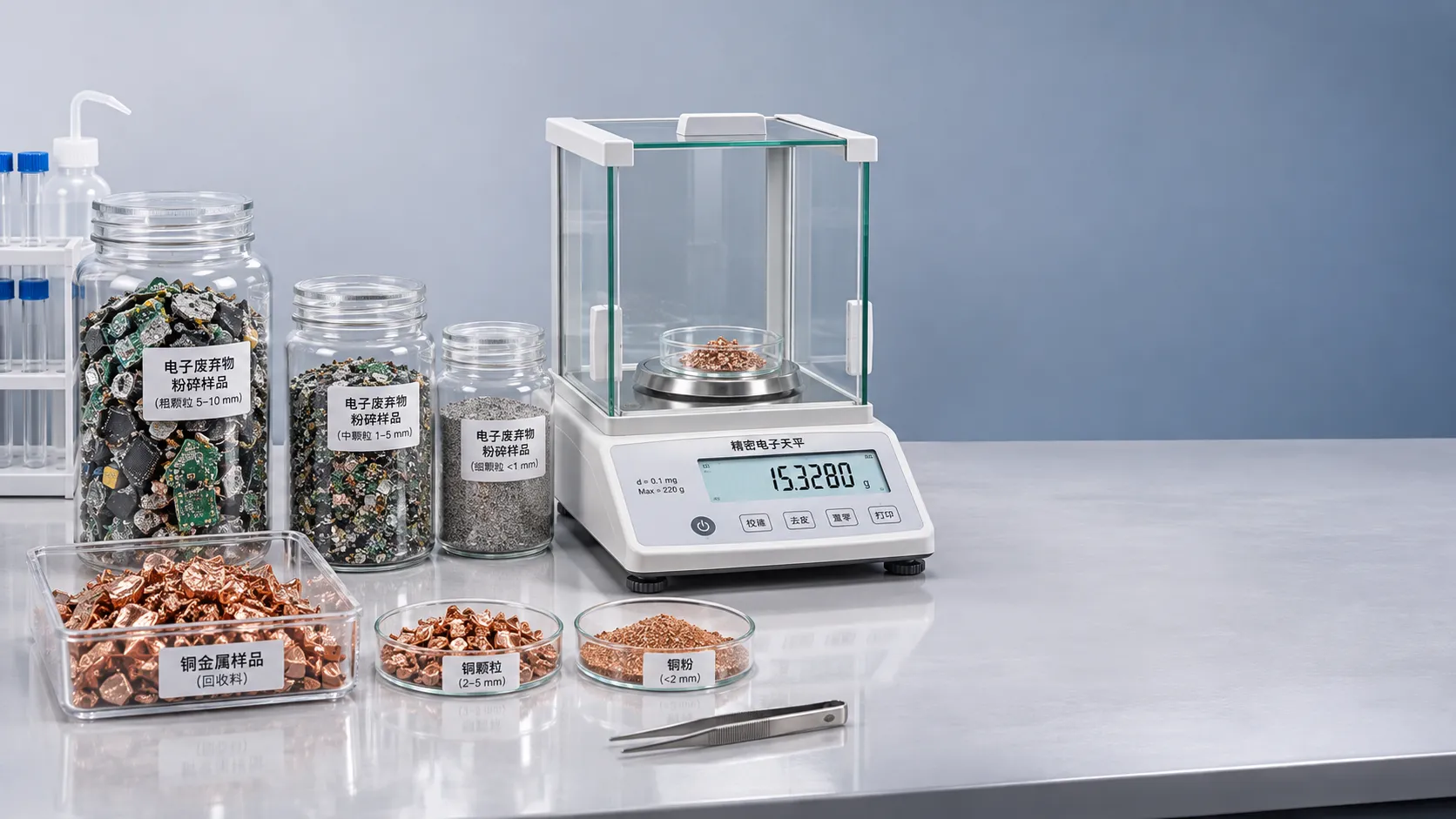
How to measure resource recovery efficiency in e-waste refining
Learn how to measure resource recovery efficiency in e-waste refining with metal balances, sampling and verified yields. Compare technologies with confidence.
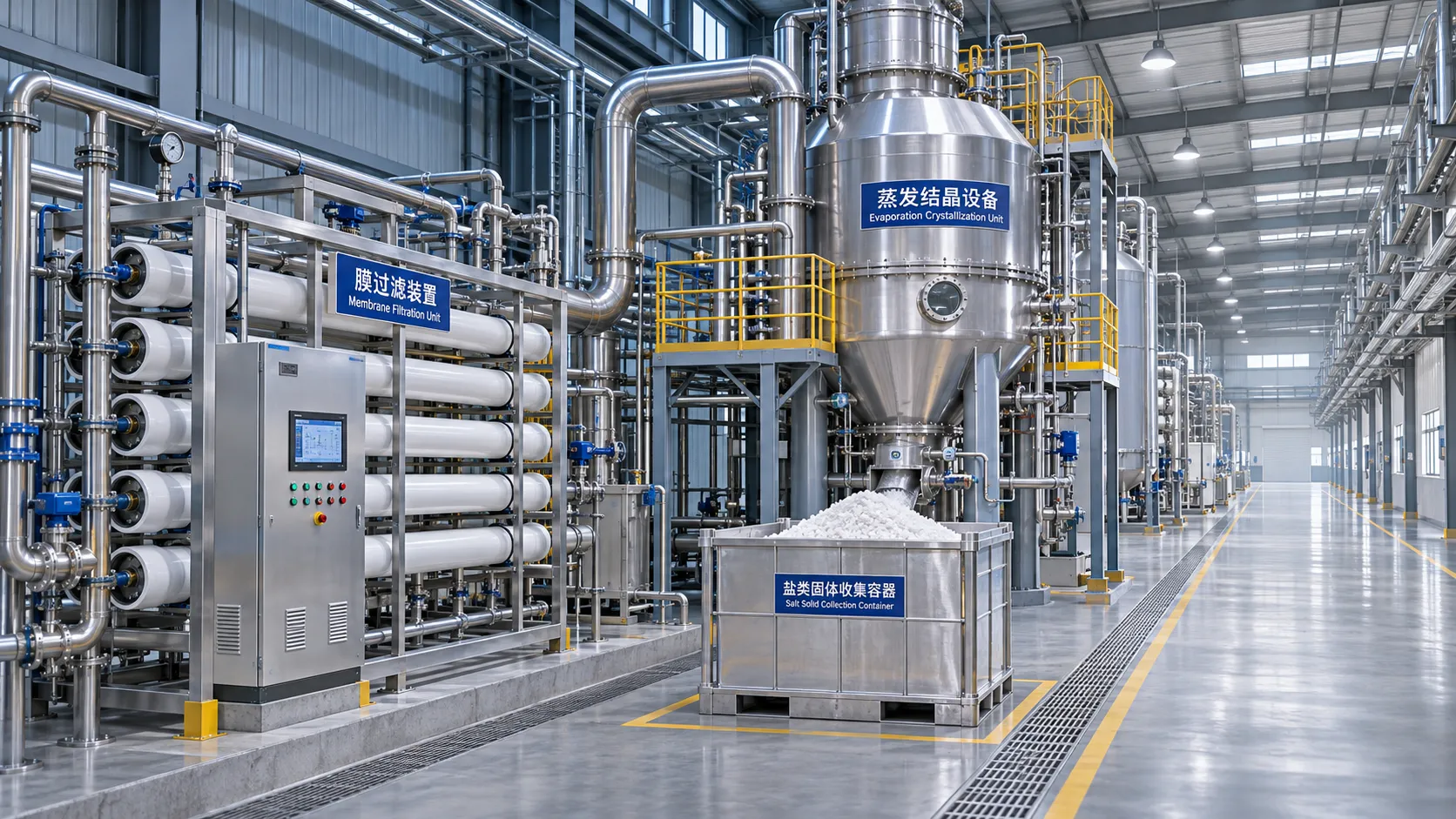
How to evaluate a ZLD system integrator’s project experience
Evaluate a ZLD system integrator with confidence. Learn how to verify relevant projects, operating results and contract risks before selecting a partner.
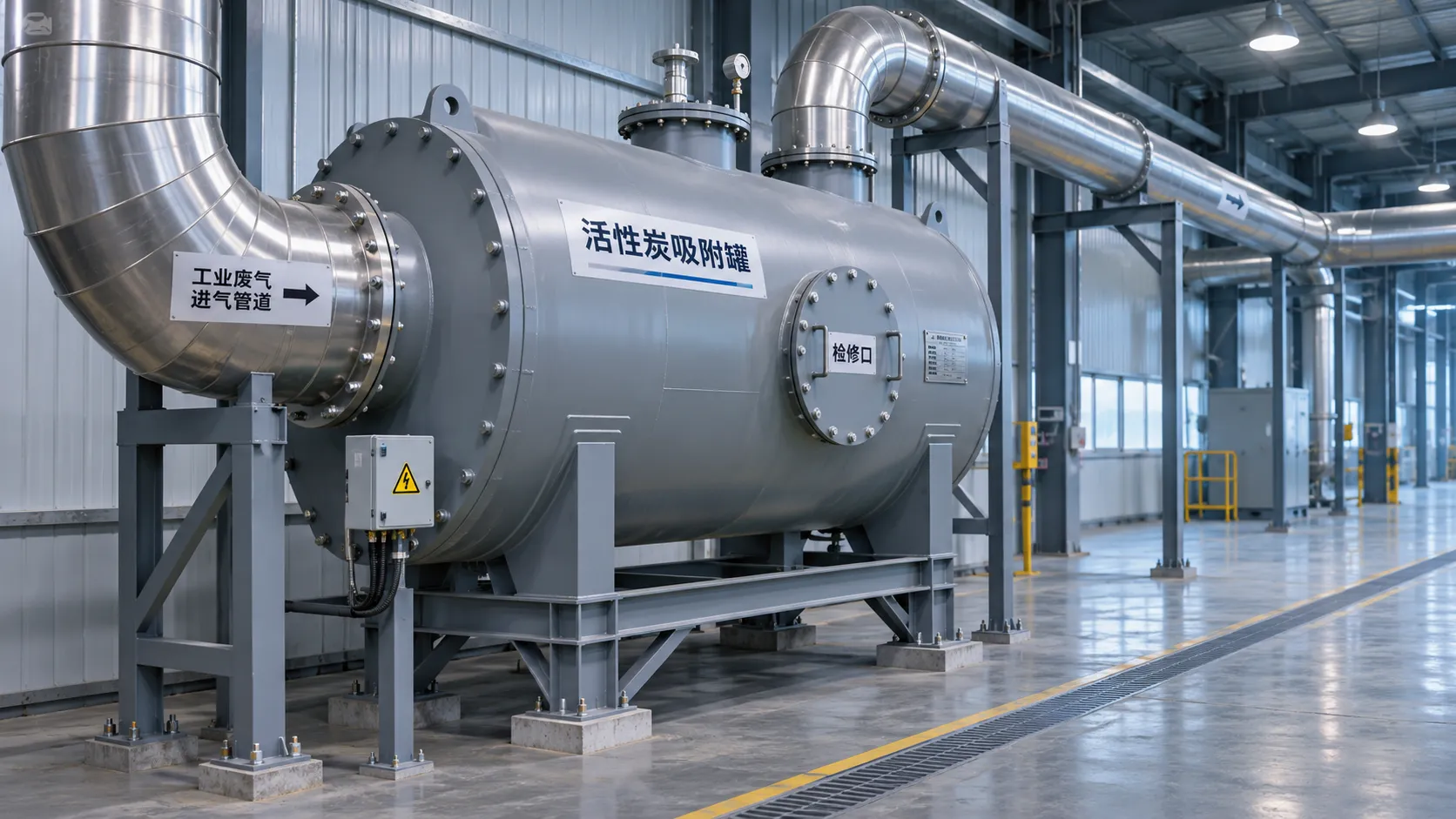
How VOC concentration affects industrial VOC treatment selection
Explore how VOC concentration shapes industrial VOC treatment selection, from adsorption and oxidation to solvent recovery. Find the right approach for your process.
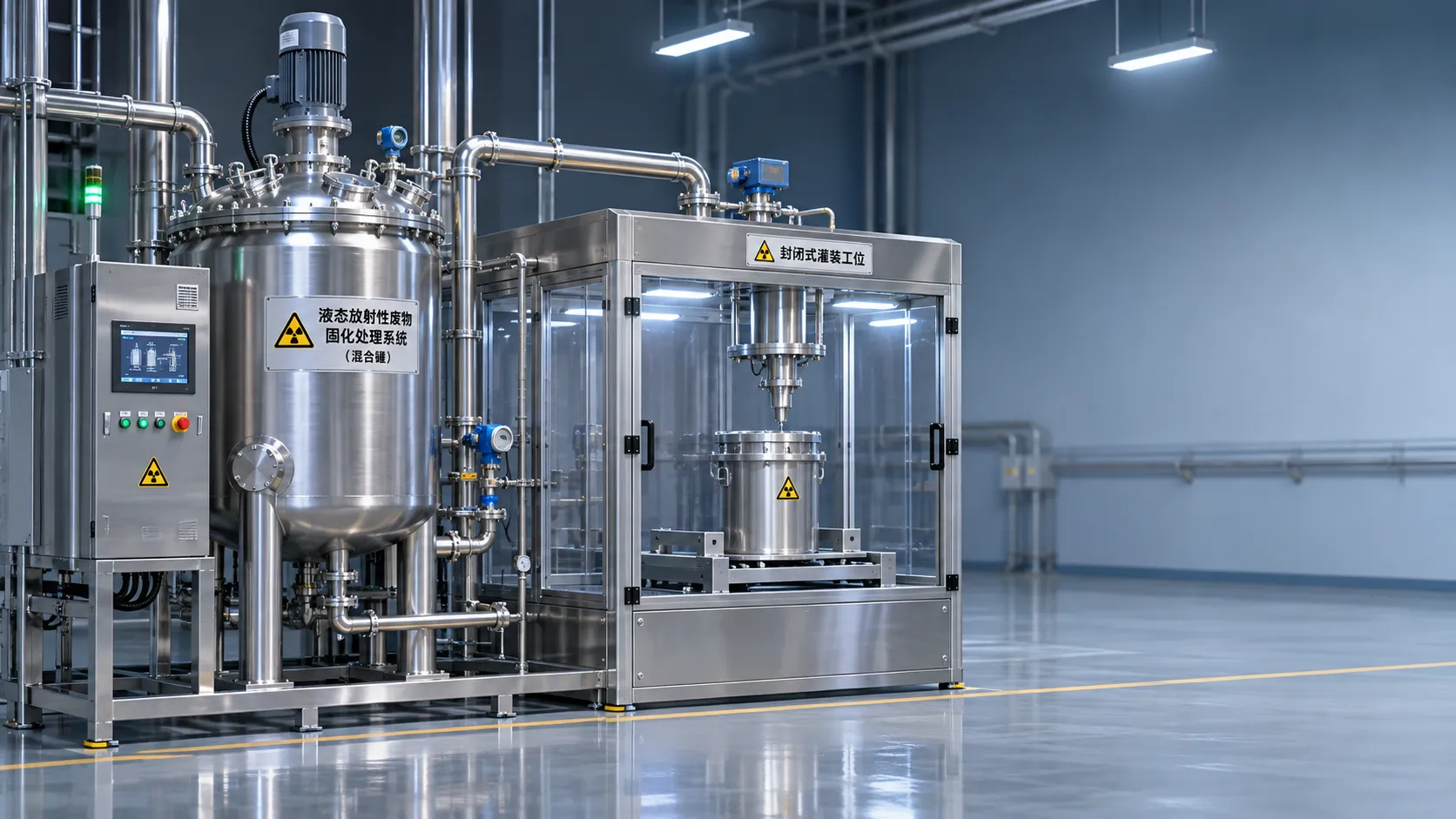
How to select nuclear waste safety equipment for liquid solidification
Choose nuclear waste safety equipment for liquid solidification with confidence. Compare waste acceptance, containment, radiation protection, and lifecycle costs.
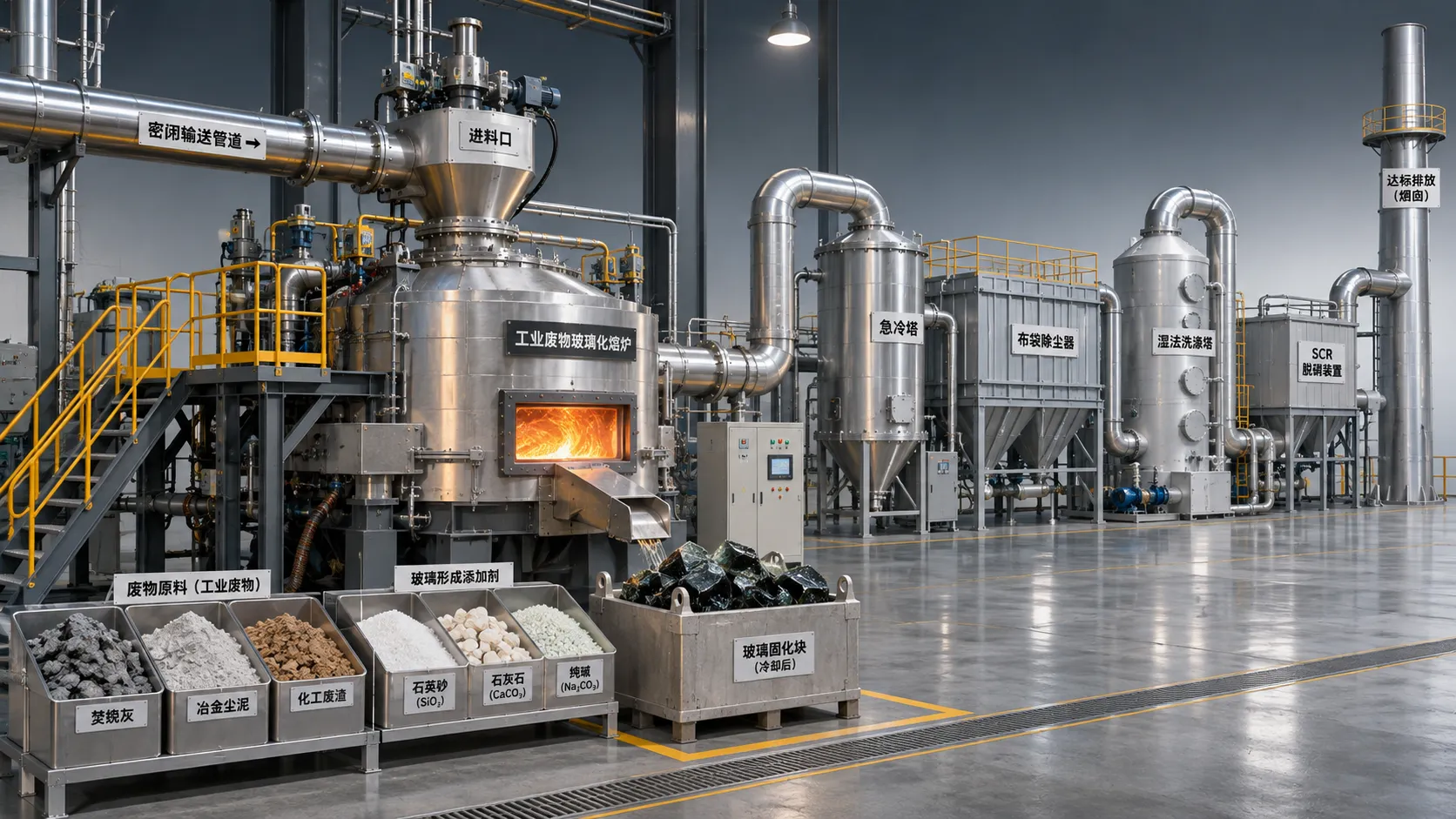
How does waste composition affect waste vitrification cost?
Discover how moisture, glass chemistry and contaminants affect waste vitrification cost—and learn how to compare bids and avoid hidden expenses.
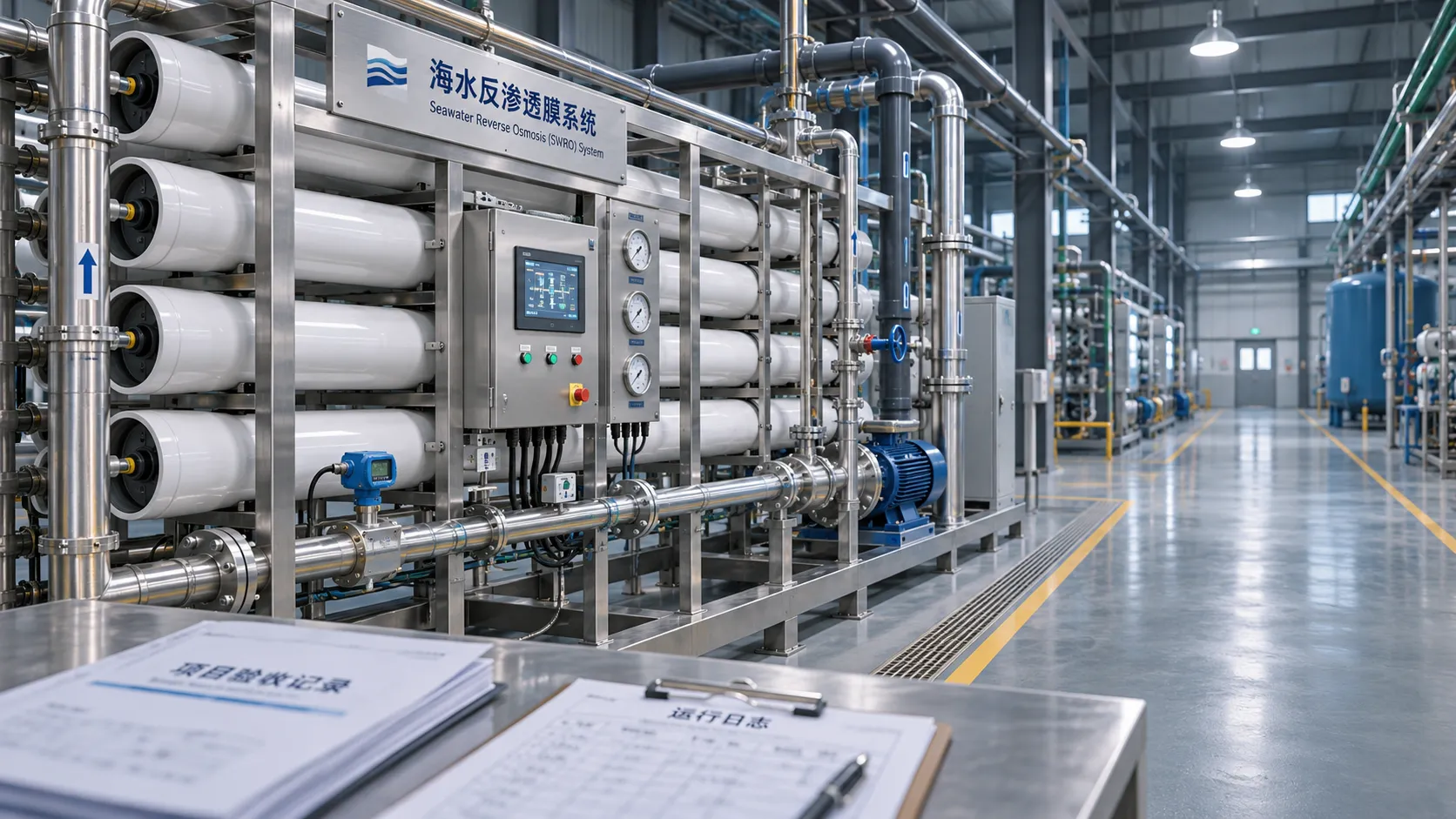
How to verify an SWRO membrane systems exporter's track record
Verify an SWRO membrane systems exporter's track record with practical checks for project references, operating evidence, export capability and after-sales support.
How does capacity affect waste recovery equipment price?
Discover how capacity affects waste recovery equipment price, and learn how to compare throughput, operating costs, and supplier quotes for a smarter investment.