
Industry News
Curation by industry experts
Hot Articles
Popular Tags
How much does it cost to operate a desalination plant?
The cost of operating a desalination plant depends on the water source, the volume actually produced, the energy contract, and the treatment and disposal requirements at the site. For a seawater reverse osmosis plant, electricity is often a major expense, but the lowest power price does not necessarily produce the lowest cost per cubic meter. Pretreatment, membrane replacement, labor, maintenance, and brine management can materially change the result.
There is no single operating cost that can be applied reliably to every project. A useful estimate expresses desalination plants operating cost in currency per cubic meter of water delivered, then identifies what is included in that figure. The distinction matters: a supplier’s treatment cost may exclude intake pumping, product-water transport, or disposal obligations that the owner still has to pay for.
What should an operating cost estimate include?
Start by defining the boundary of the plant. An estimate covering only reverse osmosis equipment is not directly comparable with one that begins at the seawater intake and ends at a customer’s connection point. The broader boundary may include additional pumping, storage, post-treatment, monitoring, and residuals handling.
For a consistent annual estimate, group expenses into the following categories:
- Energy: Electricity or fuel for intake, pretreatment, high-pressure pumping, post-treatment, and any pumping included in the project boundary.
- Consumables: Treatment chemicals, cartridge filters, laboratory supplies, and other regularly replaced materials.
- Membranes and equipment maintenance: Membrane replacement, cleaning, spare parts, repairs, and planned servicing.
- People and support: Operations staff, management, laboratory services, specialist contractors, and training.
- Residuals and compliance: Brine discharge operations, pretreatment waste handling, sampling, monitoring, and applicable fees.
- Other recurring costs: Insurance, site services, software, and administration, where they fall within the agreed scope.
Divide the resulting annual operating expense by the annual volume of water meeting the specified delivery quality. Use the volume available for delivery after process losses and downtime, rather than the volume entering the intake.
Capital repayment, financing charges, and depreciation should be shown separately from operating expenditure unless the calculation is explicitly intended to represent the full cost of water. A water purchase price can also include the provider’s capital recovery, financing, risk allowance, and margin. Comparing that price directly with a plant’s operating expense alone would give a misleading result.
Why electricity is only the starting point
Reverse osmosis pushes water through membranes under pressure. Seawater generally needs more pressure than less saline feedwater, so the source has a direct effect on electricity demand. Intake conditions, membrane condition, product-water quality targets, and the efficiency of pumps and motors also affect consumption.
Energy recovery devices can transfer pressure from the concentrated reject stream back into the process, reducing the energy needed for high-pressure pumping. Their value depends on the overall design, operating conditions, maintenance needs, and electricity tariff. A proposal should state whether its energy figure includes these devices and which auxiliary loads are included.
Do not compare offers using a single electricity price without examining how the plant will be billed. Demand charges, time-of-use rates, minimum consumption commitments, and backup power arrangements can all affect the annual bill. If a plant is expected to vary production to use cheaper electricity, the model should reflect the storage, staffing, and equipment operating limits needed to make that schedule practical.
It is also useful to distinguish energy used inside the desalination process from energy used to move water to the site or to customers. A low treatment energy figure may tell only part of the story if the intake is distant or the finished water must be pumped uphill.
Feedwater quality can change the economics
Two plants with similar output capacities can have very different operating expenses because their incoming water behaves differently. Suspended solids, organic matter, algae, temperature, and salinity affect the treatment required before water reaches the membranes. Seasonal changes can be especially important when an annual average conceals periods of difficult operation.
Insufficient pretreatment can lead to fouling: material builds up on membrane surfaces, increasing resistance to flow and potentially requiring more energy or cleaning. Scaling is another concern when dissolved minerals concentrate and form deposits. Pretreatment and chemical dosing are operating costs, but cutting them without understanding the feedwater can increase costs elsewhere.
When comparing designs, look for the feedwater conditions used in each proposal and how the plant responds when those conditions worsen. A design based on favorable water quality may appear economical while leaving the owner exposed to more frequent cleaning, reduced output, or unplanned replacement. A more robust pretreatment system may cost more to operate routinely but make production more predictable where water quality varies.
Recovery rate also deserves careful treatment. This is the share of feedwater converted into product water. Increasing recovery can reduce intake volume for a given output, but it also concentrates the remaining stream and can increase scaling risk or treatment demands. The financially appropriate recovery rate is the one supported by the feedwater, membrane design, and disposal route—not simply the highest figure offered.
Membranes, chemicals, and maintenance: budget for a plant over time
Membranes are consumable assets. Their replacement schedule depends on feedwater, pretreatment performance, cleaning practices, and how the plant is operated. A cost model should include both routine replacement and a provision for performance deterioration over the operating period.
Ask suppliers to explain the assumptions behind membrane life and cleaning frequency. A low annual replacement allowance is only meaningful if it is consistent with the proposed feedwater conditions and operating schedule. The same applies to chemicals: a quote should identify which chemicals are included and whether dosing assumptions reflect both normal and challenging conditions.
Maintenance extends beyond membranes. Pumps, energy recovery equipment, instruments, valves, and electrical systems all require inspection and servicing. The owner should understand which spare parts must be held on site, which repairs need specialist support, and how quickly replacements can be obtained. Remote sites may face higher logistics and inventory costs even when the equipment itself is competitively priced.
Where maintenance is outsourced, define the service boundary. A contract with a low fixed fee may exclude major overhauls, emergency attendance, consumables, or membrane replacement. Those exclusions are not necessarily unreasonable, but they belong in the owner’s complete operating budget.
Brine disposal and product-water quality affect the total
Desalination produces a concentrated reject stream that must be managed alongside pretreatment sludge and spent consumables. The cost depends on the disposal route, discharge conditions, local requirements, monitoring, and the physical characteristics of the site. An ocean discharge may require different infrastructure and operating arrangements from a land-based disposal system.
For inland projects, concentrate management can become a major constraint because disposal options may be limited. Additional treatment or a zero-liquid-discharge approach can reduce liquid discharge, but it introduces further equipment, energy demand, residual solids handling, and maintenance. Include those costs when comparing an inland source with a coastal alternative.
At the other end of the process, desalinated water often requires post-treatment before it can be delivered for its intended use. Depending on the quality target, this may involve stabilizing the water, adding minerals, adjusting pH, or providing disinfection. Industrial applications may have different specifications from municipal supply. A quote based on a less demanding product-water specification can therefore look cheaper without delivering an equivalent result.
How utilization changes the cost per cubic meter
A plant’s design capacity is not the same as its annual delivered output. Maintenance, feedwater events, equipment failures, and changes in demand can reduce the volume available for sale or use. Some costs, such as staffing, insurance, and contracted services, continue even when production falls. As a result, the cost allocated to each cubic meter usually rises when a plant operates below its expected utilization.
Separate expenses into fixed and variable components before modeling this effect. Power and many chemicals generally change with production, while other expenses may be largely fixed or change in steps. This distinction makes it easier to evaluate a plant intended for continuous supply against one intended mainly for drought protection or seasonal demand.
For a standby plant, a high cost per cubic meter in a low-use year does not automatically make the investment unsuitable. The purchaser may be paying for water security and available capacity. That benefit should be assessed explicitly, while the financial model shows the costs of keeping equipment ready, staffing the facility, and restarting production.
Comparing seawater, brackish water, and thermal options
Brackish water reverse osmosis can require less pressure than seawater reverse osmosis because its feedwater is generally less saline. That can improve the energy calculation, but it does not settle the procurement decision. Source availability, pretreatment, concentrate disposal, and the distance to users can outweigh an apparent energy advantage.
Thermal desalination uses heat to separate water from salts. It may merit consideration where suitable heat is available and its cost and reliability fit the project. The comparison should account for the full value of that heat, including any alternative use, as well as electricity, maintenance, and the required integration with the heat source. Treating heat as free simply because it is available on site can distort the result.
Reverse osmosis and thermal proposals should also be compared at the same delivery point, product quality, annual output, and operating period. If one offer includes intake and discharge facilities while another excludes them, adjust the evaluation before ranking the bids.
Build a procurement comparison that exposes the cost risks
Request a common set of assumptions from each bidder and retain the original proposal boundaries. This allows the bids to be normalized without losing sight of who is responsible for each cost or performance obligation. The comparison should cover:
- Feedwater and output: Source characteristics, seasonal variation, required product quality, and annual delivered volume.
- Energy: Consumption by major system, tariff assumptions, energy recovery, and any excluded pumping or backup power.
- Consumables and maintenance: Chemical use, membrane replacement, spare parts, servicing, and contractor support.
- Residuals: The proposed disposal route, monitoring, waste handling, and the party responsible for recurring charges.
- Commercial boundaries: Included services, exclusions, escalation provisions, performance guarantees, and remedies if output or consumption differs from the contract.
Then test a small number of scenarios: higher electricity prices, more difficult feedwater, lower annual production, and earlier membrane replacement. Apply the same changes to each viable proposal, using assumptions consistent with its design. This shows which offer remains affordable when operating conditions move away from the base case.
The preferred plant is the one whose total cost, output reliability, and contractual responsibilities fit the project’s needs. A clear operating-cost model gives the purchaser a way to judge all three before committing to a long-term design or supply agreement.
Recommended News
How to find verified providers in an industrial environmental solutions directory
Use an environmental solutions directory for industry to find verified providers, compare technical capabilities and costs, and build a reliable supplier shortlist.
How to identify applicable water reuse equipment standards
Identify applicable water reuse equipment standards with a practical guide to regulations, performance claims, certification, and monitoring.

How to measure resource recovery efficiency in e-waste refining
Learn how to measure resource recovery efficiency in e-waste refining with metal balances, sampling and verified yields. Compare technologies with confidence.
How to evaluate a ZLD system integrator’s project experience
Evaluate a ZLD system integrator with confidence. Learn how to verify relevant projects, operating results and contract risks before selecting a partner.
How VOC concentration affects industrial VOC treatment selection
Explore how VOC concentration shapes industrial VOC treatment selection, from adsorption and oxidation to solvent recovery. Find the right approach for your process.
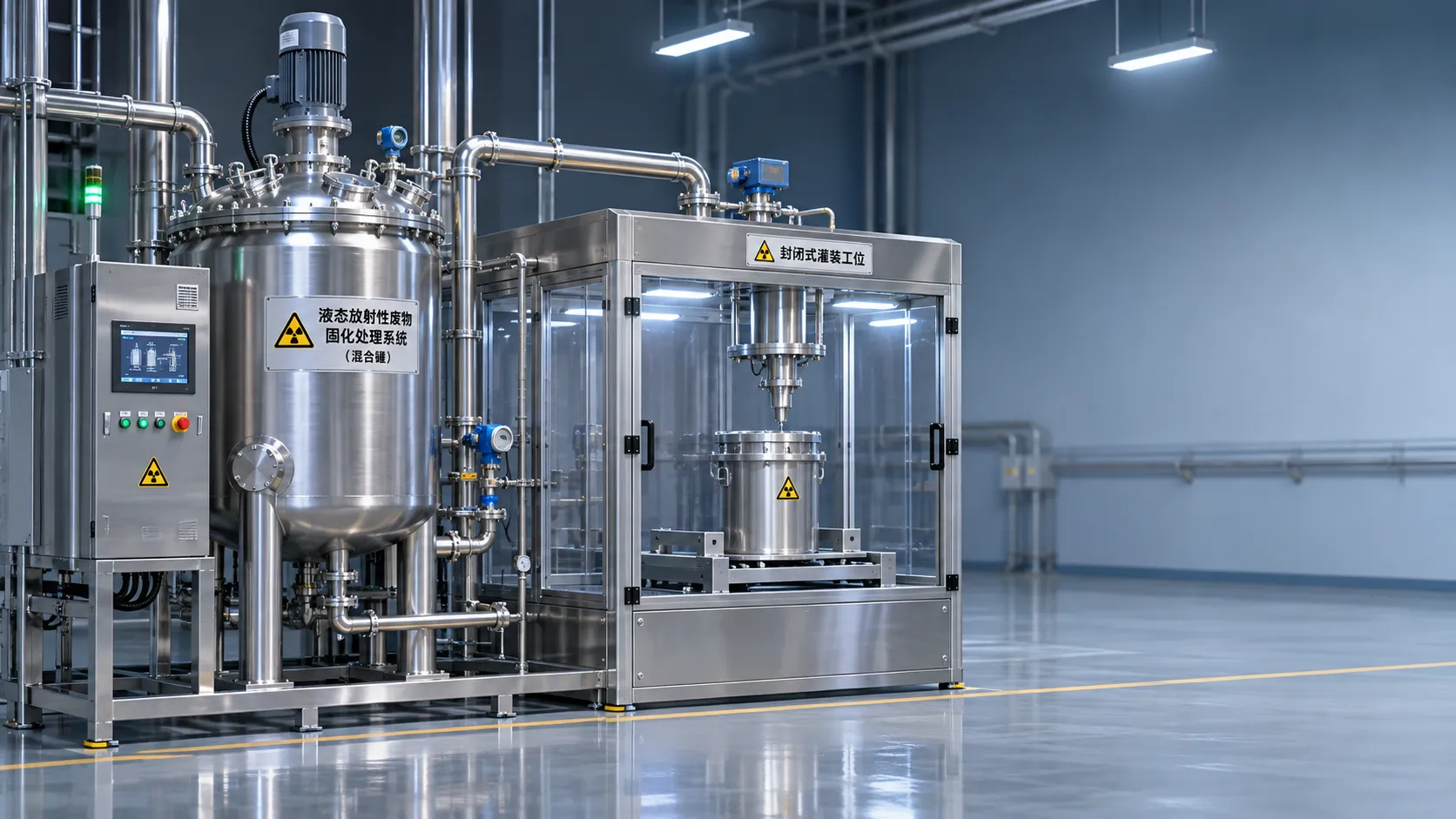
How to select nuclear waste safety equipment for liquid solidification
Choose nuclear waste safety equipment for liquid solidification with confidence. Compare waste acceptance, containment, radiation protection, and lifecycle costs.
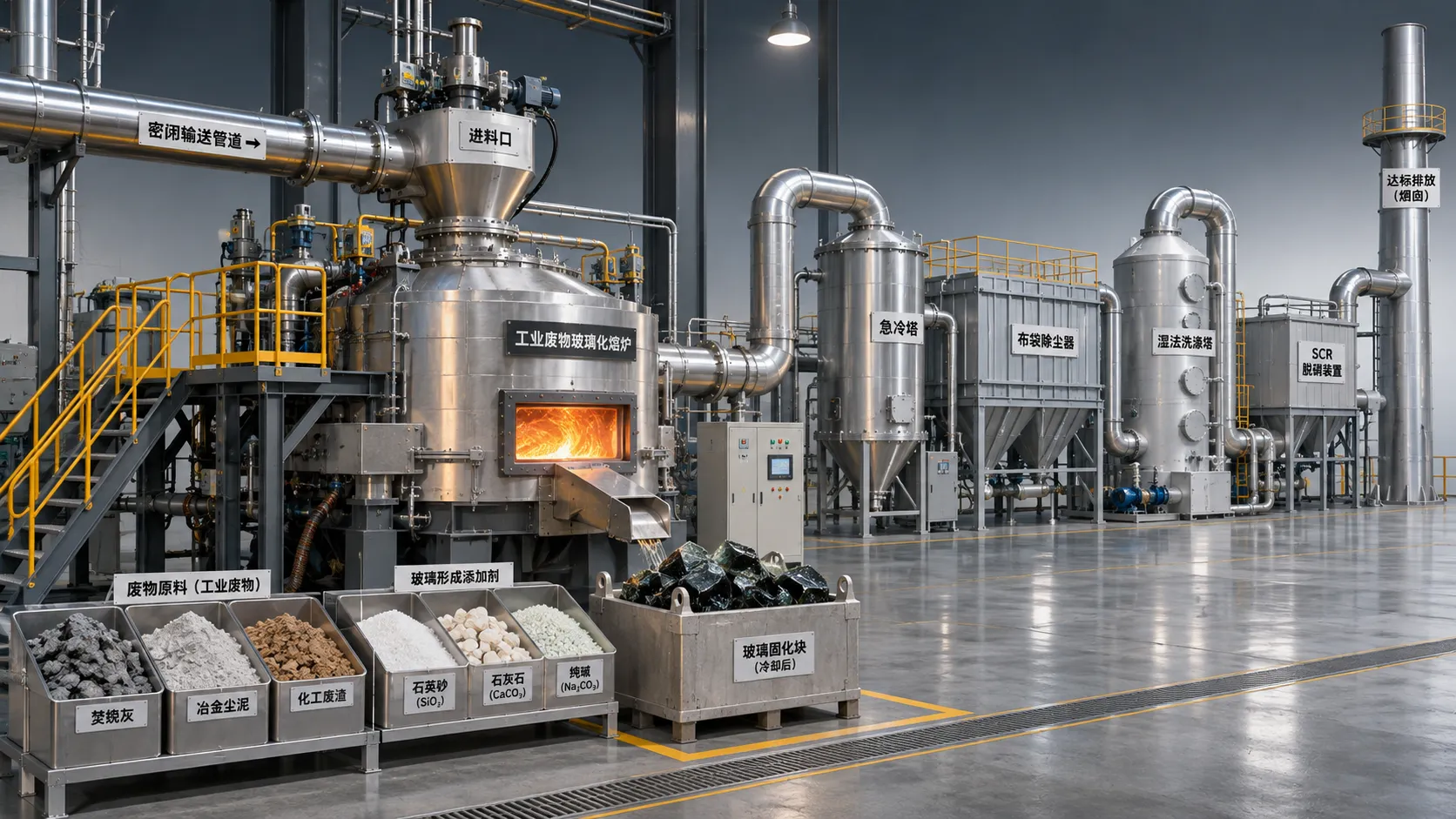
How does waste composition affect waste vitrification cost?
Discover how moisture, glass chemistry and contaminants affect waste vitrification cost—and learn how to compare bids and avoid hidden expenses.
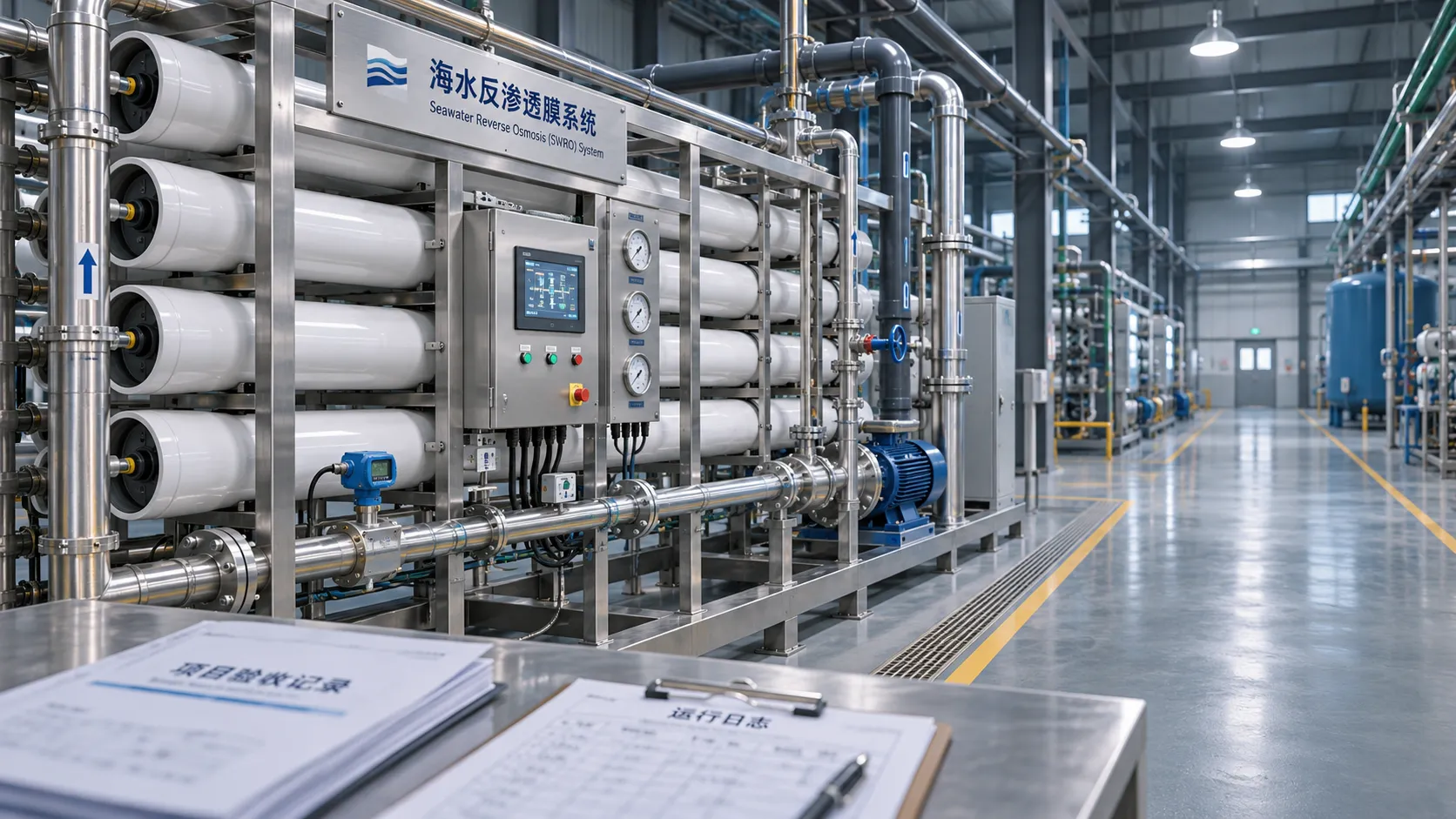
How to verify an SWRO membrane systems exporter's track record
Verify an SWRO membrane systems exporter's track record with practical checks for project references, operating evidence, export capability and after-sales support.
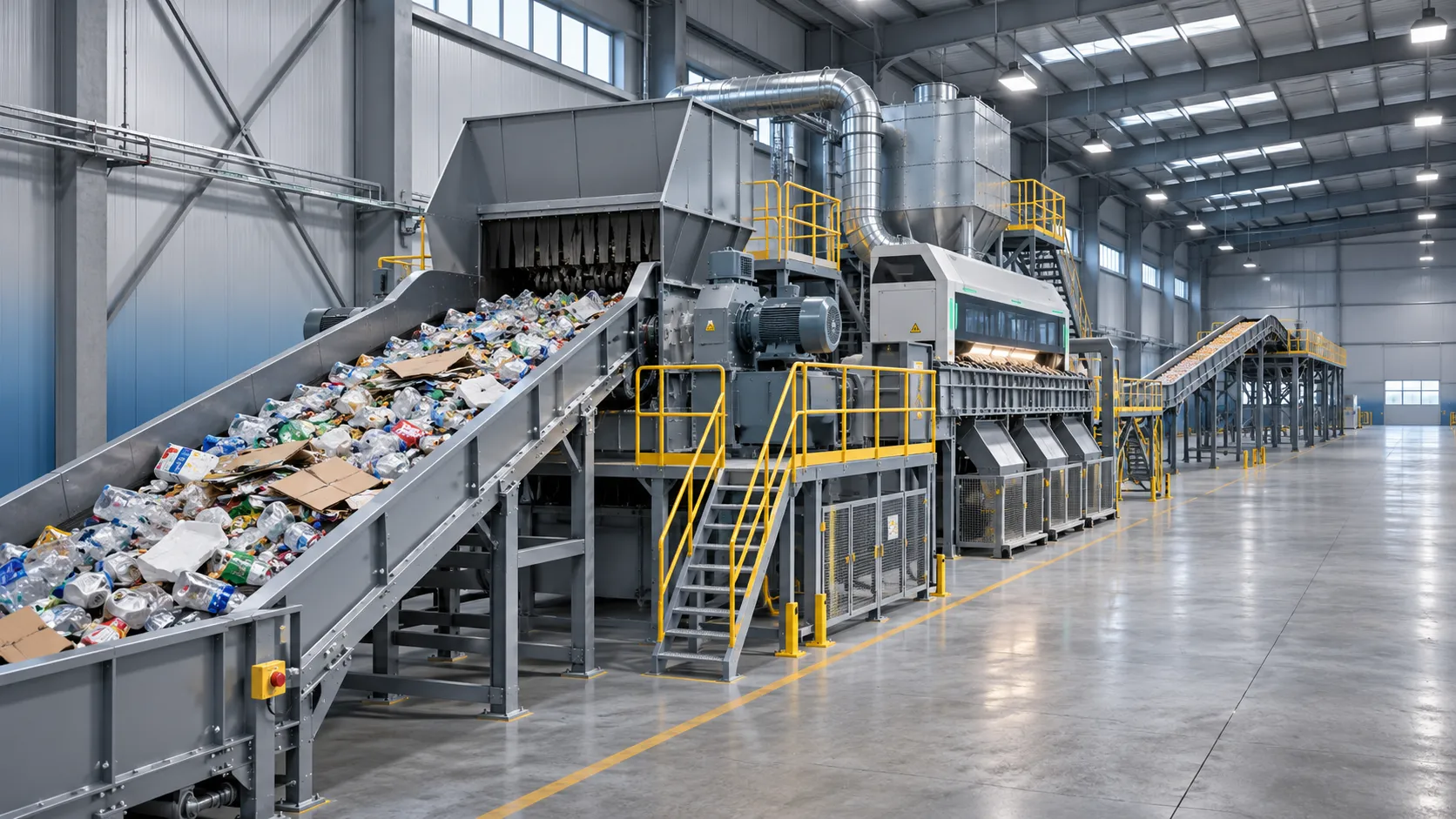
How does capacity affect waste recovery equipment price?
Discover how capacity affects waste recovery equipment price, and learn how to compare throughput, operating costs, and supplier quotes for a smarter investment.