
Industry News
Curation by industry experts
Hot Articles
Popular Tags
How to size an industrial wastewater treatment skid for variable flow
Sizing an industrial wastewater treatment skid for variable flow requires more than selecting equipment based on average throughput. Peak flow rates, contaminant loading, equalization capacity, and discharge limits all influence whether a system can maintain stable performance as production changes. This guide examines the data and design considerations technical evaluators need to assess skid capacity, accommodate operating fluctuations, and identify trade-offs between treatment reliability, footprint, and cost.
Start with the flow profile, not the daily average
A skid rated for a plant’s average hourly flow may be undersized during a production surge and difficult to operate during a quiet shift. The distinction matters because wastewater generation rarely follows the neat operating schedule used in a preliminary equipment list.
Map flow against time using meter records where available. Include normal production, equipment washdowns, batch dumps, shift changes, planned shutdowns and seasonal variations. The useful questions are not only “What is the peak?” but also “How long does it last?” and “How much time is available to recover before the next event?” A brief peak can often be managed with storage; a sustained high-flow period may require greater treatment capacity or a change in operating schedule.
Check how each flow figure was measured. A daily total divided by 24 hours is not the same as an hourly maximum, and a short pump discharge may be much higher than either. If records are sparse, a temporary flow survey and a review of production schedules can be more valuable than adding an arbitrary equipment margin.
Separate streams deserve attention too. A concentrated cleaning solution, oily wastewater stream or occasional tank discharge may be better held and fed gradually—or treated separately—rather than allowed to dictate the size and chemistry of the entire system.
Connect hydraulic capacity to contaminant load
Flow determines how much liquid the skid must handle; contaminant mass determines much of the treatment duty. As a basic check, multiply flow by concentration using consistent units. For example, flow in cubic metres per hour multiplied by concentration in milligrams per litre and divided by 1,000 gives a load in kilograms per hour.
An hourly composite sample can conceal a short, concentrated discharge. Conversely, a high concentration measured in a small isolated batch may not represent the continuous load. Sampling should capture both the normal operating window and credible upset or batch conditions, with flow and sampling time recorded together.
The relevant analysis depends on the process and discharge route. Typical parameters may include pH, temperature, suspended solids, chemical oxygen demand, oils and grease, metals, conductivity and constituents specific to production chemicals. Where biological treatment is considered, biodegradability and potential inhibition also matter. For membrane processes, fouling and scaling tendencies require closer examination than a single suspended-solids result can provide.
Ask whether peak flow and peak concentration can occur at the same time. Designing around the highest value of each without checking their timing can oversize the system; assuming they never coincide without evidence can leave it exposed.
Size equalization and treatment as one system
Equalization storage can decouple variable wastewater generation from a steadier skid feed. It is not simply a tank sized to hold a fixed number of hours. Its working volume depends on the difference between incoming flow and the rate at which the skid can treat water over time.
Plot cumulative inflow and cumulative treatment volume across the operating cycle. The storage required to absorb the modeled imbalance is the largest accumulated excess of inflow over treatment, accounting for the starting tank level and subsequent recovery. Repeat the calculation for consecutive busy periods, reduced operating hours and credible downtime. A tank that accommodates one event may still overflow if it cannot be drawn down before the next.
Consider a simplified illustration: inflow is 30 m³/h for four hours while the skid treats 20 m³/h. The accumulated excess is 40 m³. If inflow then falls to 10 m³/h and treatment continues at 20 m³/h, removing that accumulated volume takes four hours. This is a mass-balance example, not a final tank specification; it assumes sufficient usable volume, continuous treatment at the stated rates and no other inflows.
The physical tank needs additional consideration for minimum pump level, freeboard, mixing, instrumentation and operating reserve. Its initial level before a surge matters. So does the quality of the stored water: incomplete mixing can send a concentrated slug to the skid even when the level is well controlled. Some wastewaters may settle, turn septic, generate odors or react in storage, so equalization design must address mixing and compatibility as well as volume.
A larger tank can reduce the required treatment rate, but it adds footprint and may increase residence time. A larger skid reduces storage demand but can cost more and may spend much of its life at low load. Compare the complete combinations, not just the skid price.
Check the operating range of every treatment step
The nominal flow on a proposal is only one point on an operating curve. Request minimum, normal and maximum sustainable feed rates, together with the influent and effluent conditions assumed for each. Confirm what happens when flow or contaminant load falls below the stated minimum.
For chemical treatment, verify mixing and reaction time at peak flow, and the controllable range of chemical dosing pumps at low load. Fast pH changes, variable alkalinity and changing metal concentrations can make a fixed dose unreliable. Jar testing or other project-specific trials can help establish a treatment window, but the design still needs to manage variation outside the samples tested.
For clarification or flotation, confirm the hydraulic and solids-loading assumptions behind the rating. More flow can reduce effective separation time, while a high solids load may overwhelm sludge removal before the hydraulic limit is reached. For filtration, assess pressure drop, backwash frequency and the fate of backwash water under peak loading.
Membrane systems introduce additional limits: feed quality, temperature, flux, recovery, cleaning intervals and concentrate management all affect practical capacity. A quoted permeate flow should not be confused with feed flow. If reuse is intended, the proposed pretreatment must protect downstream equipment as well as meet immediate water-quality targets.
At low flow, recirculation or intermittent operation may be possible, but neither is automatically harmless. Recirculation can alter chemistry or temperature, while frequent starts and stops can affect controls and maintenance. Require the supplier to explain the intended operating mode across the full production cycle.
Compare capacity arrangements against the real constraint
Parallel trains offer flexibility, but two trains do not automatically provide full redundancy. If both are needed to meet the normal duty, one train out of service leaves a capacity deficit. Check the mass balance for that condition, including available storage and the maximum acceptable interruption.
Define the discharge obligation before approving capacity
Sizing cannot be separated from the required effluent quality. A sewer discharge agreement, a surface-water permit and an internal reuse specification can impose different limits, monitoring points and operating obligations. Confirm the applicable requirements with the responsible authority or receiving utility and review the actual permit or agreement rather than relying on generic figures.
Pay attention to how compliance is assessed: an instantaneous or grab-sample limit creates a different design challenge from a limit based on a defined composite sample or averaging period. Also confirm limits on flow, temperature or batch release, where applicable. A system that meets average concentration targets but occasionally releases an untreated spike may still be unacceptable.
Define the response to off-spec water. Depending on the site and applicable requirements, the design may need a hold tank, diversion arrangement or production stop procedure. The capacity and operating logic for these measures should be explicit; an alarm alone does not provide containment.
Look beyond the skid boundary
A treatment package can meet its stated flow rating and still fail as an installation if the surrounding systems are undersized. Check feed pumps and piping, electrical supply, instrumentation, chemical storage, ventilation, drainage and maintenance access. Confirm whether tanks, interconnecting pipework, installation, controls integration and commissioning are included in each proposal.
Residuals deserve the same attention as treated water. Sludge production, filter backwash, spent media and membrane concentrate can all create separate storage and disposal duties. Returning backwash or another internal stream to the head of the plant also changes the hydraulic and contaminant balance. Include those recycle flows in the calculation rather than treating them as free capacity.
For plants considering water reuse or zero liquid discharge, the downstream process may set the limiting conditions for pretreatment. Higher recovery can reduce liquid discharge but concentrates salts and other constituents elsewhere. The practical choice depends on the complete water and residuals balance, energy demand and available disposal routes.
What to request before making the selection
Give each prospective supplier the same flow profile, water analyses, operating schedule and discharge requirements. Ask for a process mass balance covering normal operation, peak events, low-flow operation and a defined equipment-out-of-service scenario. The response should identify design assumptions, expected consumables, residual streams and any conditions excluded from the performance commitment.
A useful proposal also identifies the basis for acceptance testing: where samples are taken, what influent conditions must be present, how long the test runs and how off-spec results are handled. Where the wastewater is poorly characterized or treatment chemistry is uncertain, bench or pilot testing may be needed before final capacity and guarantees can be agreed.
This is the broader equipment-intelligence perspective emphasized by Global Eco-Shield Dynamics: assess purification performance alongside the resource, residuals and compliance decisions around it. Before selecting a skid, reconcile the flow and load data with the proposed tank operating levels, turndown limits and downtime plan. Any unresolved assumption in that chain is a design question—not a margin to hide inside the equipment rating.
Recommended News
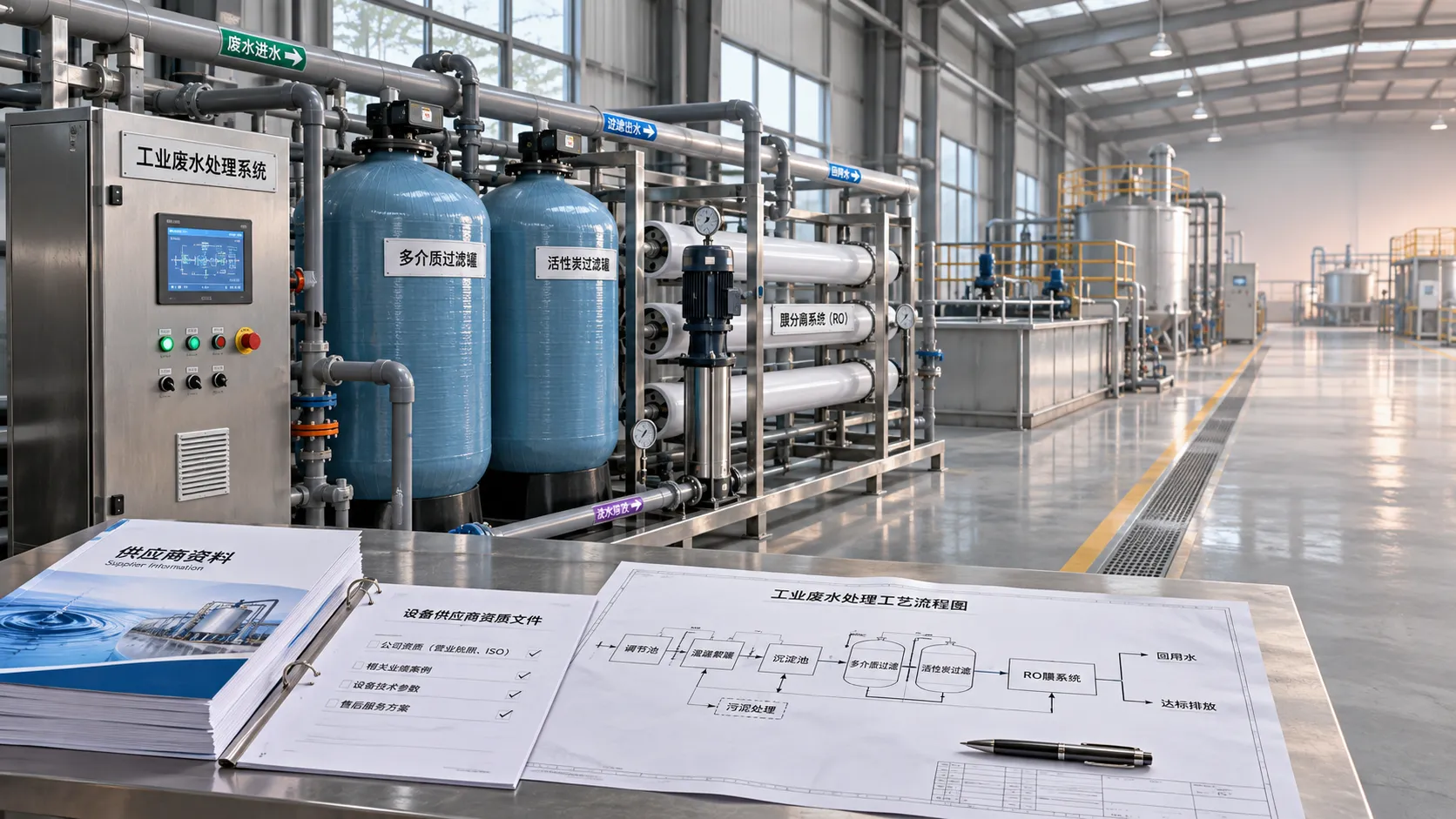
How to find verified providers in an industrial environmental solutions directory
Use an environmental solutions directory for industry to find verified providers, compare technical capabilities and costs, and build a reliable supplier shortlist.
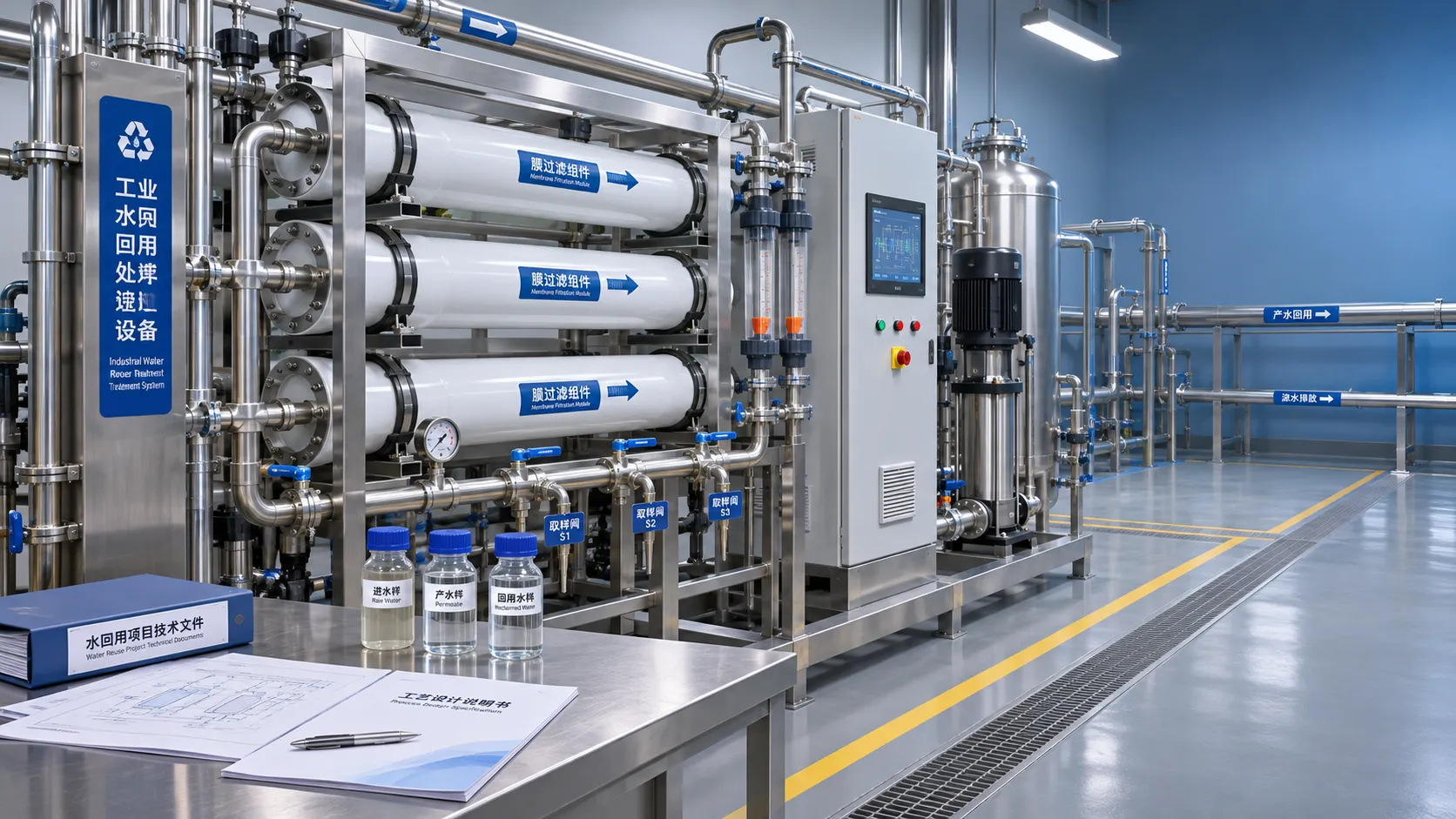
How to identify applicable water reuse equipment standards
Identify applicable water reuse equipment standards with a practical guide to regulations, performance claims, certification, and monitoring.
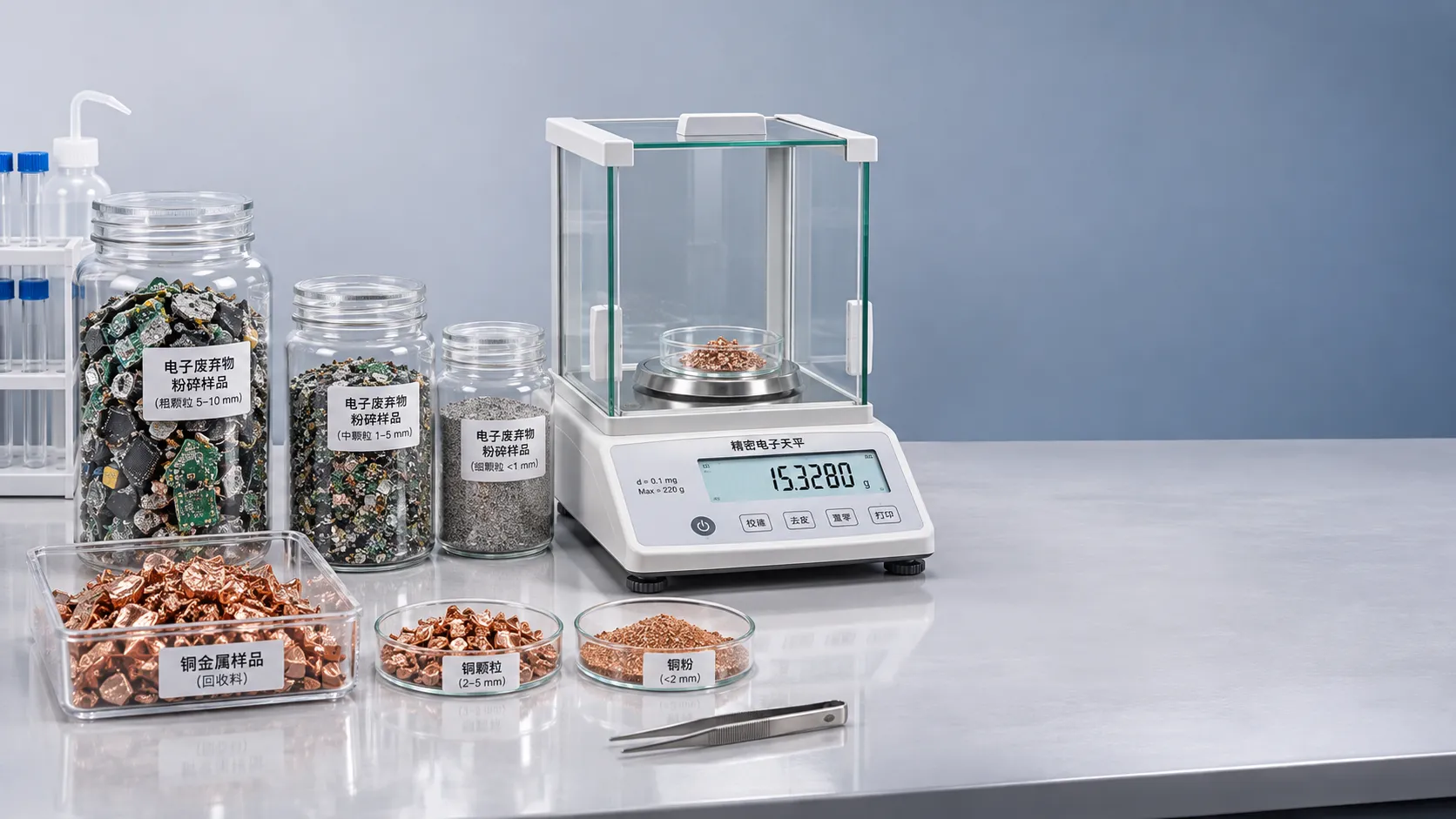
How to measure resource recovery efficiency in e-waste refining
Learn how to measure resource recovery efficiency in e-waste refining with metal balances, sampling and verified yields. Compare technologies with confidence.
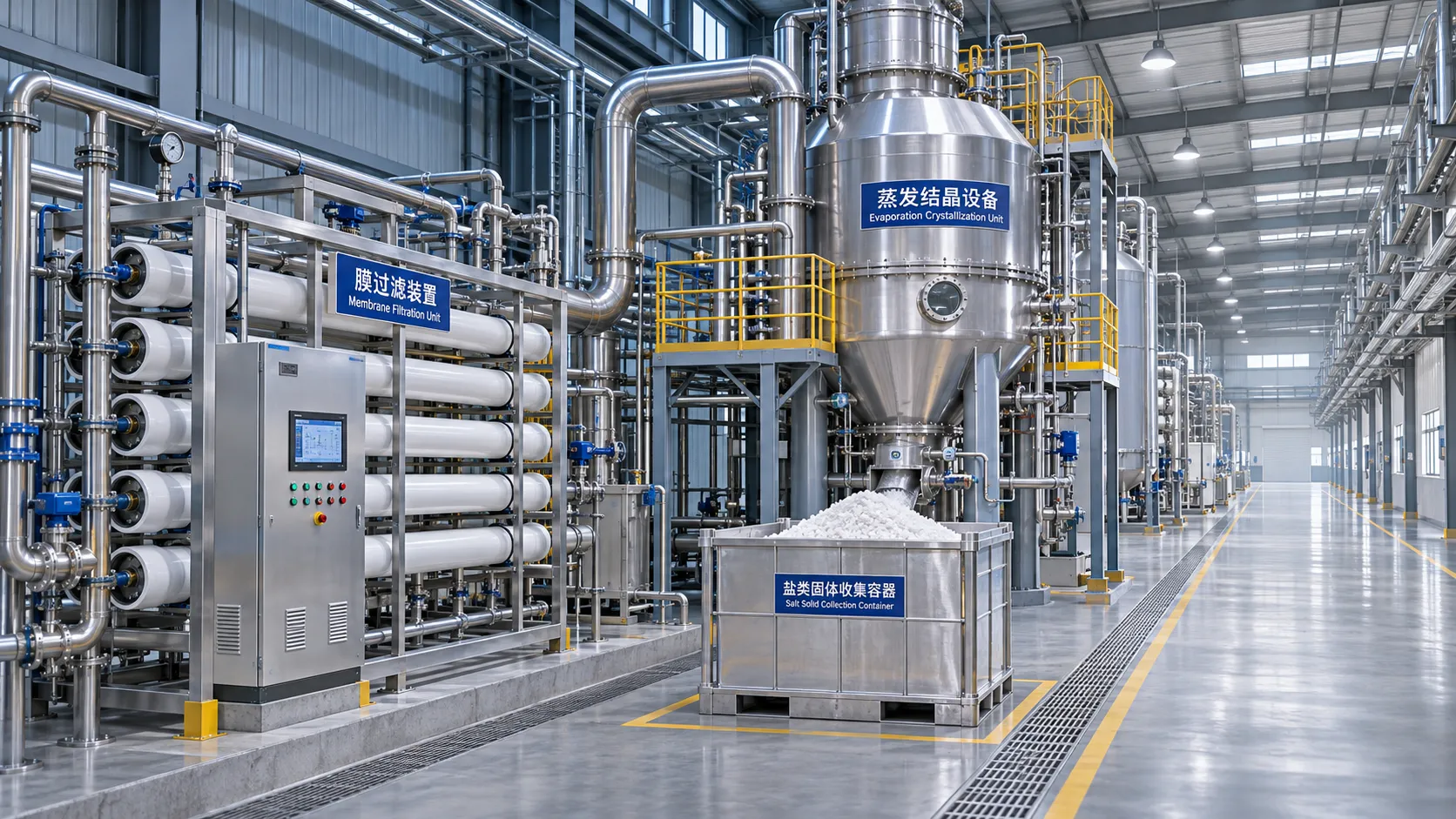
How to evaluate a ZLD system integrator’s project experience
Evaluate a ZLD system integrator with confidence. Learn how to verify relevant projects, operating results and contract risks before selecting a partner.
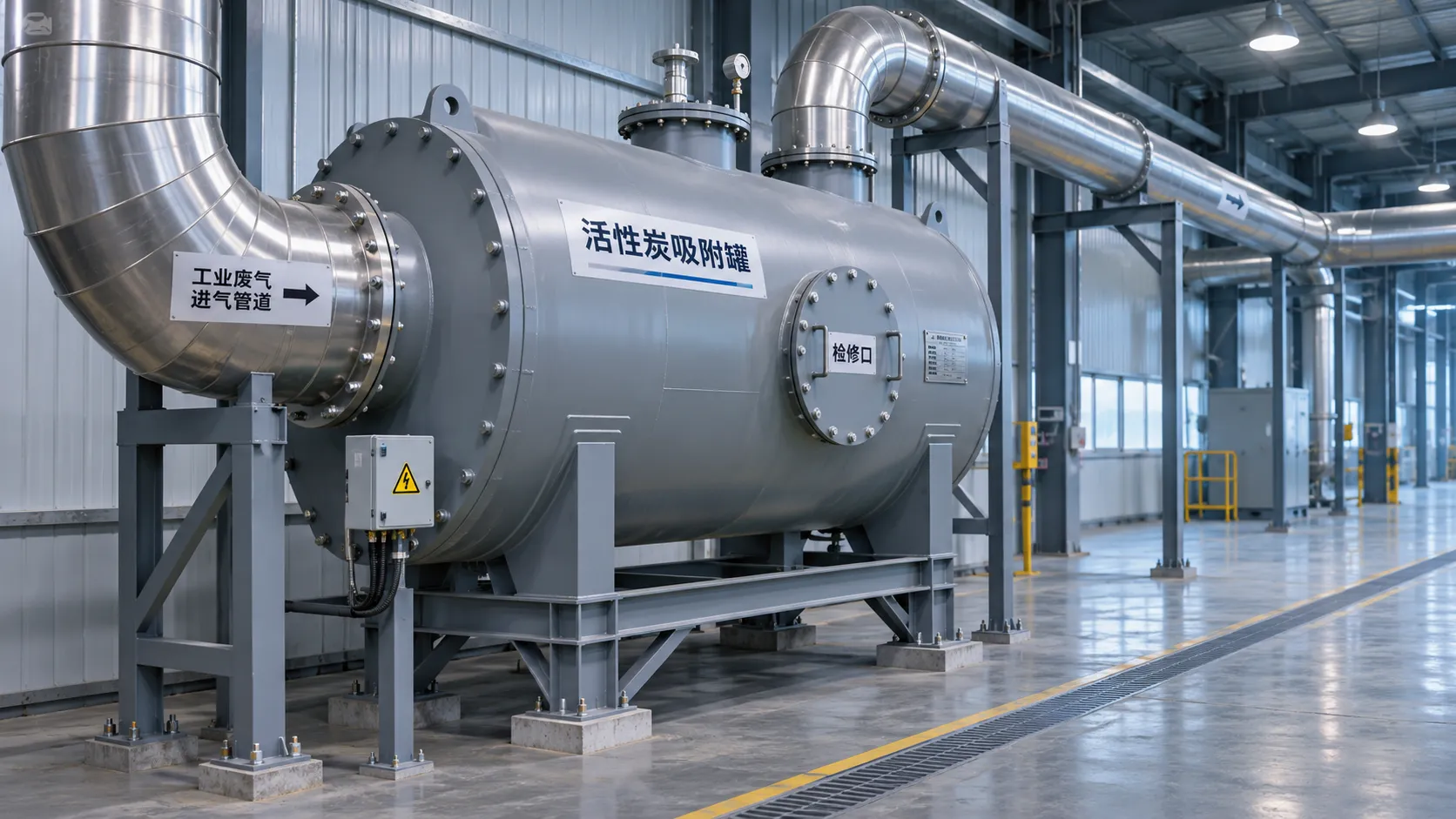
How VOC concentration affects industrial VOC treatment selection
Explore how VOC concentration shapes industrial VOC treatment selection, from adsorption and oxidation to solvent recovery. Find the right approach for your process.
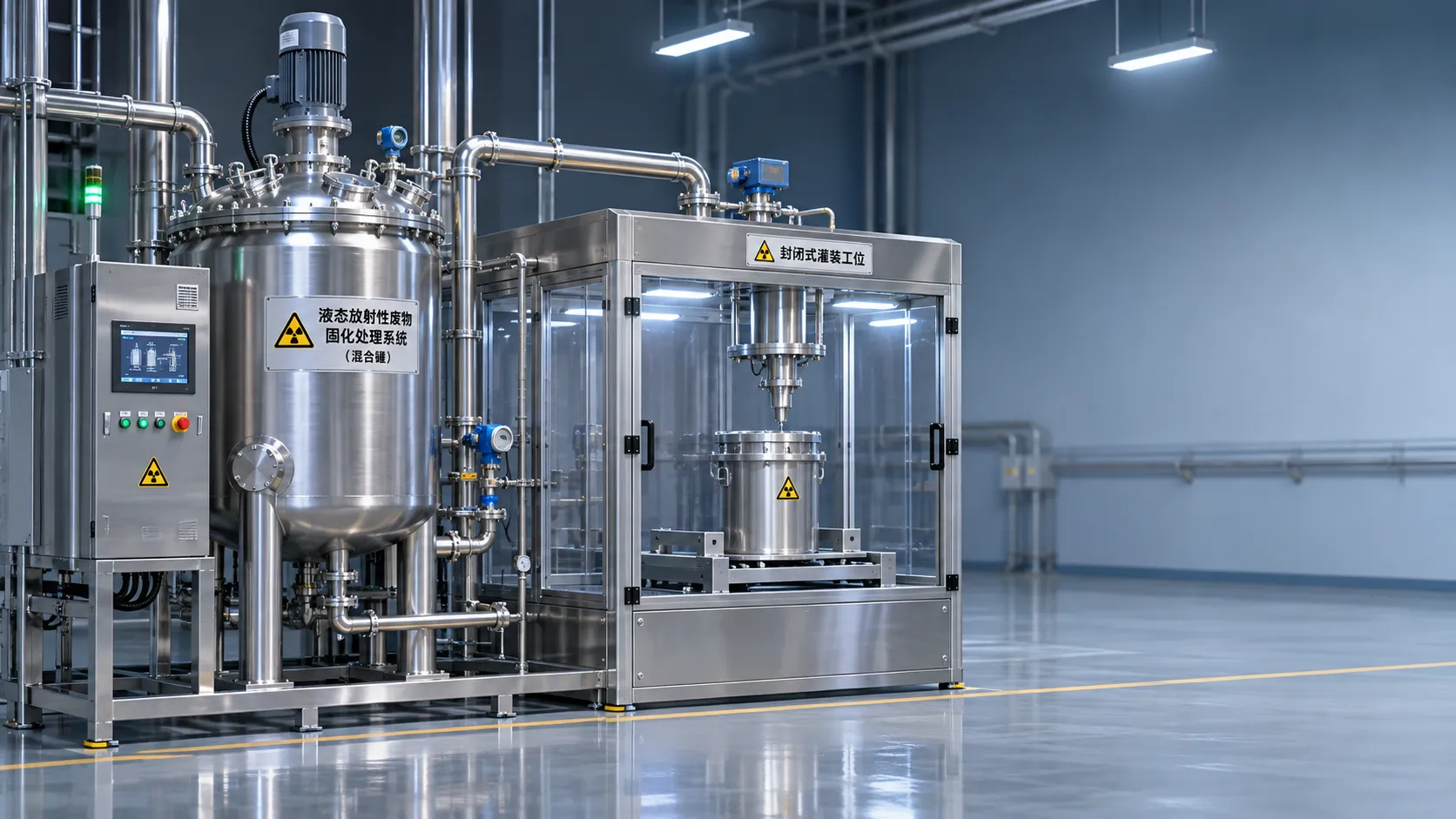
How to select nuclear waste safety equipment for liquid solidification
Choose nuclear waste safety equipment for liquid solidification with confidence. Compare waste acceptance, containment, radiation protection, and lifecycle costs.
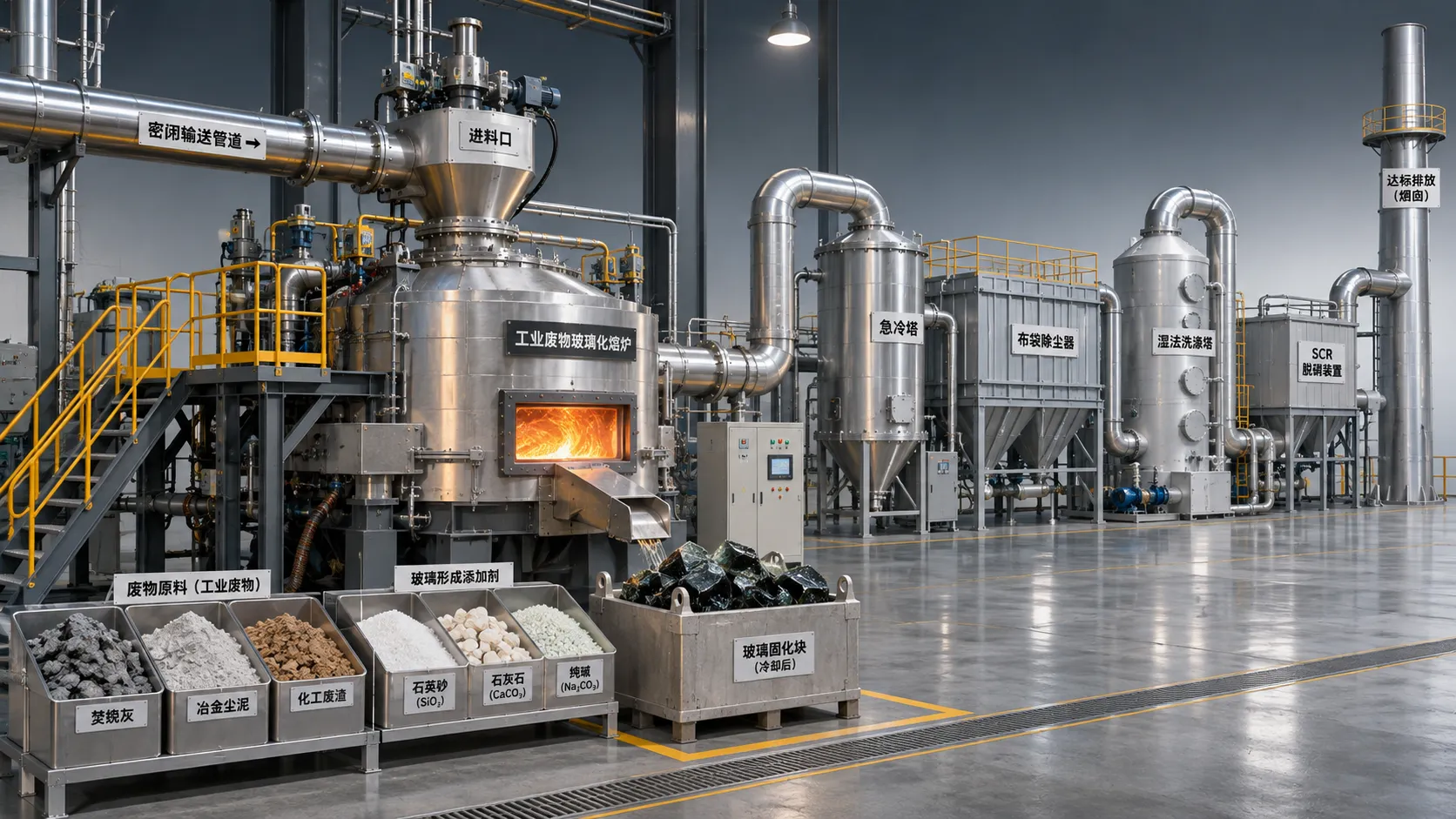
How does waste composition affect waste vitrification cost?
Discover how moisture, glass chemistry and contaminants affect waste vitrification cost—and learn how to compare bids and avoid hidden expenses.
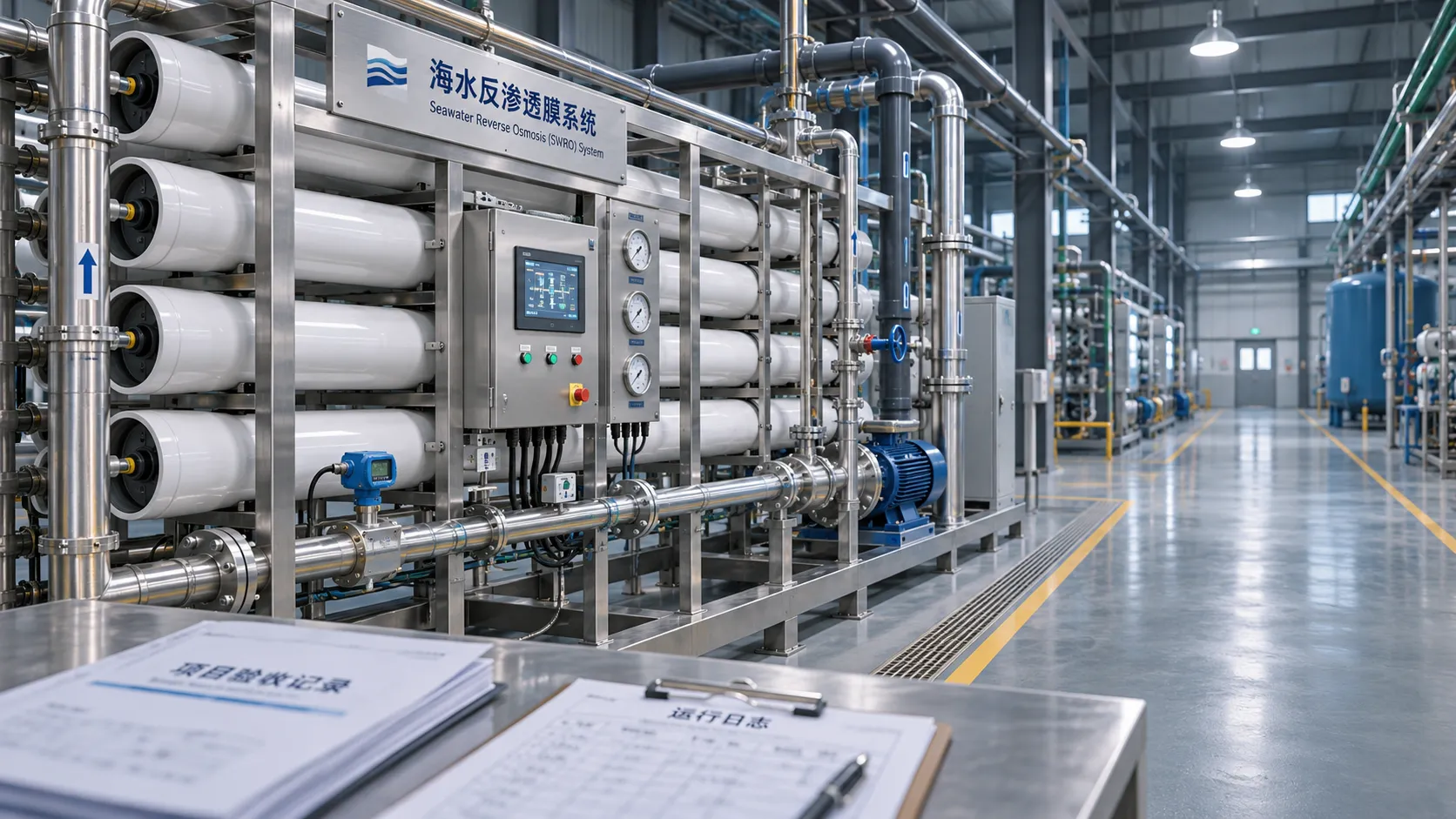
How to verify an SWRO membrane systems exporter's track record
Verify an SWRO membrane systems exporter's track record with practical checks for project references, operating evidence, export capability and after-sales support.
How does capacity affect waste recovery equipment price?
Discover how capacity affects waste recovery equipment price, and learn how to compare throughput, operating costs, and supplier quotes for a smarter investment.