
Industry News
Curation by industry experts
Hot Articles
Popular Tags
When do advanced oxidation systems make sense for wastewater treatment?
Advanced oxidation systems make sense when a wastewater stream contains organic contaminants that conventional treatment cannot remove reliably, and the required discharge or reuse outcome justifies the additional complexity. They are most compelling when the difficult contaminants can be treated in a relatively small stream, after processes that remove suspended solids and readily biodegradable material have reduced the oxidant demand.
They are less attractive when the main problem is bulk organic load, when contaminants can be removed more economically by separation or biological treatment, or when the water contains constituents that consume oxidants faster than the target pollutants do. A successful selection therefore depends on the whole treatment train, not just evidence that a particular compound can be oxidized in clean water.
Start with the treatment objective, not the technology
Advanced oxidation processes, or AOPs, generate highly reactive oxidizing species, often hydroxyl radicals, to transform contaminants. Common approaches include ultraviolet light combined with hydrogen peroxide, ozone combined with hydrogen peroxide, and Fenton or photo-Fenton reactions using iron and peroxide. Their chemistry and operating requirements differ, but they share a practical limitation: the useful reaction must compete with other reactions occurring throughout the wastewater matrix.
Before comparing systems, define the outcome that treatment must achieve. A plant may need to reduce a specific trace contaminant, lower toxicity, improve biodegradability before biological treatment, or provide a polishing step before reuse. These objectives call for different performance measures. A decrease in the concentration of one compound, for example, does not establish that the water has become less toxic or that the overall organic load has been mineralized.
Ask whether the problem is a persistent contaminant or simply too much treatable material. If conventional biological treatment is underperforming because of inadequate equalization, nutrient imbalance, toxicity from intermittent discharges, or insufficient treatment capacity, fixing that problem may deliver more value than adding oxidation. Where the troublesome compound is readily captured by activated carbon, an adsorbent or membrane, separation may also be preferable, provided the resulting spent media or concentrate can be managed.
Oxidation becomes more persuasive when those alternatives leave an unacceptable residual, transfer the problem into a costly waste stream, or cannot accommodate the required performance across expected operating conditions.
Where the economics tend to work
AOPs are often evaluated for industrial streams containing compounds that resist biological degradation, as well as for treated effluent requiring additional polishing. Potential applications include wastewater from chemical or pharmaceutical production, and reuse schemes where selected organic micropollutants remain after conventional treatment. The relevant question in each case is whether the specific contaminants and water matrix respond sufficiently under achievable operating conditions.
Concentrated does not automatically mean suitable. A segregated stream can be attractive because treating a smaller flow avoids exposing the entire plant throughput to an expensive process. But a highly concentrated stream can also impose excessive chemical demand, inhibit light transmission, or produce heat and safety concerns. Equalization, dilution, recovery, or another pretreatment step may be necessary; dilution alone does not remove contaminant mass.
Placement in the treatment train changes the cost and the purpose of oxidation:
- Before biological treatment: partial oxidation may make some compounds more biodegradable or reduce inhibition. The resulting water must still be tested for biological treatability and toxicity; oxidation can also create products that inhibit downstream treatment.
- After biological treatment: polishing a lower-organic-load effluent can reduce competition for oxidants. The remaining contaminants may still require substantial treatment, particularly when dissolved organic matter persists.
- On a segregated side stream: treating a known source can protect the main biological process or address a specific discharge. The design must account for batch releases, variable composition, and the consequences of bypassing the unit during maintenance.
There is no universal best position. Compare the mass of the target contaminants, the competing oxidant demand, and the flow at each potential point. A smaller stream is not necessarily cheaper if its chemistry makes treatment disproportionately difficult.
Water chemistry can overturn a promising result
The contaminant list is only the start of the design basis. Carbonate and bicarbonate, natural or process-derived organic matter, and other dissolved constituents can consume reactive species. Depending on the process, pH affects reaction pathways, equipment requirements, and post-treatment needs. Salinity and specific ions can also alter reaction chemistry and create unwanted byproducts.
For UV-based systems, light transmission matters directly: color, turbidity, suspended solids, and dissolved compounds can reduce the useful UV dose delivered through the water. Lamp fouling and aging further affect performance, so a design based only on fresh, clean equipment can overstate operating capability. Where ozone is used, gas transfer, ozone demand, off-gas destruction, and the potential formation of bromate in bromide-containing water deserve attention. The significance of bromate depends on the water, process conditions, and applicable requirements.
Fenton-based systems bring a different set of constraints. Iron and peroxide dosing can be effective for some streams, but pH adjustment and subsequent neutralization may be needed. Iron-containing sludge and its disposal become part of the treatment cost. Catalytic and electrochemical variants have their own questions around catalyst life, electrode condition, fouling, and replacement.
Oxidation can also produce transformation products that are more persistent or problematic than expected. Measuring only the disappearance of a parent compound risks accepting incomplete treatment. The evaluation should include relevant byproducts, residual oxidants, toxicity where appropriate, and the downstream effects on biological processes or receiving treatment equipment. Residual hydrogen peroxide, for example, can interfere with some analytical measurements and may require quenching or a suitable analytical method.
Choose a process against the actual duty
Process selection should follow a comparison of credible options on the same wastewater and performance basis. The following distinctions help narrow the field, but they do not replace testing.
Direct ozonation can remove some contaminants without functioning primarily as an advanced oxidation process. That distinction matters when comparing claims: a successful ozone treatment result does not by itself establish the contribution of hydroxyl radicals or predict performance for a different contaminant mixture.
Nor should an AOP be assumed to eliminate every class of pollutant. Conventional oxidation approaches are not a dependable general solution for highly persistent substances such as PFAS. Where such compounds drive the treatment objective, evaluate technologies against the particular substances and required outcome, including the management or destruction of any resulting concentrate.
What a defensible trial should establish
Bench screening can identify whether a process is worth pursuing, but it should use representative wastewater rather than relying solely on spiked clean water. Samples should reflect meaningful variation: production cycles, cleaning events, changes in feedstock, wet-weather dilution where relevant, and the range of upstream treatment performance. Composite samples can support average-load assessment; they may also conceal short-lived peaks that govern compliance or equipment sizing.
Set acceptance criteria before the trial. Specify the target analytes and their influent ranges, the required effluent quality, sampling and analytical methods, and any toxicity or byproduct limits relevant to the receiving system. Where reuse is planned, include the requirements of downstream equipment and the intended application. Applicable discharge and reuse obligations depend on the jurisdiction, permit, and water use.
A useful test program should establish more than a removal percentage:
- The relationship between influent conditions, dose, contact time or UV exposure, and effluent quality.
- Chemical and electricity consumption, including pH adjustment, residual oxidant removal, and ancillary equipment.
- Formation of relevant byproducts, changes in toxicity or biodegradability, and the fate of residual oxidants.
- Fouling, solids generation, gas handling, maintenance requirements, and any loss of performance over time.
- Response to peak loading, shutdowns, restarts, and foreseeable upsets in upstream treatment.
A pilot can then address uncertainties that a bench test cannot resolve well, such as UV reactor hydraulics, ozone transfer, fouling rates, instrumentation, and continuous operation. Scale-up assumptions should be explicit: a laboratory result obtained with vigorous mixing and carefully controlled chemistry does not automatically translate into the same full-scale dose or reliability.
Compare the full treatment cost and operating burden
Capital cost alone rarely settles the decision. Include power, oxidants and other chemicals, pretreatment, sludge or spent-media management, maintenance, replacement parts, monitoring, operator workload, and downtime. For ozone, include oxygen supply where applicable and off-gas destruction. For UV, account for lamp replacement, cleaning, and the electrical demand required to maintain the design dose as conditions change.
Compare those costs with a realistic alternative that meets the same objective. Activated carbon may have lower equipment complexity but recurring media regeneration or disposal costs. Membranes may produce high-quality permeate while concentrating contaminants into a smaller stream that still needs management. Biological upgrades can be economical for biodegradable loads but may not address a specific persistent compound. A combination can outperform any single process: for example, upstream biological treatment may reduce the load entering oxidation, while downstream adsorption may provide a final barrier for residuals.
Reliability deserves the same attention as average cost. Define how operators will know that the process is delivering adequate treatment, what happens when a lamp bank or ozone generator is unavailable, and whether off-spec water can be stored or diverted. Online signals such as UV intensity, flow, or oxidant residual can support control, but they do not necessarily measure removal of every target contaminant. A monitoring plan should connect operational indicators to verified treatment performance.
The strongest case for advanced oxidation is a defined treatment gap, a representative water matrix that responds consistently, and a demonstrable advantage over alternatives once byproducts and operating requirements are included. If any of those remain uncertain, the next decision is usually a targeted trial, not a full-scale equipment commitment.
Recommended News
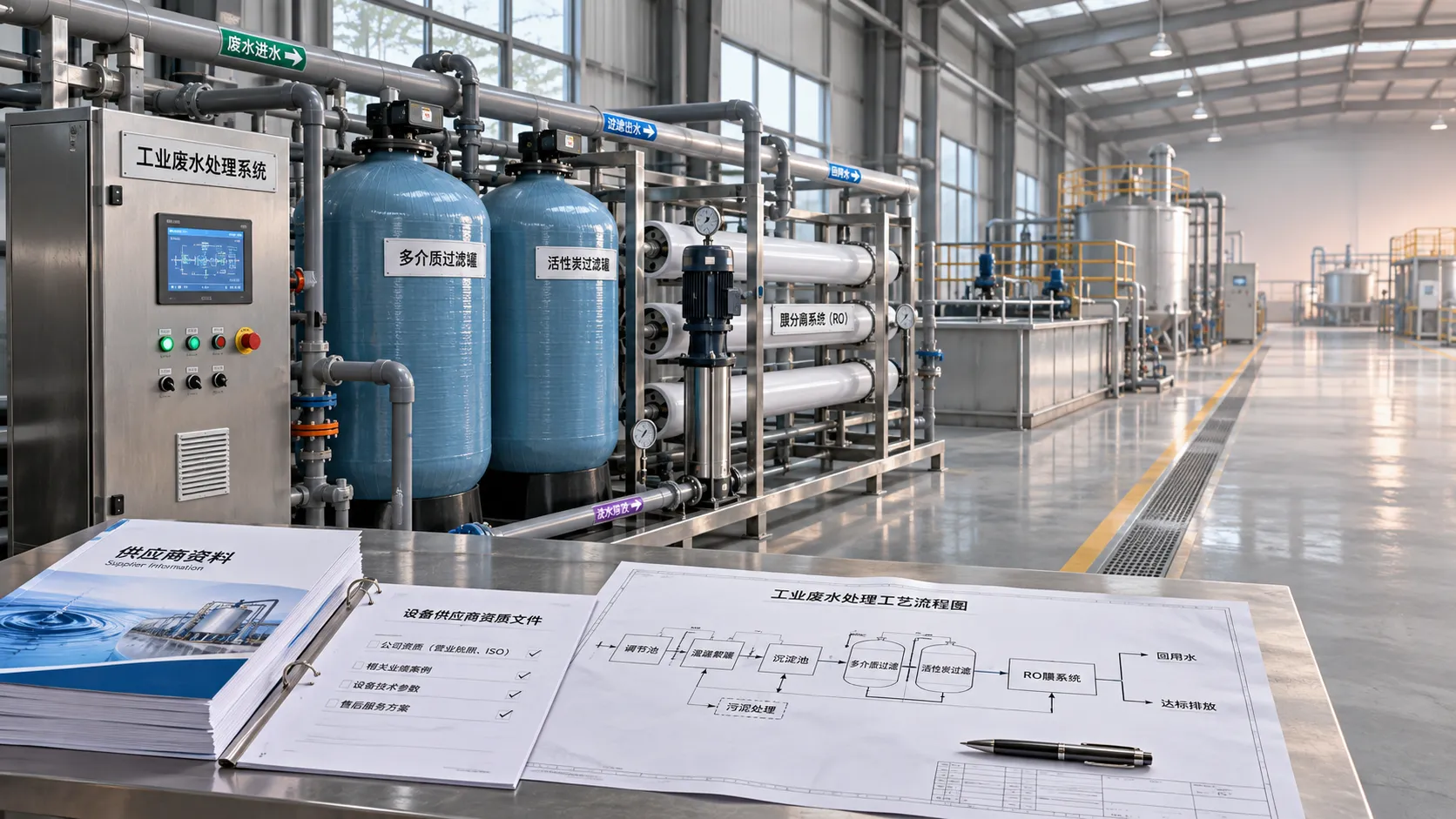
How to find verified providers in an industrial environmental solutions directory
Use an environmental solutions directory for industry to find verified providers, compare technical capabilities and costs, and build a reliable supplier shortlist.
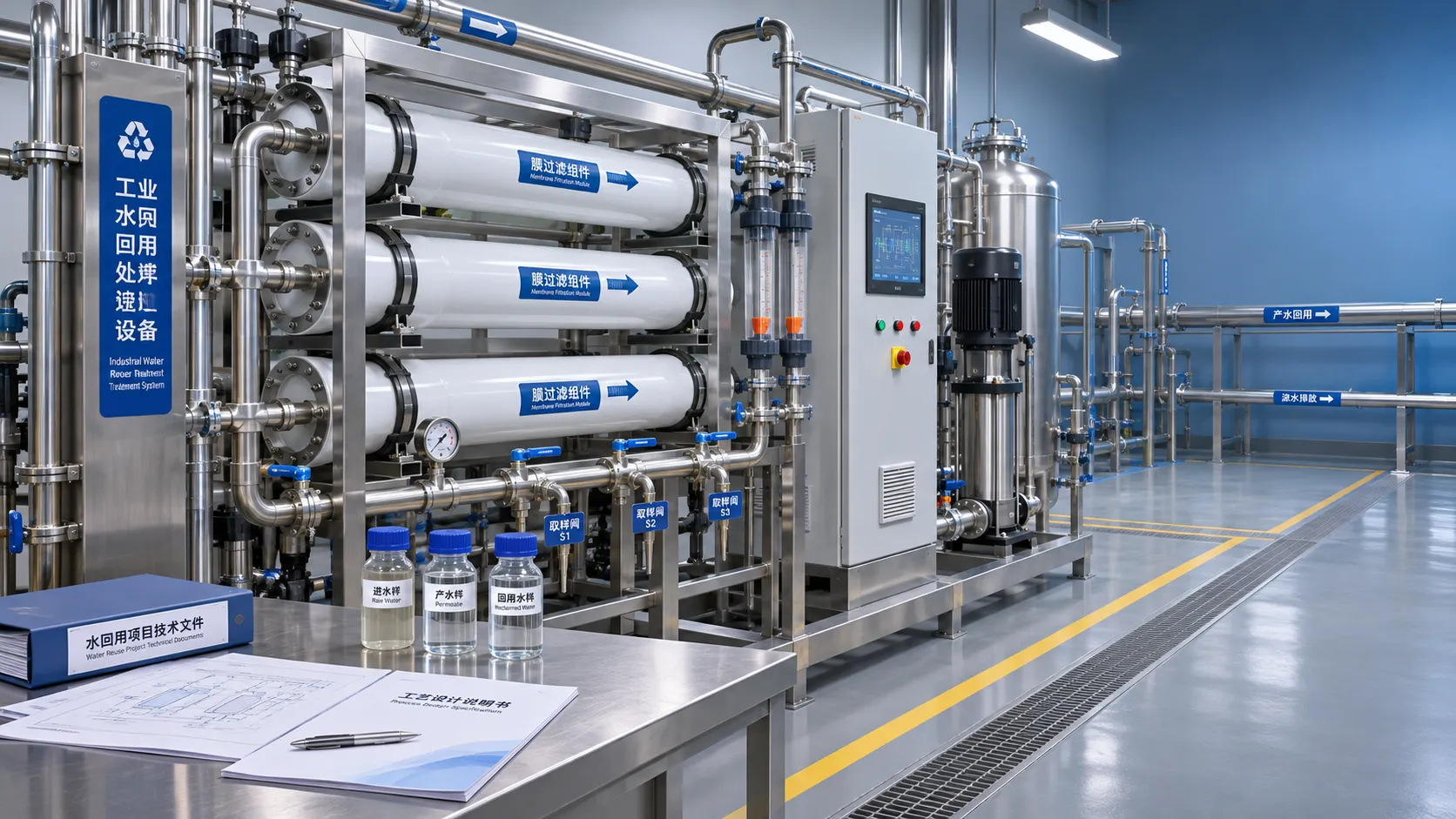
How to identify applicable water reuse equipment standards
Identify applicable water reuse equipment standards with a practical guide to regulations, performance claims, certification, and monitoring.
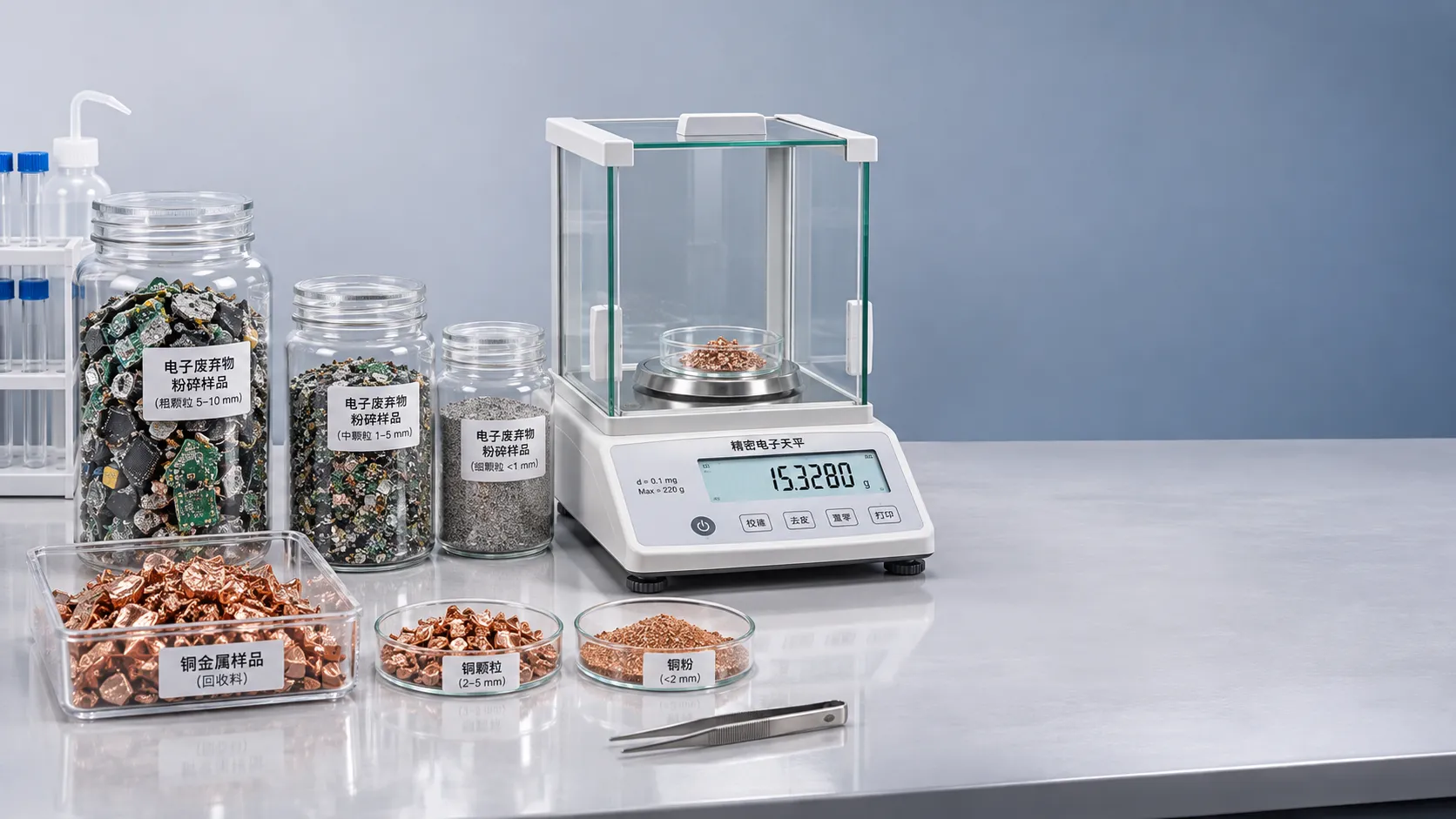
How to measure resource recovery efficiency in e-waste refining
Learn how to measure resource recovery efficiency in e-waste refining with metal balances, sampling and verified yields. Compare technologies with confidence.
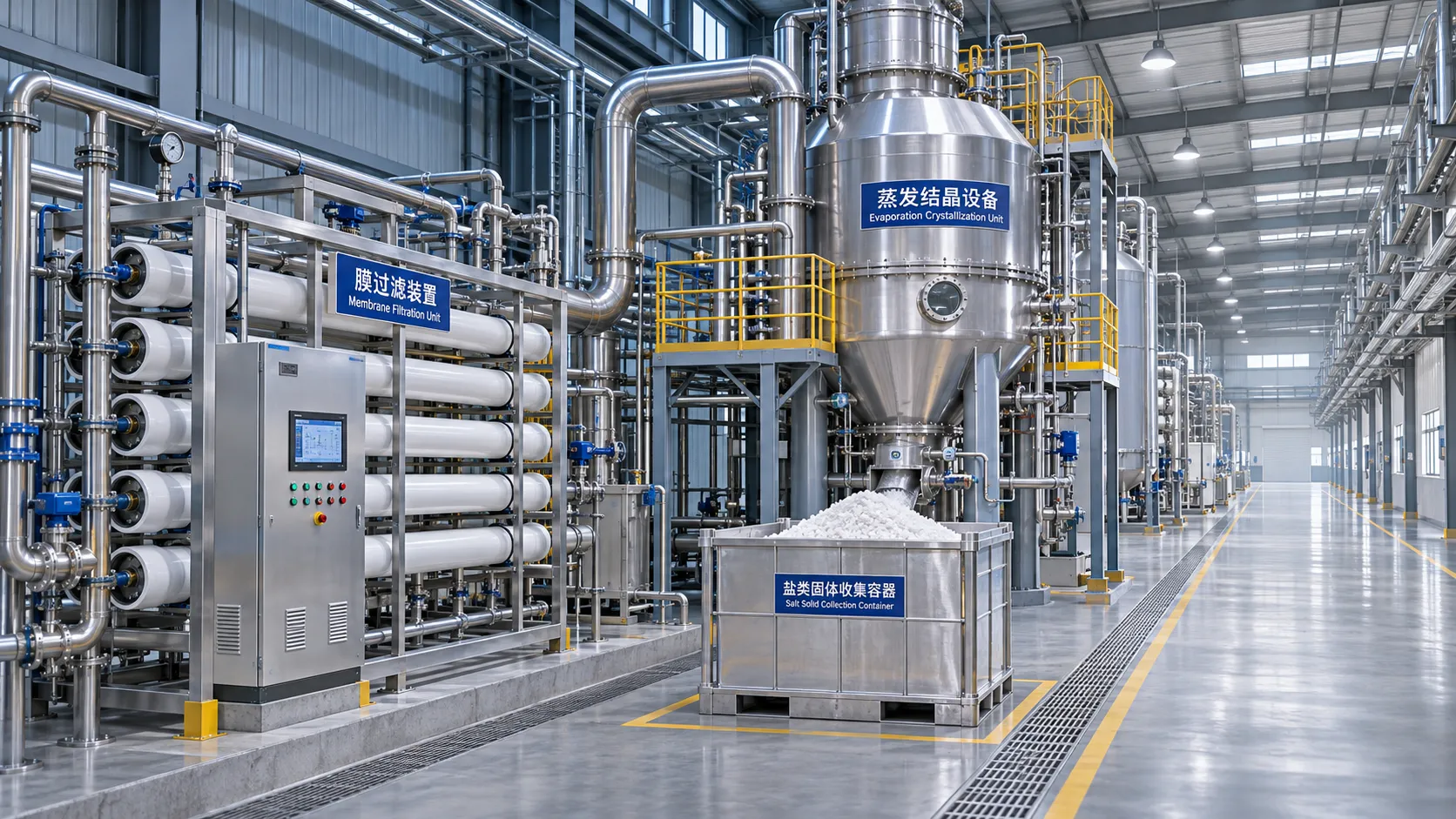
How to evaluate a ZLD system integrator’s project experience
Evaluate a ZLD system integrator with confidence. Learn how to verify relevant projects, operating results and contract risks before selecting a partner.
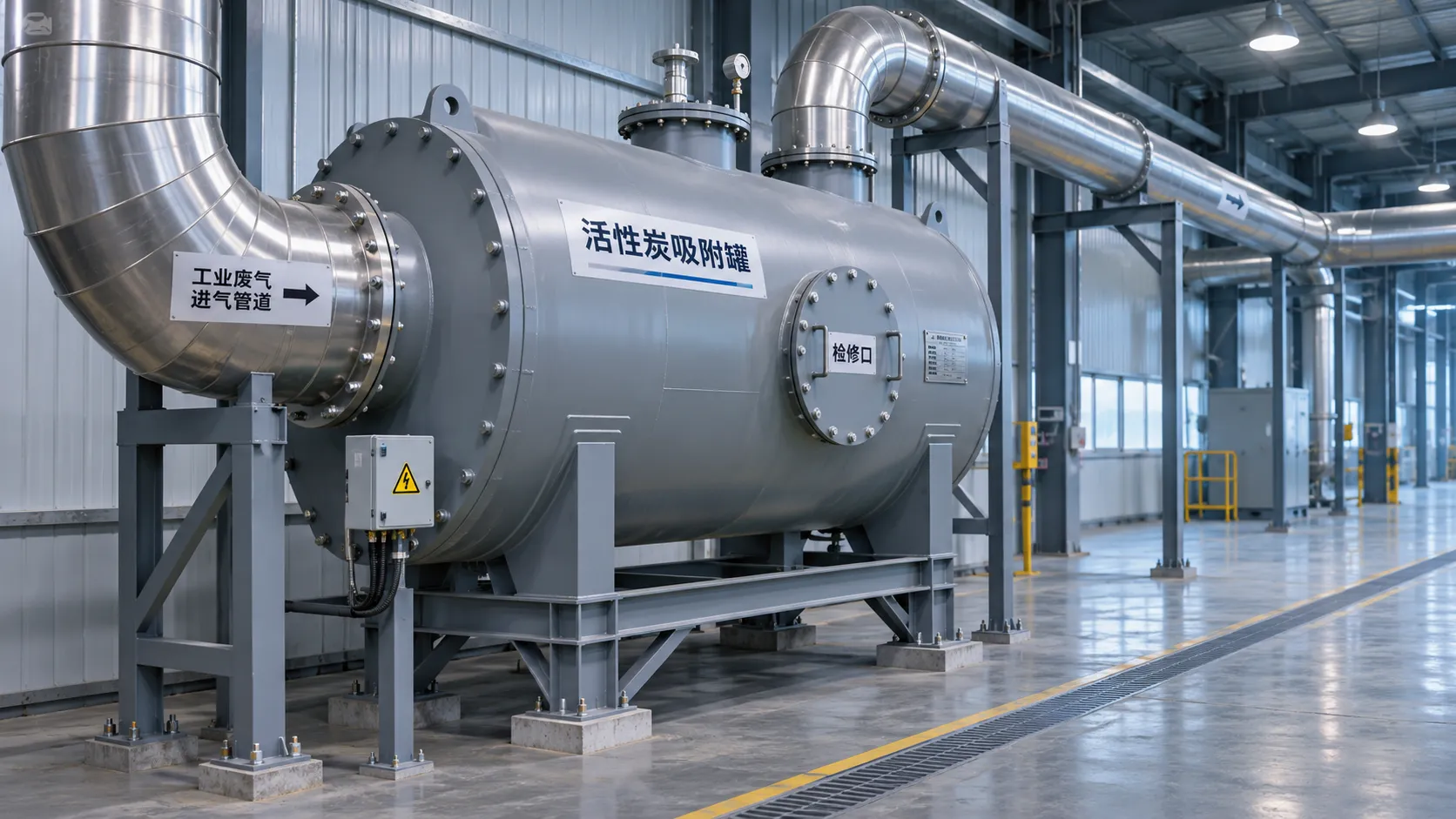
How VOC concentration affects industrial VOC treatment selection
Explore how VOC concentration shapes industrial VOC treatment selection, from adsorption and oxidation to solvent recovery. Find the right approach for your process.
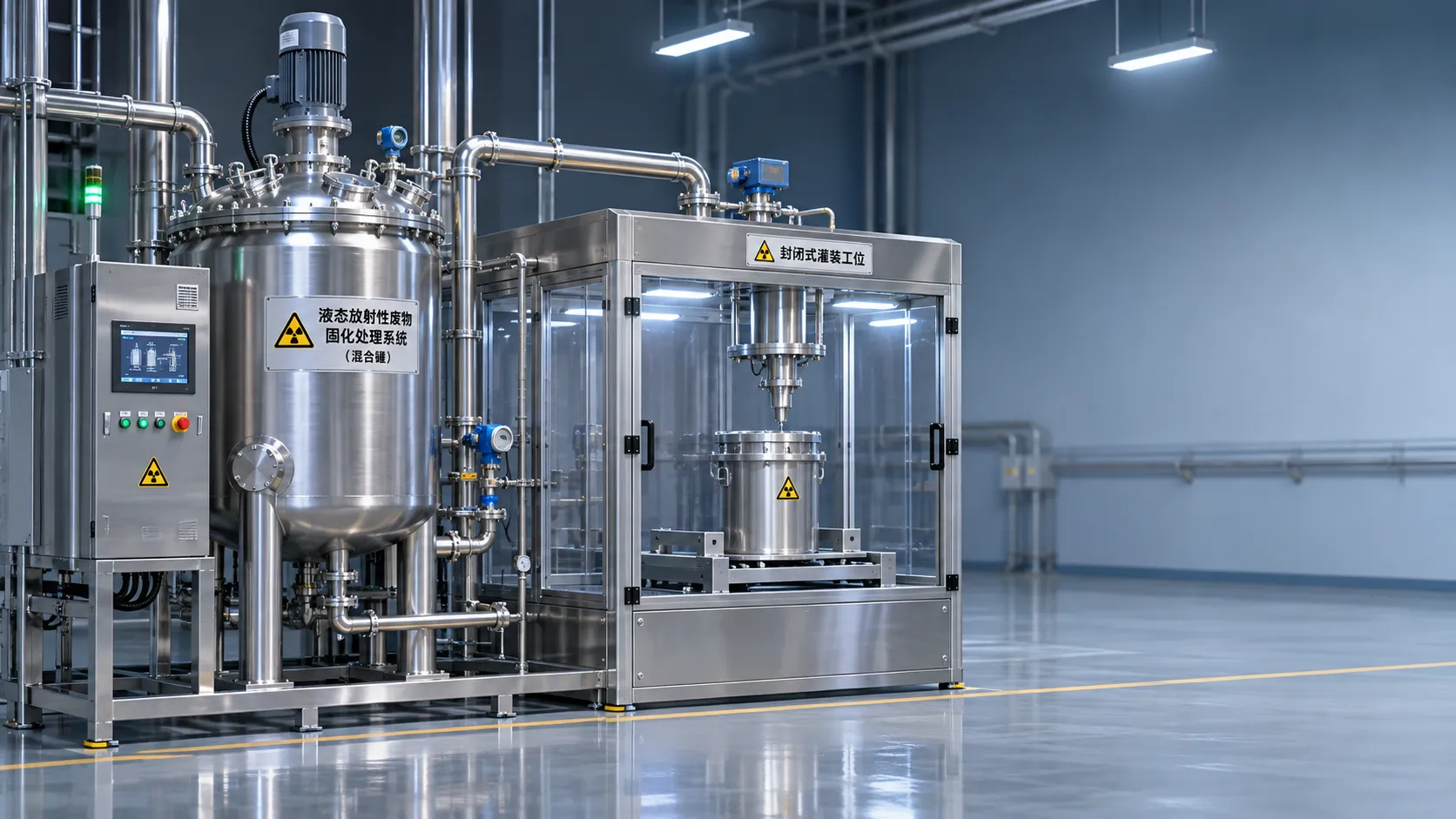
How to select nuclear waste safety equipment for liquid solidification
Choose nuclear waste safety equipment for liquid solidification with confidence. Compare waste acceptance, containment, radiation protection, and lifecycle costs.
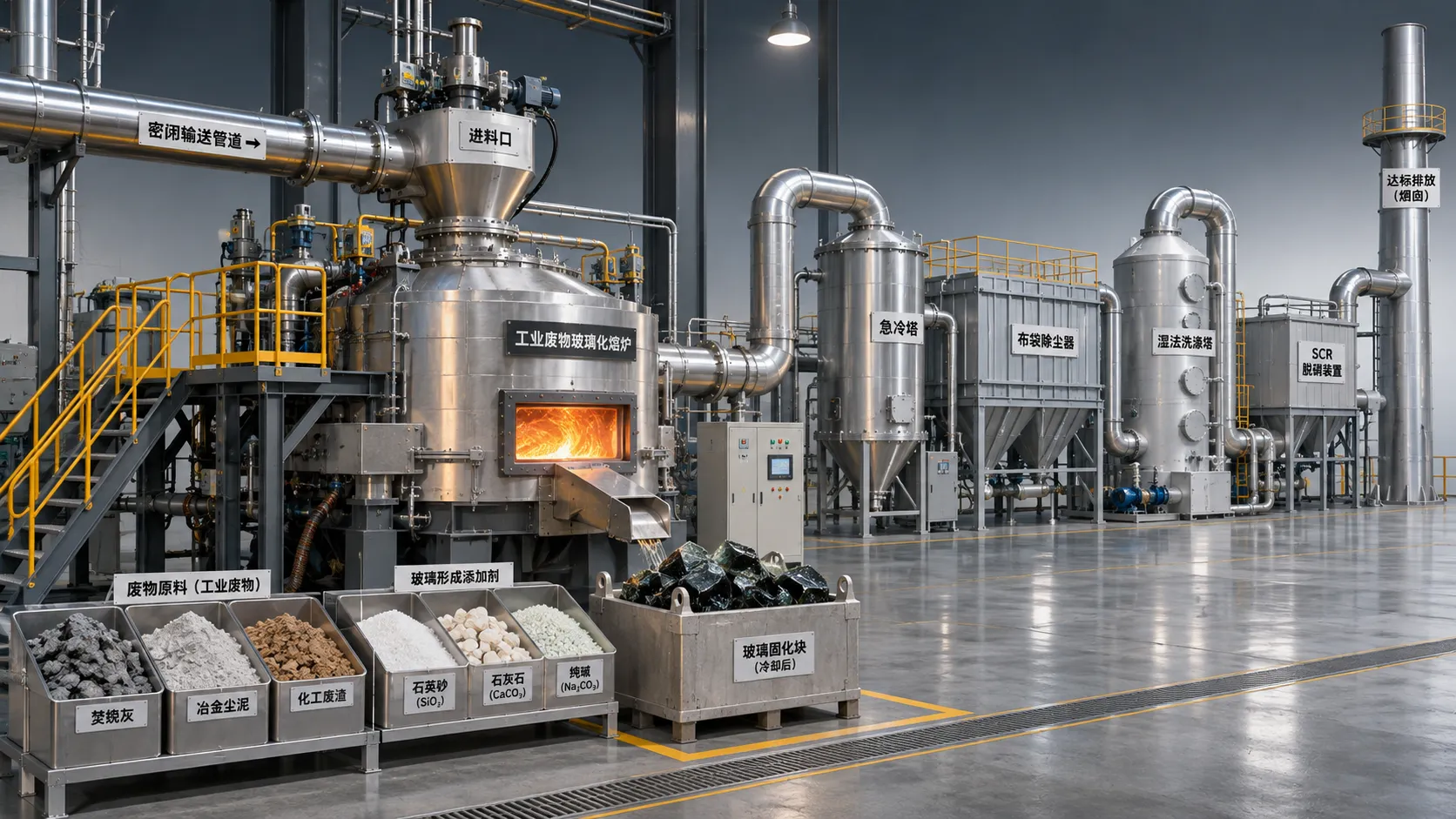
How does waste composition affect waste vitrification cost?
Discover how moisture, glass chemistry and contaminants affect waste vitrification cost—and learn how to compare bids and avoid hidden expenses.
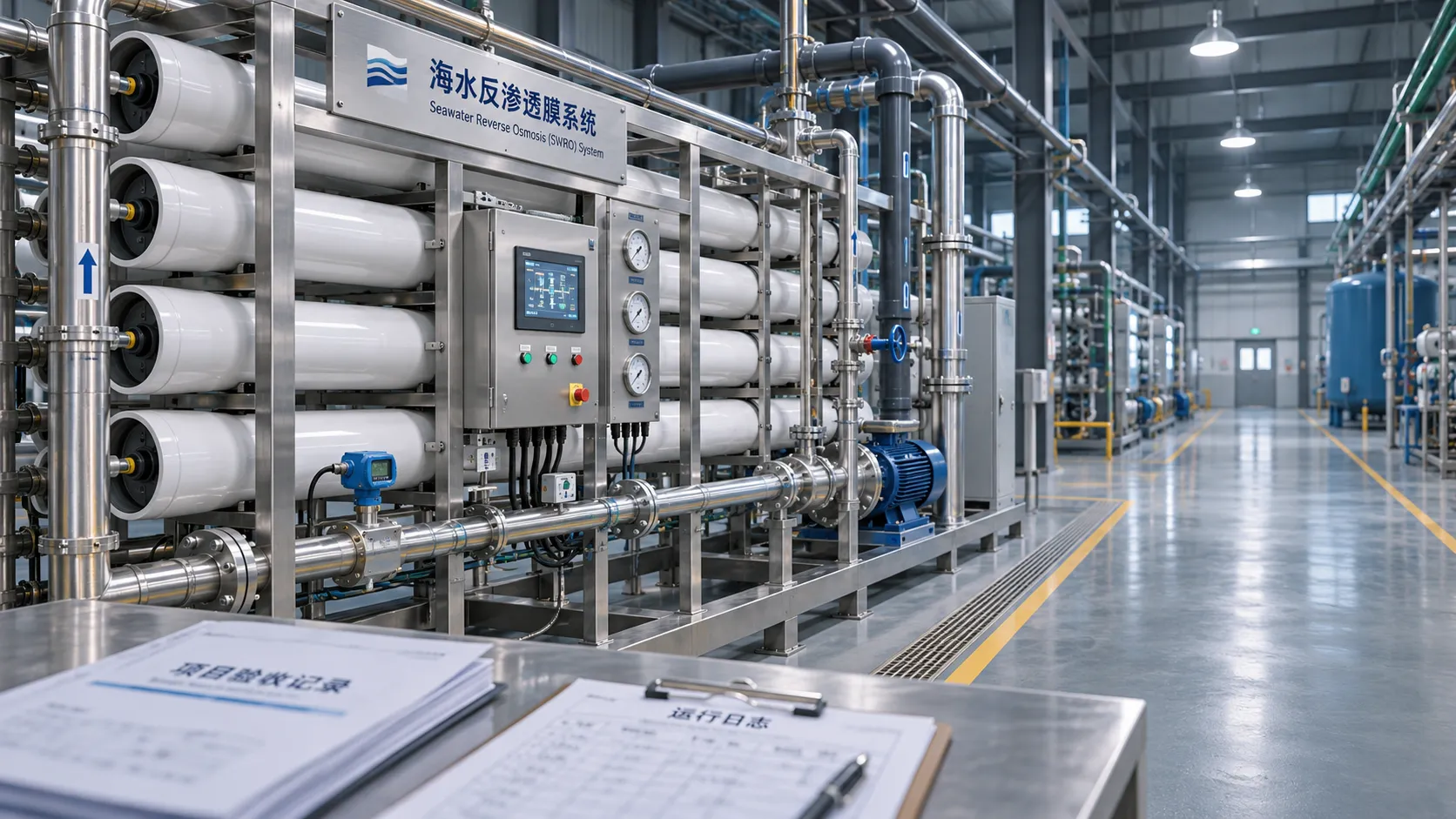
How to verify an SWRO membrane systems exporter's track record
Verify an SWRO membrane systems exporter's track record with practical checks for project references, operating evidence, export capability and after-sales support.
How does capacity affect waste recovery equipment price?
Discover how capacity affects waste recovery equipment price, and learn how to compare throughput, operating costs, and supplier quotes for a smarter investment.